Shop BITR Apparel Shop Now
We independently review everything we recommend. When you buy through our links, we may earn a commission.
10.2 oz. (290 g) for a US M9 / 8.8 oz. (250 g) for a US W7.5
32 mm in heel, 26 mm in forefoot (6 mm drop)
Moderate to technical trail days
E+ Foam midsole, Dragonfly Light jacquard mesh upper, Diapazon shield X-LT, Duragrip Ultra outsole
Available now for $160
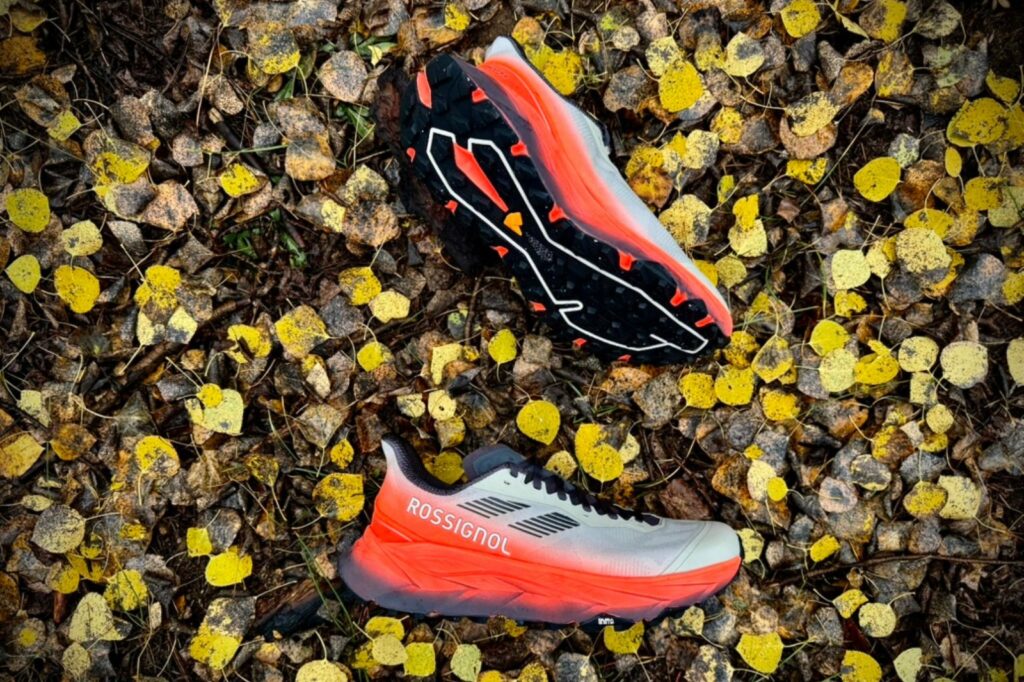
RENEE: Rossignol is a ski company. That’s all I knew before getting this shoe for review. After six years of doing this, I thought I’d run in most brands that make running shoes, but it seems like everyone in the outdoor space these days is adding trail running shoes to their dossier. And speaking of French words, Rossignol means “nightingale,” which explains the bird featured in the company’s logo. I initially thought the bird was a chicken, but a nightingale makes way more sense.
Before 2023, anytime I received a shoe from a brand not entirely known for trail running, I didn’t expect much. But those days are gone. Keen has trail running shoes. Kiprun has trail running shoes. Teva has trail running shoes. Everyone has a trail shoe. And these brands aren’t entering the market with mediocre products — they’re coming in swinging.
I didn’t run in their debut trail shoe, the Vezor, but our review was favorable. And the Vercors brings more promise: a lightweight design and reactive cushioning. Let’s see how this nightingale flies.
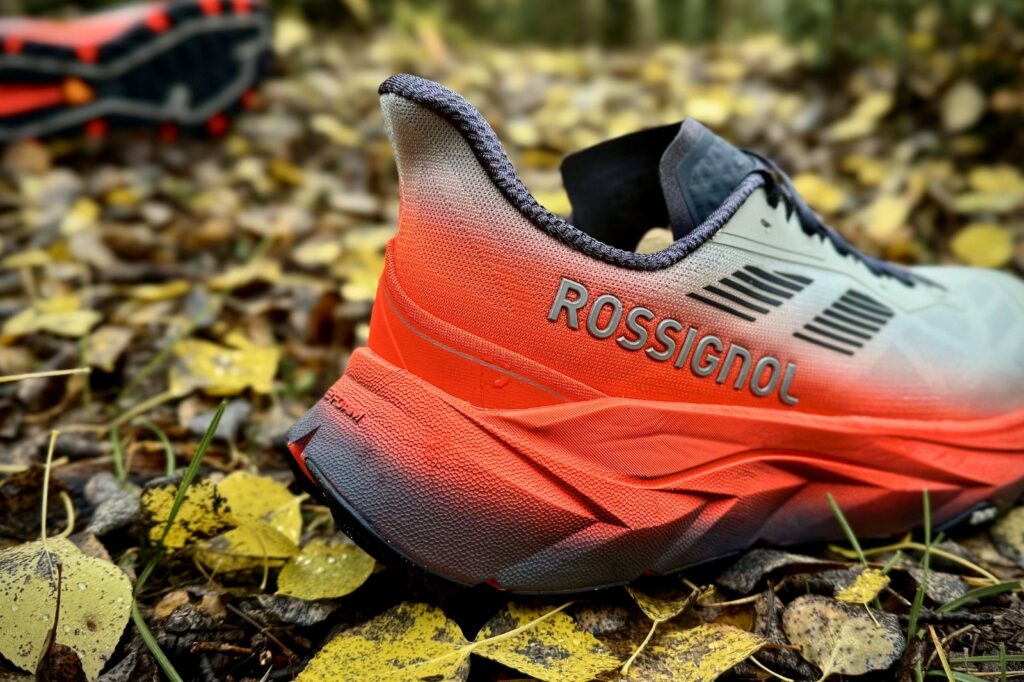
TAYLOR: While I knew about Rossignol’s background in skiing and have put many wonderful miles in their first shoe, the Vezor, I’m still learning about the brand from Renee here. And I concur with our apparent internal linguist, a nightingale is a little more fitting for this mountain-centric brand.
The small migratory bird roosts across Eastern Europe during the warmer months and flies thousands of miles south to Africa during other times of the year. Even for a small songbird, it’s not shy to fly.
Those characteristics certainly shine through to Rossignol’s newest trail running offering, the Vercors. The shoe is designed to be a more protective companion to the speedy Vezor. Think more long-distance mountain days and a little less speedy.
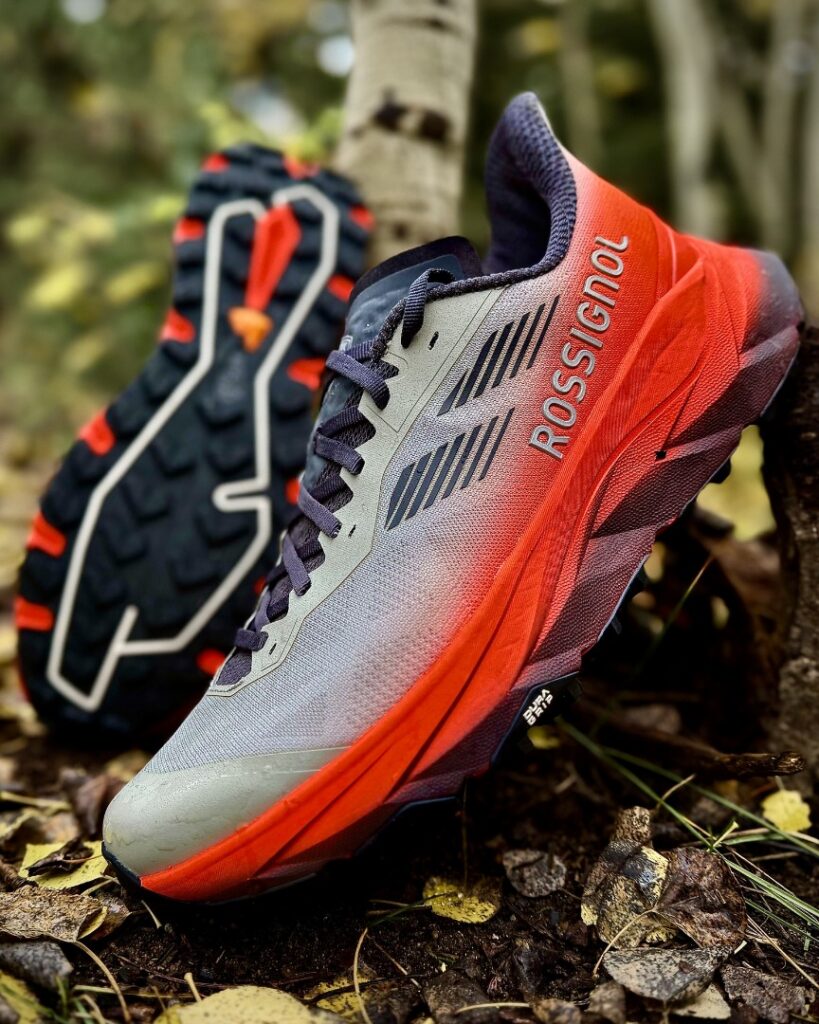
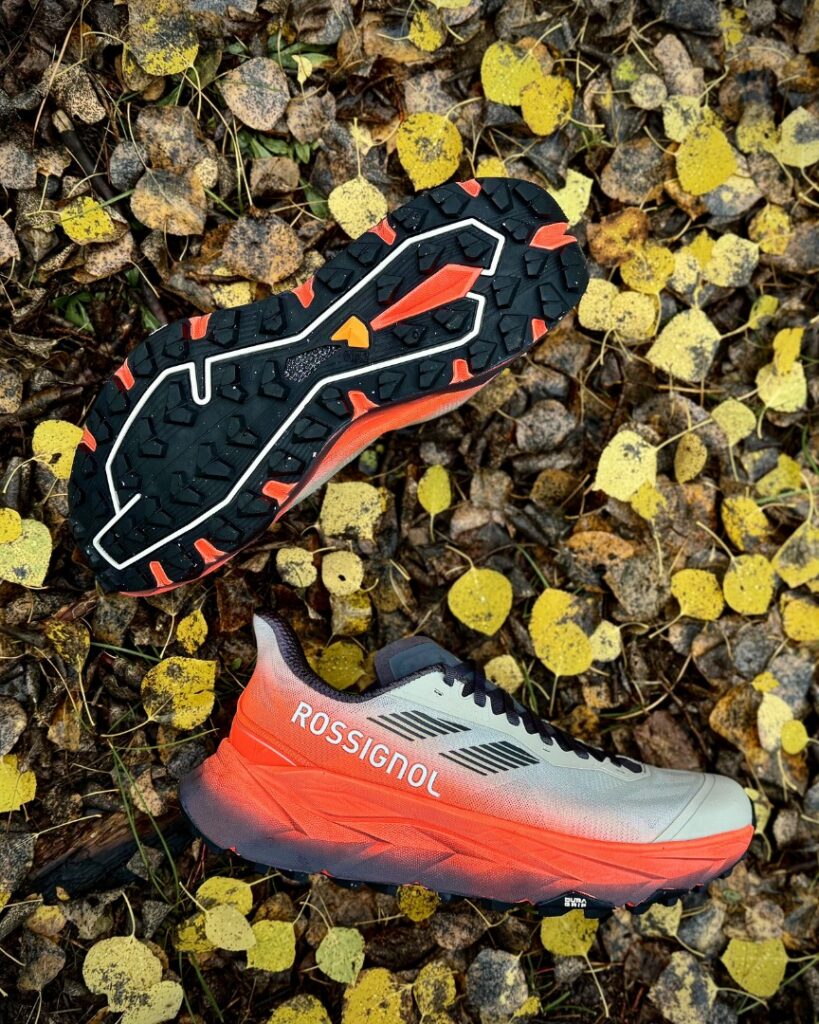
RENEE: The underfoot ride is premium, and that’s obvious immediately. There’s a lot going on with the insole and midsole layers. A lot. The catalog spec sheet for this shoe looks like a map insert in one of The Lord of the Rings books, except there’s no Mordor, and we’re not simply walking.
Let’s start with the insole. A good insole makes a difference for me. I’m one of those people who switches out TPU and TPEE insoles from shoe to shoe. And sure enough, the Vercors has a PU removable insole. Actually, two of them. The top layer feels and looks like a traditional insole (I’m measuring 4-4.5 mm). The other removable insole is 2 mm. These insoles offer the fun factor I expect from PU: responsiveness with some forgiveness.
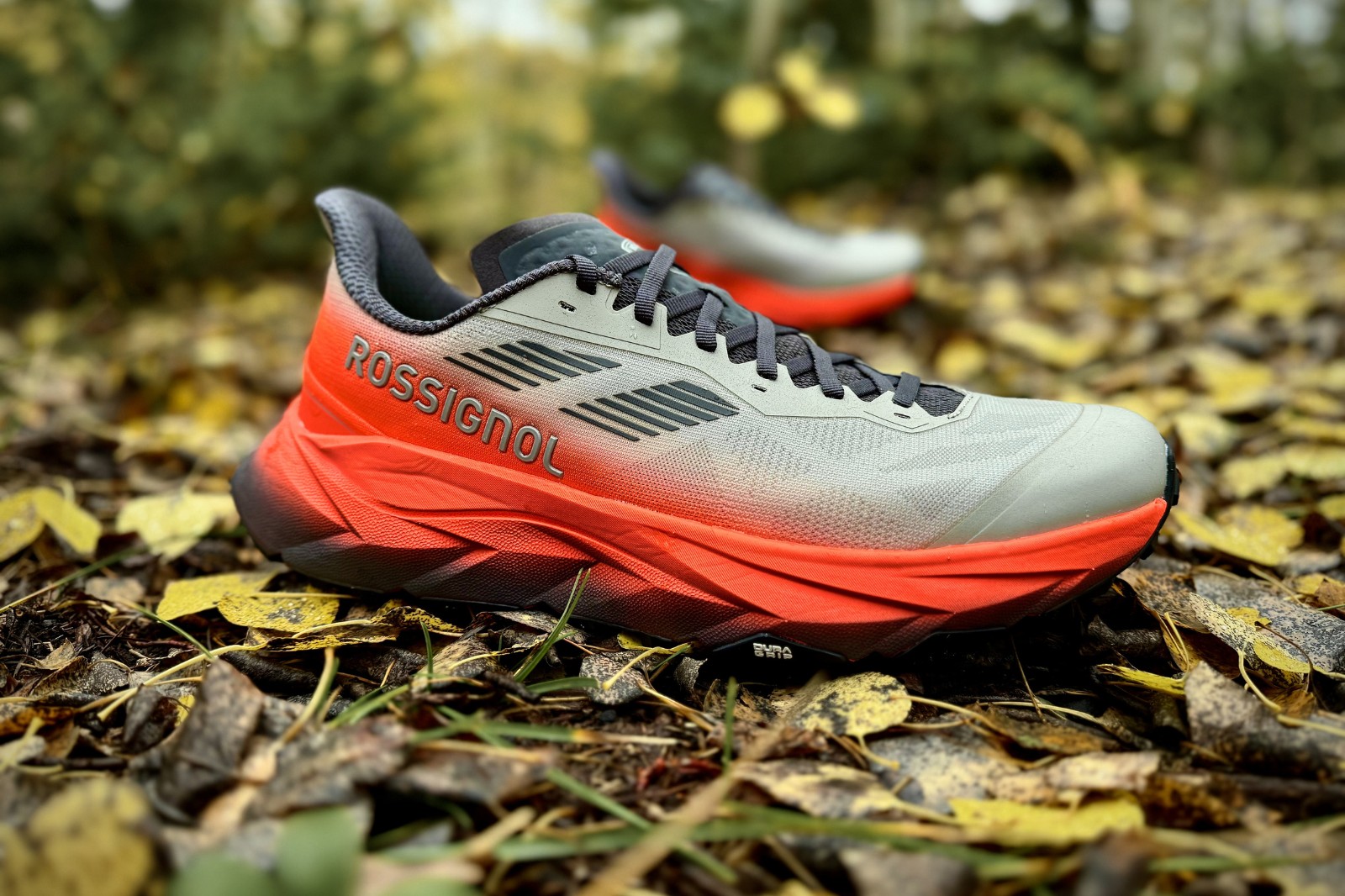
The midsole itself is firm and protective, though the underfoot feel is largely defined by the PU insoles, delivering a supercritical feel rather than an EVA ride. The shoe has a distinct mid-foot rocker, and that’s a plus for runnable terrain. If we go back to the LOTR map (i.e., the spec sheet), the shoe has a “comfort plate” to improve foot roll and delay fatigue. The plate (or shield, as the map describes) is not a speed plate, and it’s not as firm as a traditional rock plate.
Instead, the plate aids the midfoot rocker with some added protection. The shoe also has an anti-torsion insert (like I said, a lot going on here), which is viewable from the outsole. Between the anti-torsion insert and plate/shield, the shoe has good control on single track, more than I’d expect from a trail shoe with a distinct midfoot rocker.
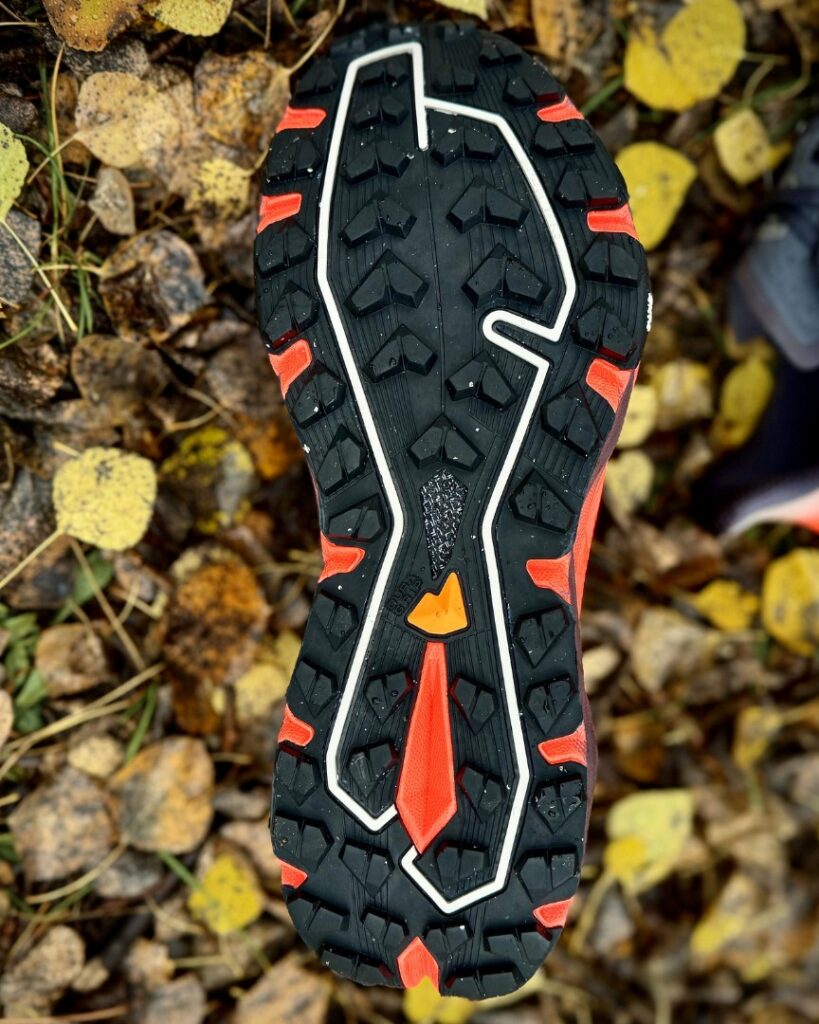
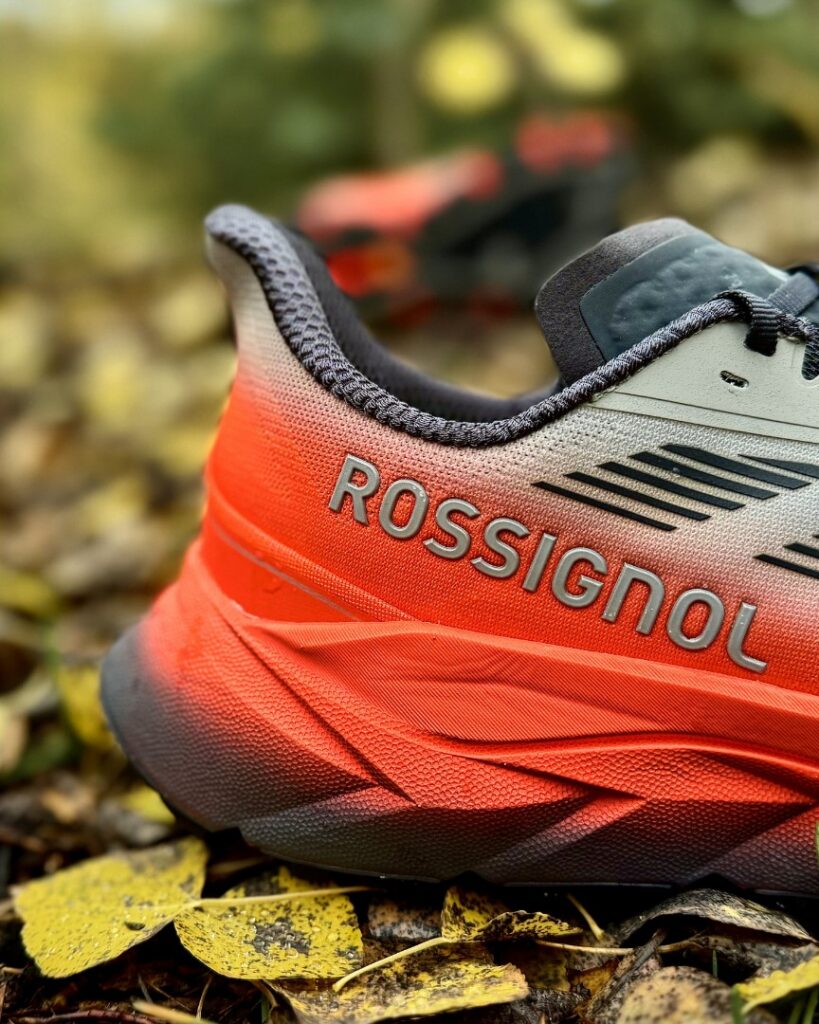
TAYLOR: I’m just going to continue to follow Renee’s lead on this one and agree that this underfoot experience is pretty solid. There are a few factors that make it more of a “traditional” sensation than a new-age standard.
The ride of the Rossignol Vercors is on the firmer end, but it’s livened up by a lightweight midsole, softer, energetic insoles, and a smooth rocker. I love when a brand pays adequate attention to the insole — it can literally make or break an experience. Here, it absolutely pays dividends.
This one delivers classic in a lighter, more flexible build than we’ve had in the past. A shoes of similar stature from 15 years ago would have been blocky and unbalanced, but new foams (even ones on the firm side like the E+ Foam) can make the Rossignol Vercors conducive to running on a variety of terrain.
I would compare this to a firmer original La Sportiva Prodigio, Merrell Agility Peak 6 (but much more functional), more protective Nike Terra Kiger 10, and a higher stacked Arc’teryx Vertex Speed Low.
I really do appreciate the overall density of the E+ Foam in the Rossignol Vercors, thanks to its protective nature and just enough flex. A 32/26 mm stack is also refreshing as the masses have gone higher and softer. While it might feel a little odd for “newer” runners who have only experienced this softer world, for me and likely those who sport ski and mountaineering boots for parts of the year, the Vercros will feel at home in the heights.
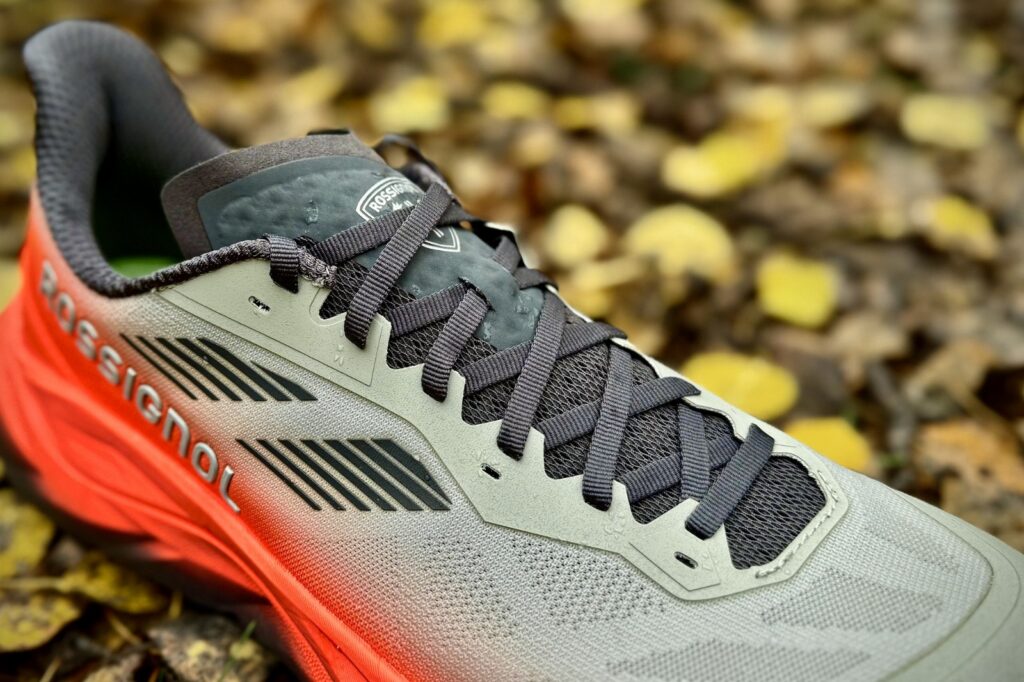
As far as fit goes, it was also partial to dancing. Overall, it takes on a slim and sassy tone. The Vercors laces up much like an approach shoe, with a lacing chain that runs from the toebox to the top. The original Hoka Tecton X had a similar lacing structure, and, quite frankly, I dig it. It might be a little unnecessary here because the fit is so slim through the toe box. At any rate, Rossignol offers multiple additional lacing holes on either side of the lacing chain to really customize the fit. Even the tongue had a unique, off-center loop at the top to hold it in place. I can’t help but think of the Saucony Mad River TR with this type of fit customization. Love it.
The engineered mesh was breathable and mapped really nicely. Even the higher ankle collar was well-executed, supporting the fit and comfort.
Dura Grip Ultra is also a fantastic addition to round out the Rossignol Vercors. The rubber was adequately tacky and very durable, lasting with the shoes. The 4 mm lugs were adequate for most conditions, except in deeper, softer mud and snow. Even then, I could feel their effort to claw into the ground.
Shop The Shoe - Men Shop The Shoe - Women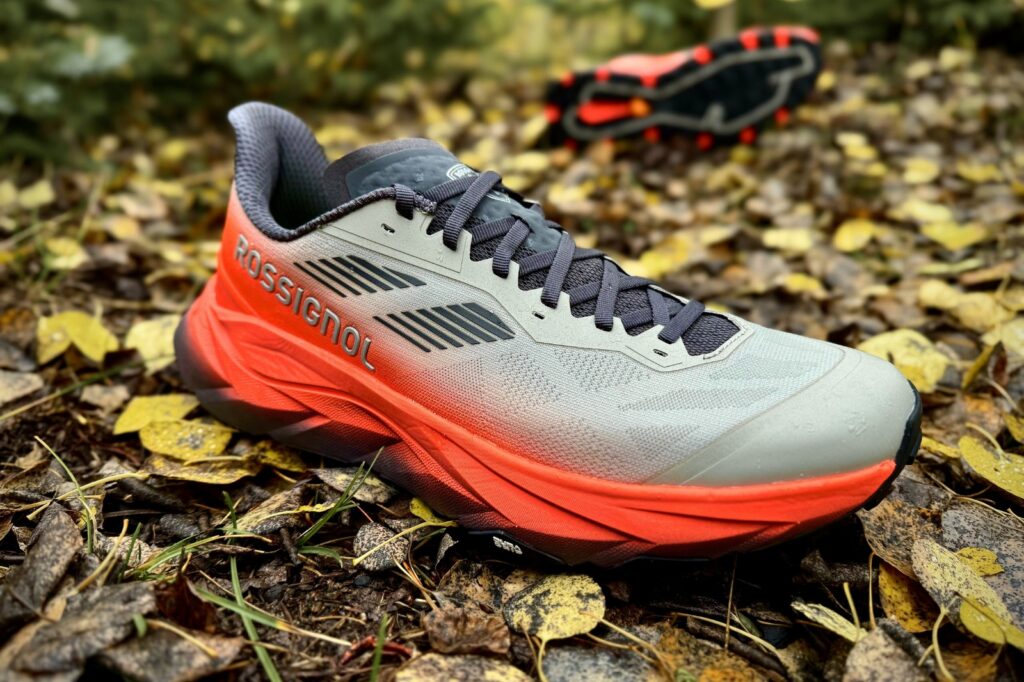
RENEE: I’m not a fan of high heel counters, although they are useful for shoes that have a distinct mid-foot rocker because they maintain an even roll forward and reduce heel slippage. I think the heel shape makes sense here, it’s just not my favorite. I’m not sure the shoe’s ride would work with a rounded heel cup. For me, the heel fit wasn’t as tight as I prefer for trail. That said, I probably needed to go half a size down in this shoe. I’m between half sizes in most shoes, and this is a shoe where the half size shorter would work better, which is often the case for me with European brands, including Salomon.
The shoe is advertised as an ultra option, and that’s going to depend on a runner’s preference for cushion versus ground feel, as it offers more ground feel than high-stack cushion. I think it runs well on mellow terrain too, but for comfort on endurance distances, it’s probably not the best for those needing cushion.
The shoe isn’t exactly lightweight at 9.01 oz in a US W8. With the PU insoles and smooth underfoot ride, the shoe doesn’t seem that heavy. Still, if you’re a runner who focuses on weight, this is far from the lightest option in the category. For comparison, the On Cloudultra Pro and Salmon S/Lab Genesis are more than a full ounce lighter in the same size — even if they cost a bit more.
The upper fit is okay. Similar to the fit of Salomon or VJ shoes, the shoe fits long and narrow. I have plenty of width, too much in the heel. A wide-footed runner might need more width in the midfoot. I ran in sub-zero weather and in 70°F weather, and the breathability is okay at both ends of the spectrum. I have some wear on the exposed sections of the midsole, to be expected for 100 miles and hitting tree roots.
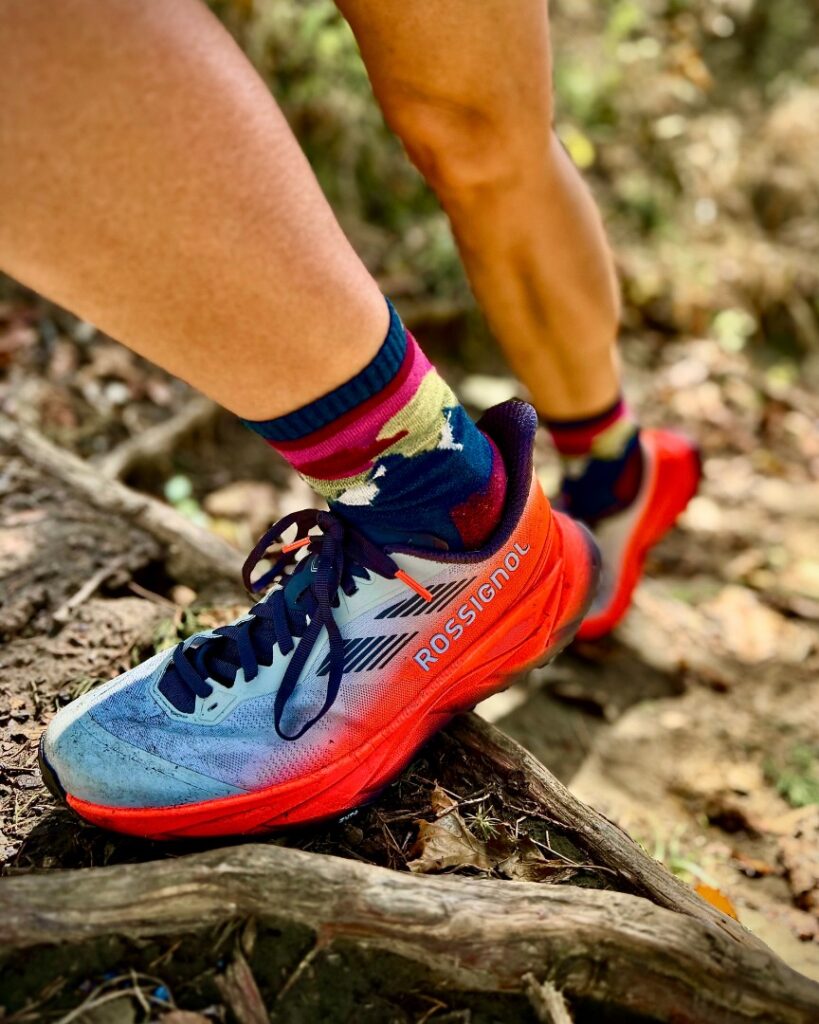
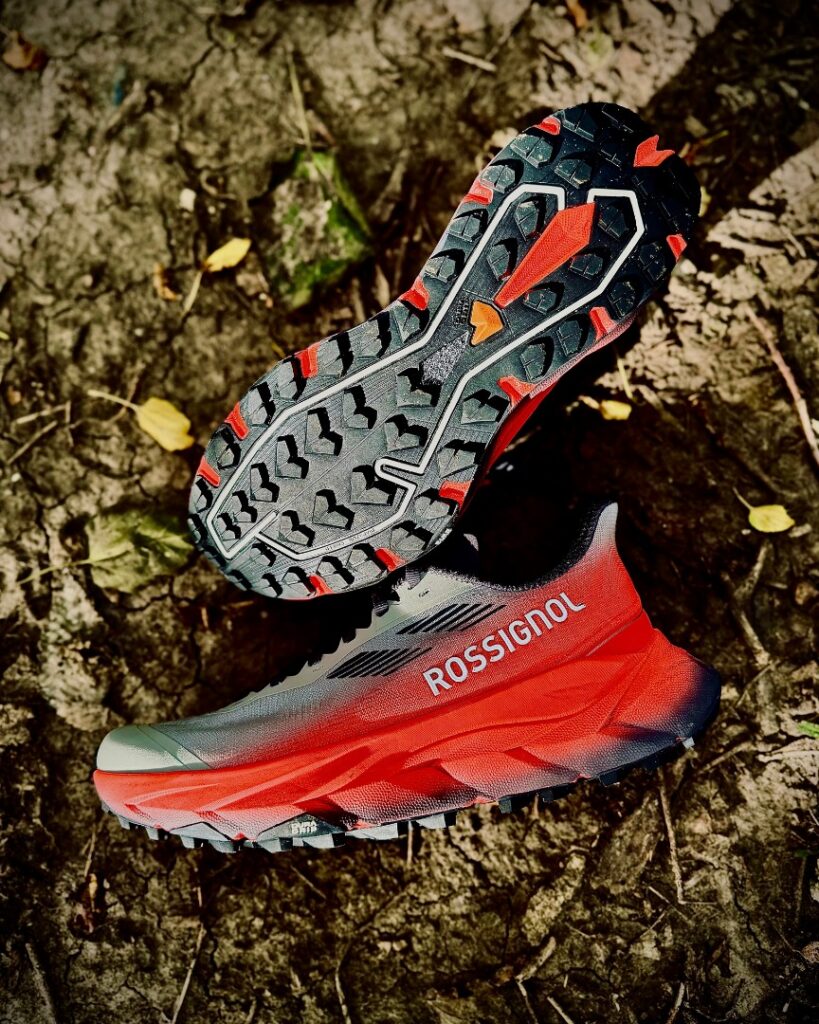
TAYLOR: Cushioned is a misleading descriptor for the Rossignol Vercors. As Renee mentioned, this shoe is marketed as an ultra-distance option. While I have gone the long haul in shoes of similar stature, I don’t think I’d recommend it. Yes, the Vercors is protective. Yes, the E+Foam did soften up. And yet, it was still far from supple or energetic enough to go the long haul. It’s not a shoe I would consider for long distances — even over technical terrain.
Another reason I wouldn’t tout the Rossignol Vercors for long distances is its narrow fit. That forefoot is slim, no matter how you lace it. It could handle it (average/wide forefoot) for about 2 hours before really wanting to be done with the shoe. Those who have liked fits similar to the Nike Terra Kiger 10 and the Scott Supertrac RC 3 could find this pleasing.
That narrowness also led to occasional scary ankle-turns. I found that the medial side of the forefoot would tip real quick if it caught an edge.
Shop The Shoe - Men Shop The Shoe - Women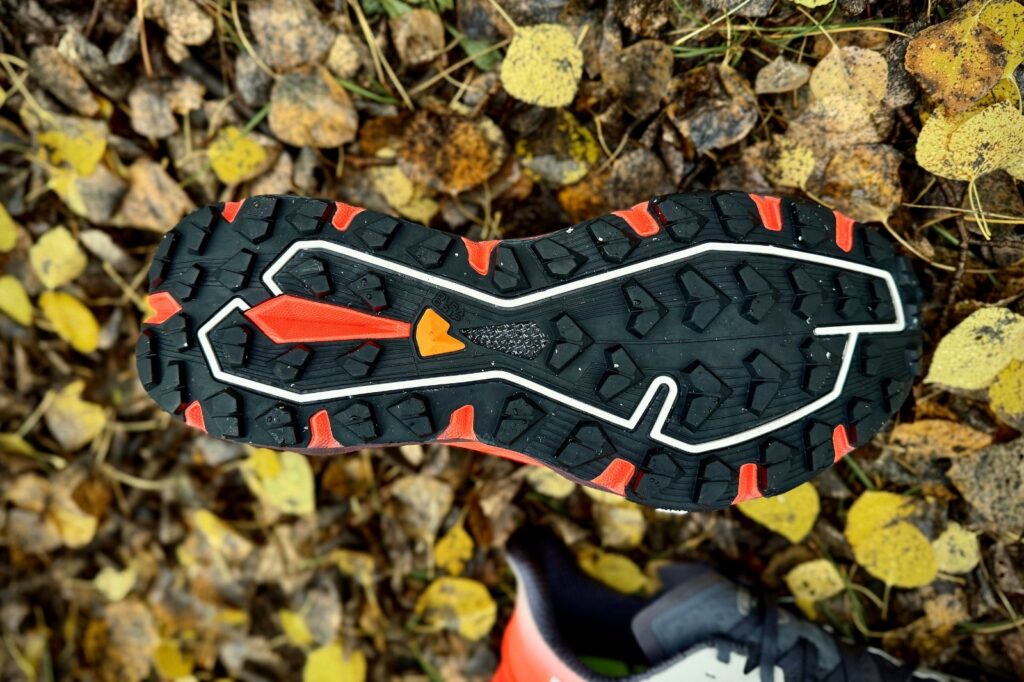
RENEE: I had 100 miles in this shoe before finishing the review. I was so-so about it until 50 miles, and then I started reaching for it more and more between reviewing other shoes. I was reviewing several hybrid/gravel shoes and a few high-stack trail shoes, and I found myself wanting the lower stack, ground feel of the Vercors. I run with better form on a daily basis with a lower stack shoe, especially on uneven terrain. Had I reviewed this shoe with fewer miles on it, I probably wouldn’t have rated it positively.
The mid-foot rocker might not be everyone’s preference, even mine, but I found this shoe great for technical trails and rolling gravel. For an ultra on totally runnable terrain, I’d need more cushion, but for everything else, this can be a one-shoe quiver. The toe box (more angled than rounded) and heel fit of the Vercors were not my favorite, but I did enjoy the underfoot ride. I’ve used the removable PU insole in other shoes to pep up the midsole ride, and if Rossignol sold that separately, I’d buy it.
TAYLOR: Like Renee, I had to break this one in to feel better about it. But once I did, I felt quite positive about the Rossignol Vercors. For starters, it has a refreshing vibe about it. While many trail runners are getting softer and higher, this one holds its ground with a more traditional feel. That’s not a bad thing, though, because the lightweight, high-quality build gives that old-school vibe new life.
I felt very in control of the Rossignol Vercors. That’s one of the best feelings a trail shoe can offer. It wasn’t controlling me. Sure-footed, protected, and confident are all real descriptors here. Those are exactly the reasons why I’ll pull this one off the shelf for a variety of trail runs, but especially for more technical outings.
You can pick up the Rossignol Vercors for $160 Rossignol by using the buttons below.
Shop The Shoe - Men Shop The Shoe - WomenHave something to say? Leave a Comment
Sign in or create a free account to comment. You'll come right back here.
Sign in / Sign up

Renee lives in rural Nebraska and runs on gravel roads that may or may not be maintained depending on the time of year. If she’s not running on gravel or dirt, she usually opts to run trails instead of paved roads. Fun face: every Boston-qualifying road marathon she has registered for has been canceled.
More from Renee


Taylor Bodin is a trail and ultra runner living in Estes Park, Colo., with his wife and daughters. As the head of the Dirt Division at Believe in the Run, trail running is pretty much the only hobby he can manage right now and loves it. Every so often, he will pop off a race or FKT attempt because competition is pure and the original motivator for him getting into running anyway.
More from Taylor
Be one of the first runners to rate it.