Shop BITR Apparel Shop Now

Shoe Scoring System Overview
To simplify and summarize our thoughts on shoes, we thought it would be helpful to develop a system that displays a quick snapshot of our reviews to our followers. Some people do this with a 10-point scale, others do it with colors, we do it with pigeons (i.e. robots).
Over the course of much discussion and debate, we decided to roll with a 5-tiered letter grading system (replacing our previous three category, 15-point system). The grading tiers will apply to four categories: design, value, performance, and overall score. We’ll break down what each of those means in the section below, but we wanted this to encompass all aspects of the shoe with equal measure. We also wanted to make sure that we use the scale appropriately. Meaning, if a shoe has a terrible design or value, it will actually get a low grade. Too many shoe reviewers, pizza reviewers (looking at you, Mr. Portnoy), and other reviewers use a 10-point scale but rarely or never go below a 5. What’s the point of having the lower half of a scale?
In our opinion, a low grade (D) is bad, a middle score (B) is average, and an S-tier score is unbeatable. And that’s how we rate our shoes. So if you see something in the red range (C & D), you’ll know we don’t love it or genuinely hate it. If it’s an A or B, it’s great or pretty good. And if it’s an S, it’s one of the best shoes of the year. Here’s a more concise breakdown:
S-tier – The absolute best, reserved for the top shoes of the year
A-tier – Great in almost every respect
B-tier – Good or average for most endeavors
C-tier – Needs some work, falls below expectations
D-tier – We don’t recommend
When it comes to multiple reviewers on a review, we’ll average out the scores but list each reviewers total in the conclusion of the review.
Check out the category breakdown below.
When we talk about design, we talk about aesthetics– how the shoe looks on foot and the colorways available. That’s all surface-level stuff, though. Because design also incorporates the shape of the midsole, the build of the upper, the materials used and the technology leveraged. Simply put– is this a good build for a running shoe?
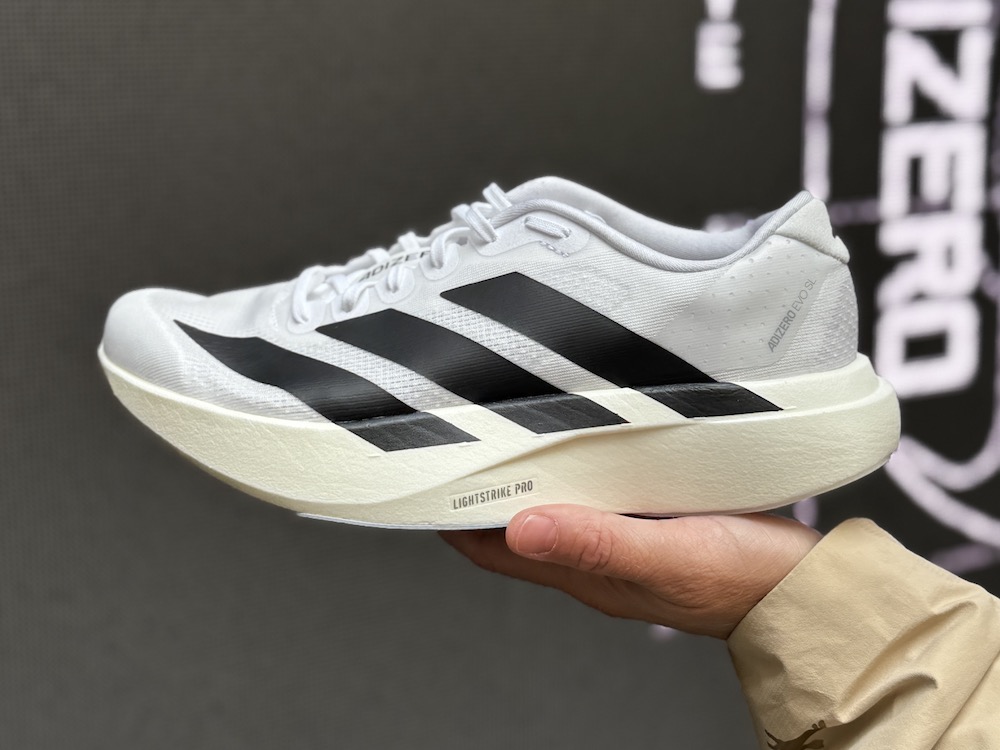
The Adidas Adizero EVO SL is a great example of S-tier design
Running shoes ain’t getting any cheaper. Whether that’s from tariffs or inflation or materials or scarcity, who’s to say. But when you buy a shoe, you should know what kind of value you’re getting out of it. For example, if you’re paying $250+ for a race day
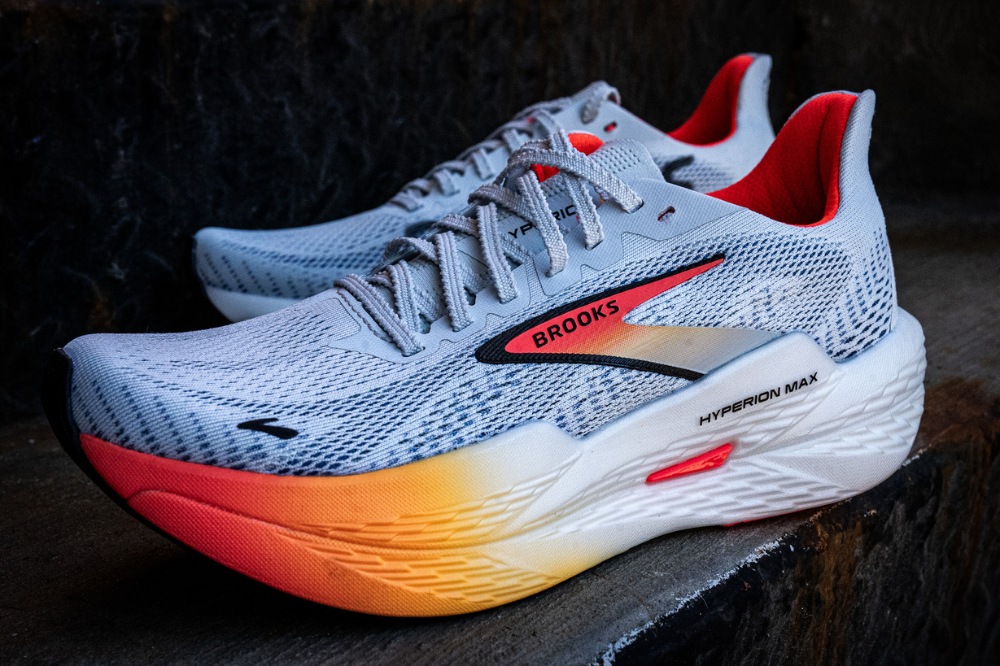
The upper on all Brooks Hyperion models is exceptional in every way
Possibly the most important category in our rating system, performance means one thing: Does this shoe do what it’s meant to do when you’re actually out on the run? If it’s a carbon-plated race day shoe, does it give you the energy return, propulsion, and turnover that you’re looking for when it comes to going fast? If it’s a max cushion trainer, does it give you enough cushion to keep you comfortable over longer distances or recovery days? If it’s a technical trail shoe, does it work on varied terrain?
If a shoe does all those things well, then it’s going to get a good score from us.
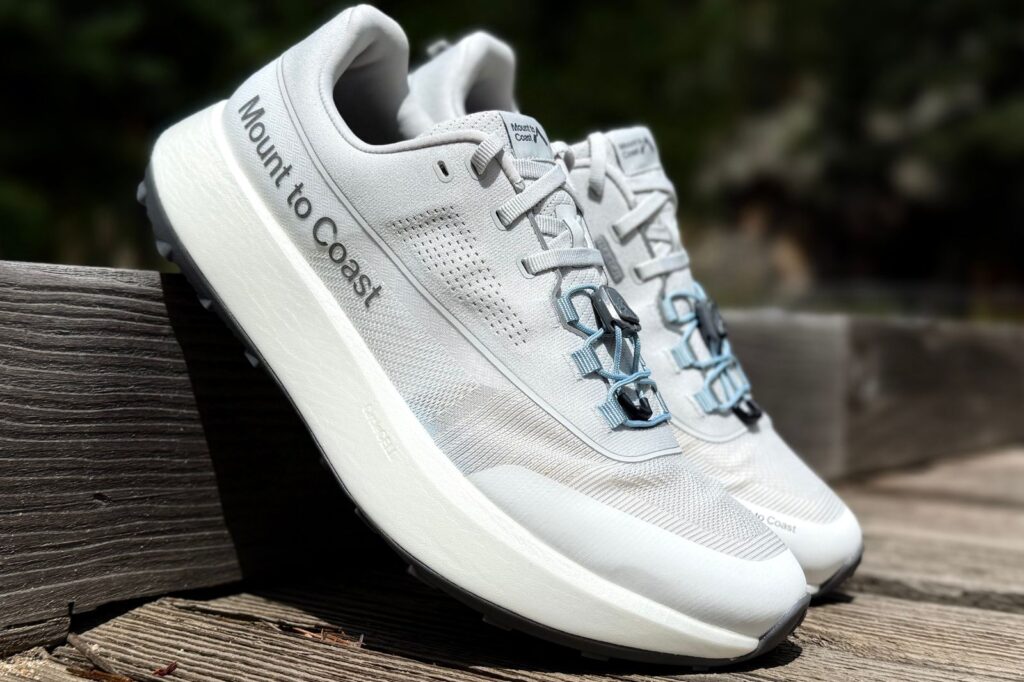
The Mount to Coast H1 is a shoe that performs exceptionally well for its intended purpose
Our final grade for a shoe, encompassing all the other categories (and anything we forgot). This grade is independent of the others, so it’s not necessarily an aggregate or average of the other grades. Basically, if we just gave a holistic grade that includes all our feelings on the shoe, this would be it. Is this subjective? Of course, but that’s the whole shoe review game to begin with.
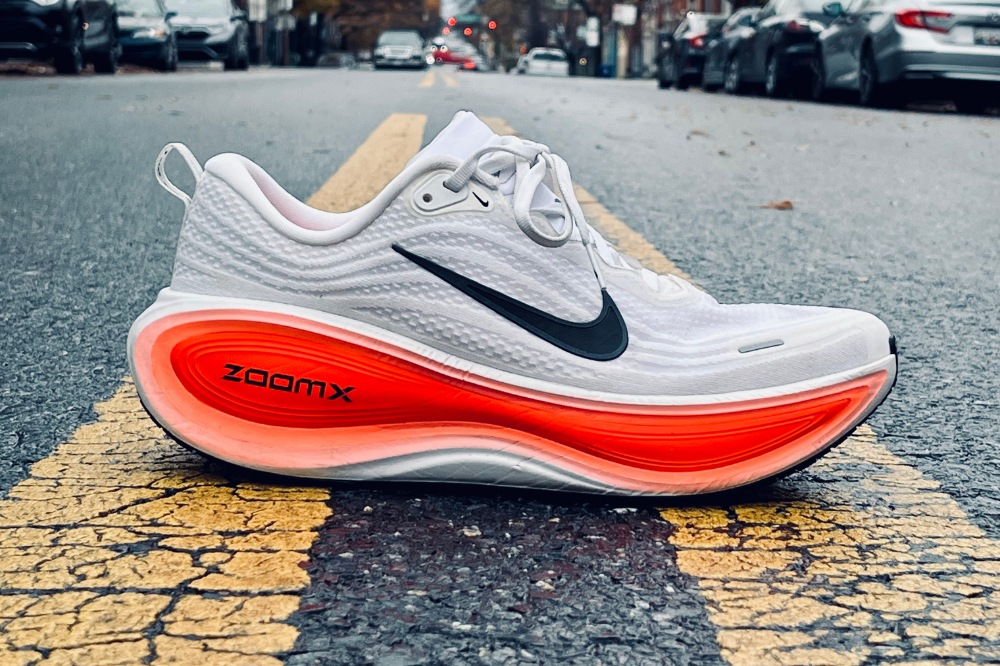
The Nike Vomero Plus is one of the best overall shoes that money can buy
As with all reviews, shoes or otherwise, our grading system is undeniably subjective. There will certainly be plenty of runners who disagree with our grades and our assessments. That’s fine, because we all have different gaits and styles and foot strikes and preferences. However, we try our best to mitigate our grades by assigning multiple reviewers to each shoe and averaging their grades for the final score. Is it perfect? Absolutely not. But we feel that it hits the mark more often than not. We think you’ll feel the same way as well.
We care about our followers and want them to run in the best shoe possible. That means finding reviewers who align with your tastes and preferences. If you like a max cushion or higher stack shoe, then you’re probably love Meg’s takes. If you like a firmer, more responsive feel and have a narrow foot, then you’ll probably align with Robbe or Thomas. Or maybe it’s none of us! You may align better with someone like Kofuzi or Ben Parkes or Yowana. We don’t care who you follow, we just want you to get in the best running shoe possible. Just know we’re trying our best, running plenty of miles and assessing each shoe the best way we know how.
After doing this for 17 years and running in thousands of different models, we feel like we have a pretty good grasp on what makes a good running shoe. That said, we’re always improving and trying to keep ahead of the game. We’ll make mistakes and have some cold takes from time to time, but just know we’re trying our best over here.
Hopefully that gets you in the right shoe at the end of the day.
That about sums up our scoring process for our reviews. If you have any questions or comments or suggestions, let us know by reaching out to us at the link below!

Wanna collaborate, air your grievance about a shoe, or just say hi? Drop us a line.