Shop BITR Apparel Shop Now
We independently review everything we recommend. When you buy through our links, we may earn a commission.
7.9 oz. (225 g) for a US M9 / 7.4 oz. (209 g) for a US W7.5
33 mm in heel, 27 mm in forefoot (6 mm drop)
Easy days on light trails
Helion HF midsole, Cloudtec Connect, Missiongrip outsole, sock-like upper
Available now for $180
MELISSA: I’m almost embarrassed to admit this is my first run in On. I’ve been around their shoes forever, but somehow never actually put one on. Well, better late than never.
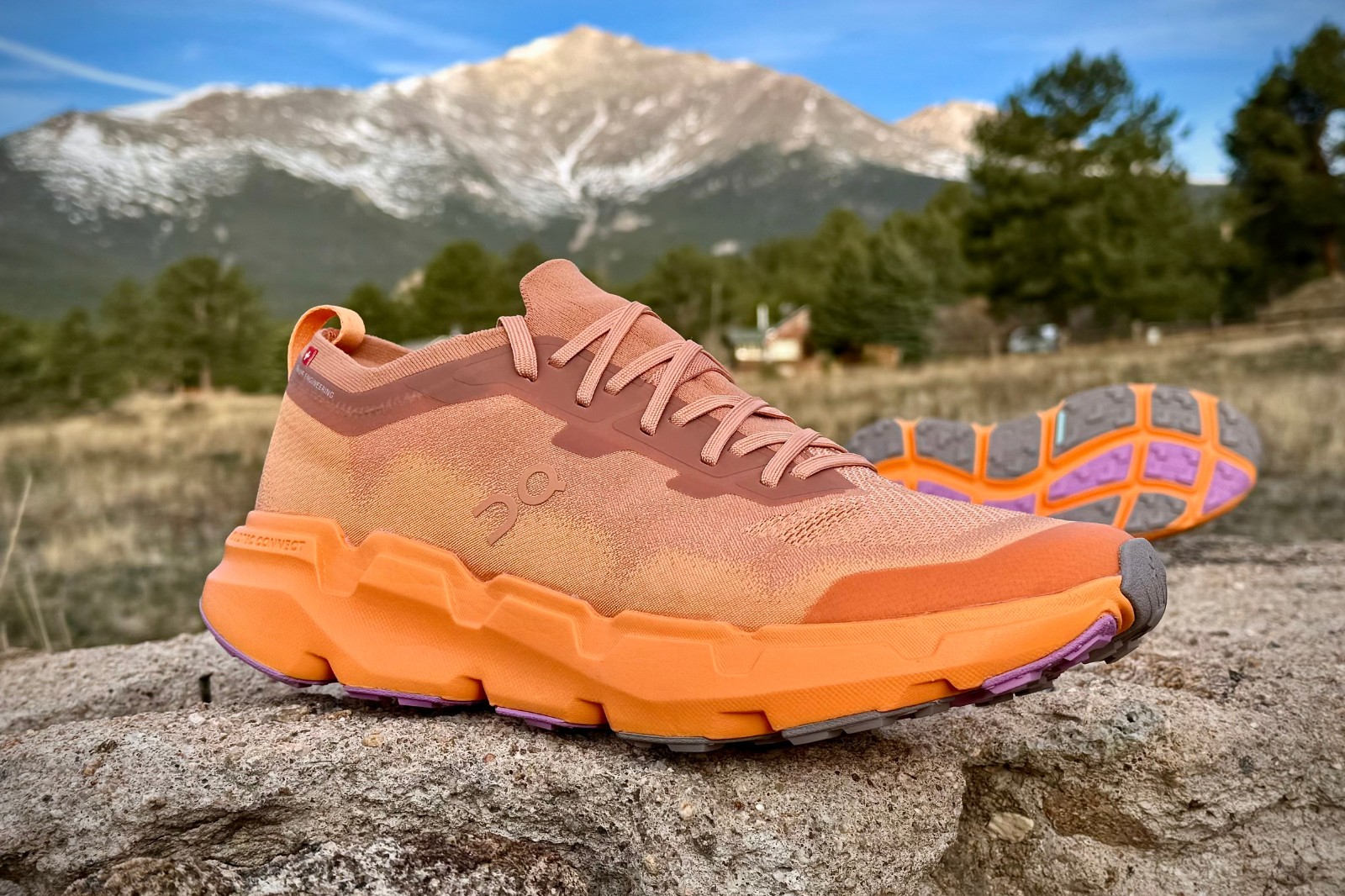
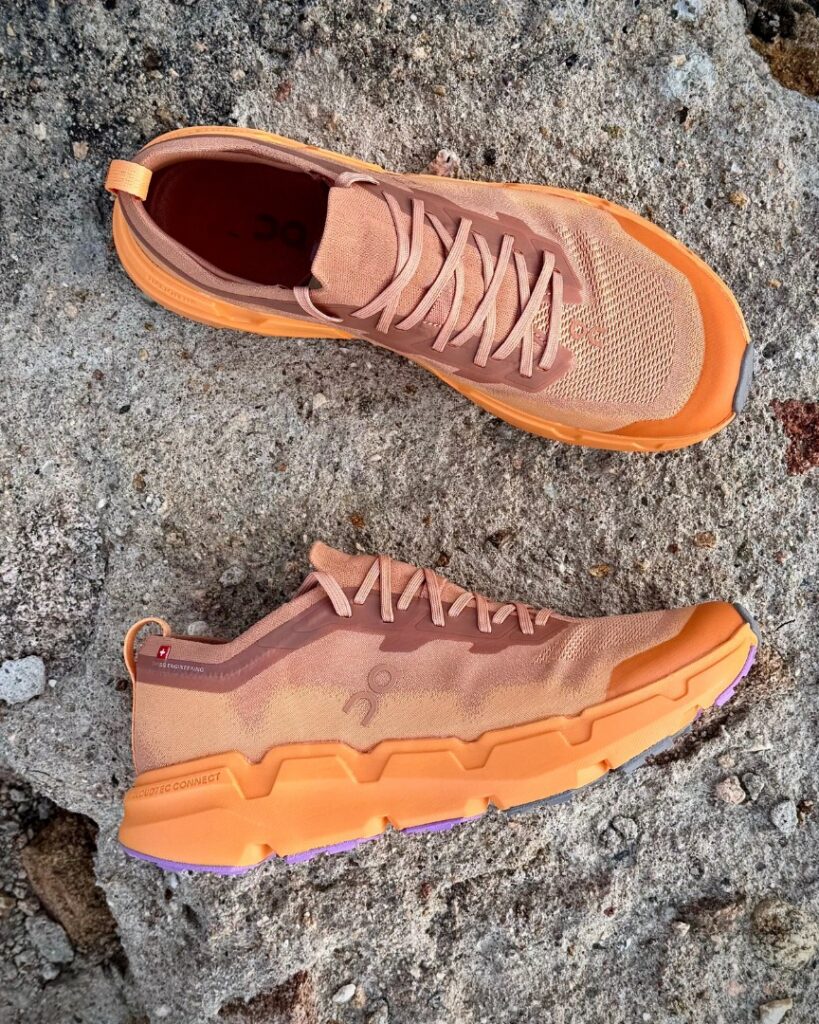
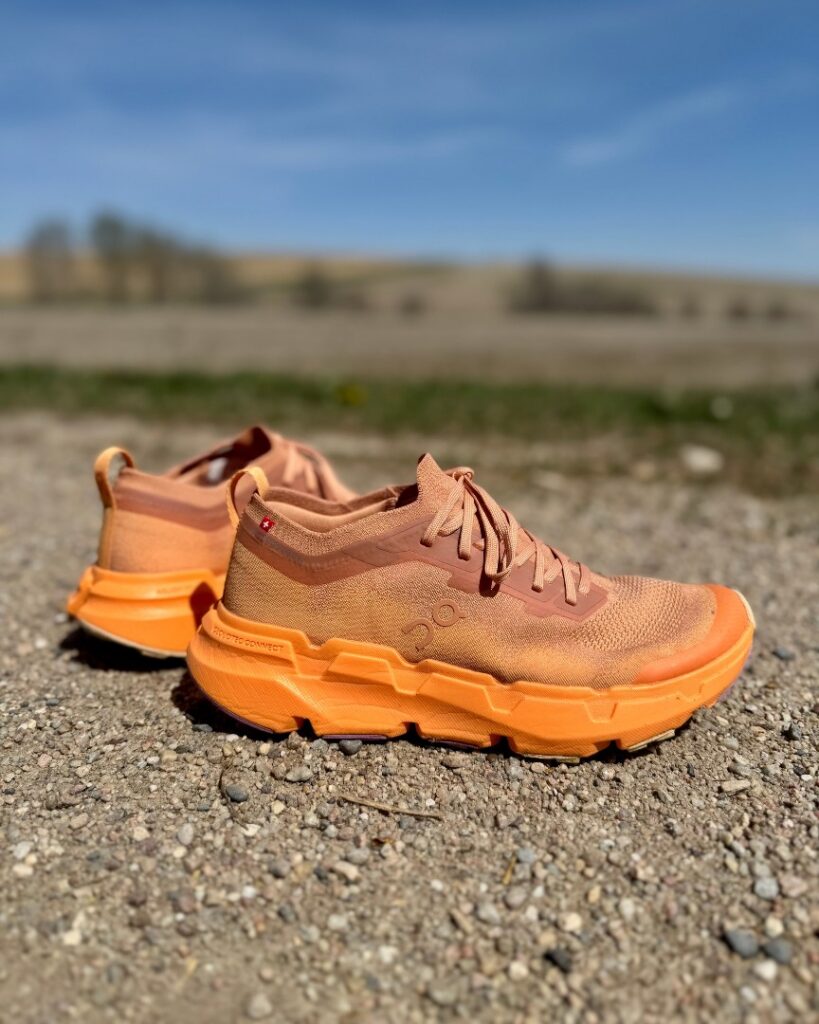
The colorway immediately sold me, very Nerf football energy, a little nostalgic, a little bold, and honestly just fun.
The Cloudsoma is positioned as an all-terrain, moderately cushioned shoe, but it doesn’t feel like it’s chasing any particular performance clout. This is much more about experience. It’s light, flexible, and clearly designed for runners who want to feel the trail.
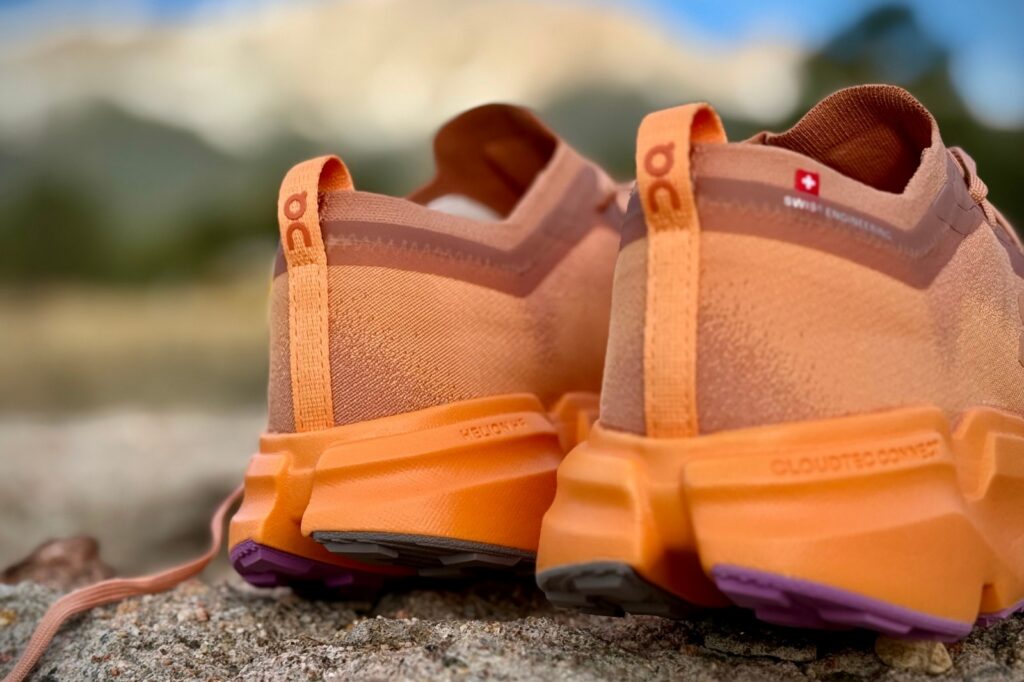
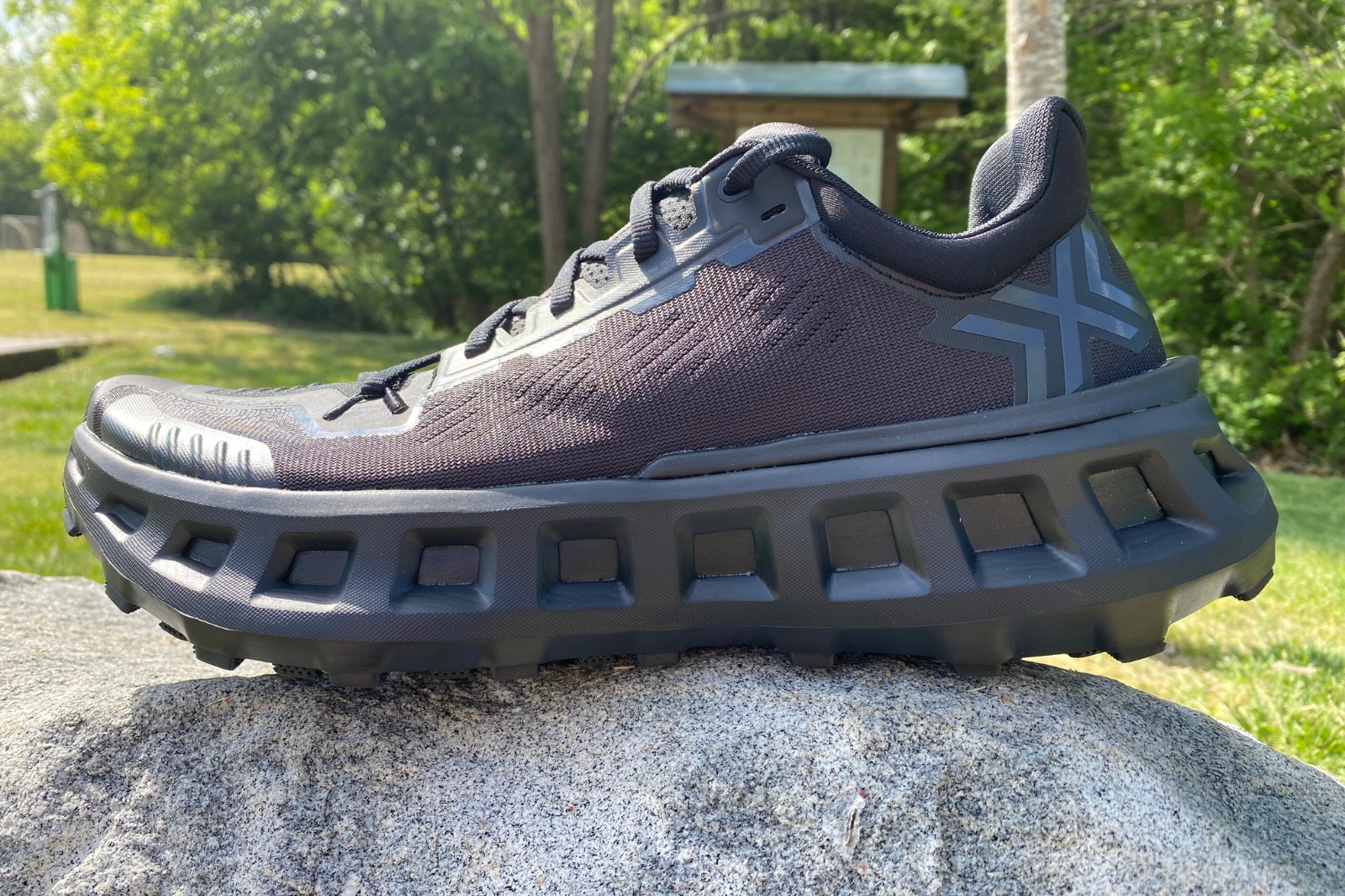
RENEE: No pods, no problem? I have a few On trail shoes, including the current Cloudultra Pro, Cloudultra 3, Cloudvista 2, and the Cloudsurfer Trail 2, and they all have pods, so imagine my surprise to see the Cloudsoma in all its glory completely podless.
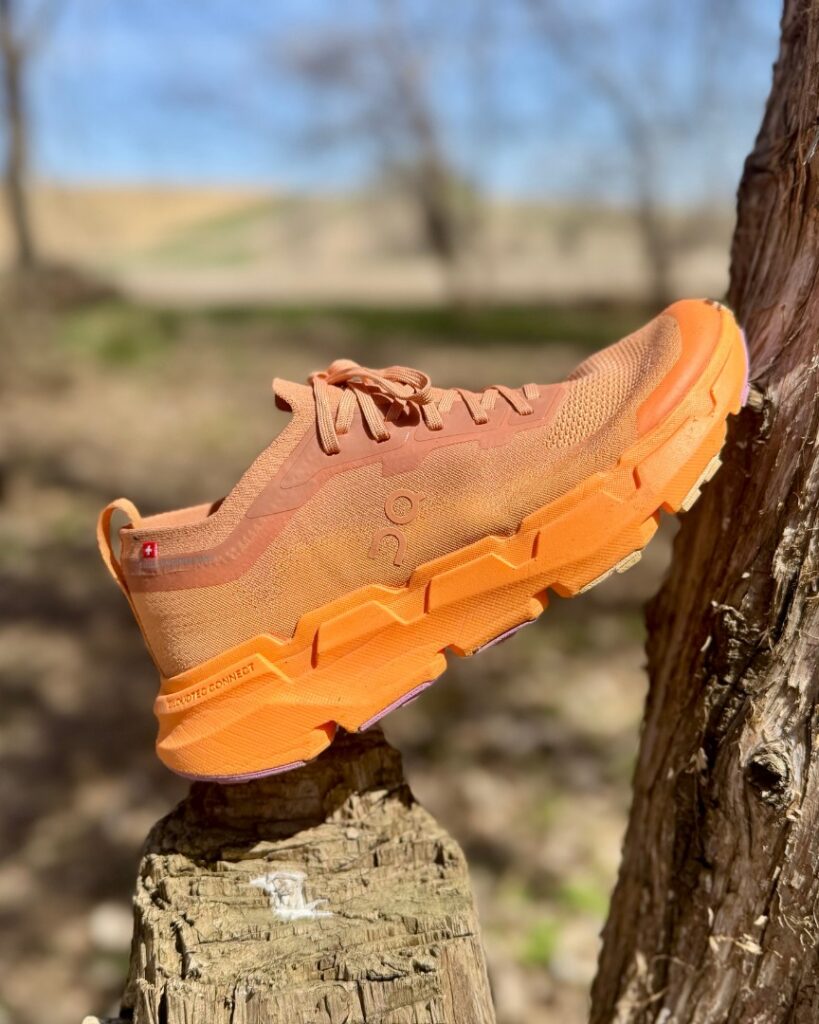
We all received the Sandstone/Tangerine colorway, but I like Melissa’s Nerf connection. Let’s rename this color Nerf orange.
TAYLOR: I think many of us predicted that there would be a downward trend in terms of stack and over-mechanizing footwear. This is On’s first step in that direction. It’s also the first time we’re experiencing On without holes in the midsole. Interesting that both firsts occur in a brand-new shoe.
The On Cloudsoma blends the non-traditional and the traditional in a way I’ve been excited to see in our industry. Leverage high-end foams in mid-to-low stack shoes, recipe for success. Of course, we won’t be graced with large amounts of pop or an uber flowy ride, but that’s the key in this design — bring some control back to the runner.
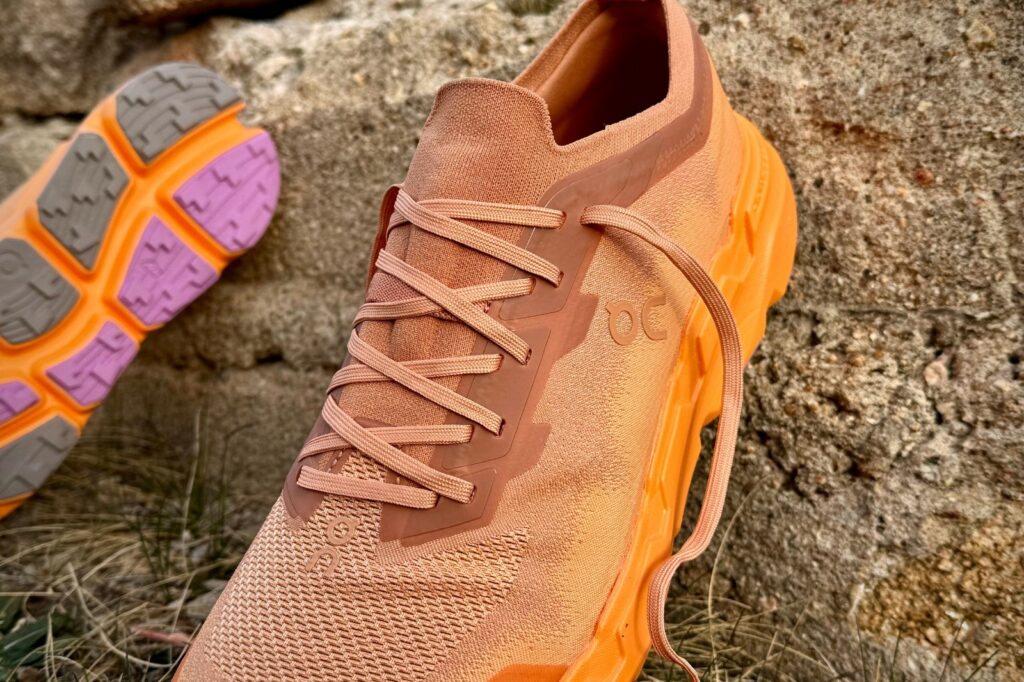
MELISSA: The On Cloudsoma’s upper is really worth calling out. A sock-like construction is a great concept, very breathable, very clean, and it creates a secure, almost one-piece feel around your foot. There’s minimal movement or slipping, and it really locks you in through the midfoot. On smoother trails or mixed terrain, you get a confident, controlled ride.
And this ride is where Cloudsoma really stands out. You can actually feel what’s happening at your feet. It flexes and feels more natural than most other trail shoes.
The CloudTec Connect system, paired with Helion HF foam, offers a really nice middle-ground midsole experience. There’s enough softness, but not too much. It leans slightly firm, which actually helps with stability. This makes Cloudsoma a really approachable option for someone transitioning from road to trail. It doesn’t overwhelm with stiffness or aggressive lugs. It’s the kind of shoe you could take from pavement to dirt to light trail without any extra effort.
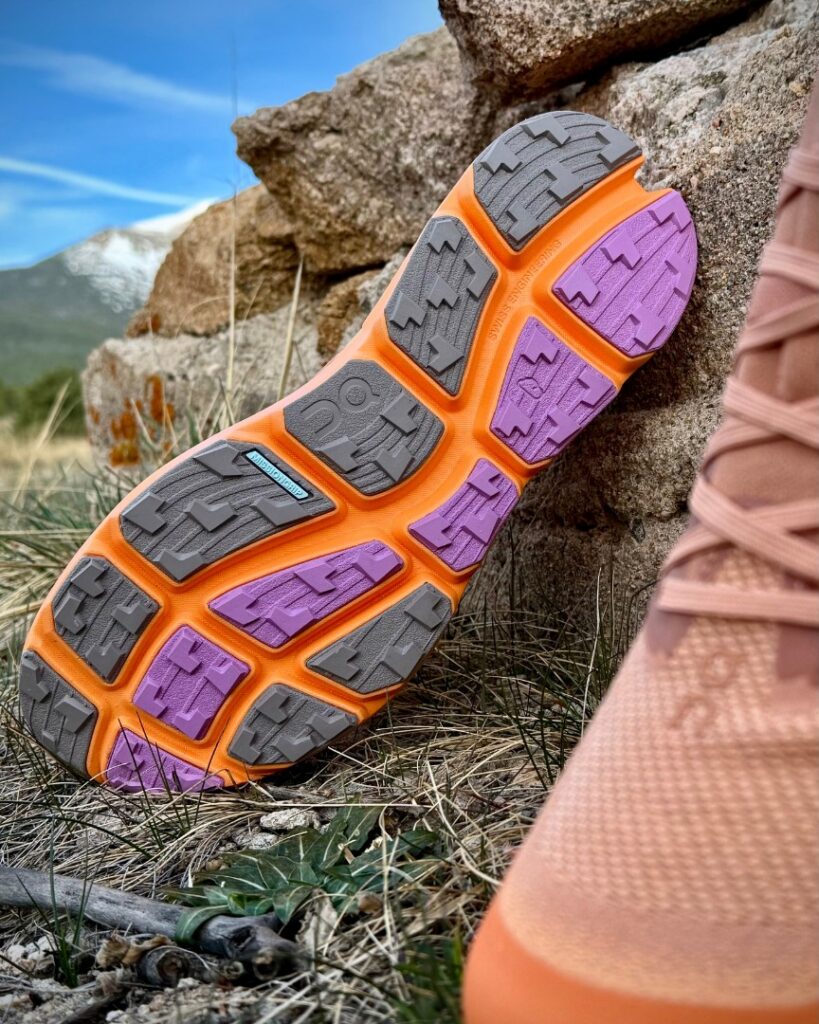
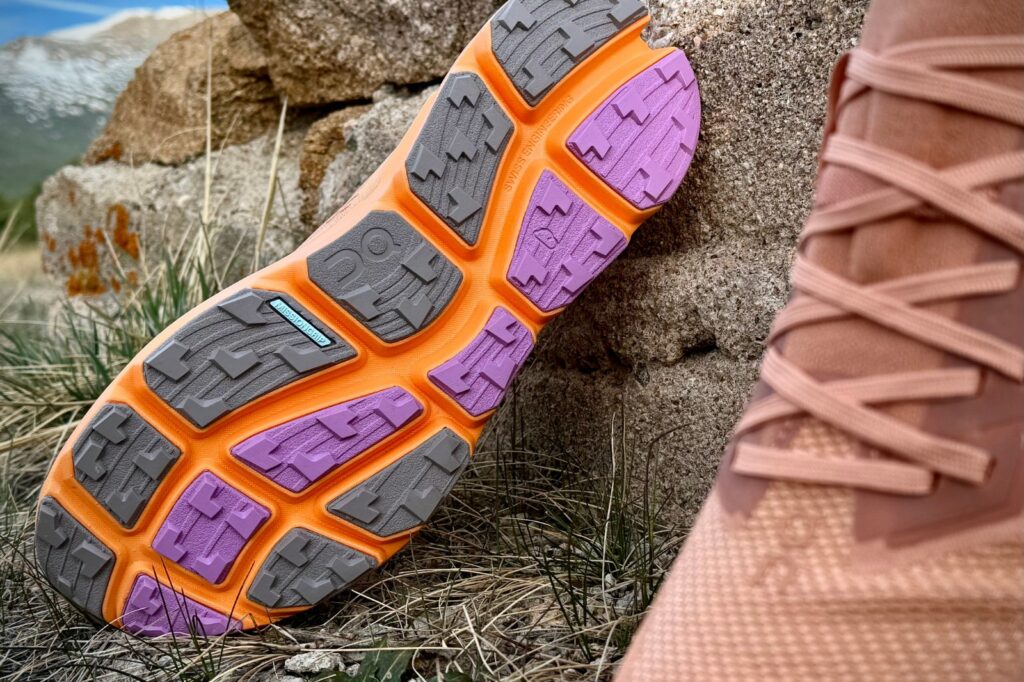
The Missiongrip outsole does a solid job, but isn’t the most aggressive traction. It can hold its own on milder trails, but I wouldn’t trust it out in the Santa Barbara frontcountry.
RENEE: Melissa nails the details. I had my notes all ready to go, read her thoughts, and basically agree with everything she wrote. The Cloudsoma is an easy shoe to figure out, which means if you know you’ll like it on paper, you’ll like it on the run.
I don’t typically like sock/booty uppers. On’s shoes normally have slim-fitting uppers, and the first and second versions of the Cloudultra had a boot-upper, which worked okay for me. Having just reviewed the Kipsummit Race (totally different shoe), I wasn’t thrilled about running in another booty upper. As someone with a low-volume foot who needs a narrow heel hold, I found the Cloudsoma to be a good fit. The fit is similar to the Cloudultra 3: rounded toebox, lowish volume, and a solid heel hold.
For trail running, the secure upper is helpful, as is the flexible and nimble ride. The underfoot ride is minimal by today’s standard, which means you feel the trail (i.e., stable and secure) but with enough protection for short to mid-distance runs. The midsole is on the firmer side, which works well for uneven and soft terrain.
As Melissa said, the shoe can handle mid trails, road-to-trail, and gravel. For people who like one shoe for everything, the Cloudsoma is an option. For longer runs, the forefoot cushion provides enough comfort on soft terrain (dirt). The harder the surface, the less comfortable the midsole. For those who do strength training, the Cloudsoma works well there too. And a bonus, especially for the price, the shoe is comfortable for walking or casual use, too.
TAYLOR: I’m really here to back up the ladies on this one. I completely agree that the lightweight connected design of the On Cloudsoma is refreshing. With a high-quality foam like Helion HF (also in the Cloudultra 3, Cloudultra Pro, and many road shoes), it’s possible to get some of the best qualities with a relatively low stack and little to no other tech present.
That said, every version of the Helion HF midsole I have tried feels different. This one is medium-density, airy, and has little character. While that sounds like a charismatic diss from a middle schooler, it’s actually a compliment in this case because it helps achieve the more natural connection to the trail without the sensation of being on the ground itself. I appreciate how On decided to hit a middle ground between the high-tech shoes of today and the more “typical” notion of a natural running shoe.
While the Cloud Connect midsole tech is new to On, it’s not a new idea in the industry. Even so, they executed well with the Cloudsoma. The deeper flex grooves are mapped to the foot’s needs and desire to move and perceive the world around it. As I mentioned with the midsole material, the midsole construction falls somewhere between modern control and barefoot running. I definitely felt my foot “connecting” with the earth below, without causing any harm to my foot or lower legs.
Uptop is very much the same story, with a fairly flexible knit-engineered mesh. It was a roomy, comfortable, and clean experience.
The low-profile Mission Grip outsole worked well for me on the expected terrain — think drier and not too extreme. It took on the light stuff with ease and was challenged by a little bit of vert and slightly adverse conditions.
Shop The Shoe - Men Shop The Shoe - Women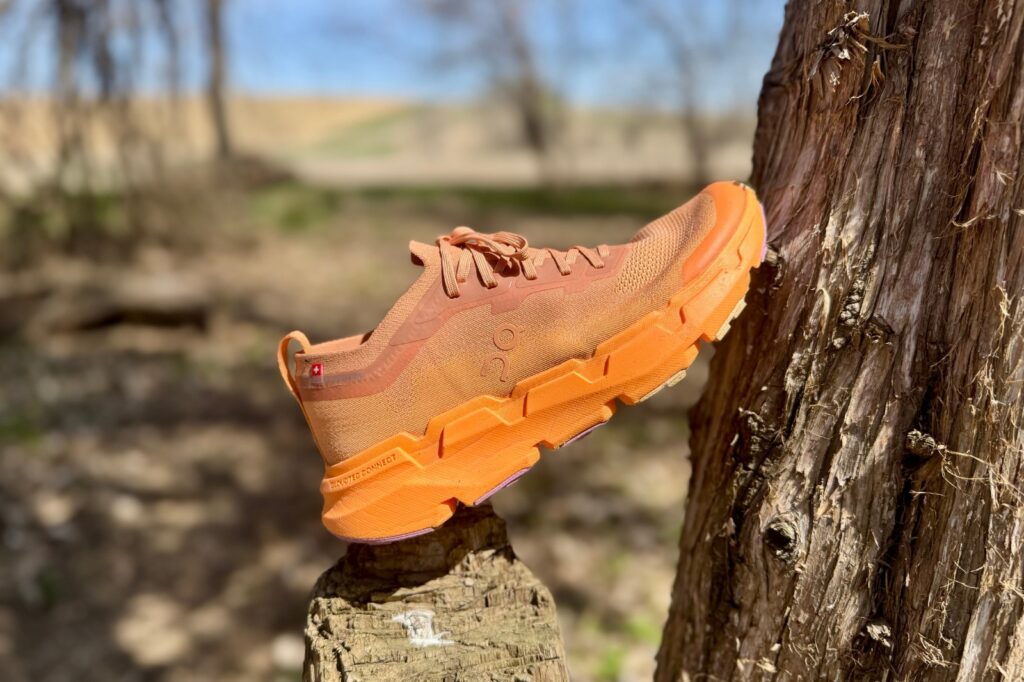
MELISSA: The upper is also where things get tricky. The sock construction works almost too well. If it were a sock, it would be a compression sock. It’s very tight, and for me, it crossed into uncomfortable territory. I had some numbness, especially through the forefoot, and never really felt like the shoe was breaking in over time.
I’m between sizes, and in this case, I’d go up half a size if I were to try this shoe again. The fit is so dialed in that there’s little room to compensate for a small size mismatch. Because of that, the laces almost feel unnecessary. This also made me think more about sock-style uppers. One of the better executions I’ve experienced is the Hoka Tecton X 3, where the sock doubles as a gaiter. A slightly higher collar like that might give designers more room to loosen the knit through the forefoot while still maintaining that lockdown feel.
The outsole also had one small but noticeable annoyance. The grooves tend to trap rocks and various other trail objects. It’s not constant, but it’s happened enough to give me some pause.
And while the cushioning is well-balanced, I would view this shoe as more of a mid-week trainer than a long effort or race shoe. But of course, this is not meant to be a max-cushion trainer.
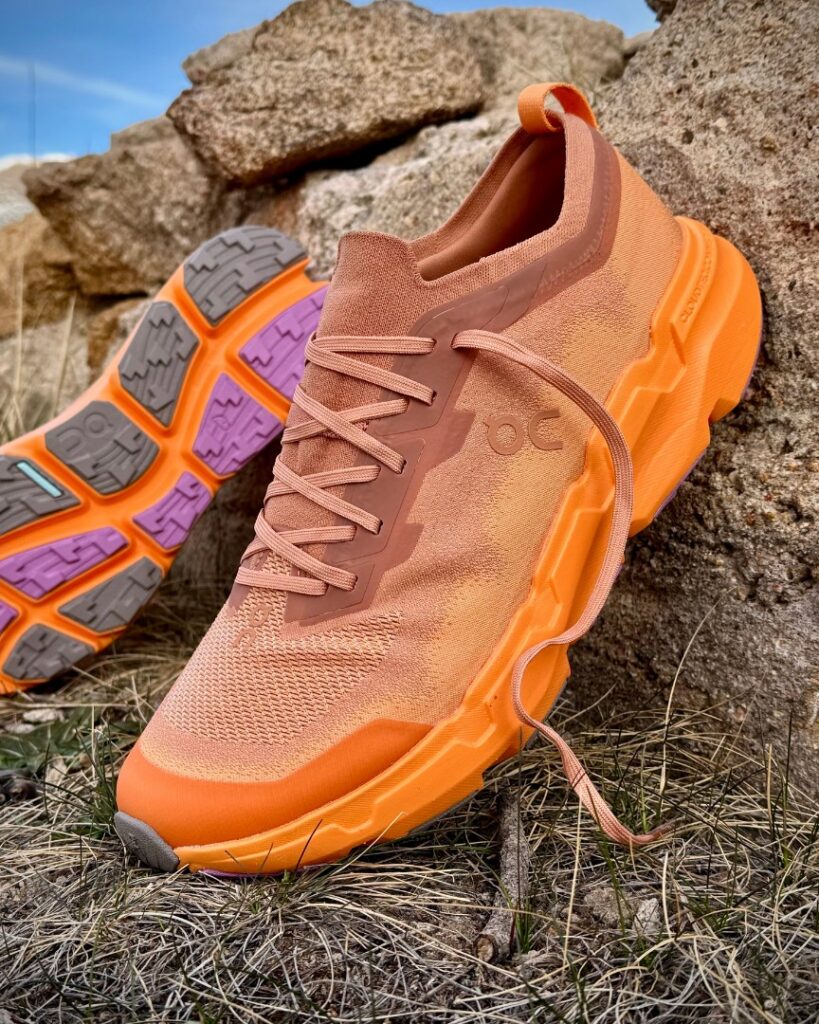
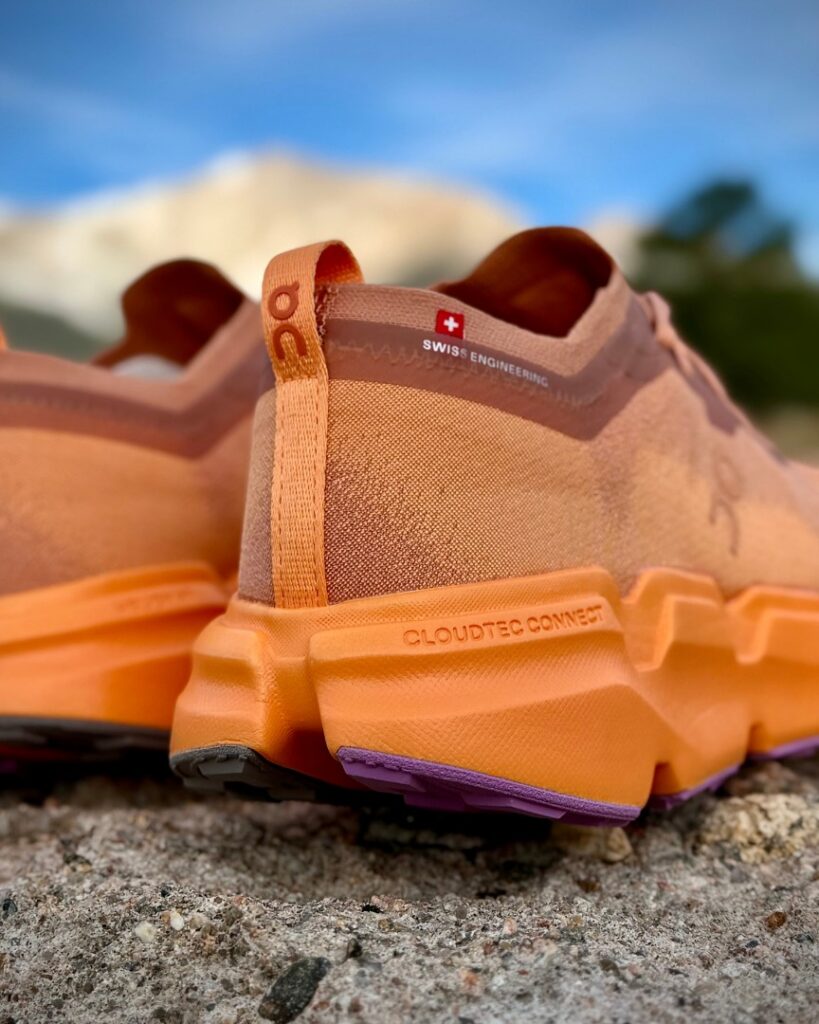
RENEE: Get out your rock tumblers, friends, because you’re bringing home small gravel after you run in these shoes. The irony of the all-terrain label is that this shoe collects small rocks in the outsole crevices. The outsole cutouts reduce weight and enhance the shoe’s wonderfully flexible ride (which I enjoy).
The outsole lugs are 2 mm, which is enough for gravel or dirt roads but not ideal for steep terrain or traction.
I have low-volume feet, and the sock/booty worked for me. I still prefer a traditional upper so I can tighten as needed. While the upper is secure and comfortable for me, I wouldn’t choose this shoe for technical trails because of the upper. Melissa is right: those with high-volume feet are going to feel compression across the upper midfoot. The laces are somewhat unnecessary. I can pull them, but it doesn’t change the tightness of the upper whatsoever. Again, a reason I wouldn’t take the shoe on super technical or dicey trails.
On shoes are pretty (colorway depending) and pricey. The Cloudsoma is $180, a hefty cost I can’t forget to mention.
TAYLOR: Echo! Echo! Echo!
My shoe gained weight every single run because of the rocks I inadvertently collected along the way. One positive is that it showed the flex grooves were working for flexing, but let’s be honest, we all knew this was going to happen before putting the On Cloudsoma to the trail. To be fair, I didn’t perceive the rocks underfoot until I click-clacked over the 30ft of pavement from my gravel road to the trail. Okay, fine! I didn’t actually notice any weight gain either.
While Melissa and Renee felt some tightness across the midfoot, I actually found the upper to be roomy all the way around. The midfoot was the only place I could cinch it up enough to work on light to moderate trails. My foot either slid around or was constricted through the midfoot. It was hard to find a middle ground unless I stayed on very mellow terrain.
Lastly, I think this shoe lands in a specific pocket of runners. This is a 30-60 minute run, 3 times per week, type of shoe. It does the job and can be worn pre- or post-workout for comfort and style.
A $180 price tag for something so “minimal” in terms of performance feels quite steep.
Shop The Shoe - Men Shop The Shoe - Women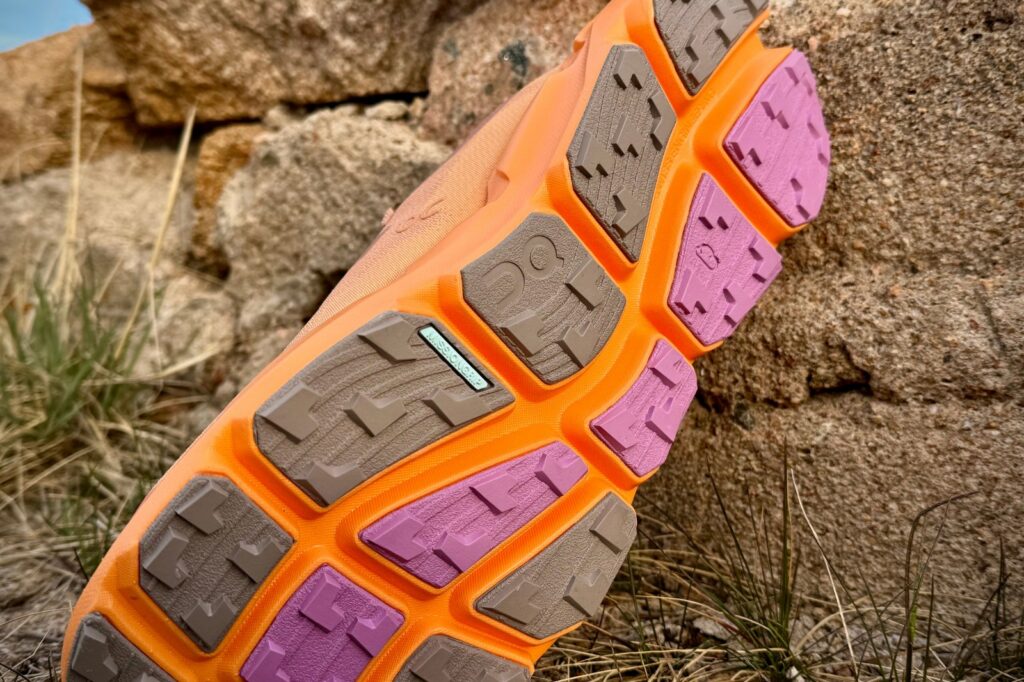
MELISSA: The Cloudsoma is a different kind of trail shoe. It’s light, flexible, and built to connect to the ground and how your foot moves. It’s less about distance or pace and more about being present on the trail.
For newer trail runners or road runners looking to cross over to the dark side, this is a strong option. It feels approachable and holds its own on light trails and mixed surfaces.
But the fit will be the deciding factor. The sock-like upper is breathable and secure, but it runs pretty tight. I’m between sizes, and in this case, I’d go up a half size next time. If it works for your foot, or you’re already the type that cranks your laces down (you masochist, haha), then this has real potential to be a go-to. If not, it’s going to be tough to dial in, since there’s not much room for those microadjustments.
Overall, this feels like a shoe designed for feeling the trail. It does that really well.
RENEE: The Cloudsoma is on par with the recent “gravel” or mild-trail shoes. It’s not the best choice for terrain where you know you need a trail shoe, but it’s a fun option for everything else.
The shoe is light, flexible, and nimble, qualities I like in any shoe. Again, I’m in total agreement with Melissa. The shoe is fun but not necessarily a top choice for a long run or all-day trail efforts. And fit will be an issue. With low-volume feet, I have a good fit with the upper, even if I prefer traditional lacing.
I wish the price were closer to $150 instead of $180. For $10 more, I prefer the Cloudultra 3 for trail running. For light gravel or dirt, the Cloudsoma has an advantage due to its lightweight design. For those needing a softer midsole and who like a forefoot rocker, the Cloudsurfer Trail 2 might be the better option, and it’s $10 less. Of note, I found the Cloudsurfer Trail 2 toebox to be far too shallow and angled, especially compared to On’s other trail shoes.
TAYLOR: For me, the On Cloudsoma is a shoe that would ensure your easy days are easy. It has a pleasing amount of connectedness to the ground with inherent flex, yet it’s not a full-on barefooted trail shoe.
The Cloudsoma will provide a lighter sensation for the lighthearted door-to-forest runs. Trail trots from a half hour to an hour were most comfortable in these. While this isn’t the most performance-forward shoe we’ve seen from On, I think that’s the point.
While I don’t love the price point for what seems like so little, I can’t argue with my inner feeling that I like the idea of this offering. I hope some more trail-ready options can accompany it in the future.
You can pick up the On Cloudsoma for $180 from On Running by using the buttons below.
Shop The Shoe - Men Shop The Shoe - Women
On Cloudsoma | First Thoughts
Have something to say? Leave a Comment

East Coast raised and West Coast trained, Melissa is now retired from racing ultras but still holds a deep love for long miles and time on trail. She’s currently doing what she can to delay a hip replacement, at least until completing a full lap around the earth, which she expects to hit in 2026.
Based on the Southern California coast, she now enjoys slower, easier miles, stroller runs, and time in the gym focusing on strength training. (And still sneaks in some spicy running when she can)
More from Melissa

Renee lives in rural Nebraska and runs on gravel roads that may or may not be maintained depending on the time of year. If she’s not running on gravel or dirt, she usually opts to run trails instead of paved roads. Fun face: every Boston-qualifying road marathon she has registered for has been canceled.
More from Renee

Taylor Bodin is a trail and ultra runner living in Estes Park, Colo., with his wife and daughters. As the head of the Dirt Division at Believe in the Run, trail running is pretty much the only hobby he can manage right now and loves it. Every so often, he will pop off a race or FKT attempt because competition is pure and the original motivator for him getting into running anyway.
More from Taylor
Sign in or create a free account to comment. You'll come right back here.
Sign in / Sign upBe one of the first runners to rate it.


the joke about weight gain from rocks is funny, i never would consider any of the “holy” Ons as serious trail runners because i could just imagine the wet clay mud just packing in to the cloud pods and literally turning the shoes to 3lb bricks.