Shop BITR Apparel Shop Now
We independently review everything we recommend. When you buy through our links, we may earn a commission.
10.6 oz. (301 g) for a US M9 / 9.3 oz. (264 g) for a US W8
38 mm in heel, 33 mm in forefoot (5 mm drop)
Long, steady miles
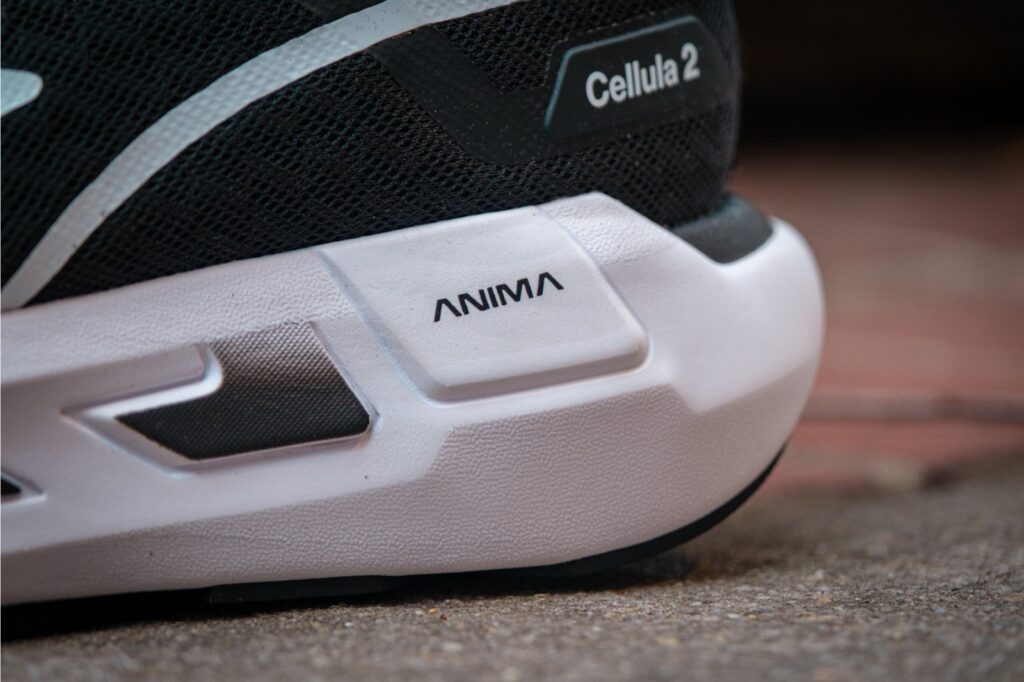
Anima and Anima N2 midsole, Supercritical insole, DuraTech 5000 outsole, Nylon air mesh upper
Available now for $185
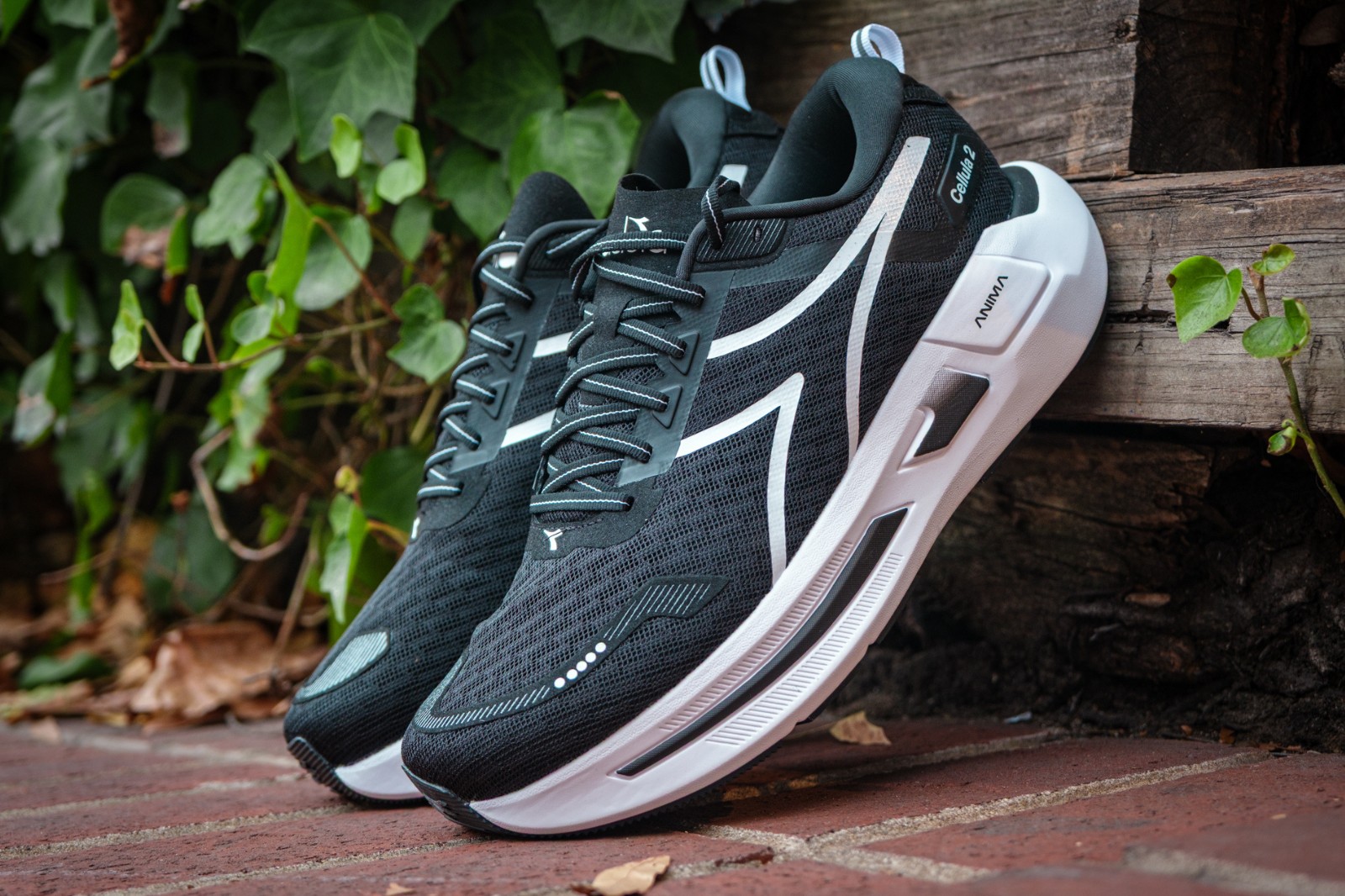
KARL: The category of high-stack trainers with luxurious price tags seems to have gone up within the last couple of years, and it’s become quite crowded. And although still big in Europe, Diadora has yet to really pitch a tent in the U.S. running market. The Cellula line is meant to be Diadora’s responsive, do-it-all trainer. But does it deliver in terms of being an exciting shoe in that category?

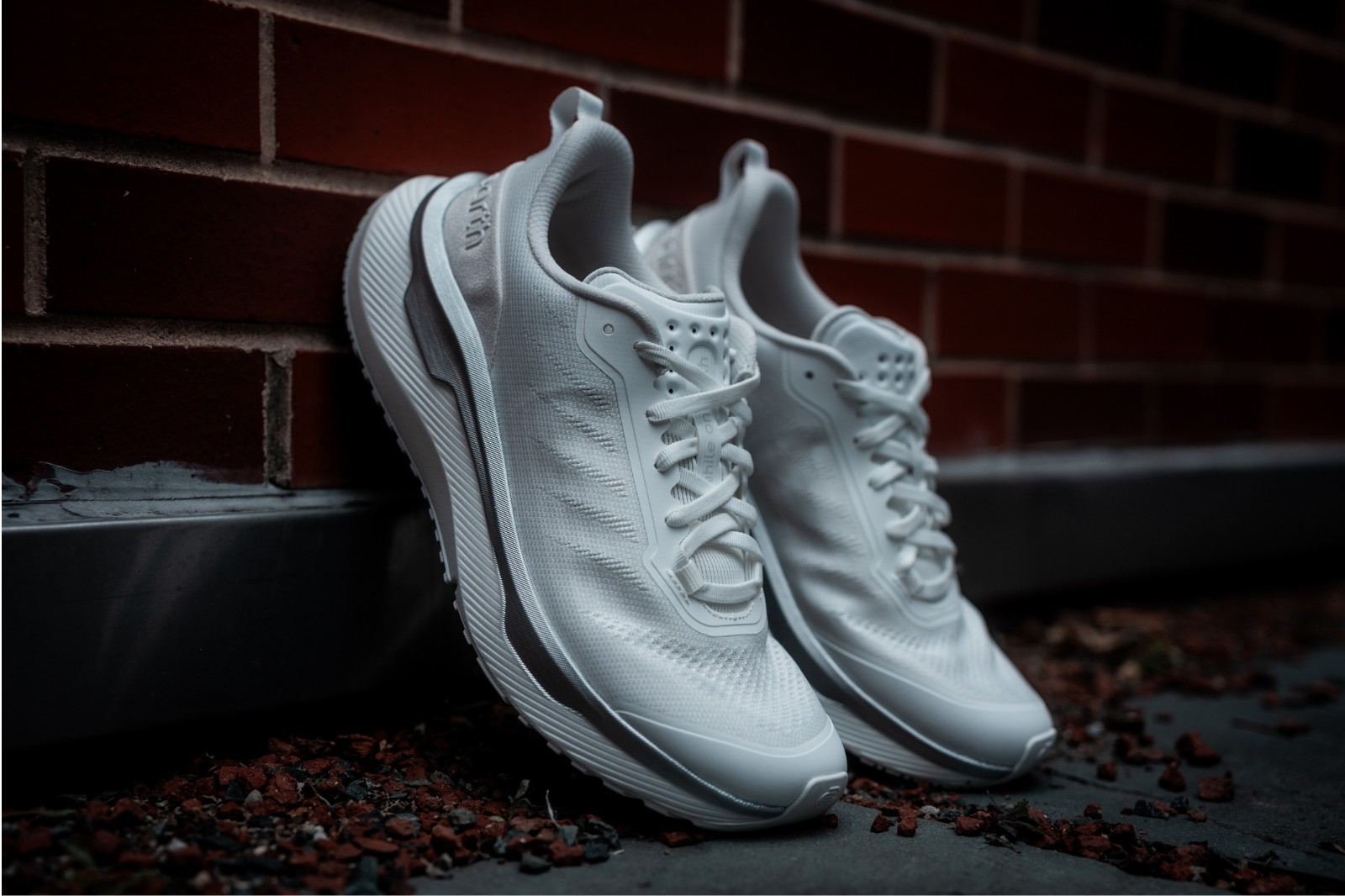
KARL: The one thing I’ve always appreciated about Diadora shoes is the fit and premium feel of the materials in the upper. The Cellula 2 makes no exception, albeit with some caveats I’ll get into later. But overall, the fit was pretty dialed in with solid lockdown thanks to its gusseted, thin race-like tongue. There’s a decent amount of padding around the heel and collar, but not as much as a traditional comfort trainer, which I appreciate.
One change from the original Diadora Cellula is increasing the overall width of the shoe. As someone with a wider-than-normal foot, I appreciate how my foot can sprawl while still feeling locked down.
I also appreciated the grip on this shoe. I took it out on rainy days and ran on some muddy fire roads out in the county with virtually no wear on the outsole (or anywhere around the shoe for that matter). I feel like the density of the Anima foam, along with the DuraTech 5000 outsole, will yield hundreds of miles for the shoe.
Shop The Shoe - Men Shop The Shoe - Women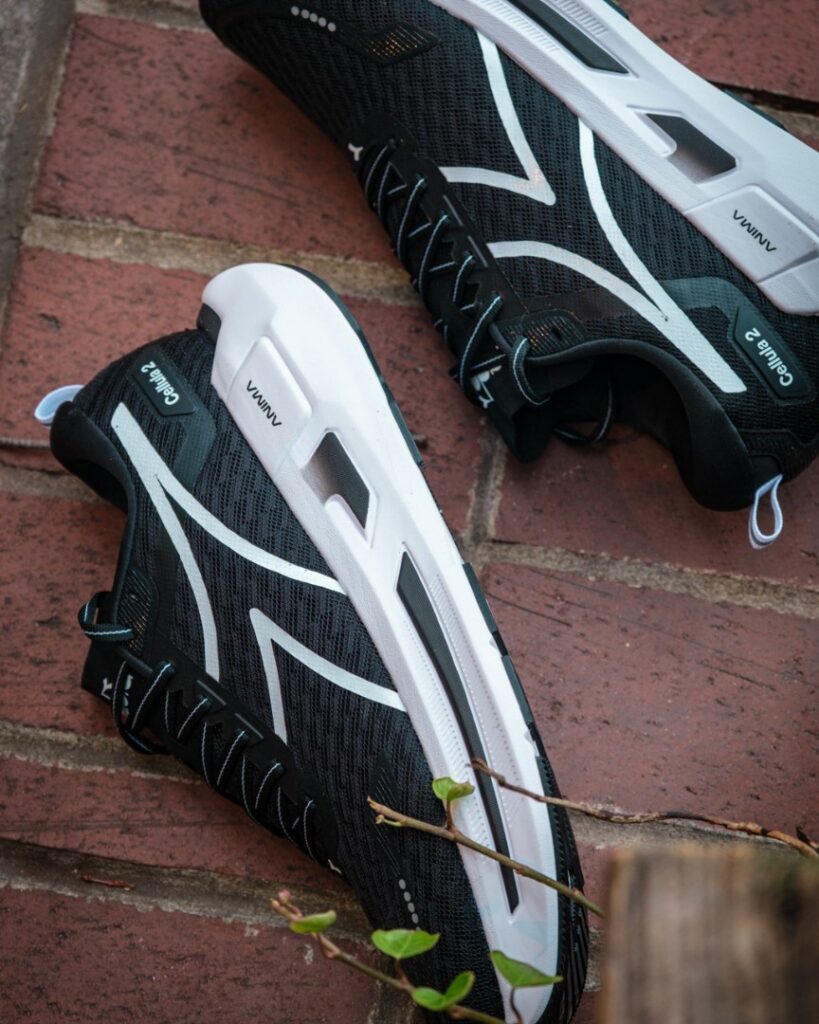
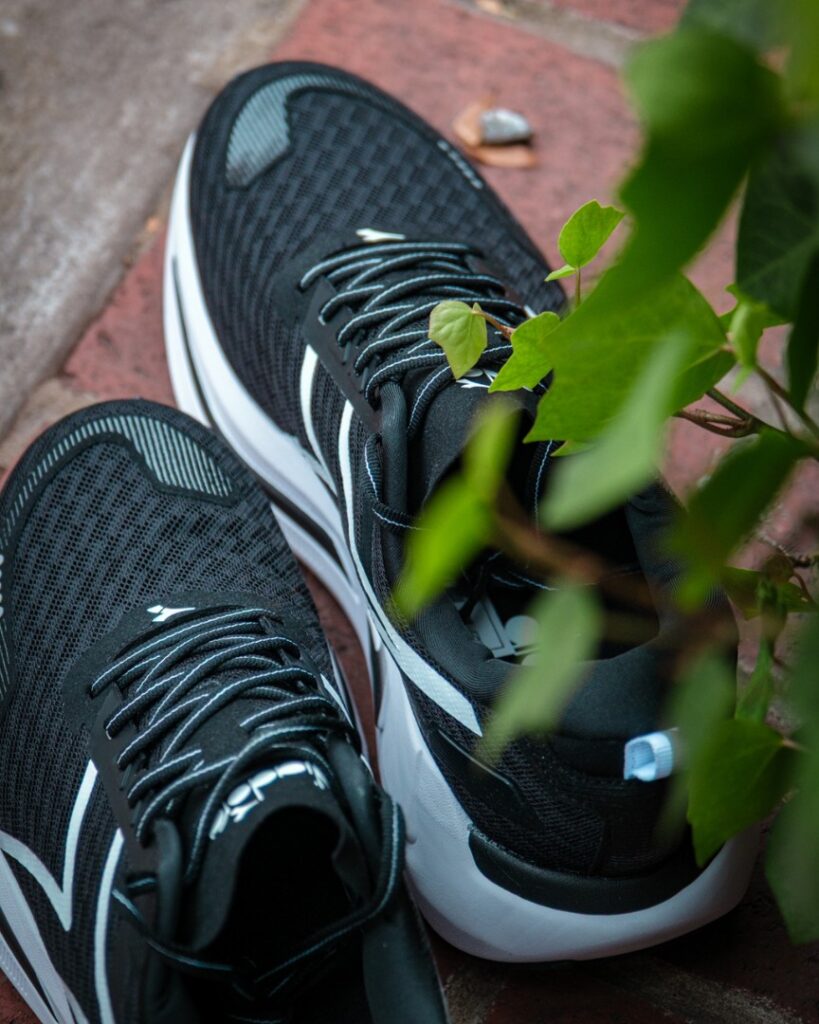
KARL: At The Running Event 2025, we were given a brief on the Diadora Cellula 2 and told that the shoe is purposely designed to be more “responsive” than the “softer” trainer, the Nucleo 2. It’s clear from the design language that the Diadora Cellula 2 looks like a daily trainer to do it all in, but with the added ability to ramp up the speed if wanted.
But I’ll be blunt here — I just did not get along with the ride of the Diadora Cellula 2.
I can’t tell if maybe I’m just not adding enough pressure to propel and activate that Anima N2 supercritical insert, but it really felt like I was fighting gravity at the end of my gait. I’ve tried to pick up the pace towards the end of a 12 miler to feel some type of responsiveness, but I was just never able to get there. The main midsole composition is Anima foam, which, in my opinion, needs to be updated or retuned. Combine that with the heavier weight of 11.6 oz / 331 g in my US M10.5, and I didn’t feel like I was getting anything in return.
Perhaps the European market is still generally fans of firmer foams, and as much as I enjoy that kind of energetic, propulsive foam, this one veers on being a bit too firm for my liking. Whatever Diadora considers soft is my kind of firmness. I enjoyed running in the v7000-2 and the Nucleo 2 (although I don’t have many miles on that shoe in particular).
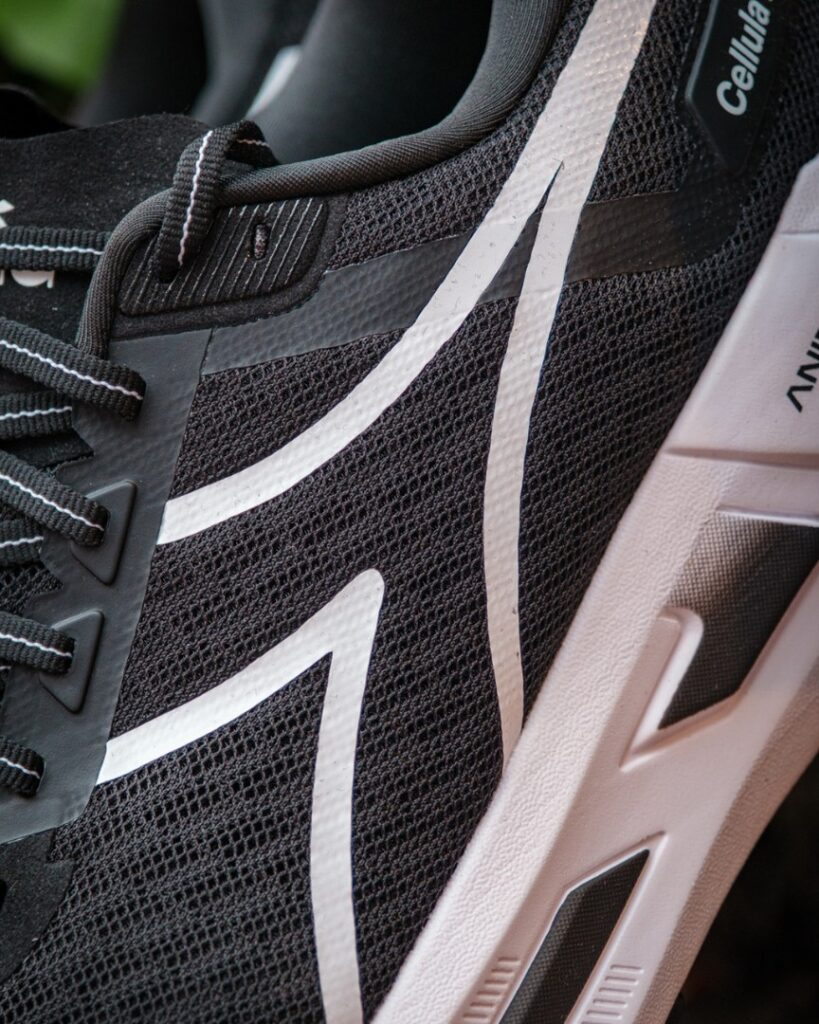
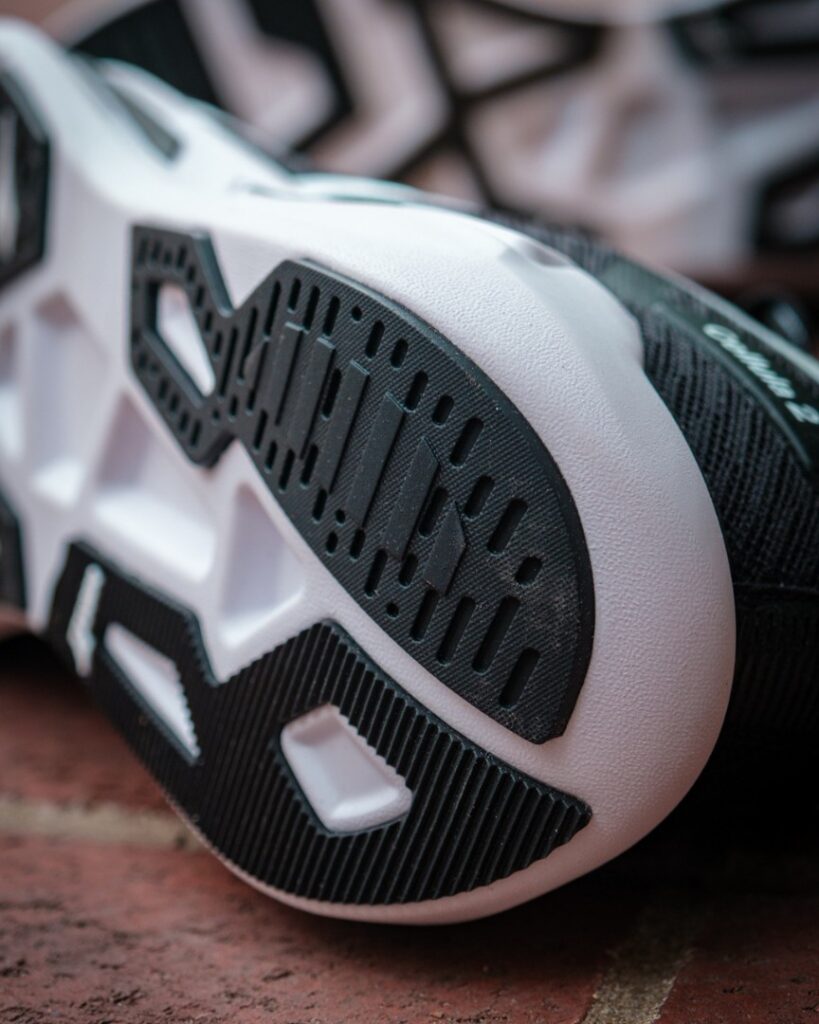
While I praised the overall fit and feel, I find the toebox a bit short. It is very minor, but enough to make me notice my toes cramping at the end of a 12-mile run. I feel like going up half a size would warrant too much room and compromise the heel lockdown. I don’t usually have this issue in other Diadora shoes (v7000-2, Nucleo 2, Gara Carbon). Hopefully, this can be remedied in the next iteration.
Finally, I think the value of the Diadora Cellula 2 is not there for me. For $185, there are other trainers in this department I’d pick over this. There’s the Nike Vomero Plus, Nike Zoom Fly 6, Puma MagMax Nitro 2, Asics Sonicblast, and the new Adidas Hyperboost Edge for just a little bit more. All those shoes have a foam density I gravitate towards, and I feel they fit the bill best.
Shop The Shoe - Men Shop The Shoe - Women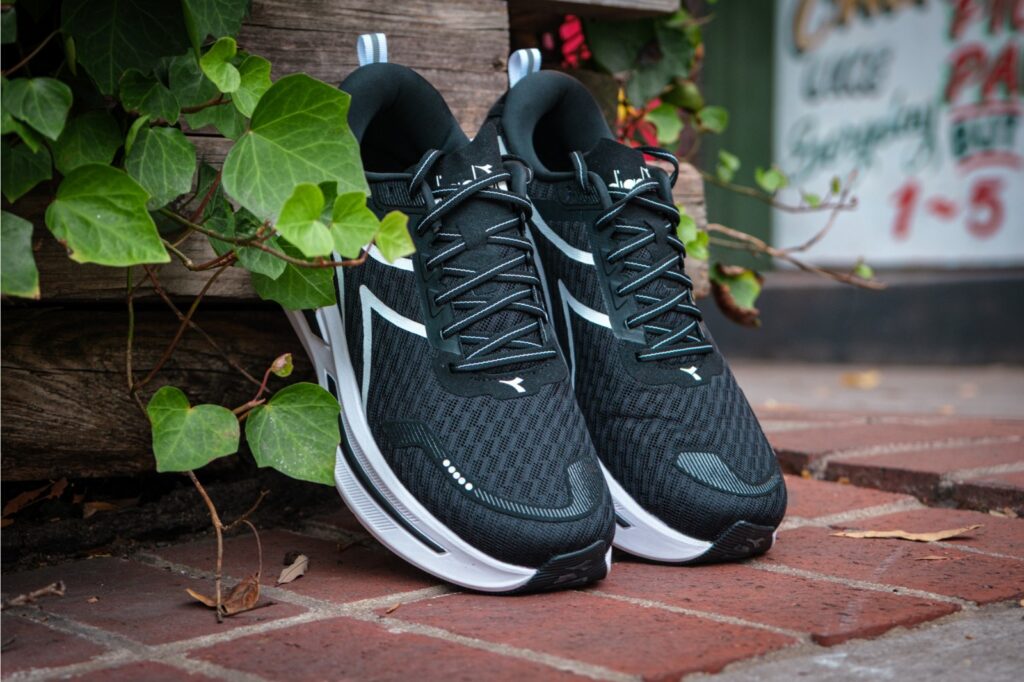
KARL: It’s unfortunate I feel this way about the Diadora Cellula 2 because they are another brand I want to see do well in the running market. But with so much competition from not just the major brands but also new brands like Mount to Coast, R.A.D, Hylo, and Kiprun, Diadora needs to find a way to innovate its foams and overall performance in its running shoes. It’s not all bad, though, as I’m quite the fan of the Diadora V7000-2 (which I have plenty of miles on), and I really liked the Gara Carbon 2, and I will also be reviewing the Gara Carbon 3, which just arrived.
I just think there needs to be work done on the trainer side of Diadora’s running lineup. But even though I didn’t get along with the Diadora Cellula 2, I feel like certain runners will. I think a heavier runner will benefit from the firmer foam and may be able to reap the benefits of the Anima N2 insert. If you’re already a fan of firmer densities, I could see this being added to the rotation. Maybe I’m just not the target audience for the current Diadora lineup. For me and my tastes, with all the options, especially at this price point, I can’t say this shoe will last in my rotation.
You can pick up the Diadora Cellula 2 for $185 from Running Warehouse (featuring free shipping and 90-day returns) by using the buttons below.
Shop The Shoe - Men Shop The Shoe - WomenHave something to say? Leave a Comment
Sign in or create a free account to comment. You'll come right back here.
Sign in / Sign up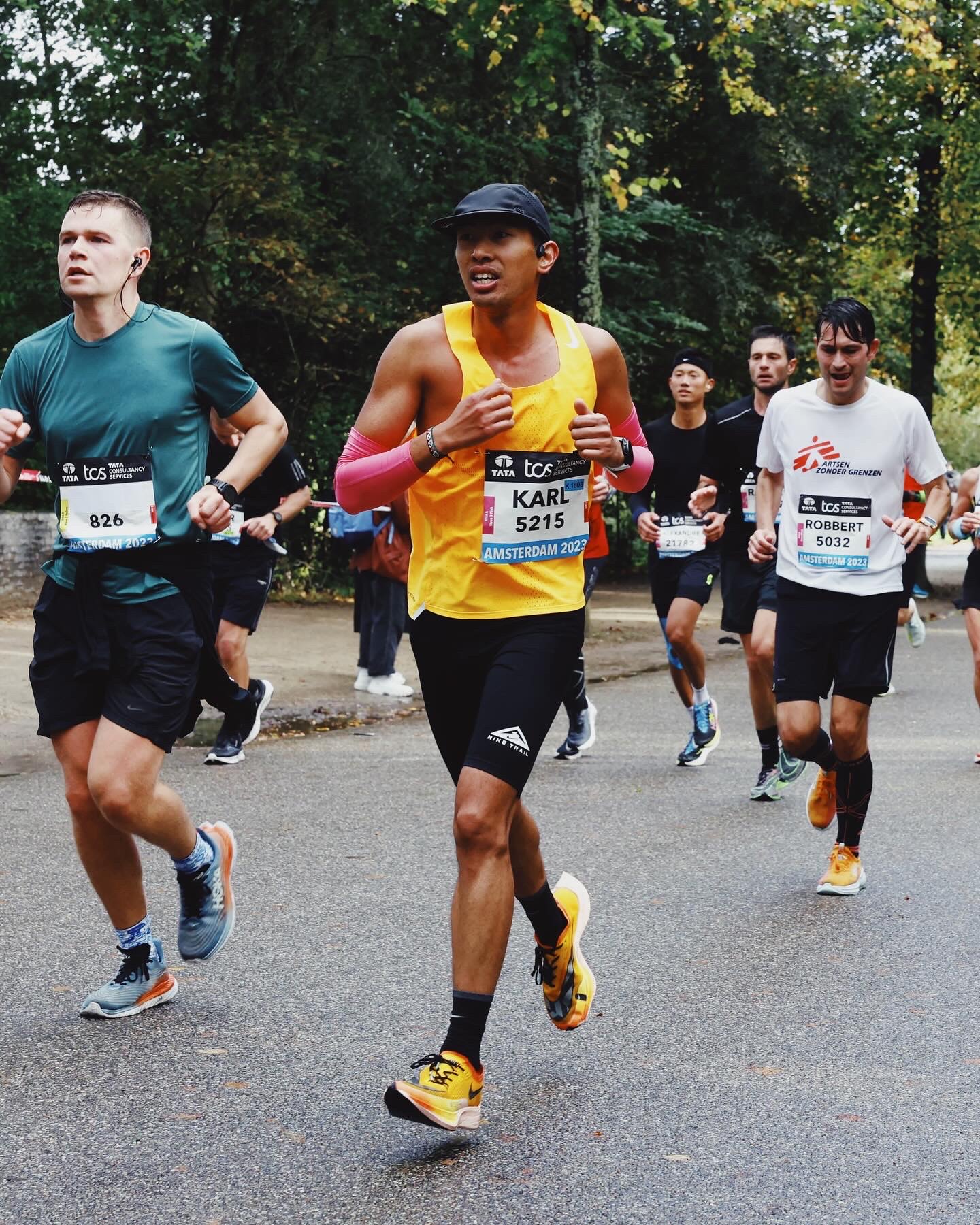
Karl is the Media Coordinator for Believe in the Run. Prior to joining the team, Karl spent the last decade working in the media industry as a cinematographer, director, screenwriter, and editor. He’s also an avid musician and craft beer aficionado. If he’s not running, he’s recording music, watching movies, or wandering around with his photo camera.
More from Karl
Be one of the first runners to rate it.