Shop BITR Apparel Shop Now
We independently review everything we recommend. When you buy through our links, we may earn a commission.
10.8oz. (306g) for a US M9 / 9.7oz. (275g) for a US W8
38mm in heel, 32mm in forefoot (6mm drop)
All-rounder trail runs
Vibram Megagrip outsole, DNA Flash v2 midsole, 3D-printed overlays, TPU toe cap
Available August 1 for $160

TAYLOR: I fully realize that we’re getting to the day and age when those who read this may have never run in a Brooks Cascadia before. For most of commercialized trail running history, that wasn’t the case. When I started, almost everyone’s first trail shoe (and every shoe after) was the Brooks Cascadia.
It’s one of the few trail shoes that has a robust history. The shoe has a true north of providing stability, protection, and grip for the general trail run. Because of its trusty, dusty nature, we haven’t seen much change over the years, with the exception of a few models that received major updates.
The Brooks Cascadia 20 is one of those models. Its stack height, foam composition, and outsole have all been refreshed in hopes of providing a more modern take on the tried-and-true equation for trail runners.
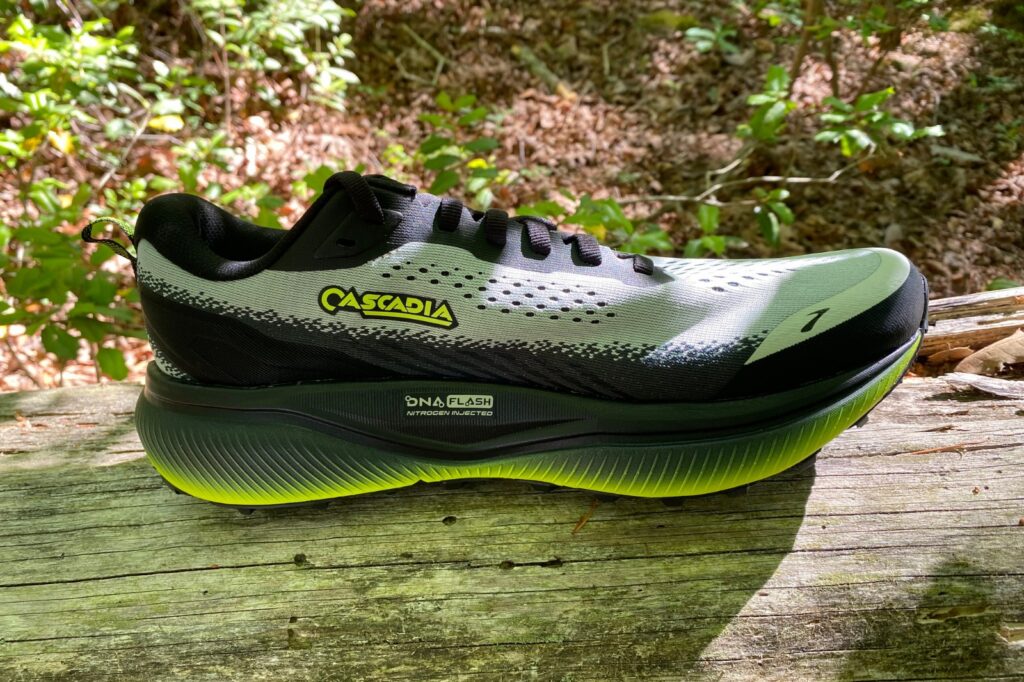
JOHN: I’ve had a complicated relationship with the Cascadia over the last few years. I’ve reviewed the last four, and on top of being one of my favorite trail shoes ever, it was also the original that, when I first started running, made me love trail shoes. And yet, I was very upset with the Cascadia 18. No, I wasn’t upset. I felt betrayed, like a friend had snitched on me to the cops. It was like when Daft Punk broke up. I can go on, but I’ll spare you and just say it was rough. It’s no secret that I am one of the least picky reviewers here. I can run in almost anything (I learned this trick from being poor), but if a shoe has issues and it’s uncomfortable to run in, make no mistake, I will call it out.
So, I had a lot to say about the Cascadia 18. Essentially, I said it was like a domesticated, stroller-pushing coffee shop Dad, whose only escape to the trail is to look at pricey outdoor stores downtown while his wife looks at other stuff. The shoe also looked like a nerdy trapper keeper. Clunky, awkward, it wasn’t great. It reminded me of myself in grade school. I was very upset.
The Cascadia 19 got me fired up, though. It lost some weight and became more runnable. Was it the greatest update? The other reviewers and I had different thoughts; however, we all pretty much were aligned on the fact that it was an improvement. And now here we are with 20.
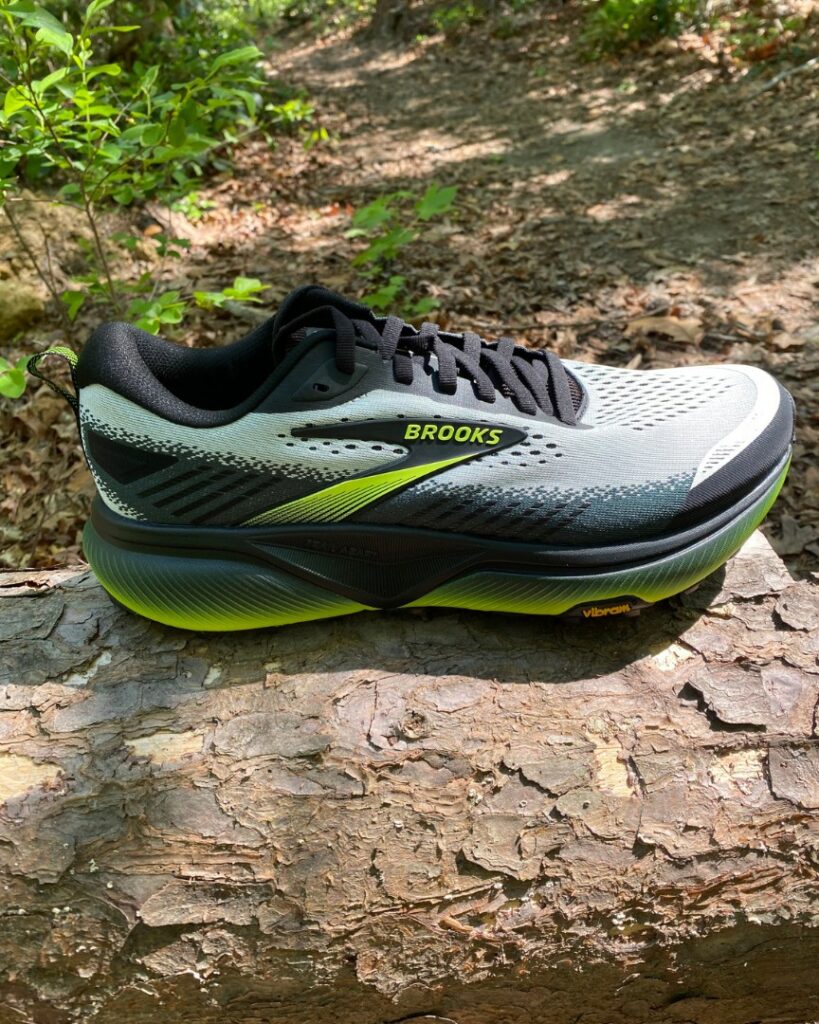
I got this shoe at a weird time. I had just run a 20:45 100-mile time at C&O 100, and I’ve been training with sub-3 marathoners with one mission in mind: finish the Old Dominion 100 in a few weeks. It’s a very runnable course with some exceptions (Sherman Gap mainly), but I mention all this because I’m probably in the best running shape of my life, and I’m going to really be critical of the Cascadia 20 on how easy it is to run in and how serviceable it is on technical stuff.
If it’s clunky and feels like a brick, I’m going to call it out! If it feels like there’s not enough stability on the hard stuff, I’m going to say something! I feel like the main issue with the Cascadia is that it’s struggled to balance being a running shoe with being protective and comfortable. Brooks would overdo the stability or protection, making it just unpleasant to run in.
I ran 24 miles in the Cascadia 20, mixing easy and technical terrain with varied paces. Let’s jump right in and see whether the Cascadia is moving forward or going back!
ALEX: My first trail shoe was the Brooks Cascadia 7. I’m pretty sure I bought it at least a half size too small, which resulted in plenty of blisters and lost toenails. But to be fair, I was just as green to trail running in 2012 as that shoe was, literally. The Cascadia 7 came in a bright green colorway with hot pink accents, and at the time, it felt bold and rugged.
A lot has changed since then. For both of us. While the colorways and overall styling have become a bit more subdued over time — something I personally miss — the shoe itself has continued to improve. What started as a sturdy, dependable trail shoe has become a more refined, responsive, and versatile ride without losing the qualities that made it a favorite in the first place.
Maybe I’m getting hung up on aesthetics, but I do miss some of the personality the older models had. Even so, the Cascadia feels iconic. And after running in this line on and off for more than a decade, I think version 20 represents one of the biggest and best steps forward Brooks has made in recent years.
Shop The Shoe - Men Shop The Shoe - Women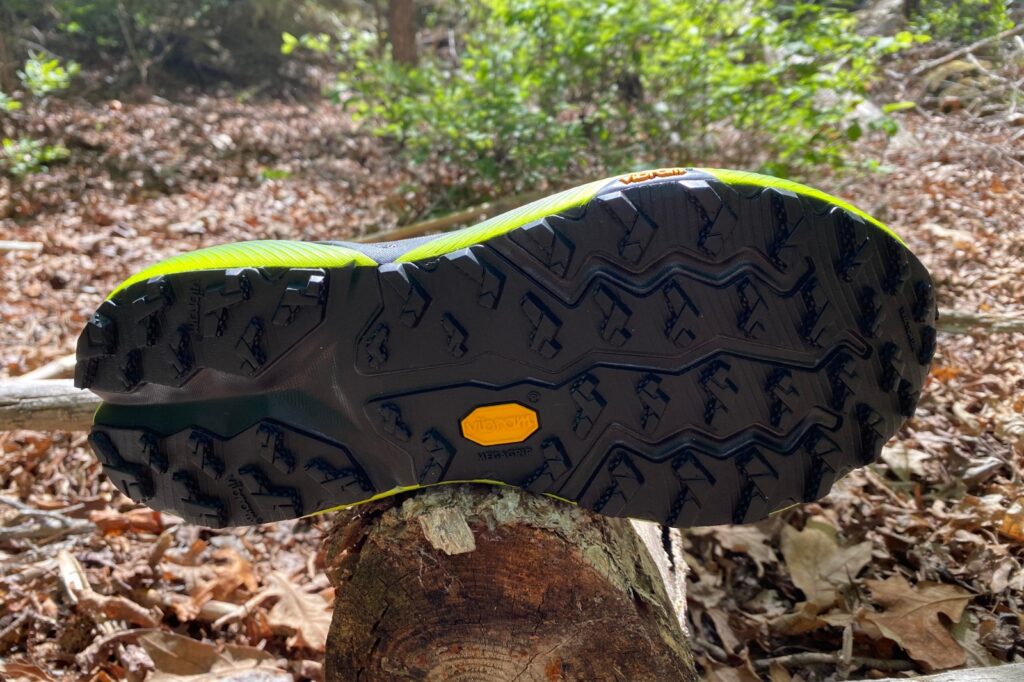
TAYLOR: From the top, it’s worth noting that a lot of the major changes to the Brooks Cascadia 20 are a result of a merger. Brooks is taking a hiatus from the Caldera series and has therefore combined the design philosophies of the higher-stack cousin with the stable heritage of the Cascadia series.
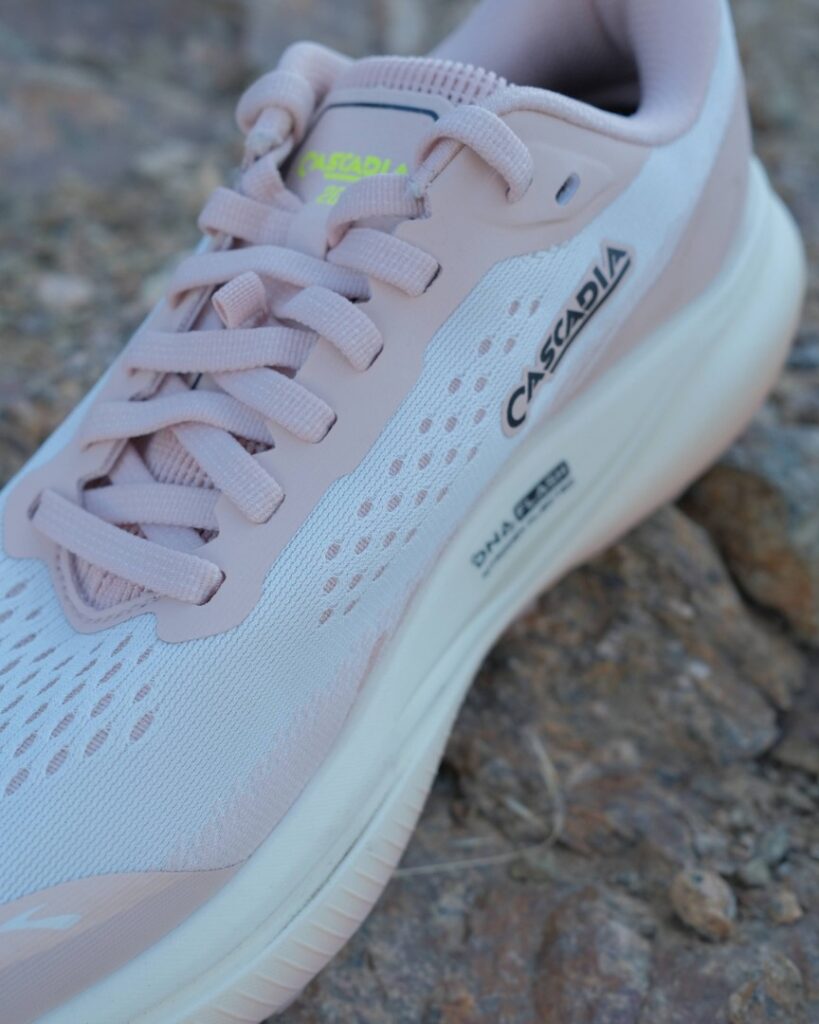
That means switching to a DNA Flash v2 midsole in place of the DNA Loft v3 foam from the Cascadia 19. Even though the Brooks Cascadia 20 gains an extra 4mm of stack height, the weight is actually similar due to this midsole swap. It also offers a more cushioned, mildly energetic ride. All of this is in line with our experience from other shoes that boasted the same medium-density airy midsole. This certainly isn’t a wowing sensation compared to the landscape of modern trail shoes; however, this midsole change does give the Cascadia series a bit of new life.
Have no fear! Even at a high stack height of 38/32mm, the Brooks Cascadia 20 also sports a very broad footprint that brings support and stability to the table that has always been part of the Cascadia experience. Thanks to the strategic flexgrooves that fly every which way (Trail Adapt System), the rover-like mentality of previous Caldera models is also here. What’s different between this ride and the Caldera 7 and 8 is that I didn’t feel overcontrolled by the Brooks Cascadia 20. For the most part, the ride was rather smooth, noticeably sturdy, and protective.
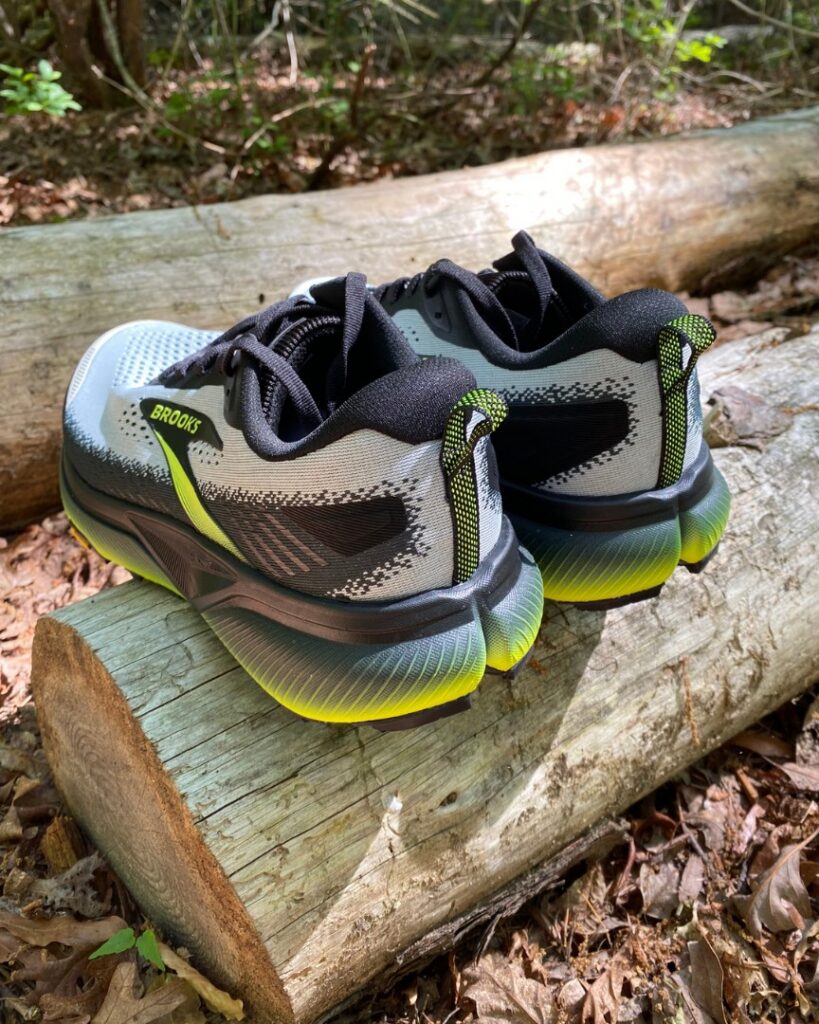
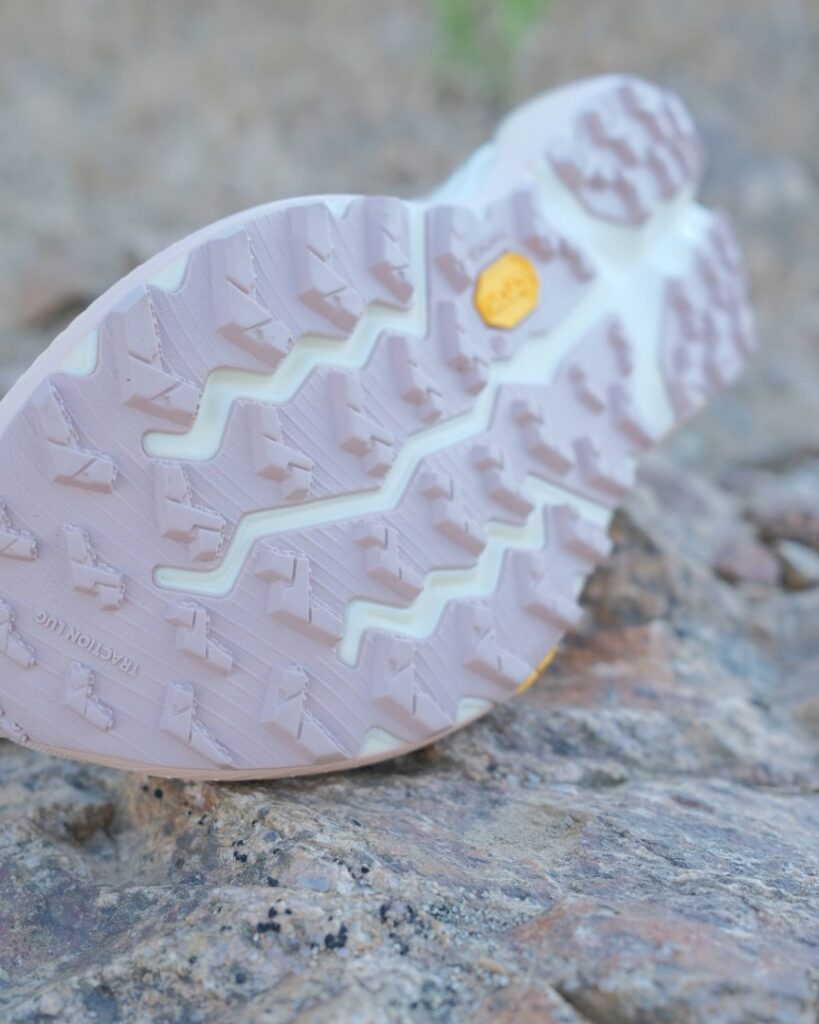
Another year-to-year occurrence is a plush upper and pleasing fit. The Cascadia has always been a comfort-forward model. It doesn’t stop two decades in. A solid yet cushioned heel counter and moderately plump gusseted tongue lay the foundation for a luxurious fit, while the dual-layered engineered mesh doubles down on that sentiment. Both of those aspects certainly aid in the surprising security and durability, too. Then, a truly roomy toebox rounded out the cozy fit. Sure, this part might be a little overdone, but I’ve never been able to argue against the comfort.
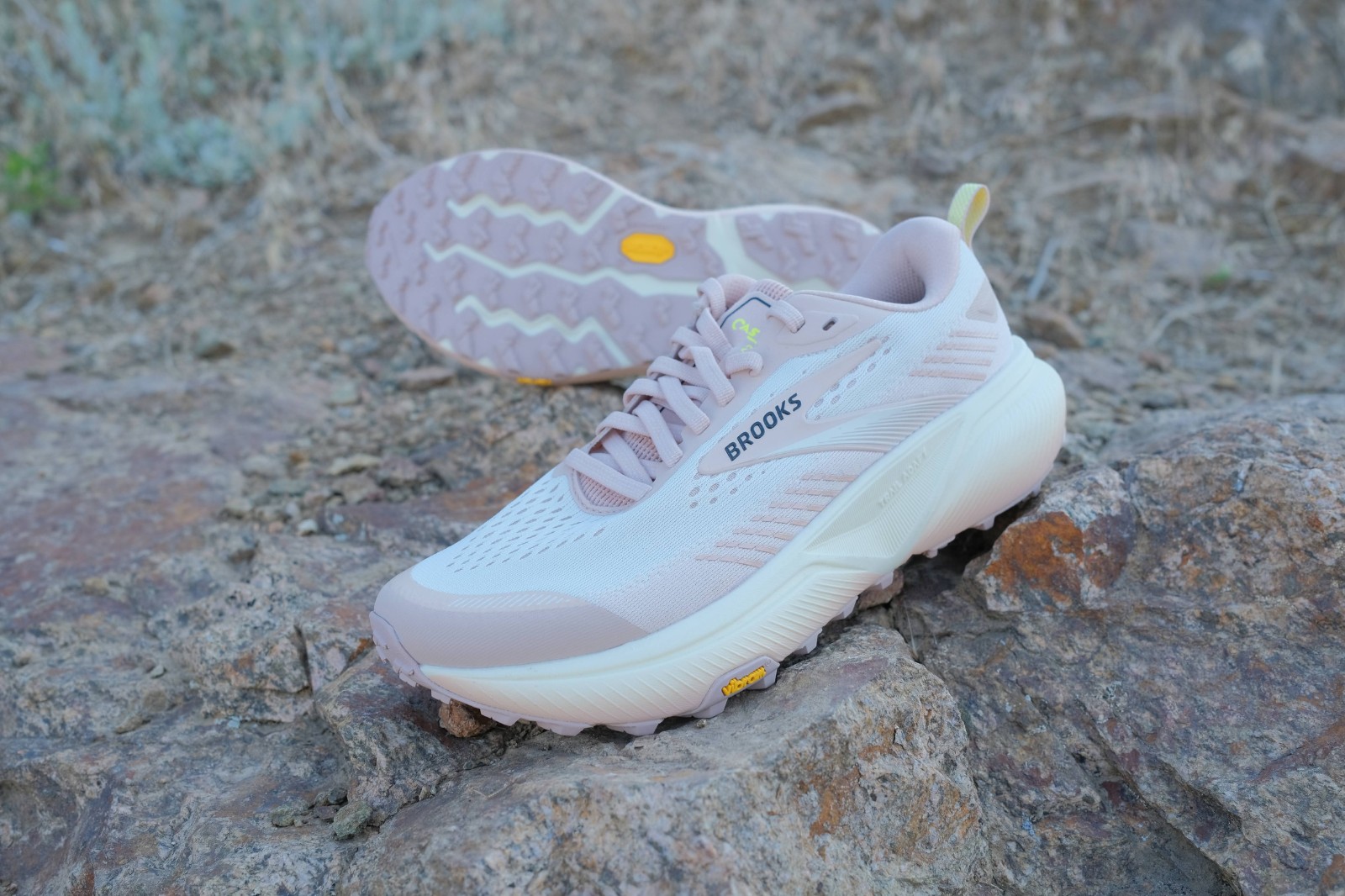
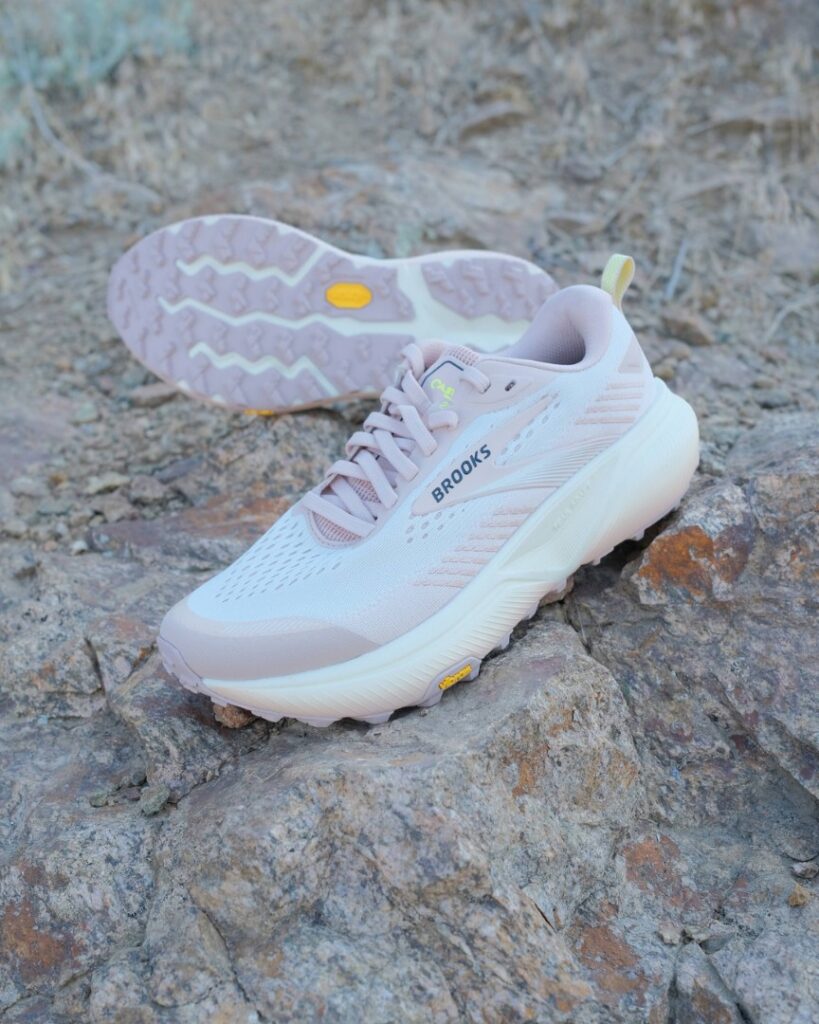
Flipping it over to the bottom, you notice a bold yellow signet. Yes, Vibram! The 4mm traction lugs and zig-zag design were a great addition for the performance aspect alone. Again, the rover analogy comes into play here. This outsole-and-midsole combo just rolled over anything in its path…
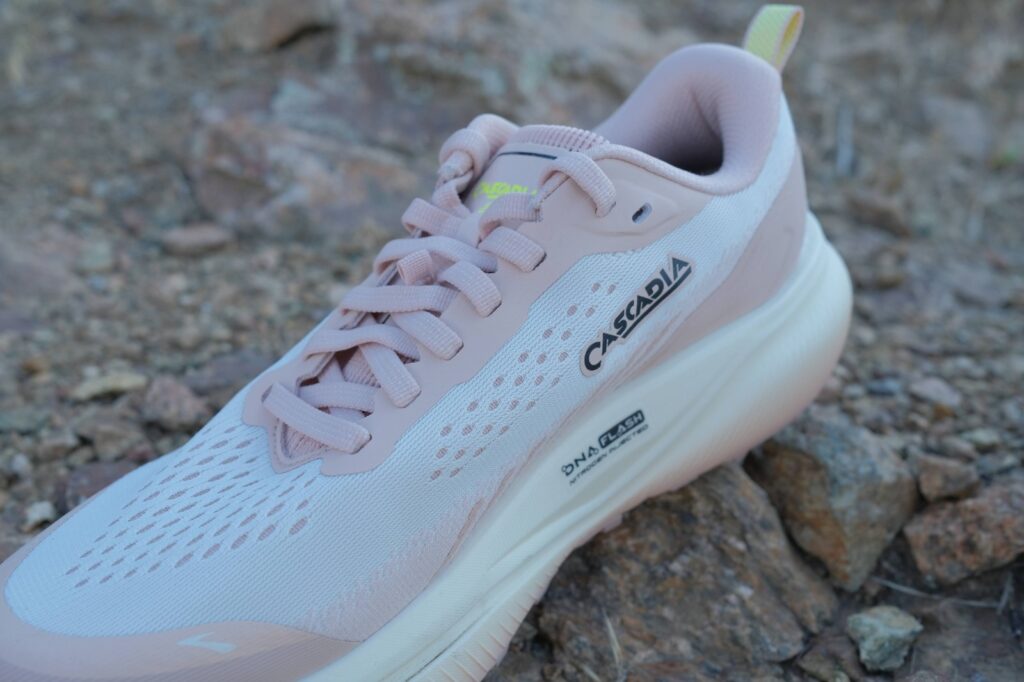
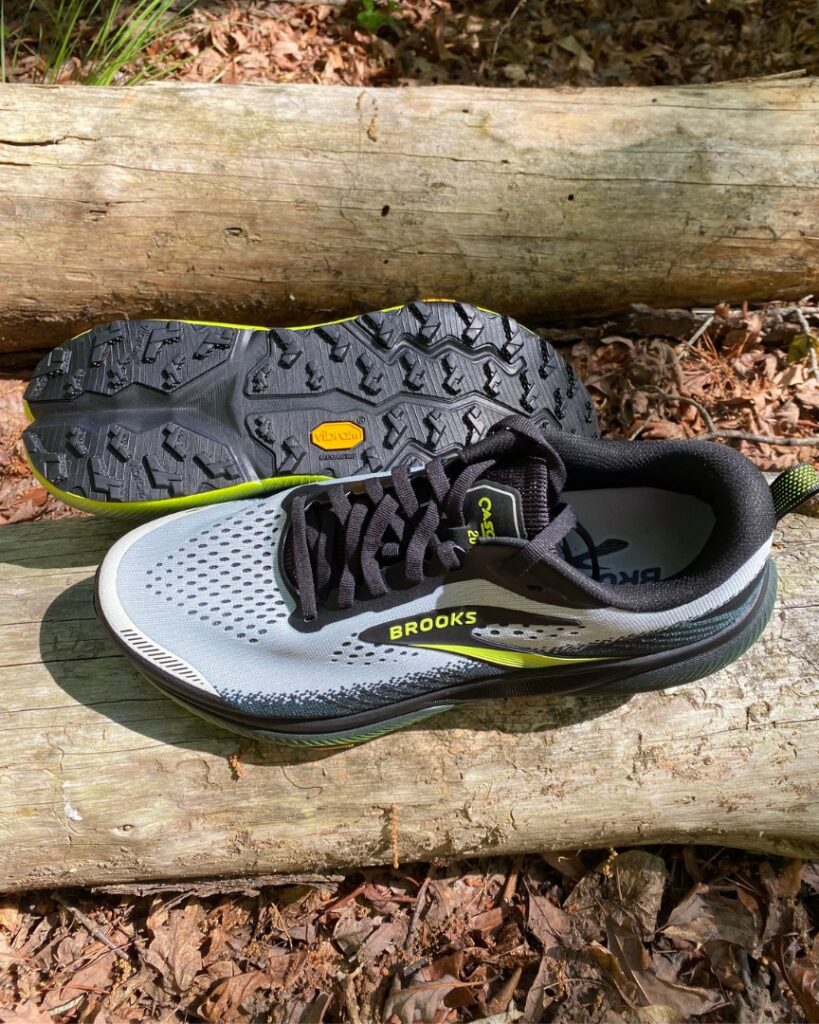
JOHN: The first thing that caught my eye and will catch most immediately: Vibram. Boom. I wasn’t expecting it, and it’s a huge change compared to recent updates. The outsole on the Cascadia 20 is much improved. Even though the 19 was better than the 18, it still had that lingering in-house outsole. It was better, but when you compare the 20 to the 19, you immediately see the improvement. It’s far easier to run in, and it also keeps stability and grip on harder terrain.
I’ve never really had an issue with the fit of the Cascadia. Over the years, I feel like it’s been pretty consistent and fits my US M11.5 foot well, but the tongue on the 19 was quite thick. They made the 20 more like the tongue of the 18, much lighter. Overall, I like the upper of the 20 better than that of the 19. It’s a more breathable mesh, but otherwise similar to the 19, which I thought was pretty solid (other than the tongue), and I’m glad they updated it on the 20.
Brooks’s DNA Flash foam is noticeably different than DNA Loft in the 19. The shoe feels snappier and offers a smooth ride. There are no longer questions; it feels good to run in this one. The 19 wasn’t awful, but the 20 is noticeably better in this area. I’m one of those runners who find it hard to match my road pace on the trail, but it’s significantly closer in this shoe, which says a lot.
So I took a chance wearing the Cascadia 20 on my Monday run club. We run kind of fast, and I was definitely concerned because I questioned if I’d be able to keep up with the group if this update was more like the 18 (maybe even the 19). But the Cascadia 20 did great. The Manassas Battlefield trails are pretty good in parts for a real fast pace, and I was shocked by how light and nimble the shoe was.
Is it an Endorphin Speed? No, but I took it to run club twice and hit some paces I didn’t think were possible wearing a Cascadia. So the first two runs I did were with the run club at a faster pace. For the third run, I covered 10 miles on a harder trail by myself. I really feel like the shoe is serviceable on technical terrain. It’s definitely more of a running shoe than a hiker, but I truly feel like it’s tough and did well enough.
Ultimately, for the price, I truly believe the Cascadia 20 will serve you well as a rotation trainer or for certain specific races. I’ll talk more in a bit about what I’m planning to use it for coming up.
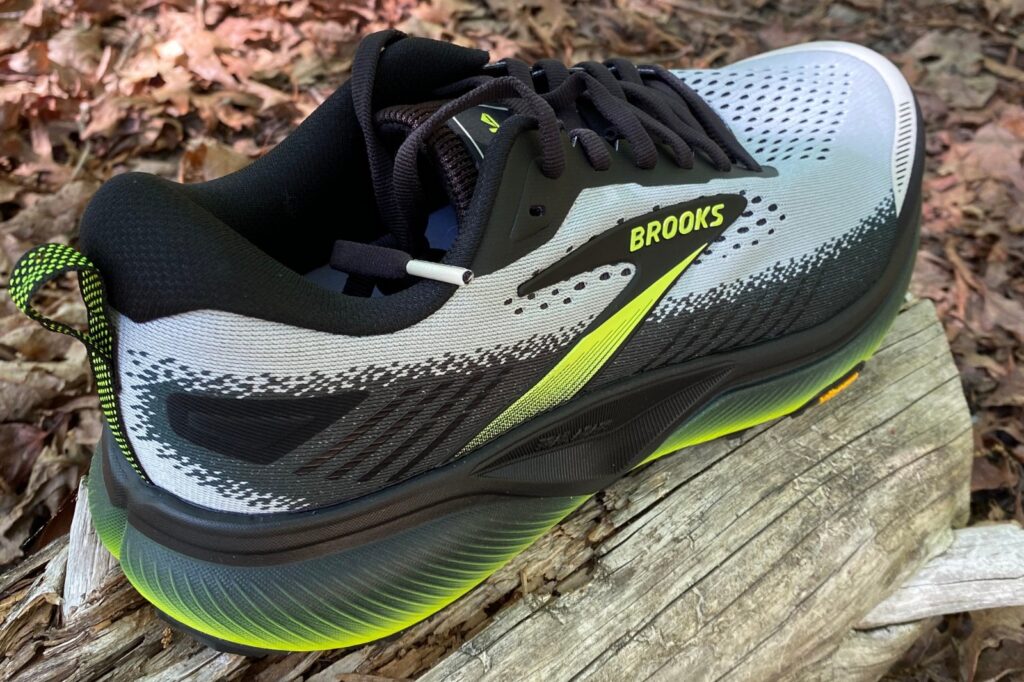
ALEX: I have zero complaints about the Brooks Cascadia 20. It’s comfortable, well-balanced, stable, durable, and it delivers exactly what it promises.
The Cascadia isn’t flashy or rowdy — it’s the dependable friend who always follows through. It won’t surprise you, and it won’t let you down. It’s the friend who never forgets your birthday, doesn’t exist on social media, shows up to every major life event, is usually the designated driver, and somehow always has jumper cables, snacks, and a phone charger.
Rather than reinventing one of trail running’s most trusted shoes, Brooks focused on refining it. The biggest update is swapping the DNA Loft v3 for DNA Flash v2, a nitrogen-infused midsole that gives the Cascadia a more energetic ride. It maintains a protective, confidence-inspiring feel, just with a little more underfoot bounce and responsiveness. Previous versions felt a bit dense and a little dead at times. This update brings some welcome energy without changing the Cascadia’s personality. Like when your reliable friend cuts loose and gets a little drunk (coffee-drunk, that is, because they have been sober for a decade, obviously).
Brooks also made the platform slightly narrower, making the shoe feel a bit more agile in technical terrain. Combined with a modest increase in stack height, the Cascadia 20 delivers greater cushioning and protection over long miles while maintaining the stable, predictable ride that has made it a fan favorite for everything from daily training to big-mountain adventures.
The Cascadia still has the Trail Adapt System, allowing the midsole, rock plate, and outsole to work together to provide a balance of support and stability. A flexible rock shield provides underfoot protection without making the shoe feel overly stiff, and the sticky Vibram Megagrip outsole continues to deliver dependable traction across varied terrain.
The result is a shoe that feels familiar in all the right ways — just a little lighter on its feet and a little more fun.
Shop The Shoe - Men Shop The Shoe - Women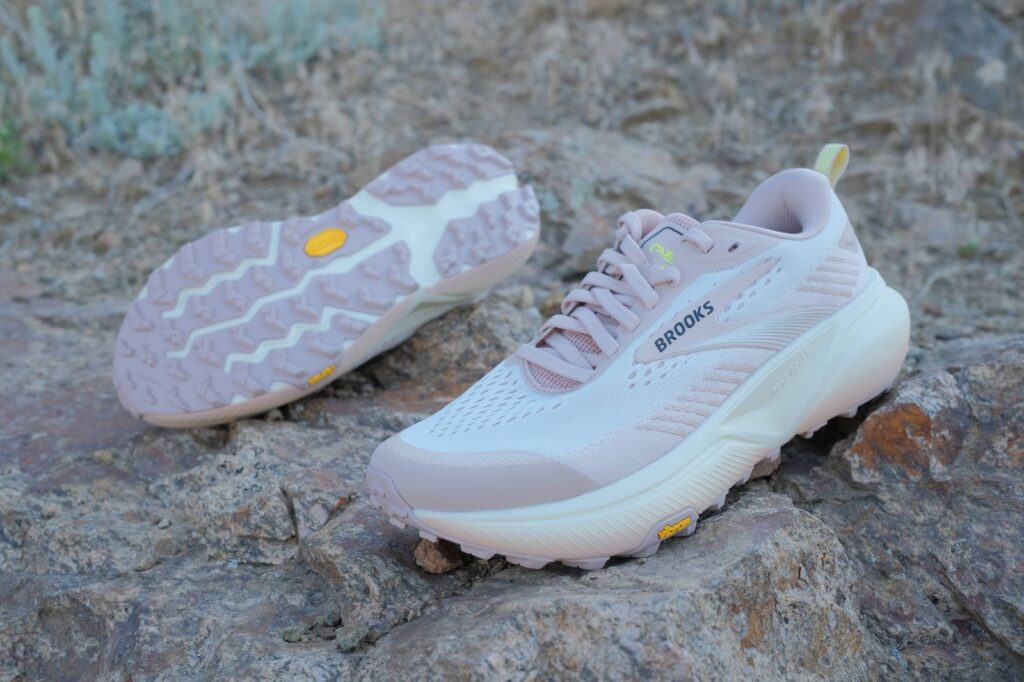
TAYLOR: I love Vibram wholeheartedly, but I do have a surprising antagonistic take on this addition.
Adding this outsole automatically bumps this shoe into a different price zone, which gives me some concern about having really ANY solid options at an approachable price. The Brooks Cascadia has been an approachable shoe from all angles over the last couple of decades. Why change that now when the Trailtack Green outsole was B+ rubber anyway?
By doing so, it now finds itself in a much tougher spot against some of the best-performing shoes, rather than performing really well in a budget-friendly category. These other shoes fall into the $160-$180 price range: Adidas Terrex Agravic SL, Salomon Ultra Glide 4, Topo Athletic MTN Racer 4, Mount to Coast T1, Hoka Speedgoat 7, La Sportiva Prodigio 2, and Nike ACG Zegama. All have similar stats, but all have noticeably more fun packages.
Other than that, I don’t have a lot to complain about. No, this isn’t even close to the most exciting shoe on the block. Yes, it is a bit over-built. Those points have always been the case, though.
JOHN: I don’t have much here, but in full transparency, if you find yourself less of a runner and more of a hiker or more of a mix of walk-run on technical terrain, you may not like this shoe as much as I do.
The exposed foam on the outsole showed wear even after only one run. It’s not horrible, but it’s definitely noticeable. I’m still pretty confident I can get a lot of miles out of this shoe.
As mentioned above, this shoe is serviceable on technical trail, but I wouldn’t get crazy and do too much in it. This shoe does far better on easy-to-medium trails and fire roads. If you have a race with harder terrain, I’d opt for a shoe change or just use a more agile shoe.
My toes rammed into the front of the shoe on a more technical downhill, but it was only once in the 24 miles I ran in it.
ALEX: If I had to nitpick, it’s the aesthetics. The dusty pink colorway isn’t my favorite, and the overall design feels a bit uninspired. It’s not ugly, it just doesn’t have that “I can’t wait to wear these” factor. Compared to some of the more modern designs, the Cascadia plays it safe… just like your friend who refuses to jump out of an airplane with you.
That said, the design is representative of the shoe. Brooks seems to continue to prioritize function over fashion, and while I’d love to see a bolder color palette and more exciting designs, it performs very well.
Shop The Shoe - Men Shop The Shoe - WomenTAYLOR: Gosh, I can’t argue with the fact that the Brooks Cascadia 20 is a solid update. It maintained many of the aspects that have made the Cascadia a household name (protection, stability, and grip) while absorbing the position as a highly cushioned daily driver.
It’s a consistent performer that takes on a subtly different persona. While it definitely lacks character compared to many of its competitors, that will be okay for the runner who just wants a simple companion to stack a variety of trail miles with.
JOHN: This shoe was a delight compared to some of the other updates. I love it so much, I’ll be using it at the Old Dominion 100 in a few weeks. I feel like this is a great training shoe, but also if you are doing an ultra like OD, JFK, Vermont, etc., with a lot of running and some harder trail mixed in, this is an excellent option that, in my opinion, won’t require a shoe change (unless you’re going for a very aggressive goal or there’s a miserable technical section).
Of course, this review is just words. Instead of being overly critical/nitpicky, or digging into my position on this shoe, I’m going to take it further and get a 24-hour buckle on it at Old Dominion (and I don’t plan on swapping shoes). Talk is cheap. I don’t do this often, but I’m that confident in this shoe from the 24 miles I’ve run in it and where I am in my training that I can run 100 without a shoe change and keep things very consistent. It’s funny how sometimes the absolute right shoe finds you before a big race!
Brooks sent the Cascadia to boot camp and got it toughened up. It’s still stable, but you can run much faster in it, still protective, and still keeps the vibe of the Cascadia intact. I truly feel like, with this, Brooks has done something special. This shoe is versatile and works for trail runners of all experience levels. I immediately saw a use for it with Old Dominion. I feel like anyone using this shoe will get that kind of idea for something they’ve got coming up or a goal they want to conquer. That’s always been the essence of the Cascadia to me. Congratulations, Brooks, on one hell of a shoe.
Update: I did not get sub-24 at Old Dominion; however, I did finish under the cutoff! The Cascadia 20 was my most reliable piece of gear, keeping my feet protected from everything from roads to technical mountain terrain. I wore the 20 the entire race. It was very hot, so my feet were gross most of the day, but I still felt good enough to finish the race. It worked excellently on stream crossings and kept out debris.
It was stable both when running on rocky fields and when running extreme downhills on fire roads. Most importantly, my feet didn’t get messed up, no blisters or hotspots. I could go run tomorrow if I wanted to (I don’t, but it’s just me being lazy). So, I used this shoe for a total of 121 miles, and I love it. It’s versatile as a rotation trainer, or if you are doing races like Old Dominion that are a heavy mix of surfaces, the Cascadia works!
ALEX: I’ve had an on-again, off-again relationship with the Cascadia since version seven, and it’s been fun to see how the shoe has evolved over the years. While it’s still unmistakably a Cascadia, Brooks has continued to make great improvements with each generation. The Cascadia 20 is lighter, more cushioned, and more responsive thanks to the DNA Flash v2, yet it hasn’t lost the stable, confidence-inspiring ride that many have come to expect and love.
I keep coming back to the same thought: I have zero complaints about how this shoe performs. Is it the most exciting shoe I’ve ever run in? No. Do I wish Brooks had been a little bolder with the colorways and overall design? Absolutely. But when it comes to comfort, durability, stability, and predictability, the Cascadia 20 delivers.
You can pick up the Brooks Cascadia 20 for $160 on August 1, 2026, from Running Warehouse (featuring free shipping and 90-day returns) by using the buttons below.
Shop The Shoe - Men Shop The Shoe - WomenHave something to say? Leave a Comment
Sign in or create a free account to comment. You'll come right back here.
Sign in / Sign up

Alex is a trail and ultra runner originally from Minnesota, where she built her foundation on long winters and the rugged, rooty trails of Lake Superior’s North Shore. Now based in Utah, she trains along the Wasatch Front and continues to lean into long, multi-day efforts. She was the first female to set a supported FKT on the 310-mile Superior Hiking Trail and gravitates toward races that demand durability — especially in tough conditions, where sleep deprivation blurs the edges, and she’s learned to make friends with the hallucinations.
More from Alex

An obsessed runner, John has run in most ultra races in the Mid-Atlantic area. Since he’s an ultra runner, it’s no surprise he’s also a lover of food. He’s also a dedicated father, caregiver, and veteran.
More from John
Taylor Bodin is a trail and ultra runner living in Estes Park, Colo., with his wife and daughters. As the head of the Dirt Division at Believe in the Run, trail running is pretty much the only hobby he can manage right now and loves it. Every so often, he will pop off a race or FKT attempt because competition is pure and the original motivator for him getting into running anyway.
More from Taylor
Be one of the first runners to rate it.