Shop BITR Apparel Shop Now
We independently review everything we recommend. When you buy through our links, we may earn a commission.
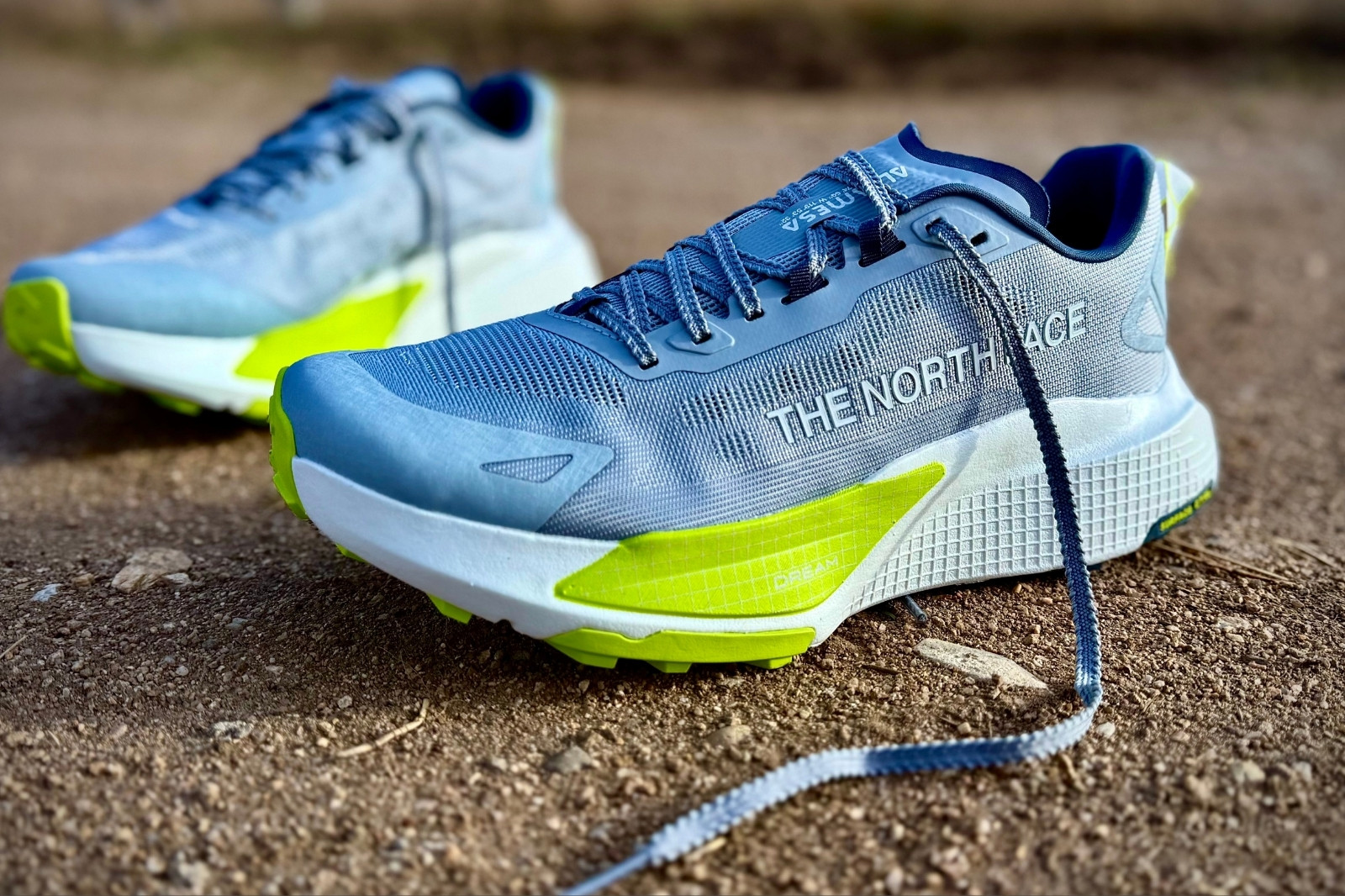
9.8 oz. (277 g) for a US M9 / 8.6 oz. (244 g) for a US W7
36 mm in heel, 30 mm in forefoot (6 mm drop)
Door to trail cruising
Dream foam midsole, Surface Ctrl SC2 rubber outsole, lightweight engineered mesh upper
Available February 2026 for $170
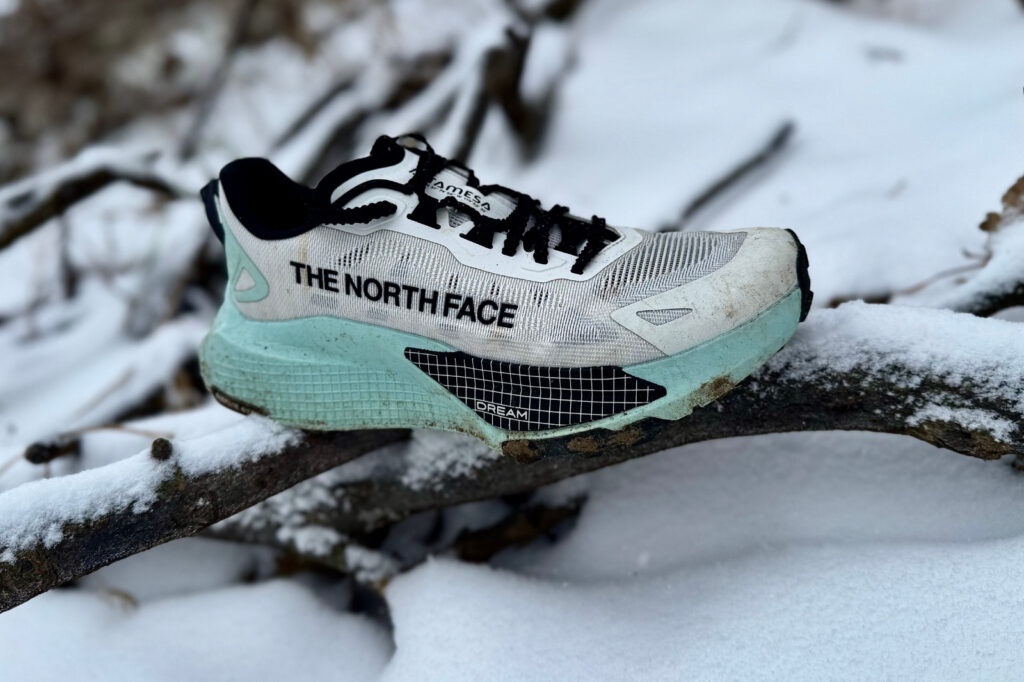
TAYLOR: I fell in love in the fall of 2023. The day was particularly crisp, and I had no expectations. Then, it just happened. I wouldn’t say I was suddenly swept off my feet. It was a step-by-step, mile-by-mile growing of trust. You know, the kind of relationship that just kept getting better as time was spent together.
In my recollection, it was the Altamesa 500 that made the first move. It lured me in with the promise of comfort and kept me coming back with its ongoing underfoot sensation…
I’m going to pause this before things get creepier than they already are, but I hope you get the gist. The original North Face Altamesa 500 was an incredible offering for its time, in my opinion. It was on the leading edge of creating true door-to-trail shoes that could handle a variety of terrain while having a truly modern foam. Since many of my runs cover various surfaces, the Altamesa 500 became my go-to mileage stacker.
It’s now been more than a year since I slipped on the original version. The time since has seen some of the most accelerated developments in the history of trail running shoes.
So, the North Face Altamesa 500 v2 comes with a little bit of anxiety for me. It is definitely updated from a materials standpoint, but the silhouette is virtually the same. My concern is that the Altamesa line is at risk of becoming a has-been after just one iteration.
Without giving too much away, my worries were lifted upon the first run.
REESE: In film, sequels rarely live up to the notoriety of their predecessors. Have you ever seen Jaws: The Revenge, Zoolander 2, or Basic Instinct 2? No. Because they are awful. The exceptions are, of course, Sharknado 2, The Second One, Mighty Ducks II, and every single spin-off of The Fast and the Furious. To put it another way, when a second version of anything is released, it often comes with some skepticism. Thoughts always go to, “Now let’s see how they took a good thing and ruined it.”
But as stated above, there are exceptions. Sometimes the second iteration does improve upon the first or at least adds to the already incredible lineup (ie, Fast and the Furious). The North Face had a pretty incredible last few years. Many of their shoes quickly became our Dirt Division’s favorites. The Altamesa 500 never made a “best of” list, but it was pretty dang good. Not perfect, but a great all-around shoe. So I was skeptical of version two.
But as I came to find out, it’s a shoe that won’t make me walk out of the movie theater early, so to speak.
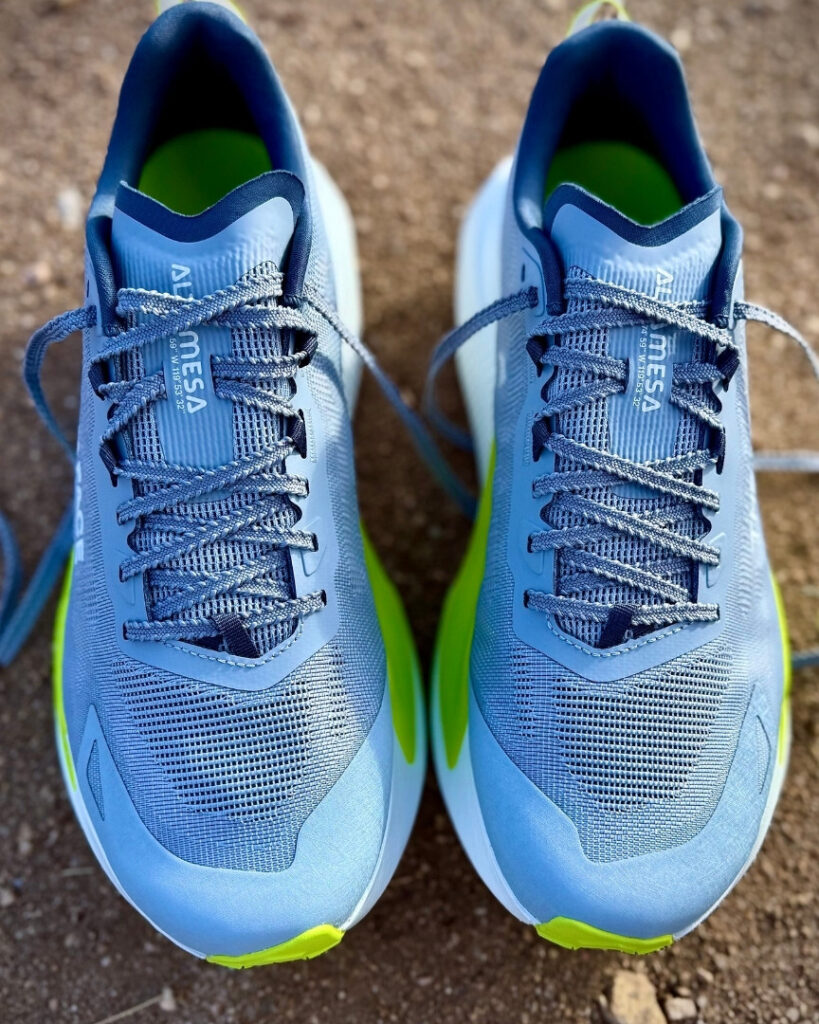
RENEE: I like to pretend that brands create revenge shoes when a popular, accomplished athlete leaves them for another brand (ahem… Katie Schide going to On). I know that’s probably not what happens, but The North Face has been turning out great shoes, and they kinda feel like the equivalent of a revenge body, but in a shoe.
TNF’s Vectiv Sky 2 is one of my all-time favorites at this point, and I’m surprised at how most other runners think the same, from slow to fast to mountain to woodland trails. I did not run in Altamesa 500 v1, and generally, I don’t like big, beefy trail shoes. I had no idea what to expect from the Altamesa 500 v2, and it took only a few miles with this shoe to label it as another TNF “revenge shoe.”
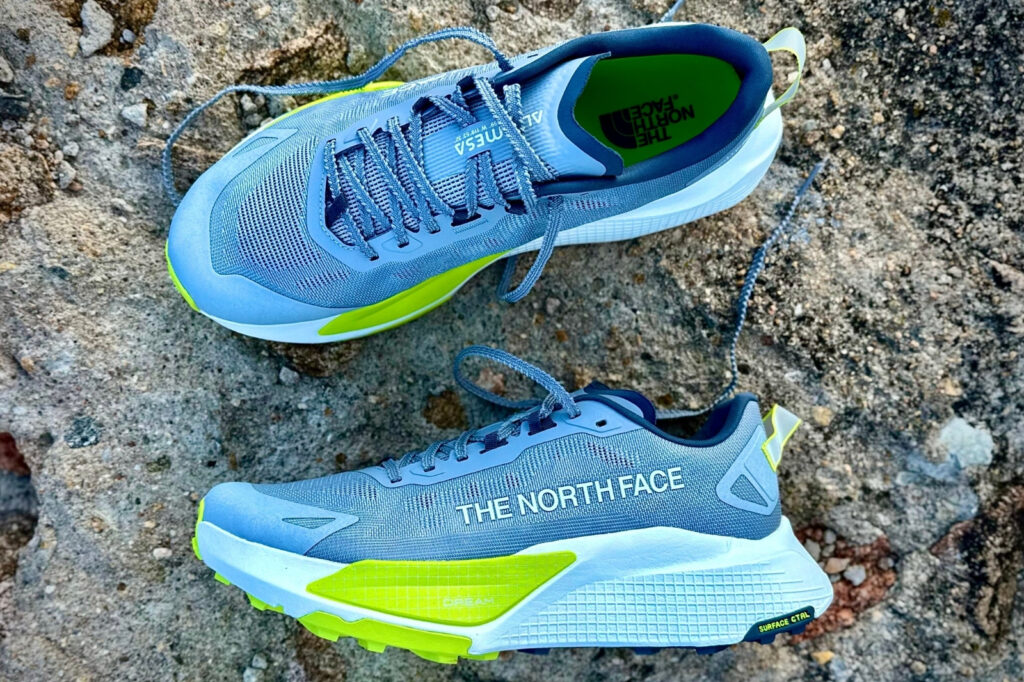
TAYLOR: If I had to give the Altamesa 500 v2 a superpower, it would be familiarity. A major goal of this iteration was to trim weight, and The North Face did just that while maintaining the overall fit. Many runners loved the original Altamesa 500 due to its comfort-oriented upper, and although the original mesh has been replaced with a trimmed-down engineered version, the roominess and relaxation remain. My foot feels very at home in this version.
Back to the weight savings. Overall, this shoe lost significant weight. My US M10.5 cut 1.5 ounces, reducing the weight from 11.9 ounces (337 g) to 10.4 ounces (296 g). That alone will feel like a performance boost in a shoe like the Altamesa 500 v2. Of course, that’s not all the benefits to come from just the upper. The update also added enhanced durability, breathability, and a lighter feel on foot.
Likewise, underfoot retained a familiar, efficient roll via the high stack of Dream Foam and a rockered forefoot. This time around, it was made to feel much lighter. An updated formulation of Dream Foam (supercritical TPU) preserved a similar sense of cushion underfoot while adding a more airy, subtle bounce to the equation.
The previous version felt more dense underfoot. The Altamesa 500 v2 provided a “floaty” experience that was simply lovely. This new version will still feature a substantial amount of medium-soft cushioning. There’s no plate to filter that sensation either. Given that there is over 40 mm of overall stack (36/30 mm of pure foam, excluding strobel, insole, etc.), this is one for the comfort queens.
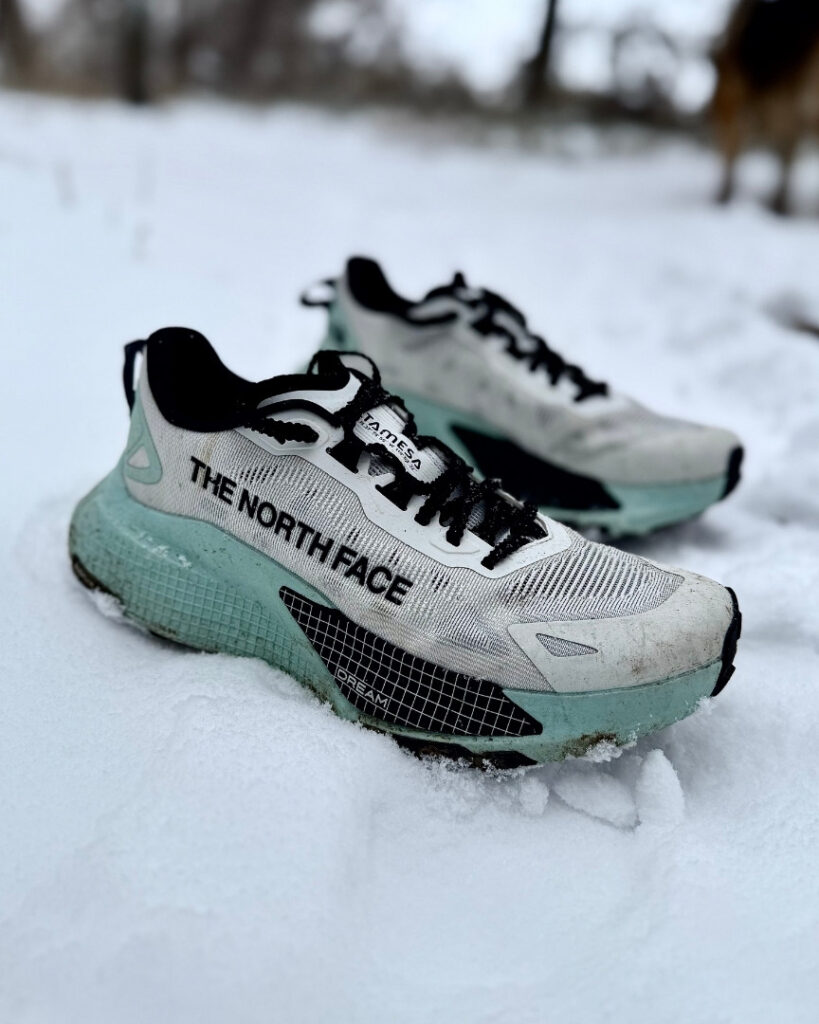
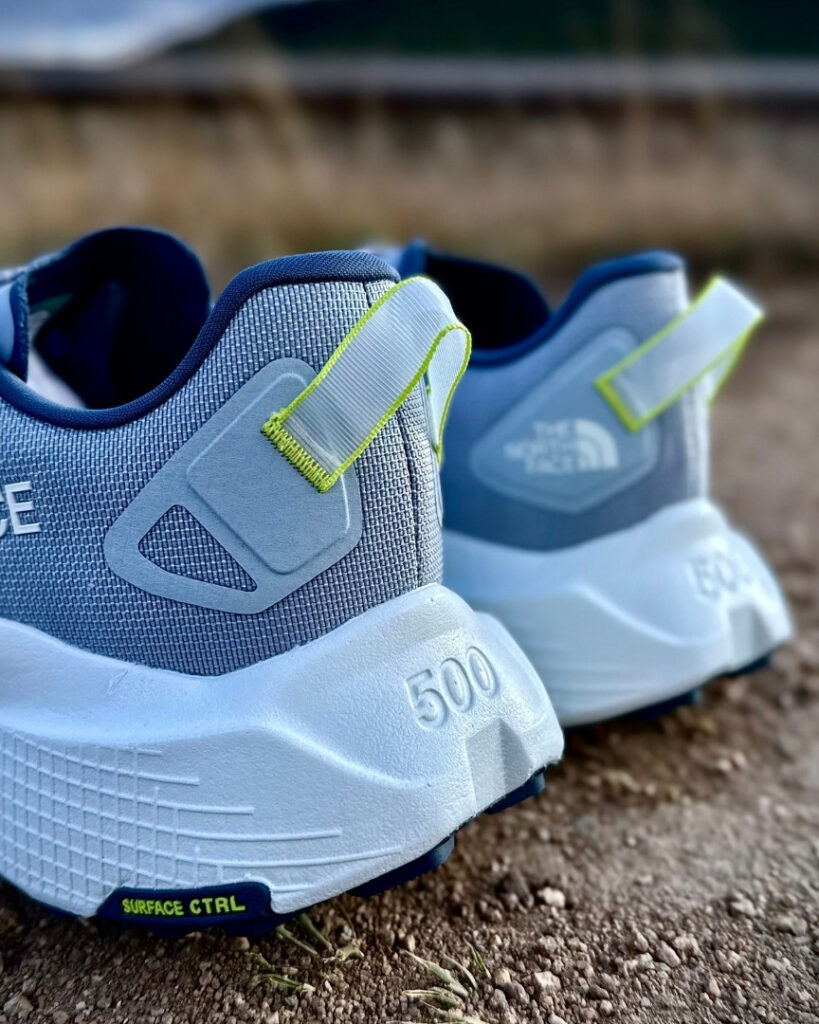
The North Face Altamesa 500 v2 boasts a wider platform (like many high-stack shoes) that provides natural stability. The foam density is just right to reap the benefits of this wider platform without experiencing weird sinking and sagging.
There are a few others that share a similar sensation, such as the Topo Athletic Ultraventure 4, VJ Ultra 3, Craft Xplor 2, and Hoka Challenger 8; however, I would say that the North Face Altamesa 500 v2 ranks at the top end of underfoot sensations compared to these competitors.
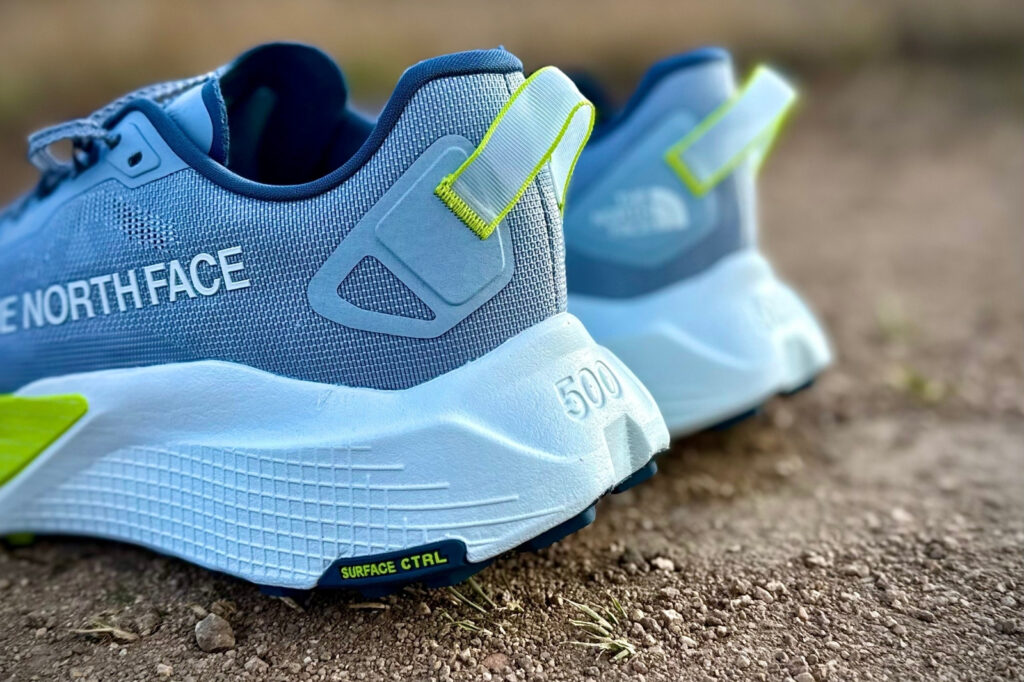
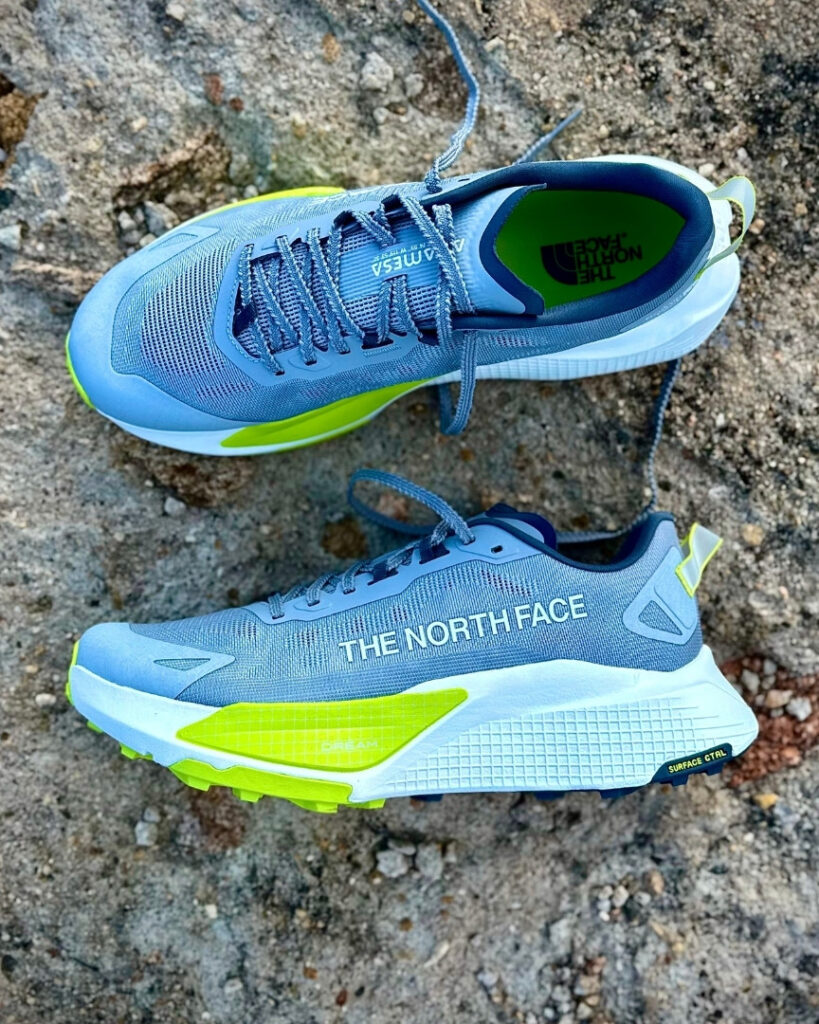
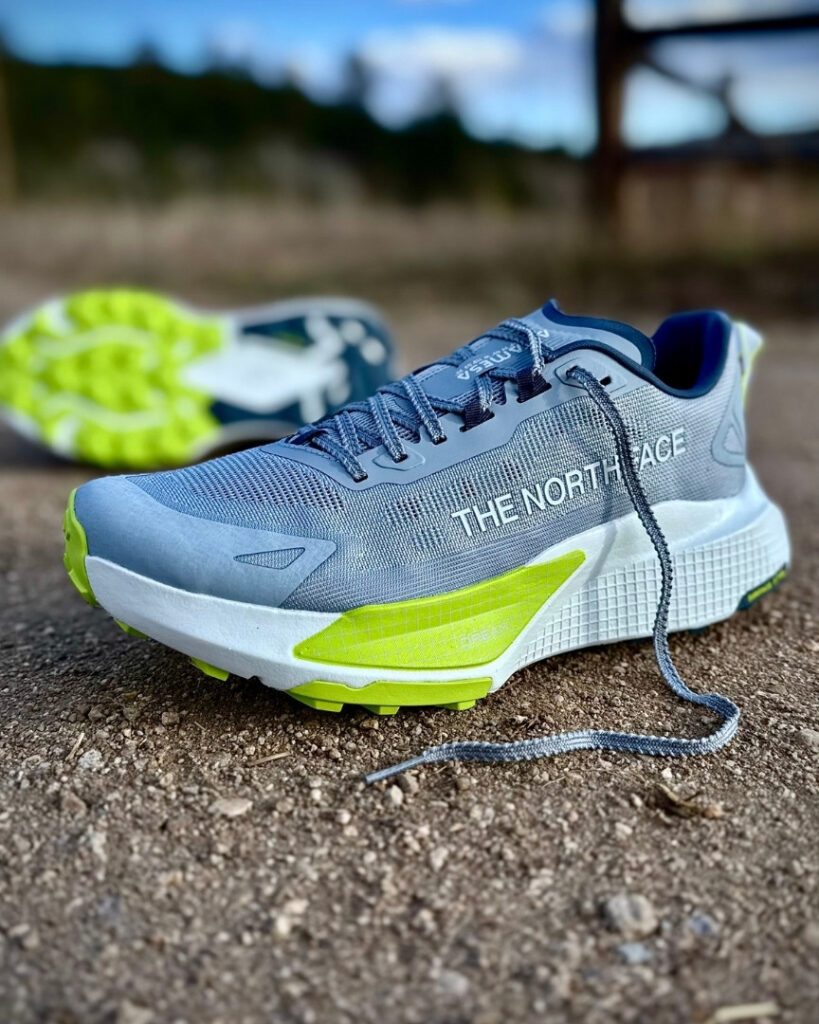
As for the outsole, it is also lighter in weight and offers improved performance. It uses a new generation of Surface Ctrl SC2 rubber, which is tacky and quite durable. The best part of this update, though, is the improved lug design. They are sharper, deeper (4 mm), and simply more proficient in the grip department. At the same time, they were more than fine on pavement and hard-packed surfaces.
At the end of the day, each major bucket received more attention than meets the eye, and it paid off.
REESE: The second version isn’t a total overhaul, which is a good thing. I don’t think this shoe needed a full revamp, but it did need some adjustments.
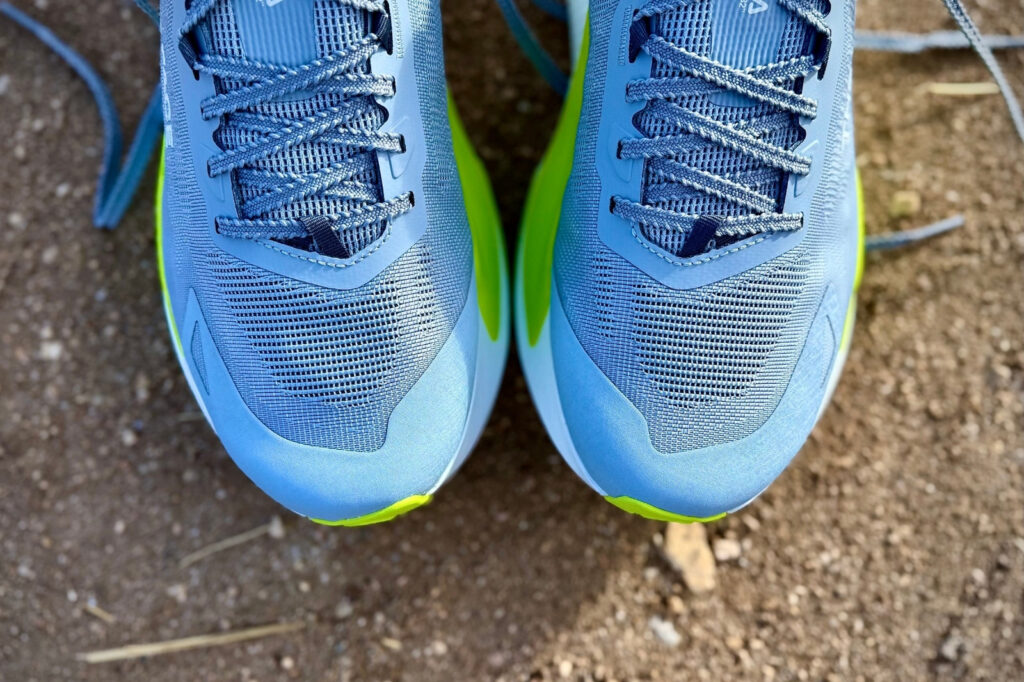
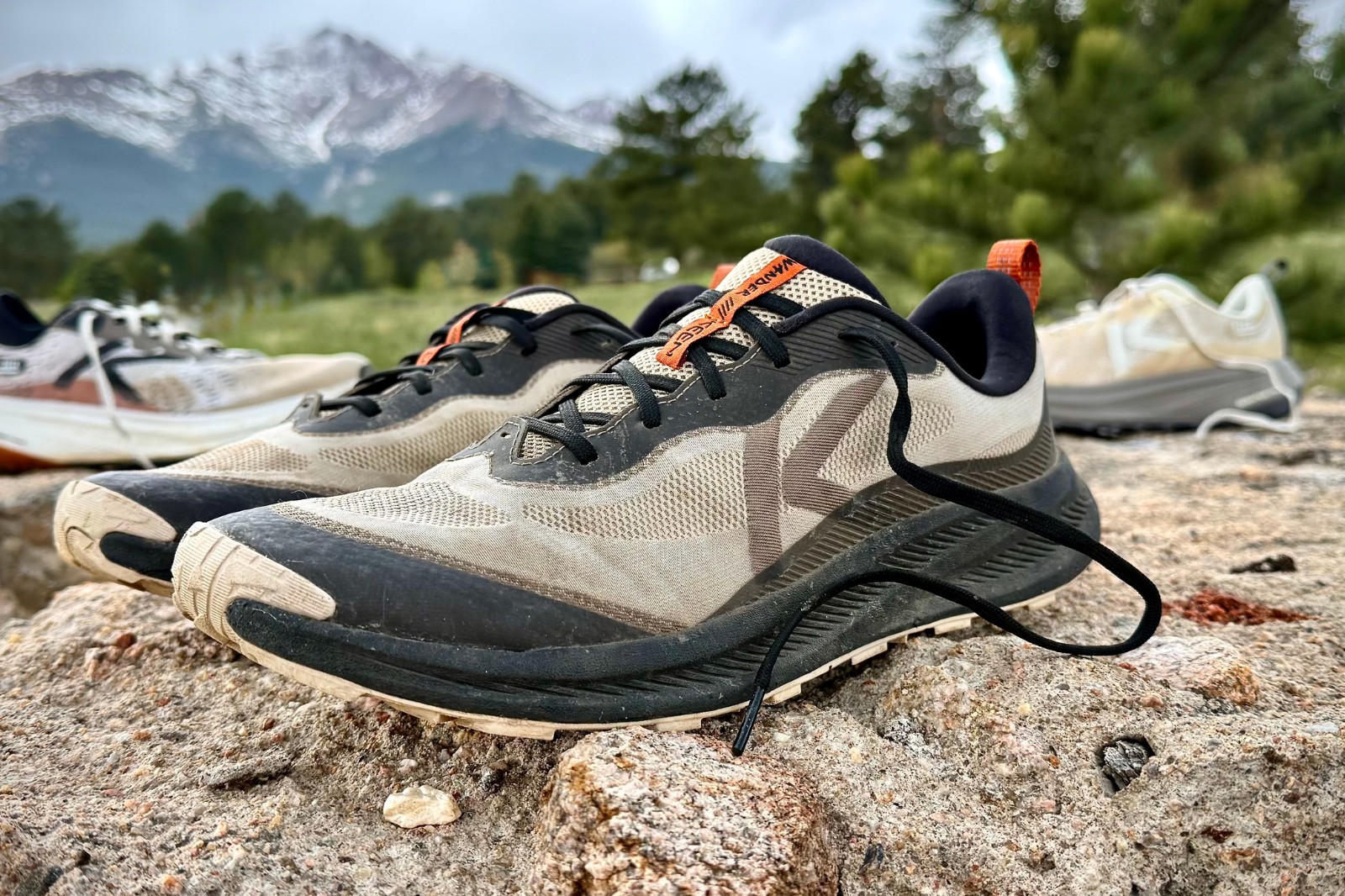
Starting from the top, the new racing serrated laces are clutch. I love them. I had a lot of issues with the previous ones coming untied, which should not have been a problem in 2025. And now it isn’t… for 2026 — a simple, but appreciated update. The upper also got a bit of an upgrade. It now feels similar to the upper of the On Cloudultra Pro, although not nearly as racing-oriented or as lightweight. This upper still has a decent amount of protection. Even with the new, thinner upper, I didn’t notice that my foot felt like it was lost in a sea of newly found forefoot space.
While the shoe can accommodate a wider foot or a decent amount of toe splay, I found that my foot felt locked in from heel through the midfoot, with plenty of wiggle room for my toes. The added midfoot webbing reinforcements around the laces contribute to this comfortably snug fit.
The Altamesa 500 v2 still features the Dream foam I’ve come to love, so even though this isn’t new, I must say I still love it.
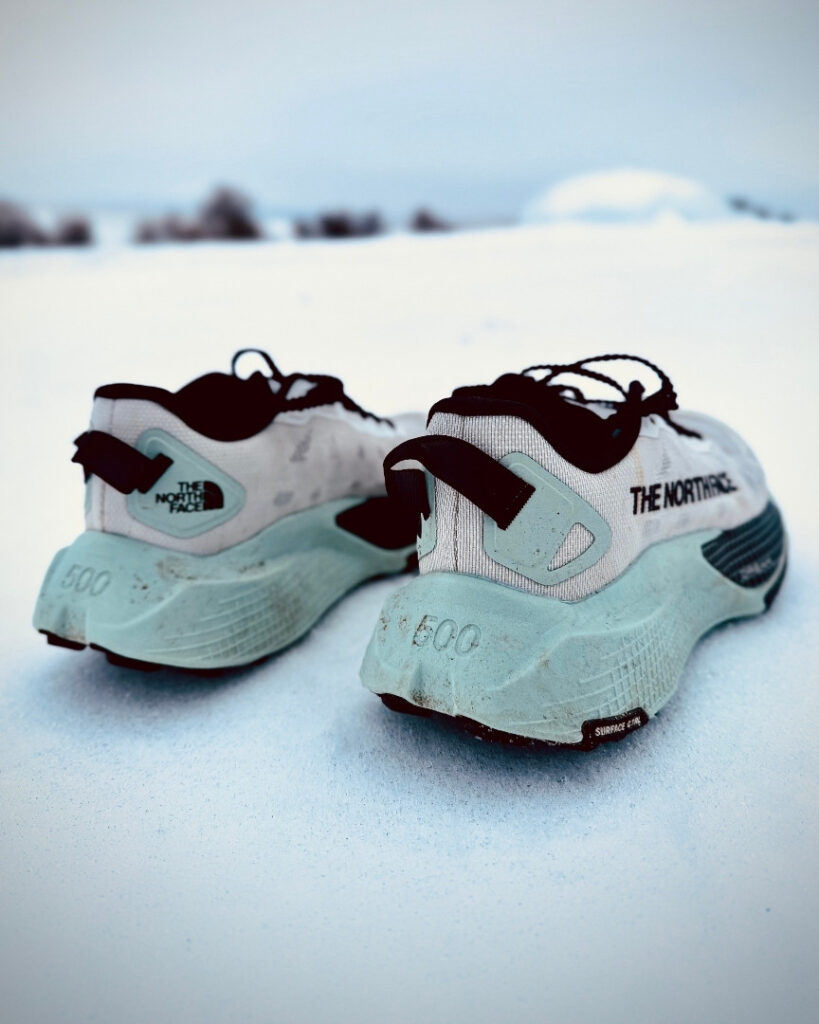
However, the most significant update, and one I appreciated the most, was the new outsole. The new Surface Ctrl rubber outsole is lighter yet provides more grip, with the same size lugs (4 mm) as the original. And that’s not something that I (only) read on a tech sheet. I took these shoes on some rocky trails and packed snow, and I found the grip to be far superior to that of the previous version.
RENEE: Yes, on first glance, the shoe looks massive, and big, beefy trail shoes are not my favorite shoe category. I like beef. Beefy shoes? Not usually.
The first thing I do when receiving a shoe is to weigh it, and I’m a sucker for lightweight shoes. The platform width underfoot is massive, and I like the ground feel and nimbleness. Of course, numbers aren’t the best indicator for a shoe review — we need to, you know, actually run in them. The shoe is not heavy for what it offers, and it feels much more nimble than the specs suggest.
The actual fit of the upper is narrower than the platform. The Altamesa looks beefy, but it’s a lean beef. The shoe fits securely around the midfoot and heel. The forefoot is roomy without being sloppy. If you have the Vectiv Sky 2, the fit is similar, with a slightly more trainer-like fit than a racer fit. Reese makes a good point about size. I could probably go a half size down in the Altamesa because I’m already between half sizes.
The underfoot rocker is smooth and responsive from a midfoot landing. The ride isn’t controlling, and the shoe allows for natural foot flex, a shocker considering its stack. If you need to run on your toes for inclines, you can. For a shoe that isn’t advertised as a specific racing shoe, the ride is dynamic. I’m glad I had a few speed days in the shoes before the frigid temps and snow moved in for winter. The TPU is responsive. For anyone running with these shoes in the winter months, just keep in mind that a TPU midsole might feel less dynamic when temps drop below zero. The outsole worked well on packed snow and ice.
Shop The Shoe - Men Shop The Shoe - Women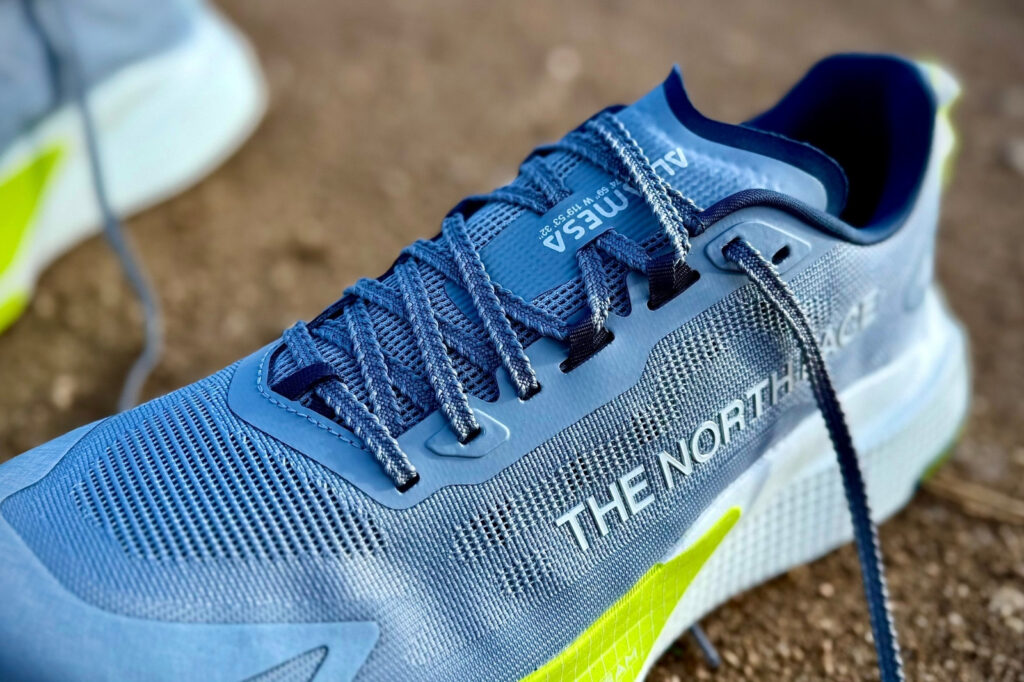
TAYLOR: We absolutely need categories to help separate trail running shoes into their best use cases. Some, however, can absolutely perform outside those designated categories. Others, unfortunately, need to stay where they belong.
The North Face Altamesa 500 v2 falls in the hot topic category of door-to-trail/gravel/hybrid/whatever you want to call it. In that realm, it’s a phenomenal shoe.
My only true complaint about the Altamesa 500 v2 is that it doesn’t have the same range as a few others in the category. It performs quite well on pavement, excels on gravel/light trails, and is average on anything more moderate.
It was really hard to completely avoid slipping around in the shoe when dancing amongst trail obstructions. The one downside to less material up top, in this case, is that I couldn’t cinch the laces tighter for more stability without discomfort in some area of the ankle collar or midfoot.
To be fair, I’ve had a similar experience with many other shoes in this category; however, I also love that magical feeling when performance is as good, or nearly so, outside the intended category.
REESE: There’s always something to complain about, right? However, the things I dislike about this shoe aren’t related to any new updates, but rather things to be aware of.
First, and perhaps most noticeable, is the size. It’s a big shoe. It fits bigger than other North Face shoes. This is great for ultra-long distances, but if you love how the W7.5 normally fits you, the W7.5 in the Altamesa will be slightly longer.
The shoe is just big. The platform is wide, and the midsole is thick — not inherently bad things, but I found this to be at worst cumbersome on a super technical trail, or at best, not nimble. Between the lack of ground feel, the high stack, and the wide platform, I found it difficult to maintain any amount of speed through technical trails. Now, if you’re not on technical trails, then this doesn’t matter. So again, this could be fine for many people and many trails. It shines on smoother trails, so if that’s your jam, then this shoe might be great for you.
RENEE: What Reese wrote. She’s right: the shoe doesn’t have any glaring negatives, just attributes to be aware of. If you like ground feel and nimble landings, the Altamesa probably isn’t your first pick. The platform is very broad at 120 mm under the forefoot. The broad platform is generally great for stability on even and wide trails, but it’s not the best for a nimble landing on narrow single track, especially if rocks and roots are in the mix.
The shoe is fairly light for its stack, but it’s still quite a substantial shoe for me. I hesitate to count that as a negative because it runs great and is lighter than some comparable shoes I have in a US W7.5 or 8. The Hoka Mafate 5, in a half size shorter, is about 30 g heavier. The Merrell MTL Adapt Matryx is also about 30 g heavier (in the same size, W8).
I don’t mind exposed sections on outsoles, but I know that it really grinds some people’s gears. I have some nicks on the exposed midsole, entirely from running on frozen roots.
Shop The Shoe - Men Shop The Shoe - Women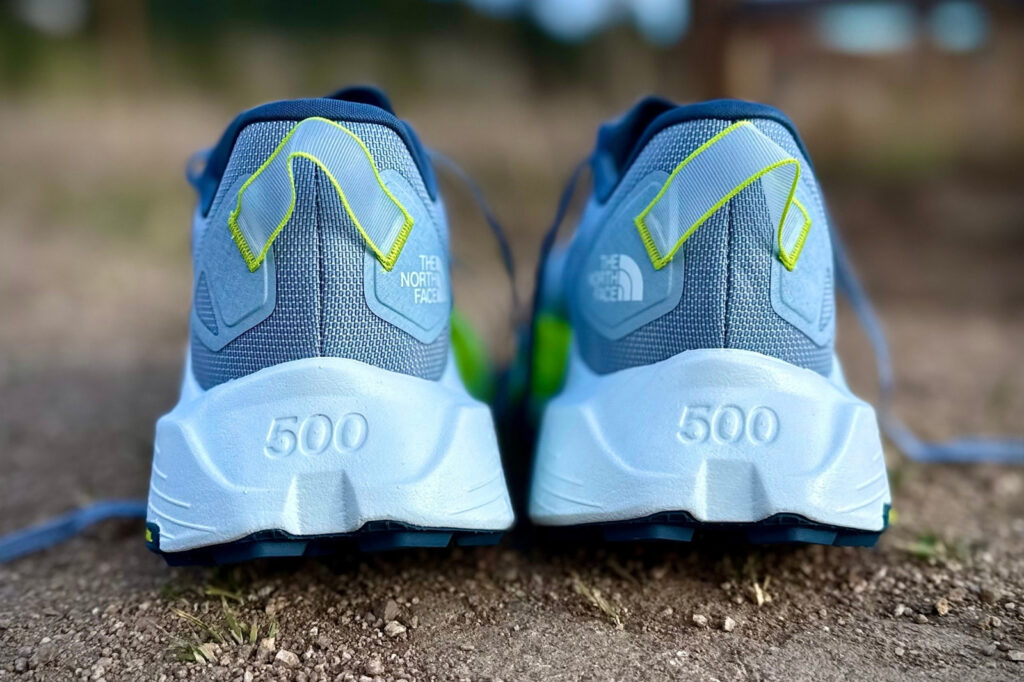
TAYLOR: The North Face had a simple goal of retaining performance while lightening the load, and they nailed it! This shoe will please many who desire a highly-cushioned, sneakily responsive, and stable ride. It is best suited for anything from gravel paths to the lighter end of trail running, where many, many miles can be stacked.
One of the main reasons I loved the first version of the Altamesa 500 was that it retained its integrity for tons of miles. I believe many will be able to stack similar amounts of miles into this version, too.
REESE: I love the small updates to this shoe. I think the North Face did right by the Altamesa 500 by not reinventing the entire shoe, because it didn’t need that. And while I note that the shoe may not be ideal for technical trails, it is great and much more playful and dynamic on smooth singletrack. I appreciate the Dream Foam on the valley trails in Fort Collins. The rebound was noticeable, and my feet felt happy and fresh even after two hours of running. And while I slow down considerably in technical sections to ensure proper foot placement, the new outsole did improve my experience over the first version, which didn’t offer as much grip.
And while I was joking about my sequel references in the first part, I’m not joking when I say that version two of the Altamesa 500 is better than the original.
RENEE: The North Face’s Altamesa 500 v2 is a solid buy for daily miles or ultra racing, if that’s your thing. The midsole provides ample cushioning for distance and protection, and the shoe manages to feel fast on runnable terrain. How is that possible with all that stack and a massive platform? I had to double-check the spec sheet we got from The North Face just to see what magic they did in the midsole. Just a high-quality TPU, and no plate necessary. With the broad platform, it’s not a top pick for narrow single track or any terrain where ground feel and nimbleness are needed. And that’s okay, The North Face has other options for that terrain.
I don’t know if “revenge shoe” is actually a thing, but I’m going to keep pretending brands are emotionally hurt after losing a major athlete to a competitor. And the hurt is so much that they create stellar shoes for us common folk runners. Dear The North Face: I’m sorry Katie left you, but I’m not sorry about the shoes you’re popping out lately.
You can pick up the The North Face Altamesa 500 v2 for $170 in February 2026 from Running Warehouse (featuring free shipping and 90-day returns) by using the buttons below.
Shop The Shoe - Men Shop The Shoe - Women
The North Face Altamesa 500 v2 | Full Review
Have something to say? Leave a Comment



Taylor Bodin is a trail and ultra runner living in Estes Park, Colo., with his wife and daughters. As the head of the Dirt Division at Believe in the Run, trail running is pretty much the only hobby he can manage right now and loves it. Every so often, he will pop off a race or FKT attempt because competition is pure and the original motivator for him getting into running anyway.
More from Taylor
Reese Ruland is a Fort Collins-based ultra trail runner and coach with more than 15 years of competitive experience. When she’s not on the trails, you’ll usually find her at the horse barn or riding a bike, at the archery range, or hacking her way through a round of golf. Reese also has a serious obsession with her two French Bulldogs, Loaf and Oatie.
More from Reese

Renee lives in rural Nebraska and runs on gravel roads that may or may not be maintained depending on the time of year. If she’s not running on gravel or dirt, she usually opts to run trails instead of paved roads. Fun face: every Boston-qualifying road marathon she has registered for has been canceled.
More from Renee
Sign in or create a free account to comment. You'll come right back here.
Sign in / Sign upBe one of the first runners to rate it.


Thank you for the review! The forefoot stiffness was hinted at, but how stiff is the forefoot?
I would say it’s a medium soft density. As you get miles it will probably lean toward the mediumish sensation.
I really liked the Altamesa 500 v1, used them for a Rim to rim to rim and loved them. Used them for Crazy Mountain 100 last year and they did great. They did destroy my feet at Gran Trail Courmayeur 100k, so except for the most technical trails v1 worked for me. Curious about sizing for v2. I usually upsize a 1/2 for extra toebox space. Is v2 much wider in the toes to stay with my normal size?
The midsole is definitely more firm than the Vectiv Enduris 4 despite the additional stack. Pressing the lugs into the bottom of the shoe until it’s flush takes way more effort than the Enduris 4. The 500v2 may be max stack, but it’s far from Max Cushion.