Shop BITR Apparel Shop Now
We independently review everything we recommend. When you buy through our links, we may earn a commission.
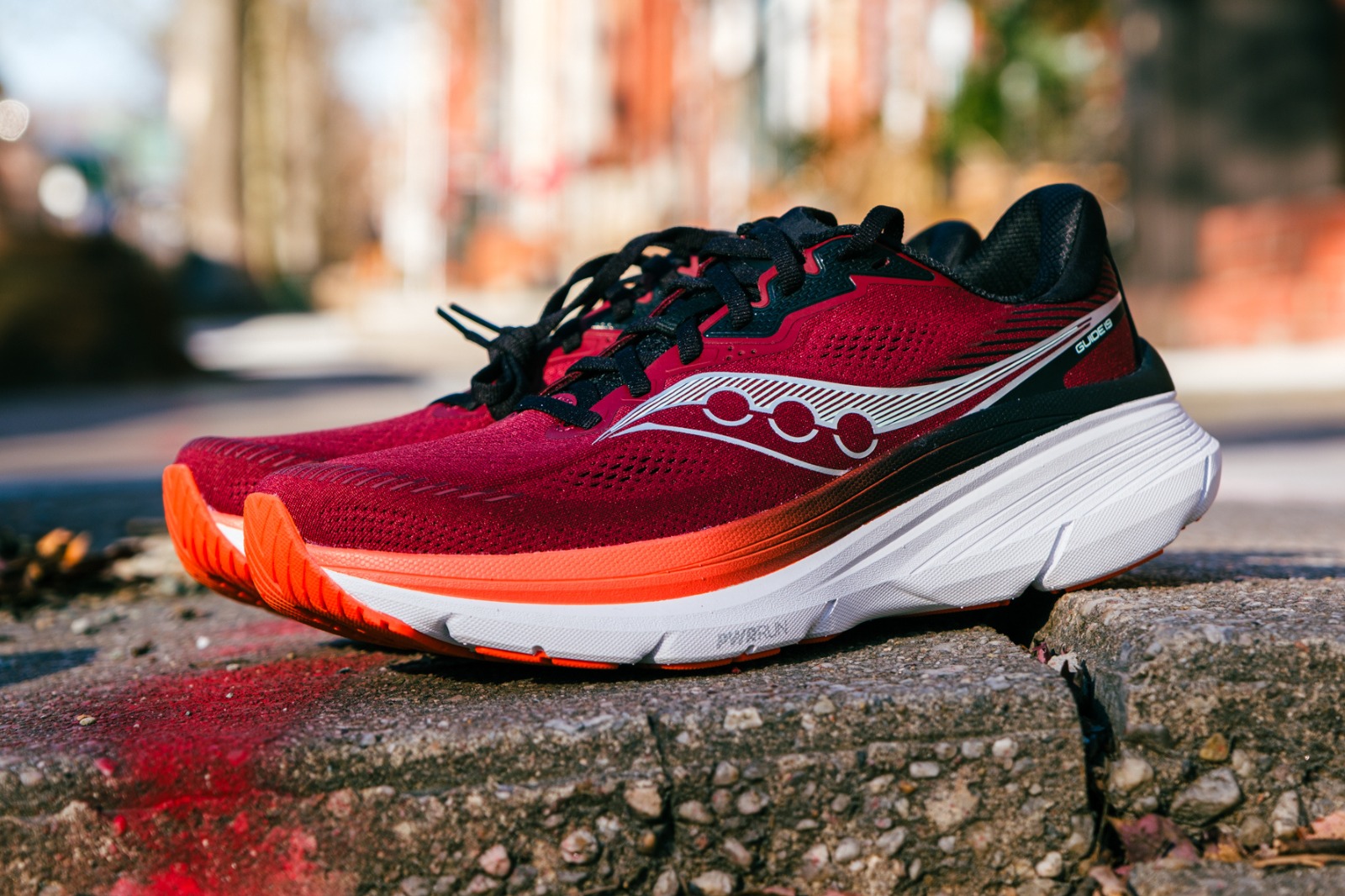
9.7 oz. (275 g) for a US M9,
8.9 oz. (252 g) for a US W8
35 mm in heel, 29 mm in forefoot (6 mm drop)
Daily running with max cush stability
PWRRUN midsole foam, high sidewalls for better stability, engineered mesh upper with stretch
$140, March 2026
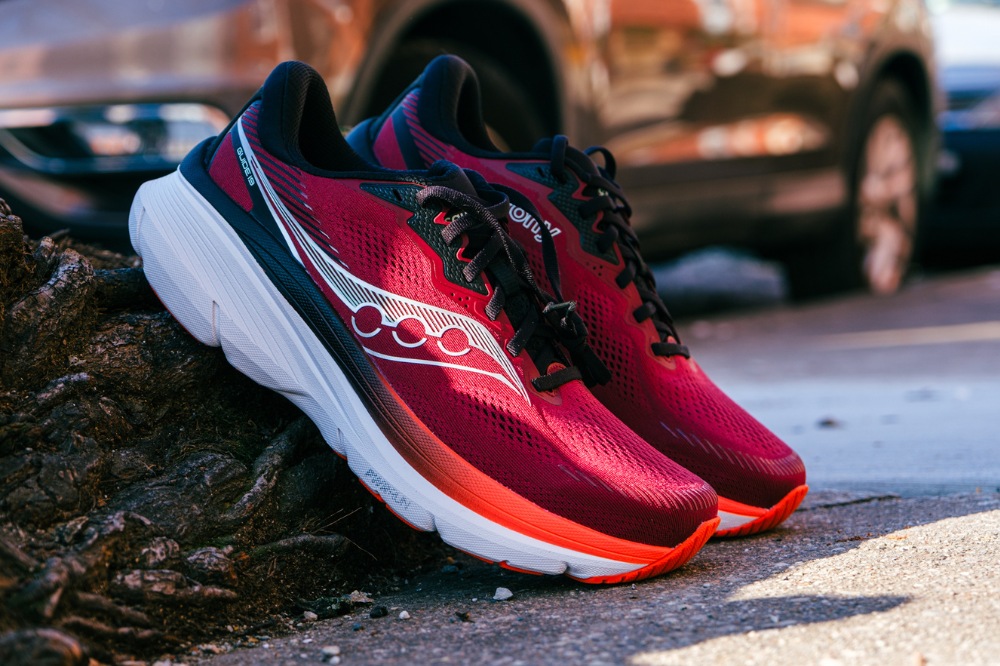
LINDSAY: If you recall, Saucony Guide reinvented itself in version 17 by introducing the Center Path Technology, essentially a cradled midsole with higher sidewalls acting as a support canoe for your foot. Saucony Guide 18 carried that on, because you don’t fix something if it’s not broken. So that begs the question: Why is the Saucony Guide 19 so different?
I’m exaggerating a bit. It still has the Center Path Technology that turned heads when it was introduced in v17. It still harnesses the PWRRUN midsole. It’s still aesthetically pleasing. Unfortunately, like most of us after another treat-filled holiday season, the Guide 18 gained some weight. Aren’t new shoe technologies supposed to be making shoes lighter?
Maybe it’s because this is no longer just a stability shoe, it’s a “max cushion stability shoe.” There is simply more junk in the trunk. Maybe it’s the new, thicker engineered mesh upper or the increase in rubber coverage of the outsole. Regardless, if you were a fan of the Saucony Guide 17 and 18, I’d hold on to your hats for this one because ch-ch-ch-changes are coming.
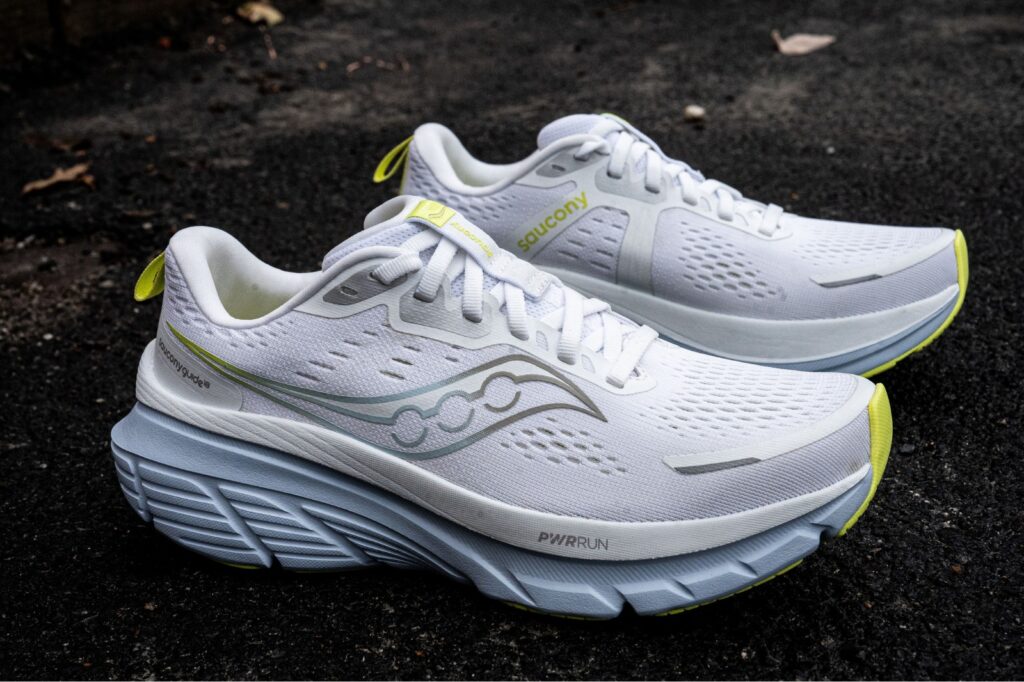
Saucony Guide 18
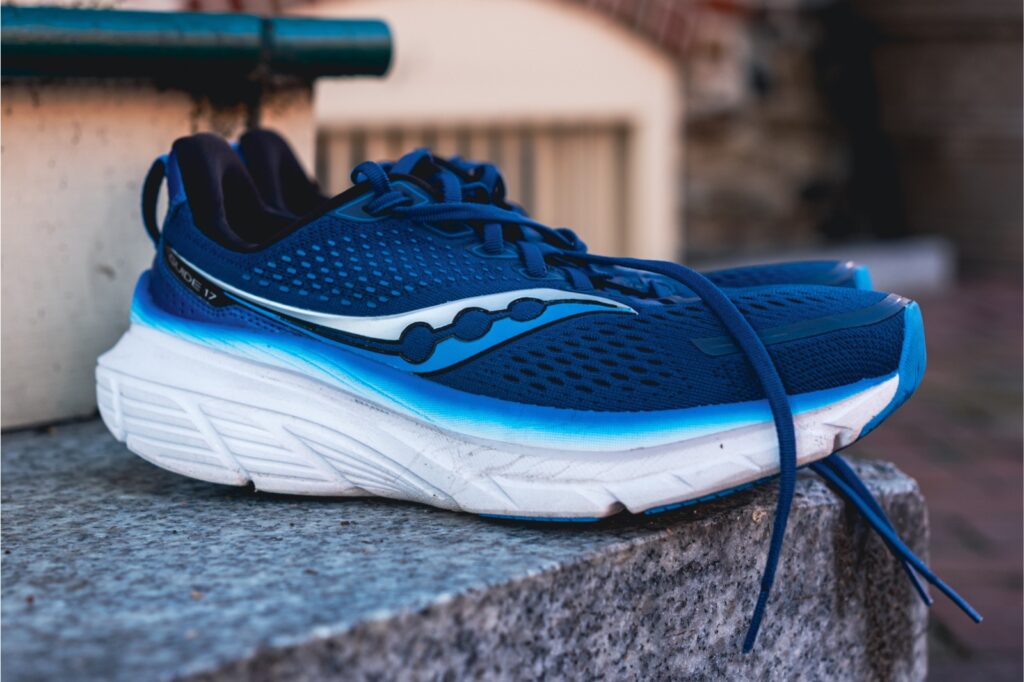
Saucony Guide 17
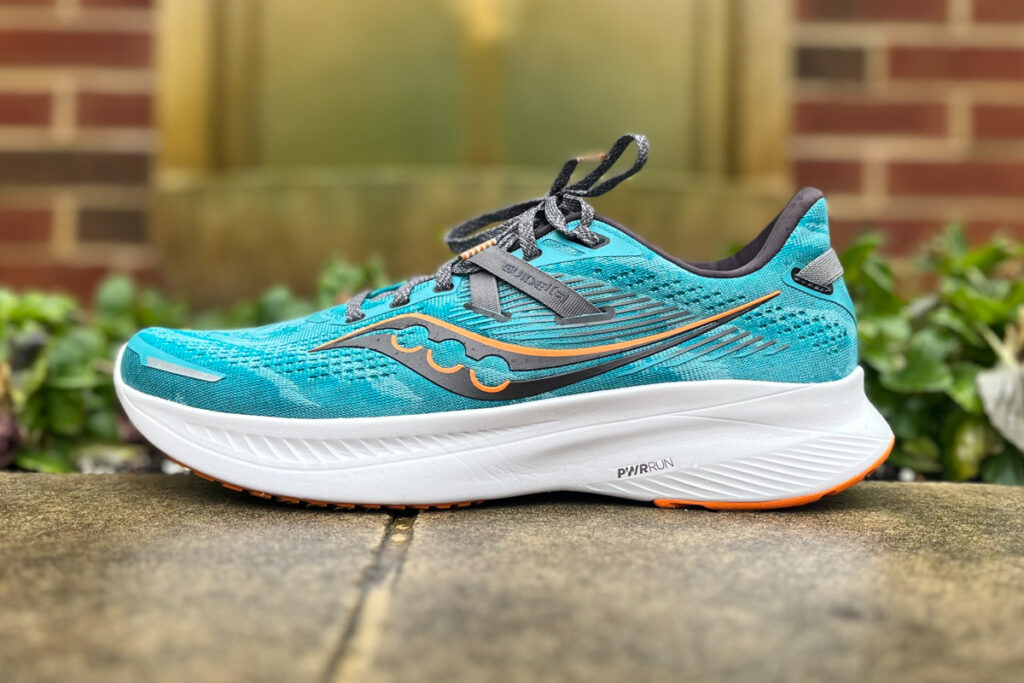
Saucony Guide 16
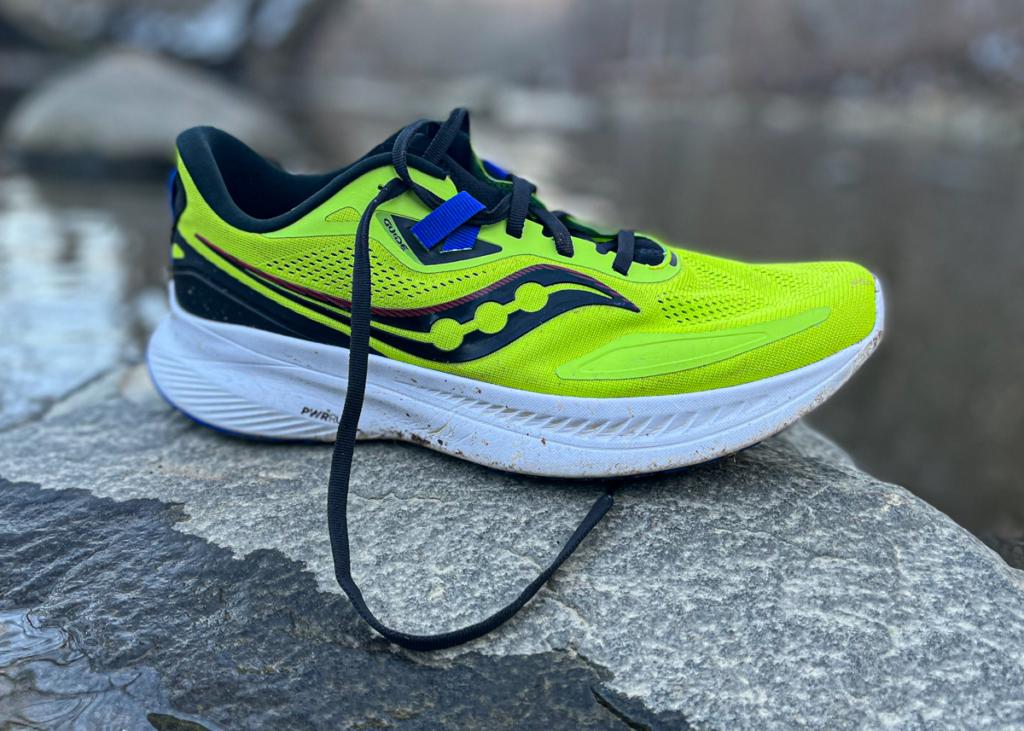
Saucony Guide 15
SAM: Chemistry is a funny thing. Scientists may take years to make one breakthrough, oftentimes make another without realizing it. These moments of divine intervention have been termed happy accidents. Examples of this are penicillin, superglue, insulin, lysergic acid diethylamide (ask your parents, kids), and the microwave oven. As running companies play around with their own chemistry, we get the shoes we know and love. From EVA to TPU, from supercritical nitrogen-infused superfoams to PEBA, there is a lot of chemistry going on to give us shoes we want to wear. Sometimes changing the chemistry of a shoe results in a happy accident and we get a surprise that we absolutely love. Sometimes we don’t.
Shop The Shoe - Men Shop The Shoe - Women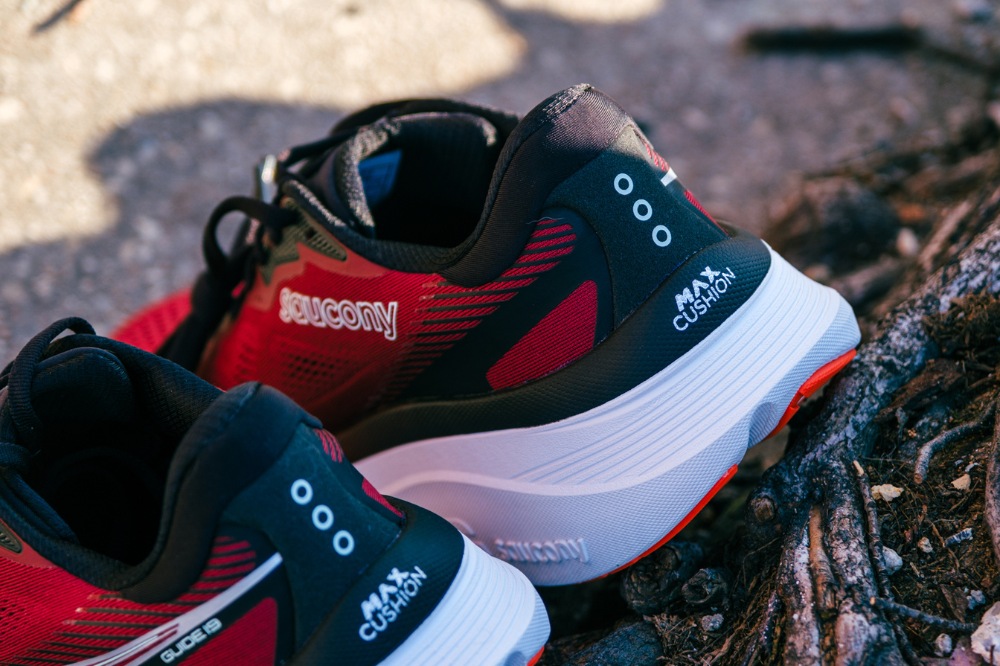
LINDSAY: This might be a hot take, but I’ve never been visually off put by a Saucony shoe. The colorways aren’t a circus and the styles are mostly pretty conventional (except for the carbon plated racers– those are eyebrow lifters). They are a universal shoe brand and there is something for everyone. That’s all for my soapbox today.
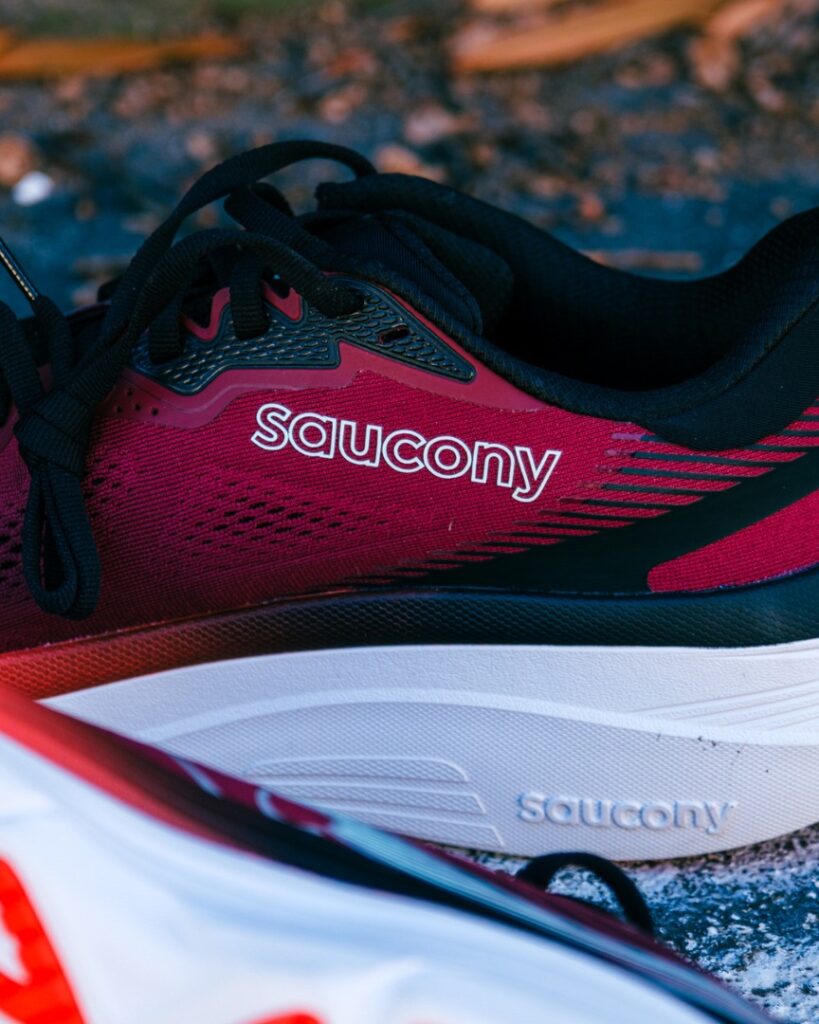
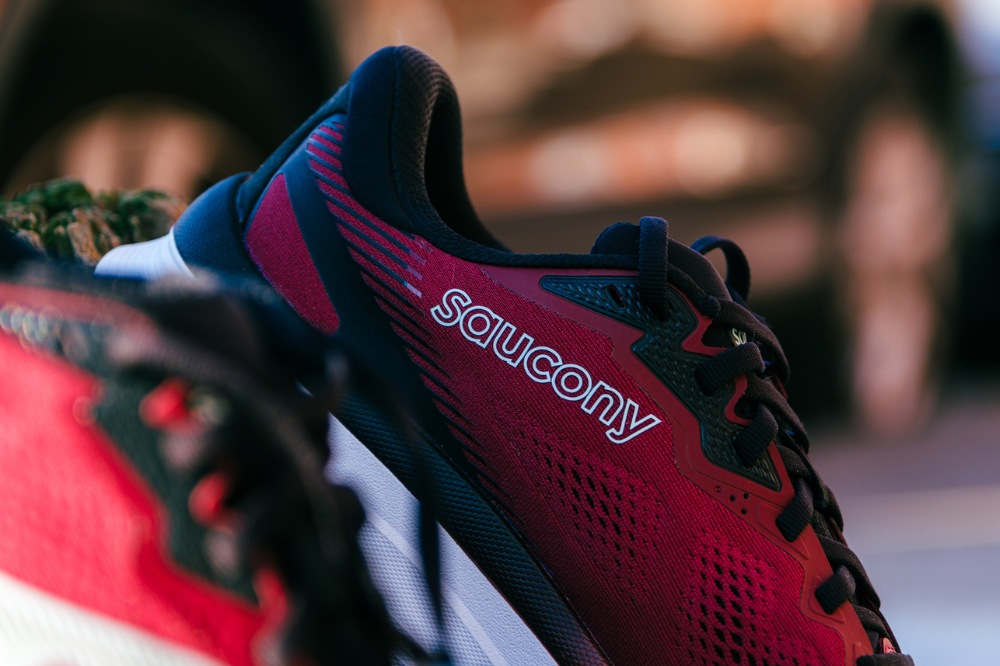
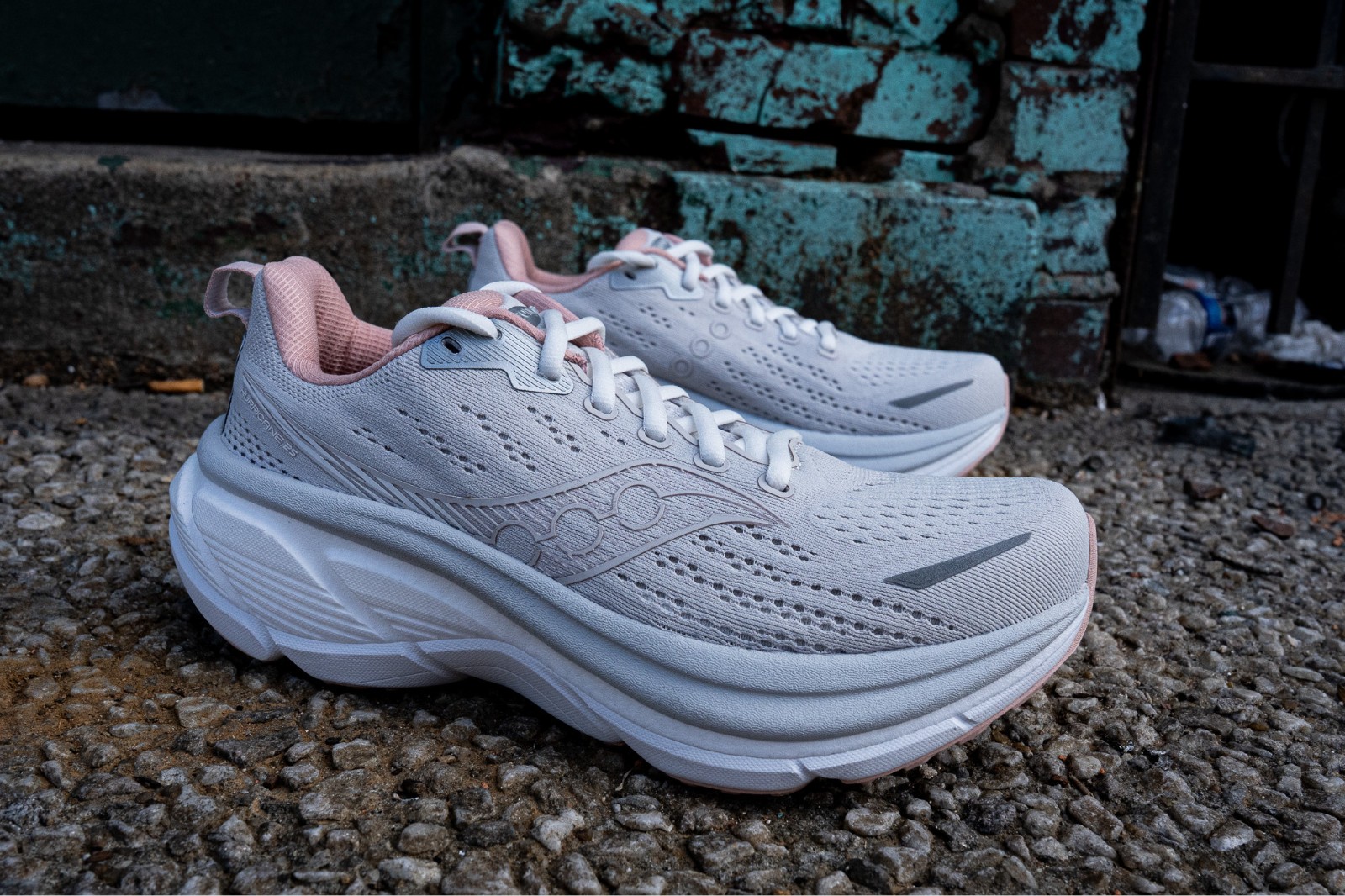
A new engineered mesh in the Saucony Guide 19 upper is still appealing but it feels thicker and warmer to me. As we head into the colder months, this could be nice, but it also won’t suffocate you during the other months of the year. Albeit thicker, it still has some stretch which compliments nicely for the roomy toe box. There is more cushion around the heel collar, too, but unfortunately it seems as though that didn’t leave enough real estate for a pull tab.
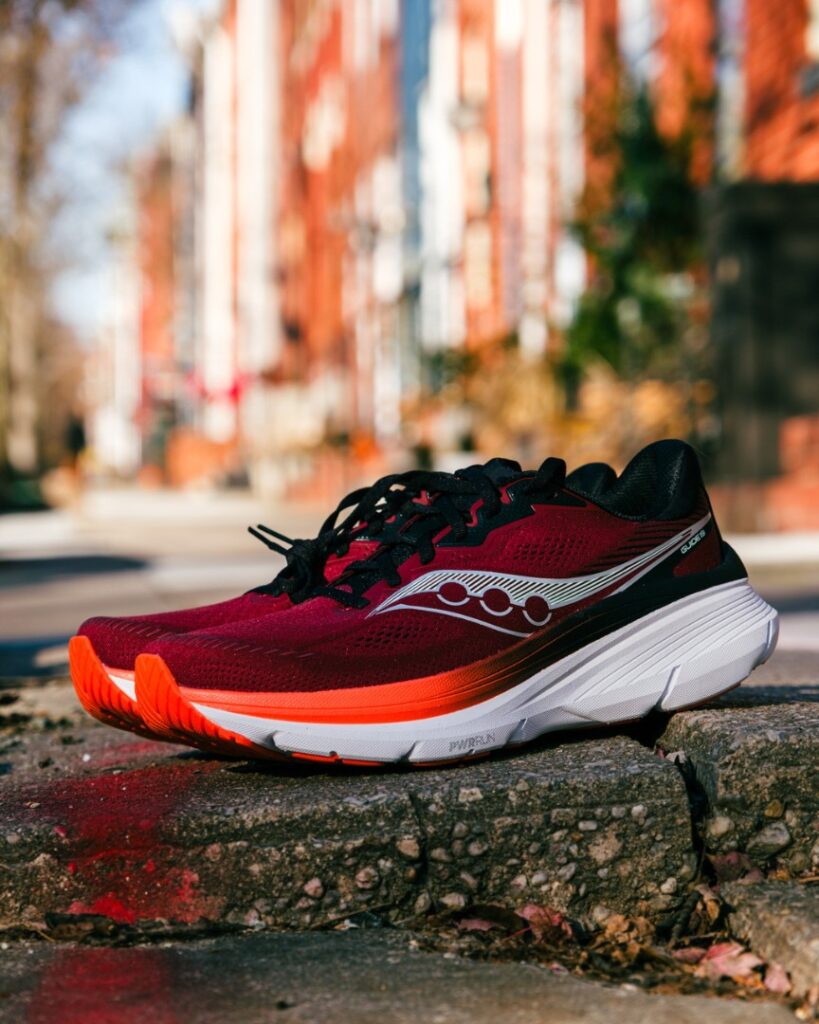
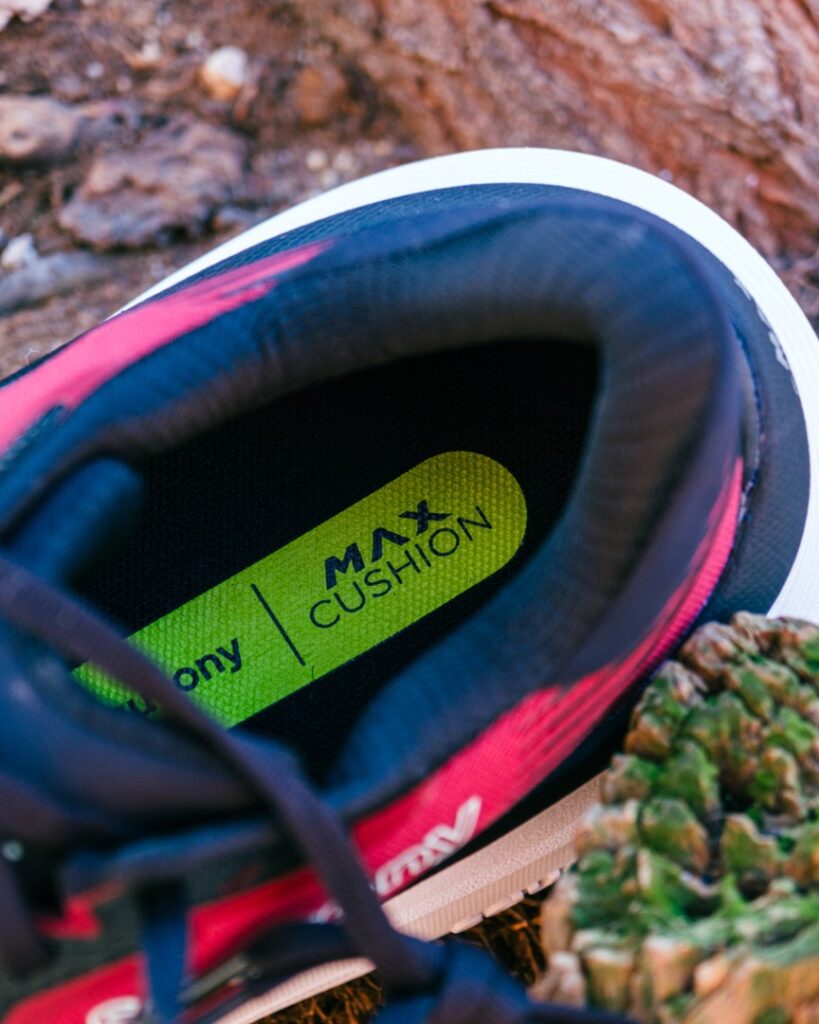
The Saucony Guide 19 is considered a max cushion shoe because of the girth of the midsole, but I wouldn’t say it’s very plush or mushy. Being the more basic of the Saucony foams, the PWRRUN midsole is supportive and protective without being too energetic. It’s a basic b*tch if you will, and (most of) the people love it. Take the Saucony Kinvara for instance. It also has the PWRRUN midsole and is the bread and butter of some people’s mileage. Much like the Saucony Guide 19, it’s best for the miles you just want to cruise along (as if there was any other way to run in a max cushion shoe).
The base of the shoe is wide and you can truly feel the sidewalls along the midfoot locking you in and guiding you through each step. See what I did there? Very much unlike the Kinvara, the Guide is higher in stack so you don’t get the same ground feel, but it’s certainly more stable than most high stack, max-cushion shoes.
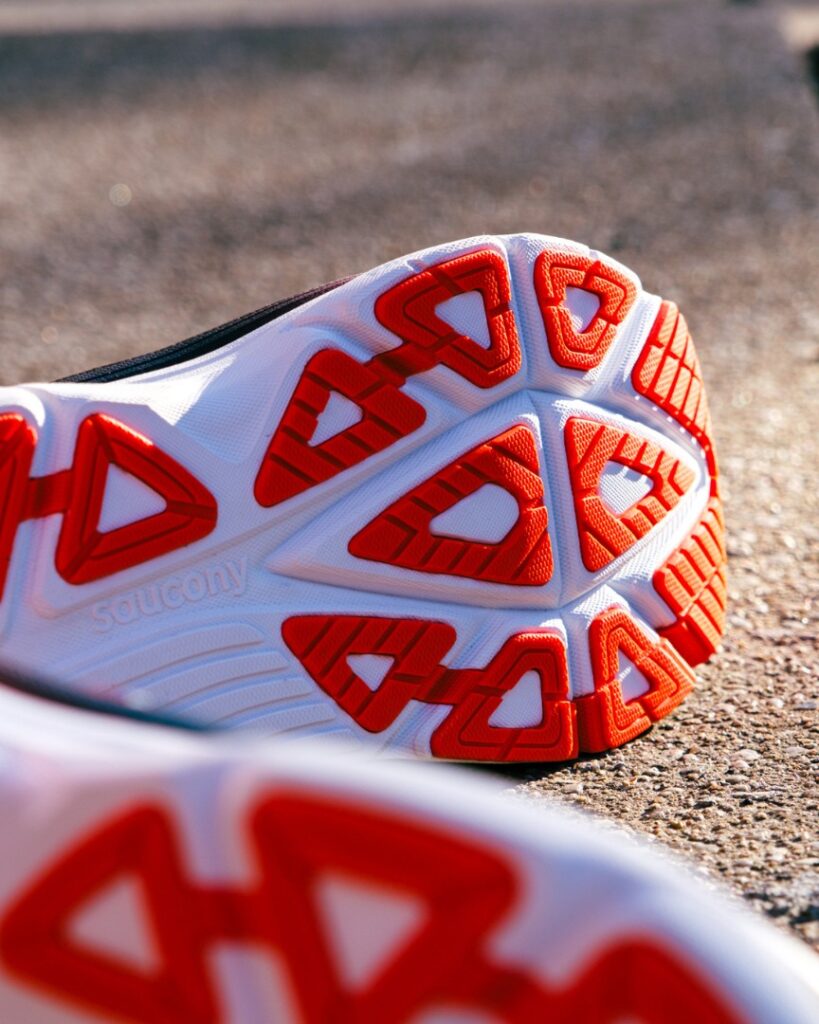
I probably won’t get enough miles in this shoe to accurately assess the durability of the outer (more on that later). It’s a solid rubber that covers most of the outsole in multiple sections which makes me think it will maintain a well-rounded guard against impact no matter the strike pattern.
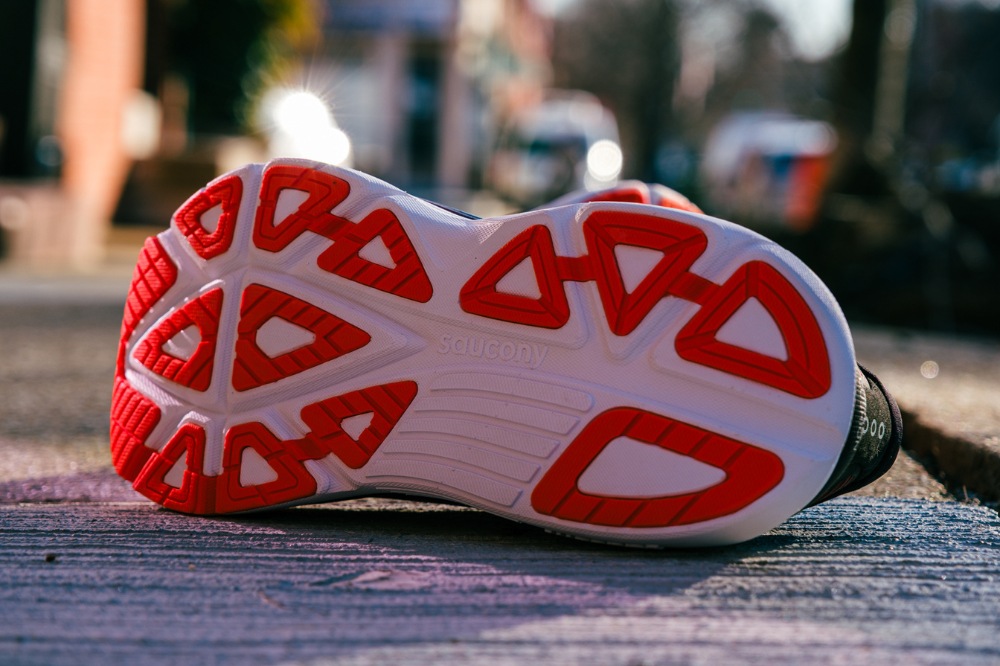
SAM: Saucony’s Guide and Ride trainers have long been a staple in my running shoe collection. The Ride got me through my years running track and cross country in college. The Saucony Guide has always been one of my favorite stability shoes to recommend to people. It is simple, easy to run in, and relatively cheap. So to my elation, I have returned from my 5-month absence to find the Guide 19, with a reformulated PWRRUN midsole and the words “max cushion” printed on the heel. I thought to myself: “Can one of my favorite stability shoes get even better?” Five months injured, returning to running, with an improved version of one of my favorite stability shoes. I was the luckiest guy in the world.
After putting the Guide 19 on and walking around my house, I was more than hopeful. As far as stability goes, this shoe nails it. I loved the Center Path Technology in the Guide 18, and it remains a great feature of the Guide 19. The stability comes from an asymmetrical build and raised sidewalls. The foot sits on top of the softer midsole and the sidewalls keep your foot centered through your stride. The asymmetrical nature of the shoe gently nudges your foot to the outside as well, guiding you away from pronation. All of these features, along with the wide base of the shoe, make it a great choice for all stability needs.
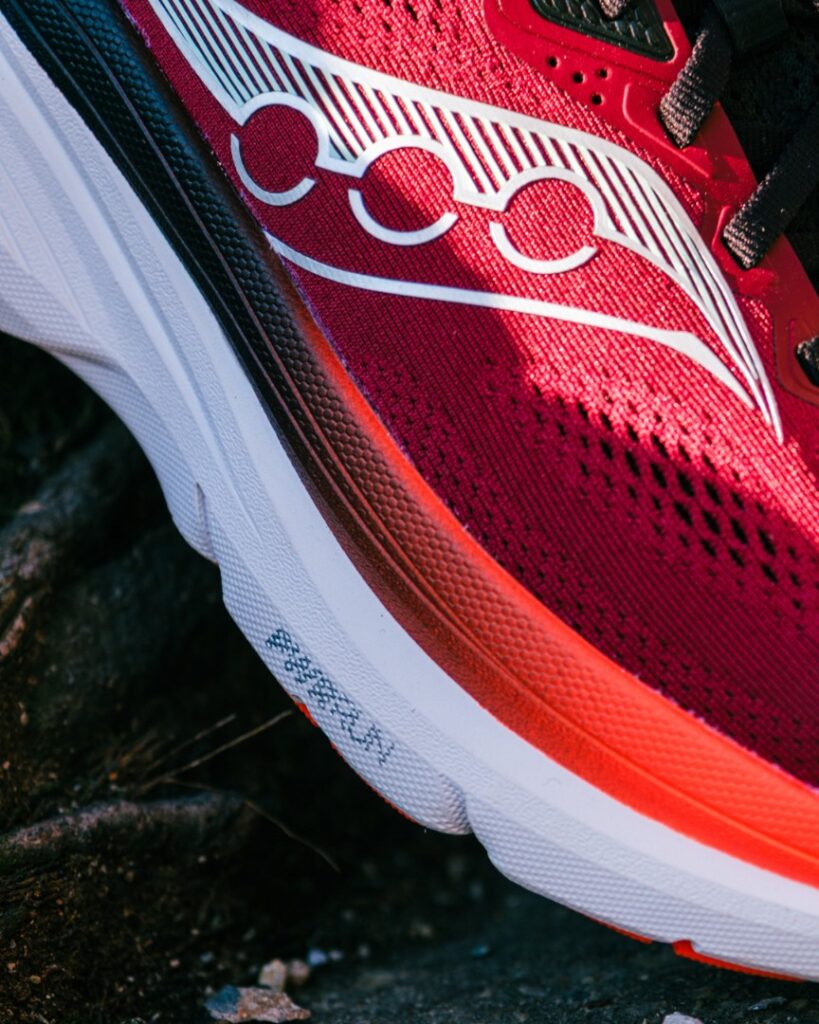
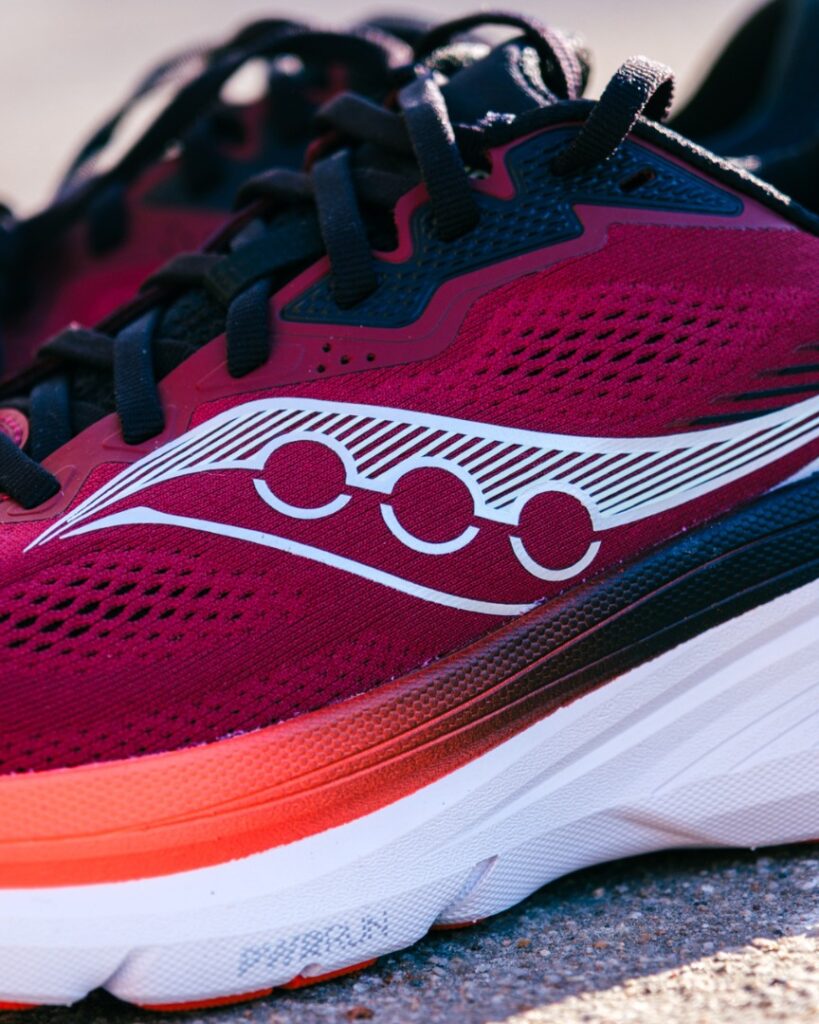
Another feature of the Guide 19 that immediately caught my attention was the comfort. The upper has been updated to a new engineered mesh. It comes with added breathability, a more structured fit (a plastic heel piece does a lot of work here), and a premium look for no added cost. The heel collar and tongue have increased cushion and structure that keep your foot locked in and comfortable. It is impossible to put this shoe on and not feel like you’re going to get a great run in.
The only problem? That initial step-in feeling changed when I started running.
Shop The Shoe - Men Shop The Shoe - Women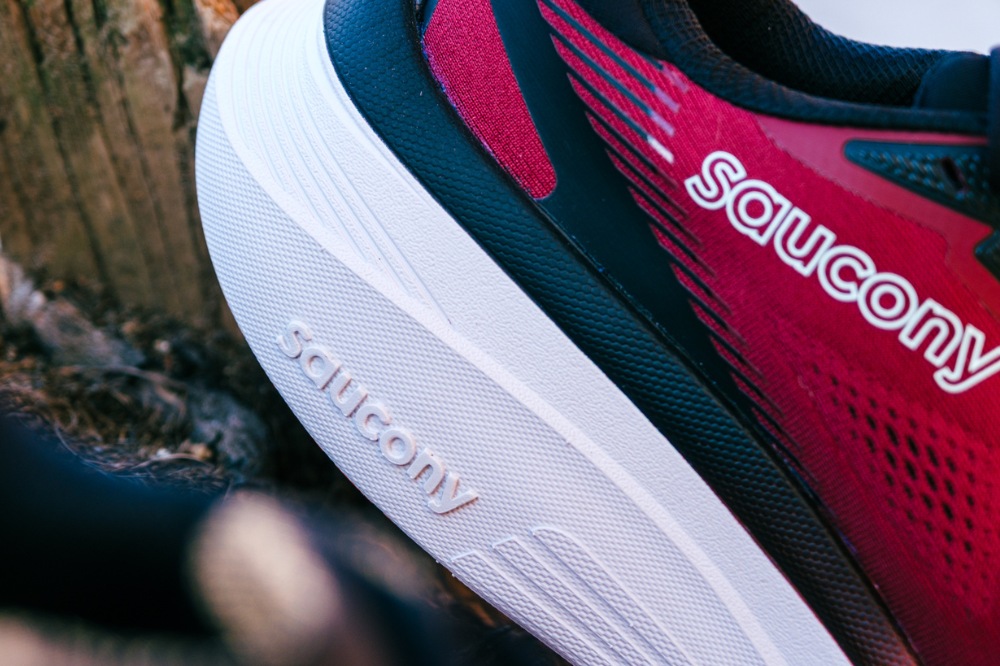
LINDSAY: Everyone has seen the cat chonk chart, right? If not, please observe Exhibit A below:
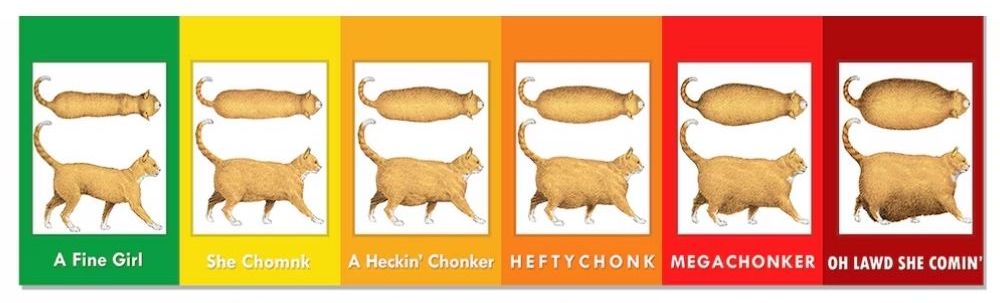
Ok, now that we are all on the same page, let us break down the Saucony Chonk Chart. Class is in session. Starting with Saucony Kinvara, we have a fine boy. The Saucony Hurricane? That’s a heckin’ chonker. The Triumph is a hefty chonk. But “Oh lawd, he comin” is the Saucony Guide 19.
Holy moly this shoe is heavy for essentially being a recovery shoe. My first few runs in the Saucony Guide 19 were right after a long run or workout day, and I genuinely started thinking I was recovering poorly because my legs felt awful. So, during one of those recovery runs, I pit-stopped at my house to change shoes (into my forever love, the Saucony Endorphin Speed 4) and I immediately felt better.
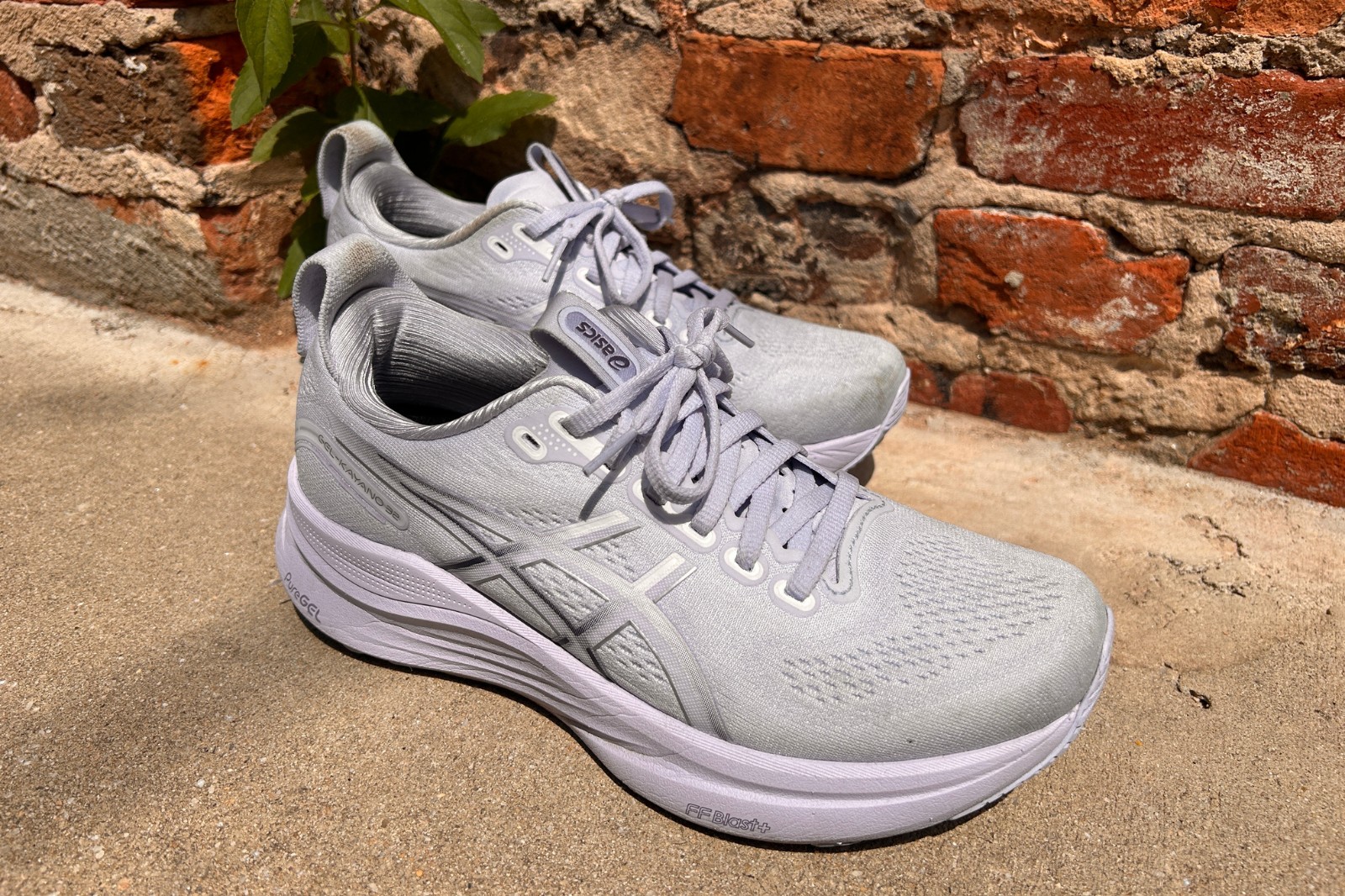
Coming in at 8.9 oz, it’s almost 2 oz heavier than the Hoka Clifton, a comparable max cushion shoe.
To play devil’s advocate, the New Balance More v6 is also on the heavier side of the scale at 8.5 oz. But even comparing apples to apples, the New Balance More v6 just feels lighter. The steps don’t feel like I’m dragging my feet through the mud like they do in the Saucony Guide 19. The more times I started a run in them only to switch to a lighter shoe and feel a significant difference, the more I was convinced these aren’t for me.
SAM: There I was. On the street in Baltimore. Saucony Guide 19 on my feet, grin on my face, band around my ankles doing some warm-ups, as pumped as can be. Returning to running with one of my favorite stability shoes on– what could be better than that?
Finally the moment came, and I took off down the sidewalk. Within two blocks my smile began to fade. Something was wrong. The Guide 19 was not the shoe I expected it to be. “It was cold and windy on that run,” I told myself. “I’ll wear this shoe tomorrow and things will be just fine.” The next run comes. And then the next. And then the next. The excuses were rolling in. “You’re just out of shape Sam.” “Look at your cadence, you’ve lost some efficiency.” “Go do some calf raises and then you’ll be loving this shoe.” The cope train rolled on, as did my disdain for the Guide 19.
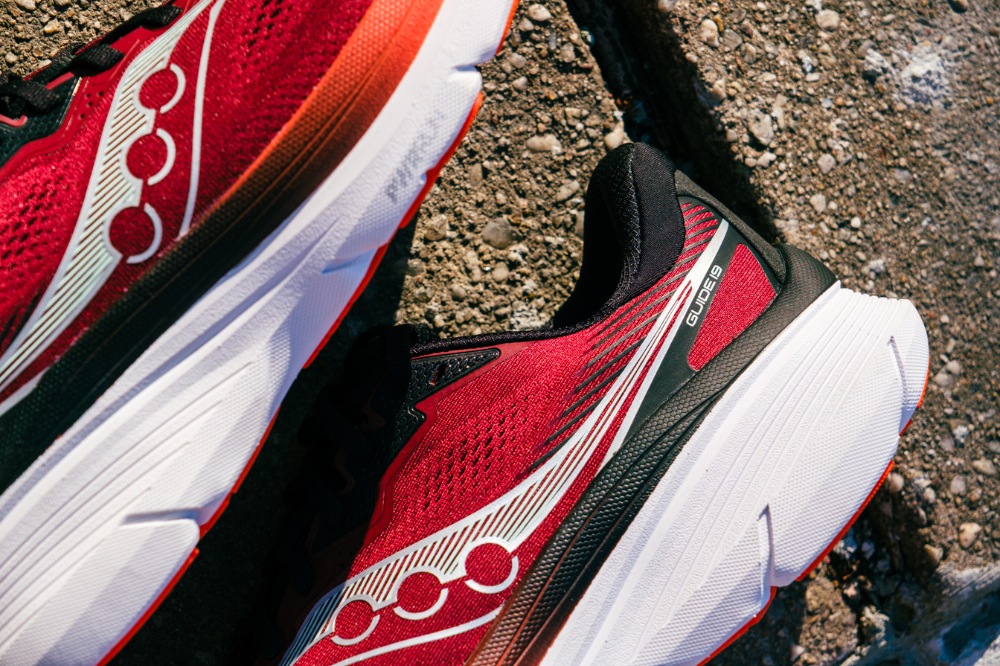
I couldn’t figure it out. Is it me? Or is it the shoe? At the end of my rope, I went looking through my closet and I found the answer. While hurt over the summer I received the Saucony Hurricane 25, which is their high-end stability model. I figured I would give this shoe a try to see if I could make a comparison to the Guide 19. After one run in the Hurricane I knew the truth. The Guide is no longer the shoe I love.
On paper, the Saucony Guide 19 has everything I look for in a stability shoe, but I could not stand running in it. I could feel my foot sinking into the softer PWRRUN with every step, but it gave nothing in return. The shoe feels 2 oz. heavier than the listed weight, and I felt like I was dragging them through my stride. The Guide 19 has no pop. No life. No energy. I could reliably wear the Guide 18 for midweek runs that made the miles feel effortless. Every step in the Guide 19 felt like a battle. I don’t enjoy dishing out this kind of criticism, but my disappointment was palpable after 5 months on the bench waiting to get back in the game.
While there are many happy accidents in science, the endeavor to make the Guide 19 softer and more cushioned has done the opposite. They have taken the Guide 19 out of the Goldilocks zone of comfort and responsiveness and dropped it into the zone of being too soft to function.
Also, put the pull tab back on the shoe. We love a pull tab!
Shop The Shoe - Men Shop The Shoe - Women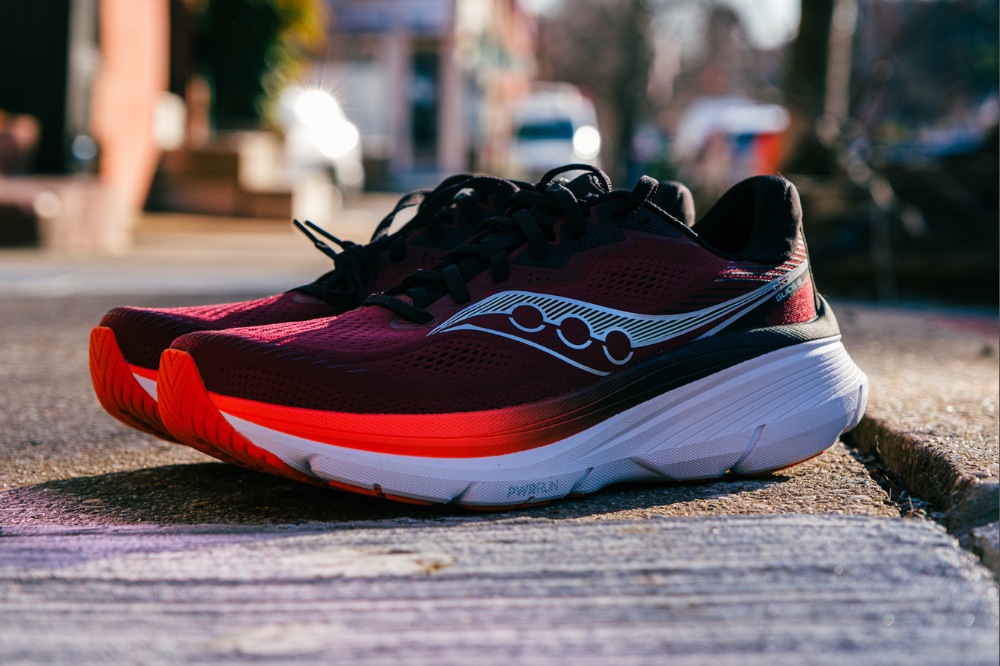
LINDSAY: Sadly, Saucony Guide 19 is not a compatible shoe for me. The weight aside, my foot strike is closer to over-supination so a stability shoe like this is always uncomfortable, for me anyway. For purposes of shoe engineering, though, that’s a good problem to have here because it means the Saucony Guide 19 is doing what it’s advertised to do: stabilize.
I’d suggest looking for the last two models (Saucony Guide 17 or 18) on sale or opt for something else if your budget is around the price point of $140. Even better, spend the extra coin and grab the Hurricane, one of the best Saucony shoes out there. There’s just too many options out there these days to risk purchasing a stability recovery shoe that’s too heavy to help your legs recover.
SAM: I had a lot of time to think during my time away from running and writing. I did not come up with anything good. Instead, I have returned with a renewed commitment to rambling about running shoes I like, running shoes I do not like, and tangents that pop into my head while I type these words. Today, I rambled about a shoe I did not like.
The Saucony Guide 19 came in hot with a wonderful upper, great stability tech, and an all around premium feel for $30 less than Saucony’s high-end stability shoe. Sadly, none of this matters because it is one of the bigger disappointments in recent memory.
The softer PWRRUN drove me crazy and I could not do anything in this shoe except run very slowly or walk. If that is what you are looking for, then go for it– this shoe will suit you fine. But my expectations for this shoe are that of an everyday workhorse, capable for everything except for workouts. With that in mind, I cannot recommend the Guide 19. Spend the extra money and get the Hurricane.
I’m sorry to do this Saucony, but I know you’re capable of better.
You can pick up the Saucony Guide 19 for $140 in March 2026 from Running Warehouse (featuring free shipping and 90-day returns) by using the buttons below.
Shop The Shoe - Men Shop The Shoe - WomenHave something to say? Leave a Comment
Sign in or create a free account to comment. You'll come right back here.
Sign in / Sign up

Lindsay is an optometrist by day and runner by… all other hours. Originally from South Florida, Lindsay started running with Believe Run Club when she moved to Baltimore, and the rest is history. When she’s not running or fixing eyeballs, you can find her exploring with her fiancé, Casey, or grabbing a beer with friends.
More from Lindsay

Sam tried every other sport before settling on running as a senior in high school. He’s never looked back. He can be found doing workouts in Patterson Park, talking shop with the Faster Bastards, or hitting long runs on the NCR trail. When not running, Sam is a teacher in the Baltimore City Public School District. His other loves are cooking, coffee, breweries, books, basketball, and alliteration.
More from Sam
Be one of the first runners to rate it.


I’m confused.
The Guide got murdered in its review.
The Ride got kudos in its review.
Aren’t they the same shoe minus one being for stability (Guide) and the other being a neutral show (Ride).
What else is different?
Come to think of it, BITR team, this would be a good post. Differences between the Ride and the Guide and why we like one and not the other….
HI Jon, the ride has PWRRUN+ which is a bouncy TPU foam I believe, whereas thr guide is PWRRUN, which is EVA. The Ride is alot more fun to run in but it is not a stability shoe. The hurricane is a nice shoe – it’s kind of the best of both worlds (pwrrun chassis and pb). I found 24 to be very hot and heavy though. Havent run in v25. Hope this helps!
After wearing the Guide for the better part of a decade, I had to let it go when it became a max shoe—I think my injuries were due to the Guide 17. So my primary Saucony trainer is a Tempus. Any word on a version 3 for the Tempus in 2026?
“As we head into the colder months…!” We took delivery today(2/19/26) on the Guide 19. I hope we’re headed OUT of the colder months! It ain’t over yet, but there’s hope! After many years(45+) in the run specialty biz not a whole lot surprises me any more. A few observations? Way too much emphasis is placed by PLMs from all companies, reviewers and much of the buying public about the weight of daily trainers, There is something verging on a bad OCD fixation with stack height. Runners ALWAYS blame shoes for any change in their bodies that has to do with distance running. It’s NEVER them, always the shoes! Most runners(our bread & butter) are in the 10-15 miles, “race” infrequently if ever and could largely care less about ultra light training shoes, That said, the Guide 19 is in my “Meh” category. It seems to be the Saucony shoe that is been forgotten about. I love the fir/feel of Endorphin Speed/Pro, Omni, Ride, Triumph, but couldn’t care less about the Guide. It’s a chunker.
Tempus is history. Check out the Hurricane. I agree, Tempus was a fine shoe, but too similar to the better known Hurricane.