We independently review everything we recommend. When you buy through our links, we may earn a commission.
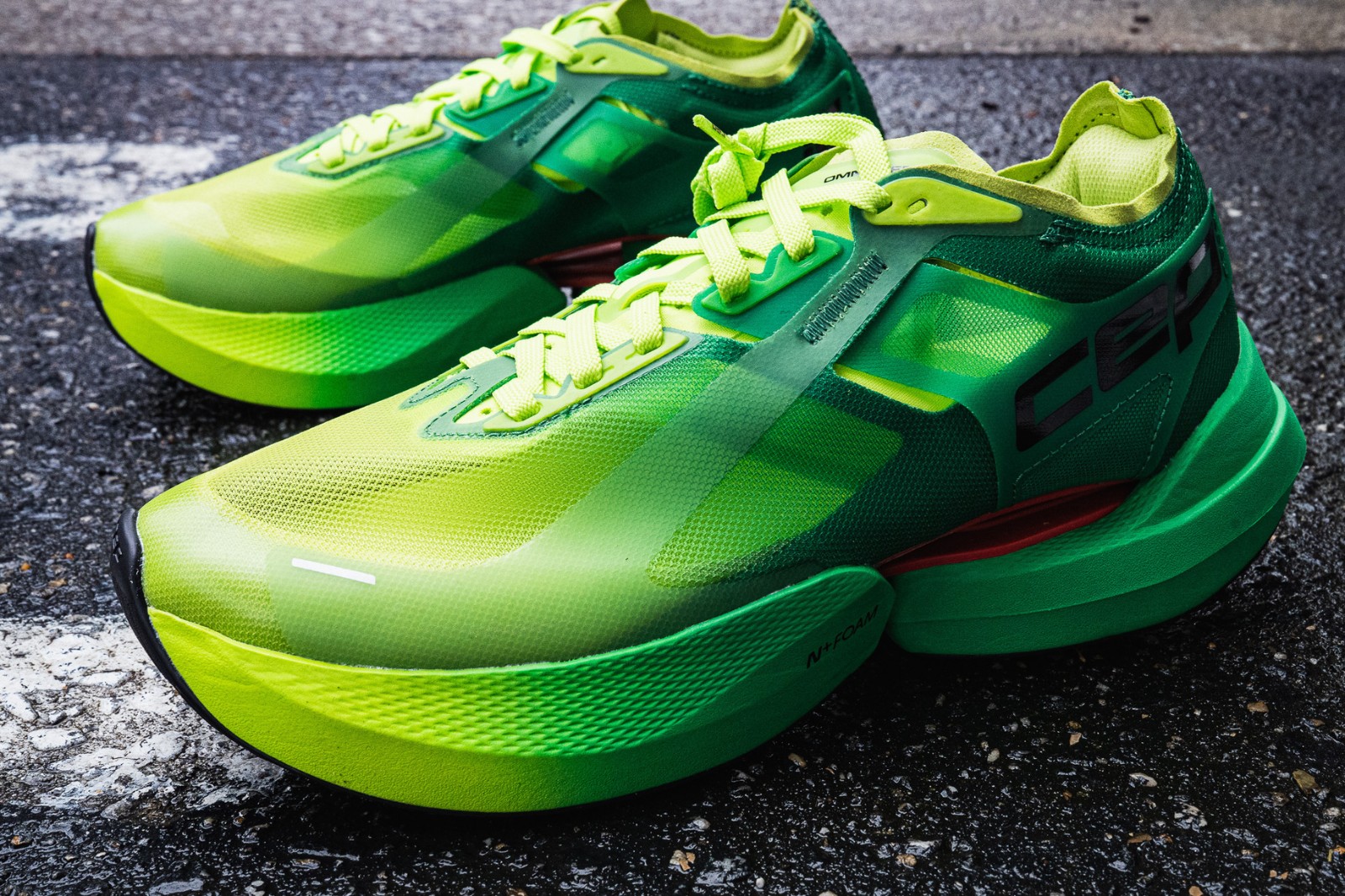
10.2 oz. (290 g) for a US M9 / W10.5 (Unisex weight)
37 mm in heel, 30mm in forefoot (7 mm drop)
Uptempo work with some BowTech bounce
BowTech kinetic plate system, N-Plus foam midsole, Foot cage, Gusseted tongue
Available now for $225


MATT: Having started my endurance sports career in triathlon, I was already pretty familiar with the brand CEP. It was impossible not to notice a sea of CEP compression socks or calf sleeves at every race. I was even influenced at one point to buy a pair of calf sleeves to help alleviate a strain. I wouldn’t say that the high-cut compression sock look is for me, but you can’t deny the market presence that CEP has in that area.
When the CEP Omnispeed arrived, I had to do some immediate research on Google because I couldn’t believe that this was the same company behind the compression gear, but with some minor fact-checking, I was surprised to learn that it was indeed their first attempt at a running shoe.
CEP’s entry into the hyper-competitive running shoe market raised reservations about how the shoe would perform, and those reservations were only amplified by the fact that this wasn’t just a daily trainer entering the market, but a high-end, plated supertrainer.
While cautious, I kept an open mind because in just the past few years, we have seen a handful of brands not traditionally known for their shoes make the jump and deliver some very high-quality entries. The North Face has cemented itself in the trail running scene, Craft has evolved from primarily apparel to a full line-up of quality models, and Rossignol has jumped from skis to producing a top-notch trail model, too.
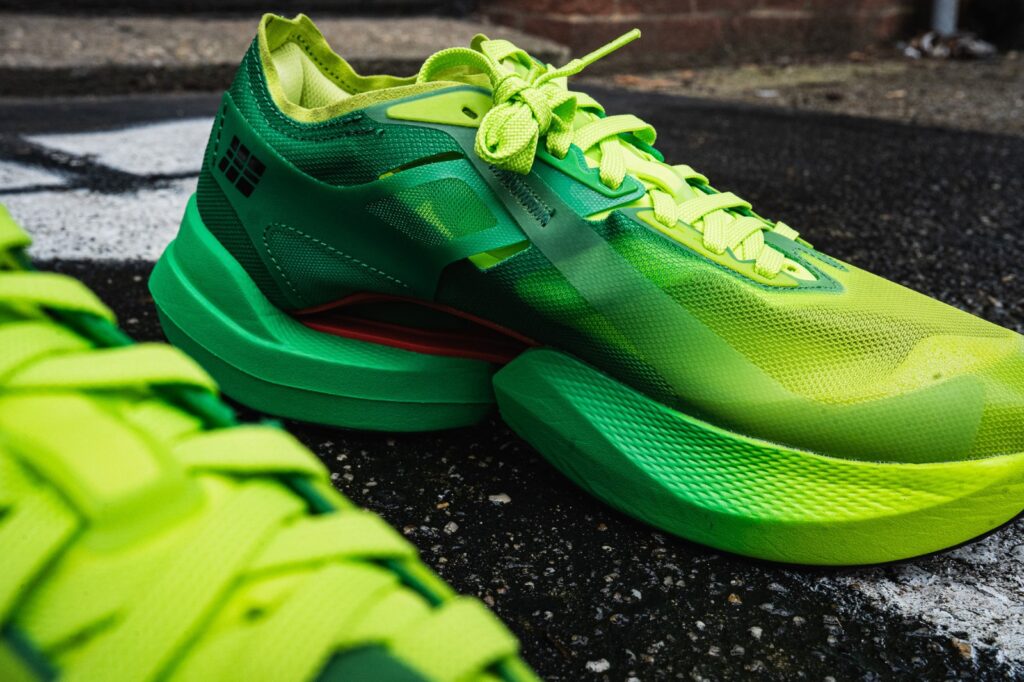
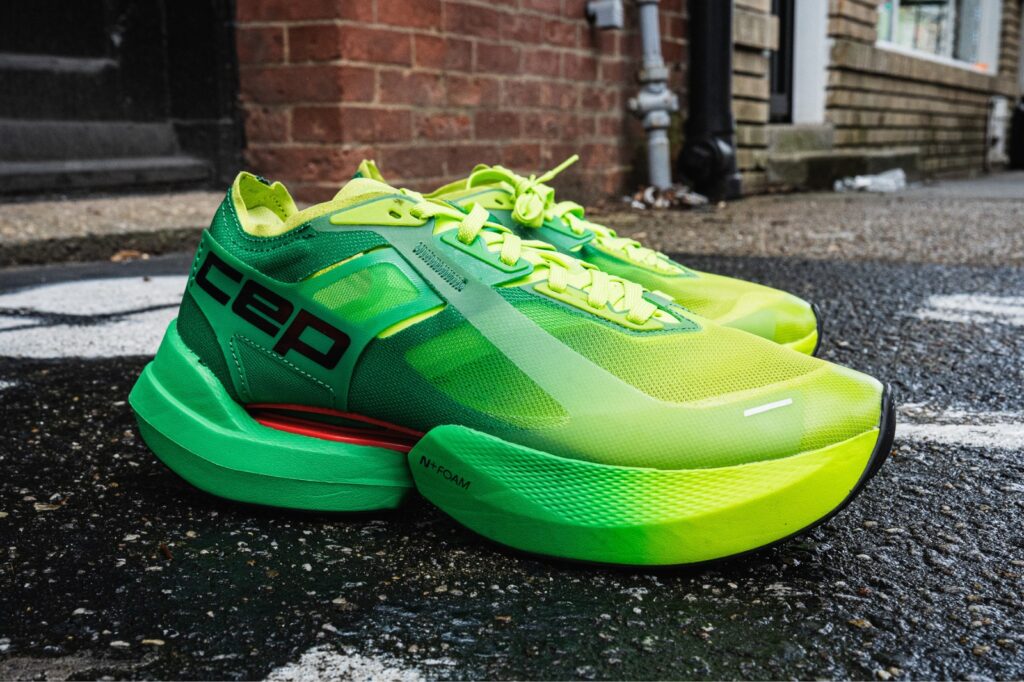
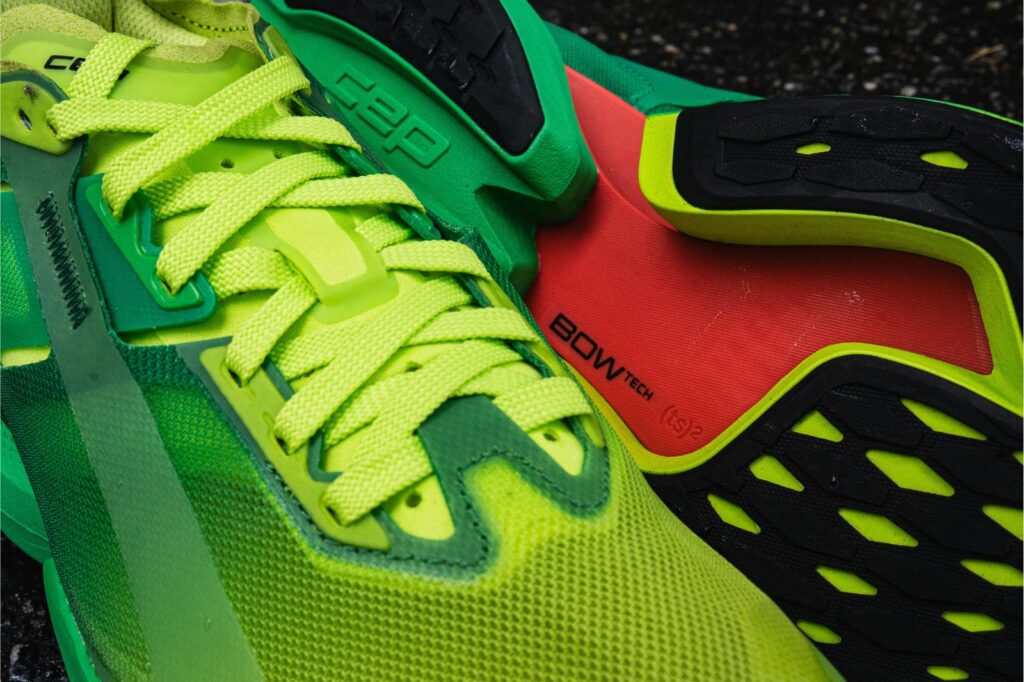
MATT: CEP gets an award for being bold and taking a risk right out of the gate. The highlight of the Omnispeed is the BowTech kinetic plate. CEP designed the bow-shaped glass fiber-reinforced Pebax plate to increase propulsion underfoot. The technology is said to store your kinetic energy via the plate and then release it during push-off.
The second claim of the BowTech technology is that its design can prevent injury and combat fatigue by reducing the load on joints and muscles. The benefits of carbon plates in the running world have been firmly established, and designs have been tinkered with from brand to brand with varying success, but CEP’s BowTech may be one of the wildest takes on plated technology.
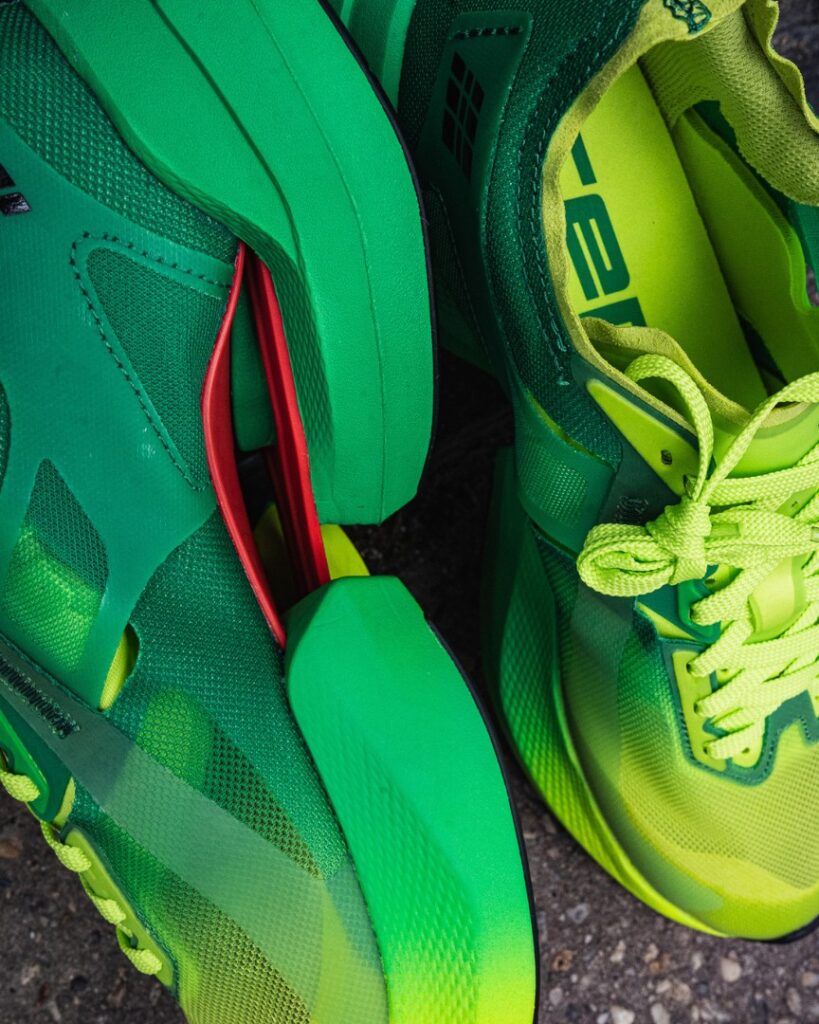
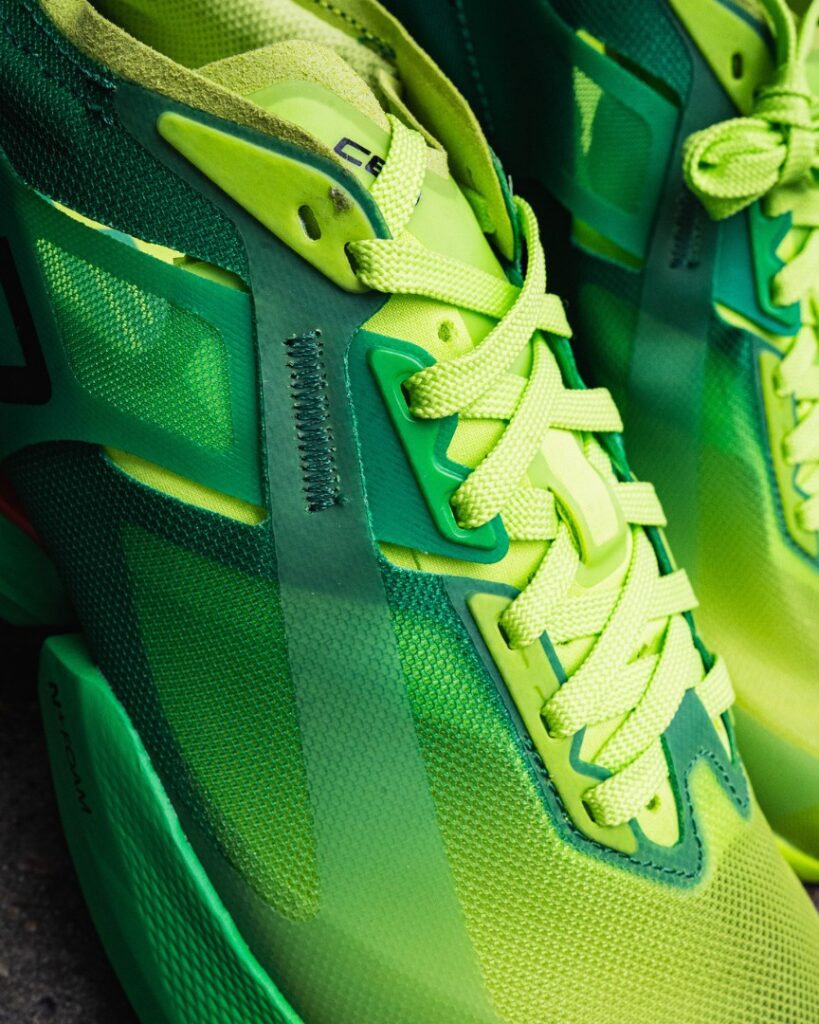
My experience was that the BowTech plate, combined with CEP’s N-Plus Foam, provided a really solid combination of spring and quick turnover. The design also provided a remarkably stable landing, making it feel strong and secure when toeing off and attempting to pick up the pace.
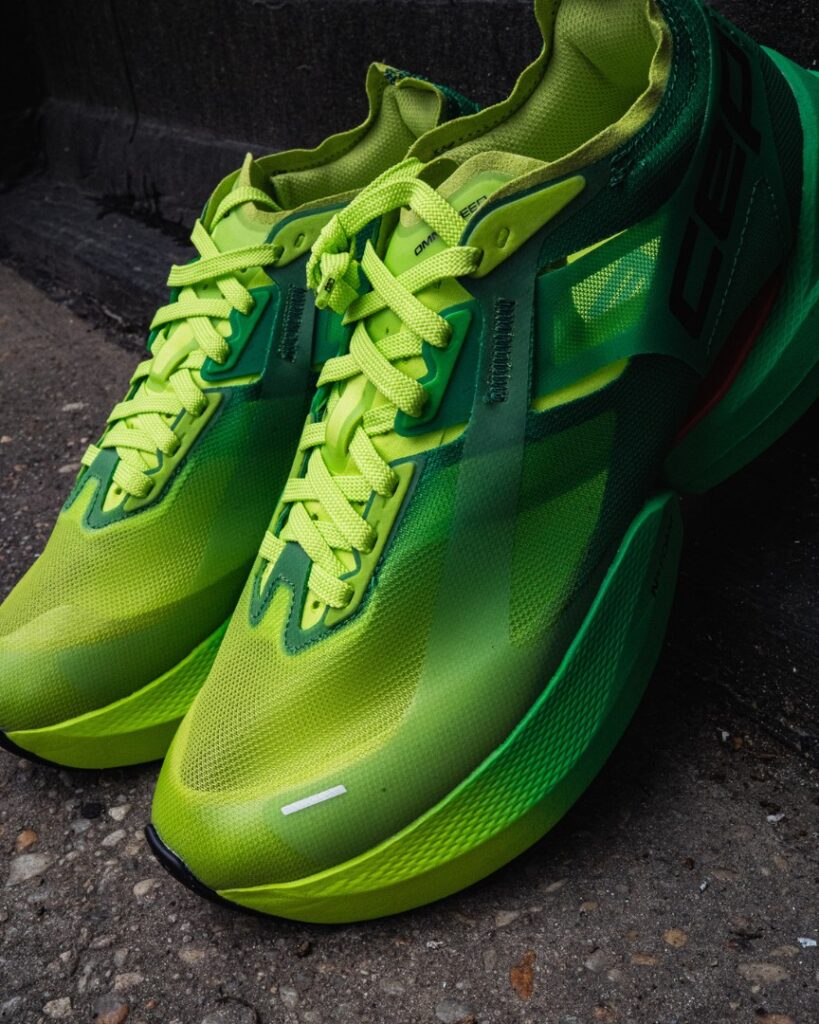
The other thing I liked about the Omnispeed was the design and feel of the upper, specifically in the midfoot and top of the foot/tongue areas. The mesh foot cage material is nice and breathable, and the gusseted tongue hugs the front of the foot and ankle really well.
Shop The Shoe - Men Shop The Shoe - Women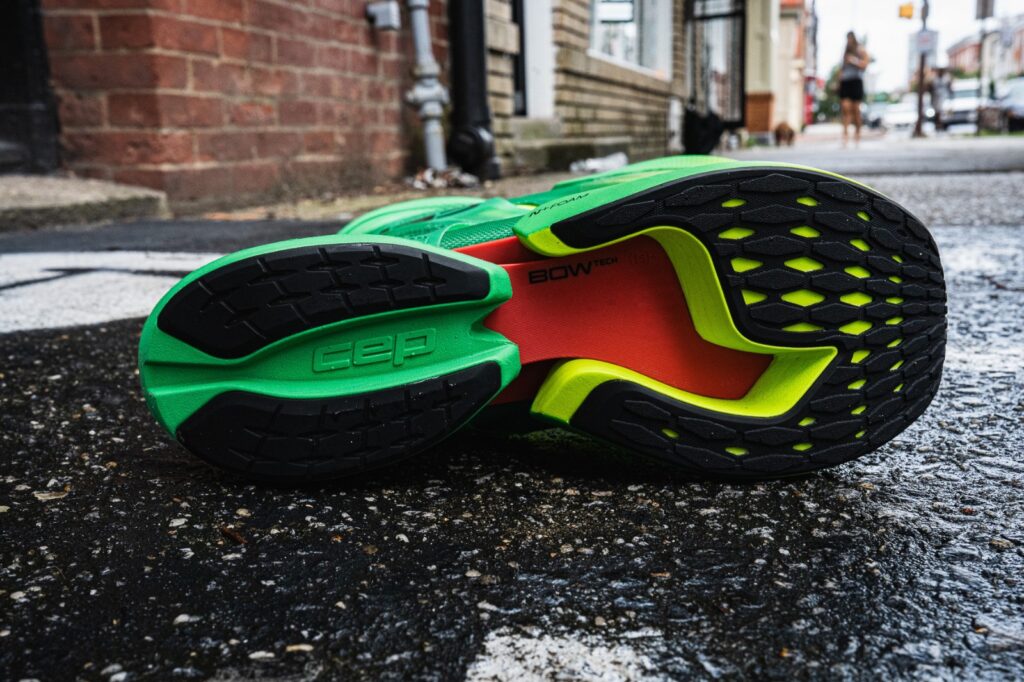
MATT: Okay, I’ll be brutally honest here. While I applauded the bold attempt in the design and found some things to like during my miles, overall, I just wasn’t a fan of the Omnispeed at all.
Primarily, I just couldn’t get past how unnatural and awkward the shoe felt when landing. The BowTech plate design causes the heel and forefoot to feel like independent sections, and with that, the heel feels super heavy. I felt that the shoe was forcing an exaggerated heel strike, while also getting the sensation that it was pushing me backwards instead of rolling through my stride. The easiest way to describe the feeling was like a “reverse rocker,” which is not a very conducive technique to running.
If you can get past the underfoot ride, my struggles continued with a forefoot design that felt tapered and rigid. My toes felt cramped into the toe box, while the heel felt the opposite, with a loose and sloppy fit that made getting a lockdown pretty difficult.
Finally, for a $225 Super-trainer that could also be marketed for race day, the Omnispeed just felt too heavy. At close to 10.5 oz for a US M10, the shoe is a behemoth compared to my go-to Adidas Evo SL, which weighs in at almost 2.5 oz lighter as a daily trainer.
Shop The Shoe - Men Shop The Shoe - Women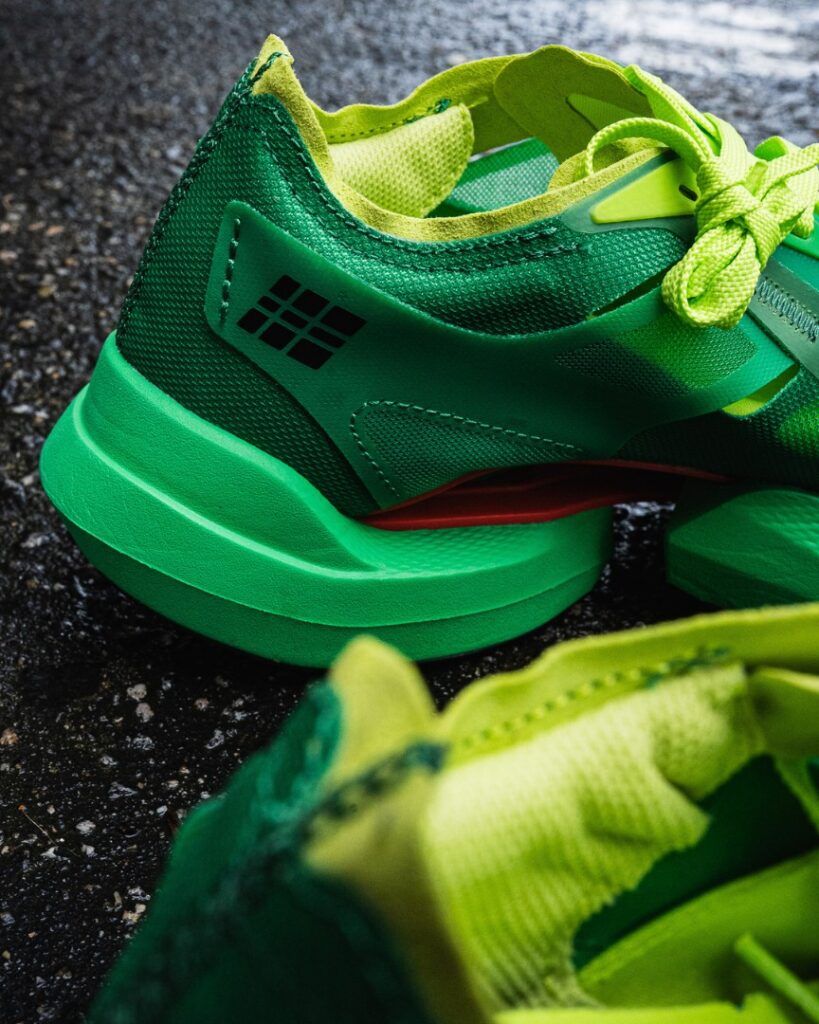
MATT: Running shoe design in today’s landscape is not an easy job, and with the ever-evolving technology, producing a high-performing model is becoming more and more competitive. It’s very rare for a company new to the space to hit a home run on the first pitch, so I commend CEP for making the jump and taking the risk with a truly unique design.
I don’t really see a use case where I could honestly recommend the Omnispeed over another model on the market; however, I think that CEP has some really interesting concepts, and I hope that they don’t let any shortcomings with the Omnispeed discourage them from taking the constructive feedback and applying it with another attempt. I will be happily rooting for them to come back with version two and prove me wrong.
You can pick up the CEP Omnispeed for $225 from CEP Running by using the buttons below.
Shop The Shoe - Men Shop The Shoe - WomenHave something to say? Leave a Comment



Matt is a recovering triathlete who fell in love with running and left the dark side behind. Trail and ultra running are where he is most in his element, but he can still be found routinely running the streets in and around Baltimore with the Faster Bastards. Aside from running, he is a lover of coffee, mezcal, beer, and 90s country music.
More from Matt