Shop BITR Apparel Shop Now

We independently review everything we recommend. When you buy through our links, we may earn a commission.
Our resident big guy reviewer gives his picks for running shoes that work best for heavy runners
Very generally speaking, over 200 lbs. (91 kg)
Everything from daily trainer to race day
NOTE: This is an evergreen list (last updated 3/9/2026). Bookmark this page and check back for all the latest running shoe recommendations for bigger runners.
When I first approached the Believe in the Run team about what I felt was a lack of online shoe reviews by bigger or heavier runners, I had hoped that I’d be able to help runners who found themselves in the same position I was: frustrated by a lack of representation in the online shoe review world.
I would always do research on running shoes before buying, reading countless reviews, and many times ended up disappointed when getting the shoe. This may be pretty obvious, but smaller or “average” size runners experience shoes in a totally different way than bigger runners. And in case you haven’t noticed, most of the reviewers you see online aren’t built like me. It was frustrating, because every review had to be taken with a grain of salt.
The Believe in the Run crew welcomed me with open arms to be the resident Big & Tall reviewer, and Robbe gave me the nickname “The Clydesdale.” Since joining the team, I’ve been logging miles in many different shoes for review purposes, as well as others that I bought myself because they were a great deal and I’m a sucker for a bargain. When I was asked if I would consider putting together a list of what I felt in my opinion were the best shoes for bigger runners, I was stoked.
Now, I will preface this by saying this list is my list of the best running shoes for bigger or heavier runners. Obviously, there will be some subjectivity in this list, because every runner is different and what works for me as a bigger runner might not suit you. I’ve also not been able to test every or most shoes on the market, especially race day shoes… yet.
However, I believe all of the shoes on my list have attributes that I look for as a bigger runner, and I further believe they’re all worth testing out if you’re a bigger runner in the market for a new shoe. This list will be updated as I test shoes that I feel are worthy of being included here. It goes without saying, but if you want to discuss running shoes or have any questions, hit me up on Instagram, and I’ll try to help you out the best I can.
Just a heads up, this list is split into three sections: daily trainers, super trainers, and race day shoes. Shoe models are listed in alphabetical order, so read the whole way through to get the full rundown!
Daily trainer
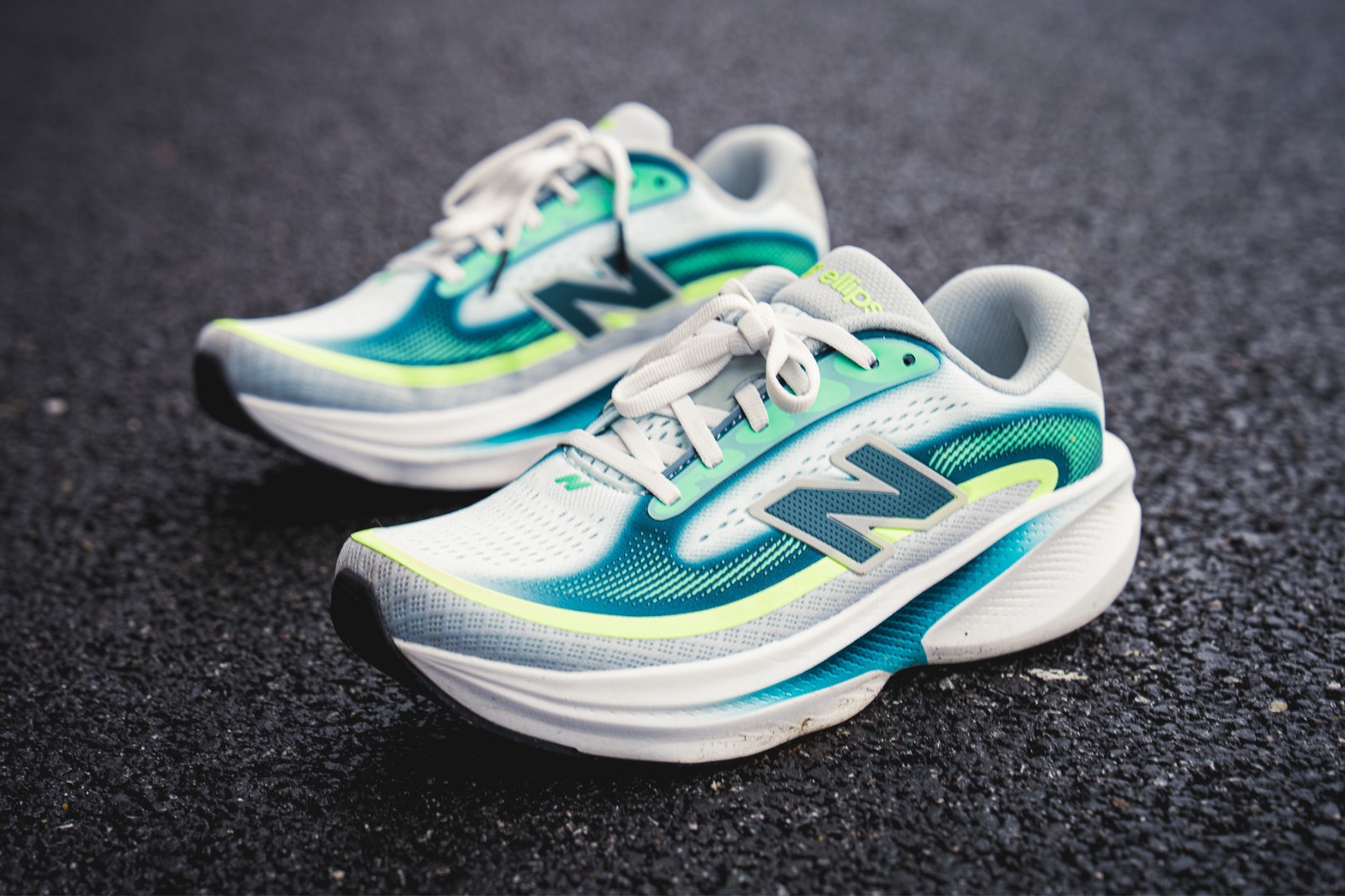
9.6 oz (272 g) for a US M9.5,
7.6 oz for a US W7
38 mm in heel, 30 mm in forefoot (8 mm drop)
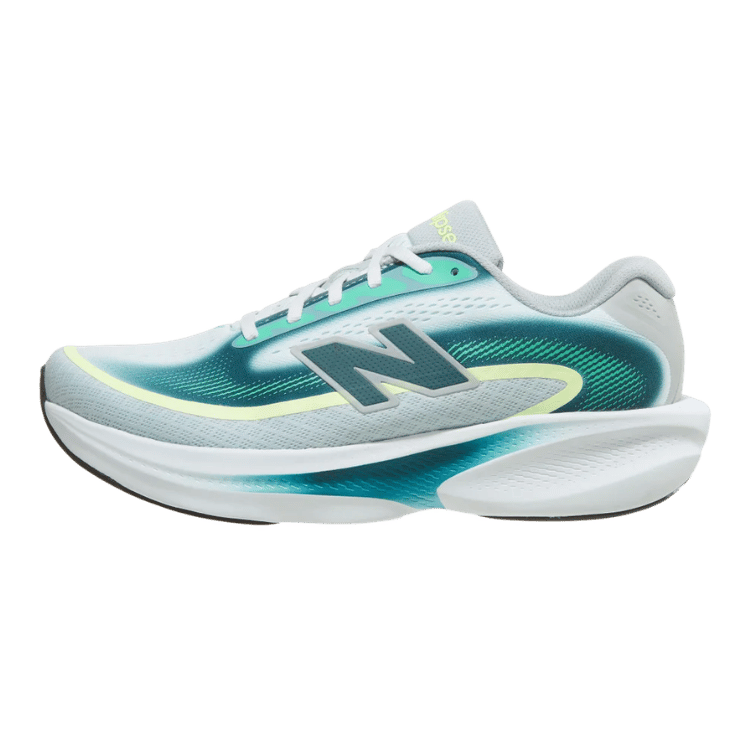
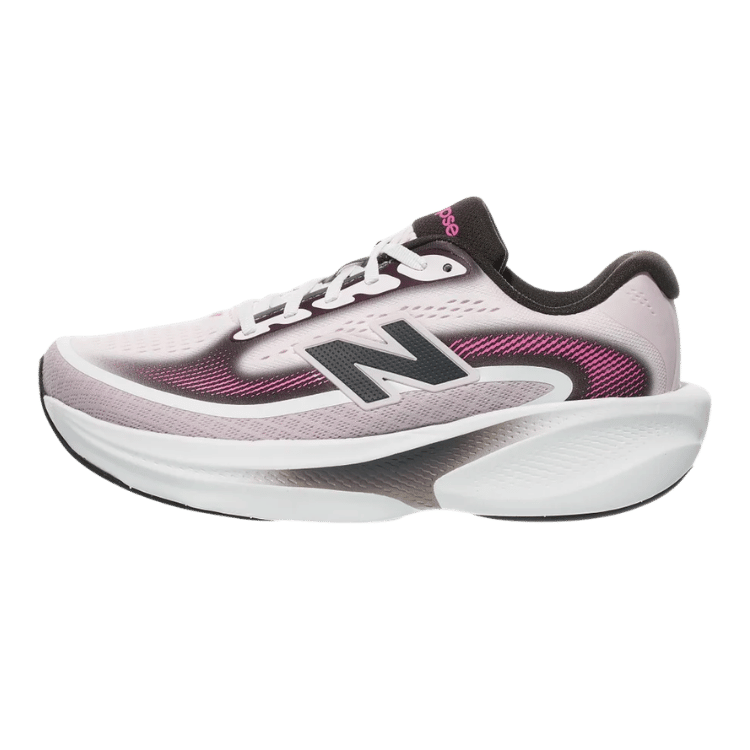
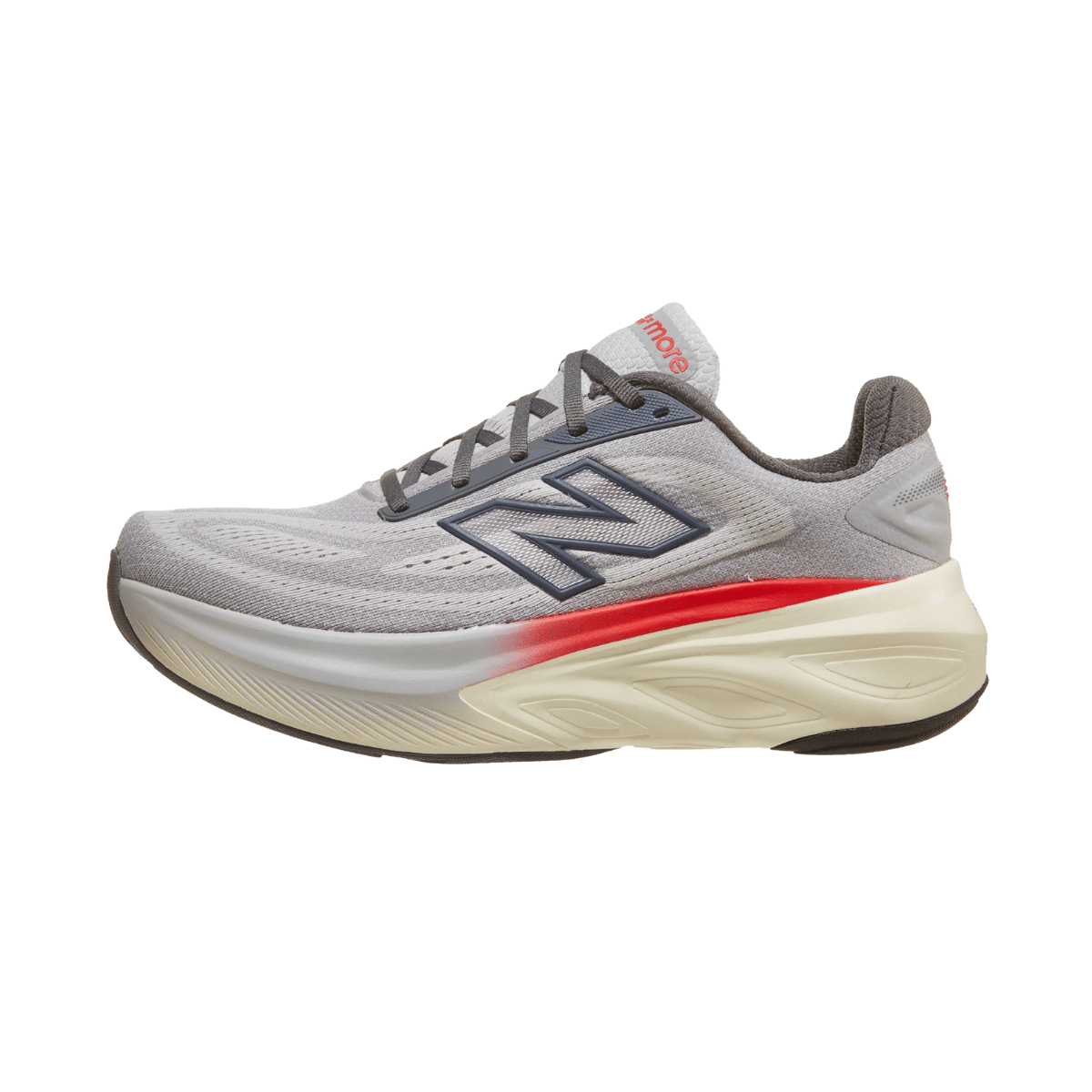
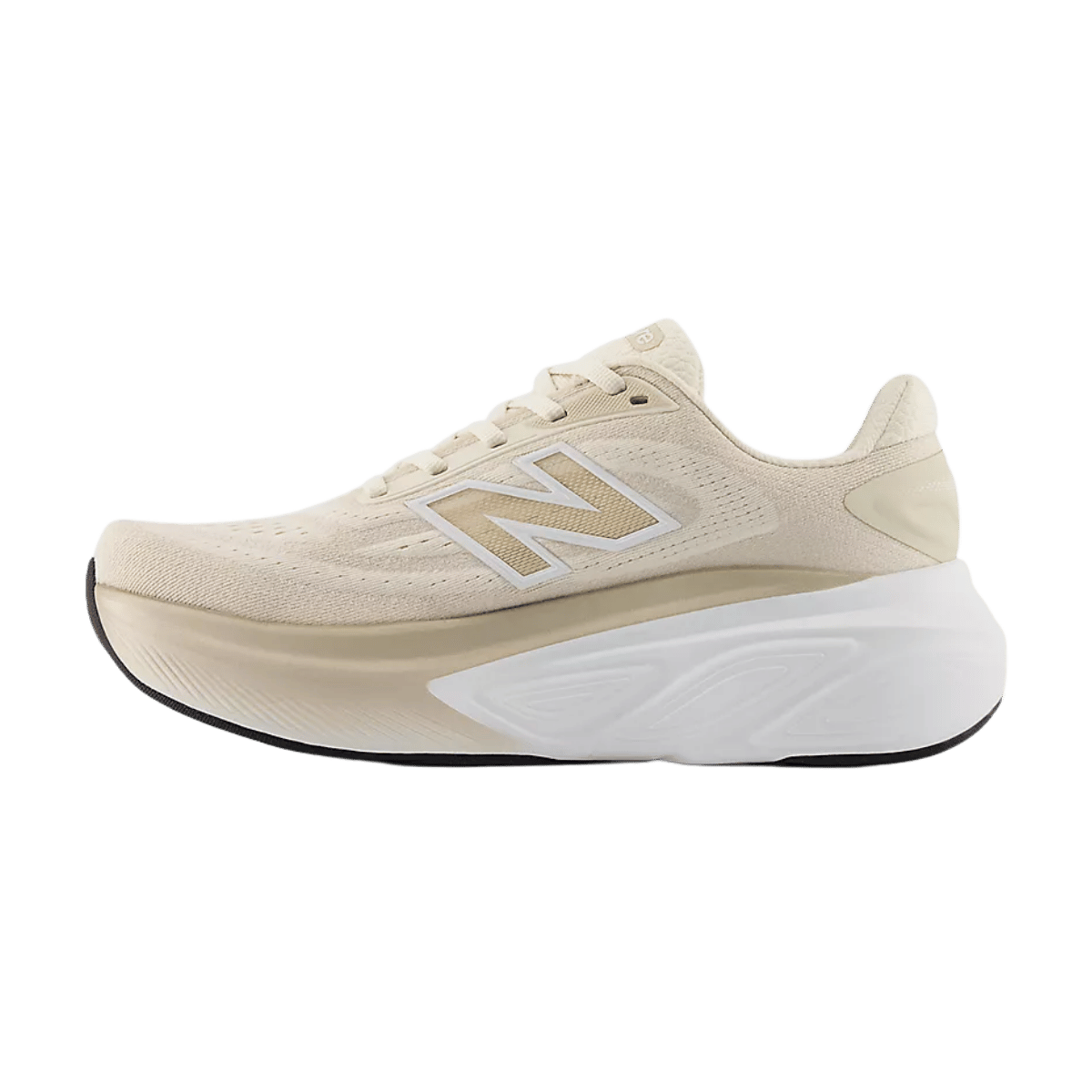
So I am a bit confused as to what New Balance has decided to do with its lineup. The Fresh Foam X 1080v14 previously graced this list, due to its soft but bouncy ride and solid overall stability. But the 1080v15 with the new geometry, style, and Infinion midsole foam, was a stepback for me personally. But then New Balance drops a new shoe, the Ellipse v1 in the Fresh Foam X line, which in my opinion surpasses what they had given us previously in the 1080 series.
The shoe feels lightweight both in hand and on foot, and provides the stable ride that I was hoping for in the 1080v15 that I didn’t get. The upper is far more comfortable than the new 1080, both in breathability and sizing. Stylistically it also is a darn good looking shoe. And the best part? It currently undercuts both the 880 series and 1080, coming in at $140, which is an absolute bargain for a shoe that could easily double as a lifestyle trainer.
Daily trainer
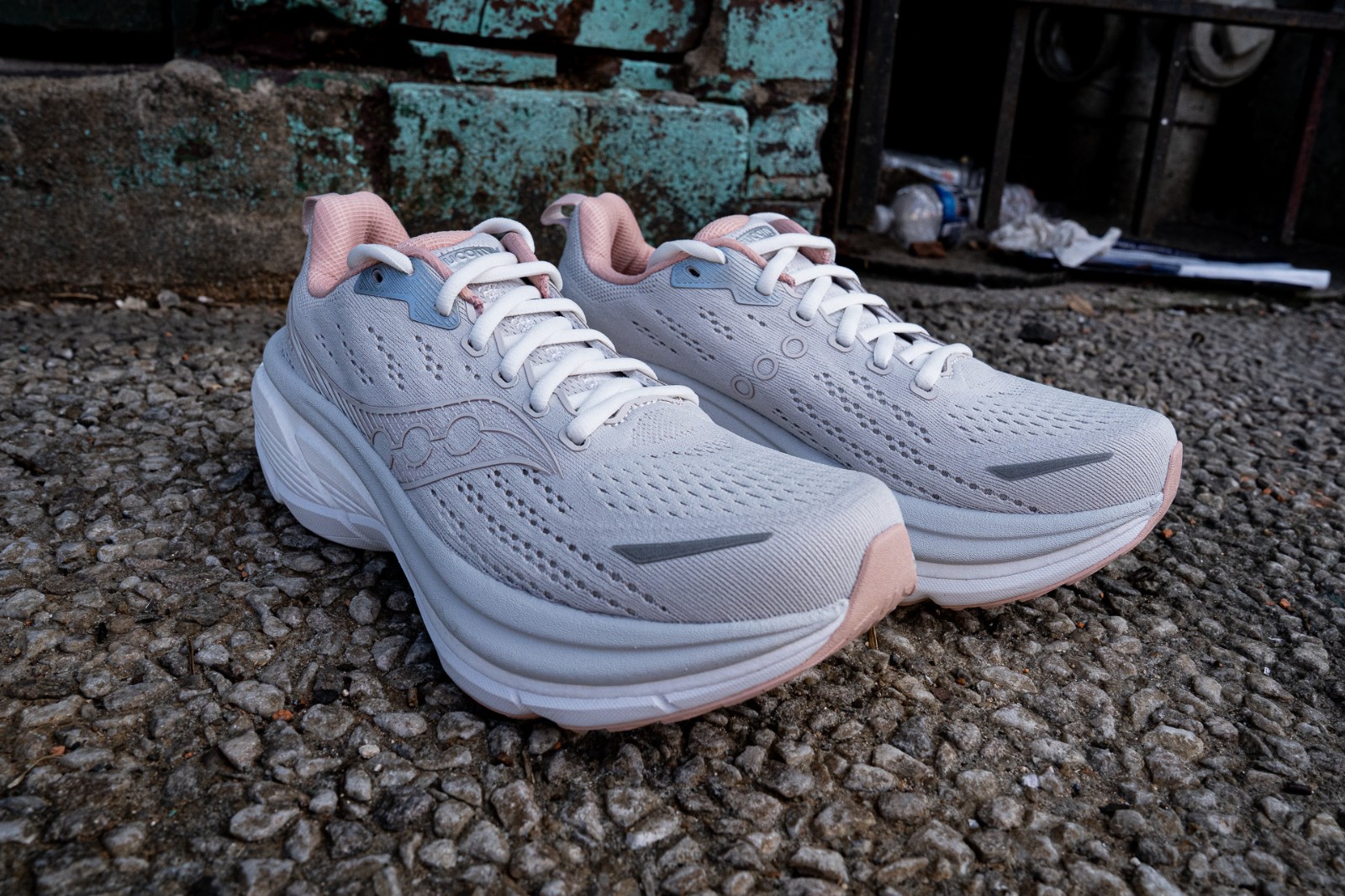
10.4 oz. for a US M9,
9.1 oz. for a US W8
38 mm in heel, 32 mm in forefoot (6 mm drop)
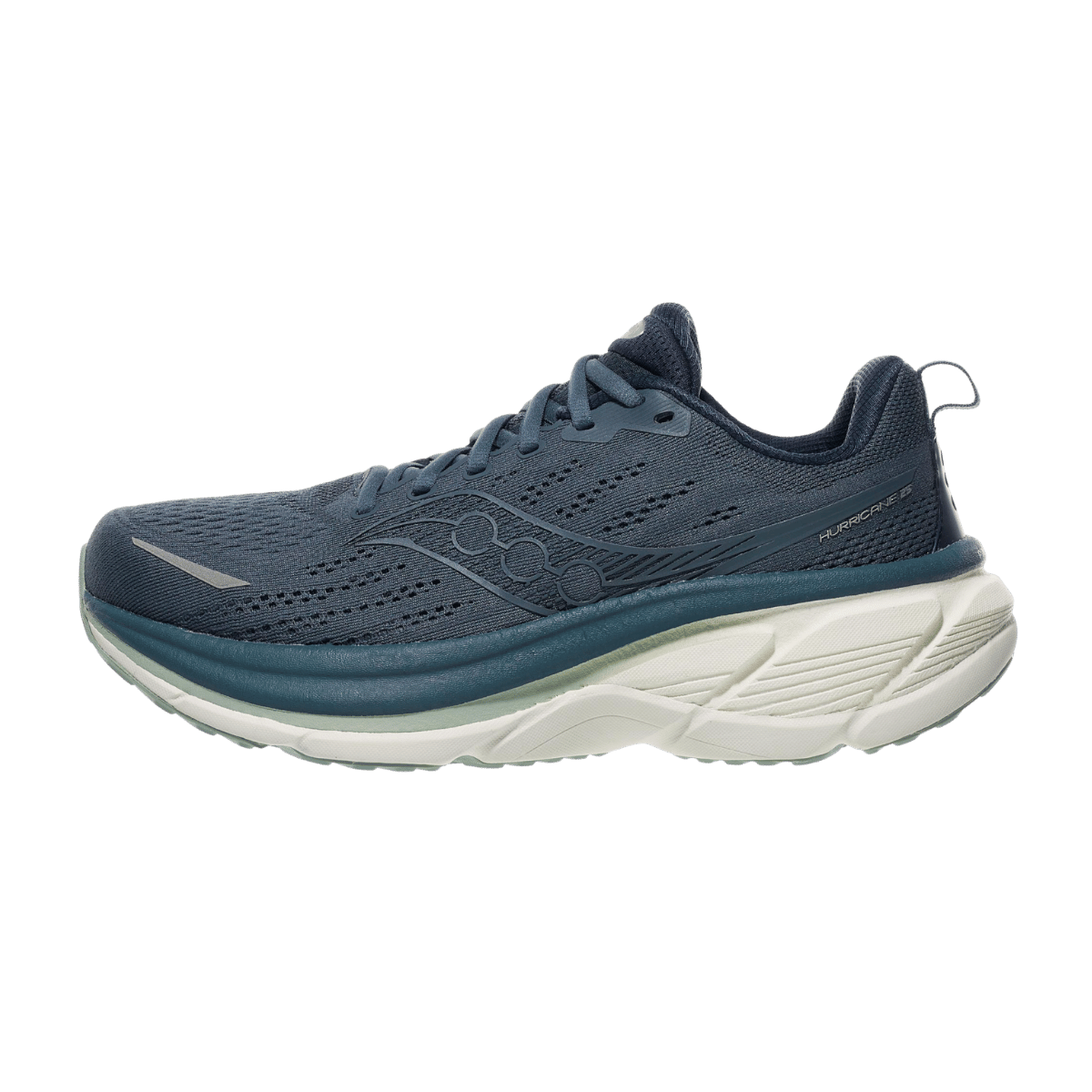
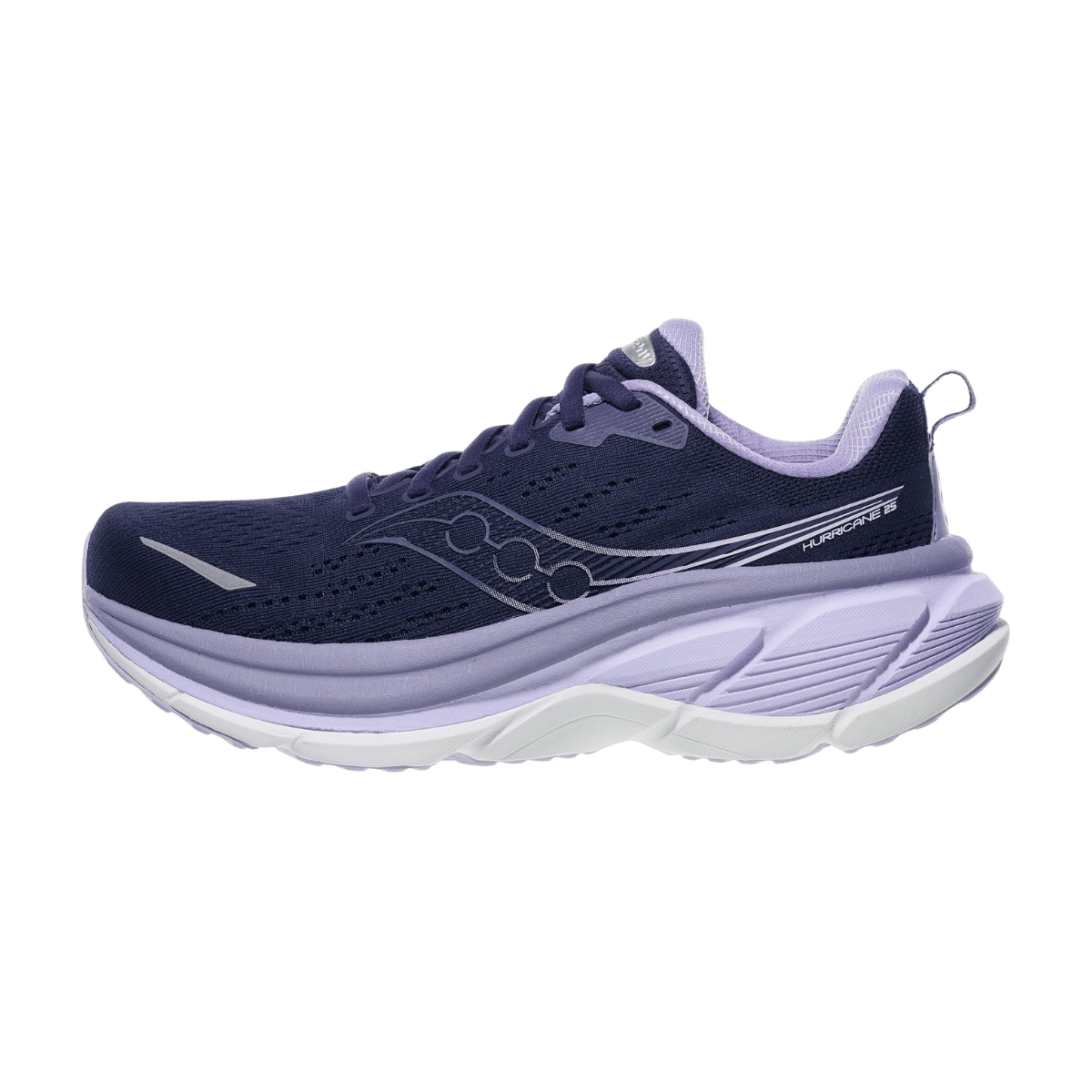
Stability runners rejoice! The Saucony Hurricane 24 came back last year and was a big hit here, and the new Hurricane 25 is even better. The shoe dropped some weight and at the same time added some pep to its step. The stability elements in the form of Saucony’s Center-Path technology provide unobtrusive stability and a solid, comfortable ride. Combined with a premium upper and premium midsole foam in PWRRUN PB underfoot, the overall experience in the Hurricane 25 is everything that a runner could ask for in a stability shoe.
That is, assuming you don’t mind a shoe that doesn’t exactly look the greatest, because my only real knock on the Hurricane 25 is its aesthetics. They stink.
Daily trainer
9.3 oz. (263 g) for a US M9,
7.6 oz. (215 g) for a US W7
35 mm in heel, 30 mm in forefoot (5 mm drop)
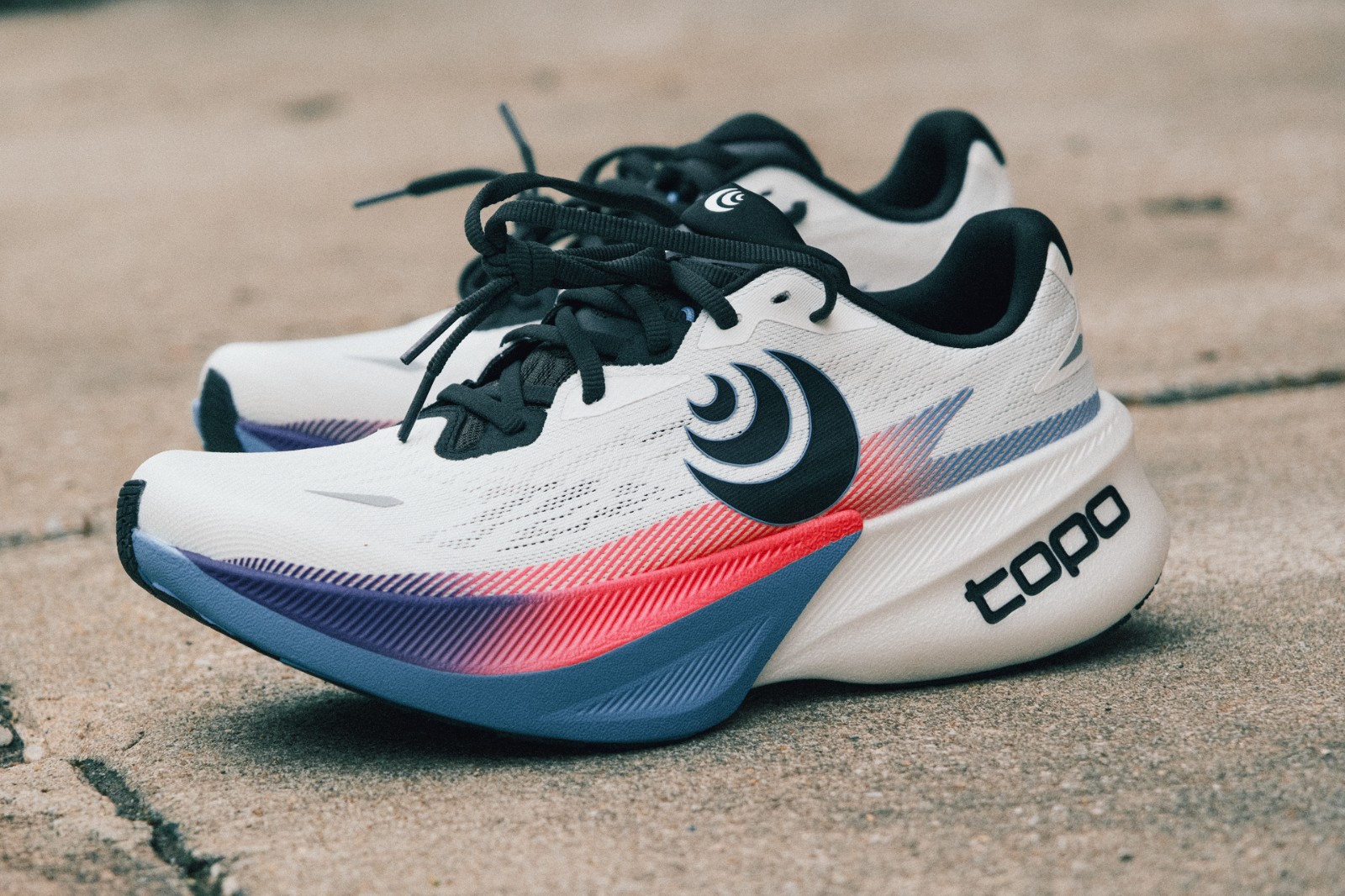
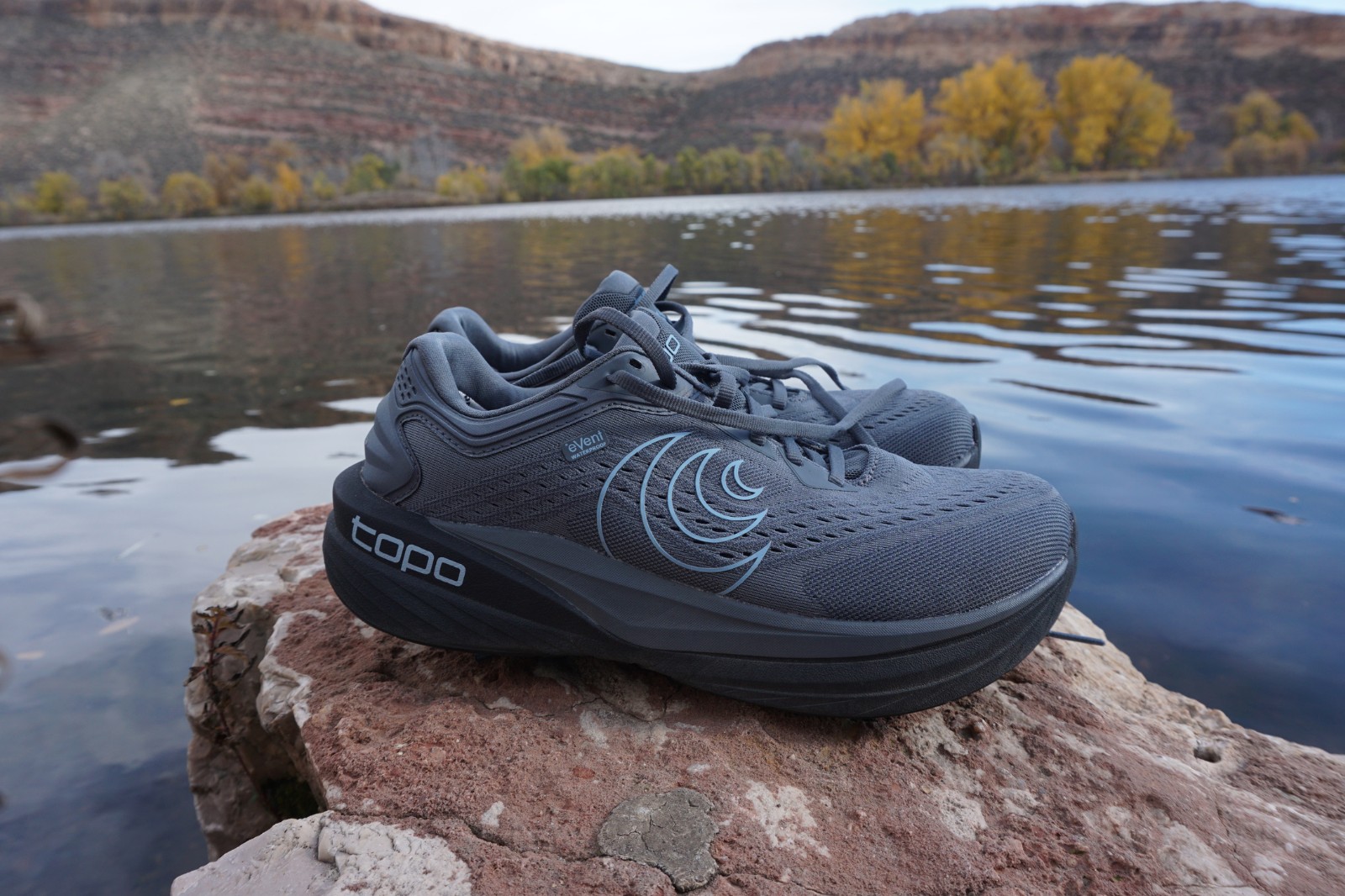
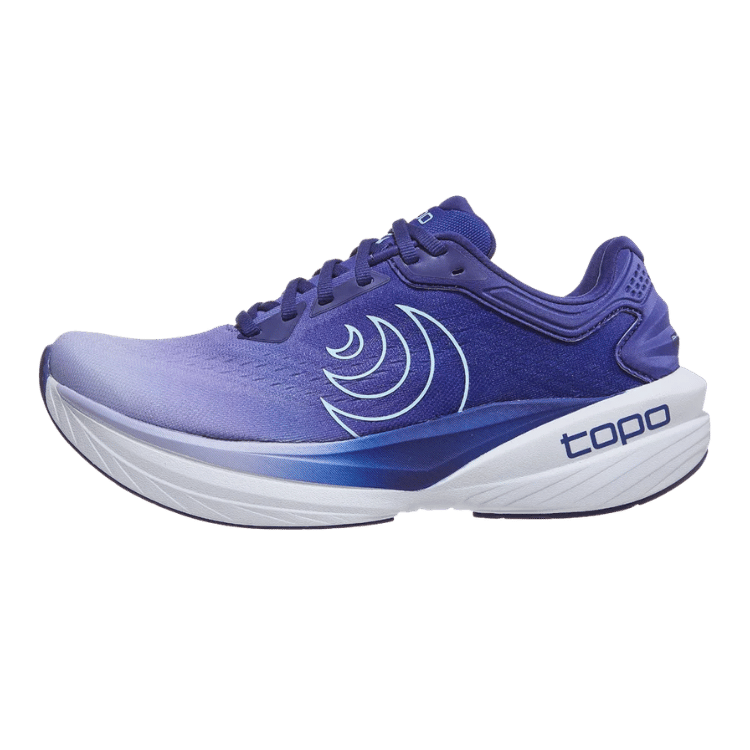
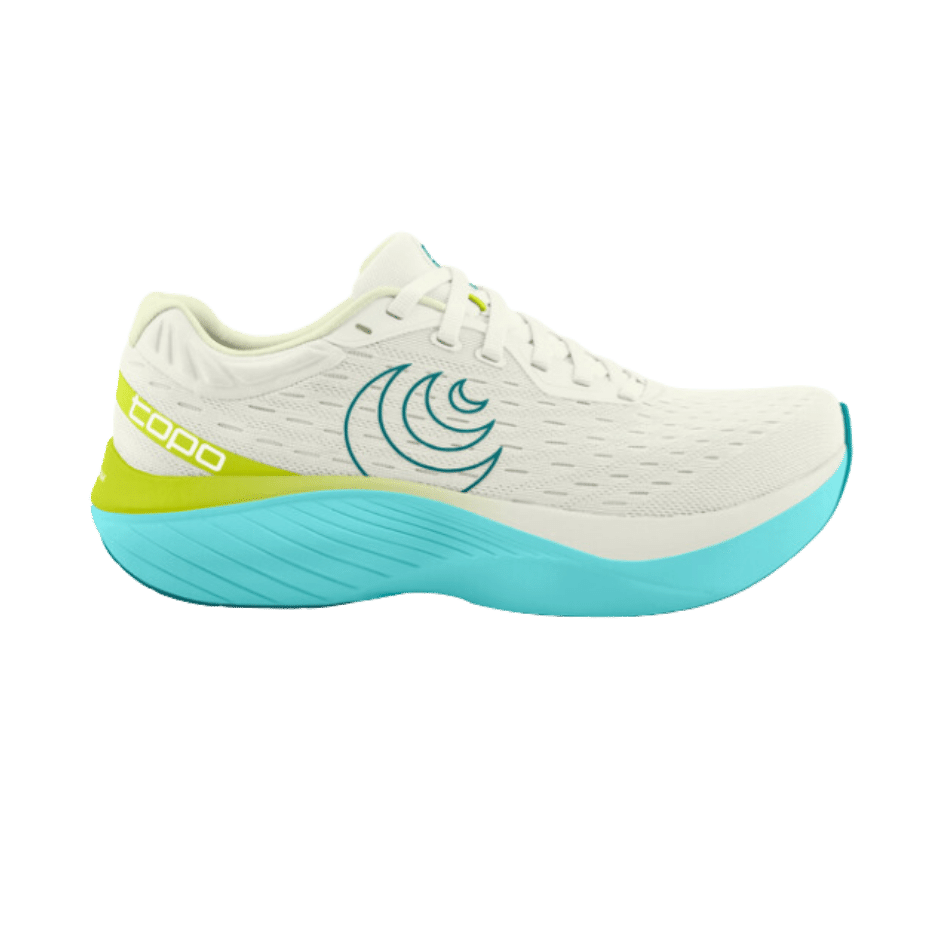
I love when a brand releases a shoe and it is better almost all the way across the Board. Topo Athletic did just that in releasing the Phantom 4 in 2025. The Phantom 3 was on this list from 2023 when it was released, and the fourth version earned its spot here. The Phantom 4 maintained the wide and stable platform of the prior version while increasing the stack height by 2mm and improving the already incredibly balanced ZipFoam midsole. Between that and the rocker, the Phantom 4 has one of the smoothest rides you can find in a daily trainer. They even improved on the aesthetics, which is hard to do with an anatomical toebox.
Daily trainer and long runs
10.4 for a US M9,
9.5 oz. for a US W7.5
45 mm heel, 39 mm forefoot (6 mm drop)
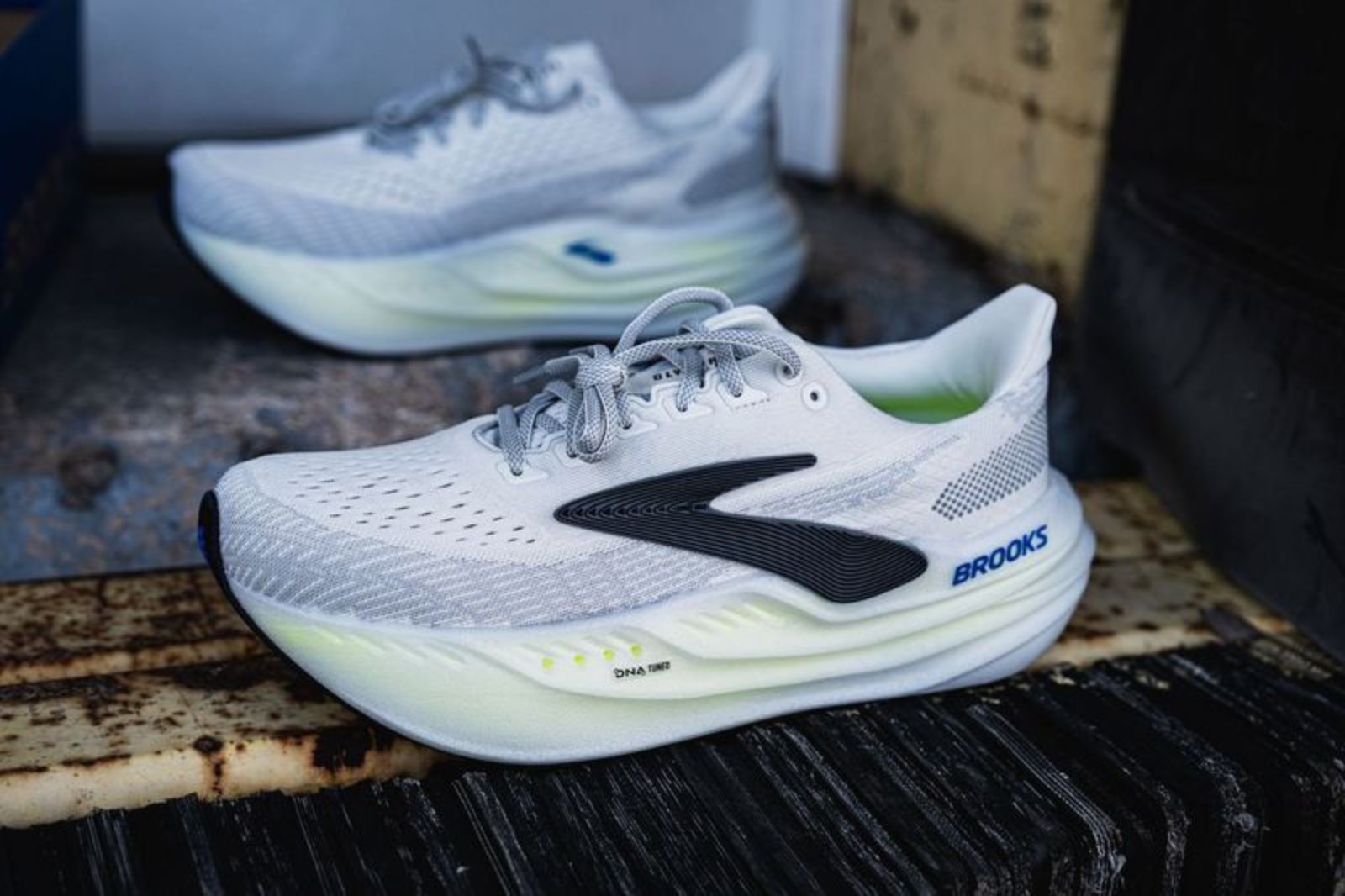
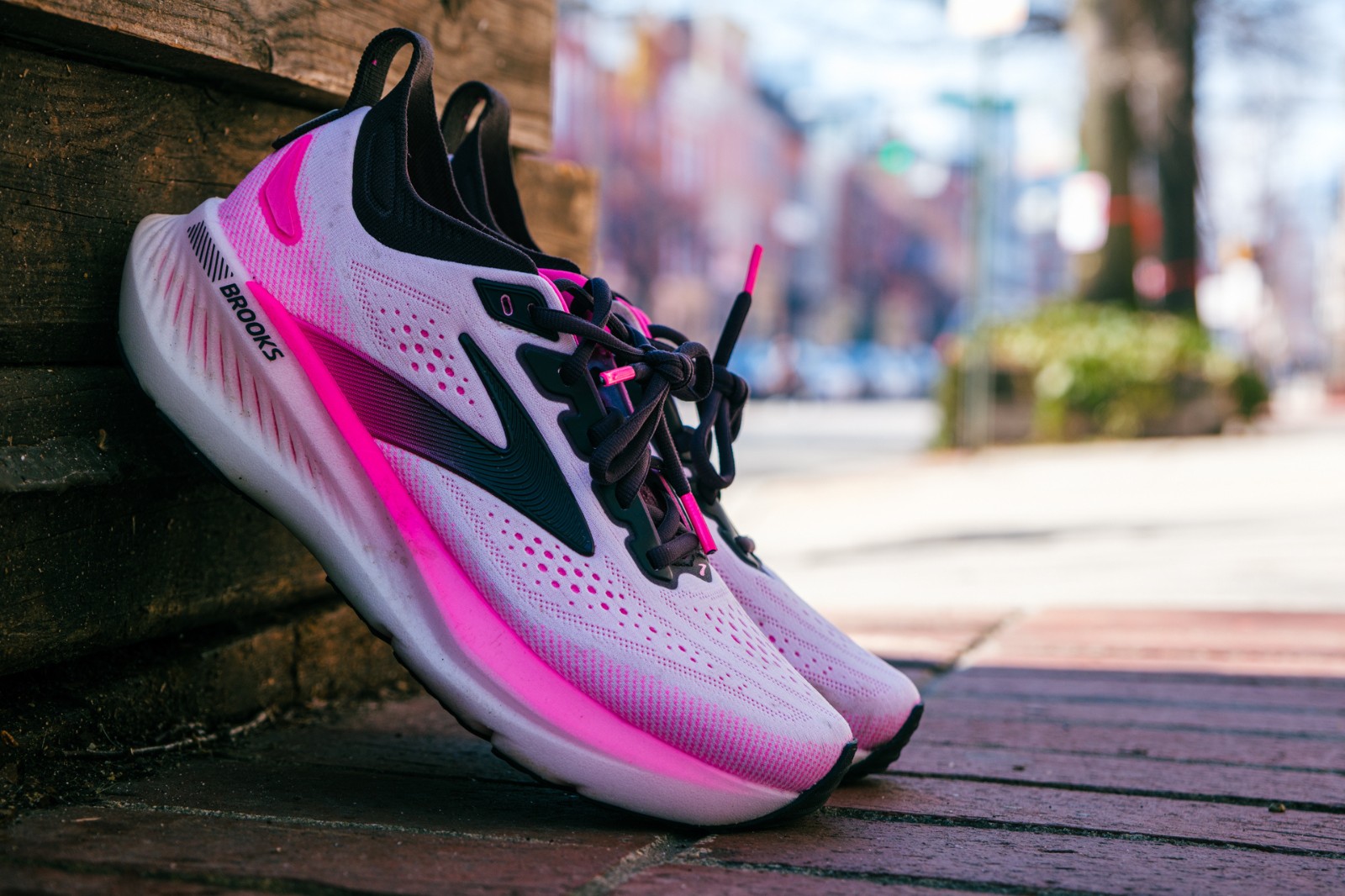
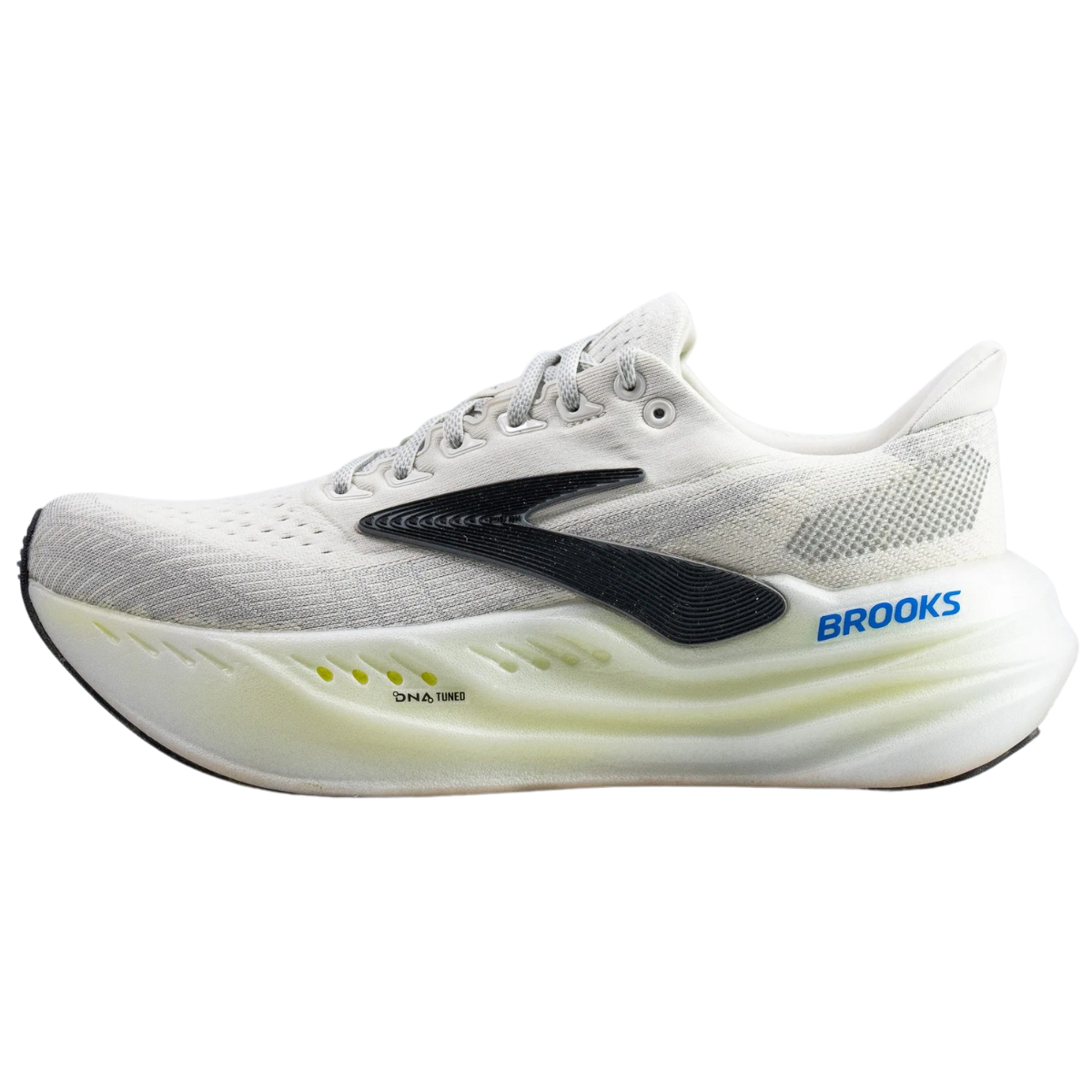
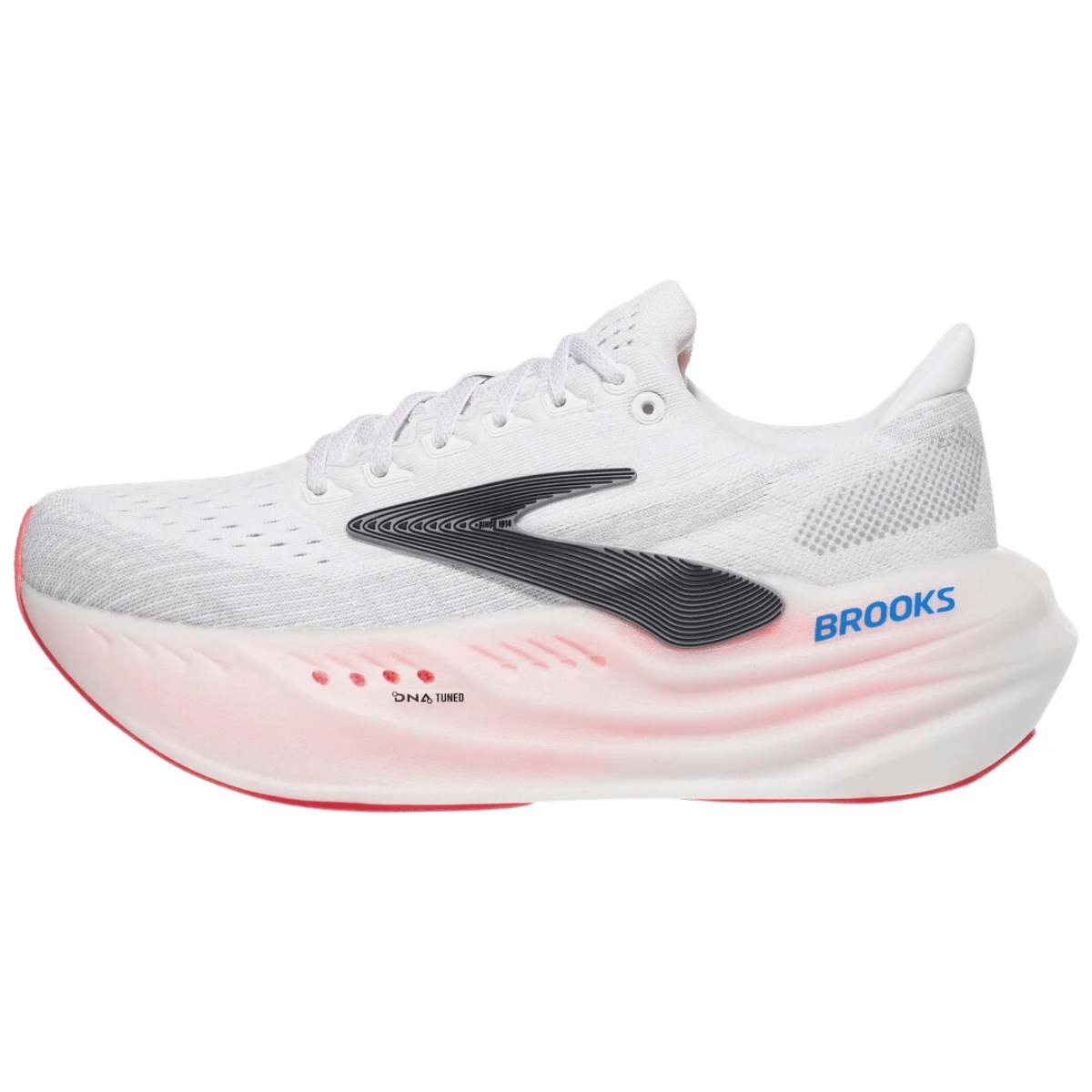
I’m going to be honest with you, I had absolutely no idea in which category to put the Brooks Glycerin Max. I have used this shoe for everyday miles, recovery runs, and long runs; only thing I haven’t done is tempo runs or races. I think for some people, this shoe would have the feel of a super trainer– the new DNA Tuned midsole foam is that good. I put it in the daily trainer category simply because I think it is so versatile.
The insane rocker and toe spring gets you up on your toes so seamlessly, and the softer heel foam and more responsive midfoot and toe foam create an incredibly fluid and pleasant ride. This shoe is an absolute game changer for Brooks, and apparently, it’s only the start of new things to come from the brand that is often criticized for its lack of innovation. We’ve already seen it in the Glycerin 22, so you can expect more of this type of excellence from more models coming in 2025 and beyond.
Daily trainer/easy day/recovery
10.8 oz (306 g) for a US M9 / 9.7 oz (275 g) for a US W7
39 mm heel, 33 mm forefoot (6 mm drop)
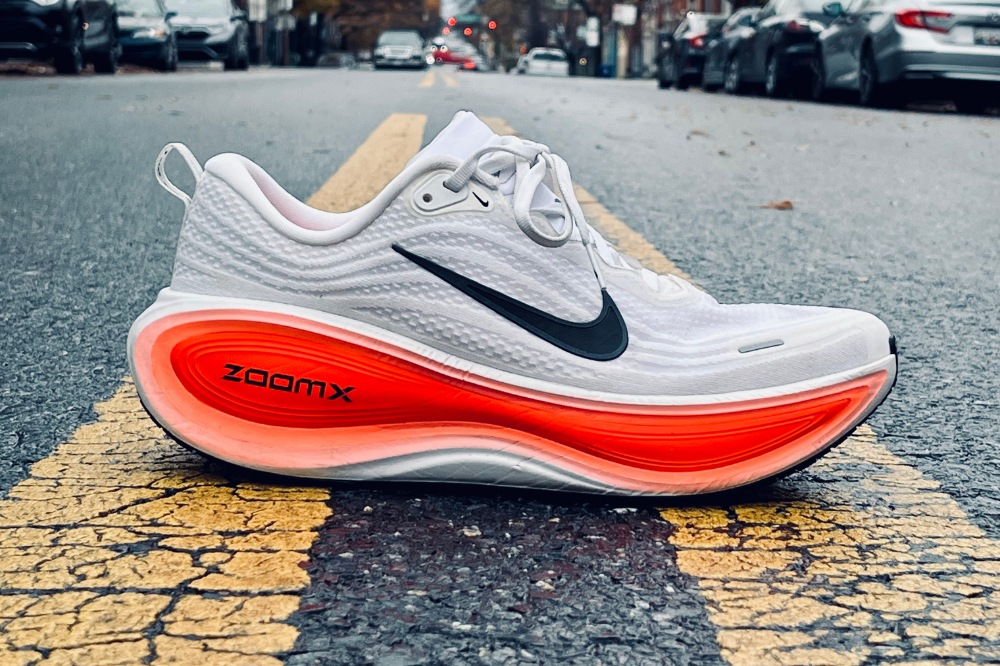
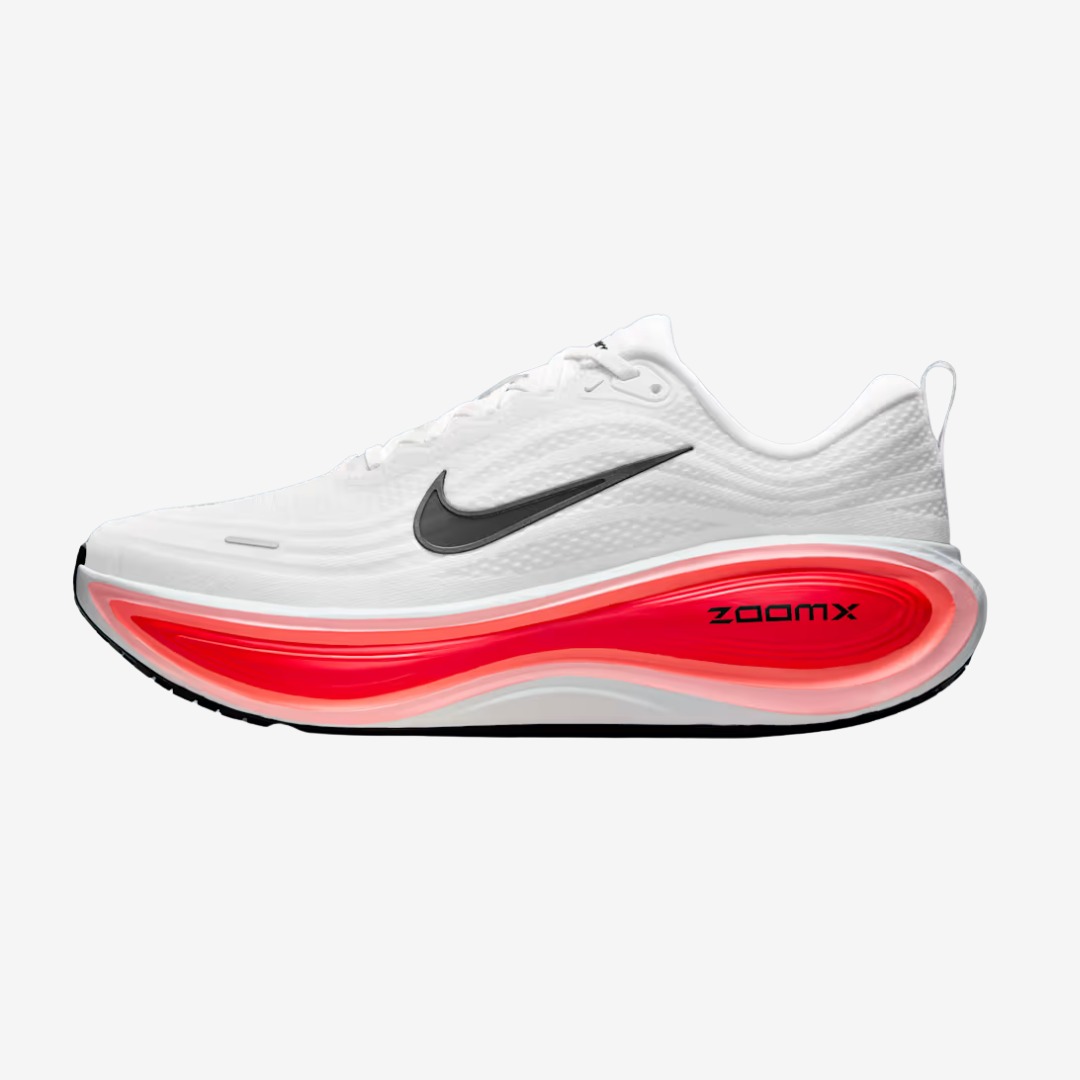
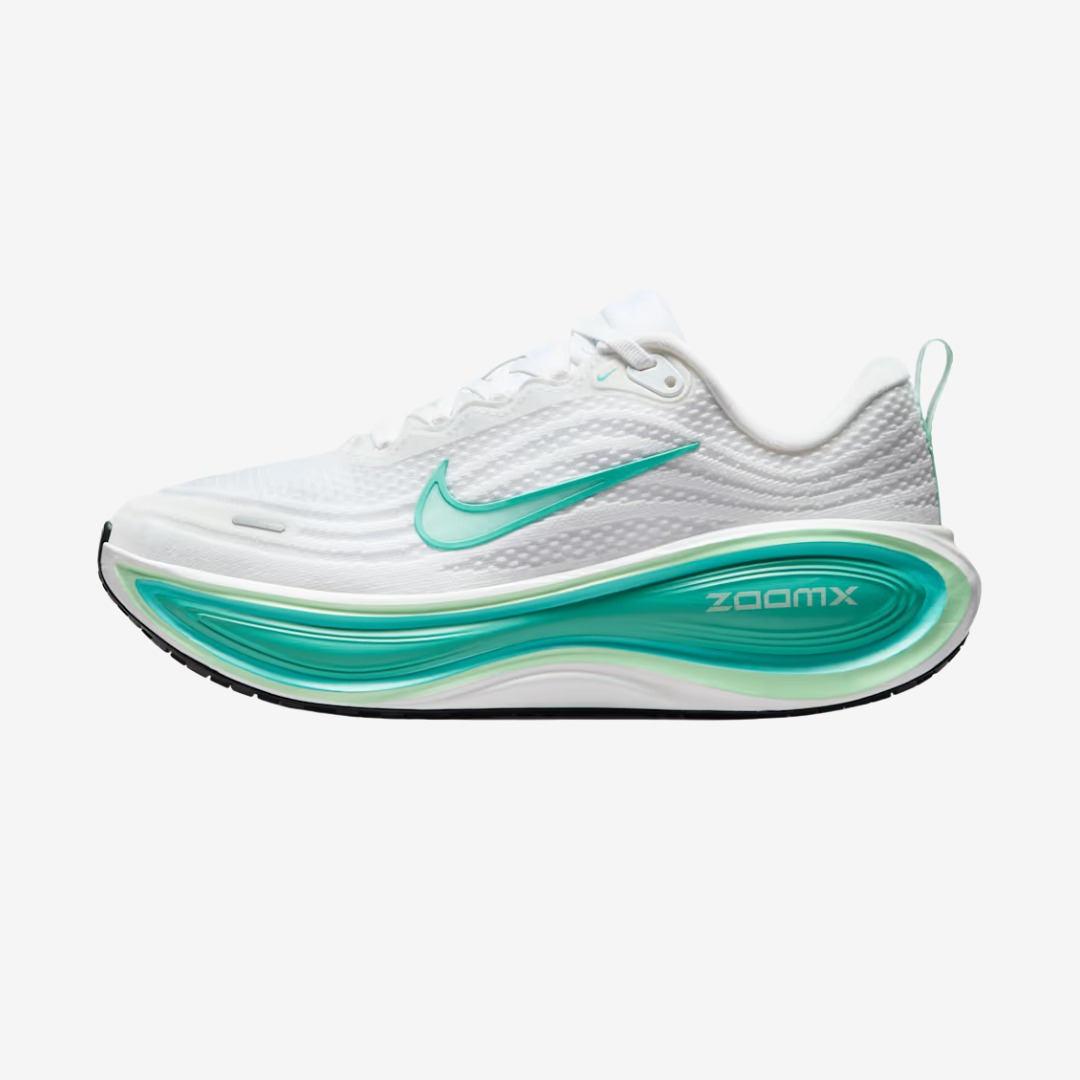
So I’ll be perfectly honest, I was absolutely blown away by this shoe, and it was a shock to me. I had never really got along with Nike, but the Vomero Plus was my Shoe of the Year in 2025. It has the perfect blend of a comfortable fitting upper, bounce and rocker underfoot, and generally smooth ride overall. Nike normally runs a bit narrow but the width on the Vomero Plus was perfect for my regular width foot.
Is it the lightest shoe out there? No, but it’s one of those shoes where even though it errs on the side of heavy when weighed, it really doesn’t feel heavy on the run. I am now really interested to see where Nike takes this whole trichotomy of shoes per model line thing they have going on.
Daily trainer/easy day/recovery
10.8 oz (306 g) for a US M9 / 9.7 oz (275 g) for a US W7
39 mm heel, 33 mm forefoot (6 mm drop)
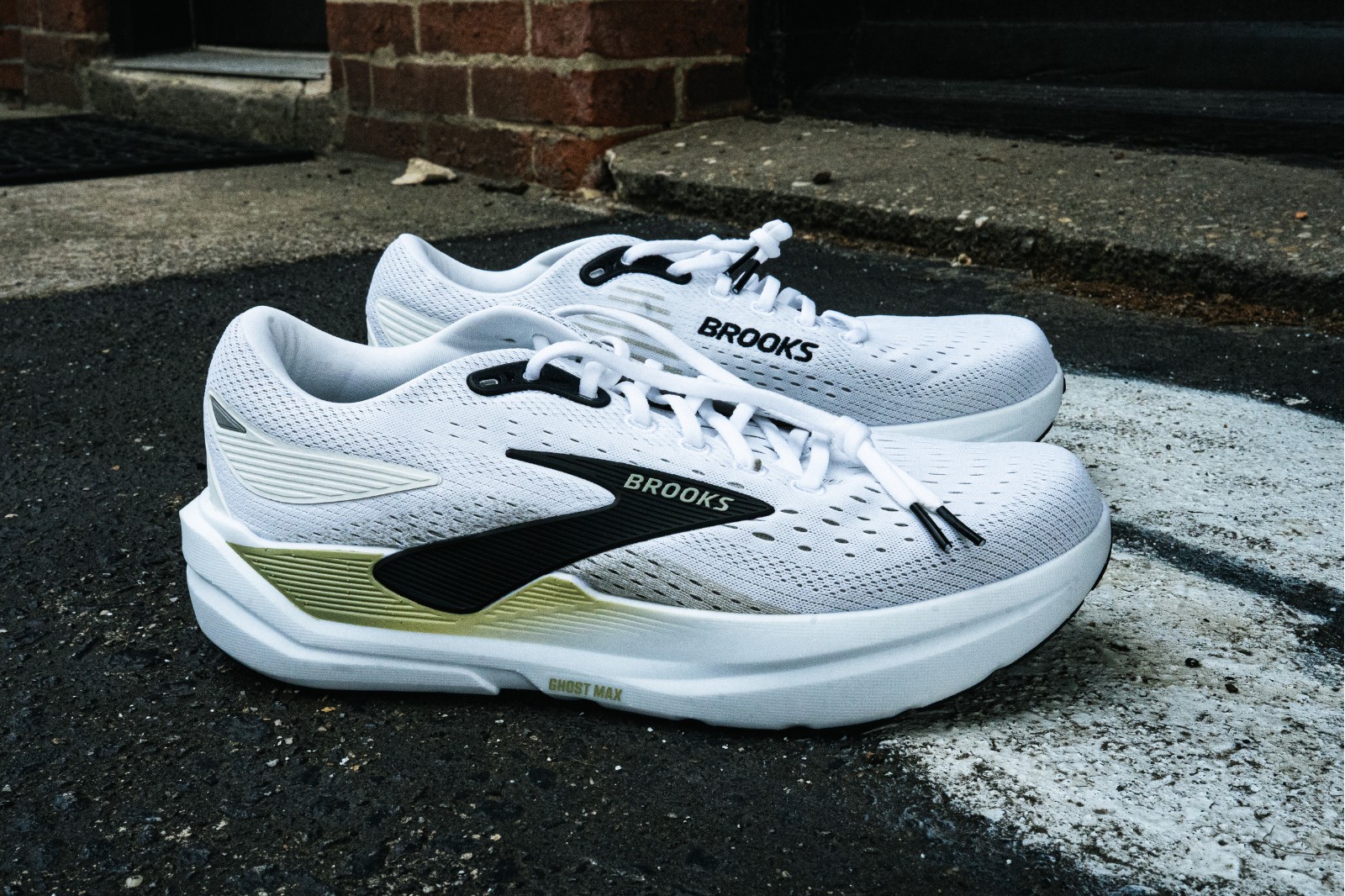
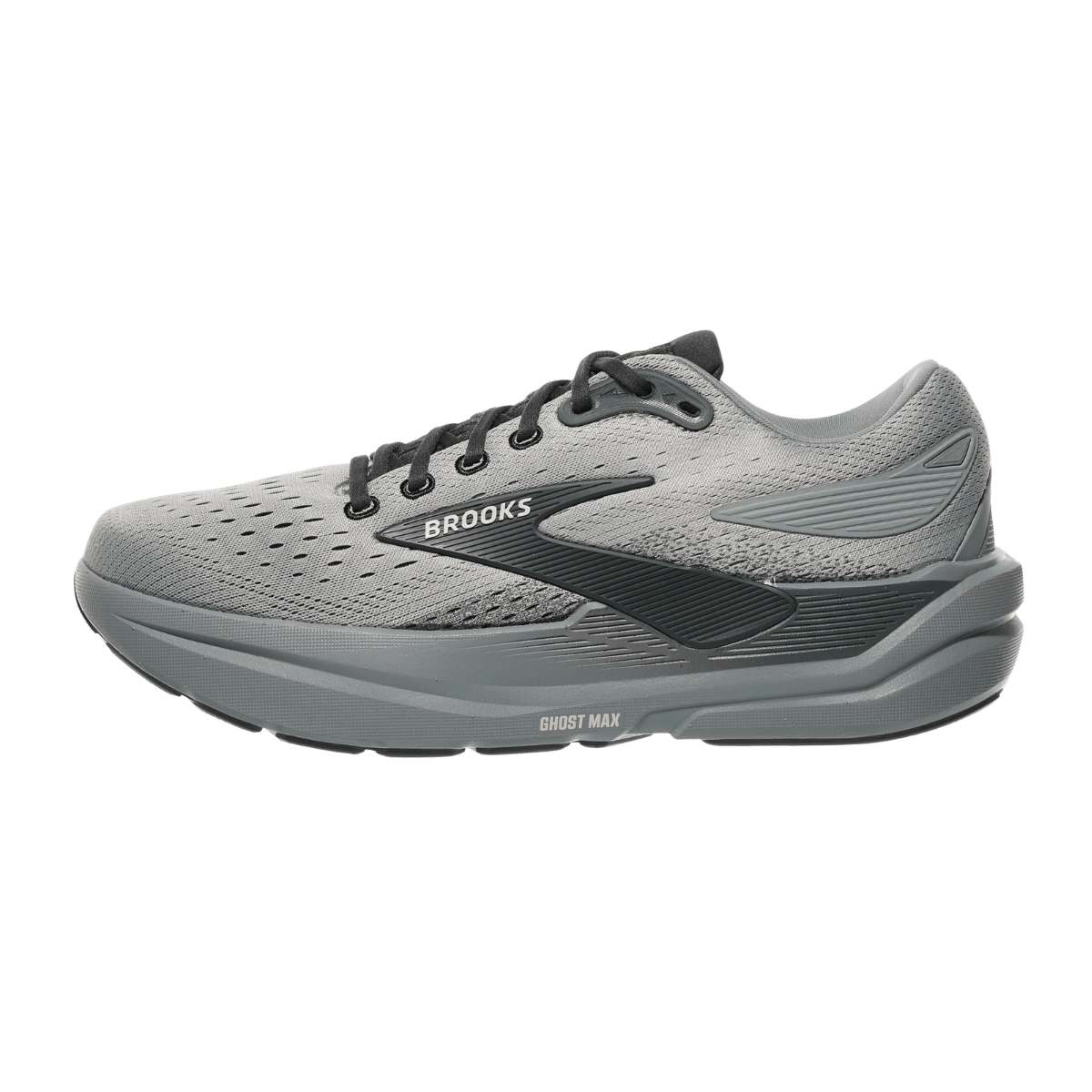
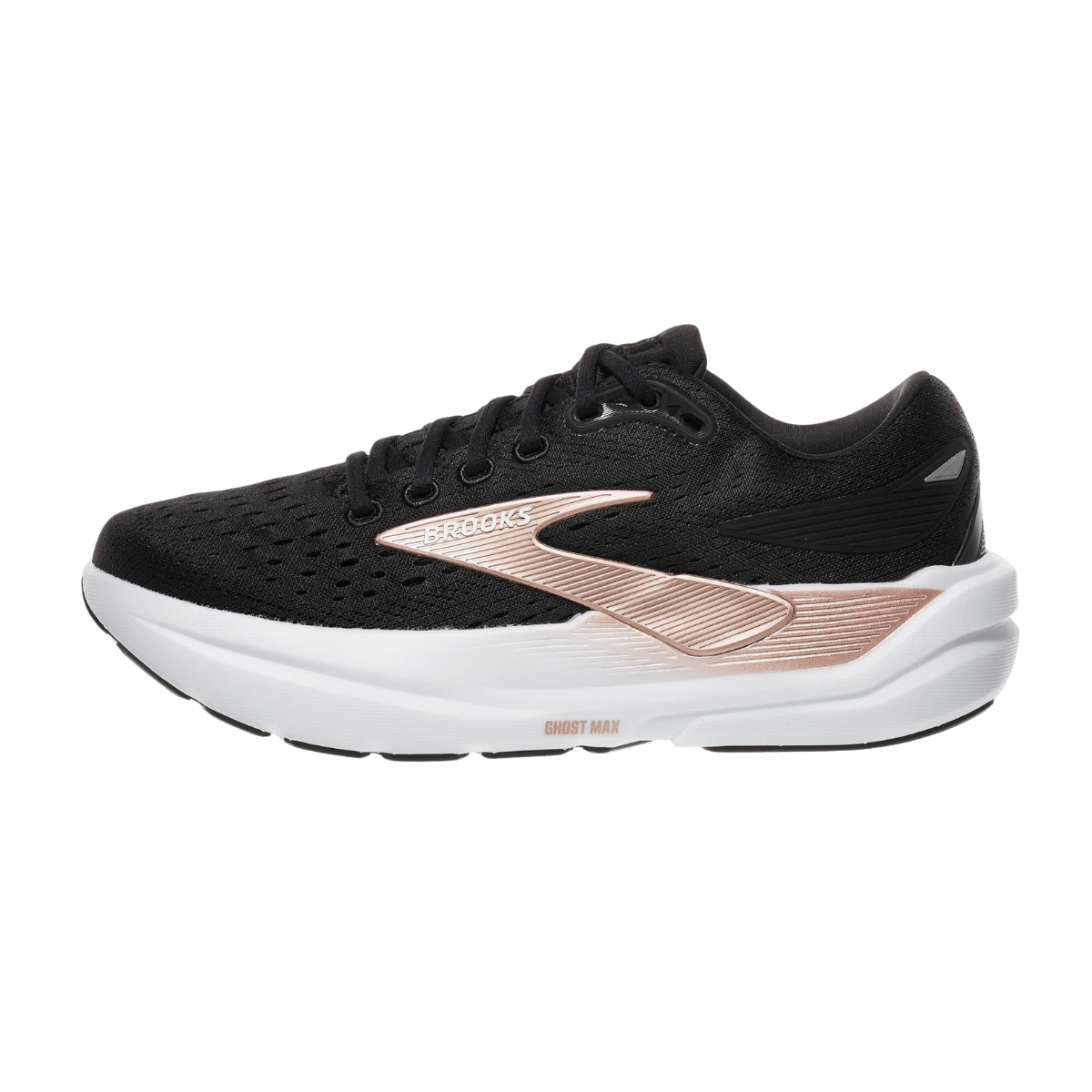
I was torn about what category to put the Brooks Ghost Max 3 in. I had previously included the Ghost Max and Ghost Max 2 as some of my favorite recovery day shoes, considering their higher stack (which is relative, because it still is only 39mm in the heel, which is high for Brooks). However, the ride of the Ghost Max 3 sort of blended the soft, cushiony feel of the OG Ghost Max and the firmer, more responsive feel of the Ghost Max 2.
So, for some people, the Ghost Max 3 might make an awesome daily trainer, and for others, it might be a bit more of a recovery day shoe, given its weight. That said, regardless of how you deploy it in your rotation, the Ghost Max 3 is a very solid shoe for bigger runners, with the GlideRoll rocker and 6mm drop for a decently smooth ride. I found it could be a little slappy at times, but that could have been just a “me” thing.
Recovery day
10.8 oz (306 g) for a US M9,
9.1 oz (258 g) for a US W7.5
44 mm heel, 40 mm forefoot (4 mm drop)
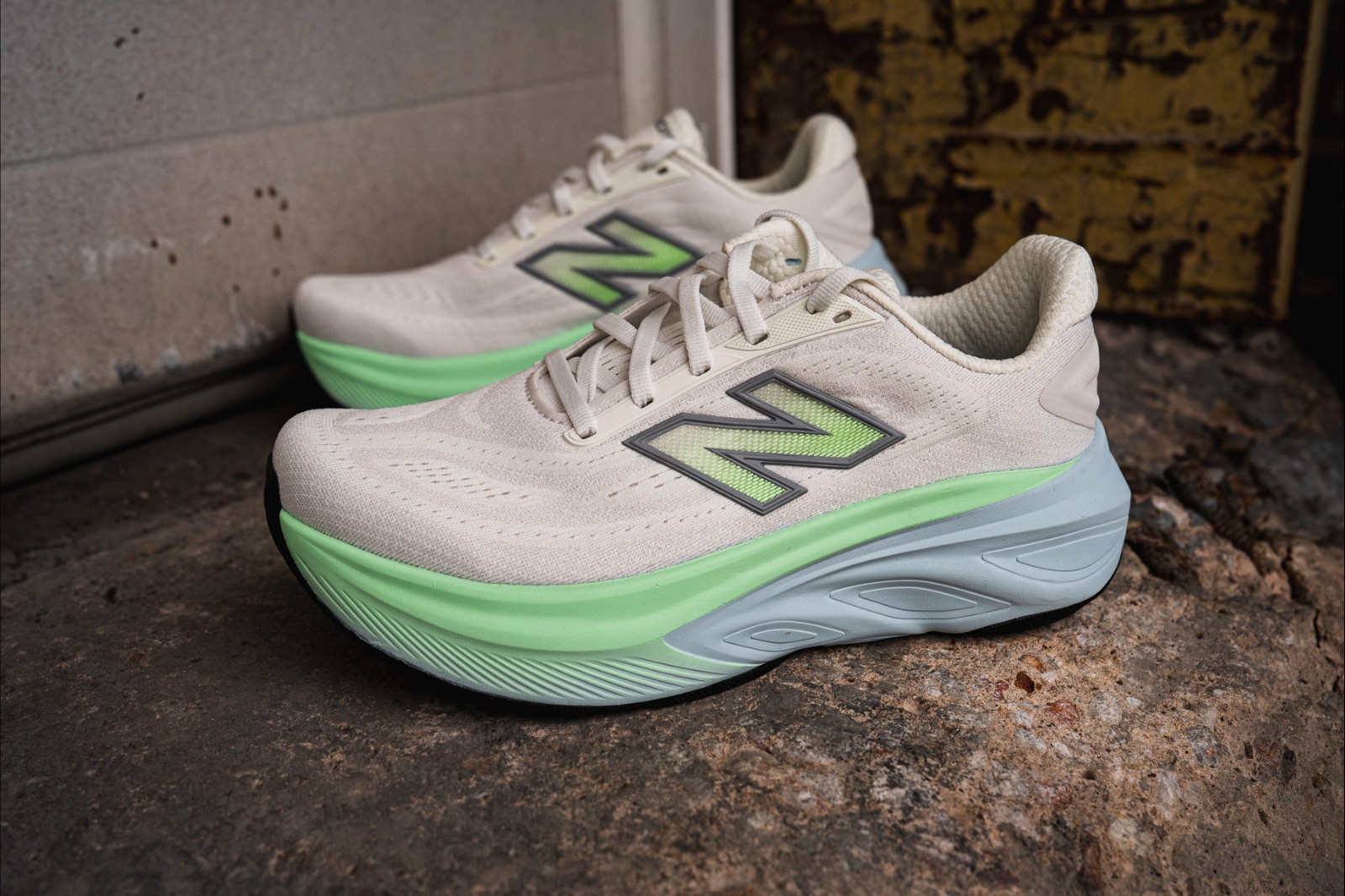
No surprise here. The New Balance Fresh Foam More v6 is a continuation of the incredible line, with the More v4 and More v5 both previously being my favorite recovery day shoes. Not much changed at all from the More v5 to v6, basically just an upper update. But if it ain’t broke, don’t fix it.
This is definitely not the shoe designed for fast-paced miles, and due to its weight and size, I would likely not take it out for double-digit runs. But for those recovery-day miles, this shoe can’t be beat, with its wide platform and the soft yet somewhat bouncy Fresh Foam X that’s also featured in the 1080 line.
Daily trainer/recovery
10.3 oz. (292 g) for a US M9,
9.2 oz. (262 g) for a US W7.5
37 mm in heel, 31 mm in forefoot (6 mm drop)
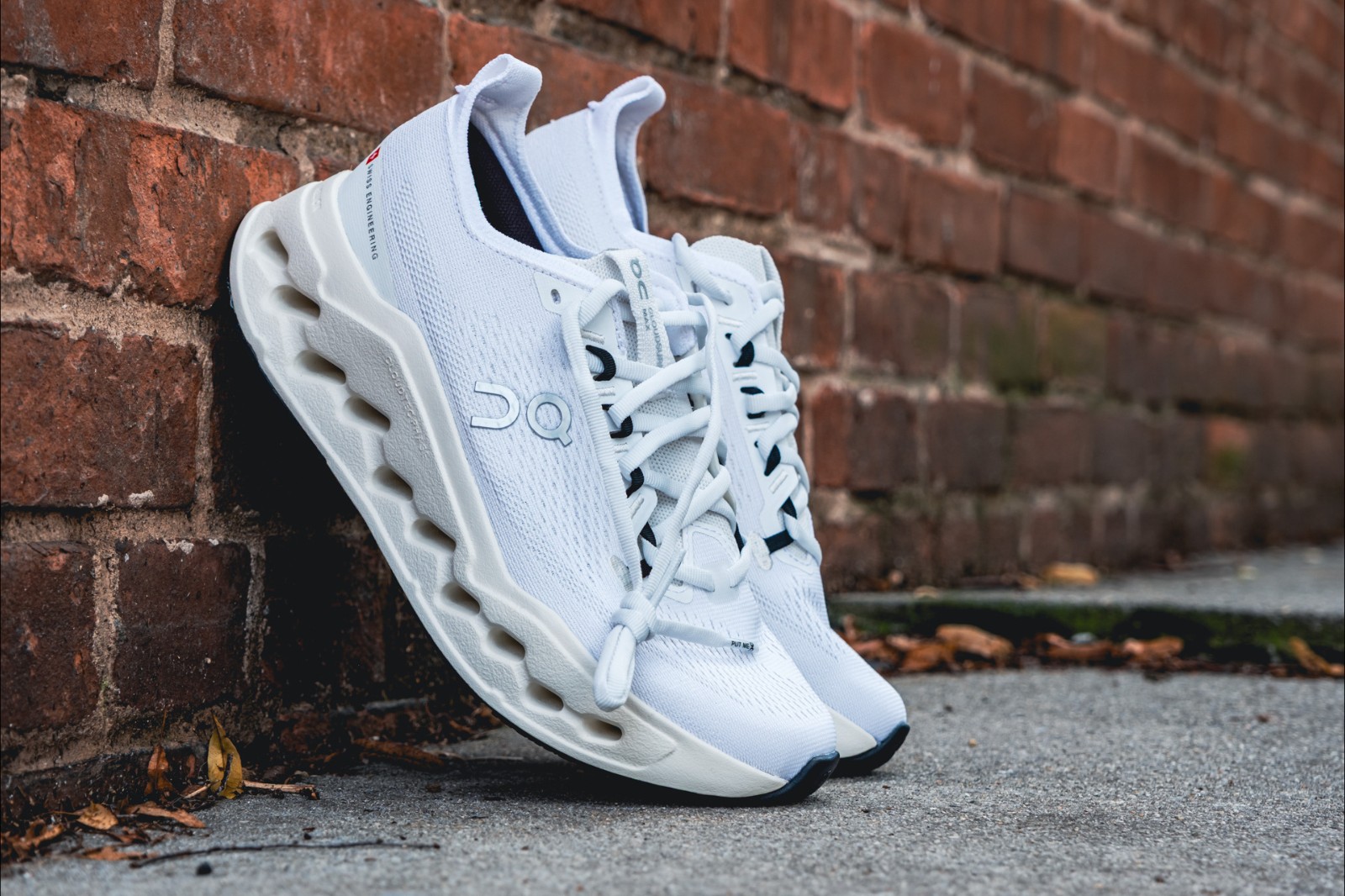
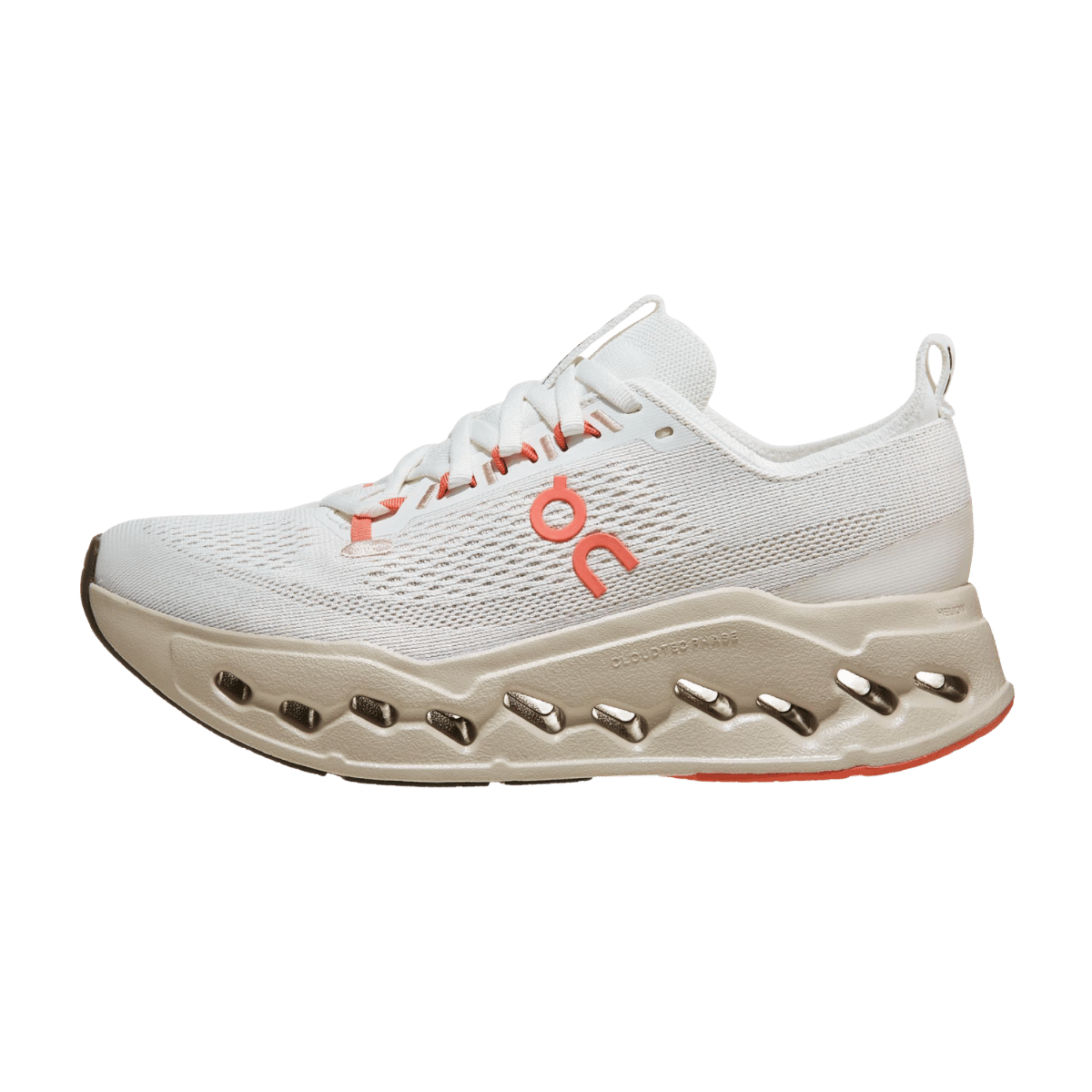
So, I appreciate that On has decided to “streamline” its lineup, even if it’s only in its naming conventions. With so many brands out there and so many darn shoes, it can be hard to keep up. On ditched the name Cloudeclipse after just one version, changing the name of its successor to the Cloudsurfer Max. However, the changes made in the two years since the original came out are more than just the name.
On somehow improved on what I thought was a great upper, by dialing in the fit a little bit and making it less baggy. They also removed the plastic speedboard on the bottom which was unnecessarily noisy, a detriment that likely was not outweighed by any torsional support it provided. The Cloudsurfer Max still isn’t as soft and squishy as a lot of the “max stack” shoes in the market; but for bigger runners, that isn’t necessarily a bad thing. The ride is smooth and the Phasetec system and Helion foam provide a nice feel underfoot. Just make sure to leave yourself enough time to get your laces tied to the properly tightness.
Daily trainer/recovery
9.7 oz (275 g) for a US M9
38 mm heel, 33 mm forefoot (5 mm drop)
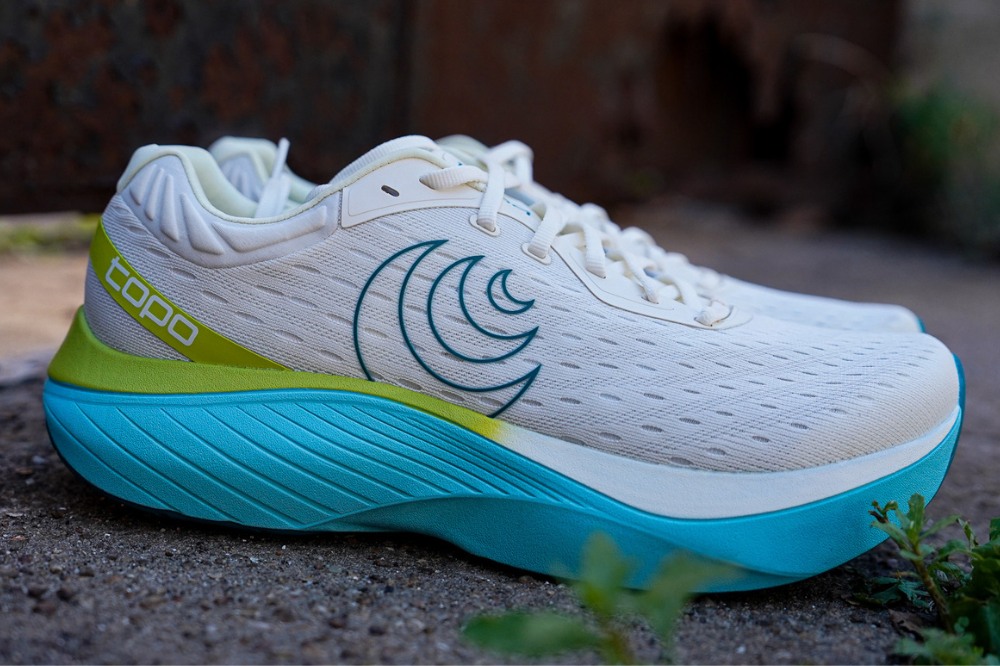
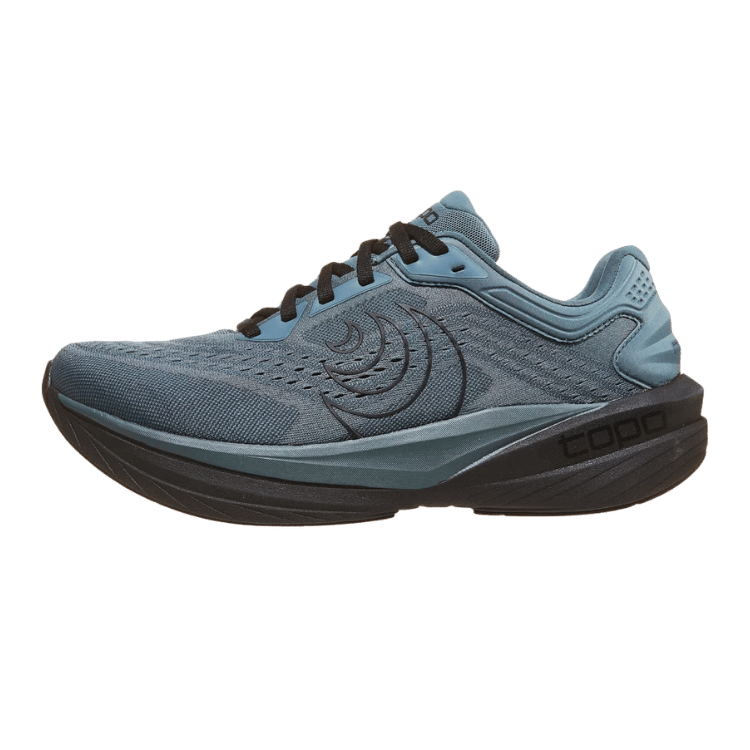
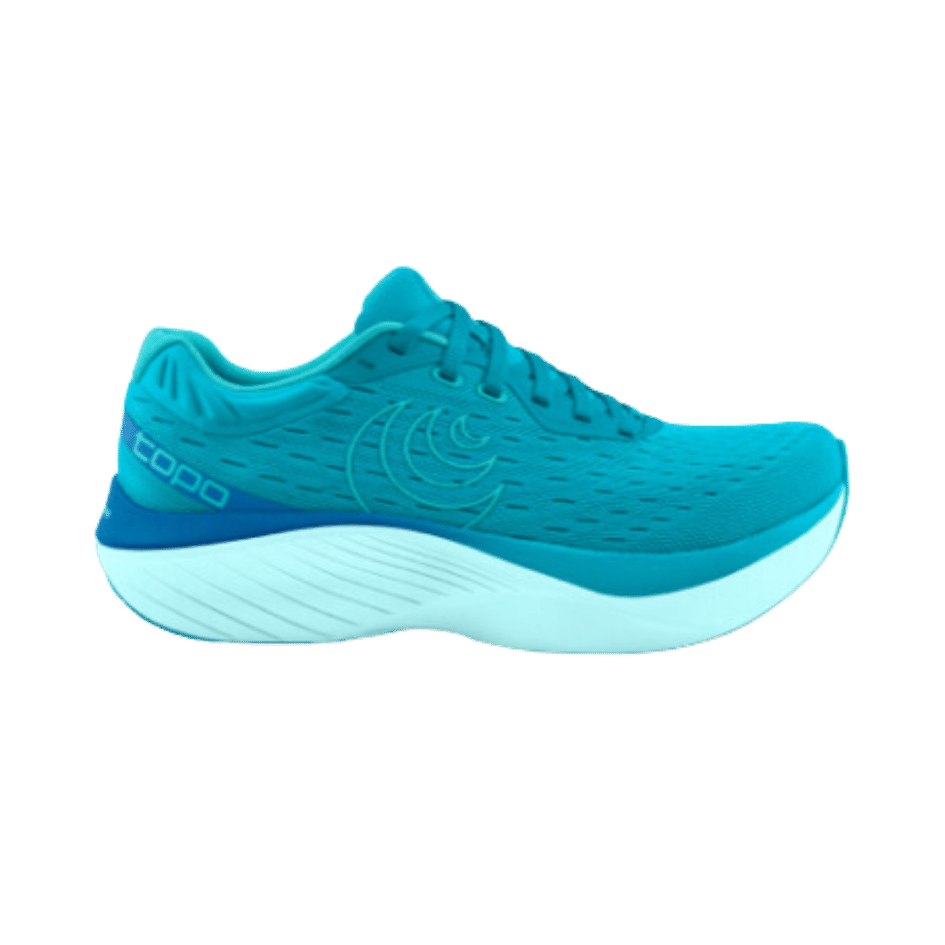
This just in: Topo Athletic makes really good running shoes. Not only that, but their shoes seem to work really well for bigger runners. I already had the Phantom 3 as one of my favorite daily trainers, but then I got in the Atmos for testing and review. I immediately fell in love with the Atmos, which is Topo’s first foray into the max cushion arena.
The rocker geometry with the 5mm drop and the soft-but-not-too-soft cushioning of the high stack of ZipFoam all combine to create a smooth and comfortable ride for slow, easy miles. Add in the wide base and anatomical toebox, you get a stable-neutral max cushioning shoe, something the running world can always use more of.
The Atmos has become my go-to recovery day shoe, with the Brooks Ghost Max coming in a close second.
$180 (April 2026)
Daily trainer
9.2 oz. (260 g) for a US M9
42 mm heel, 36 mm forefoot (6 mm drop)
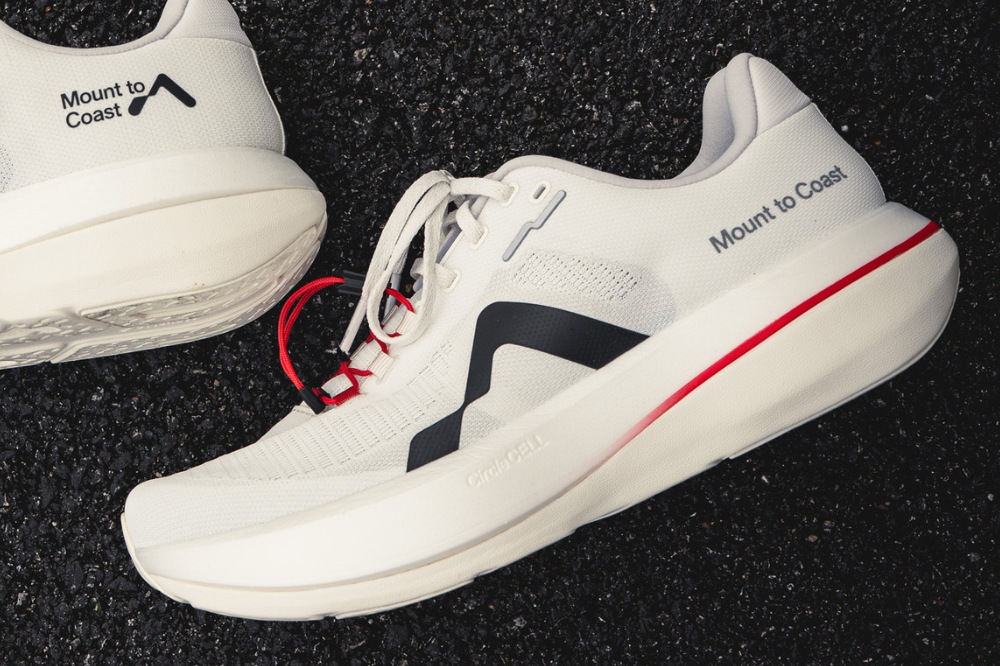
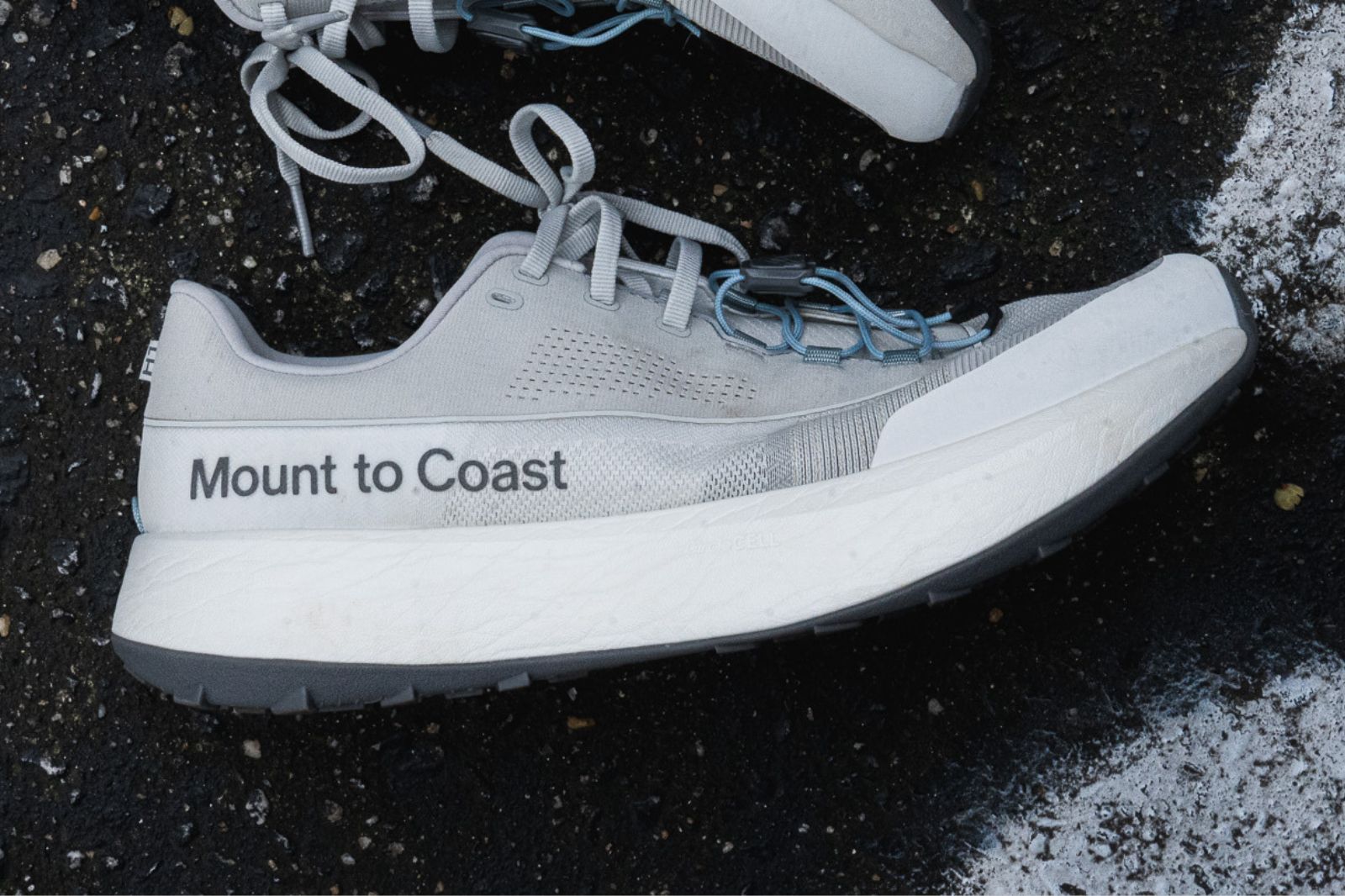
Okay, I’m just going to throw out that Mount to Coast might have had by far the greatest debut of any shoe brand. Basically, every first version of their extremely varied lineup has been an absolute banger. The R1 is one of my favorite daily trainers, and the H1 is an incredible road-to-trail or hybrid option. I was thrilled when the C1 showed up at my doorstep, because I knew I was in for a treat.
Featuring a dual density midsole of CircleCell (which is found in the H1) and a rubberized EVA underneath, the ride of the C1 reminds me so much of the Asics Superblast 2, my favorite shoe of all time. It has a bit more pop from the livelier CircleCell foam than the Superblast 2 and the rocker is more pronounced, the upper is more comfortable and the fit is more accommodating (especially in the toe box), and it can truly be dialed in with Mount to Coast’s TunedFit dual lacing system. Plus, the white and black colorway with the pop of red in the lacing system? Simple and clean design that is a treat to the eye.
Shop Mount to CoastDaily training, recovery
10.1 oz. (286 g) for a US M9 / W10.5
50 mm heel, 43 mm forefoot (7 mm drop)
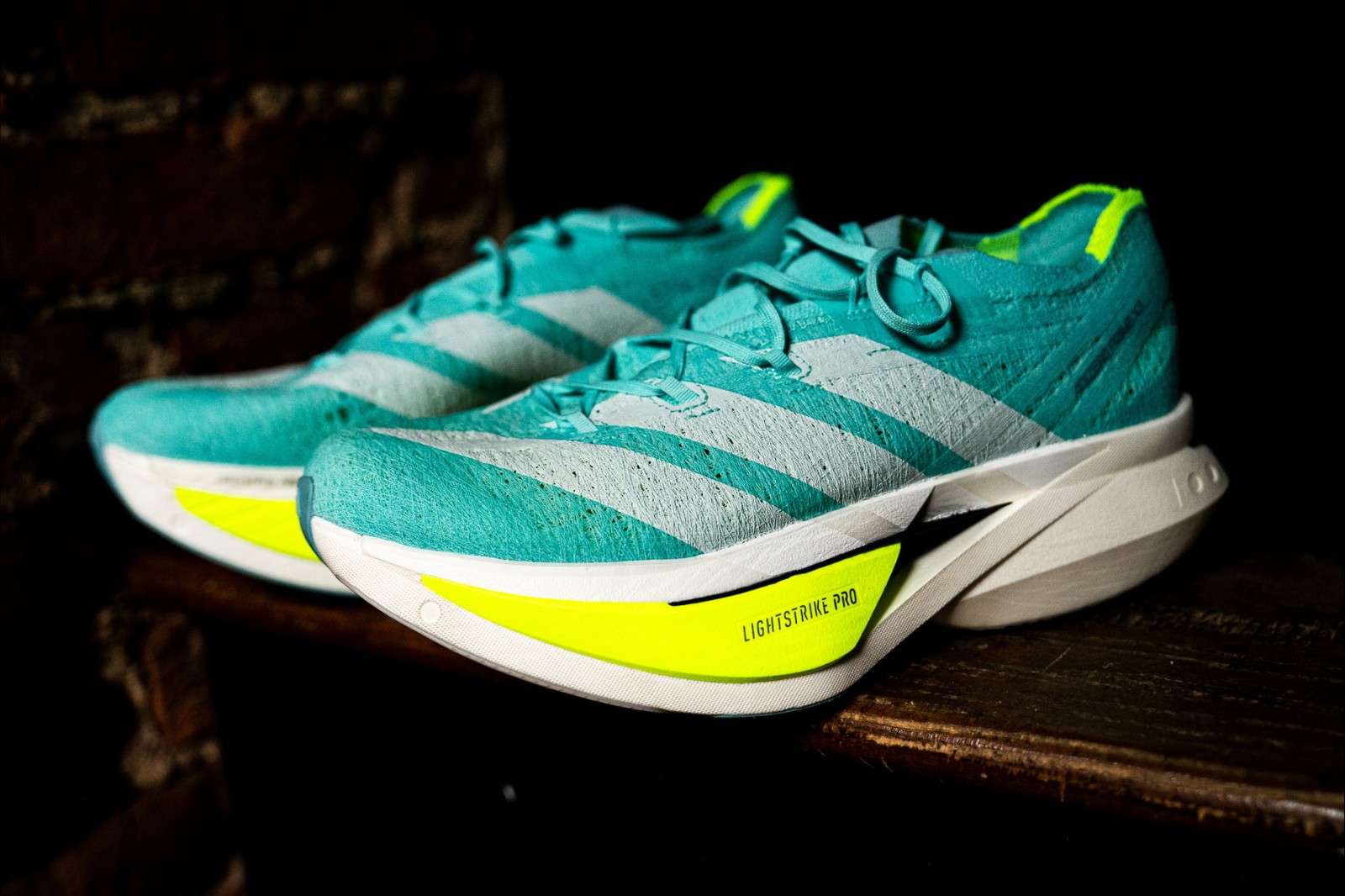
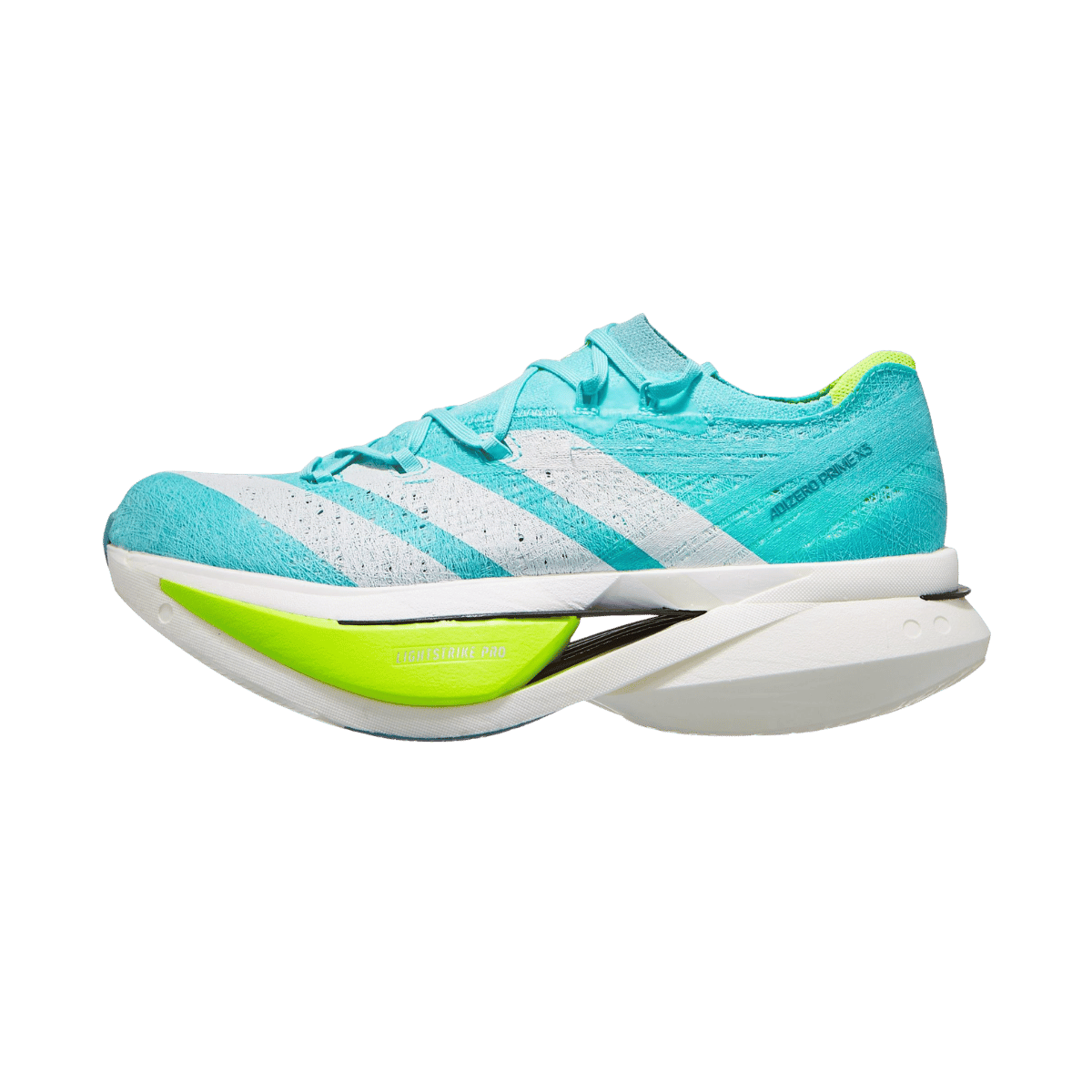
There was definitely a schism in Believe in the Run last year, caused by the Adidas Adizero Prime X2 Strung. Bigger runners like me and, I believe, Wide Foot Jarrett loved the shoe. I think it comes from a higher likelihood that we could compress the slightly firmer Lightstrike Pro midsole foam and the double plates. Truth be told, the same may happen with the Prime X3 Strung, despite the several changes that Adidas made. First, there are three different densities of Lightstrike Pro foam, going from softest underfoot to firmer near the outsole. The shoe shed some weight by creating a midsole cutout in the midfoot, and swapped one of the plates for Energy Rods 2.0.
I did 13 miles in this shoe for my second run in them, and my legs felt great that same day and the next. My only issue is the harsh laces with no protection for the top of the foot, which led to some lace bite issues. That was easily remedied by a $10 purchase of some stretchier, less harsh laces. Going from the double plates to a plate and rods also made the underfoot feel a bit more forgiving.
Literally anything
8.8 oz. (251 g) for a US M10,
7.4 oz. (210 g) for a US W7.5
45 mm heel, 37 mm forefoot (8 mm drop)
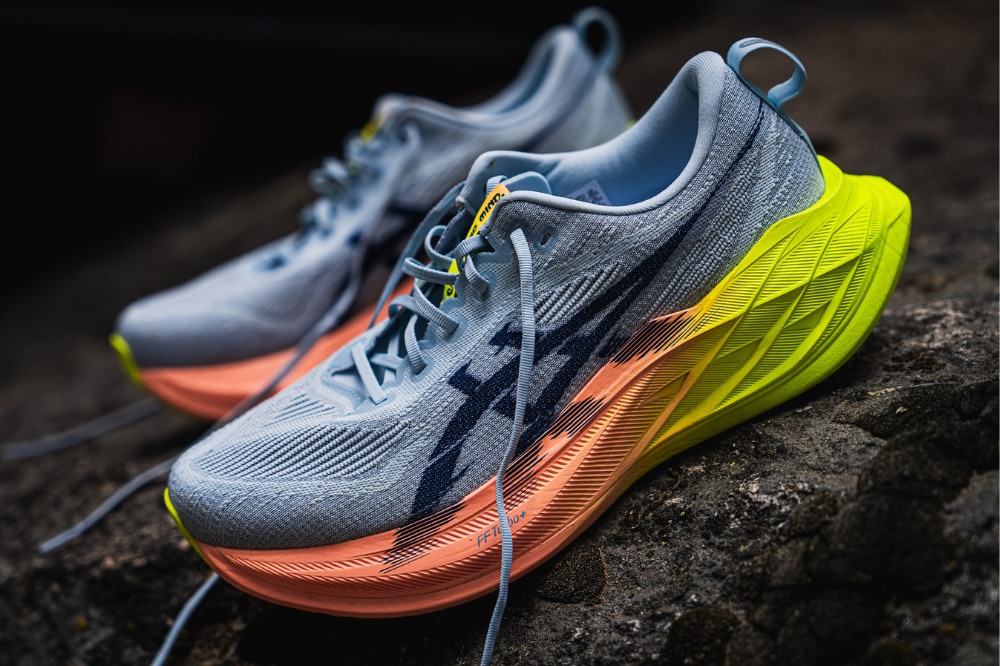
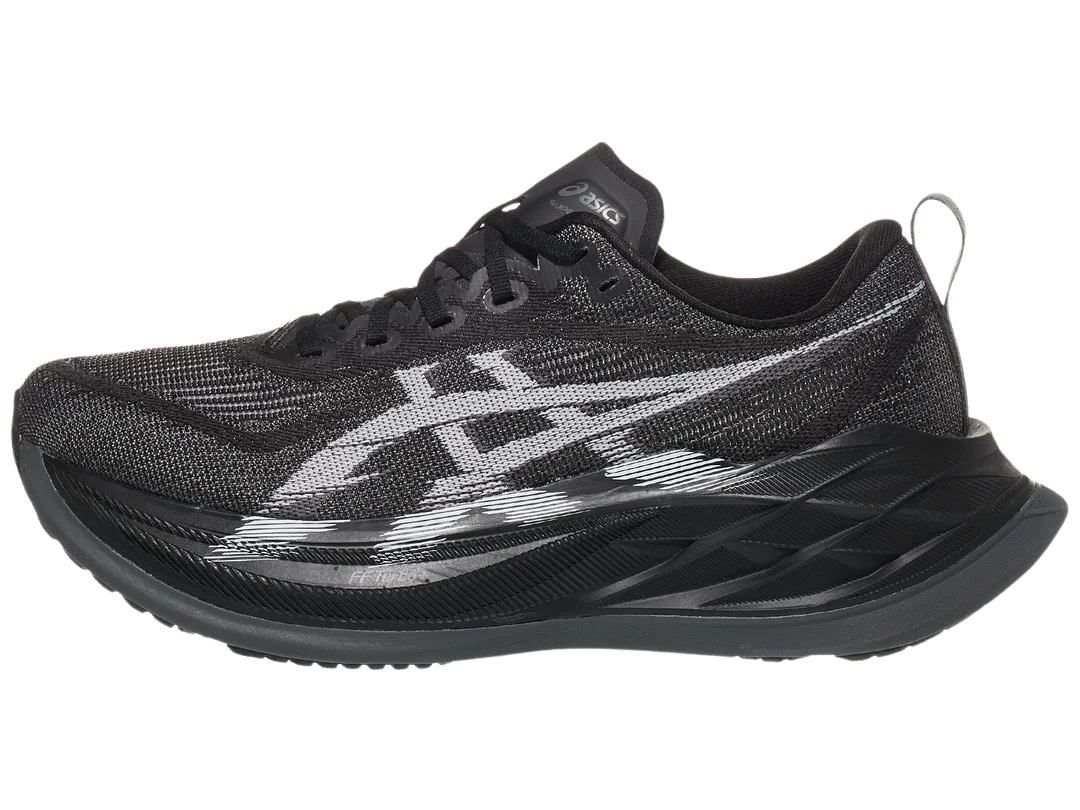
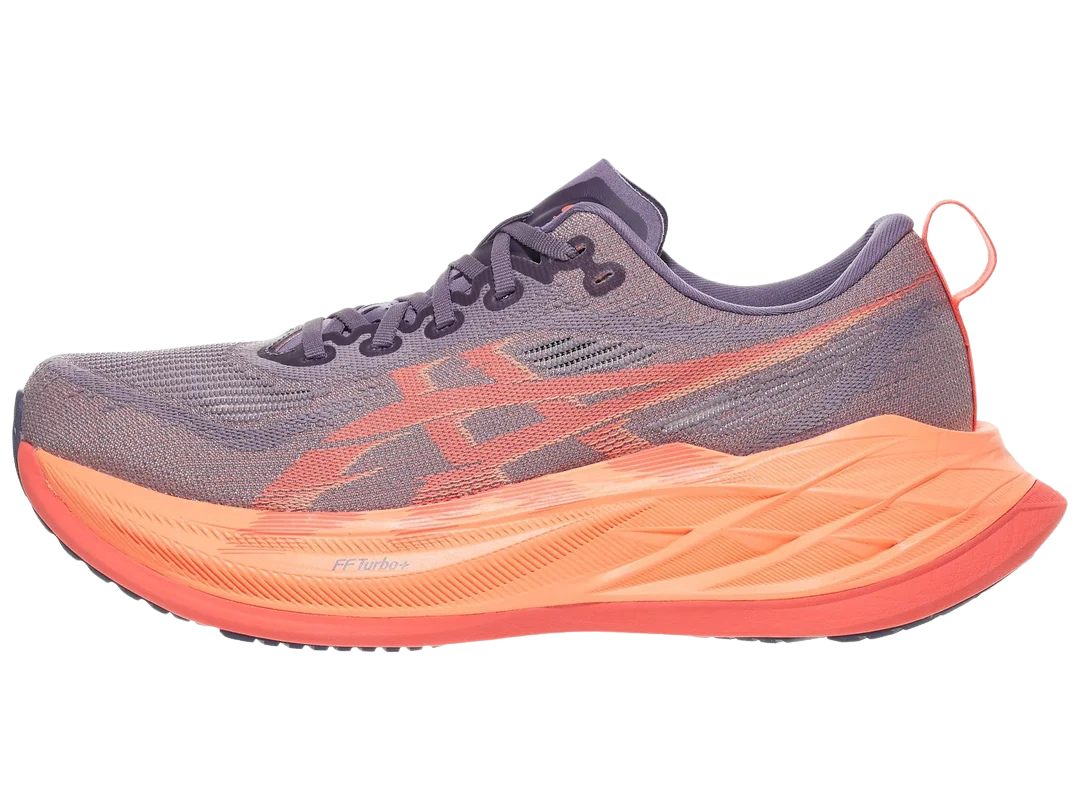
If it ain’t broke, don’t fix it. Boy, did Asics take that phrase to heart with the Superblast 2! Unfortunately I was not able to get a pair of the shoes during the initial drop for review so I missed out on the epic Paris colorway. However, Asics was able to send me a pair of the light gray and light blue version when that was ready for the public. The Superblast 2 is as good, if not better, than the original. The original Superblast was my favorite shoe of all-time; last year, I ran a 44-minute marathon PR in the shoe. The upper is a bit more comfortable in the v2 and there is absolutely zero break-in period. The shoes felt out of the box like what the originals did after 25-30 miles.
One change from v1 to v2 is that they shortened the shoe a bit to bring the sizing more in line with other Asics models. For example, I normally wear a 12 in Asics, but got the original in a size 11.5. My pair of the Superblast 2 is also an 11.5 and my toes have slightly less room; not so tight that it’s a problem, but just something to consider. That said, don’t be surprised to hear soon that my favorite shoe of all time goes from being the Superblast to the Superblast 2 in short order.
Daily trainer
9.2 oz. (260 g) for a US M9
7.8 oz (221 g) for a US W7.5
44.5 mm heel, 36.5 mm forefoot (8 mm drop)
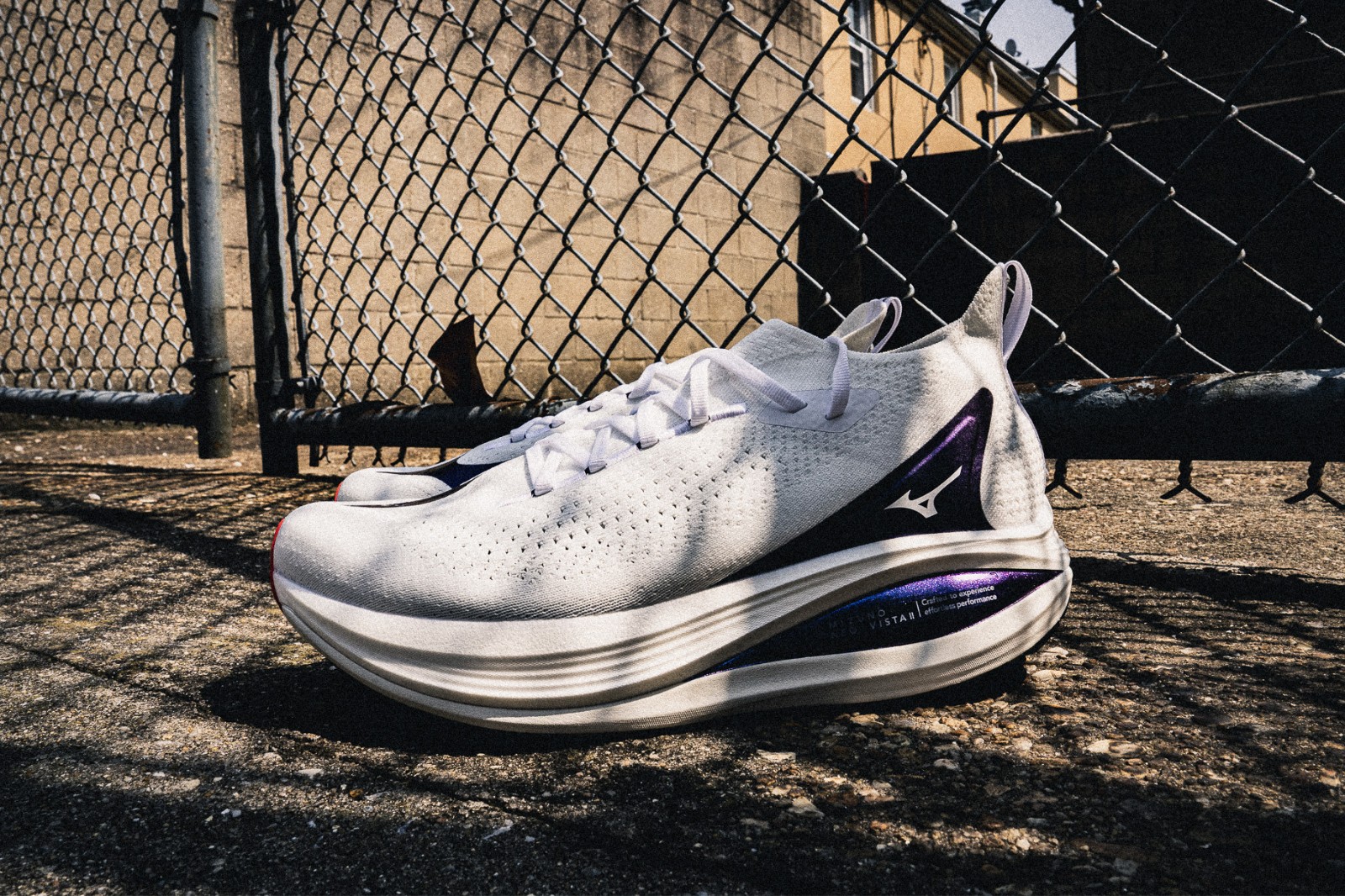
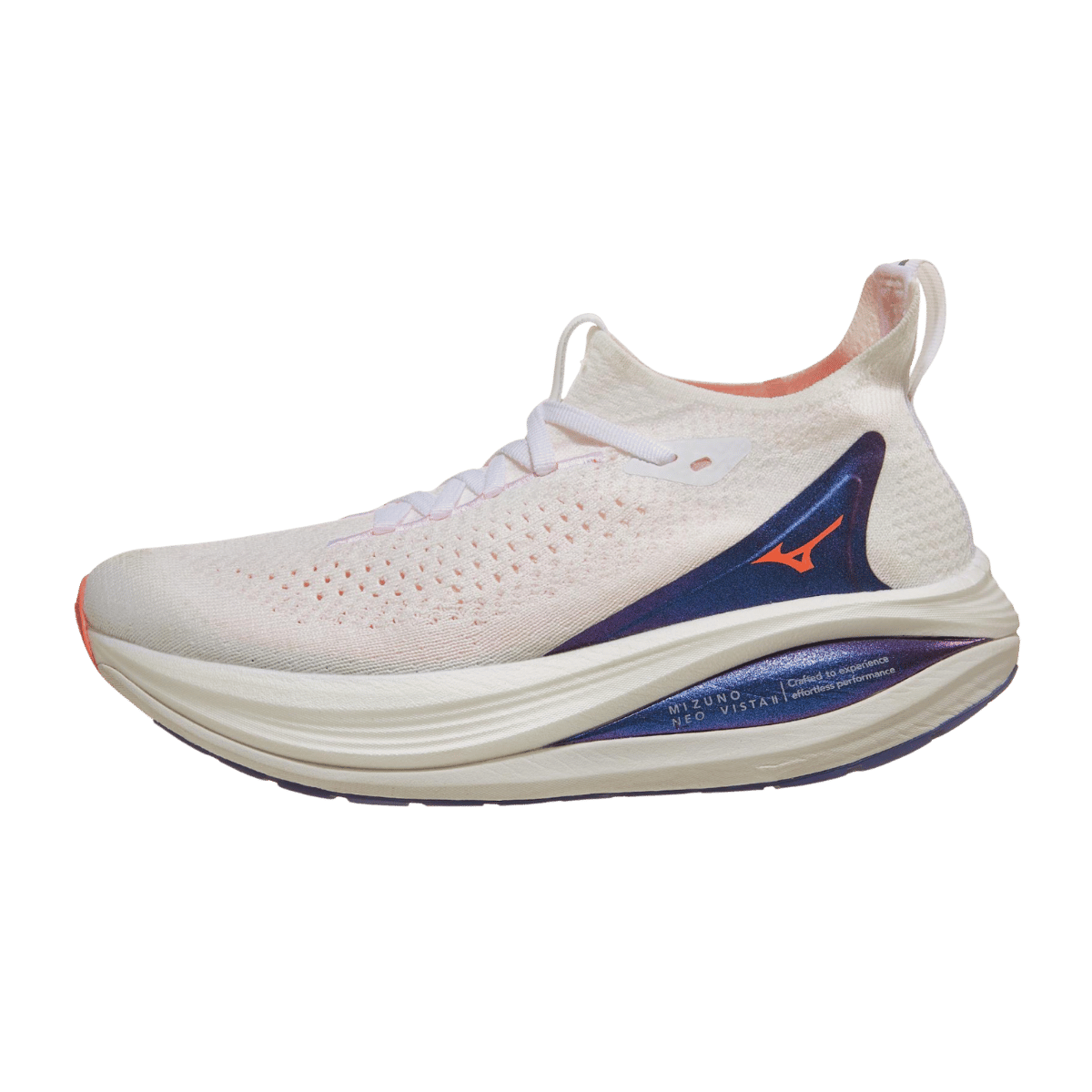
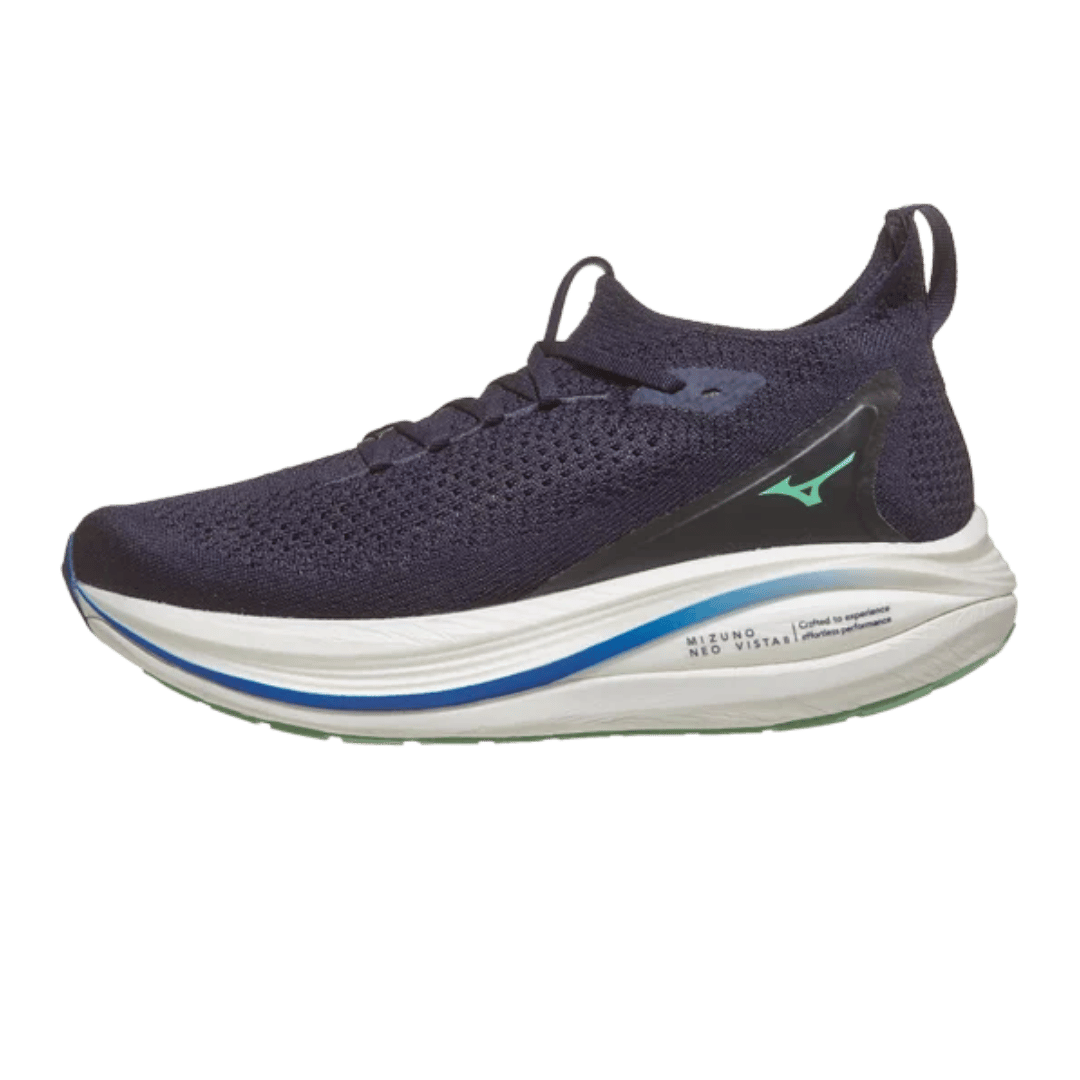
Hands down, the Mizuno Neo Vista 2 is going to earn a podium spot for best looking shoe of 2025. But aesthetics aside, the shoe performs as good as it looks, which is really saying something! Bootyknit uppers are always so hit or miss, but Mizuno hit an absolute grand slam with the Neo Vista 2. The upper hugs the foot well and keeps you over the high stack of dual-density Enerzy NXT foam which is bouncy AF. Add in a glass fiber plate and Mizuno’s rocker that they called Smooth Speed Assist, and the Neo Vista 2 has anything I could want in a super-trainer, and more.
This is another shoe that made what it seems like were small changes but the changes were all upgrades and were in fact significant. However, those upgrades come with one unpleasant change, and that is an increase in price to $200.
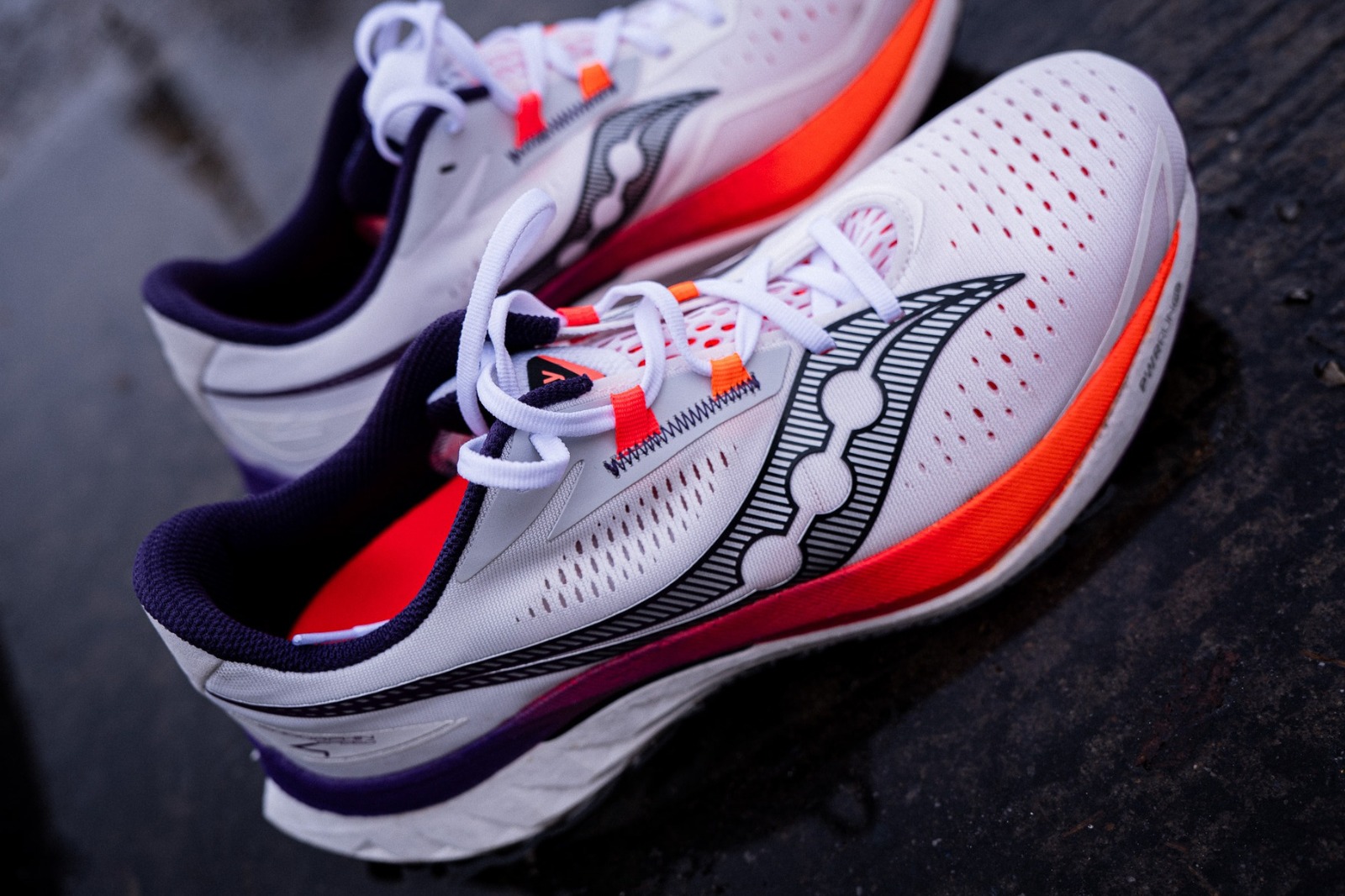
Daily training, tempo runs, budget race day
8.2 oz. for US M9,
7.2 oz. for US W7.5
36 mm heel, 28 mm forefoot (8 mm drop)
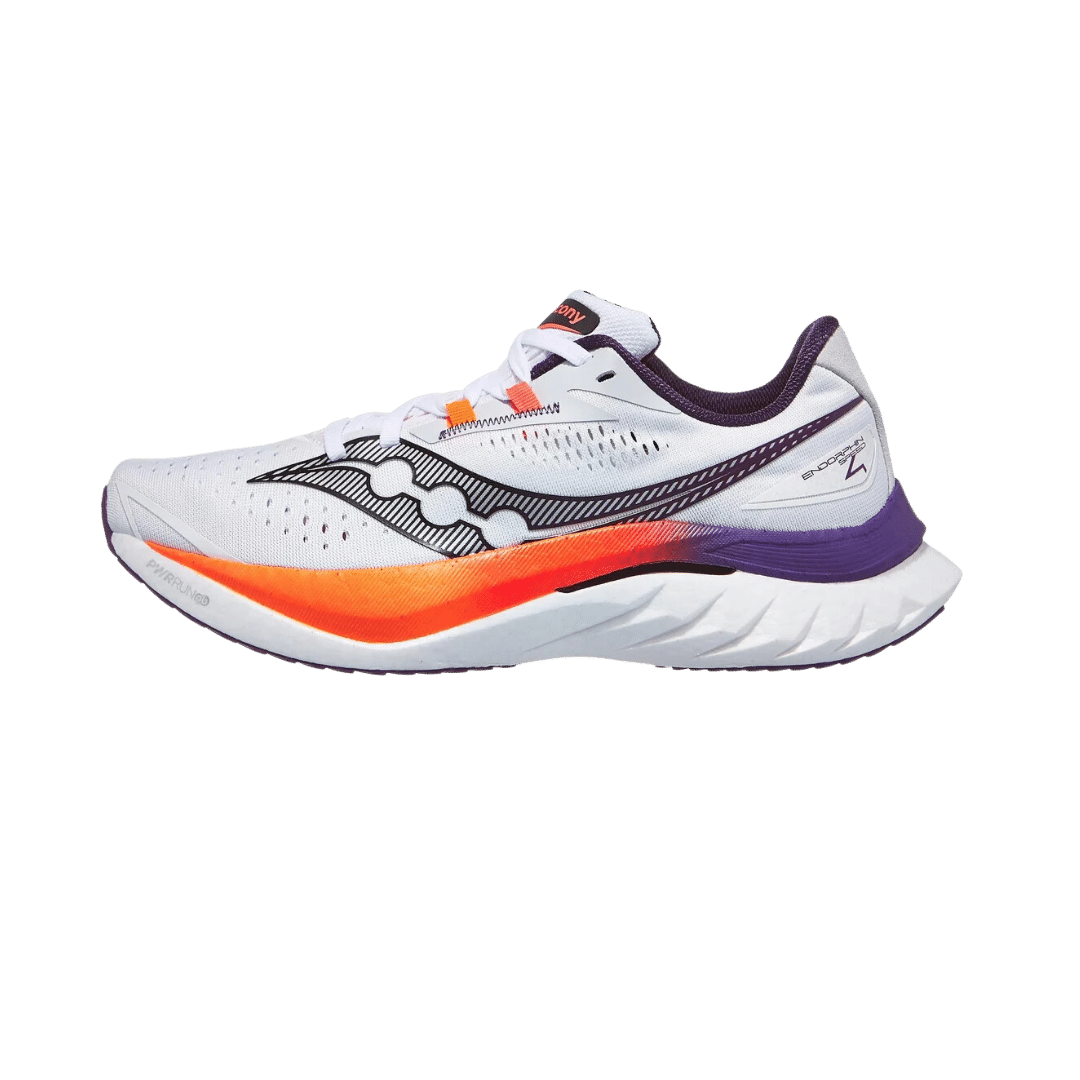
The magic is back baby! The Saucony Endorphin Speed 2 was and continues to be one of my favorite feeling speedwork/tempo day shoes. It was bouncy and snappy and a joy to run in, albeit not that stable. Saucony improved the stability in the Endorphin Speed 3, but reports were that it wasn’t as fast and snappy and was trending more towards being an every day trainer. Well, I’m pleased to report that for the Speed 4 Saucony combined all of the best parts of the Speed 2 (bouncy, snappy) and the Speed 3 (stable, comfortable), added in some new features (SRS sockliner, integrated tongue), and did an awesome job in the looks department.
The Speed 4 is one of those shoes that can handle whatever you throw at it. During my workouts, I felt comfortable running at slower paces during warm up and cool down miles and during the active recovery part of intervals. I felt fast and like the shoe was giving me back what I was putting into it during tempo portions of the run. For someone who wanted to try out plated shoes for racing but not jump directly to carbon plates, the Speed 4 would be a fantastic option.
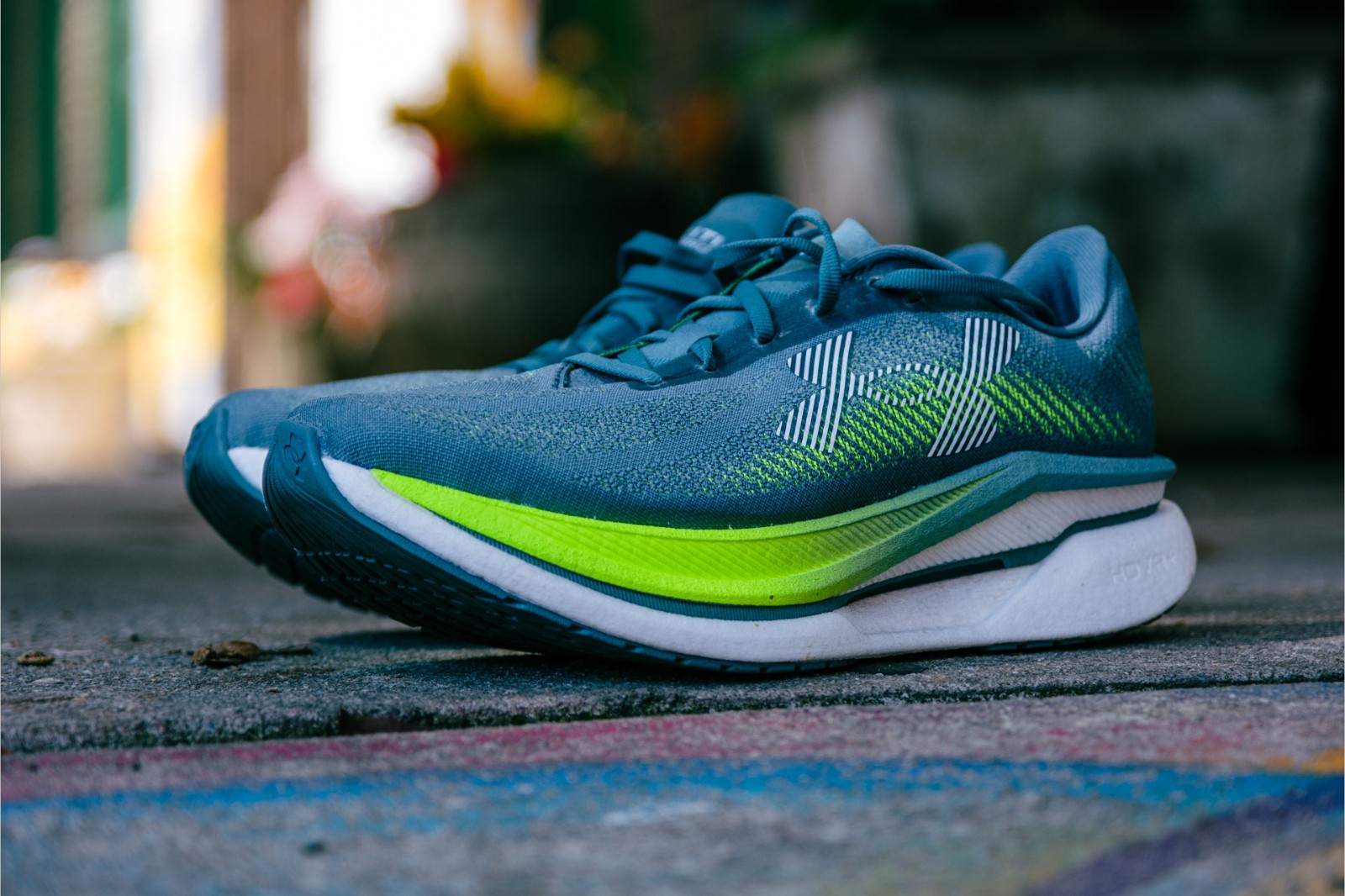
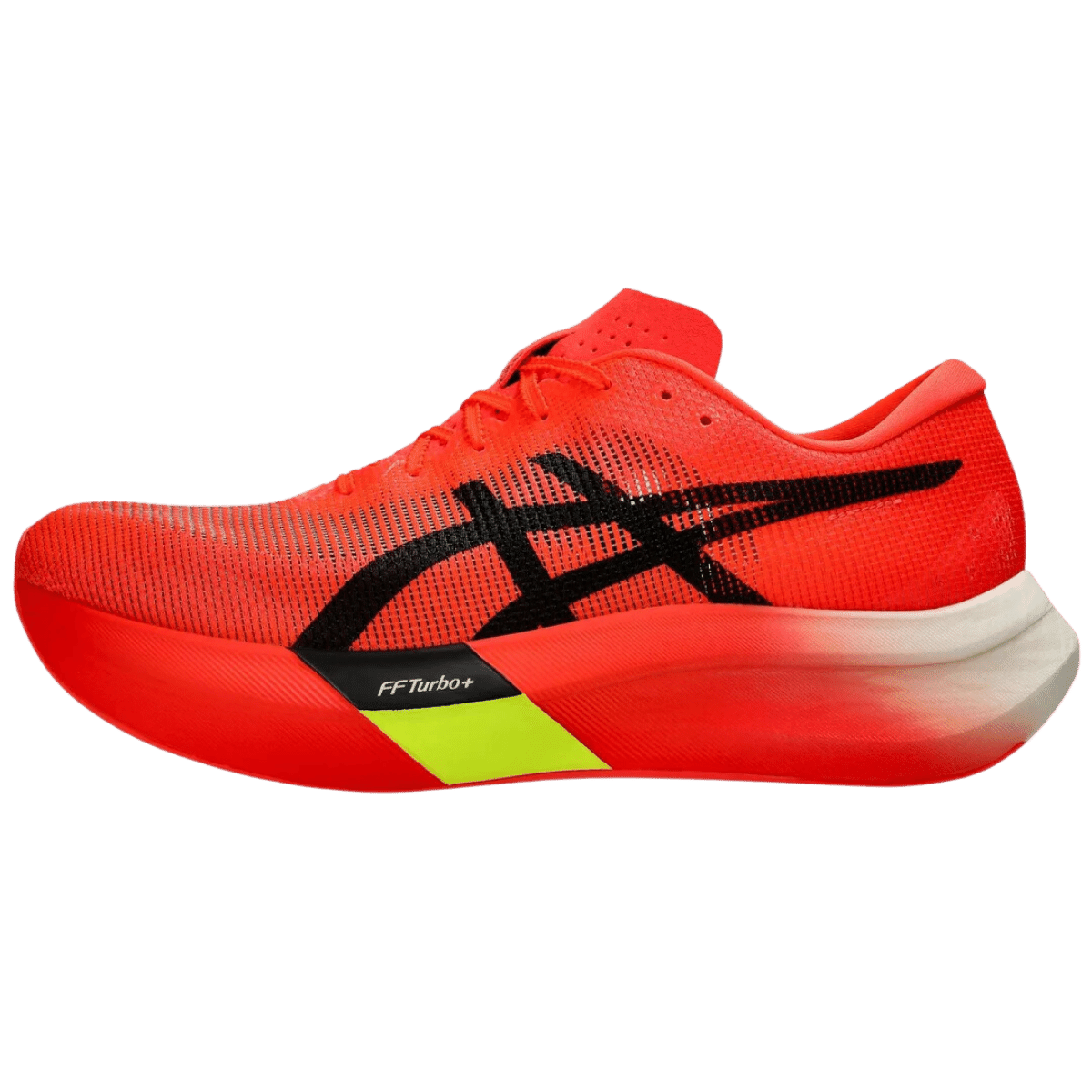
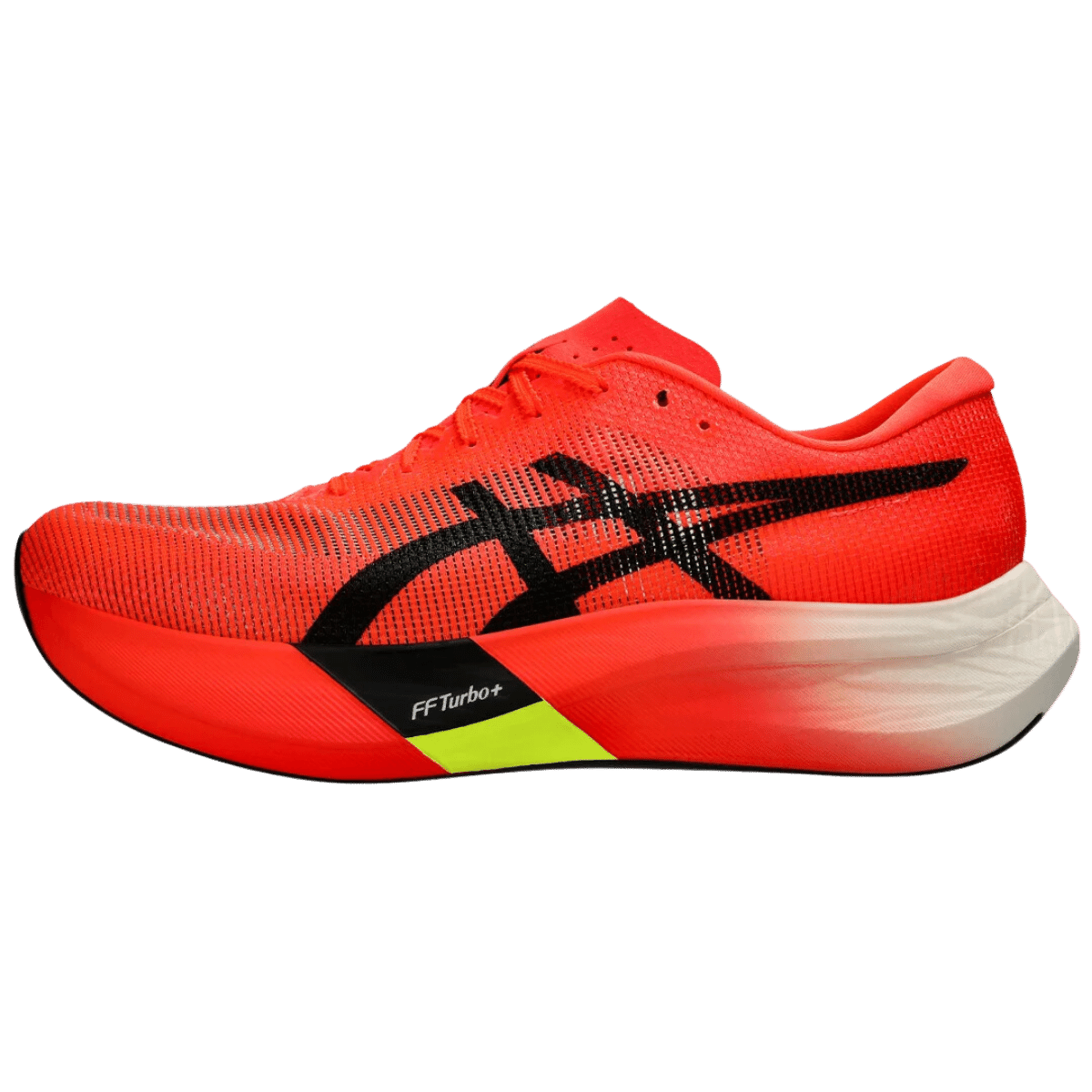
Race day
6.4 oz. (181 g) for a US M9 (unisex)
39.5 mm in heel, 34.5 mm in forefoot (5 mm drop)
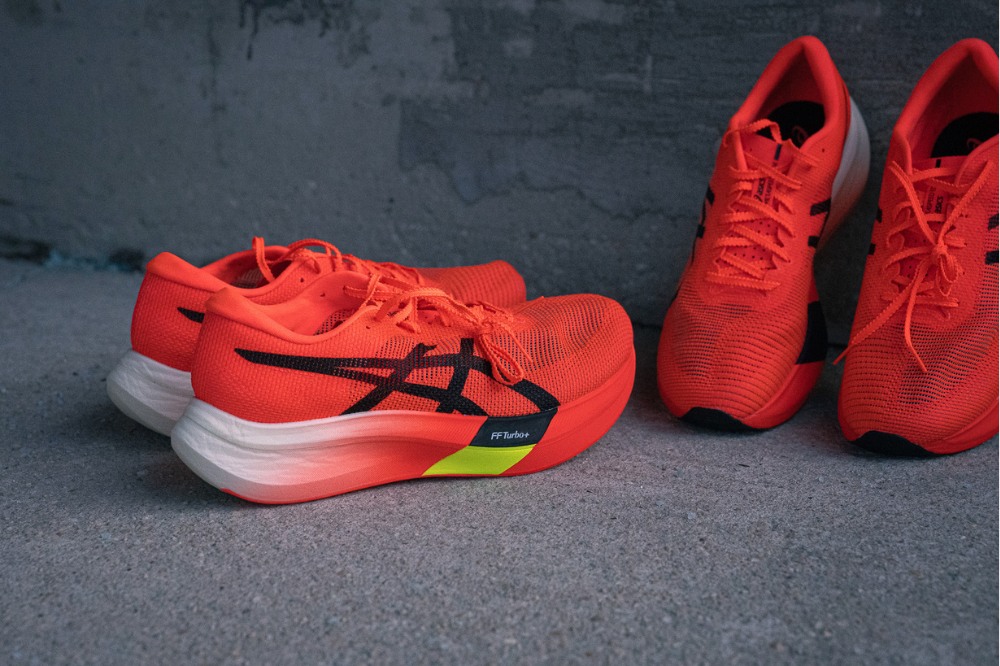
CHAD (SKY PARIS): When the Asics Metaspeed Sky Paris showed up at my door, I could have sworn that Asics had accidentally sent a box with only one shoe in it, because the package was by far the lightest I had ever picked up. The only shoe I ever felt that is lighter was when Thomas let me hold one of his Adidas Adizero Adios Evo Pro 1. The light weight was even more apparent when on the foot; with such a light mesh upper, it almost felt like there was nothing on my feet at all.
Turnover in the Metaspeed Sky Paris was as easy as could be. I laced these up for the Cherry Blossom 10-miler, and couldn’t believe the paces I was able to hit early in the race and towards the end when the fatigue sets in. It’s not the most stable race day offering, but the bounce from the foam and snappiness of the ride make up for it. But this is just my thoughts on the Sky Paris; Jon Ober is going to hit you with details on the Edge Paris.
JON (EDGE PARIS): As Chad mentioned, this is an incredibly light shoe. I was impressed Asics somehow managed to cut some weight and do more with even less. Admittedly, I was a little nervous about how light these were. A combination of my size and tendency to drag my feet is not a good combination for light super shoes, forcing them to wear down faster and forcing me to retire them way sooner than my peers. Will this be an edge case? (See what I did there?) Let’s find out.
The fit is near perfect. The upper wraps around my foot comfortably and barely feels like it’s there. My only complaint is that the tongue is flimsy and requires extra attention lacing up. Thankfully it stays in place.
I was most interested in how the ride differed from the Sky. After dealing with some hip and back injuries last year, I have made an effort to be more conscious with cadence. Since the geometry of this shoe encourages you to naturally propel forward and is for people who run with higher cadence, I figured this was a perfect fit for how I have been running lately.
It delivered and I was able to nail some key workouts effortlessly. I found myself running at a high cadence naturally instead of staring at my watch nonstop. The midsole is bouncy on liftoff and the absorbed impact great! That said, I found myself getting tired after about 10 miles.The extra forefoot cushioning in the forefoot only did so much. I would reserve these for distances that are half marathon or less. My initial fear that these shoes would get at early retirement were eased as there was minimal wear after testing them.I can tell these will last a long time.
Race day
8.9 oz. (252 g) for a US M9
37 mm in heel, 29 mm in forefoot (8 mm drop)
Yep, you read that right, Under Armour. I wouldn’t have believed it either, but then I ran in the Velociti Pro 2, and I was convinced, it was a fantastic tempo day or speed work shoe. It reminds me a lot of the Saucony Endorphin Speed 4, once of my favorite shoes of all time. In fact, I even like the fit of the upper more, even though it runs a bit long and the laces are also way too long. Once you get up to the pace you want to run in this shoe, the turnover is just so easy with the HTPU midsole foam and the nice toe spring. This could be a sign of good things to come from Under Armour!
Shop The Shoe - Unisex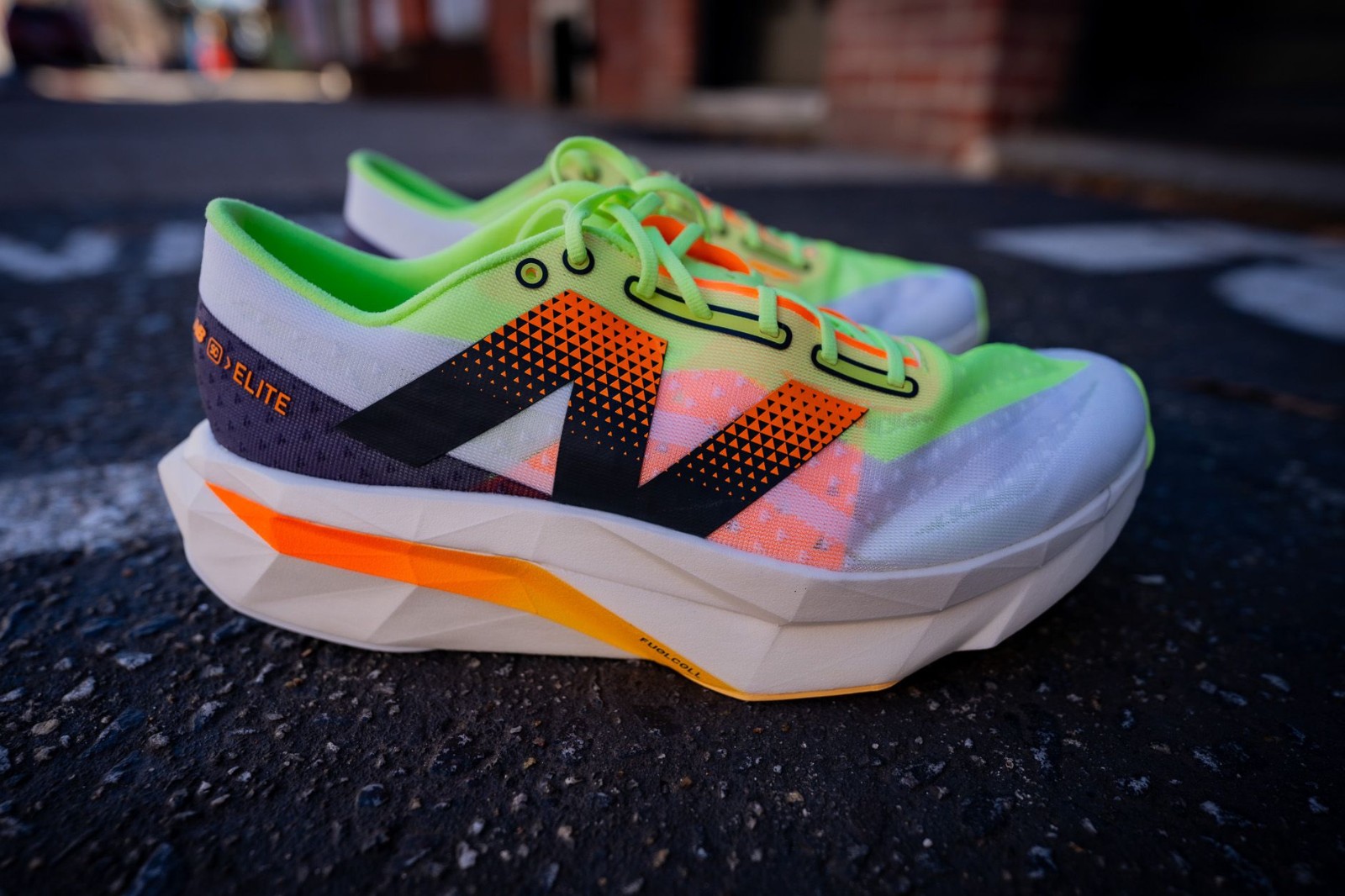
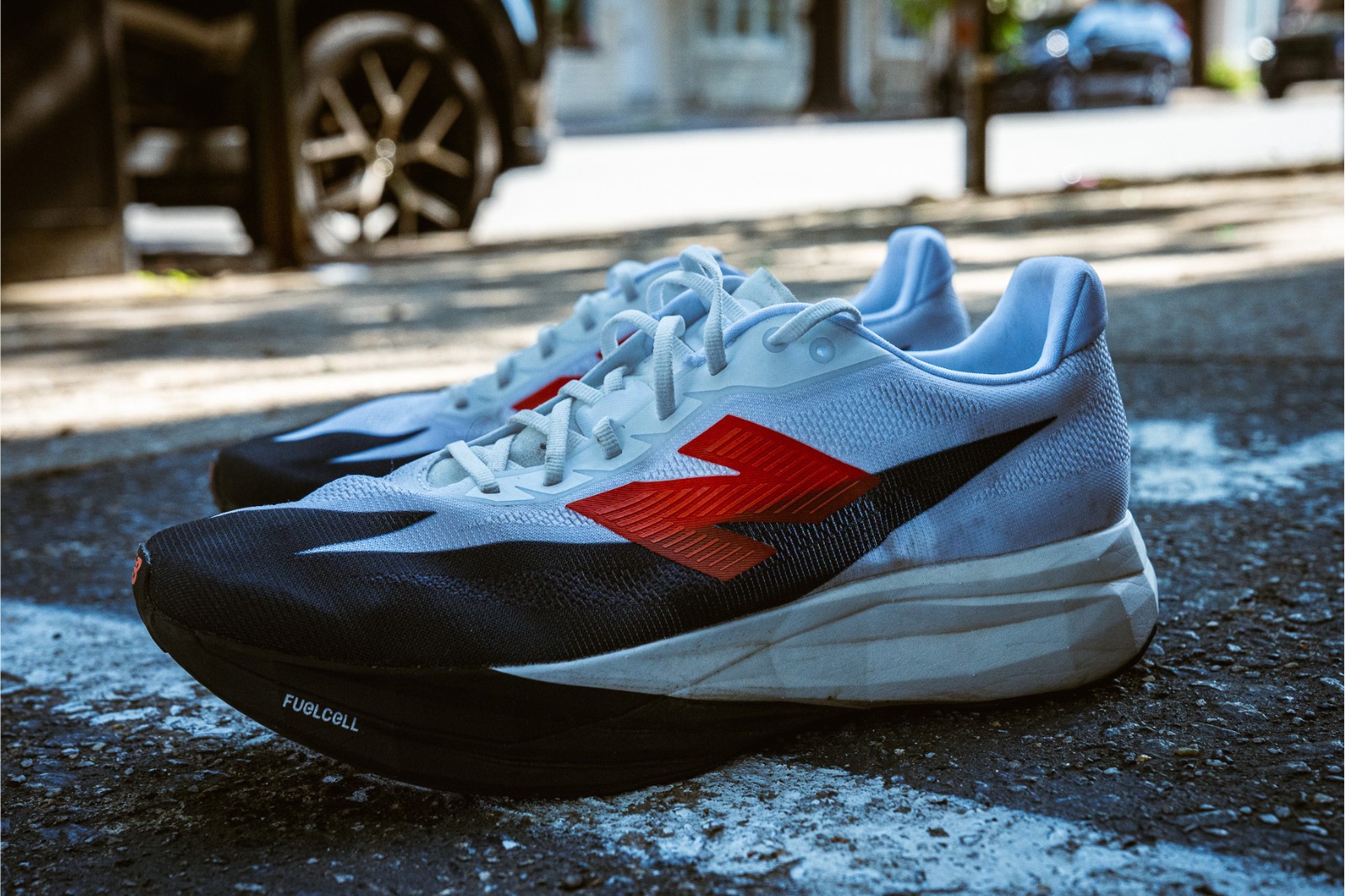
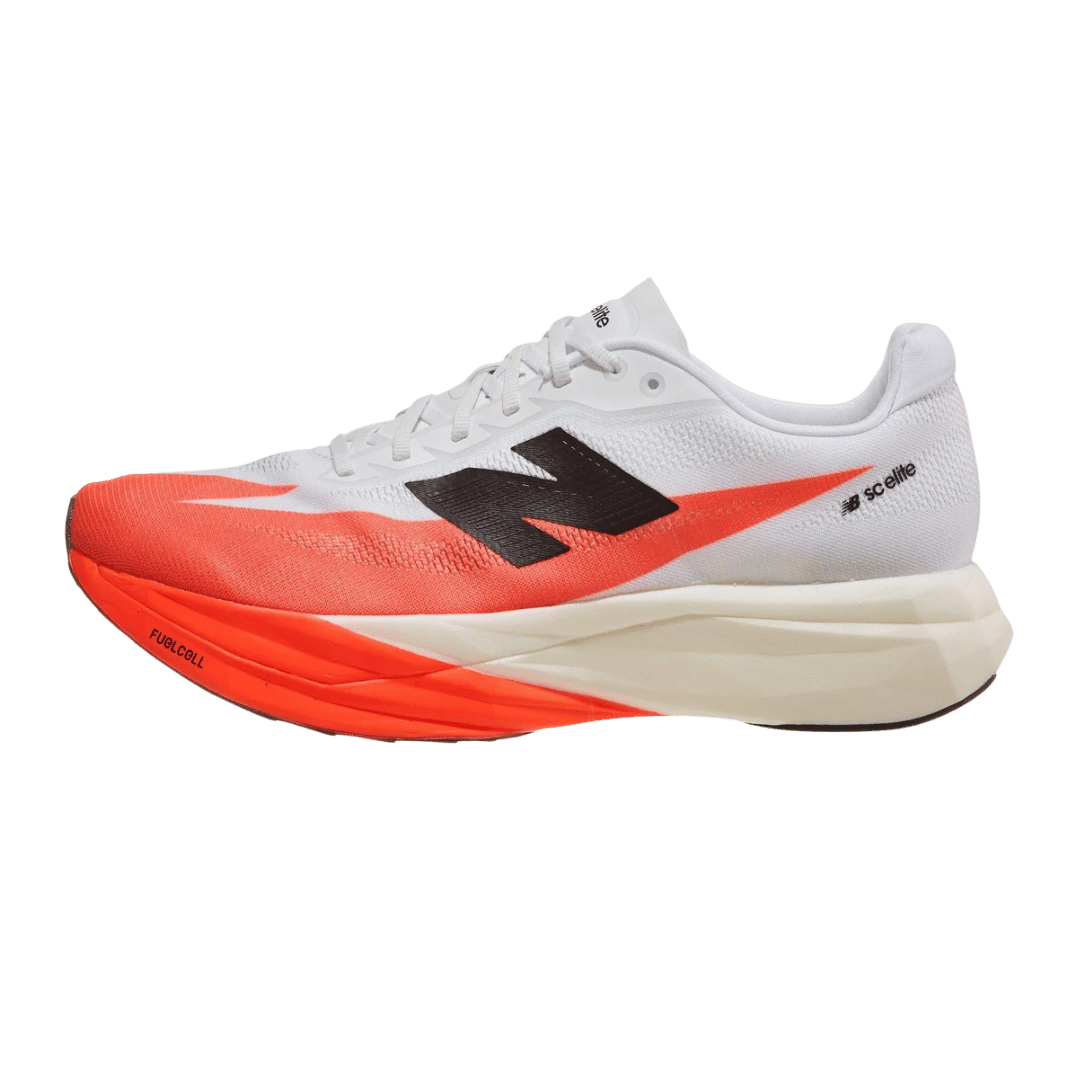
Race day, marathon
9.3 oz. for a US M10.5,
7 oz. for a US W7.5
40 mm heel, 36 mm forefoot (4 mm drop)
If there was an award for Most Drastic Update or Most Improved Race Day Shoe, I would like to hereby nominate New Balance for the SC Elite v4. I had run in the RC Elite v2 and the SC Elite v3 previously, and I thought they were very fine shoes. But the FuelCell form in them, which was a supercritical foam, just didn’t have the same feel of the other race day shoes on the market. They were soft underfoot and accommodating in the upper, but they lacked the pop and propulsive feel of shoes like the Vaporfly 2 and Adios Pro 3. I don’t think I could have lasted in the v2 or v3 for more than a half marathon
The newest formulation of FuelCell in the SC Elite v4 features 100% PEBA, and the difference is stark. The shoe now that has that race day feel, but unlike other race day offerings, provides a stable feel throughout. Is it perfect? No, I think some things were odd choices, like the tongue and laces. But the overall feel of this shoe makes me comfortable in saying I would be able to take this a full 26.2.
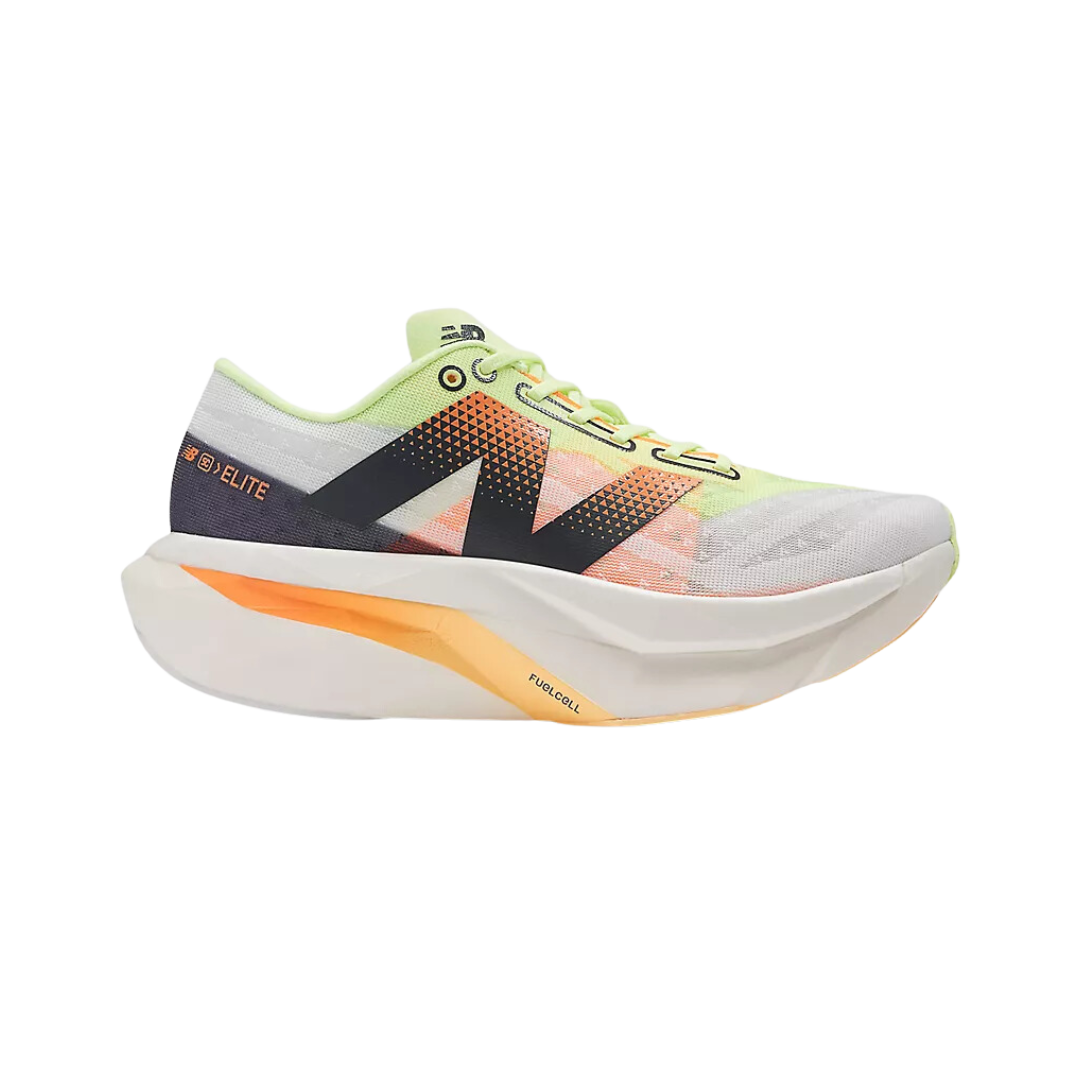
Race day
7.3 oz. (214 g) for a US M9
5.8 oz. (165 g) for a US W7
40 mm heel, 32 mm forefoot (8 mm drop)
Normally when a new shoe is released, I remove its predecessor from the list. However, I think the SC Elite v5 is so far different a shoe than the SC Elite v4 that both of them warrant a spot on this list. The SC Elite v5 dropped almost 2 ounces from the v4, and became a far more aggressive race day offering. It is far more nimble, at the expense of the wide platform and stability of the v4.
I always felt like if I needed to wear a race day shoe for a marathon, it would be the SC Elite v4; I’m not sure I can same the same about the v5. That said, I feel like New Balance has crafted an exceptional race day offering for shorter distances, possibly up to a half marathon. The drop has increased from 4mm to 8mm, but with the softness of the PEBA-based FuelCell foam, it actually isn’t that noticeable. Other changes are a far more comfortable upper and a tongue that doesn’t feel like a complete afterthought.
Any distance on gravel or light trails (or even roads)
8.5 oz. for a US M9,
7.9 oz. for a US W9
35 mm heel, 29 mm forefoot (6 mm drop)
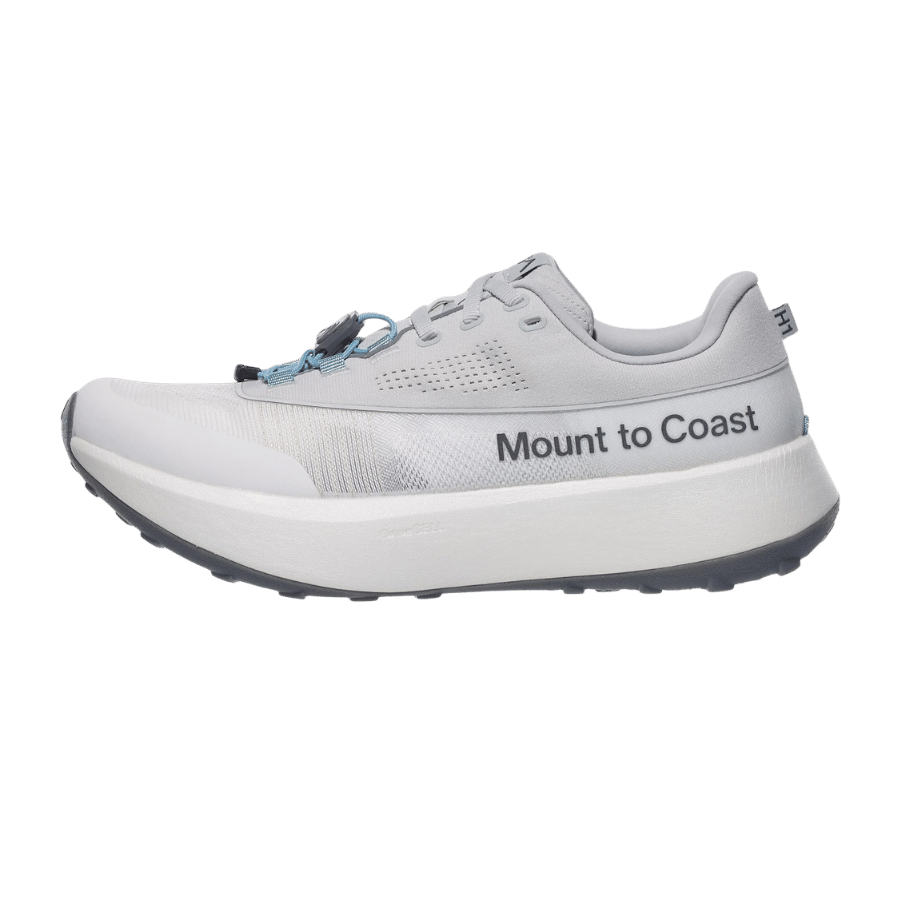
I swear, this column is not sponsored by Mount to Coast, despite having a shoe featured in the daily trainer, super trainer, and now Trail/Hybrid category. This a testament to just how dialed in the brand is right now when it comes to giving consumers what they want. Road-to-trail, light trail, or hybrid shoes are all the rage these days, and the H1 is one of the the best on the market. Using its CircleCell midsole– a bio-based foam with incredibly bounce and resiliency– it provides a soft and stable, yet energetic ride, while having solid grip in the outsole for less-than-ideal conditions.
The upper is dual zoned, as is the lacing system, to provide a locked in but comfortable fit. I took this shoe on a a trail run that had some more technical sections, and even though that was a bit dicey, it handled all of the light trail sections (single track, fire road, gravel, dirt path) flawlessly. Those who enjoy running on gravel rail trails (or even paved roads) would do really well in this bad boy. It will also last forever– we’ve seen runners racking up 600+ miles in this shoe.
Gravel or light trails
9.5 oz. for a USM 9,
8.1 oz. for a US W7
41 mm heel, 33 mm forefoot (8 mm drop)
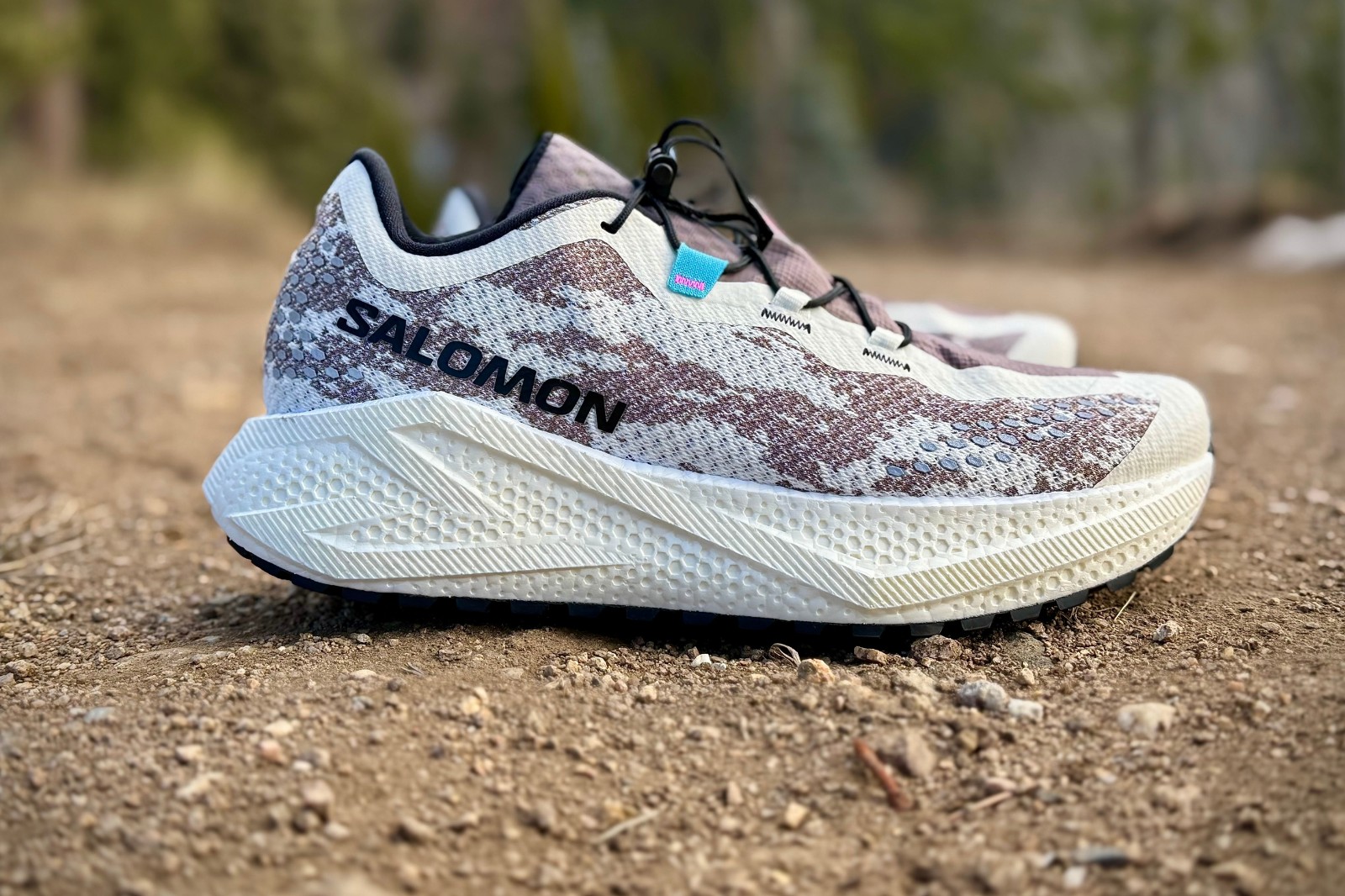
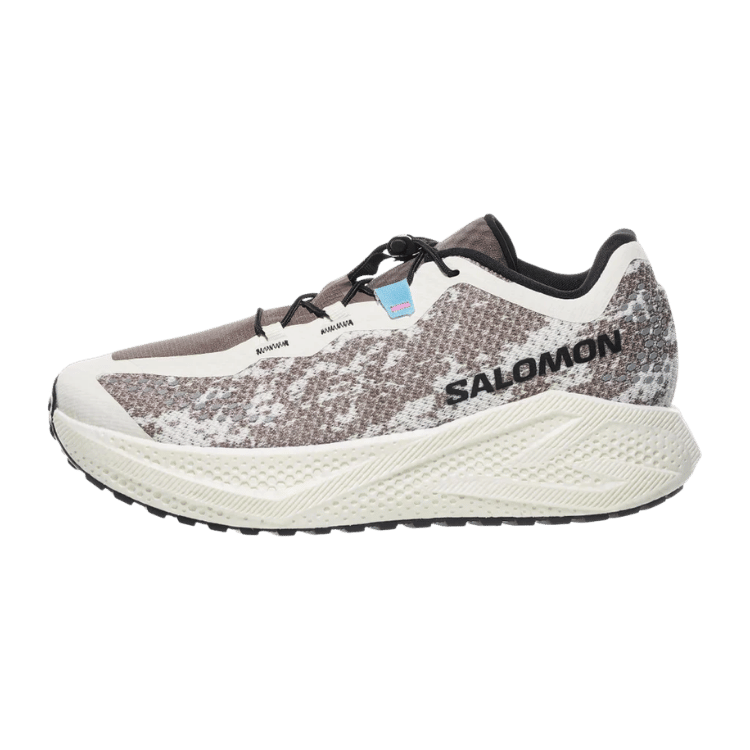
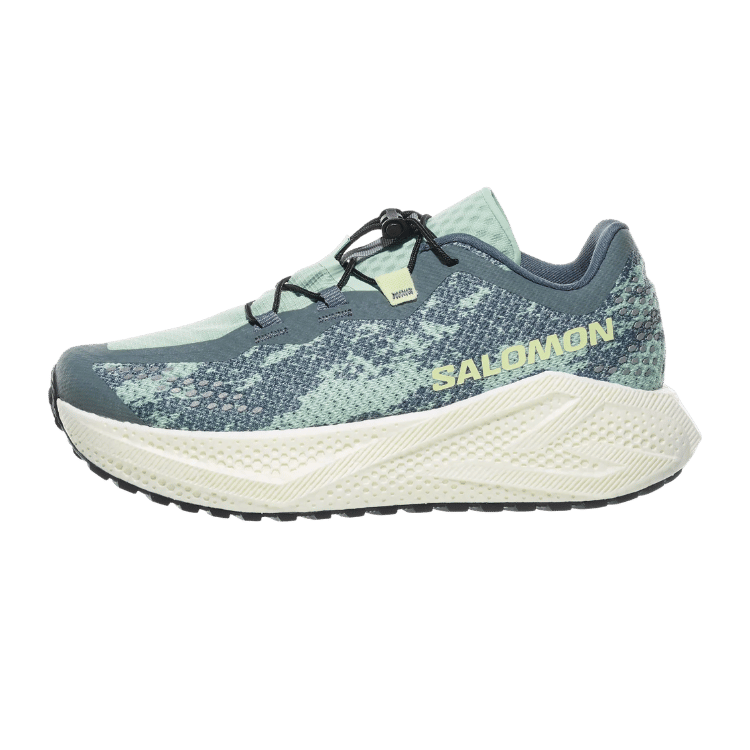
If you twist my arm and make me pick my favorite gravel/hybrid shoe, between the Mount to Coast H1 or the Salomon Aero Glide 4 GRVL, I might have you just break my radius and ulna. From a looks standpoint, even though the H1 looks clean and simple, the AG4 GRVL looks downright cool as hell. I mean, the snakeskin-patterned colorway we received is called Vanilla Ice / Black / Iron…nothing is cooler than Vanilla Ice.
The ride of the shoe is even better than the looks. I took this shoe on runs on a clean gravel trail, a gravel trail that had 3 inches of hard pack snow on it, and a road run after a couple inches of snow had fallen. Every run in each condition was a pleasurable experience. I do think Salomon got a little too creative with the QuickLace system on the AG4 GRVL, making it not exactly user-friendly. But that is only a small issue in the grand scheme of how great this shoe is.
Technical trail, mixed terrain, fast hiking, ultra distance training
9.9 oz. (280 g) for a US M9,
8.9 oz. (252 g) for a US W7
41 mm heel, 35 mm forefoot (6 mm drop)
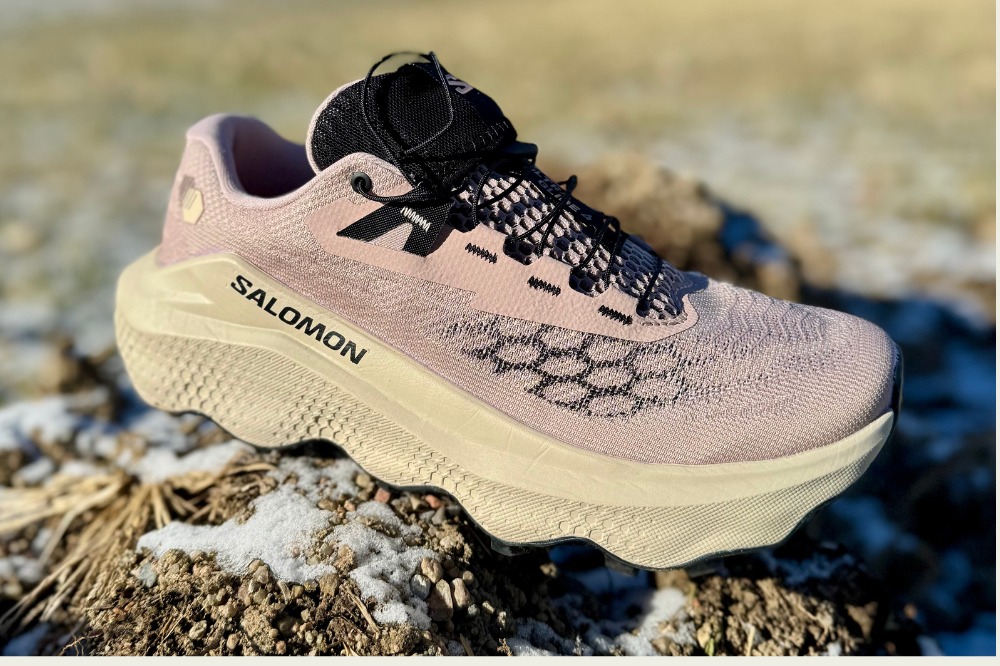
This was the first trail shoe I received to review in my new role moonlighting with the Dirt Division, and boy was it a home run. The Salomon Ultra Glide 4 could arguably be one of the best values in all of running, not even just trails, at $150. This shoe has a large stack of OptiFoam midsole foam that is firm and stable yet comfortable underfoot. The upper is comfortable and breathable, and the QuickLace system and lace pocket on the tongue make for an easy-on and easy-off experience.
The ride of this shoe was as comfortable as any road shoe I had ever worn, so Salomon’s claim that its the most comfortable trail shoe in their arsenal seems accurate. The Contagrip outsole and lugs provide consistent traction that didn’t disappoint.

Best Running Shoes for Heavy Runners
Have something to say? Leave a Comment
Sign in or create a free account to comment. You'll come right back here.
Sign in / Sign up


An attorney by day, Chad lives in Central Pennsylvania with his wife and three kids. Never much for running growing up, Chad began running as a way to improve his physical health. He went from his first 5k in 2015 to running the Paris Marathon in 2016. Given his larger physical build, Chad is the resident Clydesdale runner, providing shoe and gear insights for those with a bigger build and taller stature.
More from Chad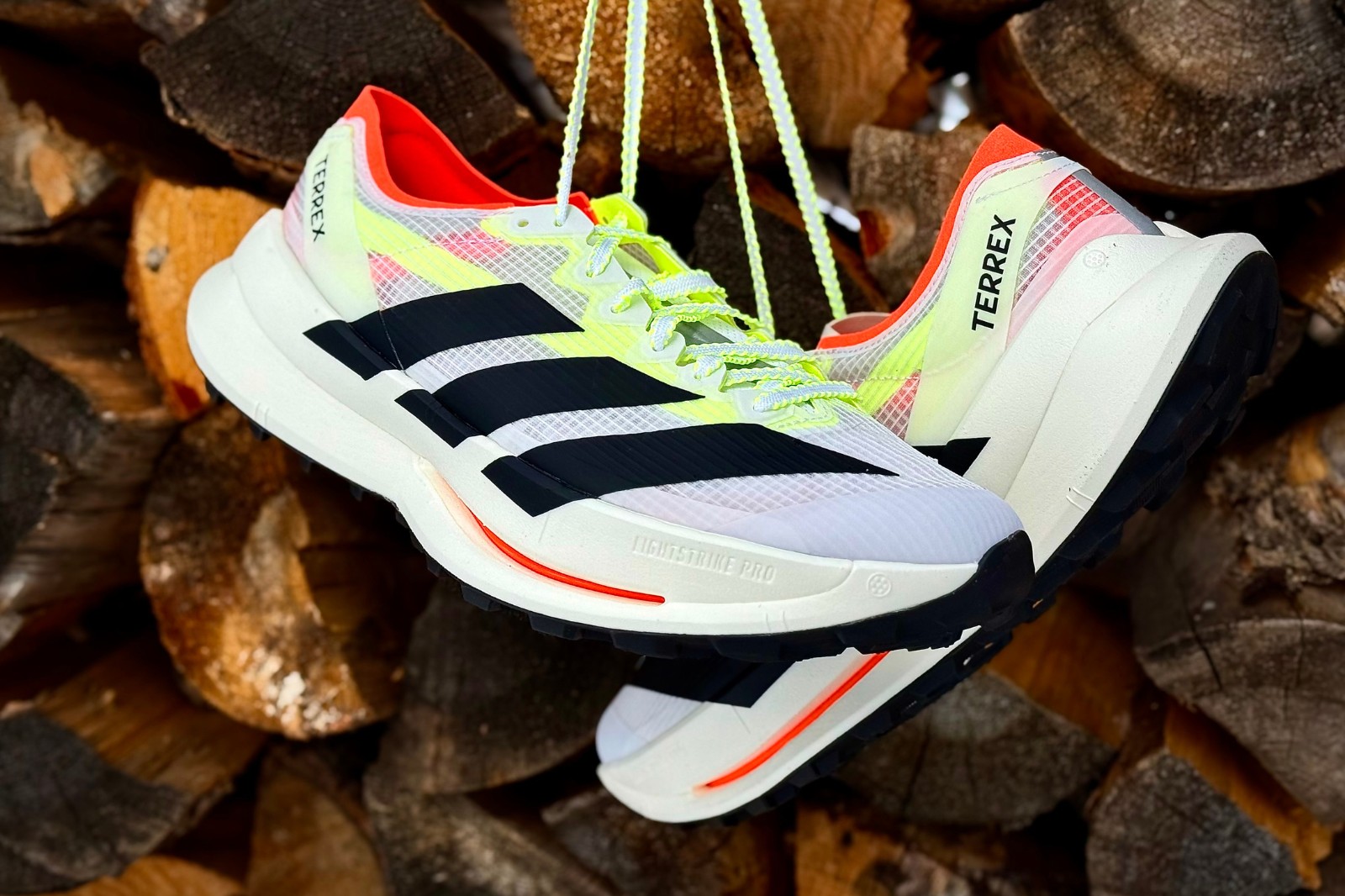


Yes! I’m 6’3″ 215 on a good day and the intro here read like something I would have written. So much so that had actually considered reaching out to BITR and other sites for exactly this purpose.
Thanks for the write up and the descriptions…they make way more sense to me. When I see a reviewer that is 165 soaking wet use a word like “squish” or “pillowy” I am instantly reticent because for me that means “way too soft” and blisters! When I hear “light firm and snappy” I have to think that it’s not going to be enough underfoot. You just learn the lingo and, like you said, take it with a grain of salt
Im sure I speak for a whole lot of runners when I say I would love to see more of this. Thanks
More of this please! And clothing, too. Tracksmith looks great and is wildly popular, but they often only carry clothing up to their size large, which for some items is as small as a 27.5″ waist. Runners come in all sizes and it’s so hard to find reviews for things I can actually wear!
Echoing Jeff’s comments here! Everything in a normal review has to he re-coded for us Heavyweights. (I’m a LHW, “only” 6′ and 205ish lbs) Thomas or Meaghan or Robbe’s idea of soft is WAY different than mine! (Case in point, Thomas’ hate for the revamped Boston, entirely based on his expectations from the 9…)
In any case, there’s a lot of us bigger peeps out here running our own paces, and having an array of reviewers who actually rep our demographic would actually be amazing. Keep these reviews coming!
Are the newer nitrogen infused foams appropriate for clydesdales or will these foams lose their cushion / responsiveness quickly? For example, will a shoe like the Topo Cyclone 2, which is 100% Pebax, lose its bounce quickly or can a clydesdale enjoy this type of shoe? Should we bother leaning in on newer tech foams if we aren’t prepared to buy new shoes every 100 miles?
Thanks!
Not sure if you “do trail.” A shoe for lightweight mountain goats dancing through rock gardens in singlets, in supported races; can be really off for someone twice their weight, carrying a load out, once too tired to do much dancing……
This is amazing! There isn’t much out there in the way of running gear and even less in the way of reviews for larger runners.
Id really love to see something on running clothes for larger runners! I’ve been running for close to 10 years now and it’s hard finding nice running clothes when you are 6’3″ 265.
You left out the best shoes of them all! HOKAS! Come on man… Weather it’s hiking or running shoes Hoka is more comfortable then all the above you mentioned! There colors may not all be the greatest. Honestly I think their graphics designer is color blind. But hands down they make the most comfortable running/hiking shoe!
It is so nice to see running shoes reviewed by someone I can relate to at 6’5 and 280lbs, like many other comments having that unique perspective, as I often find shoes that have been rubbished by traditional shoe tubers work for me case in point the Boston 10 and 11 and the Prime X2 strung, hoping that you do more reviews.
I’m recovering from a compound pilon fracture in my ankle. I’m 290lbs and I need arch support. I’m not running anytime soon. What shoe do you think would have the best arch support??
Skechers has good arch support, you should look into the Ride 11 or Max Road 6.
I bought the takumi sen 8 last December 2023 and have been my go-to- shoes for training. Decided to run my half marathons and 32k with this one and got some midfoot swelling. I saw that the shoe was already broken with some sole separation, this with mileage of only 137 km 🙁
Fellow clydesdale here. I’ll vouch for the Skecher GoRun Ride 11. It rules
Great article. I’m 220 pounds, and in addition to preferring more firmness from some of the most popular shoes, I find some are wearing out very quickly, retiring shoes after approaching 175 miles. I would love to see something addressing durability for heavier runners, too, but this is a great article and has given me some good options to try.
I’m 220 and 6ft 4, I run half-marathons, and I’m slowly building up to do a full run. So this article is right up my street! More of this please, and yes not just running shoes, clothing too!
Can you include a category for best trail runners, please?
I think it’s time for an update to the list! This site is really great, but as any runner will tell you, not every shoe that gets glowing reviews is going to be the right fit for everyone. This is especially true for those of us who might be a bit larger. I’ve bought running shoes based on reviews that looked perfect here, only to find out they were terrible for my 6ft 4″, 100kg ex-rugby player build.
Take the latest review of the Puma Fast-R Nitro Elite 3, for example. While Robbie and Megan offer a fantastic assessment, their shoe size of 7.5 makes it a bit tricky for me to fully trust their insights for my next pair of race shoes.
This site is certainly informative, but it would really help to include a more diverse range of reviewers, like individuals such as Chad, to give us a wider perspective.
Of course, the best way to find the right shoes is to try them on in a store. But for those of us in cities without specialized sports shops, websites like Believe in the Run are truly a lifesaver!
Puma MagMax Nitro and Saucony Hurricane should be on the list. I’m 230 lbs and run almost every day. Also, 1080 v14 should be taken off as it bottoms out easily. Just my $.02.
Asics Trabuco Max 4 is good to go at 230 lbs
Hi Chad, can we get some type of change log?
Why did Prime X3 Strung edge out X2? Why did Adios Pro 4 not make the list?
Thank you for the big guy perspective .
I think the section on the Vomero needs to be updated – it’s the Brooks Max section repeated.
Thanks for the heads up! Updated.
Excellent write up. As someone who has gone from ~270 down to 215 thanks to running, it’s amazing how different all of these shoes feel at our weights compared to how my smaller friends would describe them. Please keep this content coming.
I found this piece very helpful as a 6’0″ 235lb former rugby players training for a half marathon. I’m currently going between Nike Vomero Plus, New Balance Ellipse v1, Asics Superblast 2 & Brooks Glycerin Max