Shop BITR Apparel Shop Now
We independently review everything we recommend. When you buy through our links, we may earn a commission.
Supporting our reviewer, Alex, across 250 miles
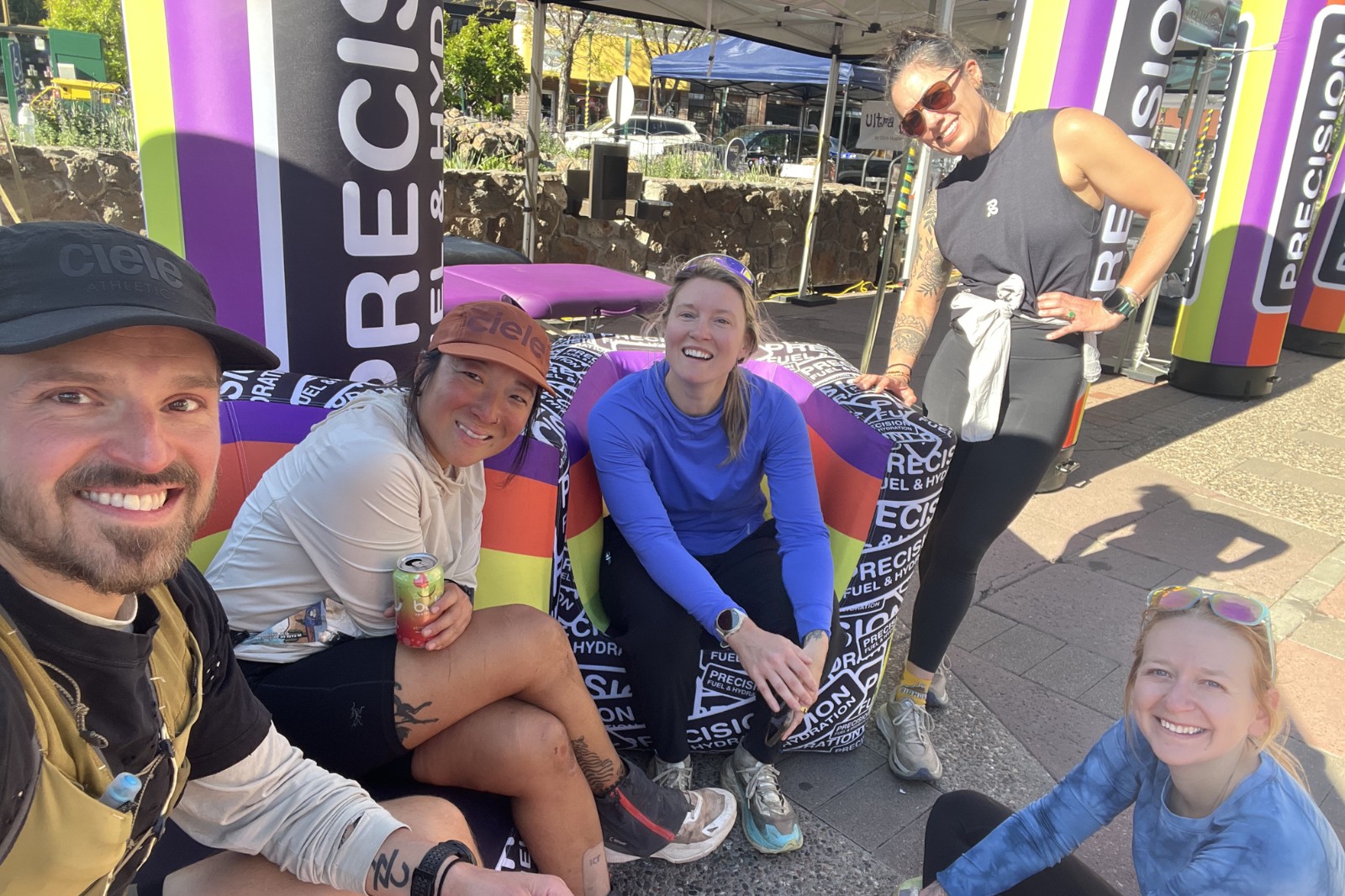
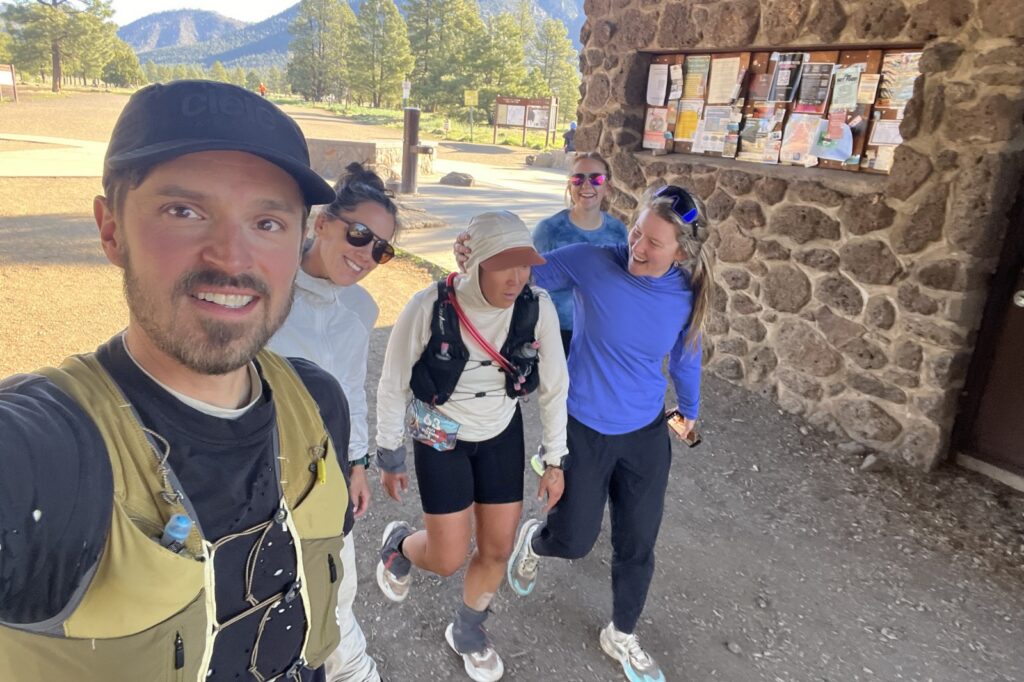
Four family and friends
Google Maps, Google Docs, Ultrapacer.com, and the Roadsurfer Liberty Lodge
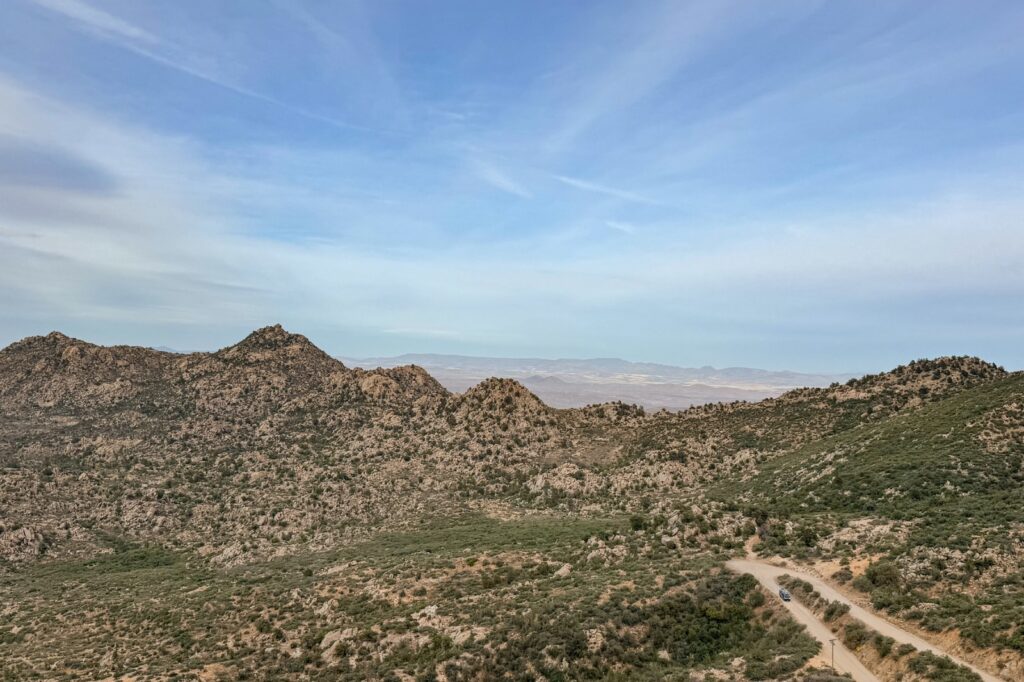
When Alex signed up for Cocodona 250, I knew the running would only be part of the challenge. I had crewed multi-day races and FKTs before, so I knew what was coming: spreadsheets, long drives on rough roads, endless refreshing of trackers, and sleep deprivation.
I was excited to see if we could do it better this time.
I knew that improvising our way through the week would be inevitable to some degree, but I knew a solid strategy and framework could help make things feel easier and cut down on the number of sleep-deprived decisions we’d have to make in the middle of the night.
I created a crew plan that included aid-station logistics, nutrition and hydration plans, pacing rotations, lodging, and a sleep strategy. That preparation helped our crew stay functional and actually enjoy themselves throughout four days of racing.
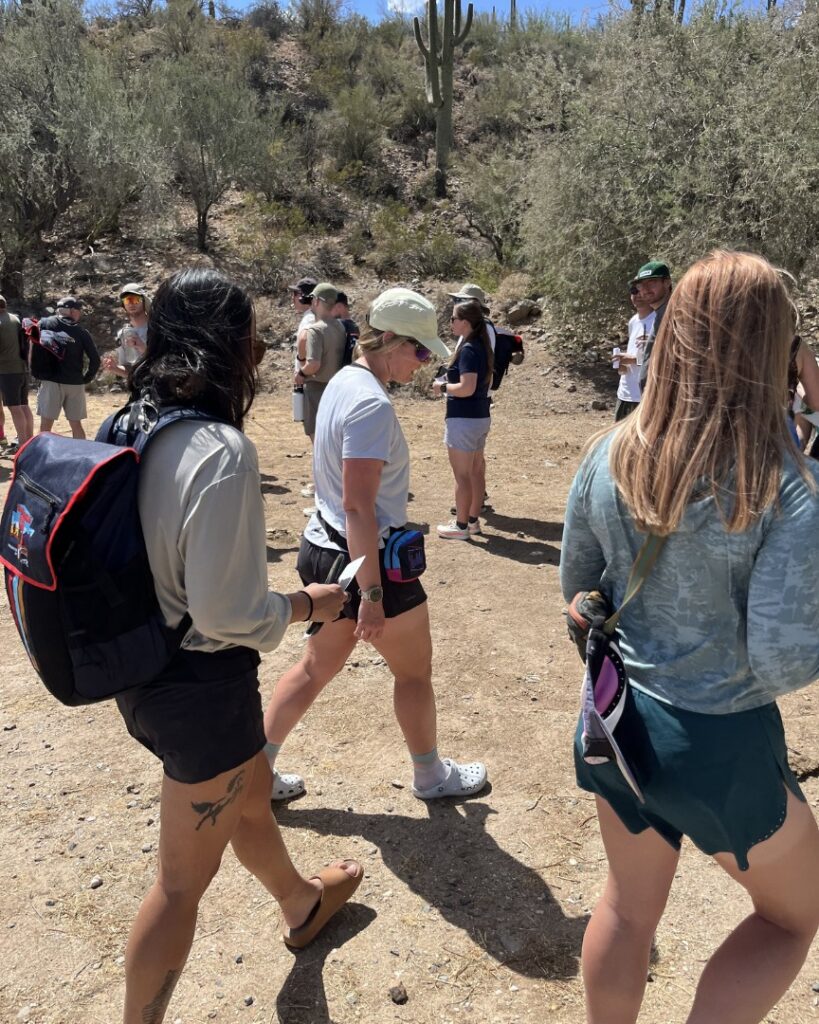
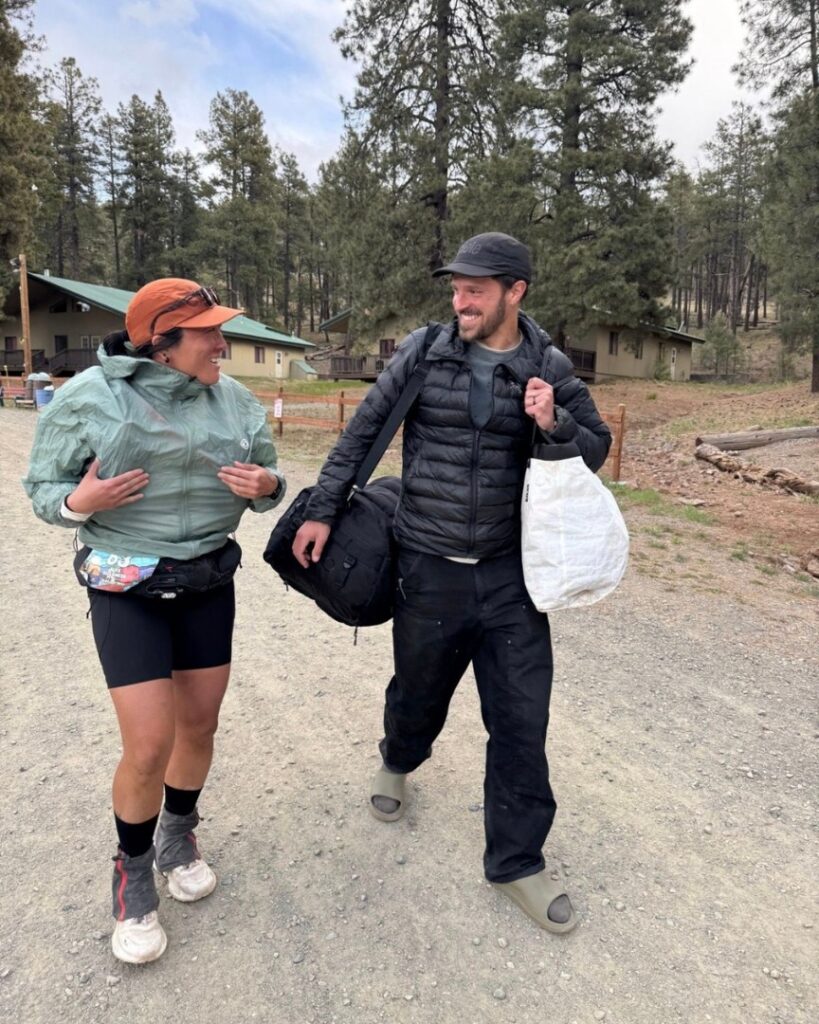
We had four people total.
I handled crew lead responsibilities and also paced a short section, while the other three rotated between pacing and crewing. Each pacer ran roughly 40-50 miles across two pacing segments, which gave everyone longer recovery windows between efforts.
That spacing mattered.
An easy mistake while crewing and pacing is overworking yourself early. Sleep deprivation is inevitable at Cocodona, but making time to rest, eat, and mentally reset is critical when you’re supporting a race this long.
We tried to make sure every crew member had a longer block of uninterrupted downtime after their pacing segment. We did the same for crewing, ensuring no one stayed awake too long. And when someone needed a break or extra rest, we adjusted.
That flexibility helped morale more than anything else.
Before the race, I spent plenty of time cross-referencing the crew guide, runner guide, Google Maps, and Ultrapacer. Eventually, I built our own simplified document that combined everything we actually needed: aid station logistics, schedules, driving directions, pacing assignments, nutrition plans, lodging details, and sleep strategy.
We based our plan around a 100-hour finish using Ultrapacer projections, but the exact timing mattered less than the overall strategy. If Alex were four hours ahead of schedule, we would shift the sleep plan based on the time of day and how she was feeling.
From there, I created a daily schedule that broke down:
The goal was redundancy. If someone else needed to step in while I slept, they could quickly understand the plan and keep things moving.
Our document evolved throughout the week, but it remained the backbone of the entire operation.
Runner sleep
Alex slept every night. Every sleep was either 20 minutes or 90 minutes — no more, no less.
Why? Twenty minutes is a power nap and 90 minutes is roughly a full sleep cycle. That timing helped avoid waking up in the middle of deep sleep, which can leave someone feeling even worse than before they laid down.
We had a planned sleep schedule, but ultimately it depended on how she felt. If she was wide awake and moving well, there was no point forcing sleep.
Pacer reset
Each pacer had downtime after every pacing segment to sleep and recover. Everyone had two pacing assignments, but when possible, they were separated by roughly 24 hours.
Crew documentation
Everything was documented in the crew plan, so anyone could step in quickly when needed.
Crew lead rest
Every night, I made sure to take at least one break to sleep. Sometimes this happened naturally during longer stretches between aid stations. Other times, someone else stepped in so I could get a couple of hours down.
Improvisation
Flexibility was an unspoken rule that made all the difference. When people needed more time to sleep or reset, others stepped in. When we suddenly needed to leave earlier than expected, everyone was ready to move.
Have fun
This was another unspoken rule, or maybe just a byproduct of everything else working well. Even if you’re exhausted or stressed, fake it around the runner if you have to. They can feel your energy immediately.
A few tools proved especially helpful throughout the week.
Ultrapacer.com
This was what we used to create our initial crew and pacing plan, but it became even more valuable during the race itself.
By entering Alex’s actual in-and-out times at aid stations, we could continuously recalculate future ETAs. That gave us a much more accurate picture of whether we had time to sleep or needed to move immediately. Early in the race, I realized how useful this would be, and from then on, I constantly updated the schedule throughout the week.
Trackleaders
Trackleaders was invaluable for real-time tracking. Combined with Ultrapacer, it gave us a surprisingly accurate picture of how Alex was moving throughout each section and when we should expect her.
Google Maps
Every aid station, Airbnb, and crew point was linked directly in our planning document. That sounds simple, but eliminating unnecessary searching in the middle of the night saves more mental energy than you’d think, especially when some aid stations were only GPS coordinates instead of actual addresses.
Google Docs
Race guides are long. Digging through PDFs at 3 a.m., exhausted, is not ideal. Having one centralized document with only the information we needed made the entire operation smoother.
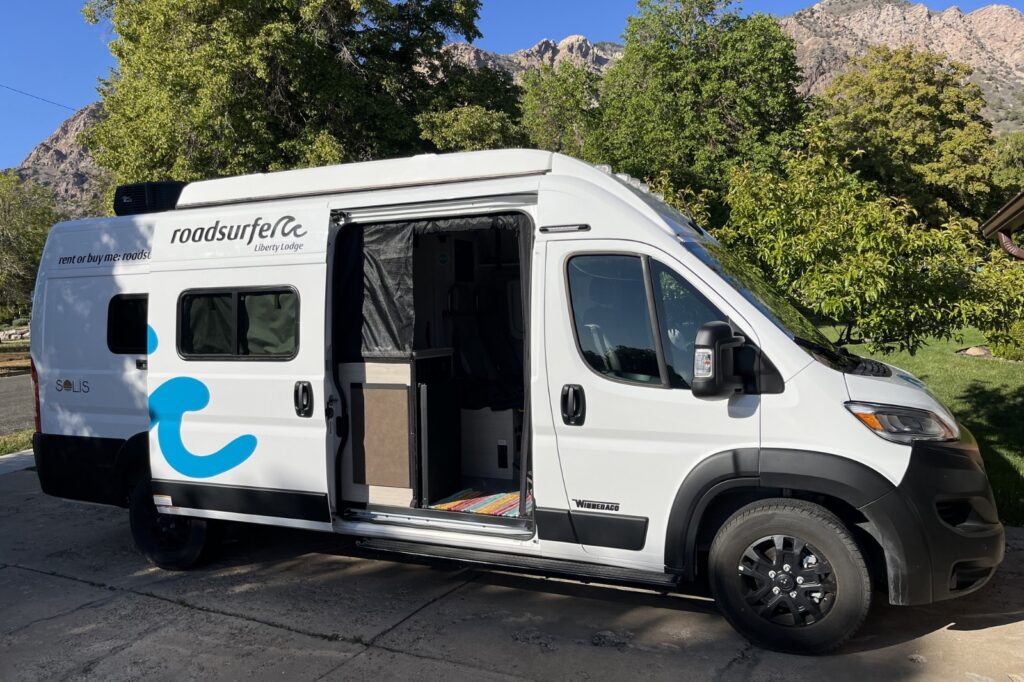
We used a Roadsurfer Liberty Lodge camper van along with two additional vehicles, and honestly, the van became one of the most valuable components of crewing the race.
When Alex arrived in Sedona in the middle of the day, she was overheated and exhausted. We quickly got her into the van, where the A/C was blasting, and within minutes, she looked like a different person.
The van essentially became our mobile aid station.
Alex could get out of the heat, change clothes, eat, sleep, and mentally reset without having to sit in a folding chair in a parking lot. Meanwhile, I could organize gear, prepare meals, grab short stretches of sleep between aid stations, or do all of the above.
The van also made the entire crewing experience feel more sustainable.
We still used Airbnbs in Black Canyon City, Prescott, and Flagstaff so people could shower, sleep in actual beds, and decompress between pacing sections. Crewing races while living entirely out of vehicles is possible, but having done that before, I can say that having real recovery spaces dramatically improved everyone’s energy and mood.
By the final days of the race, that made a huge difference.
The van was 2WD with low clearance, and it made it to every aid station without issues. That said, there were two sections worth noting: Crown King and Walnut Canyon.
Crown King involved more than an hour of rough mountain roads and was the only place I wished we had brought something besides the van. It handled the drive fine, but the road was rough enough that it took us nearly 30 minutes longer than the crew guide estimated.
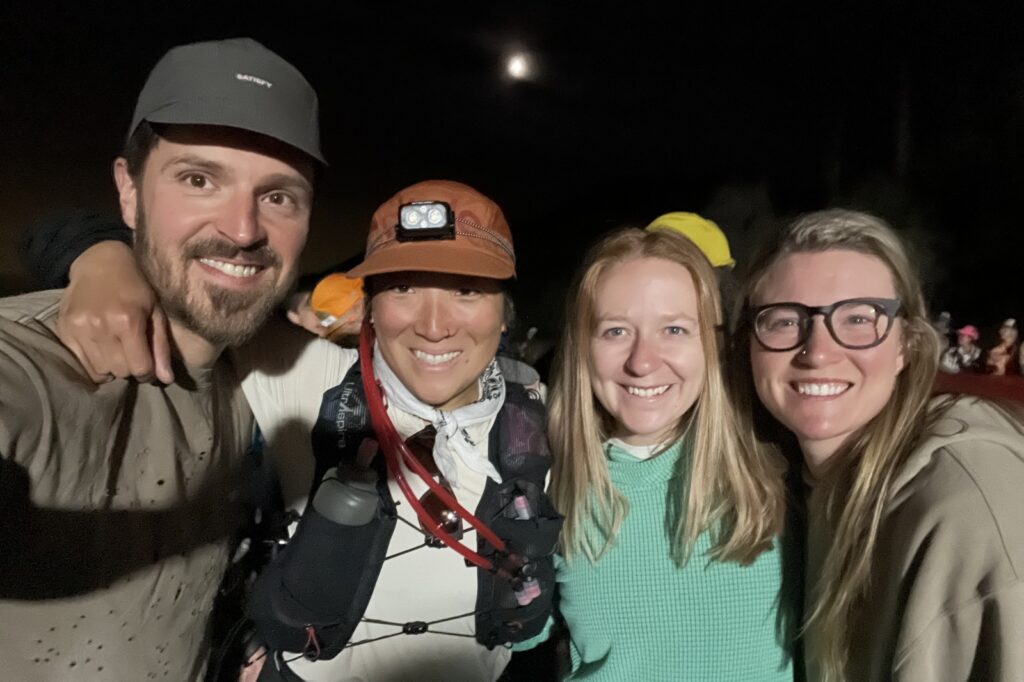
Everyone on the team was an experienced ultrarunner, which helped a lot. But we still wanted to make sure nobody was stretched too thin.
We balanced pacing assignments around time of day, terrain, and sleep schedules so people could recover between efforts. Most pacing segments ranged from 16 to 35 miles.
One logistical challenge at Cocodona is the “one crew vehicle per aid station” rule. We solved that by occasionally having pacers park nearby and ride into aid stations with me in the van. We also shuffled vehicles between aid stations whenever pacing legs overlapped.
We talked through all of this before the race, so everyone understood the plan, and there were no surprises once things got going.
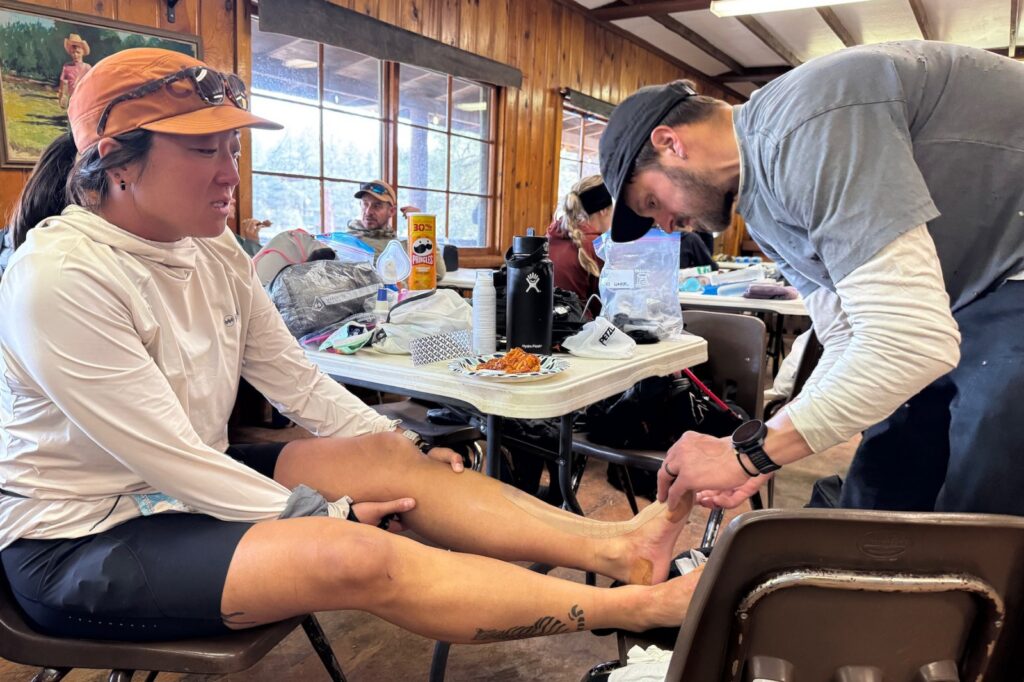
On the first day, we couldn’t see Alex until mile 36, and after that, we wouldn’t see her again until mile 72. On paper, it looked like we had plenty of downtime. In reality, getting to Crown King became one of the more stressful transitions of the race.
We were sitting at the Airbnb watching the livestream and refreshing Trackleaders when I noticed Alex was moving much faster than expected.
I did the math.
Then again.
She was several hours ahead of schedule.
“We need to leave now.”
Within 20 minutes everyone was packed up and moving.
The crew guide estimated about an hour from Bumble Bee Ranch to Crown King, but in the van it took us closer to 90 minutes. By the time we arrived, vehicles were crammed along a steep narrow road, people were scrambling around, and suddenly it felt very possible we wouldn’t be ready for her in time.
We parked, set up, and about 15 minutes later Alex came running in.
It was a good reminder that ETAs constantly shift. Some sections take longer than expected, while others go surprisingly fast. Aid station stops change. Sleep plans change. Heat changes pacing. Everyone adapts in real time.
Throughout the race, I updated the Ultrapacer schedule using Alex’s actual in-and-out aid station times to recalculate future ETAs. I communicated those updates to the rest of the crew so people could plan downtime, sleep, and transitions.
Sometimes that meant waking everyone up earlier than expected because Alex was moving through the night better than planned. Fortunately, having four people gave us flexibility. If someone needed extra sleep or downtime, we had room to adjust without the entire system falling apart.
As the race went on, Alex’s sleep became less scheduled and more dependent on how she felt in the moment. Her pacer would talk through the plan with her while they were out on the trail and then update the crew before arriving at the next aid station: she needs a nap, she wants hot food, she’s moving well, she needs caffeine.
That gave us time to prepare, which helped minimize our time at the aid station.
When Alex was approaching Walnut Canyon (mile 227), I started getting messages from her pacer, Sarah, saying she was very sleepy and struggling. She would need a longer stop.
Alex arrived and laid down in the back of the van.
It was getting dark, and I thought the timing might actually work well for a real reset before the night section ahead. But after nearly an hour in the van, she still wasn’t asleep. The aid station was loud, people were moving around outside, and it became clear she wasn’t going to get the sleep we hoped for.
At that point, I decided it would be better to get her moving again.
She resisted at first, but eventually we started heading down the trail toward the next section where she would have to continue alone for nearly 18 miles over Elden Mountain.
She was struggling with the idea of going out there by herself.
So instead of continuing to talk about the trail ahead, I changed the subject. We talked about our dog Seiji, random things that had happened during the week, and what I’d been doing between aid stations while she was out running.
Eventually, the anxiety faded, and she started moving like herself again.
By the next aid station, she was in much better spirits. She ate some hot food, regrouped, and continued into the night alone over Elden Mountain.
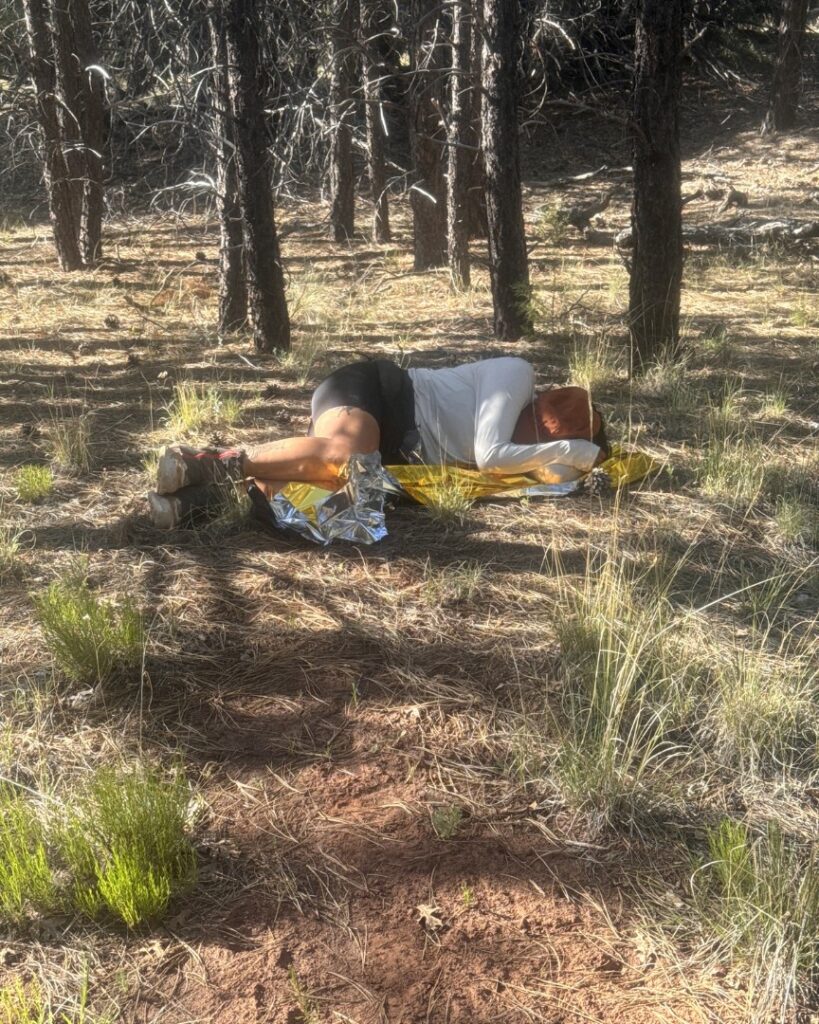
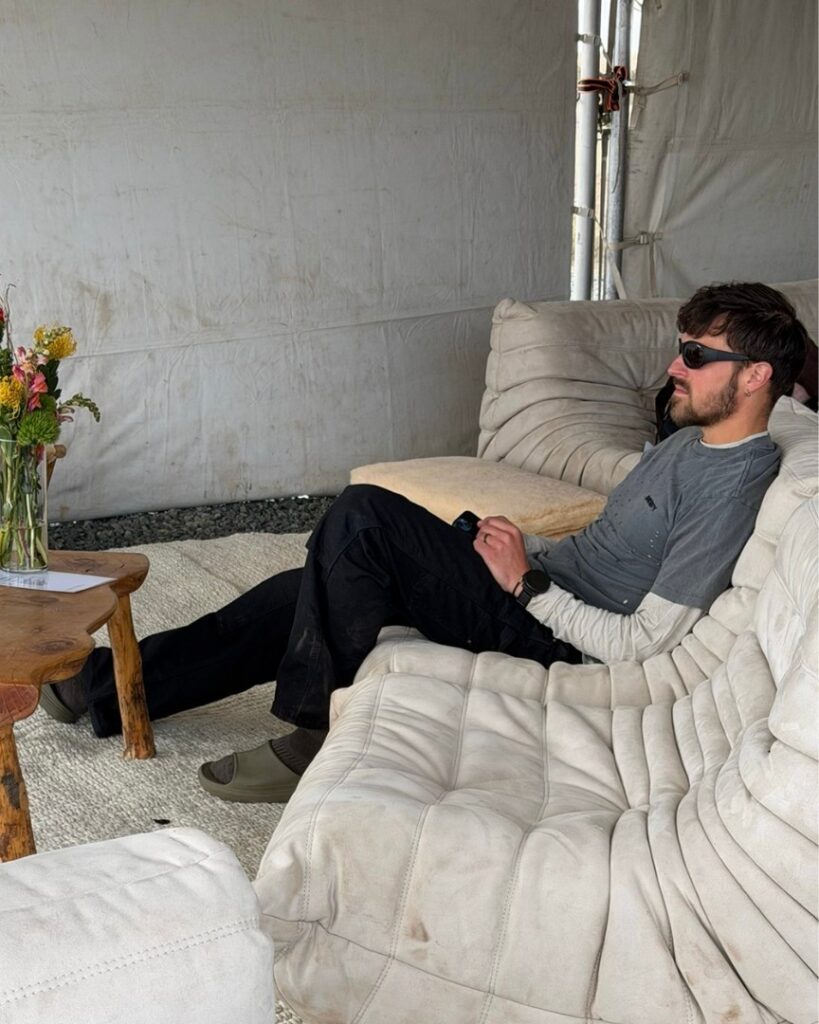
Crewing and pacing becomes part logistics coordinator, part problem solver, part medic, part therapist, and part sleep-deprived companion. For days, everyone’s world shrinks down to aid stations, ETA calculations, caffeine, and making sure your runner keeps moving forward.
It’s exhausting.
It’s stressful.
It’s incredibly rewarding.
Toward the end of the week, as Alex neared the finish, I realized our plan had worked. She was on pace to finish nearly an hour ahead of our 100-hour schedule, and somehow the crew was still showing up alert, positive, and functional after four days of crewing and pacing.
But it wasn’t just experience or planning that made the week successful. Above all else, it was the ability for everyone to bring calm, positivity, and stability when everyone is tired, and things stop going according to plan. That’s what Alex needed most throughout the race, but it also made the experience far more enjoyable for everyone.
That matters more than perfect logistics ever will.
At the start of the race, it felt like we were supporting Alex from a distance, occasionally seeing her at aid stations. By the end, it felt like we were a cohesive team moving through the race together.
Have something to say? Leave a Comment
Sign in or create a free account to comment. You'll come right back here.
Sign in / Sign up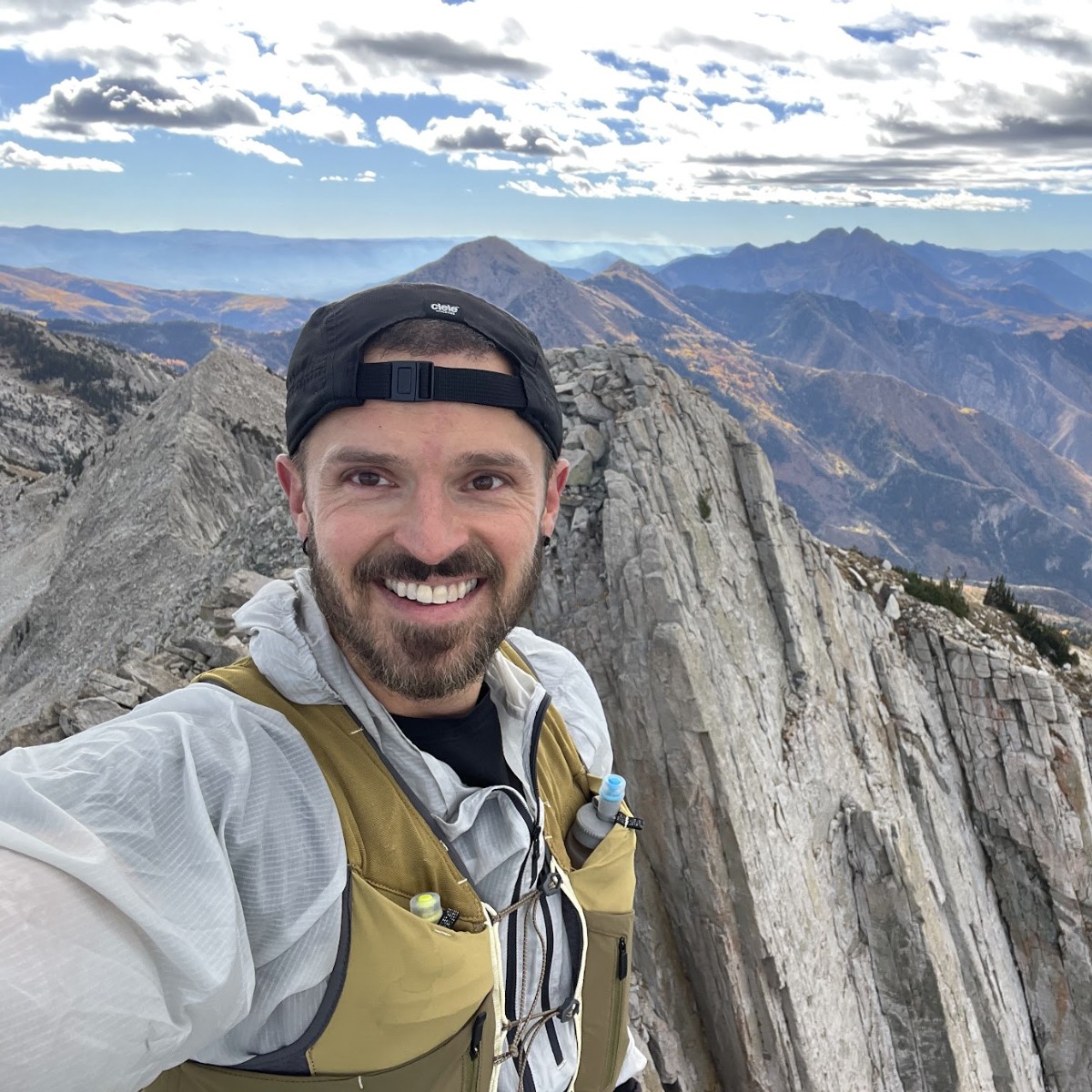
Jared is a trail runner living in northern Utah, where he explores the Wasatch Mountains. He enjoys big mountain adventures and rugged races, with finishes at Hardrock 100, IMTUF 100, Wyoming Range 100, and Arrowhead 135, among others. When he’s not running, he works in software design, roasts coffee, and spends winters on Nordic skis.
More from Jared




What a great read! Sure this article will be extremely helpful for others looking to crew for this or any event. So proud of Alex & what an Amazing Team she had to help her through it!! 🙌💗💪🏼