Shop BITR Apparel Shop Now
We independently review everything we recommend. When you buy through our links, we may earn a commission.
5.9 oz. (167 g) for a US M9, 5 oz. (142 g) for a US W7.5
40mm in heel, 36mm in forefoot (4mm drop)
Race day
Quantum Plate, Hyperburst Pro midsole, LiteGrip outsole, FitKnit upper
Available now for $225
KALEB: I’ve rooted for Skechers since I reviewed the GoRun Razor 5 two years ago. Since then, Skechers has revamped its performance department and transformed it from the out-of-touch GoRun line to the significantly more viable Aero line.
Honestly, I’d like to think of myself as a bit of a connoisseur of the brand. After all, I’ve received every single shoe in the Aero line for review: the Aero Burst, Aero Spark, Aero Tempo, and Aero Razor, in ascending order of speed use, and I’ve logged significant mileage in each. So, when I saw that Skechers was finally releasing a true race-day option, I immediately shot Ryan an email asking if I could complete my collection and offer my thoughts on Skechers' progress.
The original trilogy (Burst, Spark, Tempo) felt decidedly novice, targeting the more casual jogger in its performance and playing things safe rather than rocking the boat. Then came the Aero Razor, which was the first Skechers trainer to be truly best-in-class in my opinion. The firm, bouncy ATPU midsole paired with a forgiving-but-snappy carbon H-plate made for a featherweight, nimble training companion that could handle any speed you threw at it. To this day, it’s my favorite trainer out there.
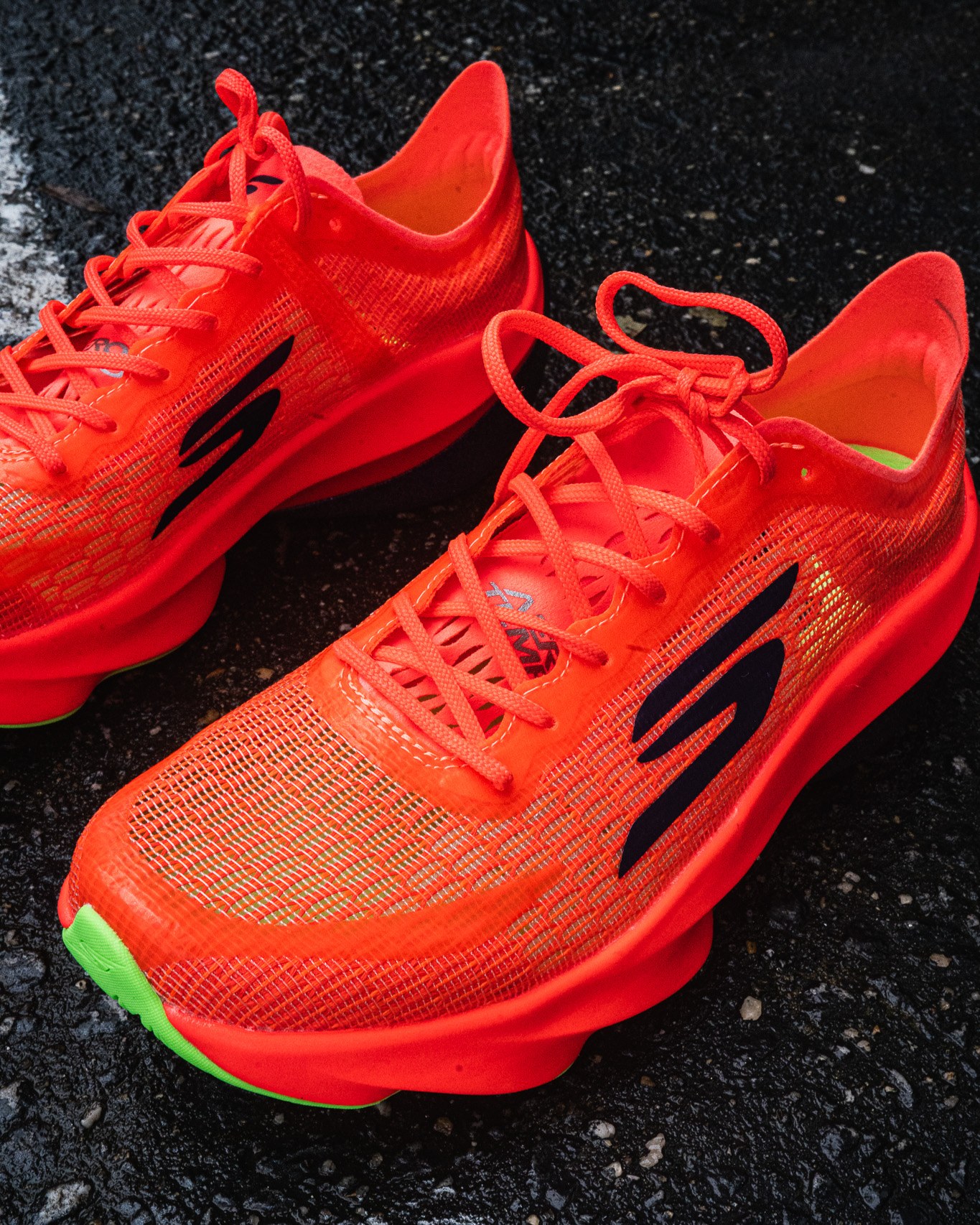
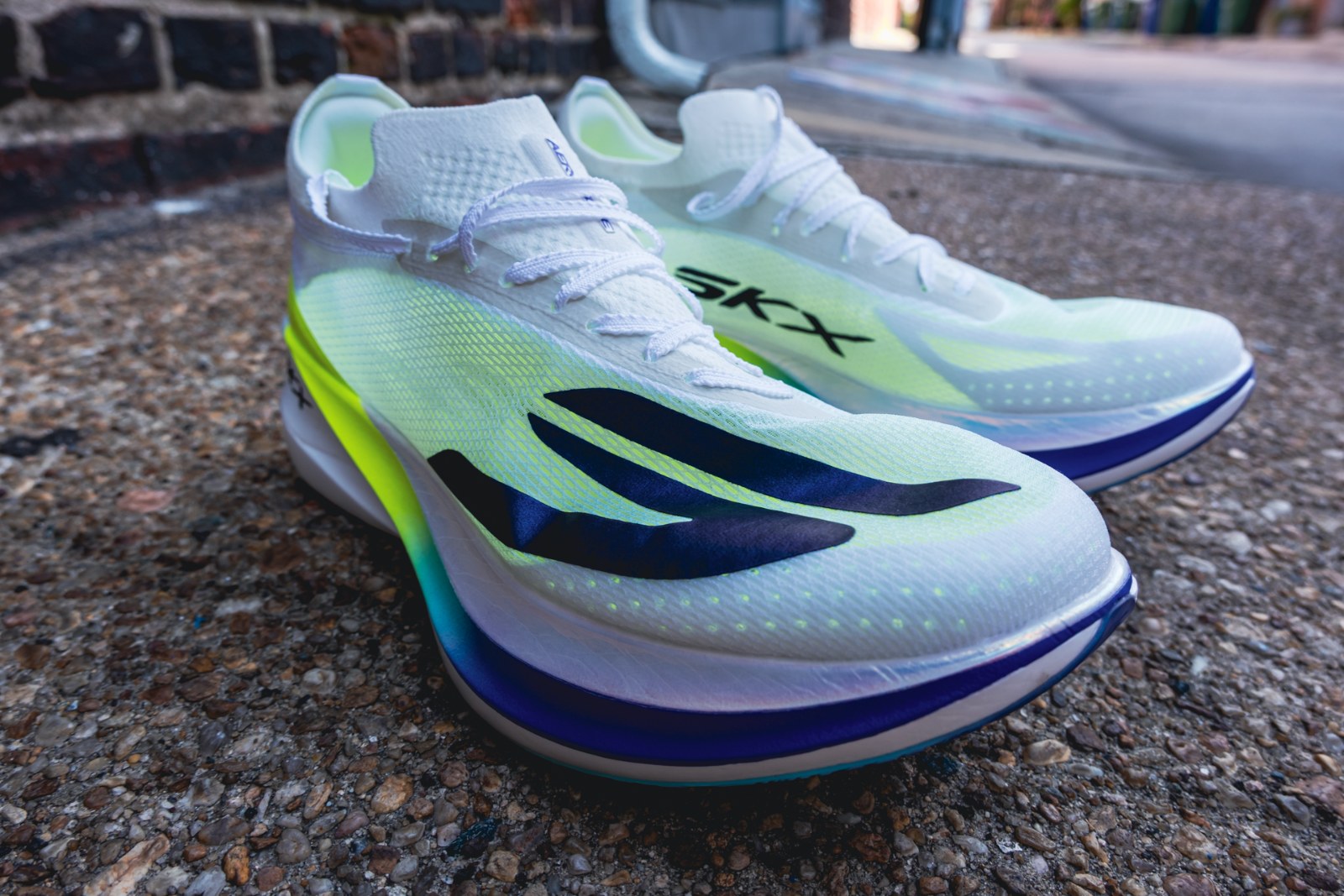
The Aero Elite comes onto the scene like none of the other Aero shoes before it. A 40mm midsole of ATPU Hyperburst Pro sits under a new carbon-infused Quantum Plate to provide maximum propulsion on race day. Underfoot is a generous-but-lightweight covering of TPU rubber, and everything is held to your foot by a new KnitFit bootie-upper that keeps the weight down, sub-6 oz for a US M9.
In other words, Skechers planned its shoe releases like a good tactical race: start slow and easy, but when it’s time to go fast, pull out all the stops. At $225, the Aero Elite goes for the jugular with a competitive price cut compared to the rest of the race-day world... IF it can take the exciting stats on paper and deliver actual performance out of them. So the question is, is the Aero Elite worthy of its name?
Sam: I love Skechers. They send a lot of shoes to our review team, so I've been fortunate to track the progress of Skechers’s performance line over the years. If you watch the video reviews, you may have even seen me pop up on the YouTube channel to share my thoughts on the Aero Spark and the Aero Razor.
The Aero Spark was good, and the Aero Razor was great. So great, in fact, that I deemed it the best Skechers shoe I have ever worn. So my excitement upon receiving the Skechers Aero Elite was hard to contain. Has the Skechers team finally taken a seat at the table by offering a race day shoe to rival that of the big brands? Let’s find out.
MEG: Unlike Kaleb and Sam, I’ve been out of the Skechers game for a while, and “love” isn’t a word I’ve ever used with the brand. That said, they’ve made some genuinely great stuff over the years (machine washable!), and I’ll be the first to admit it: if you can mentally separate the performance line from Shape-ups and the “Glide-Step” stuff (aka their very, very inspired-by-On look), the running shoes are actually quite good.
The Aero Elite wasn’t on my seeding request list, but when the box showed up, I was low-key excited. A soft, high-stack, super lightweight race day shoe with branding that doesn’t scream Skechers? Let’s test it out.
Chad: I had the immense pleasure, like Kaleb, of testing the Skechers GoRun Razor 5 with the Fruity Pebbles midsole, as well as the newer Aero Burst. Both were positive experiences in my book, but the same cannot be said about the Aero Tempo, Skechers' previous attempt at a race day shoe that looked the part, but fell very much flat when it came to performance.
The Aero Elite came to my door, and immediately I knew that there was something about this shoe that I would like. It was ineffable; I couldn’t explain what it was about taking the Aero Elite out of the box that had me so smitten. But was the love at first sight just an illusion?
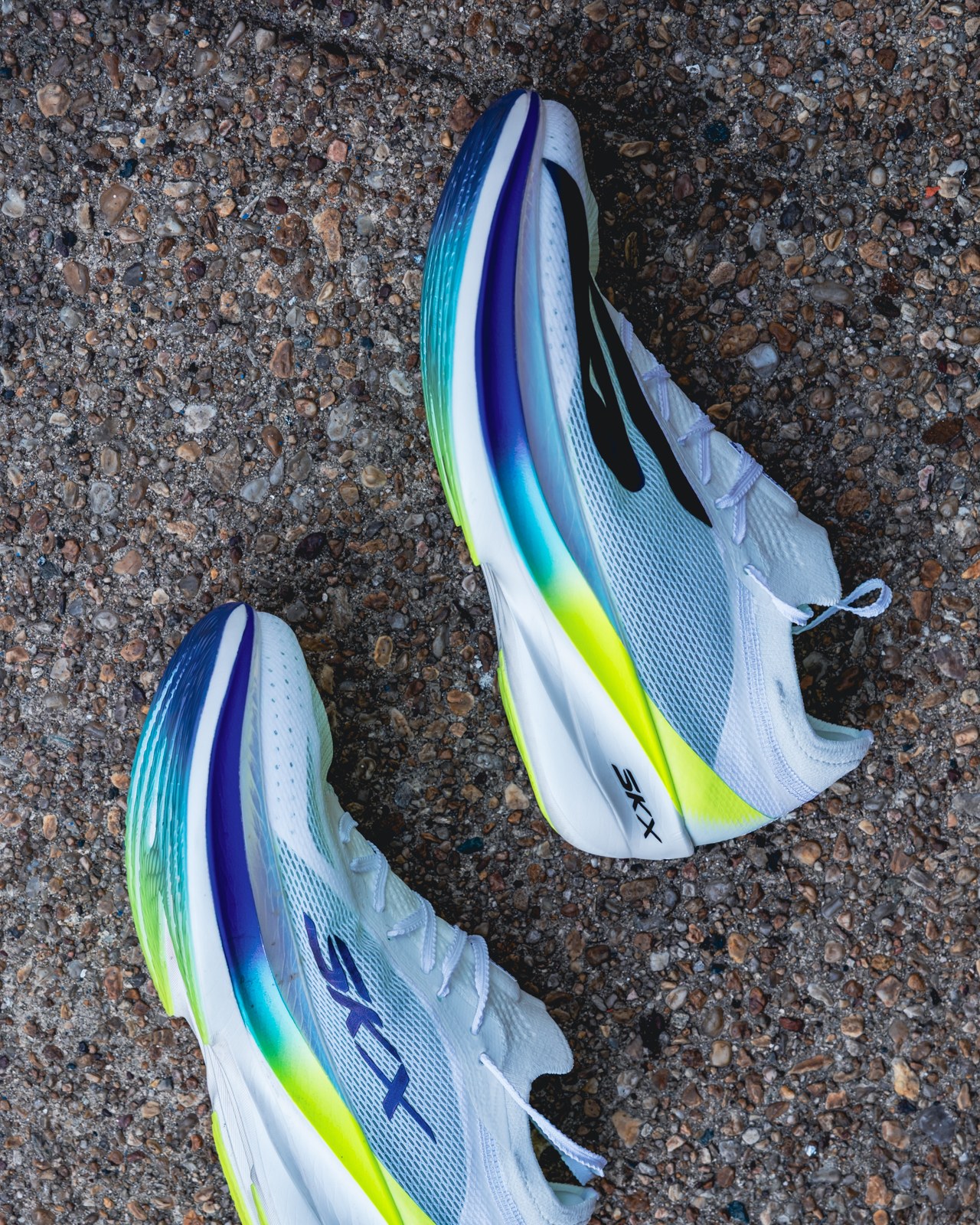
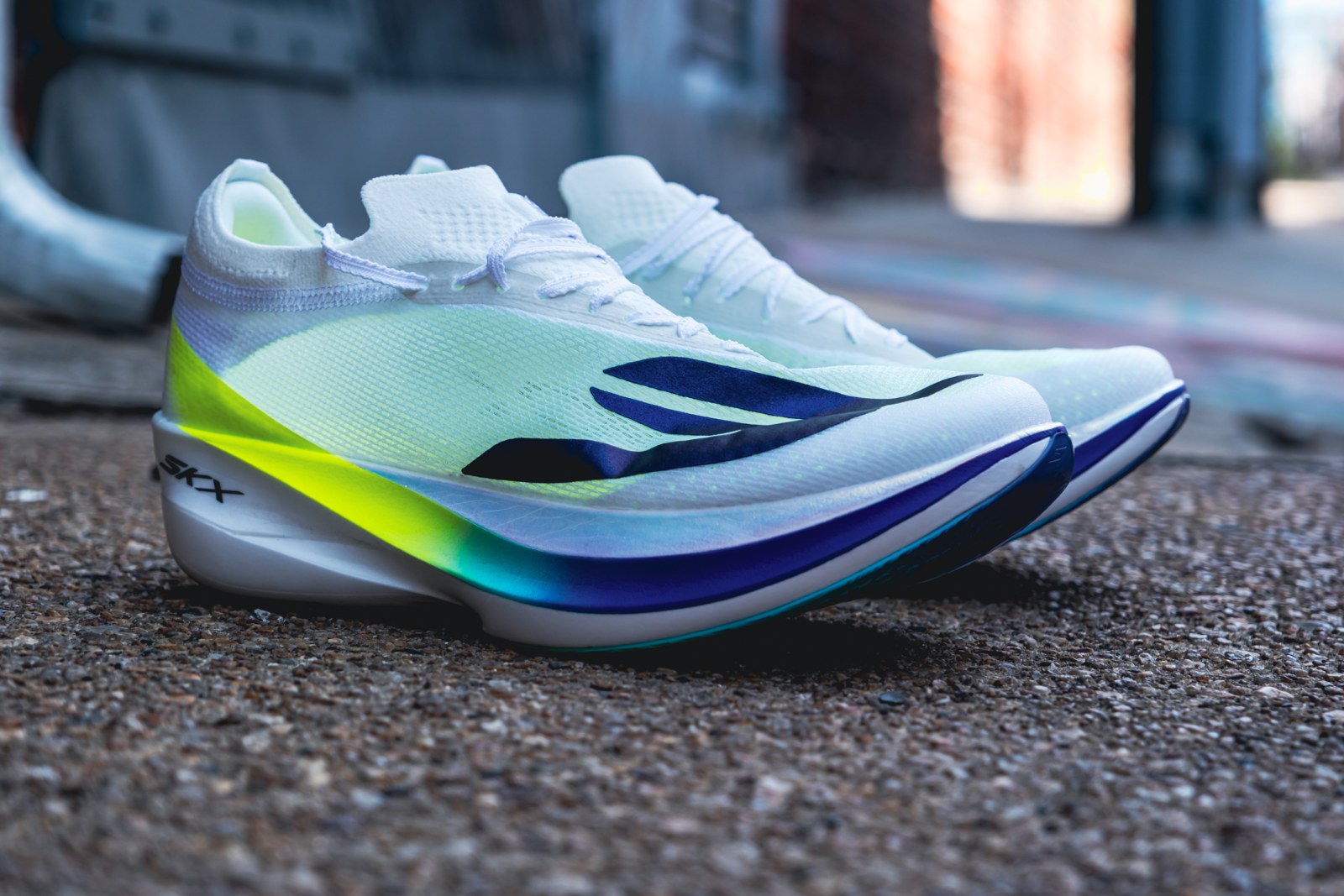
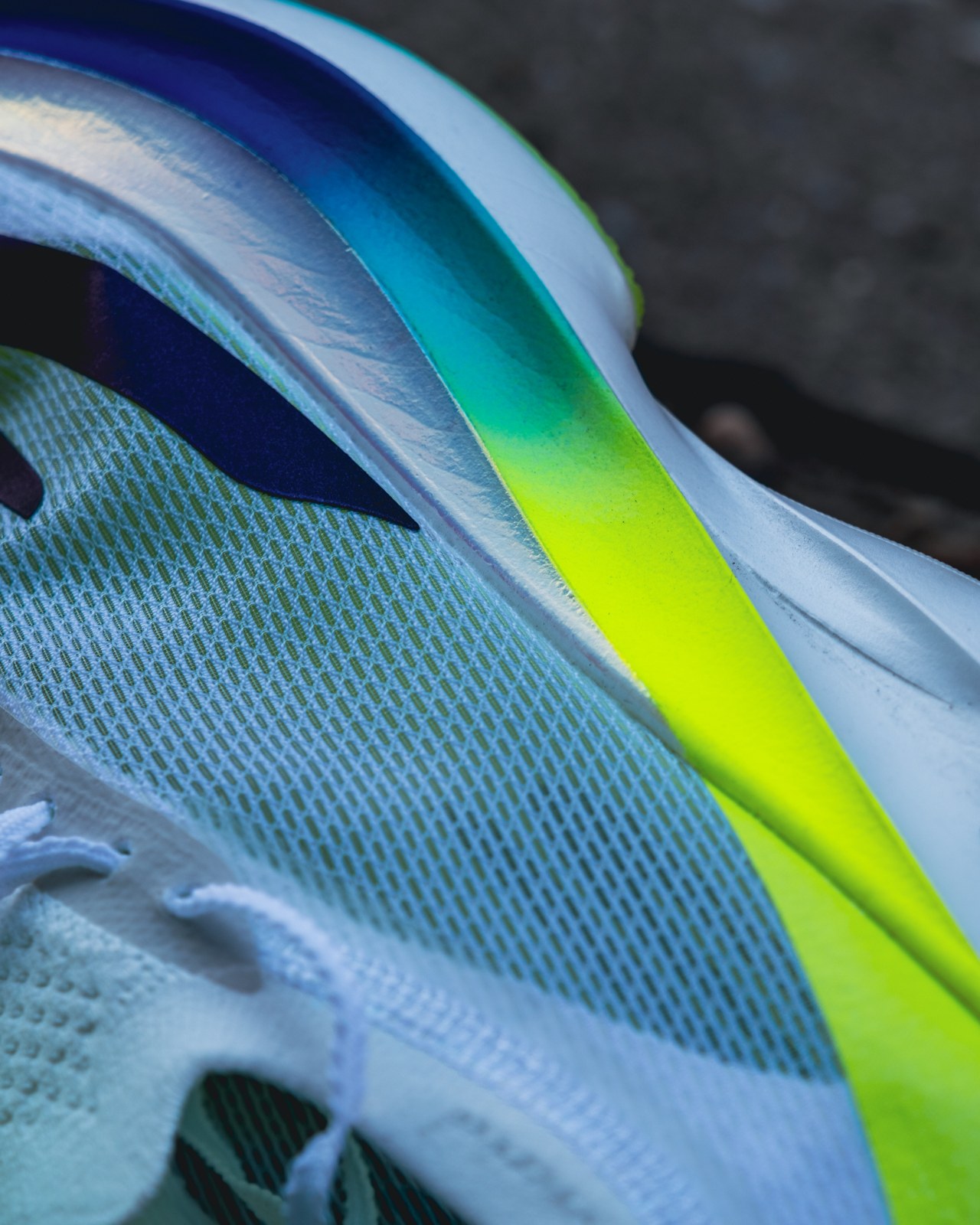
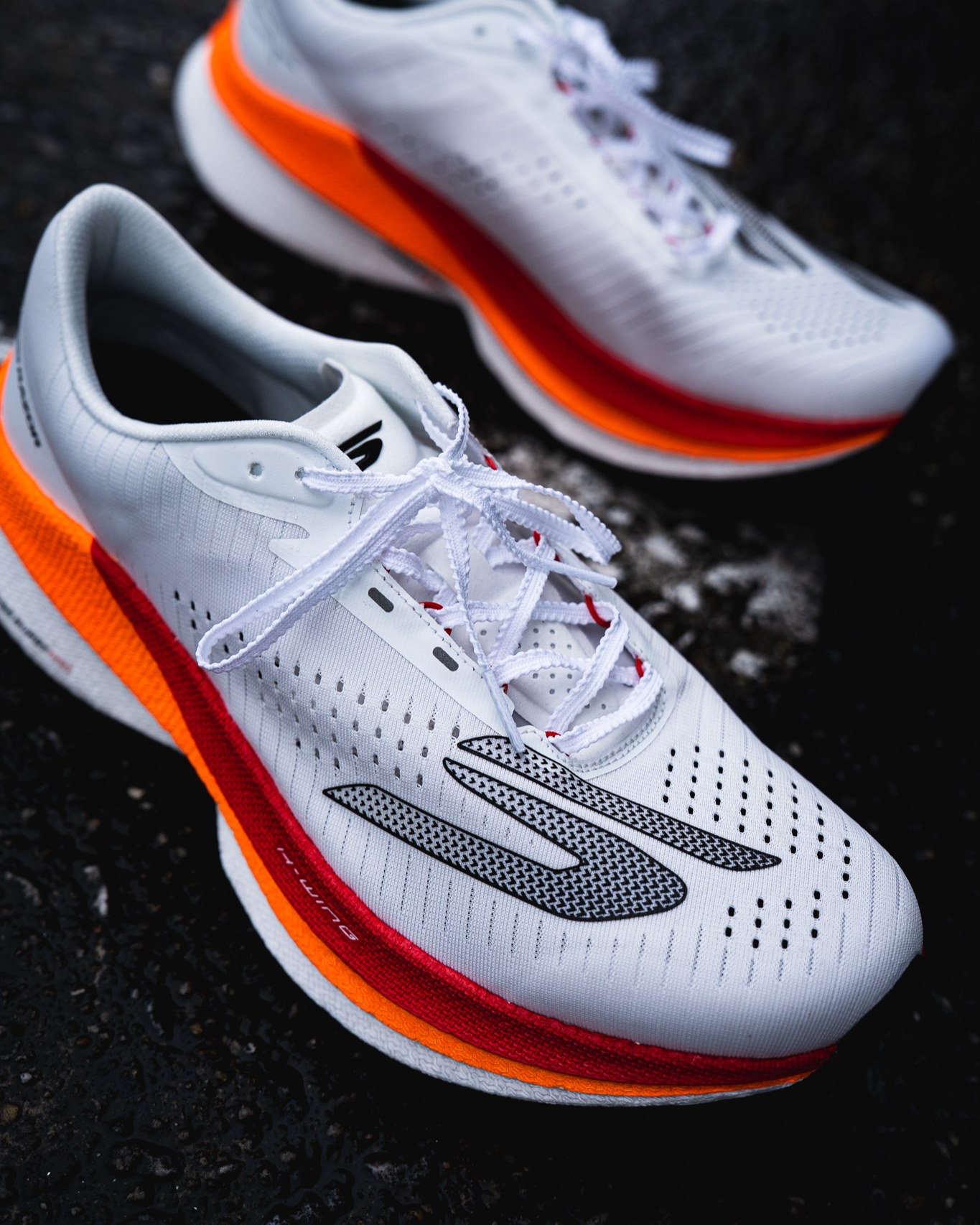
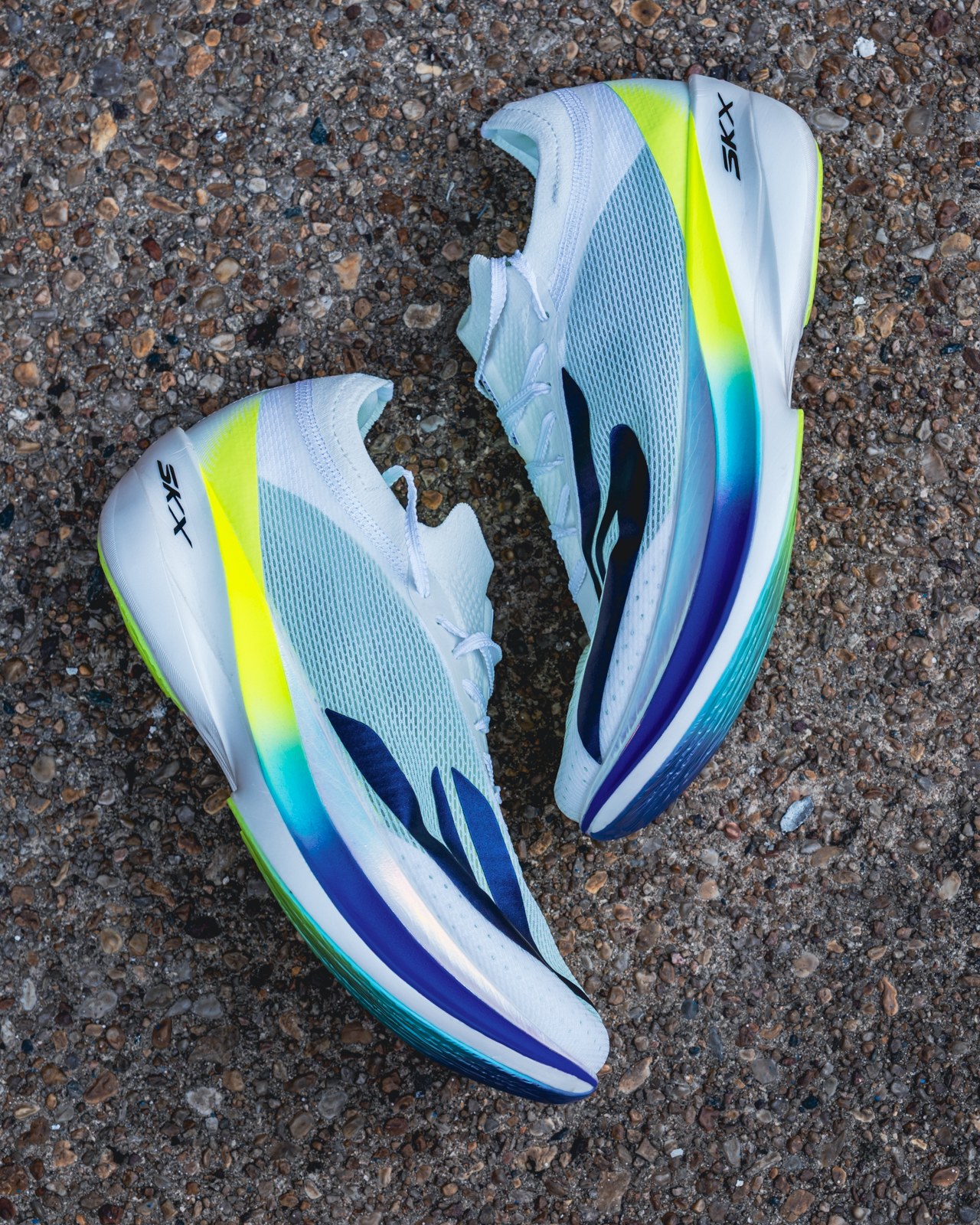
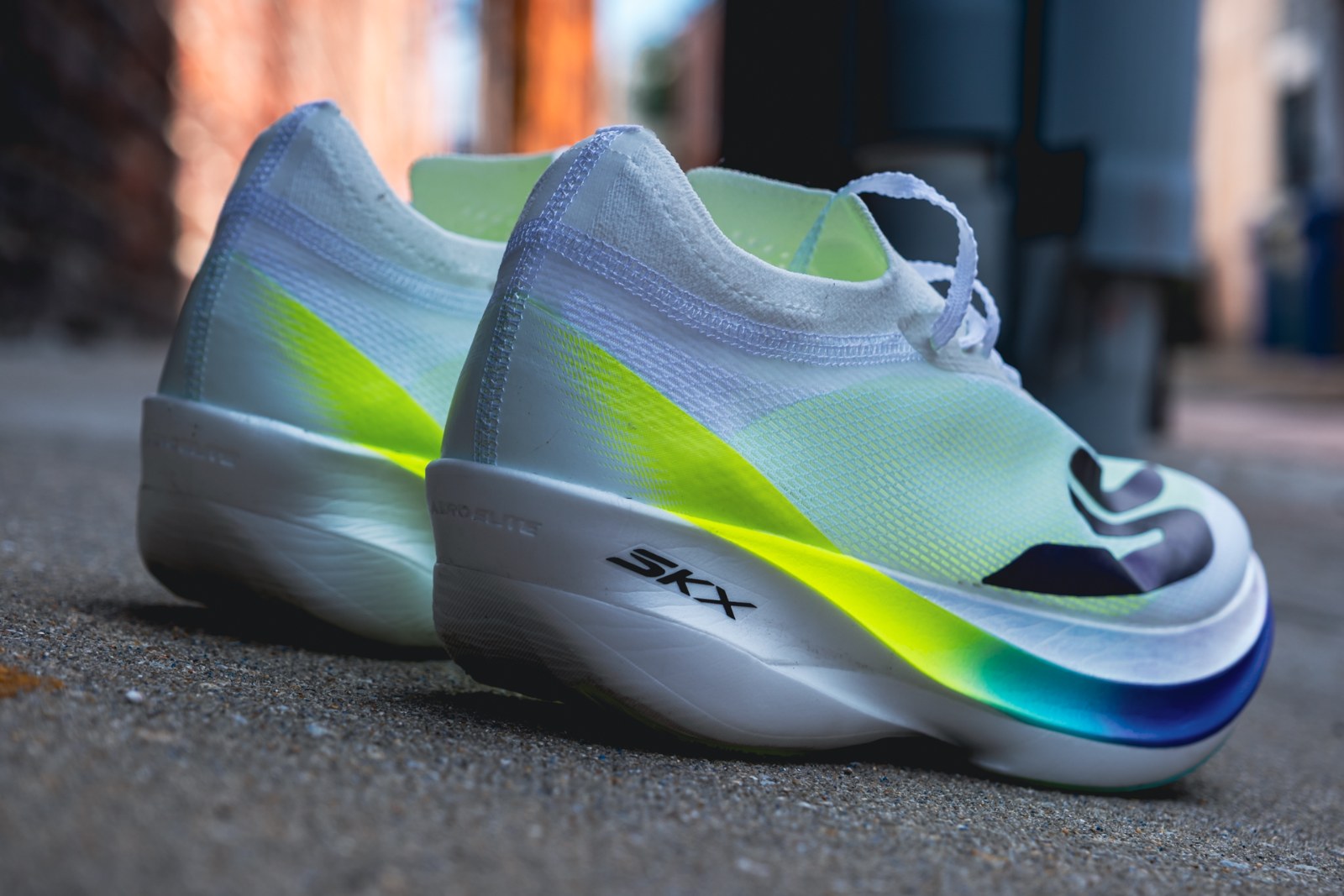
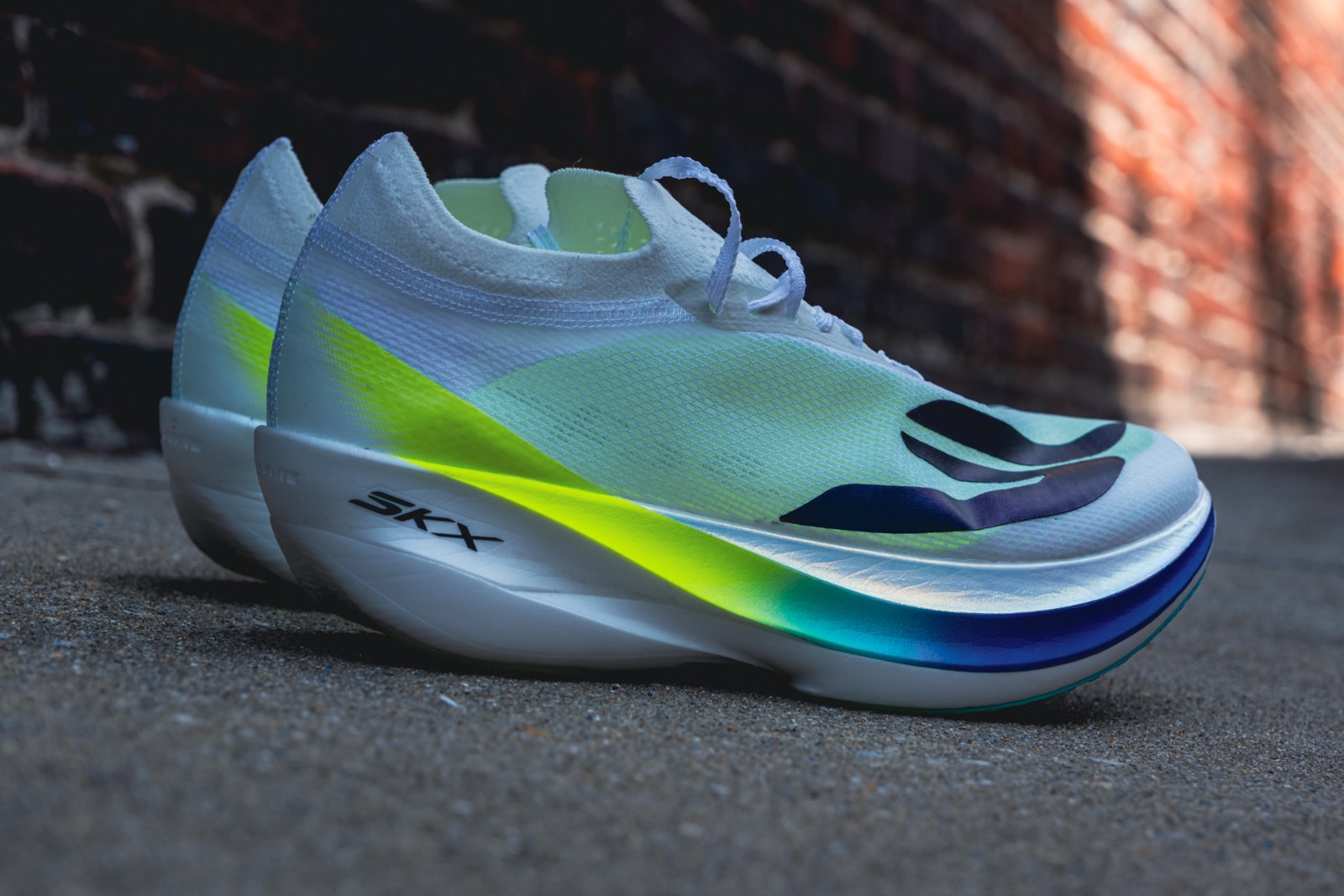
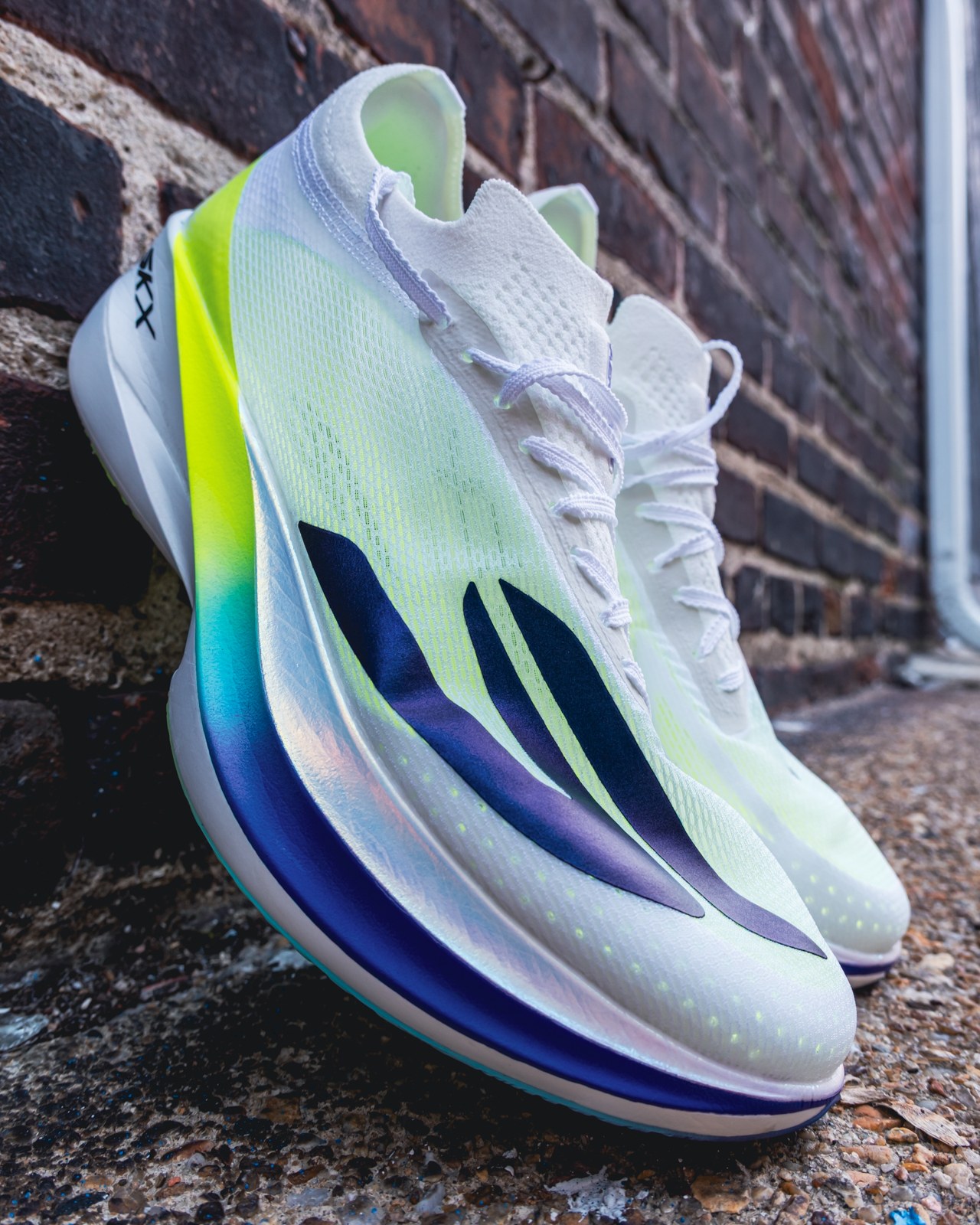
KALEB: I feel an obligation to start with the appearance. Why? Because in my first Skechers review, I tore the Razor 5 apart for being one of the ugliest shoes I’d ever received. Two years later, the Elite couldn’t be further from that aesthetic. Sleek white base, sharp silhouette, smart blue-green accents with just a touch of silver shine to finish it off.
Sure, it’s reminiscent of a certain recent Hyperwarp line, but I’m not going to be one of those people who complains that “Ice Ice Baby” sounds like “Under Pressure.” Copycat or not, I got a ton of compliments from people on this shoe; both fellow runners and non-athletes who would see me walking around after a training session.
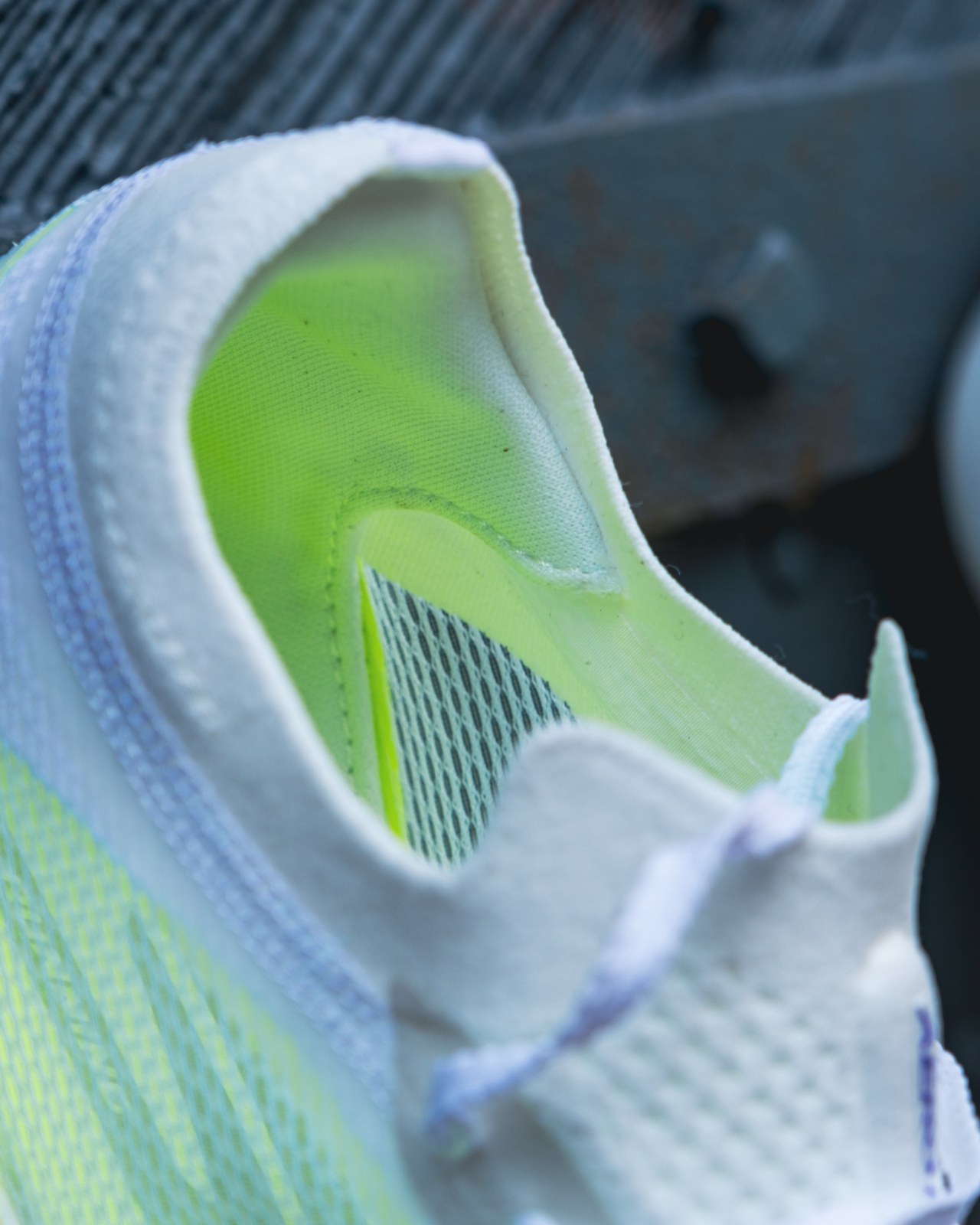
I’ll start with the upper because it’s so often left until later in the review, and I know a lot of y’all ain’t reading 14 paragraphs to find out about the upper. For real though, the FitKnit upper Skechers put together is nigh-on perfect, keeping minimal weight while staying uber comfortable.
The integrated tongue was a great call for an upper made out of this kind of knitted yarn-y material. It hits a sweet spot on stretchiness, where it molds to your foot without choking you, but still holds on securely. The fit is great (true to size) and secure enough that I felt comfortable cornering at high speeds, locked in atop the midsole at all times.
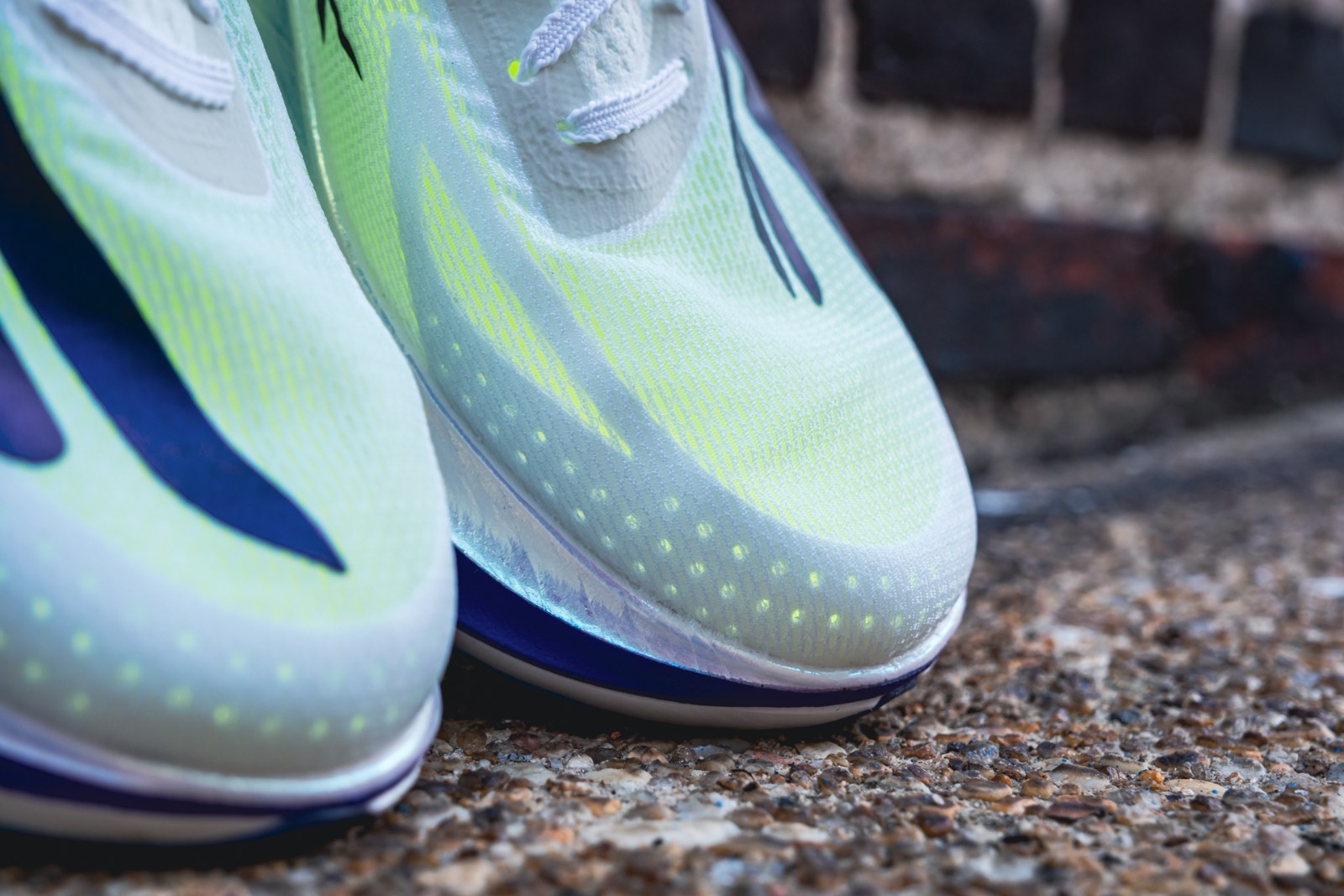
And when I say “high speeds,” I mean it. The midsole on this sucker has some zing to it. One beef I have with marathon shoes (as a frequent racer of non-marathon distances) is that if they’re too dialed in for 26.2, they’re often pretty slow shoes in the grand scheme. Ripping a good 5k, 10k, or even half marathon can be difficult when a 40mm marshmallow is only working for you at paces slower than threshold. However, those same race day shoes are often marketed as at least 10k-on-up shoes, with some brands being so bold as to suggest them for the 5k.
The Aero Elite actually delivers on that suggestion. It’s a combination of good plate tuning and perfect midsole density. When it’s time to go fast, rebound is the name of the game, and a slightly firmer foam durometer is going to deliver best. The ATPU is right on that slightly firmer end while still feeling cushioned.
As a bonus, that also means it’ll probably last longer than a softer shoe would before breaking down. The Quantum Plate is full of holes and cutouts to keep weight down, but it's still springy enough and rockered really well for picking up the pace. This is one of those shoes that sings louder the faster you take it.
I took the Aero Elite on long runs; I took it on threshold runs; I ripped 5k pace in it; I even slammed it through sub-4:00/mile paces for some track work. Let me tell you, this sucker can keep up. Is it built for that? No. But can it do it really well? Yes. Which means the Aero Elite can actually be used by the elites. Don’t get me wrong, I’m far from belonging in that category, but if I can hold 5k pace in a shoe, that’s some dude’s marathon pace, so the shoe can clearly play ball when and where it needs to.
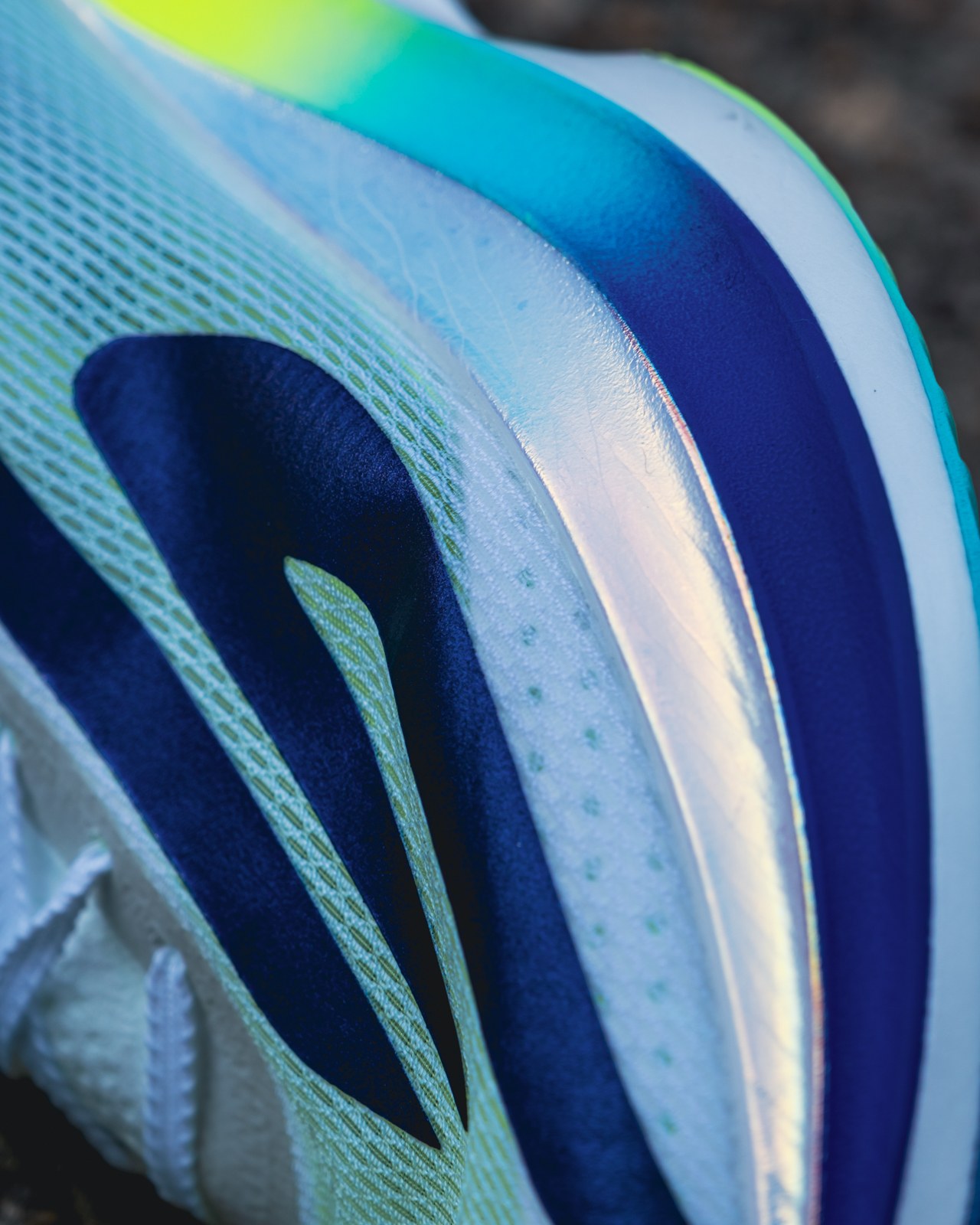
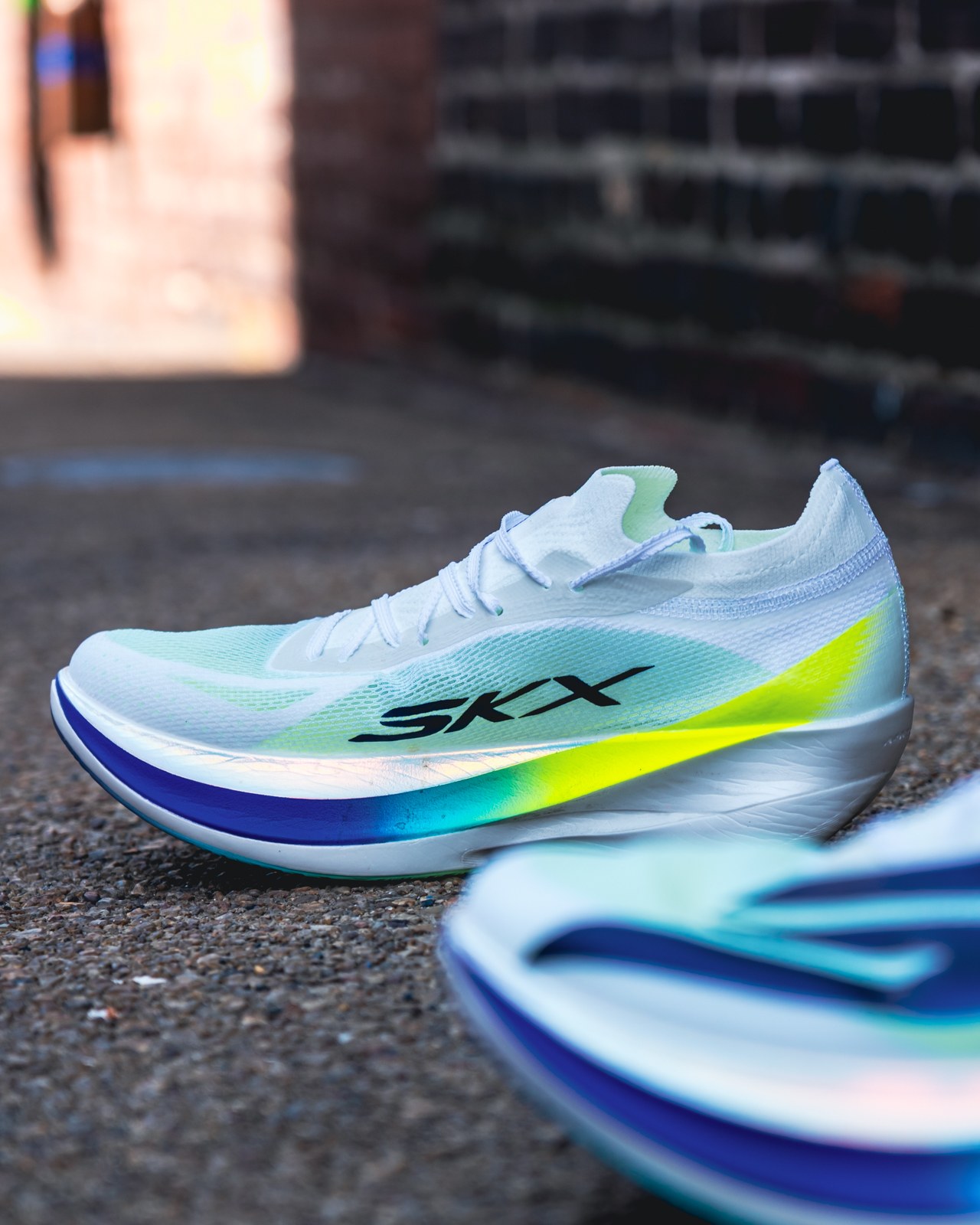
Underfoot is a fairly generous portion of tacky TPU rubber. I never had grip issues, and although I punched a hole in an exposed midsole area while running on some ill-advised large-gravel roads, I feel good about this shoe’s longevity. I’ve got almost 40 miles of hard training tracked in the Elite, and there’s still no sign of wear. Gone are the days when your plated racer only lasted 100 miles. Better yet, the Elite packs all this robustness in a sub-6 oz. frame for my men’s size nine.
All of this for $225 in a world where $500 hypershoes exist… don’t mistake the great price tag to mean cheap quality. The Aero Elite is truly top-notch.
SAM: The Skechers Aero Elite disappointed me. I know that is not the right way to start off the section where I discuss things that I enjoyed with the shoe, but I had to get it off my chest. In my career as a teacher, I have learned that you always need to be able to say something nice about a child, even if they are bothering you constantly and disrupting your class. Like a challenging student, there are some things about the Aero Elite that I did love.
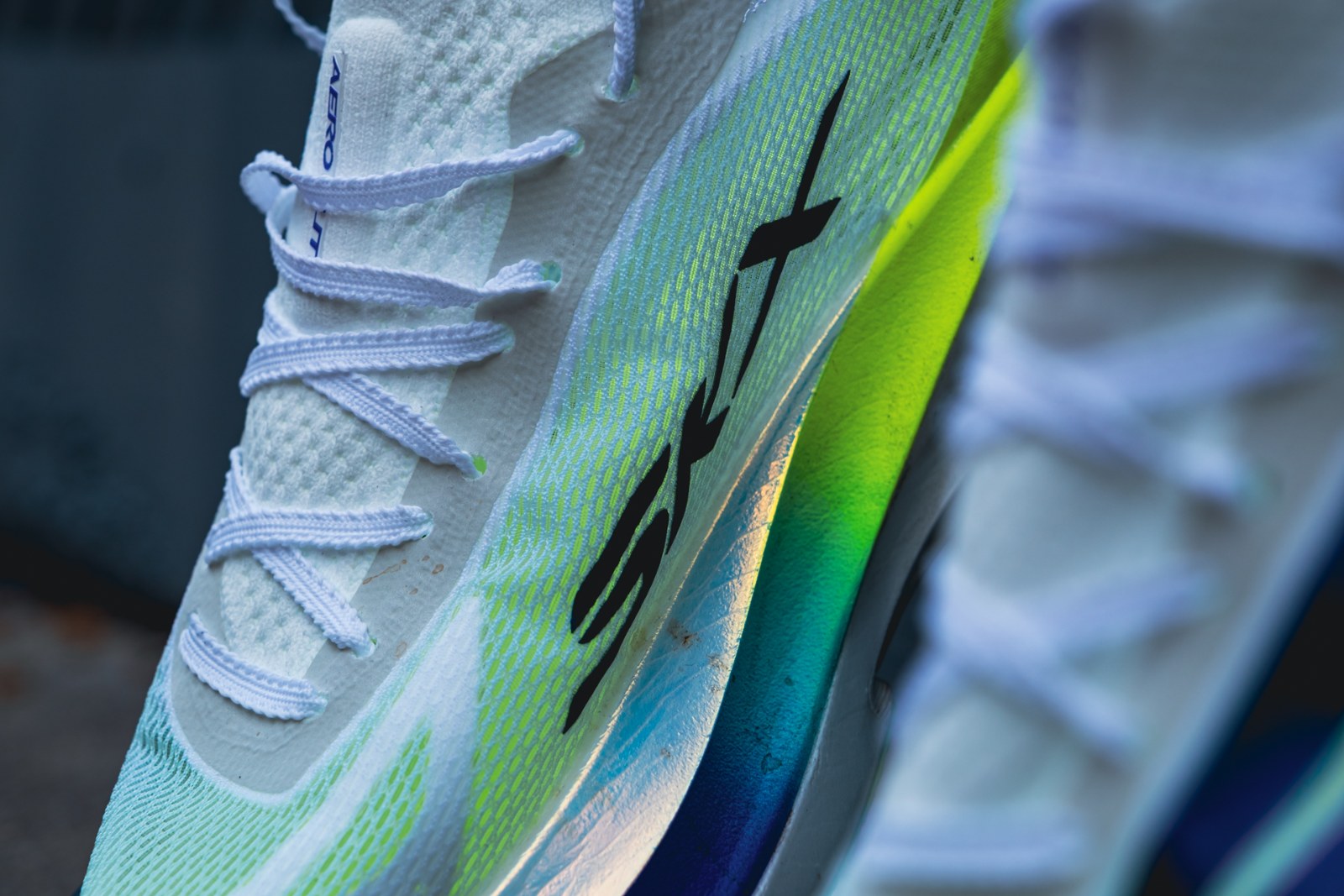
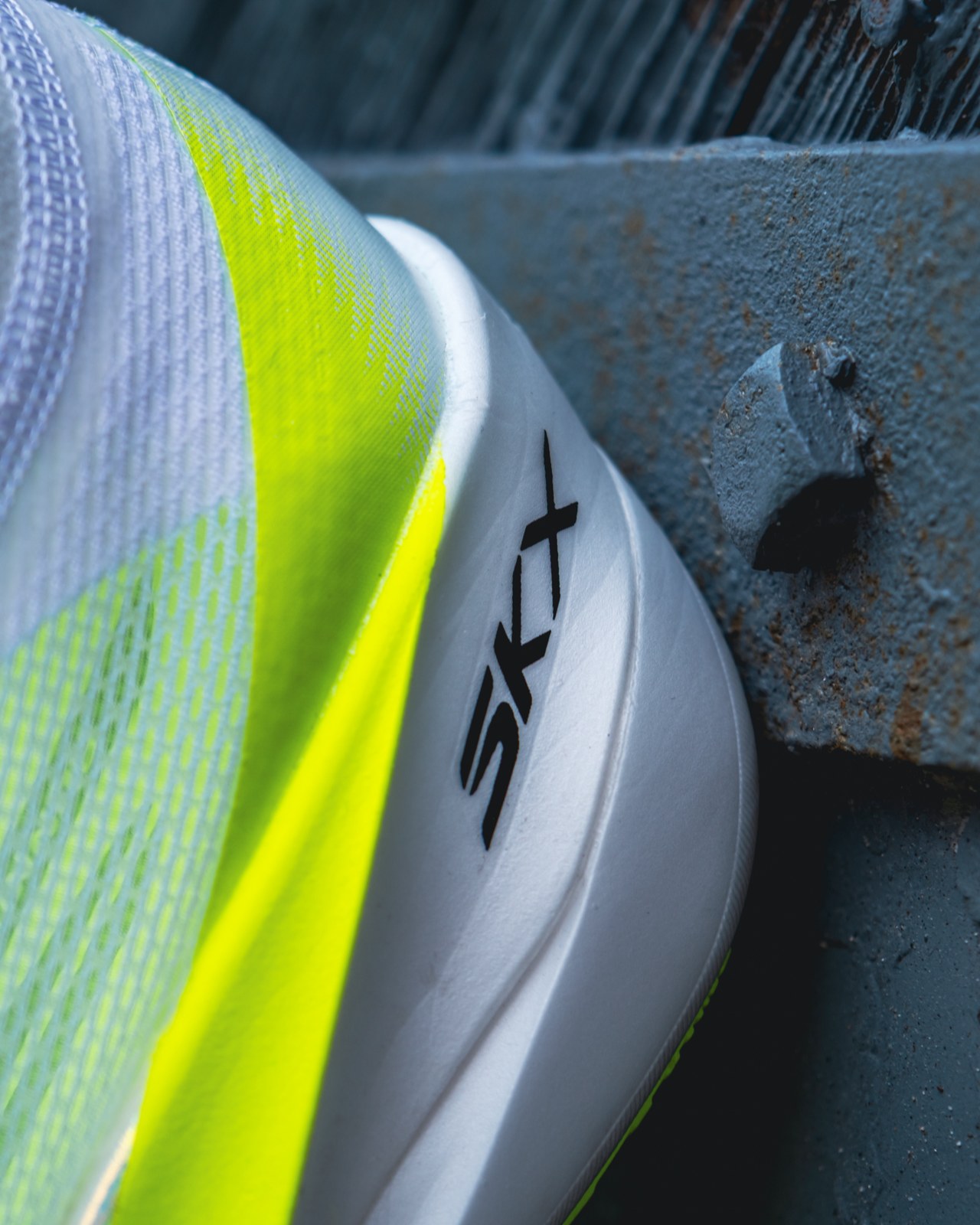
One of the main positives is that it looks fantastic. The all-white upper is very clean, and accenting it with the iridescent Skechers logo and the blue-green gradient is beautiful. Skechers has come into its own from a shoe aesthetics perspective and deserves a lot of credit for that. Another positive I have for this shoe is the weight! Skechers has made a lot of lightweight shoes in the past, but none that have this combination of weight and cushion. 40mm in the heel with a sub-6 oz weight is nothing to sneeze at. That wraps up the things I like. Sorry, Skechers, I hope you forgive me.
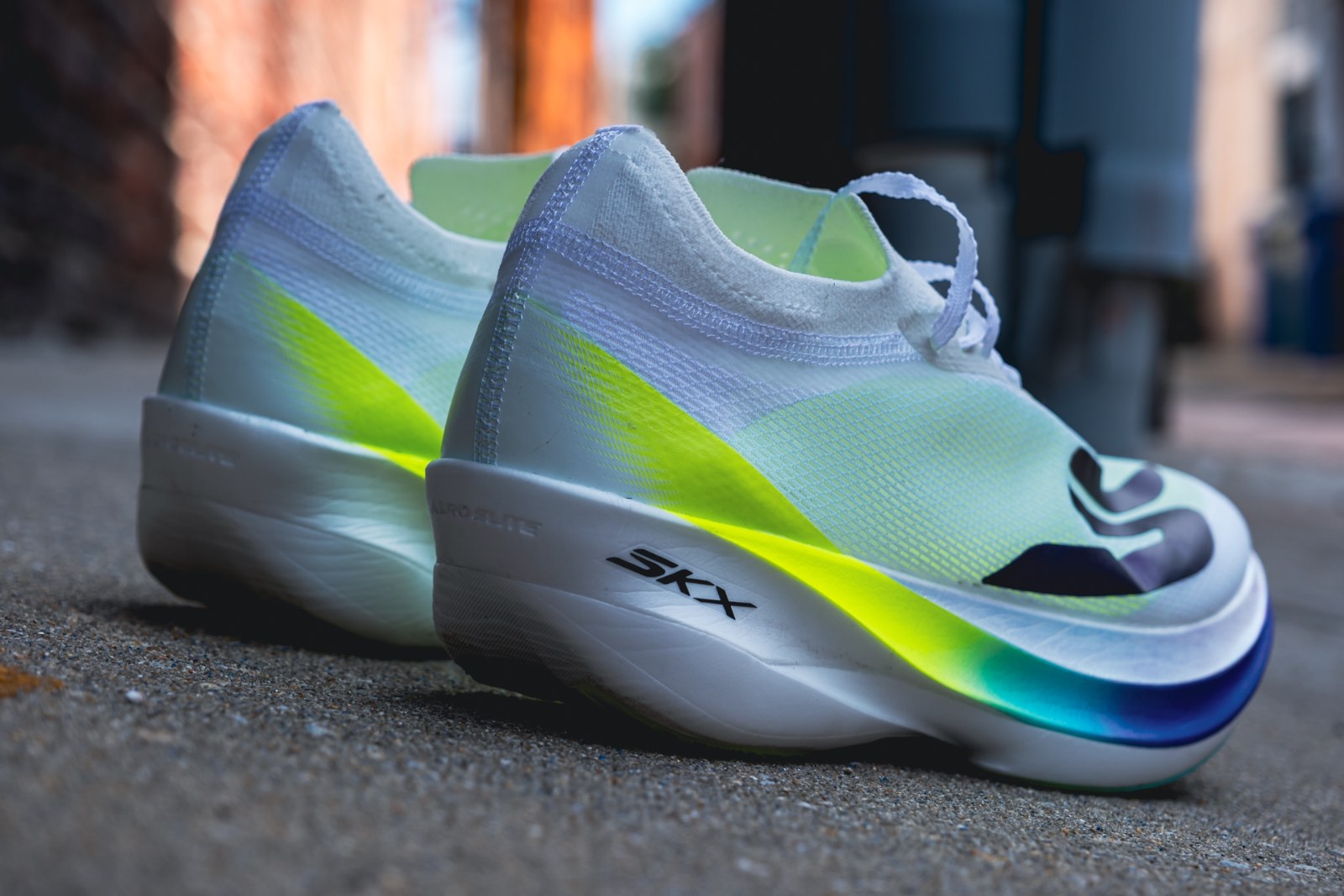
MEG: Kaleb nailed the aesthetics. Instead of wild colors, fades, and painted midsoles, this is a sleek, mostly all-white race day shoe with a Skechers logo that actually looks elevated. I laced them up, looked down, and was pleasantly surprised.
But it’s not just a good-looking shoe. It fits really well, too. The upper is super thin and light, hugging the midfoot while leaving plenty of room in the toes. The laces are simple but do a nice job locking the foot down.
Underfoot is where things get exciting. A thick slab of supercritical ATPU delivers a soft, squishy, yet bouncy ride. It feels like something’s missing in the heel (oh wait, there very much is), but the foam itself is one of the most comfortable, springy foams I’ve run in lately. There’s a full-length carbon-infused plate, but it never feels overly aggressive or firm, just a fun, springy sensation I really enjoyed. It reminded me of something in between the Asics Metaspeed Ray and the Hoka Cielo X1 3.0 (a very good place to be).
I took it through a couple of workouts, from quick 1-minute pickups to longer marathon-ish segments, and it felt great for all of it. Even better, it felt just as good on the warm-up and cool-down. Not squirrelly at all, just a soft, comfy ride. And I can’t forget the weight. My W7.5 came in at barely 5 oz. One of the lightest shoes I’ve tested this year.
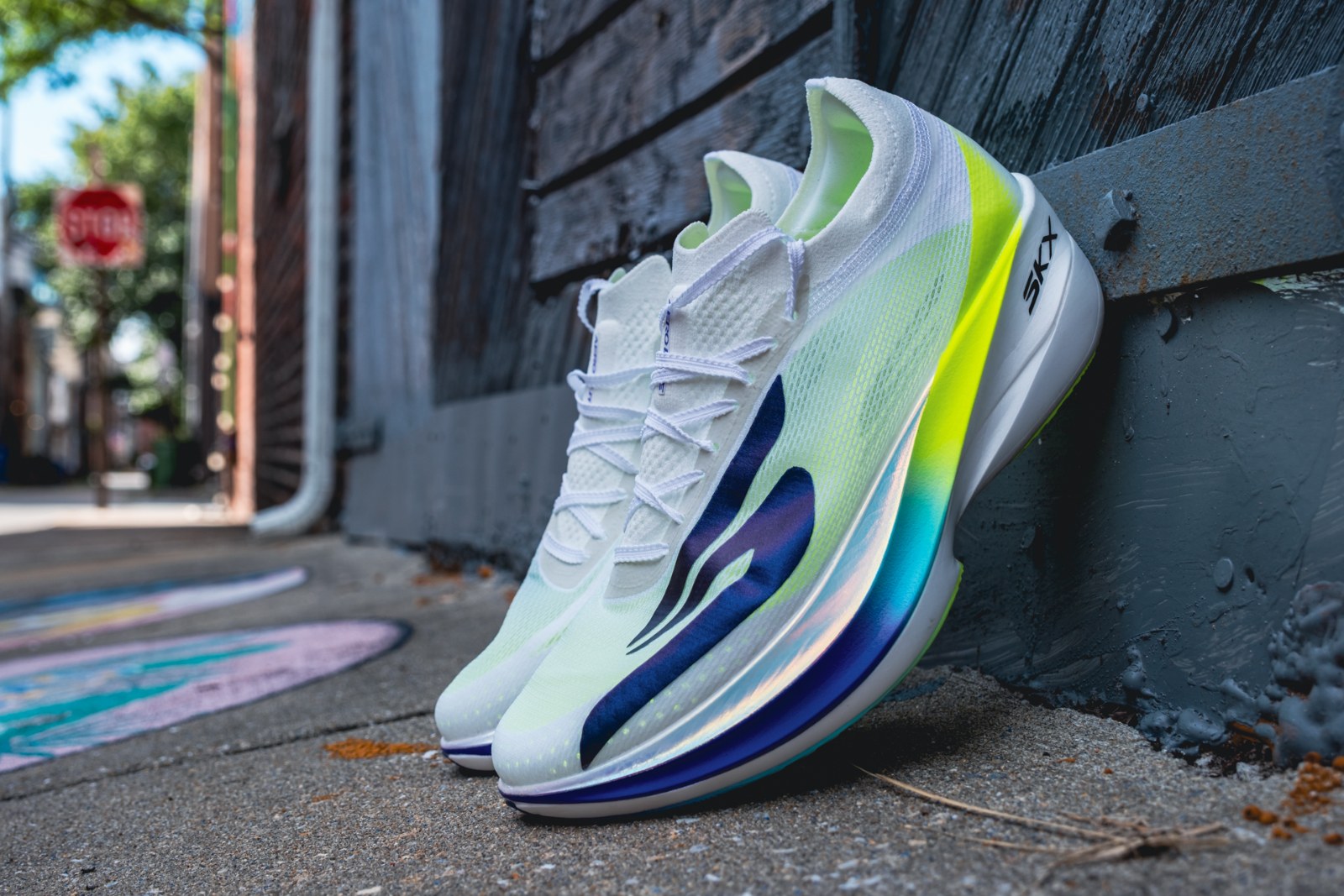
CHAD: Well, I’ll highlight the aesthetics first, as I normally do, because this is a very striking shoe. The upper in white is super clean, and the general appearance, feel, and fit of the shoe all lend themselves towards one thing: speed. The same can be said about the weight of the shoe, which comes in at a very shockingly low 5.9 oz. for a US M9.
I took this run out for three fast-paced workouts during the last few weeks of my New York City Marathon build, and I can confirm, this Aero is Elite. The turnover in this shoe is incredibly easy when combined with the insane rocker geometry. I agree with Meg that the plate didn’t feel too aggressive in this shoe, as my feet weren’t left with any lingering soreness or fatigue after some incredibly lengthy, hard interval and tempo efforts.
Hitting paces was incredibly easy, and the aTPU midsole foam reminded me a lot of the elite foam you would find in the Puma Deviate Nitro Elite 4, which is up there for my race day shoe of the year.
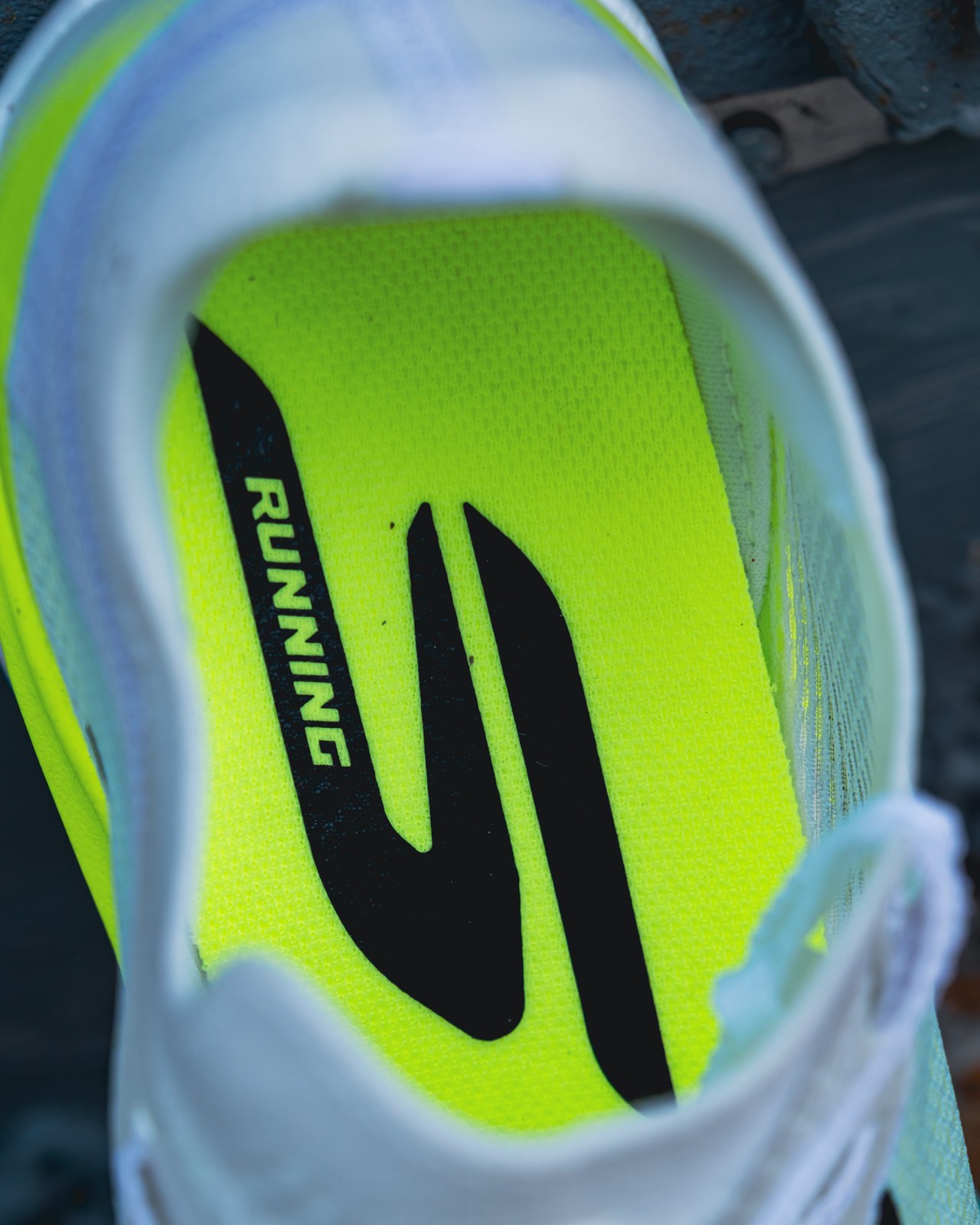
KALEB: My complaints are minor. The integrated tongue is great, but if I could make it even a little more perfect, I’d add a slightly larger cushion to it to completely eliminate the possibility of lace bite. Sometimes it took a few lace-ups to feel both loose enough for comfort and tight enough for security.
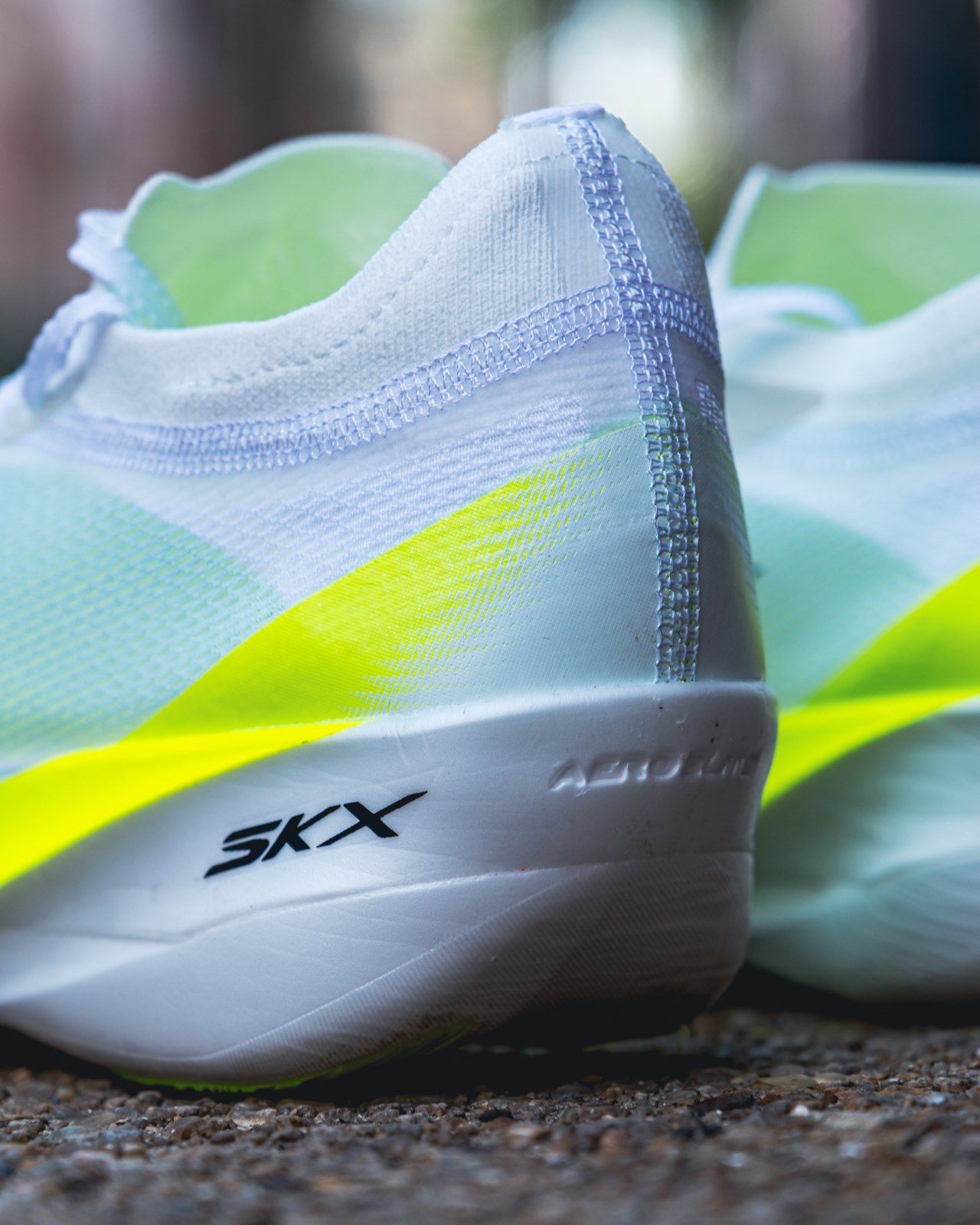
This also isn’t the most stable option out there. Granted, I’m saying that after multiple workouts where I took the Aero Elite on gravel, uneven grass, and dirt. So clearly it’s not that unstable. But even on level surfaces, at slower paces, you’re definitely doing a lot of calf work to stay dialed. The narrow heel doesn’t play nice with slower-paced mechanics, so if you’re a big heel striker, this isn’t the shoe for you.
A lot of people might experience these things and say, “Oh, this isn’t a true marathon shoe; it’s more of a half-marathon racer.” I disagree: the Aero Elite is a marathon shoe. But it’s a marathon shoe for the top dogs. The men and women out there spending under two-and-a-half hours on the roads are the real target audience, and it’s not fair to punish a shoe for being what it claims to be.
For those runners occupying the mortal plane, the Aero Elite is a great 5k-half marathon option. It’s just a dang great shoe, and probably my sleeper race day pick of the year.
SAM: Let me preface the dislike section with a disclaimer: If the Skechers Aero Razor was not so good, my judgment of the Skechers Aero Elite would be different. This is what happens when you start making good shoes, Skechers! Heavy is the head.
My expectations were sky-high for the Aero Elite after loving the Aero Razor, and the Aero Elite did not live up to those expectations. To test the shoe, I put it through the crucible of my longest run in preparation for the NYC marathon. 23 miles on an out-and-back rail trail to give me an idea of what this shoe is about.
After warming up in the Aero Elite, I immediately started to have concerns about the midsole geometry. I loved the Hyper Arc rocker in the Aero Razor, and was expecting a similar platform in the Aero Elite. Instead, I found the shoe very front-heavy and cumbersome.
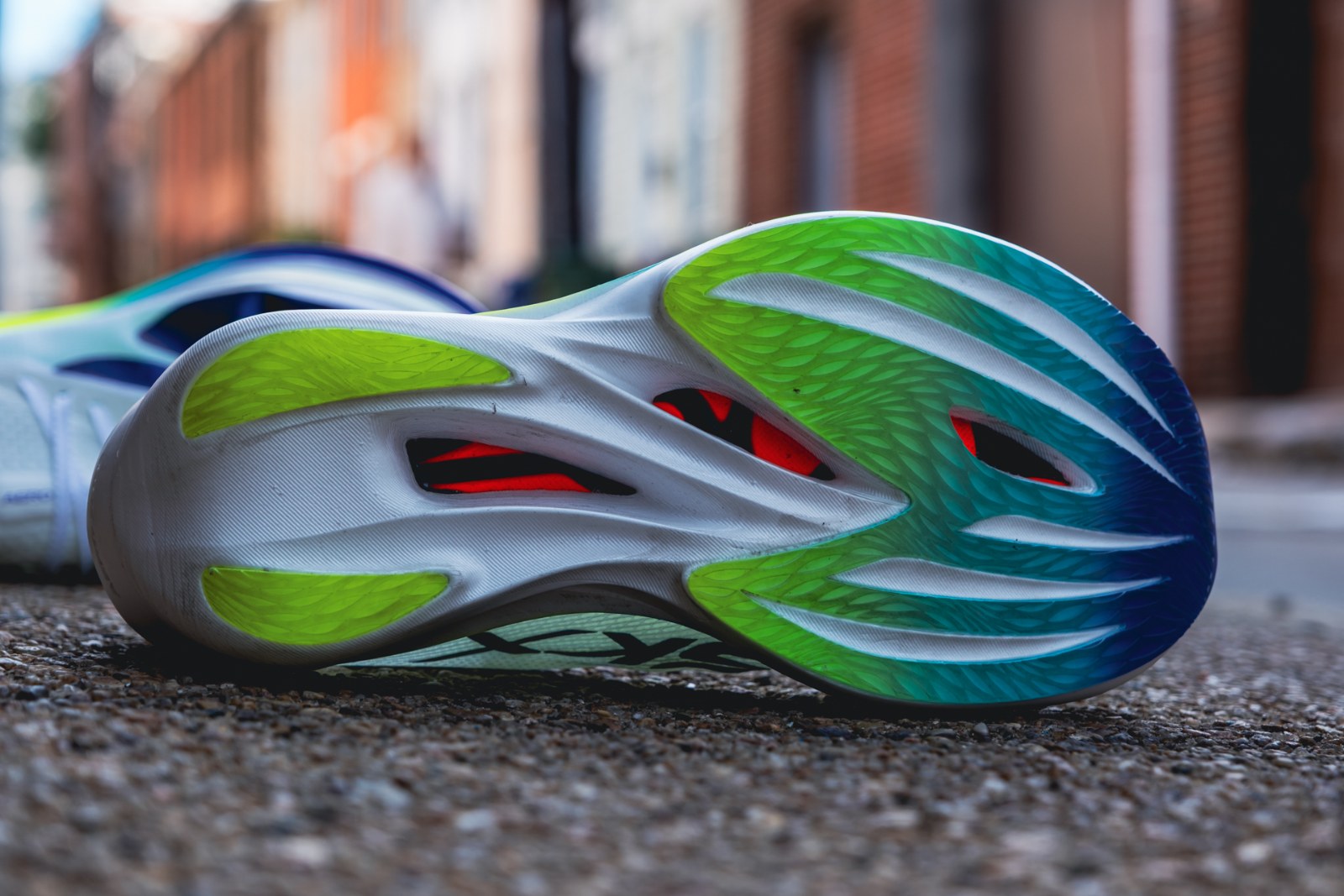
If you turn the Aero Elite over, you will notice why. The Aero Elite dedicates significant space and weight to the forefoot, and I felt that on the run. In my opinion, the point of a good rocker is to provide a mechanical advantage in the turnover of your stride. The Aero Razor does that to perfection. My foot quickly transitioned from heel to toe when running at faster speeds, and the thin amount of Hyper Burst Pro at the toe-off gave the Aero Razor a great spring as I pushed off the ground.
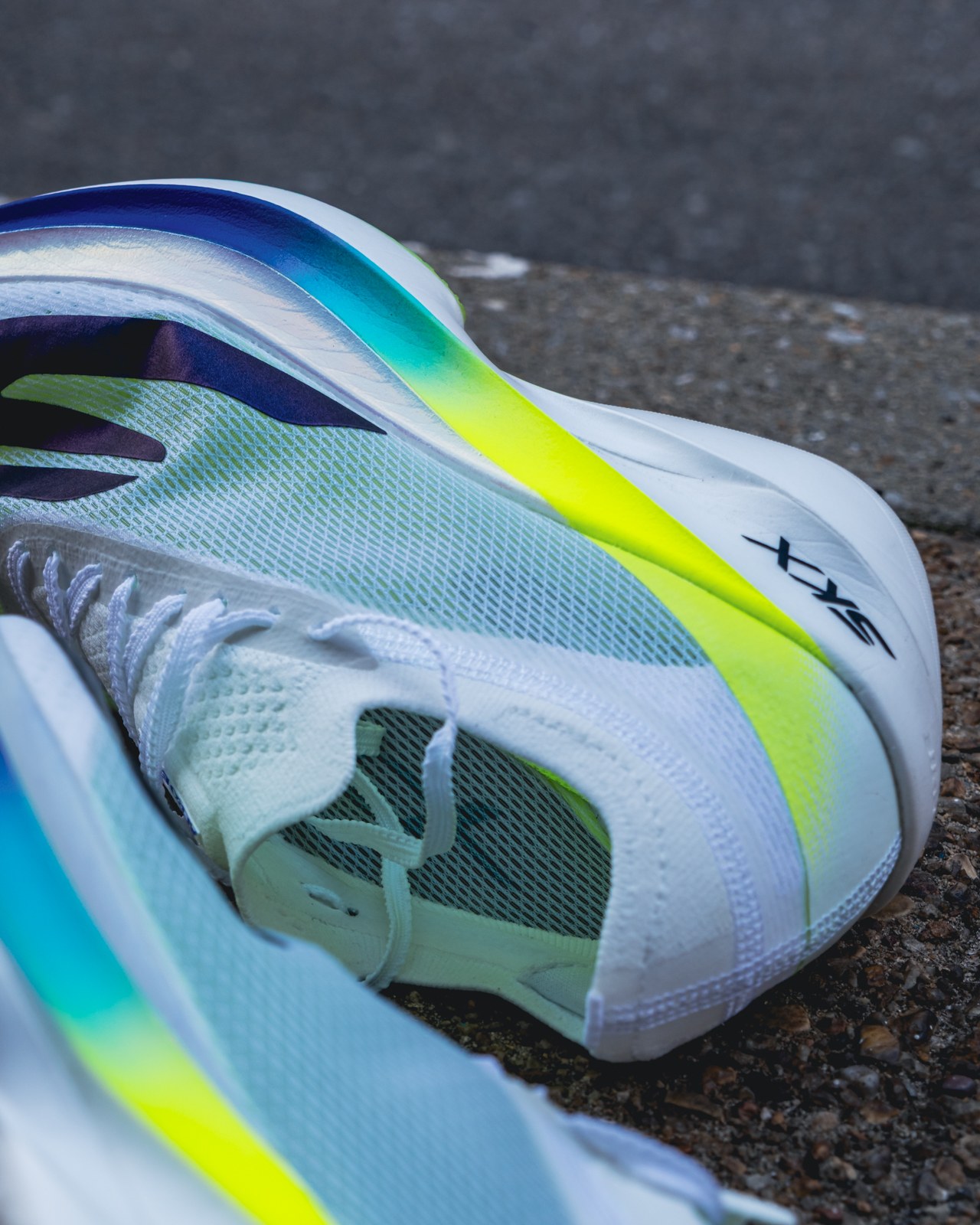
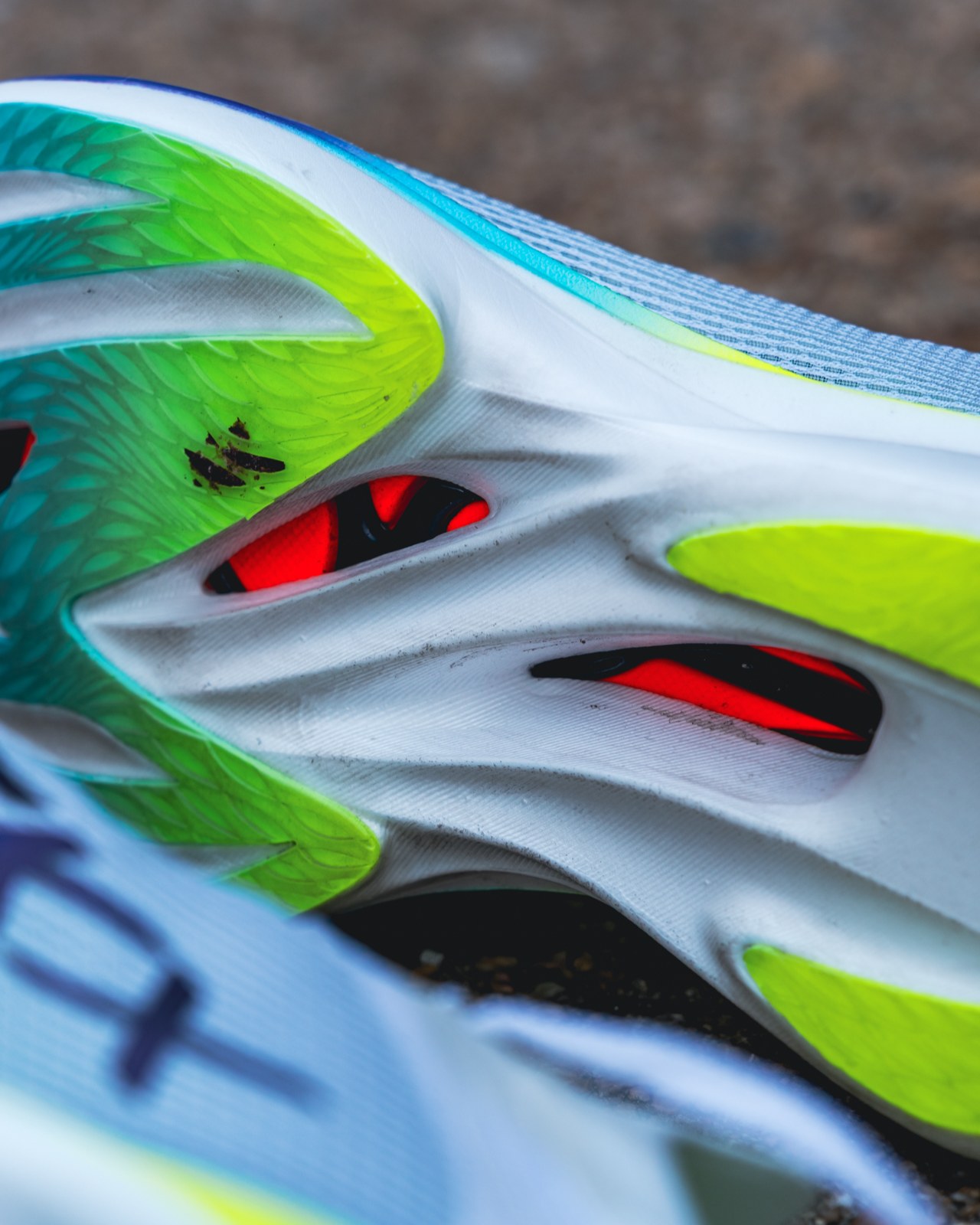
The Aero Elite, on the other hand, has the opposite problem. The amount of foam committed to the front of the foot has to come from somewhere, and the lack of foam in the heel of this shoe led to the turnover feeling stunted. Instead of feeling snappy, the Hyper Burst Pro felt sluggish and in the way of my foot turning over.
After 23 miles, this made my legs much more tired than they should be because I had to work harder with every step to push off the ground. At the end of a marathon, a good race shoe should push your legs through the finish line, not be the reason you cannot make it there.
Another challenge I had with the Skechers Aero Elite is the upper. It has the same sawtooth laces as the Skechers Aero Razor, but has a performance FitKnit upper instead of a traditional woven upper. I found the sock-like upper of the Aero Elite very hard to lace up because of this, which was not helped by the eyelets stopping before my ankle. My foot was slipping and sliding all over the place, and I ended the 23-mile run with bloody blisters on both feet. Like quick turnover, a good lockdown is a very important aspect of a race day shoe, and I was disappointed with what Skechers had to offer in the Aero Elite.
MEG: I can kind of see Kaleb’s point about the tongue padding. If you get a little too aggressive with your lockdown, it can be a problem. Laced properly, though, they felt great.
My real issue with this shoe is the lack of heel. I tend to land midfoot to heel, so it became pretty obvious, especially at slower paces, that I was in fact missing some shoe back there. It didn’t hurt my running as much as I expected (or really at all), but this could be SUCH a better shoe if it just stopped skipping heel day. I’ll happily take a few extra grams to complete my shoe, is all I’m saying. Nobody in the history of shoe reviews has ever complained about too much heel cush (please don’t fact-check that).
CHAD: I’ll echo some of the comments of my colleagues regarding the Aero Elite’s upper. I had a hard time getting my foot into it and felt like it was super comfortable and I could handle it for any sort of distance. Between that and the very minimalistic heel on the shoe, which led to some wicked instability, especially during slower warm-up and cool-down miles, I don’t see this as being an option for me for more than a 10k, maybe a half if I feel really well trained and don’t fear form breakdown later in the race. That wobbly heel would absolutely wreck my posterior tibial tendon if that happened.
Final thoughts on the Skechers Aero Elite
KALEB: Skechers has something special in the Aero Elite. I know inevitably, the public will probably want a shoe to be more accessible, more democratic, easier on the stride, but frankly, this is a shoe for running fast, and that’s not a problem.
If you’re just getting your feet wet on the race-day scene, this probably isn’t the racer for you. Without high-quality form maintenance and the raw speed to keep the pace where the Aero Elite is happiest, you won’t get the most out of what this shoe has to offer. And that’s fine! There are other lightning-fast race day options out there that won’t tax you quite as hard.
But for more experienced runners, especially those looking to bridge the gap between race distances without buying multiple racers, the Skechers Aero Elite is one of my first recommendations. It’s aggressive, it’s fast, it’s fun, and at $225, it’s probably the best value you’ll get for a racer this good.
SAM: I believe in Skechers. I always have, and I will continue to ride for them after the Aero Elite. I think that they have a fantastic shoe design in the Aero Razor, and that this needs to be adopted directly into the next editions of the Skechers Aero Elite. I treated this shoe like I would any race day shoe, and I was unable to lose myself in the miles and execute my mock race day plan.
Instead, I spent my whole long run in the Aero Elite struggling to tie the shoe tight enough and feeling fatigued from the mechanical disadvantage this shoe presented me. This shoe is a start, Skechers, and I know you’re better than this. I am looking forward to what you release next.
MEG: Back when Joe Flacco played for the Ravens, we called him Elite AF. It’s since become a long-running NFL meme poking fun at the very real 2013 debate over whether he belonged among the top-tier quarterbacks (He did, for the record). I bring it up because I can’t see “Skechers” and “Elite” in the same sentence without thinking of exactly that.
So, does Skechers belong in the top tier of race day shoes? Honestly, I kind of think so. Trust me, I was just as surprised typing that sentence as you are reading it. But this is a genuinely good shoe. It’s light, soft, bouncy, and feels fast on the roads. At $225, it’s going to be a tough sell, but I’m here to give it its kudos.
CHAD: The Skechers Aero Elite has all of the makings of an elite race day shoe. With some refinements in certain areas (like maybe some more foam in the heel), it could make for a really fun shoe to rip a fast race in. I’d consider lacing this up for a Thanksgiving Turkey Trot 5k if I wanted to set a new PR before putting myself into a tryptophan-induced coma. But unless I wanted to ask Santa for a few months' worth of PT sessions on my ankle for Christmas, the Aero Elite will stay on my shelf for anything much longer than that.
You can pick up the Skechers Aero Elite for $225 at Running Warehouse (featuring free 2-day shipping and 90-day returns) by using the shop link below.
Sign in or create a free account to comment. You'll come right back here.
Sign in / Sign up


An attorney by day, Chad lives in Central Pennsylvania with his wife and three kids. Never much for running growing up, Chad began running as a way to improve his physical health. He went from his first 5k in 2015 to running the Paris Marathon in 2016. Given his larger physical build, Chad is the resident Clydesdale runner, providing shoe and gear insights for those with a bigger build and taller stature.
More from Chad
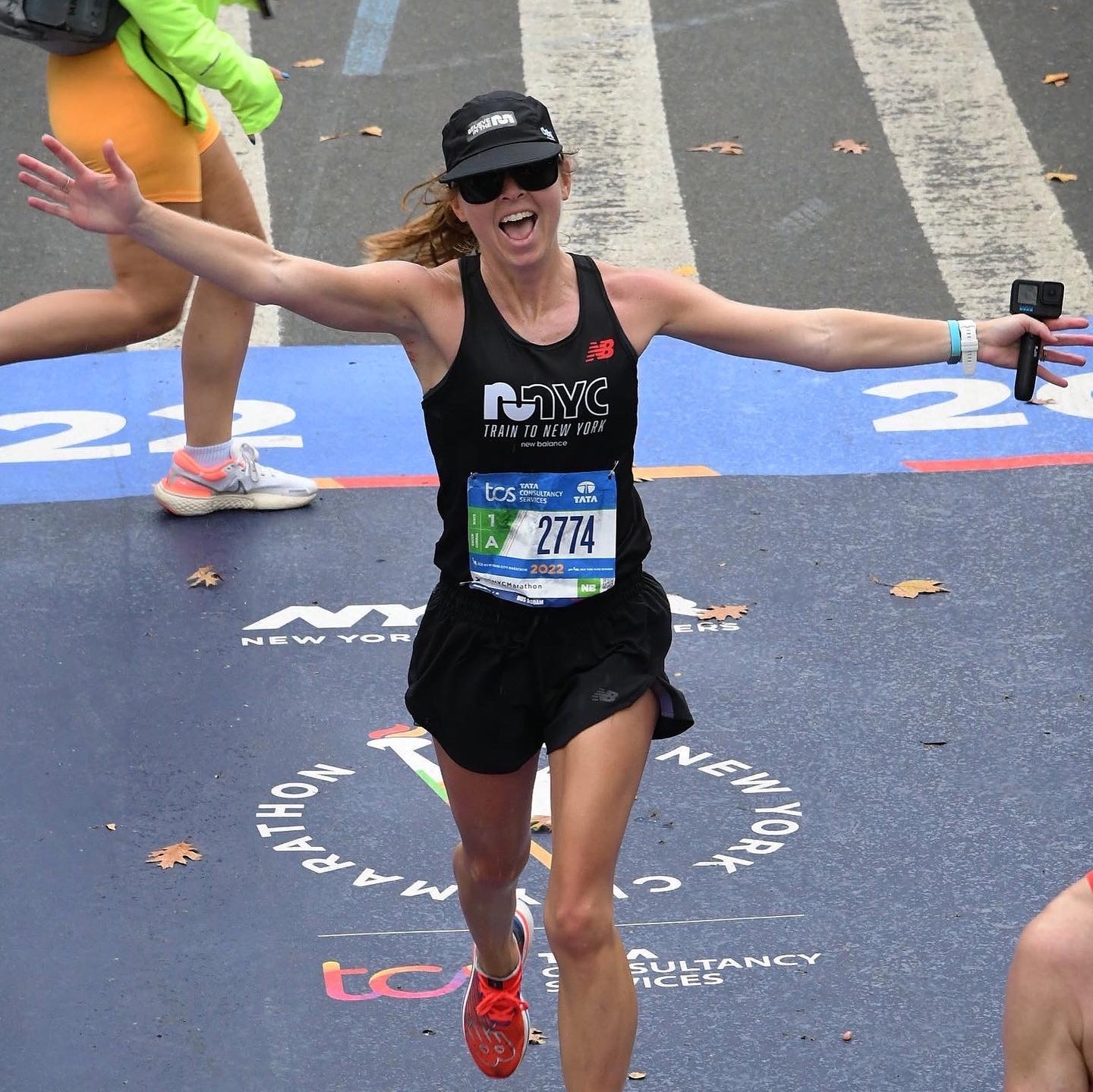
Meaghan signed up for her first marathon three weeks before the race, because it was $10 more than the half she planned to run. She learned everything in running the hard way. Now a USATF & UESCA certified run coach, she loves encouraging friends to go for big goals as she continues to chase faster times. She enjoys a hot cup of coffee, a cold martini, and making bagels for friends and family.
More from Meaghan
Sam tried every other sport before settling on running as a senior in high school. He’s never looked back. He can be found doing workouts in Patterson Park, talking shop with the Faster Bastards, or hitting long runs on the NCR trail. When not running, Sam is a teacher in the Baltimore City Public School District. His other loves are cooking, coffee, breweries, books, basketball, and alliteration.
More from Sam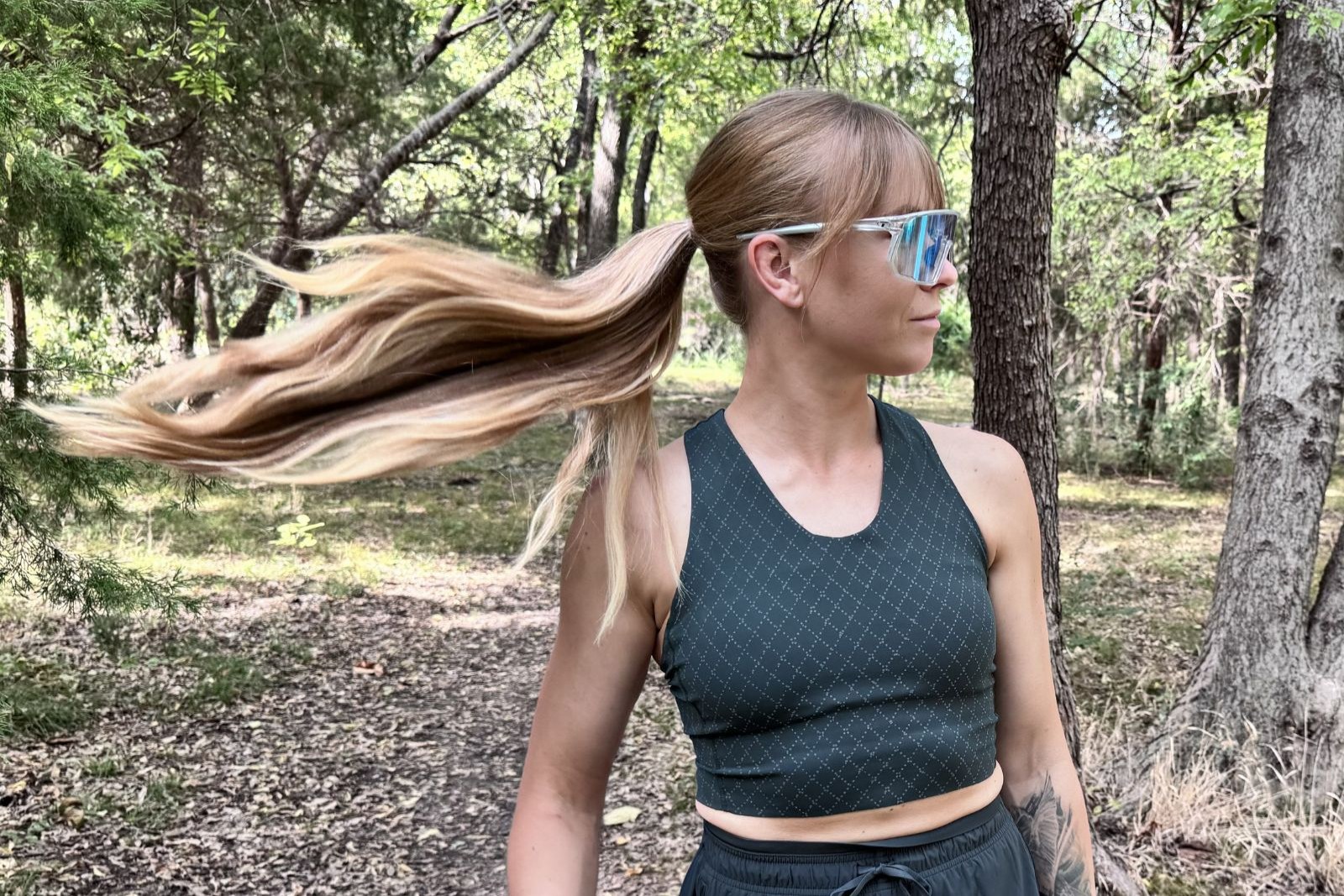
Be one of the first runners to rate it.