

We independently review everything we recommend. When you buy through our links, we may earn a commission.
6.5 oz. (184 g) for a US M10.5 / 5 oz. (141 g) for a US W7.5
40 mm in heel, 32 mm in forefoot (8 mm drop)
Race day up to the marathon
Updated ATPU Nitrofoam midsole, carbon fiber PWRPLATE, breathable Ultraweave upper, Pumagrip outsole
Available globally February 12 for $250
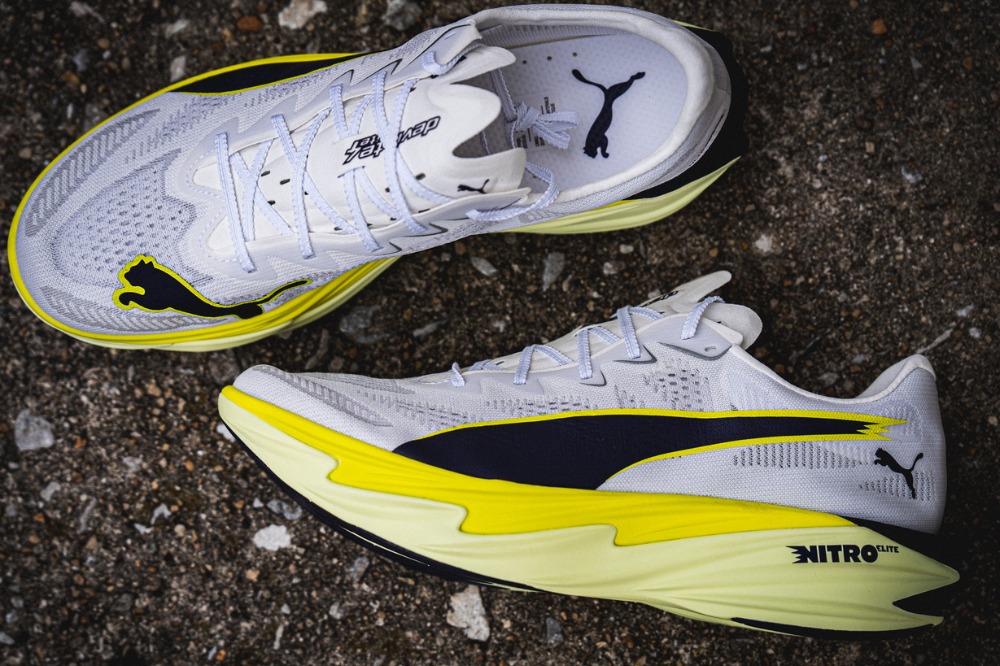
Puma Deviate Nitro Elite 4
MEG: Puma came in hot last year with the Fast-R Nitro Elite 3 — a shoe that, at least in lab testing, outperforms nearly every other race-day option on the market. Its design was undeniably wild, but once you got it out on the road, the speed was impossible to ignore. Even more surprising was learning that Puma achieved this without using a PEBA-based foam, instead opting for an aliphatic TPU (ATPU) compound.
By comparison, the Deviate Elite has always felt like Puma’s more cautious entry. For me, it consistently sat in the “B-tier” of race-day shoes. With version 4, however, Puma is clearly raising the bar. It now features the same lively ATPU midsole material that we saw in the Fast-R 3 and sheds a meaningful amount of weight in the process.
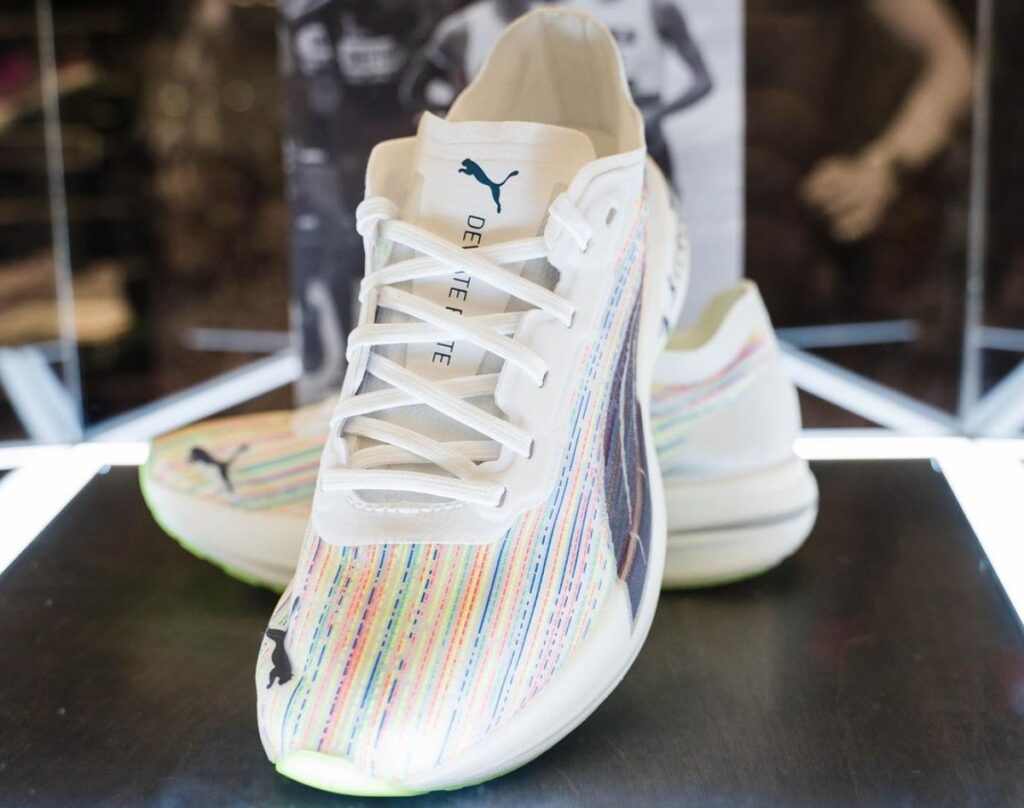
Puma Deviate Nitro Elite (2021)
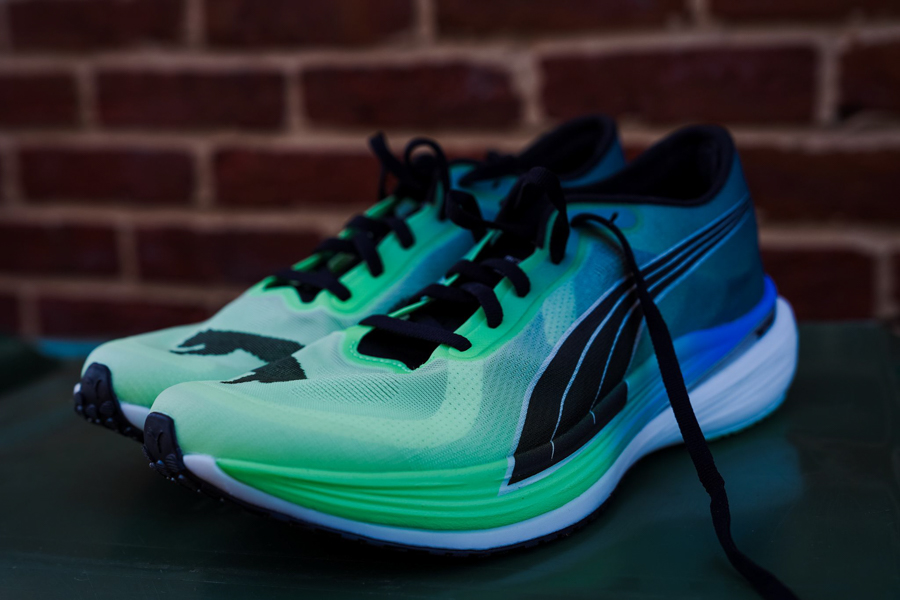
Puma Deviate Nitro Elite 2 (2023)

Puma Deviate Nitro Elite 3 (2024)
Up top, the shoe uses an Ultraweave mesh — an extremely lightweight, highly breathable material — paired with a paper-thin tongue and minimal padding around the collar and heel. Underfoot, the updated midsole, still branded Nitrofoam Elite, is softer, lighter, and bouncier than before. A thin layer of Pumagrip rubber covers the forefoot and heel, keeping weight to a minimum.
While the stack height remains unchanged at 40 mm in the heel and 32 mm in the forefoot (8mm drop), the weight drops from 5.8 oz in a women’s 7.5 to a flat 5 oz. So the big question is: do these updates push the Deviate Elite 4 into A-tier territory? Let’s get into it.
THOMAS: I’ve never been kind to the Deviate Nitro Elite line, and honestly, it deserved the criticism. None of the previous versions ever cracked my top tier of race day shoes. The Fast-R 3? Absolute weapon, but way too aggressive for a 3:30–3:50 marathoner like me. Great for shorter efforts, survivable for the marathon, but not the shoe I’d actually want to be in for 26.2 miles. For a long time, Puma simply didn’t have a real competitive marathon shoe.
That changes now. The Deviate Nitro Elite 4 isn’t just the best Deviate Elite Puma has made; it’s the best marathon shoe Puma has ever produced. Yeah, that’s a big statement. But if you think I’m exaggerating, keep reading. I’ll make my case.
Shop The Shoe - Men Shop The Shoe - Women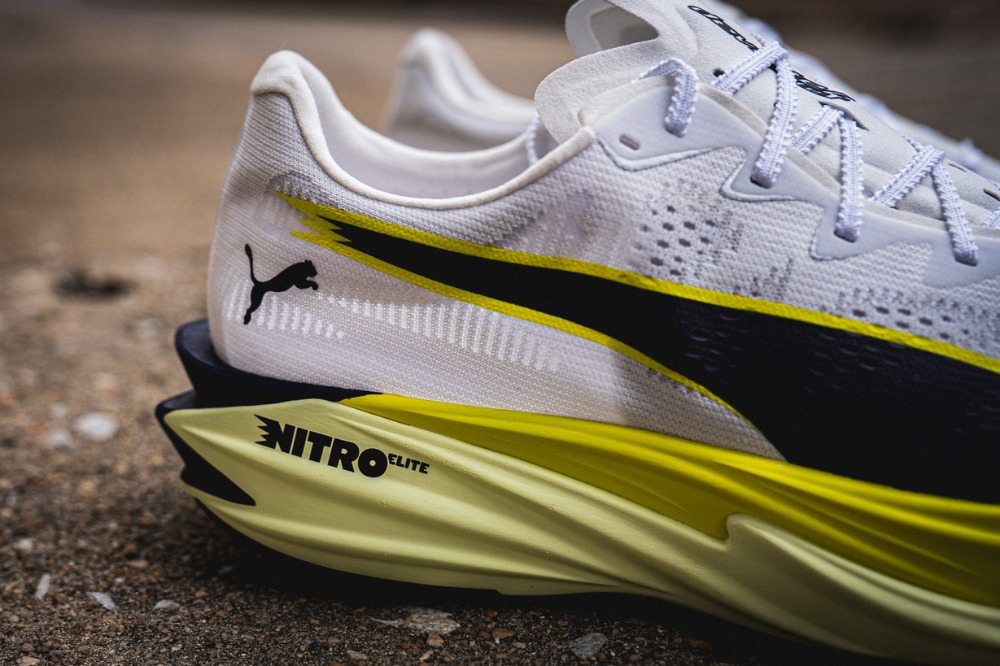
MEG: We spoke with the Puma team at TRE about the updates to both the Deviate Nitro 4 and Deviate Nitro Elite 4, and on paper, the changes didn’t sound particularly exciting. As a result, my expectations were fairly modest going in. That shifted almost immediately once I laced them up. The step-in feel is noticeably softer and lighter than the previous version, making a strong first impression.
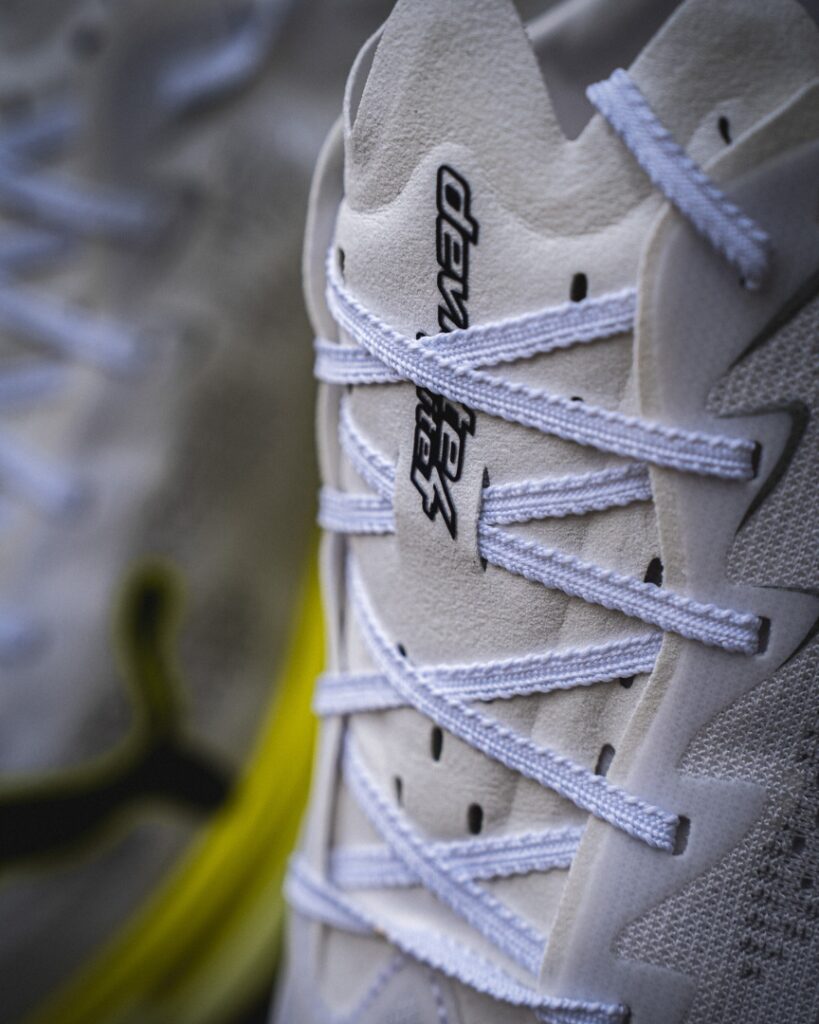
The fit is true to size and accommodates my wider foot well. Flat, toothy laces do an excellent job of locking the foot in place, delivering the snug, race-day fit you want without feeling restrictive. Despite the close fit, the upper remains breathable and slightly stretchy, which keeps things comfortable over longer efforts. Puma mentioned widening the Deviate line across the board, though in practice, the fit didn’t feel dramatically different from the previous version.
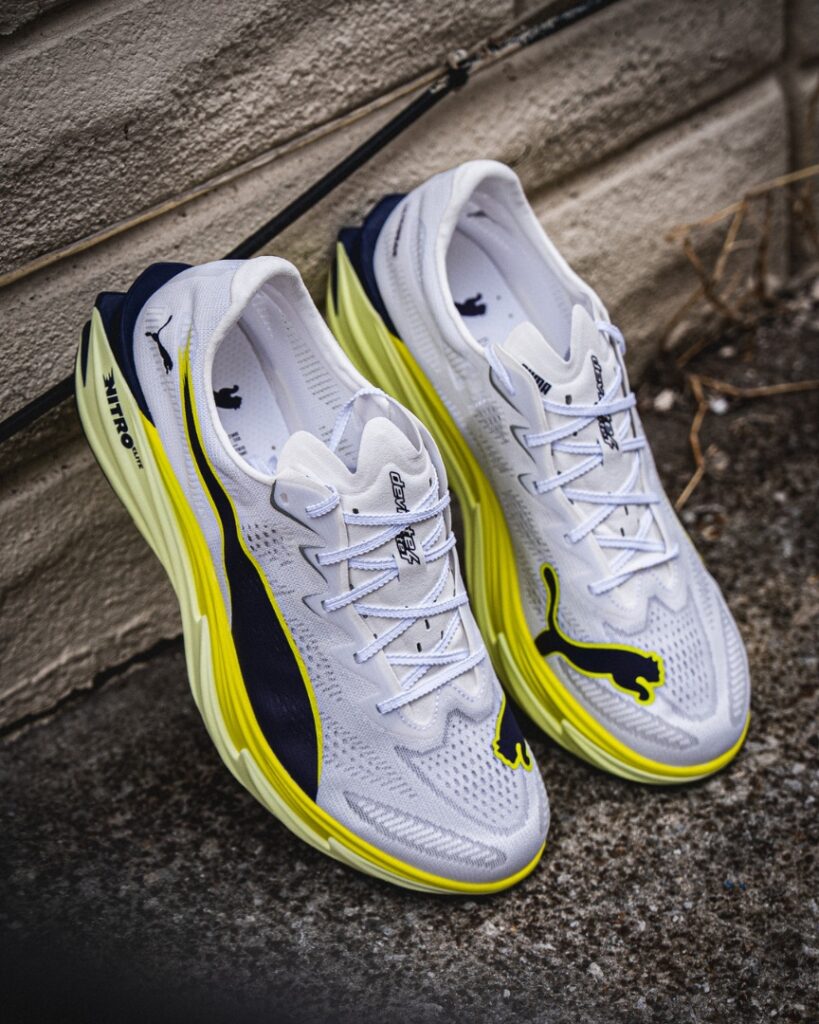
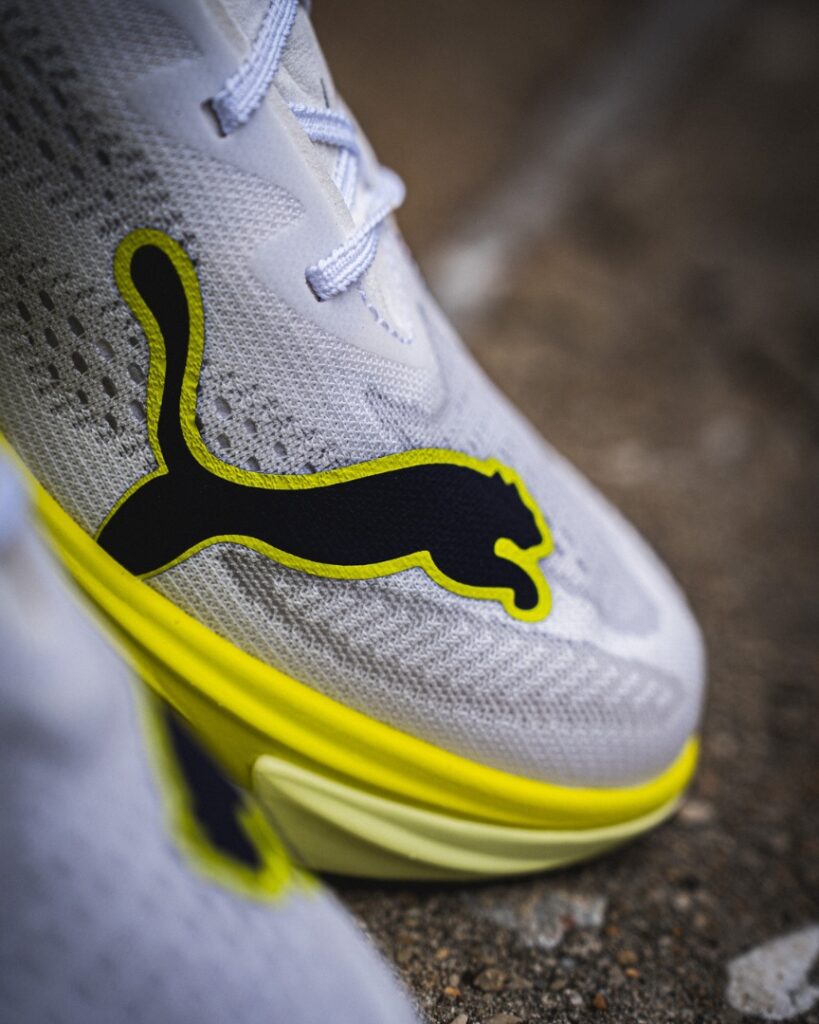
The biggest improvement, in my opinion, comes from the midsole. The previous iteration felt noticeably firmer and denser underfoot, whereas the Nitrofoam in this version is softer and more energetic. That added bounce makes the propulsion from the carbon plate feel more pronounced, and I found myself naturally picking up the pace and enjoying the miles more than expected.
While I still see the Deviate Elite 4 as the “safer” option compared to the Fast-R 3, it now feels genuinely competitive with other top-tier racers— something I couldn’t say about earlier versions. It’s a fast, nimble shoe that delivers strong performance while remaining approachable enough to recommend to runners who are new to carbon-plated shoes or racing in general.
THOMAS: It’s the weight that sold me. The Deviate Nitro Elite is now under 7 oz in a US 10.5. Any race-day shoe over 7 oz had better offer a clear mechanical advantage, something like the pods in the Alphafly. With this weight drop, the Deviate Elite now matches the Fast-R 3, and the best part is that none of the cushioning has been sacrificed.
The midsole in the Deviate Nitro Elite 4 is magical. The foam feels softer without feeling dead. Previous versions leaned firm and flat; this one finally has life. The new ATPU foam compresses on impact and snaps back quickly, and you can clearly feel the plate doing its job. The cat still has claws.
The upper is equally impressive. It’s minimal, but the collar and heel counter provide enough structure to lock things in. My US 10.5 fits true to size, breathes well, looks great, and performs exactly as it should.
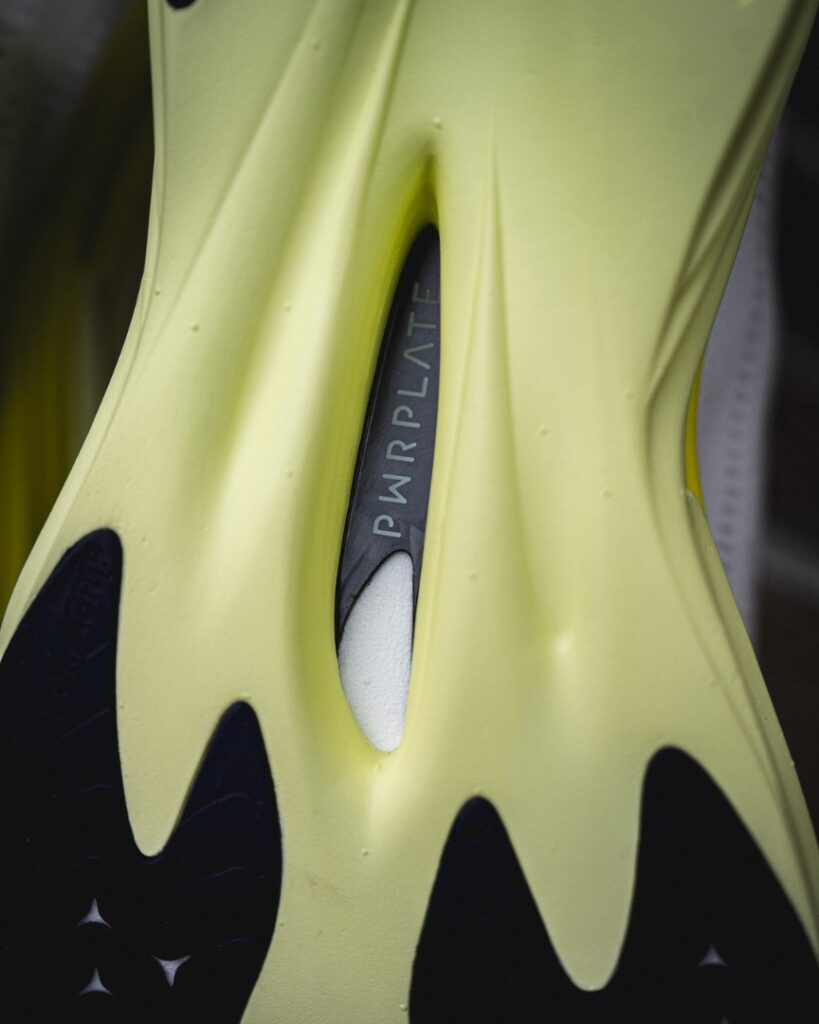
I’ve logged 27 miles in the shoe so far. A 10-mile uptempo run with the Faster Bastards straight out of the box put a smile on my face. The shoe really sings through my midfoot stride, and even when my form started to slip late in the run, I could still find the sweet spot and lean into the plate. I also knocked out a 9-mile workout—2-mile warm-up, 10 × 400m on/off, and a 2-mile cooldown. The Deviate Nitro Elite 4 felt smooth at easier paces and was more than happy to turn it up during the reps. I walked away feeling confident in both my fitness and the shoes.
Shop The Shoe - Men Shop The Shoe - Women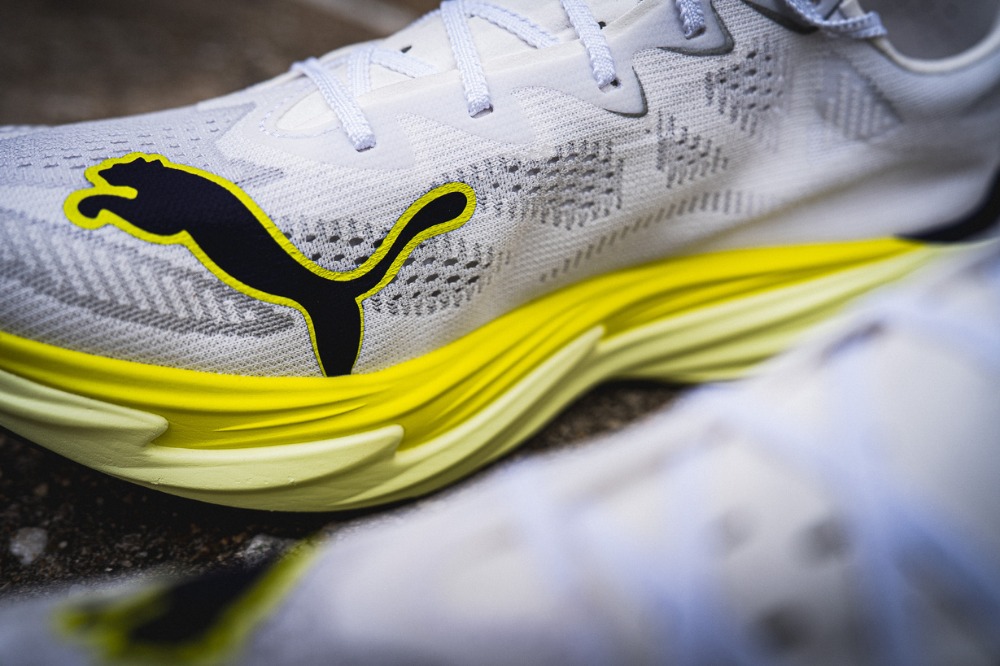
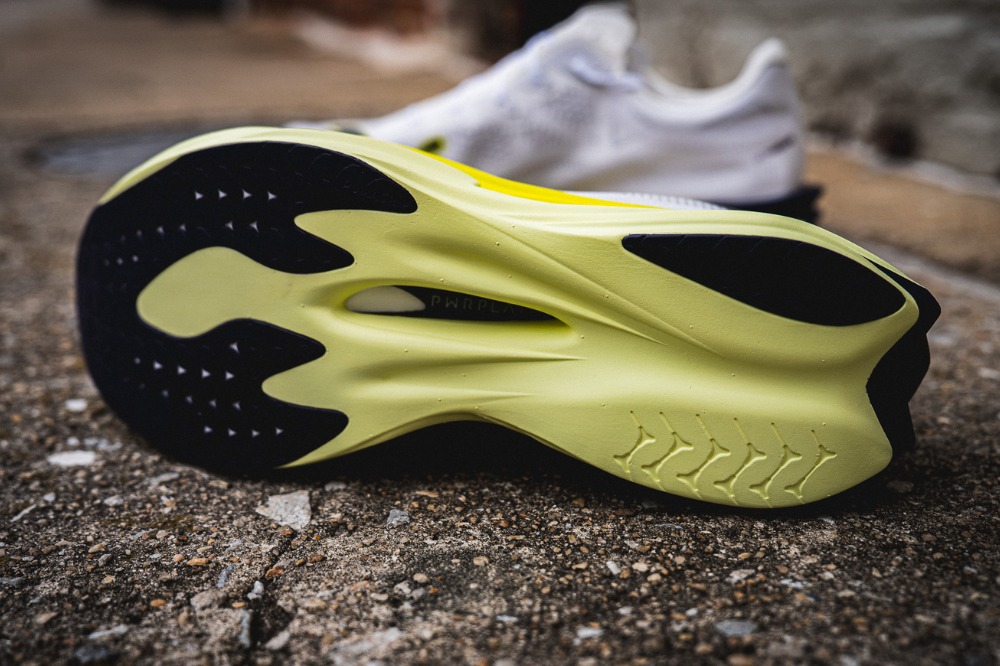
MEG: We’re usually quick to praise Pumagrip, but in this case, it doesn’t feel quite as tacky as we’ve come to expect. That said, traction is rarely a major concern in a race-day shoe, though it was something I did notice.
As for pricing, the $250 tag aligns with where most top-tier race shoes sit today, but it still feels like a notable jump from last year’s $230 price point.
THOMAS: The only thing I would like to see is a slightly more aggressive toespring. I am also curious if Puma played around with the extended plate that extends past the toes like the Fast-R 3.
Shop The Shoe - Men Shop The Shoe - Women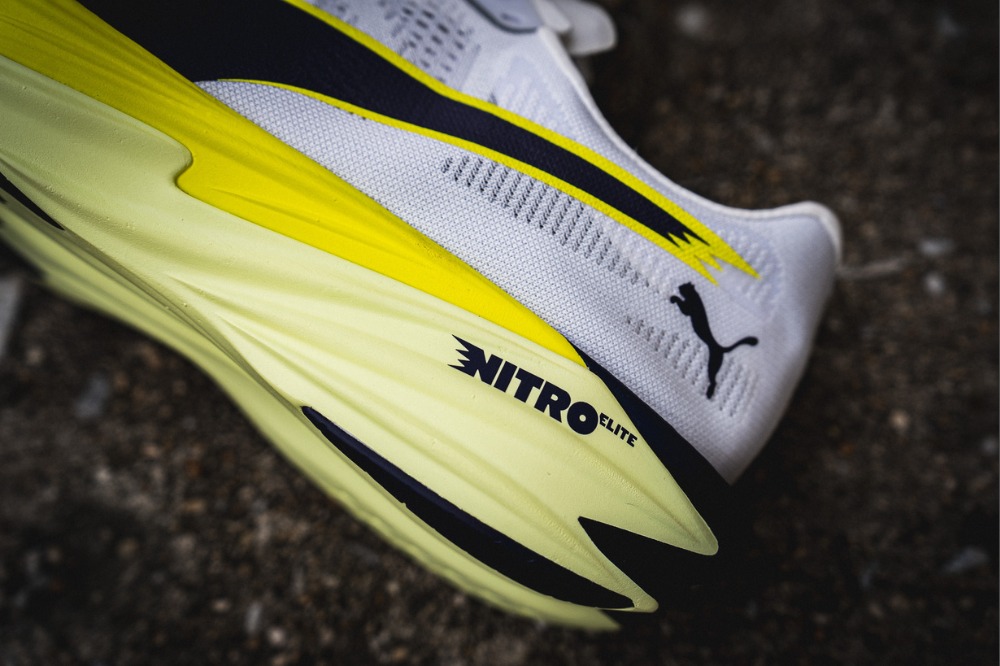
MEG: The Puma Deviate Elite 4 is easily my favorite version of the shoe to date— and it’s not even close. Previous iterations always felt like they sat below the top tier of race-day options, but this version finally feels capable of going head-to-head with other brands. It’s especially encouraging to see Puma leaning into lighter, wider, and softer midsole designs— at least within the Deviate line.
THOMAS: Meg said it, and I’ll back her up: This is the best Deviate Nitro Elite ever. I’ll go a step further: for me, it’s the best Puma race-day shoe to date.
I’m planning to put 100 miles on the Deviate Nitro Elite and follow it up with a “Puma Deviate Nitro Elite After 100 Miles” video. I’ll let you know if anything changes, but as of now, I 100% recommend putting this shoe on your shortlist for your next race. If you’ve been curious about it, it’s absolutely worth a closer look.
Shop The Shoe - Men Shop The Shoe - Women
Puma Deviate Nitro Elite 4 | Full Review
Have something to say? Leave a Comment



As the founder of Believe in the Run, Thomas’s goal is to help runners pick the shoes and gear that will make their running experience the best that it can be.
More from Thomas
Meaghan signed up for her first marathon three weeks before the race, because it was $10 more than the half she planned to run. She learned everything in running the hard way. Now a USATF & UESCA certified run coach, she loves encouraging friends to go for big goals as she continues to chase faster times. She enjoys a hot cup of coffee, a cold martini, and making bagels for friends and family.
More from Meaghan








Is this going to be a top 5 race day shoe?
Do you think this is a faster shoe than the Fast-R 3?
Returning to the review after running in the shoe.
Most brands would be lucky to have this in their lineup, but I still don’t think it holds a candle to the Fast R 3 as a racer.
Geometry and stability lend themselves to those who like to train in racers, but the outsole simply isn’t up to the task in inclimate weather and doesn’t have the thickness or wear resistance for high mileage. I’m glad it exists, and I’m also glad I don’t have to market it, given its narrow position in the Puma lineup.
The outsole is unjustifiably thin. I’ve gone through three pairs of the Deviate Nitro Elite 3 models, each lasting more than 250 miles of daily training on asphalt roads. After a single 10-mile training run in the new Deviate Nitro Elite 4, the outsole on the heels is already showing signs of serious wear. I’m doubtful these will last 50 miles before they wear completely through. Very disappointed Puma chose to take a huge step backwards.
Hi BITR team — I know you’ve run in both the Puma Deviate Nitro Elite 4 and the Adidas Adizero Adios Pro 4, so I’d love your take.
I’ve raced in the Adios Pro line since it launched and love the stability and comfort, especially for marathons. The only issue I consistently run into is black toenails, even after going up half a size.
I’m a 3:30 female marathoner, so I’m curious how the Puma compares in terms of:
• stability
• comfort for marathon distance
• bounce/energy return
I live in Salt Lake City, and unfortunately, none of our local stores carry either shoe, so trying them on isn’t really an option — I’d have to buy blind.
Would love to hear your thoughts on how the two compare for marathon racing.