We independently review everything we recommend. When you buy through our links, we may earn a commission.
8.2 oz. (232 g) for a US M10.5 / 6.6 oz. (188 g) for a US W7.5
39.5 mm in heel, 31.5 mm in forefoot (8 mm drop)
Race day
Dual layer of PWRRUN HG and PWRRUN PB with a slotted carbon fiber plate
Available globally February 1 for $230


Saucony Endorphin Pro 5
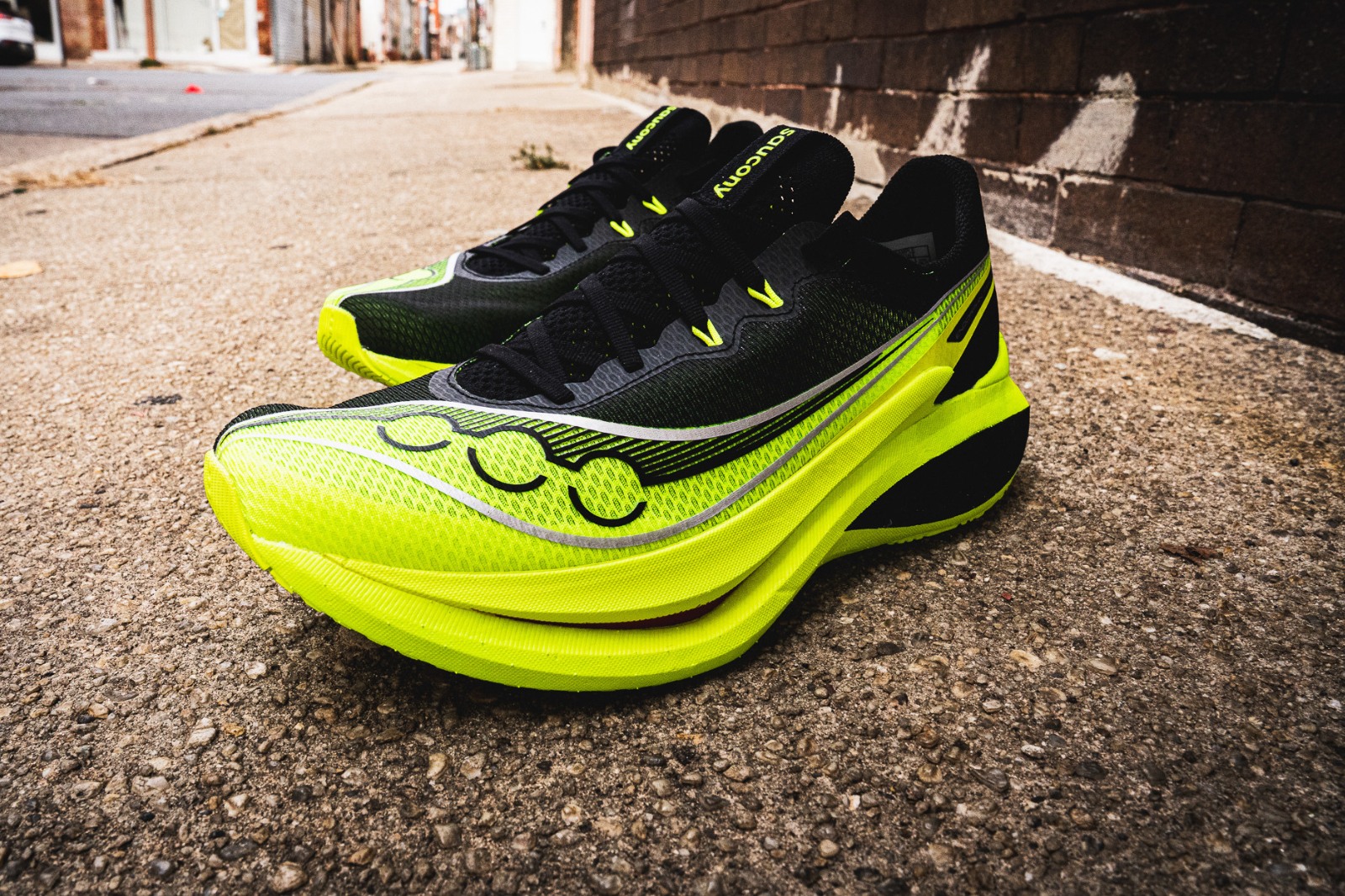
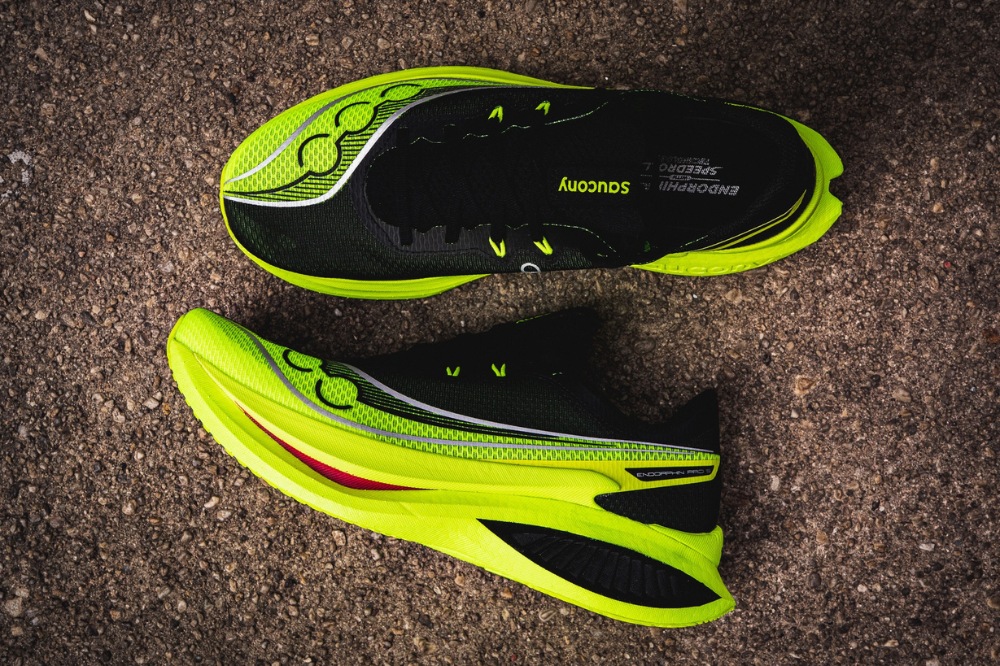
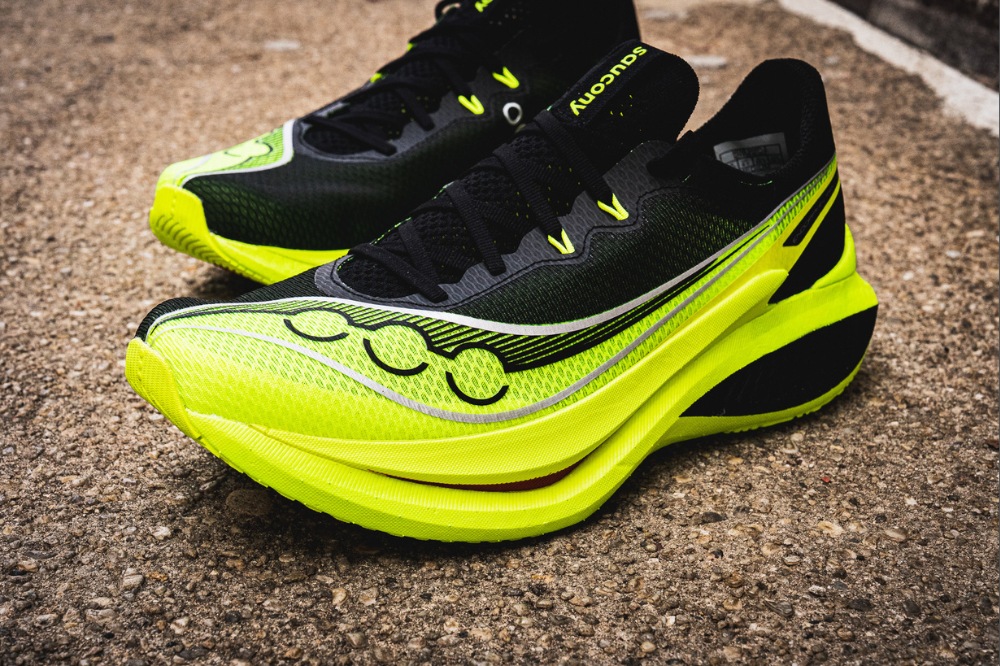
MEG: It’s been nearly two years since Saucony last updated the Endorphin Pro, which had me expecting some notable changes. That didn’t quite happen. Instead, the Endorphin Pro 5 sticks closely to what worked before, keeping the same PWRRUN HG top layer over a PWRRUN PB base layer. The main update comes from a new, more aggressively slotted carbon fiber plate paired with an enhanced Speedroll geometry.
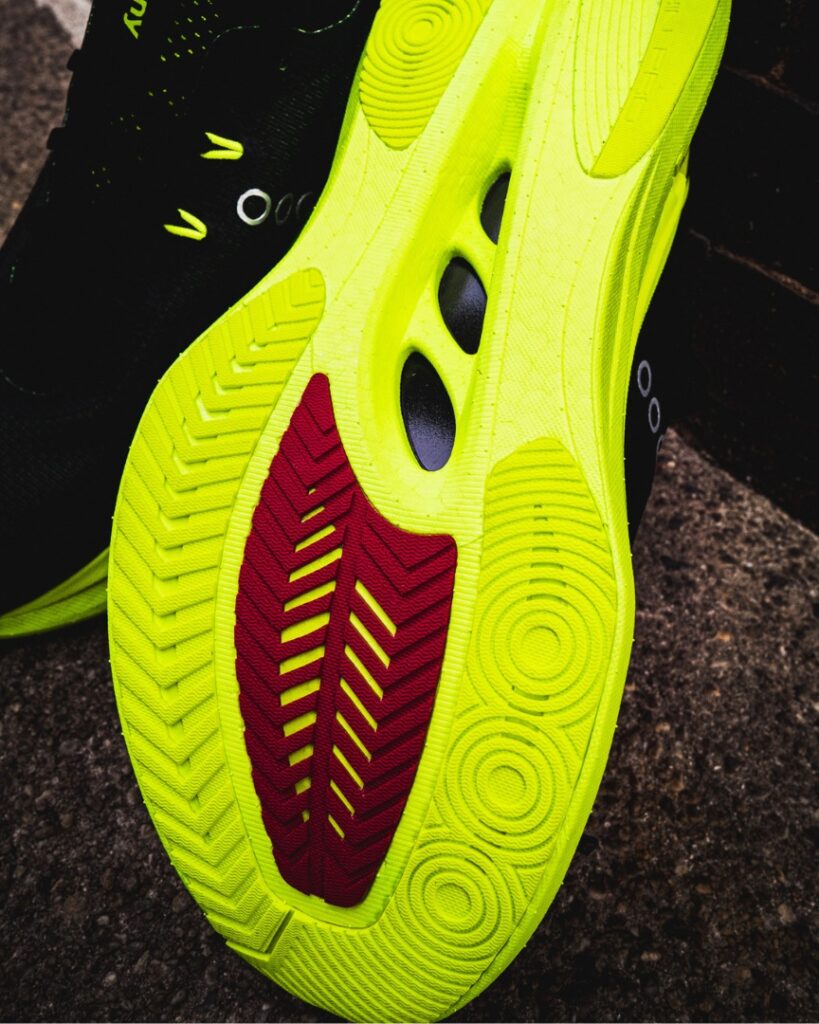
There’s also a new PWRTRAC rubber outsole for improved grip, while the stack height and drop remain unchanged at 39.5 mm in the heel and 31.5 mm in the forefoot with an 8 mm drop. Given the popularity of the Endorphin Pro 4, are these subtle updates actually a good thing? Let’s take a closer look.
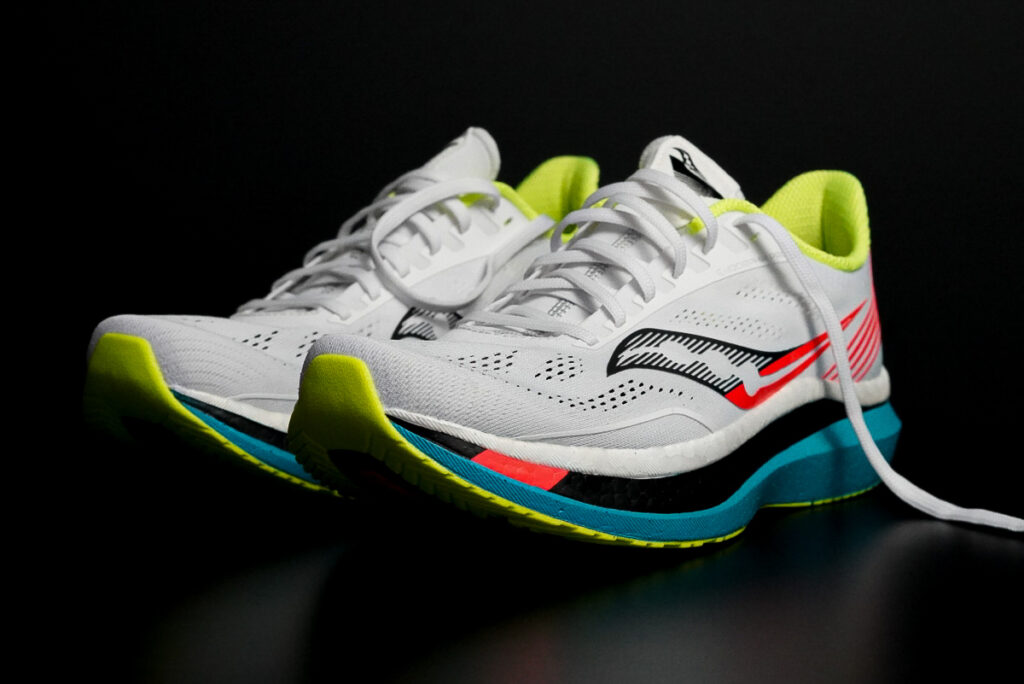
Saucony Endorphin Pro (2020)
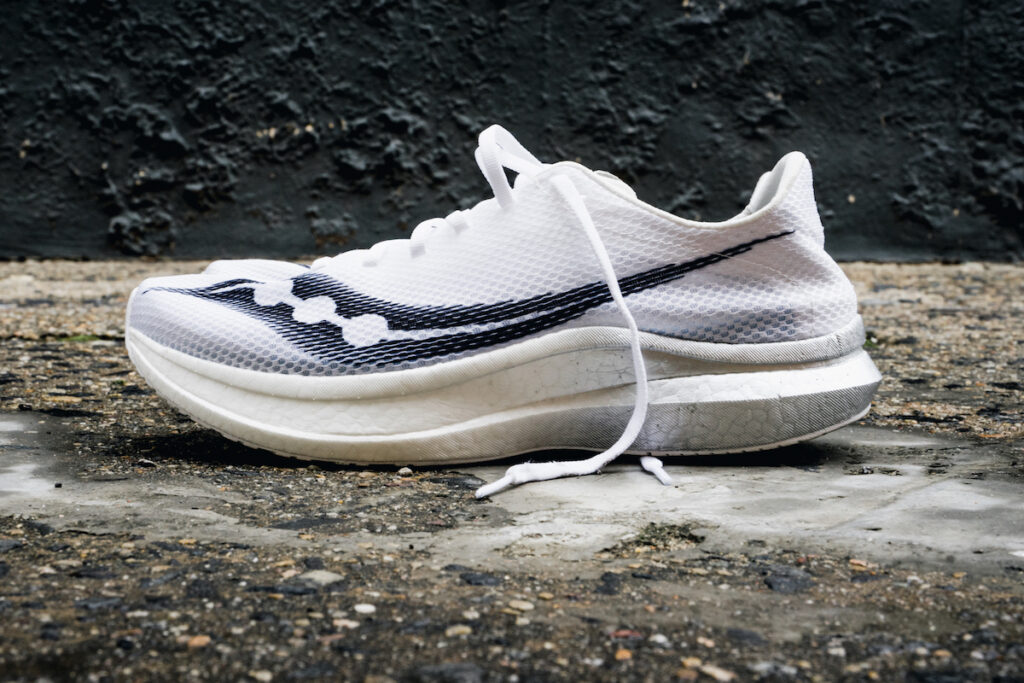
Saucony Endorphin Pro+ (2021)
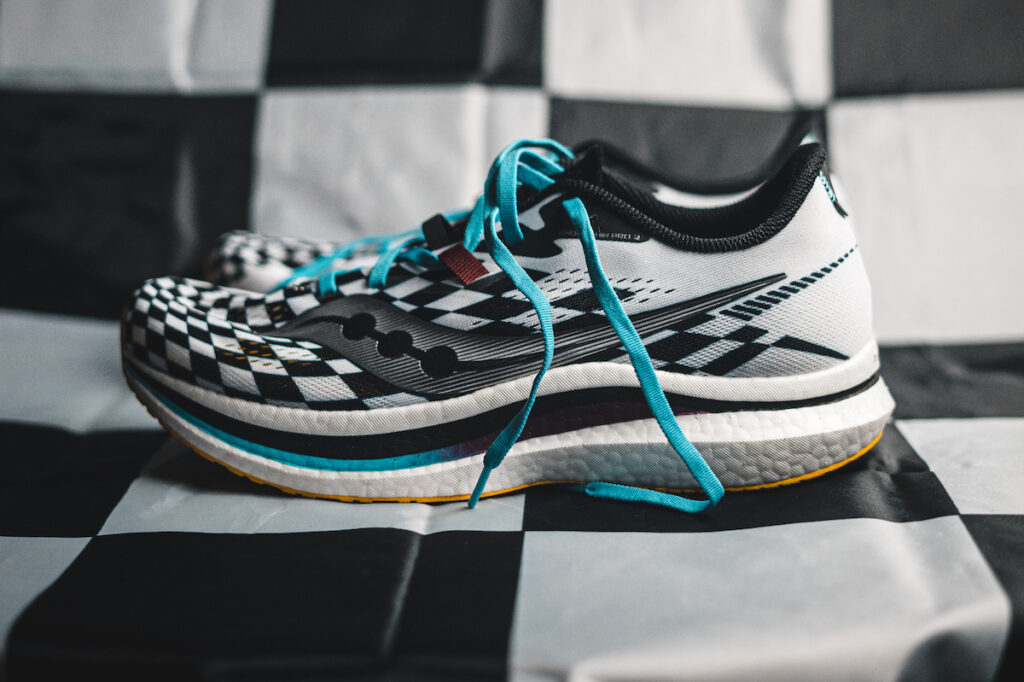
Saucony Endorphin Pro 2 (2021)
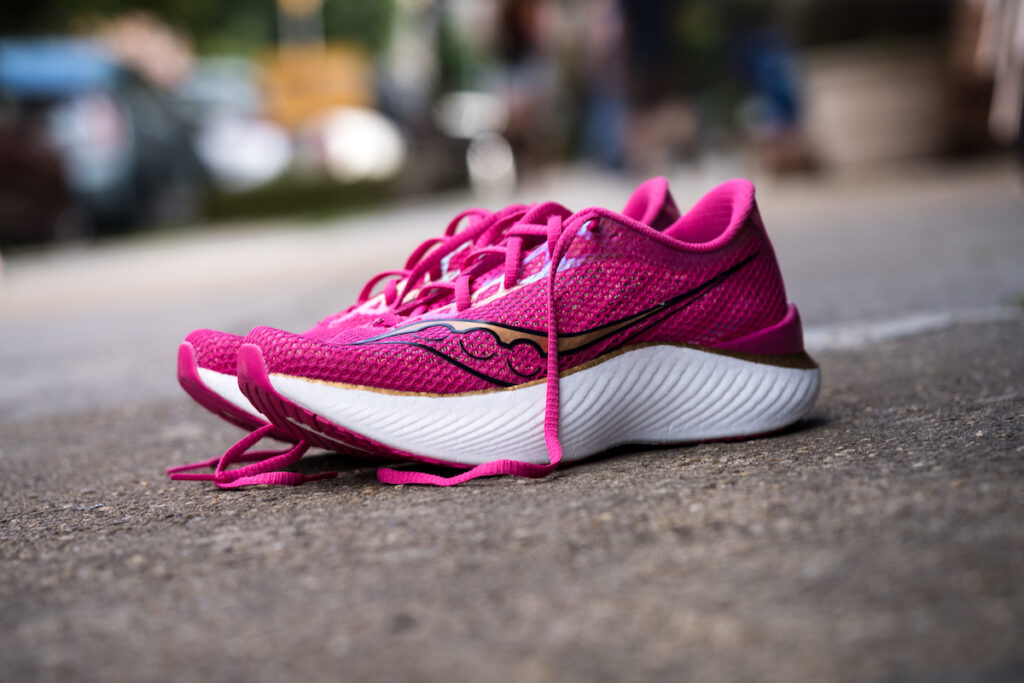
Saucony Endorphin Pro 3 (2023)
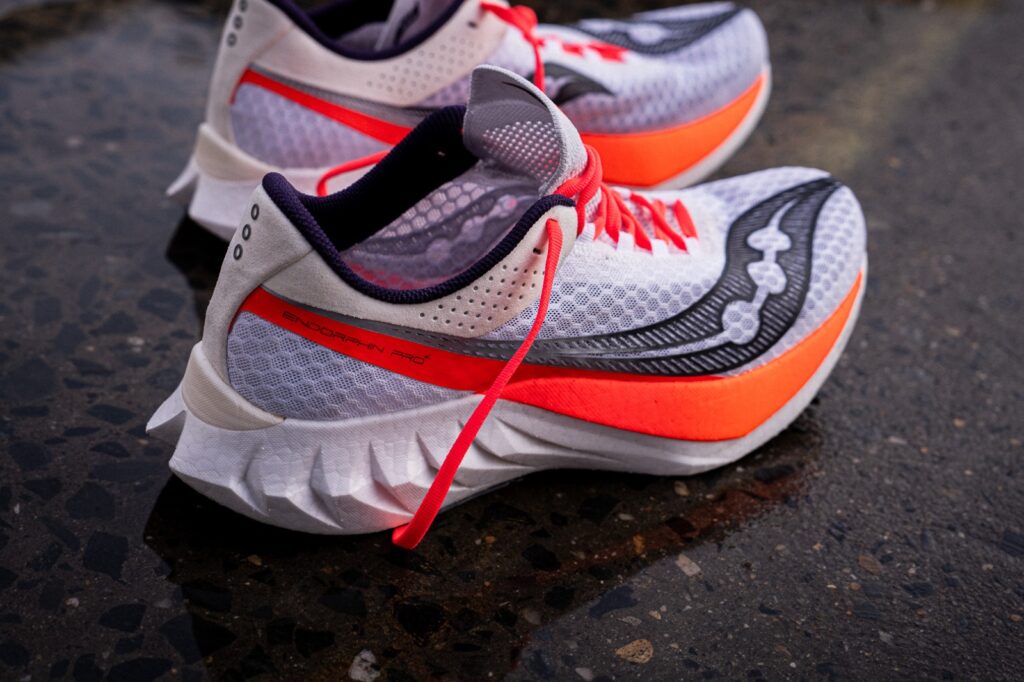
Saucony Endorphin Pro 4 (2024)
THOMAS: It might be more than a simple shoe review question, but it feels like we’re seeing another shift in super shoes, and some models may be getting left behind. The Vaporfly 4% set the standard, the Alphafly pushed it further, and the Adidas Adizero Adios Evo Pro dropped the weight as it shifted the whole category into ultralight performance. So where does that leave the Endorphin Pro 5 and others like it? Is the formula outdated, and can a true super shoe still compete at over 8 ounces in a men’s 10.5?
Shop The Shoe - Men Shop The Shoe - Women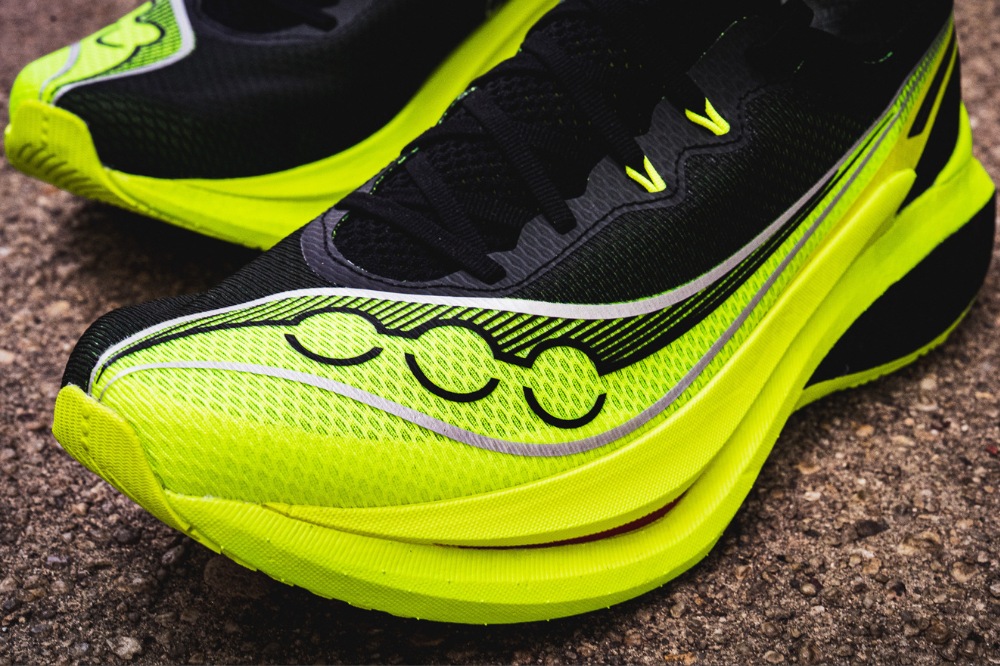
MEG: Skipping right past the colorway here, the step-in feel is comfortable. The overall fit works well, it’s secure but still pretty accommodating and I found they run true to size. The flat, stretchy tongue and laces provide solid lockdown, and the light padding adds a touch of comfort without adding unnecessary weight.
Underfoot, very little has changed, so the ride feels familiar to the Endorphin Pro 4. For those who haven’t run in that version, the overall feel and responsiveness are comparable to shoes like the Puma Deviate Elite 3 or Hoka Rocket X. It’s not the softest or most energetic option in the category, but it does feel light, efficient, and fast.
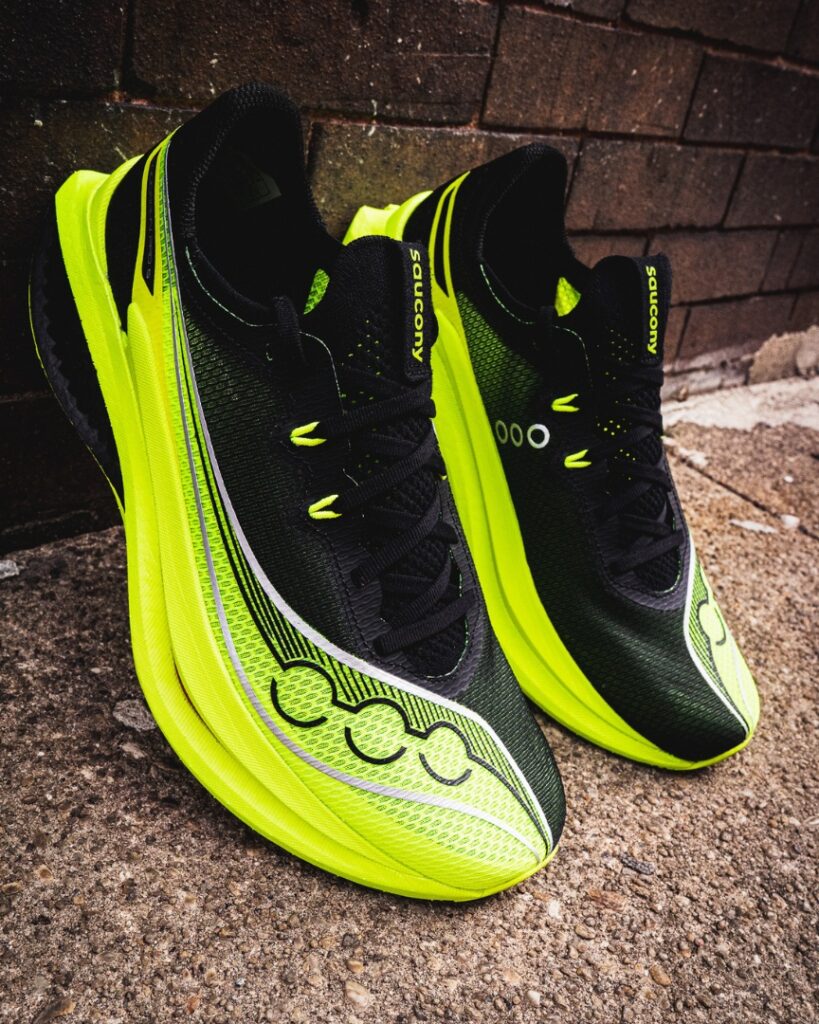
Within Saucony’s racing lineup, the Endorphin Pro now comes across as the more conservative choice alongside the Endorphin Elite 2. Both shoes feature race-day foams and carbon plates, but the Elite stands apart with its thick slab of IncrediRun foam, which delivers a noticeably softer, bouncier ride than the Pro’s PWRRUN HG and PWRRUN PB midsole setup. As a result, the Endorphin Elite offers a far more aggressive and energetic ride, firmly positioning it as the more daring of Saucony’s two top-tier racing options.
THOMAS: The upper on the Endorphin Pro 5 is definitely a highlight. The fit is secure and snug, yet still breathable, almost like a screen door. And don’t worry about the word “snug”; even with my narrow foot, there was still a bit of room to pucker in the toe box.
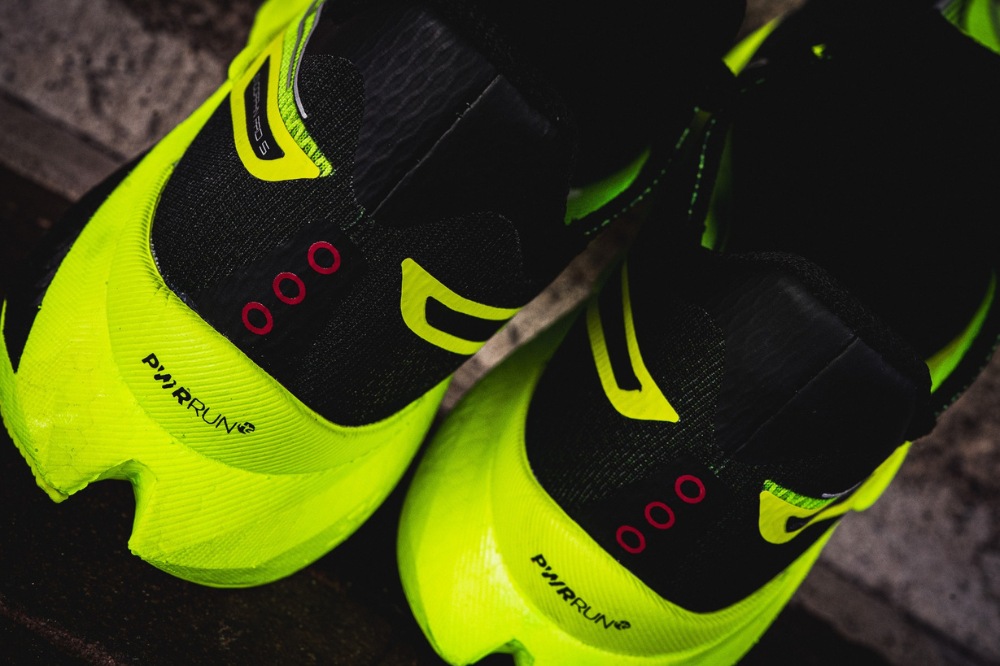
The tongue is cleverly designed. Instead of a traditional gusset, Saucony stitched an elastic mesh into the upper, creating a stable wrap that locks the foot down and doesn’t shift once you’re moving.
Underfoot, the midsole uses two of Saucony’s foams. Closest to the foot is PWRRUN HG, a PEBA-based supercritical compound, while a shaped plate sits above the beaded PEBA PWRRUN PB layer. It’s an energetic setup, but if you ran in the previous version, it will feel familiar.
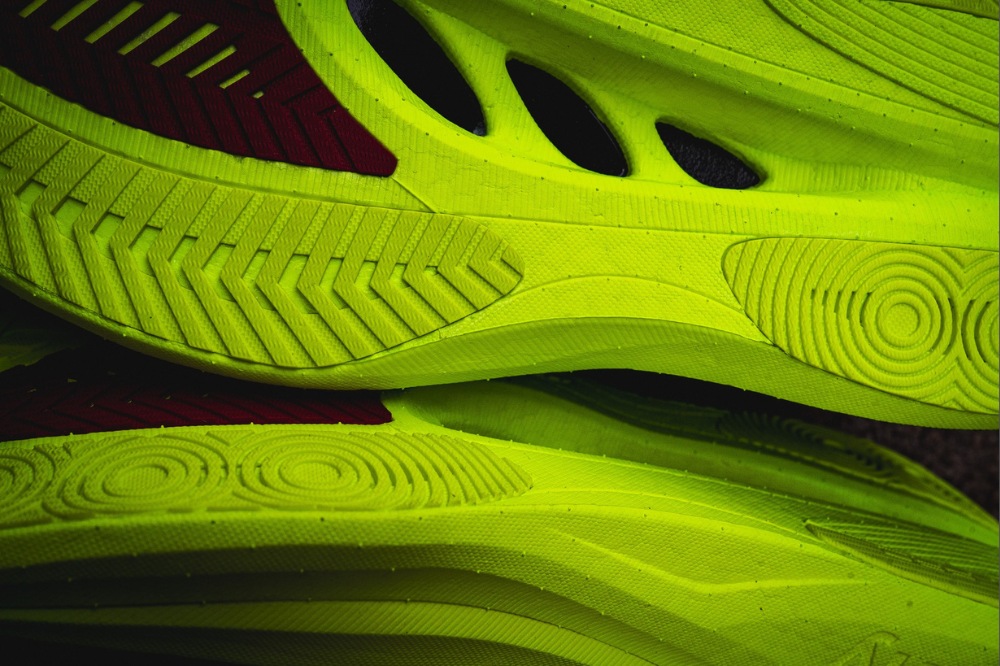
Up front, the tacky forefoot outsole adds confident grip, helping you feel connected and surefooted at faster paces.
Shop The Shoe - Men Shop The Shoe - Women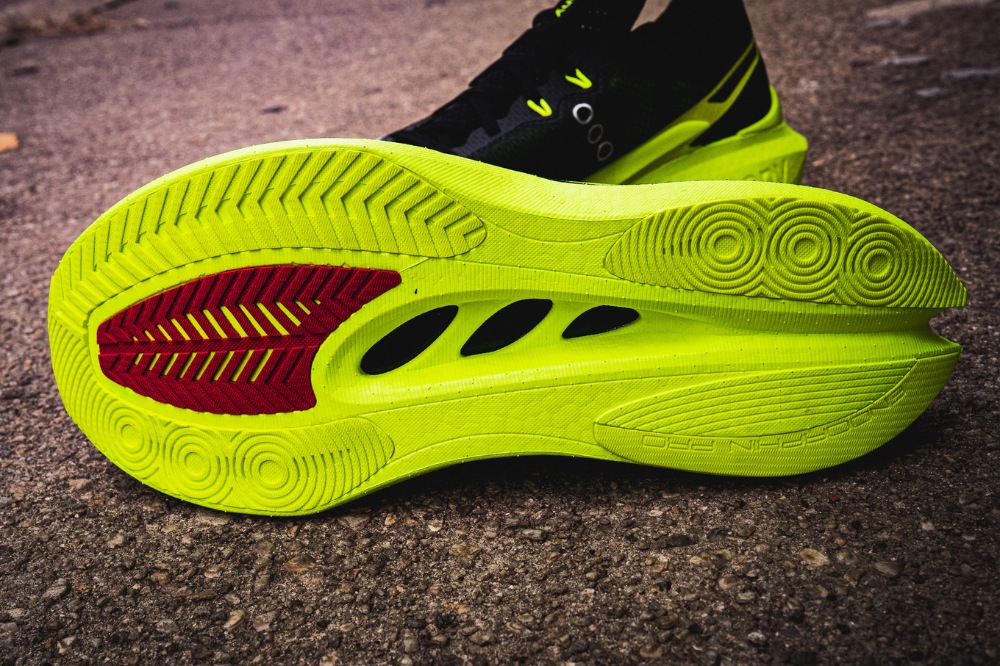
MEG: I hate the pink/black colorway I received. Sorry. Like I really hate it.
And as much as I loved the ride of the Endorphin Pro 4 when it first launched in early 2024, it now feels a bit behind the curve. Foam technology has moved fast—getting lighter, softer, and more refined in ways we didn’t even realize we were missing—and unfortunately this midsole hasn’t quite kept pace. What once felt cutting-edge now comes across as dated.
I’ll also own a bit of user error here: I took the shoe straight out of the box for an 18-mile treadmill workout in the dead of winter. Between extra sweating and a sock that sat a little too low, I ended up with some pretty nasty heel blisters. It wasn’t an issue on subsequent runs, but it’s worth mentioning for the sake of full transparency.
THOMAS: The Endorphin Pro 5 doesn’t feel like a massive leap beyond the Endorphin Speed. Both Meg and I felt it was missing that “pop” that is found in the top tier super shoes. You barely notice the plate– and not in a good way. On a 10-mile run, the foam’s liveliness faded as the miles went on, and the shoe started to feel more like a premium daily trainer than a race-day option.
We just reviewed the Saucony Azura (no plate at all) and, at least for me, it feels as good as– if not better than– than the Endorphin Speed. That highlights the problem: there’s significant overlap among the three models.
I’m still a fan of the Endorphin Elite 2 and optimistic about the Endorphin Elite 3, but the Endorphin Pro 5 feels like it needs a fundamental overhaul if it wants to compete as a true race shoe.
Shop The Shoe - Men Shop The Shoe - Women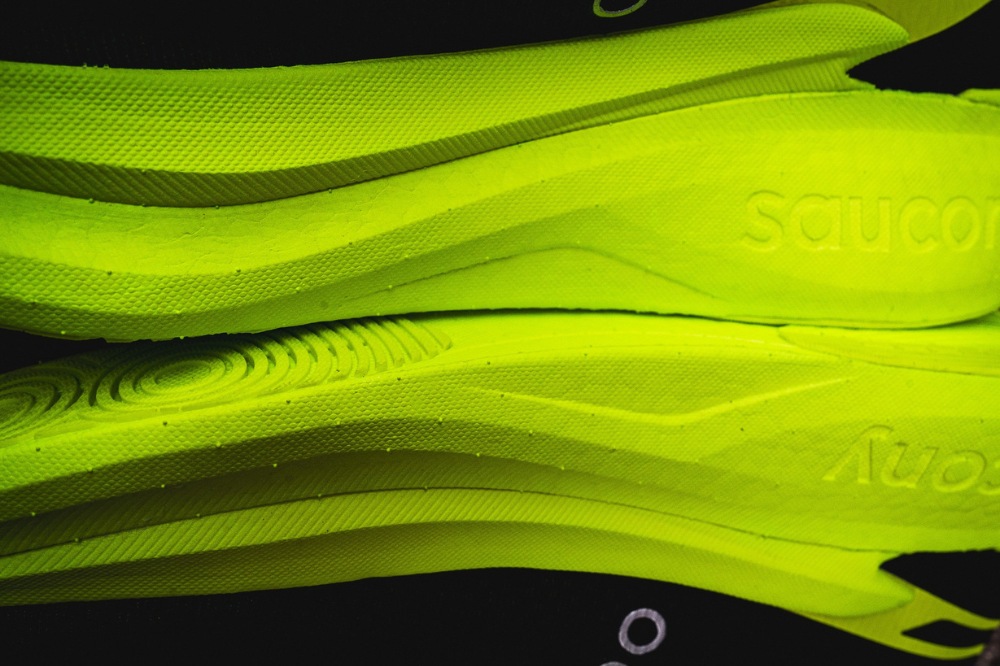
MEG: The Saucony Endorphin Pro 5 represents a relatively minor update, which feels a bit underwhelming given the pace of innovation we’ve seen from other brands in the race-day category over the past couple of years. While I’m still very excited to try the Endorphin Elite 3—which we had a chance to preview at The Running Event—the Endorphin Pro 5, for me, lands closer to an elevated super trainer than a true top-tier race-day option.
THOMAS: At the top of the review, I asked whether the foam-plate-foam recipe still works for getting shoes onto marathon start lines. The answer is yes, but with a big caveat: it has to be incredibly light or deliver a wild amount of energy return. The Endorphin Pro 5 doesn’t quite hit either mark, and it gets lost in the shuffle of “super shoes” that once felt top-tier but now feel merely average.
The race-day hierarchy is moving as fast as the elites. Brands are pivoting quickly to keep their athletes competitive, and incremental tweaks aren’t enough anymore. PEBA or TPEE alone won’t save a shoe; the whole system has to work together, and the Pro 5 just doesn’t get there. Saucony won’t be the only brand with this problem. This review might be a cut-and-paste for other shoes we will see in 2026.
Shop The Shoe - Men Shop The Shoe - WomenHave something to say? Leave a Comment



As the founder of Believe in the Run, Thomas’s goal is to help runners pick the shoes and gear that will make their running experience the best that it can be.
More from Thomas
Meaghan signed up for her first marathon three weeks before the race, because it was $10 more than the half she planned to run. She learned everything in running the hard way. Now a USATF & UESCA certified run coach, she loves encouraging friends to go for big goals as she continues to chase faster times. She enjoys a hot cup of coffee, a cold martini, and making bagels for friends and family.
More from Meaghan Read Article