Shop BITR Apparel Shop Now
We independently review everything we recommend. When you buy through our links, we may earn a commission.
9.7 oz. (274g) for a US M9 / W10.5
38mm in heel, 34mm in forefoot (4mm drop)
Long-distance, technical treks
JetCell ATPU midsole, TunedFit lacing system, Vibram MegaGrip Litebase outsole
Available now for $195
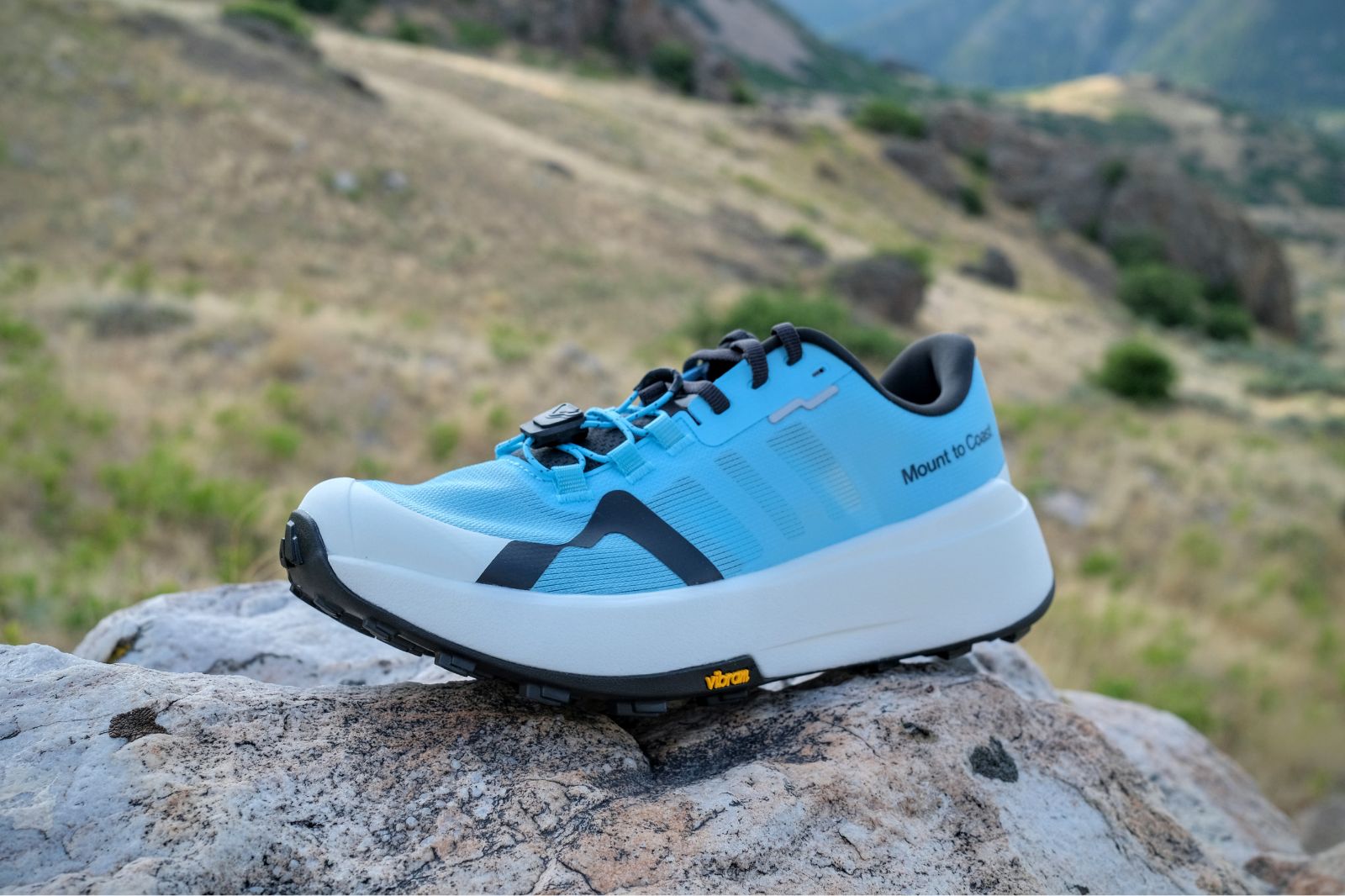
JOHNNY: Mount to Coast has always had a refreshingly simple naming strategy. T1 is trail one, H1 is hybrid one, and so on. The letter “M” in M1 stands for mountain, making this the brand’s pinnacle high-mountain trail shoe, built for demanding terrain and ultra-distance races such as the UTMB and Western States. With a higher-stack midsole than the T1 and an all-new JetCell ATPU midsole foam underfoot, the M1 piqued my interest as soon as I read the tech sheet.
I first spotted the shoe at TRE last December, and it immediately stood out; partly because it continued the brand’s cool, confident design aesthetic, but mostly because of its brand-new supercritical ATPU foam midsole and a generous helping of stack height. From that moment on, I found myself keeping tabs on the shoe as it quietly accumulated race miles on the feet of Mount to Coast athletes throughout the first half of 2026.
The M1 has essentially been hiding in plain sight, showing up at some of the sport’s biggest ultra-distance events while I impatiently waited for a chance to test it for myself. When an early pair finally landed on my doorstep, I headed straight for the trails around the English Lake District to find out whether the performance matched the promise.
JARED: Like Johnny, I started hearing about the M1 during TRE last year, and I’ve been eagerly awaiting its arrival ever since. Mount to Coast has built a strong reputation, especially around its midsoles. The H1’s CircleCell midsole was one of the best, and many people (myself included) wished for an H1 with better traction. The M1 isn’t exactly that, but it lives up to its promise as a long-distance mountain cruiser with a responsive, stable JetCell ATPU supercritical foam, and the Vibram MegaGrip Litebase outsole offers excellent traction. But it’s not perfect. Let’s dig in.
REESE: I guess we’re using last names now, but I prefer people think I’m part of the Reese’s dynasty, if that’s a thing; not sure if anyone will believe that. And another thing you might not believe: I’ve never really logged any miles in a Mount to Coast shoe. I ran maybe 10 miles in the BITR H1, but with a backlog of shoes to review and that one not actually in my review queue, I never had time to put serious time in it.
The impression I got from the few miles I did spend in it was that these folks know a thing or two about foam. But good foam does not a great shoe make. It makes a shoe with… well, a good midsole. I’ve run in a lot of shoes this year with a midsole worth writing love letters to, but an underwhelming overall package. I was hoping the M1 was not one of those to add to my love letter list. I barely have enough time to write for fun, let alone shoe midsole love letters. But I digress.
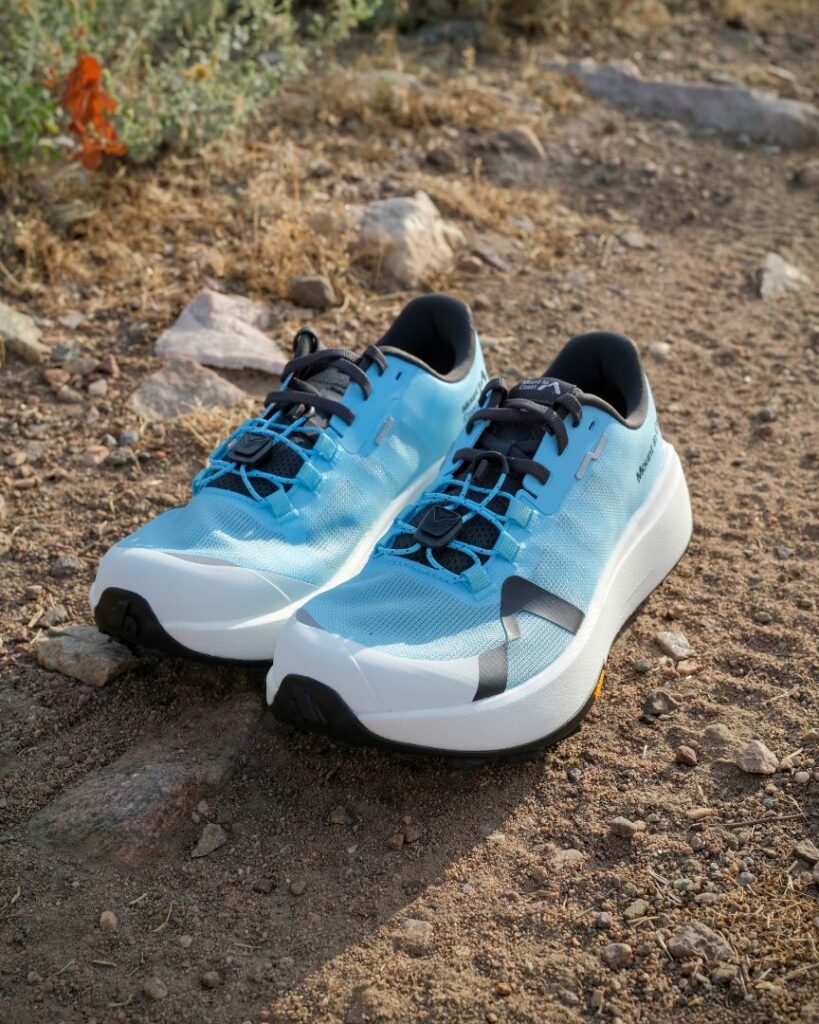
ALEX: Similar to Johnny and Jared, I was hyped about this shoe ever since learning about it from the BITR Dirt Division at TRE. At that time, I had been spending a lot of time in the H1 and was loving the feel of that soft yet responsive CircleCell midsole. I knew it was designed for hybrid use, but the shoe was so comfortable that I found myself willing it to perform on more technical trails. The only thing preventing that was traction. The shallow VersaGrip outsole had its limitations on loose or technical terrain.
So you can imagine my excitement when I learned that Mount to Coast has a mountain-specific shoe in the works. Yes, I know the T1 is equipped with a Vibram Megagrip outsole; there was just something about that CircleCell (vs the T1’s LightCell) midsole that kept me coming back to the H1.
Sidenote: if you want a masterclass on midsole foam, check out any Mount to Coast video featuring head of product, Yeti Zhang. It will blow your mind… if you’re into that sort of thing. And maybe even if you’re not.
TAYLOR: I’m here! If you can’t tell, there are a lot of us who stacked miles on the Mount to Coast M1. Like the rest of the squad, I took an immediate interest in this shoe based on experiences in the H1 and T1. Mount to Coast is quickly becoming a fine-tuned machine, and I’ve felt that momentum with every new release.
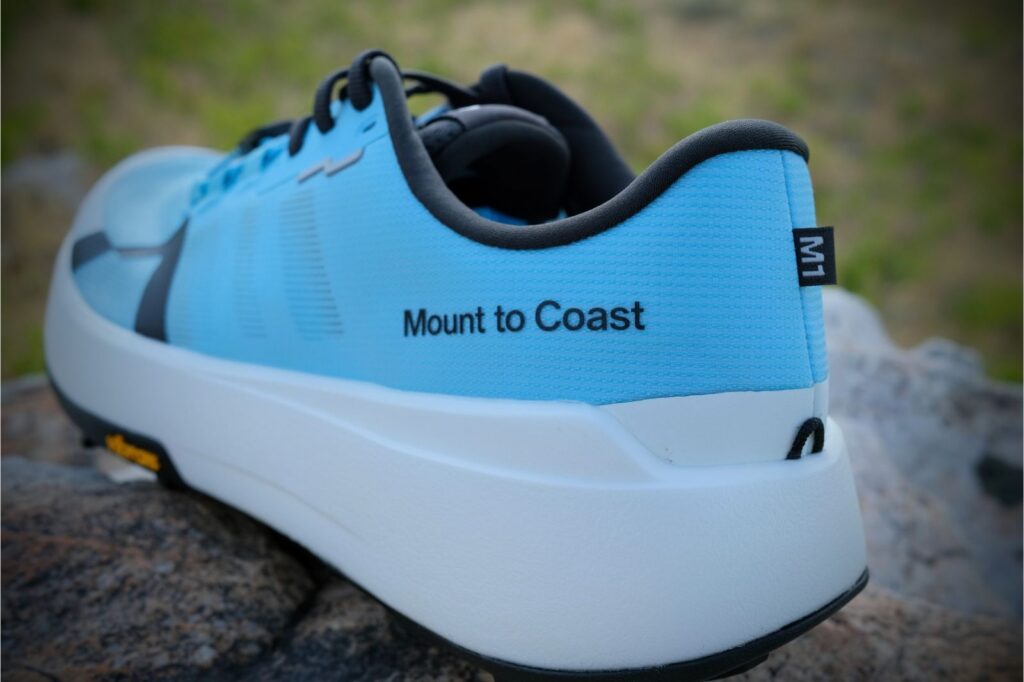
JOHNNY: The star of the show is undoubtedly the new JetCell ATPU midsole. Out on the trail, the M1 boasts a magic combination of softness, stability, protection, and energy return. The ride feels soft and forgiving underfoot without becoming overly squishy or unstable. Even on rough trails, there’s a reassuring sense of control that encourages me to keep pushing the pace.
What surprised me most was the amount of energy return I was feeling under the forefoot. There were several occasions during testing when I glanced down at my watch expecting to see a comfortable cruising pace only to discover I was running close to a seven-minute pace. The shoe has a knack for quietly helping your speed increase without ever feeling aggressive or demanding.
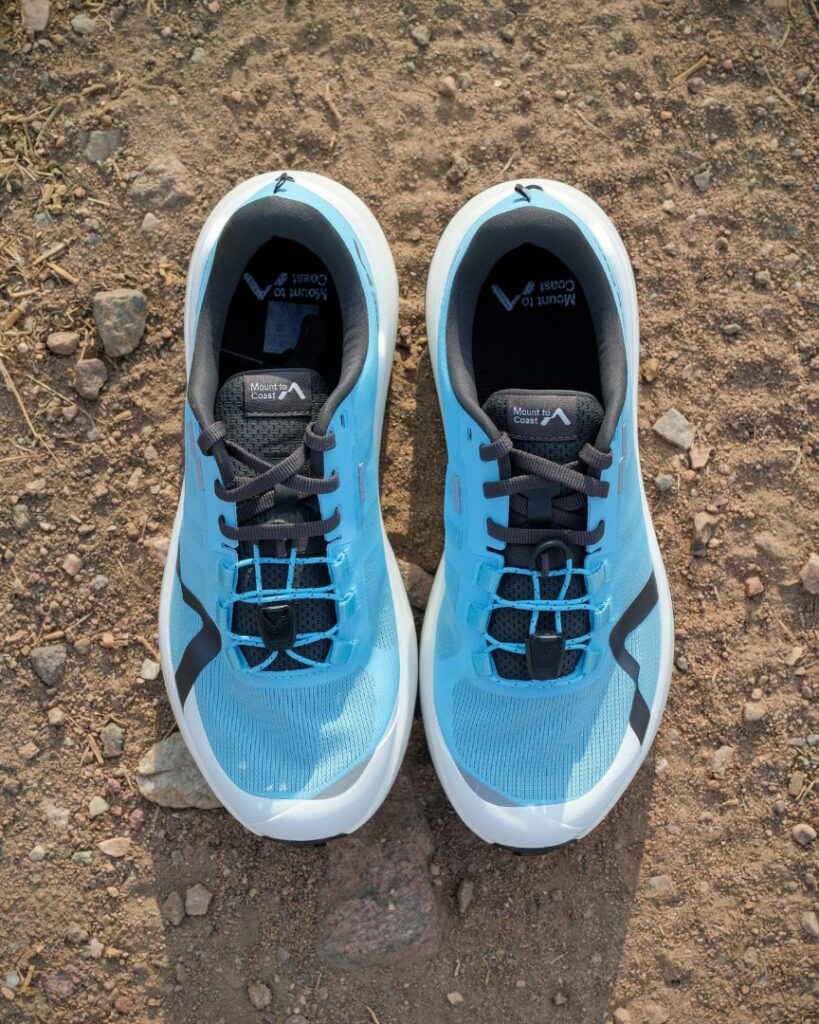
The refined TunedFit dual-lacing system deserves plenty of credit too. Being able to independently adjust the forefoot and midfoot remains one of Mount to Coast’s most distinctive features, and the addition of an elastic lace keeper on the M1 keeps everything neat and secure. Once dialed in, I was able to leave the forefoot lacing alone and only adjust the upper section between runs, and if I ever needed to adjust the forefoot mid-run, it took seconds. The upper was super comfortable, and I enjoyed excellent heel lockdown and zero lace pressure thanks to the generously padded tongue.
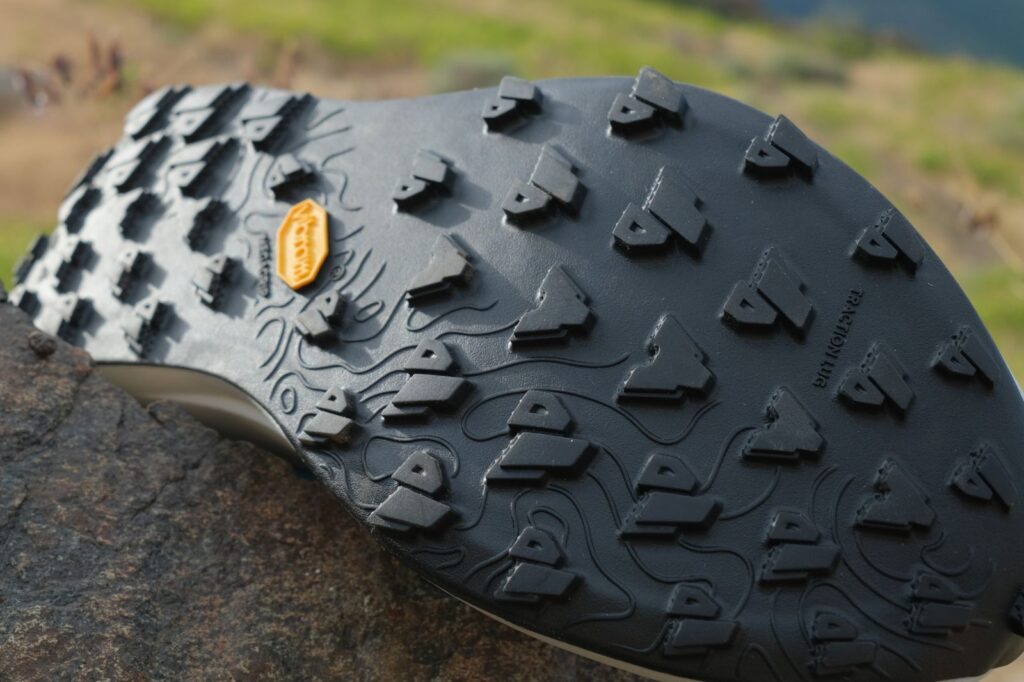
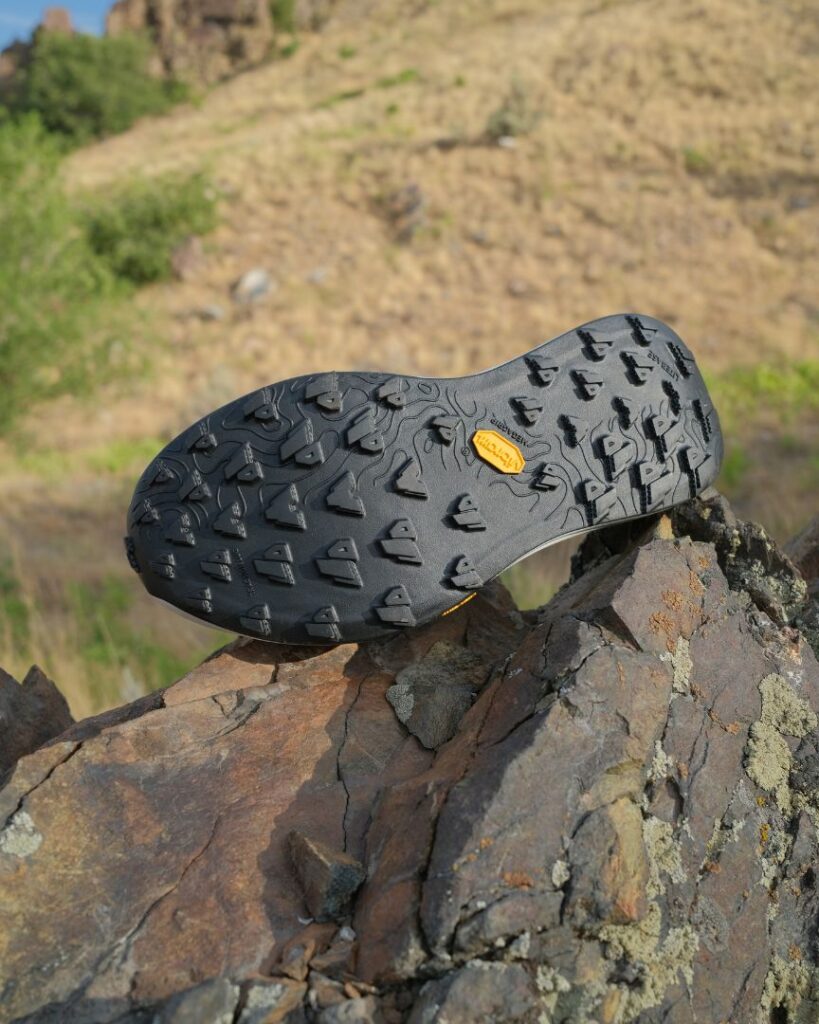
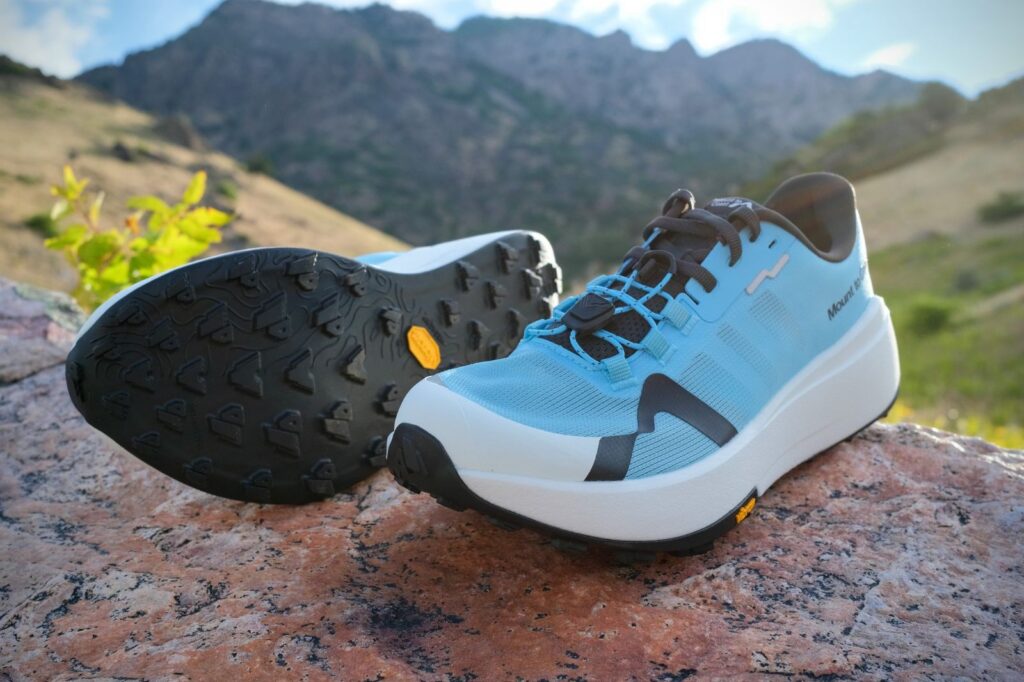
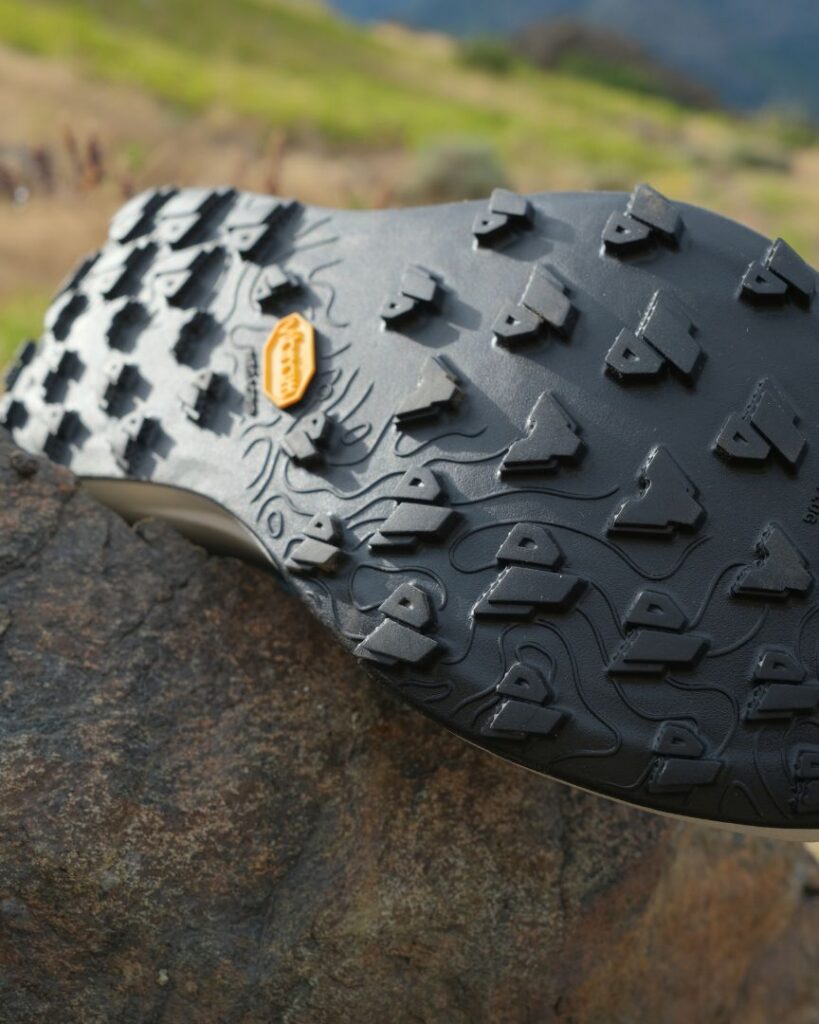
Elsewhere, the external toe protection overlays were effective without feeling bulky, while the full-length Vibram MegaGrip outsole handled everything I threw at it from wet roots and slick rock to dry, technical trails with confidence. The 4mm lugs aren’t designed for deep winter bogs, but for the rocky, mountainous terrain this shoe was built for, they feel spot on.
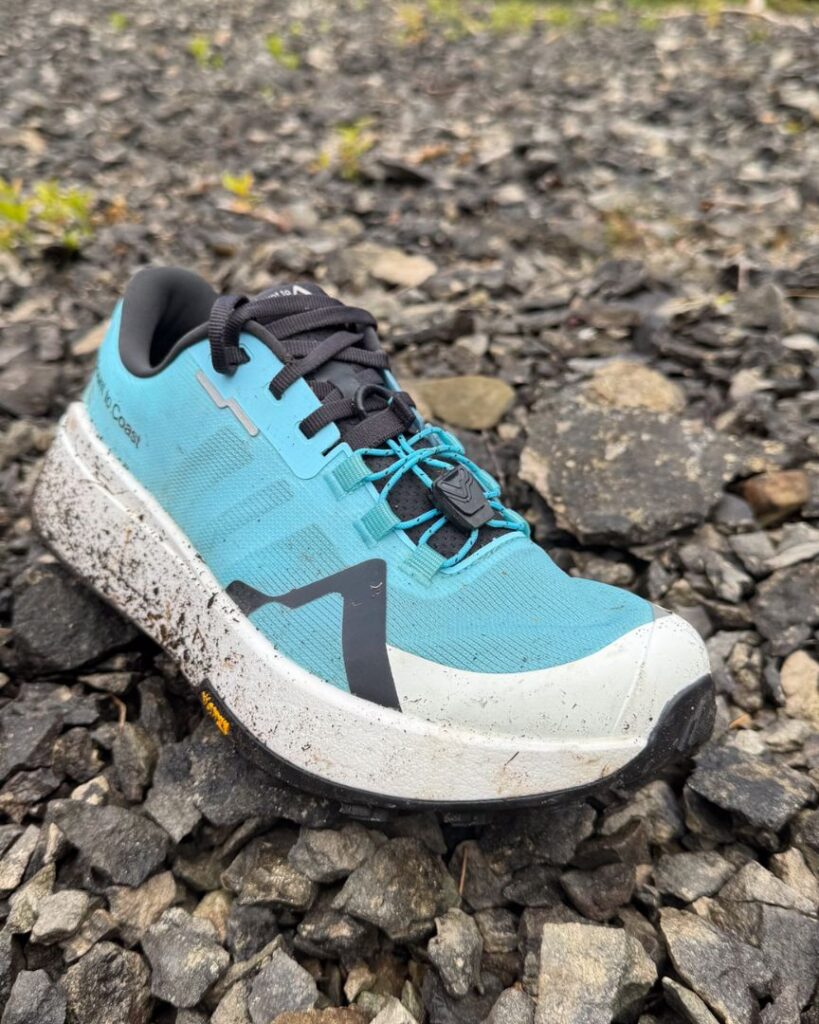
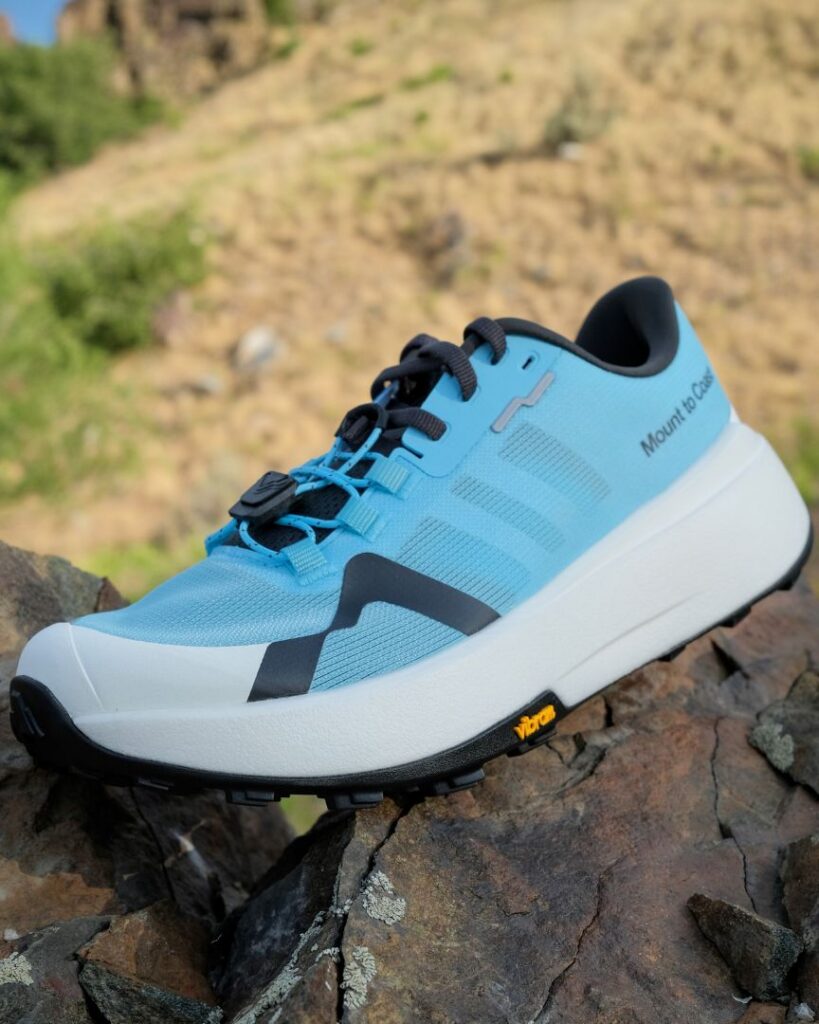
JARED: As soon as I slid my foot into the shoe, I noticed how responsive and bouncy the midsole felt. It offers an energetic pop, but it’s still comfortable for long days on the trail. There’s plenty of protection underfoot, so ground feel is limited.
Right out of the box, I took the M1 on a 16-mile run, and it felt great. The M1 feels just as good on short, fast efforts as it does on long runs, and the midsole makes it fun to open up on runnable descents, but it’s still comfortable at easier paces.
After a few runs on moderate trails, I took it into some of the Wasatch’s most technical terrain in Big Cottonwood Canyon, and it handled steep, technical terrain well. The traction was really good on loose rock, slabs, and steep climbs, and I even added some scrambling on Mount Superior. The heel and ankle collar are secure and comfortable without feeling overbuilt. I didn’t experience any rubbing or heel slip.
The drainage was excellent. It has been a hot summer, so I’ve fully submerged myself and the M1 in several creeks. They drain quickly and never feel waterlogged.
Despite the higher stack and more aggressive outsole, the M1 stays relatively light at 10.7 oz (US M11.5), quite a bit lighter than the Norda 055 and ACG Zegama.
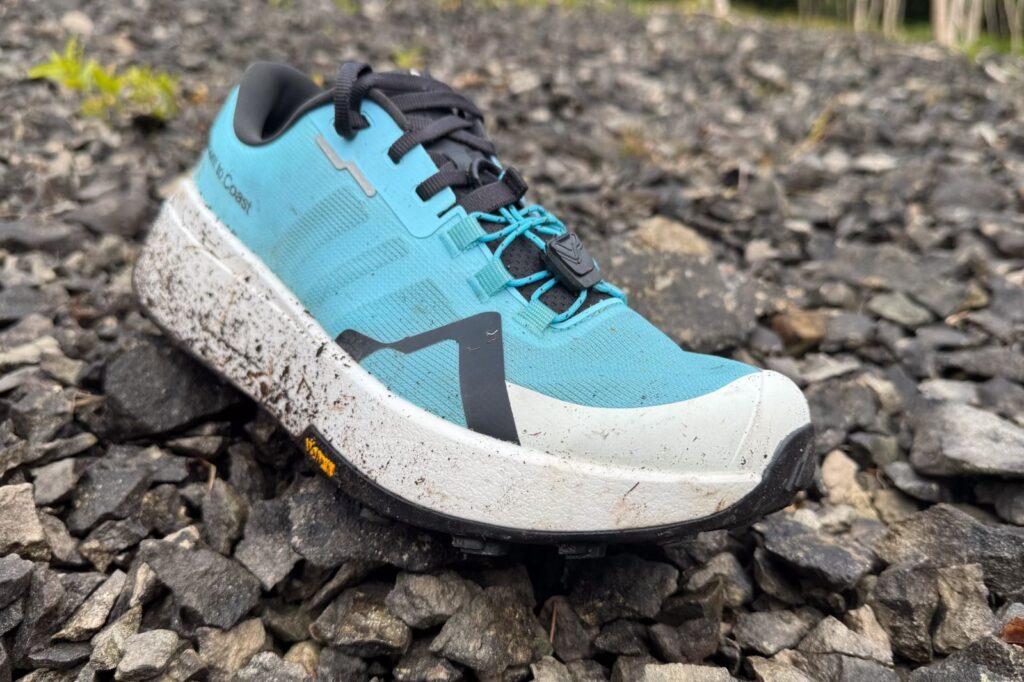
REESE: Love is a strong word. I don’t know if I capital-L “Loved” this shoe or parts of it. But I am at least at the “In Like” with some things stage. I’ll attempt at brevity in this and the following sections for those of you who don’t want to read through my quixotic thoughts on things that have zero relevance to a shoe review.
First, I enjoyed how light this shoe was. I didn’t weigh it or look at the spec sheet. But just from feel, my size W7 was noticeably lighter than most other shoes I’ve been in this year. And to add to that, it felt like the weight was evenly distributed, if that’s a thing. I’m mostly comparing this to the Terrex collection, which feels so outsole heavy. The M1 felt all around well designed, and materials were chosen for resilience and weight-consciousness.
Second, the midsole is good. It’s not great; it’s not love letter worthy, but it was quite pleasant. And to add to that, I used this on a lot of intown runs that spanned both road and trail; the midsole and light outsole were compliant on all surfaces. Not a knock-your-socks-off midsole, but pretty damn good.
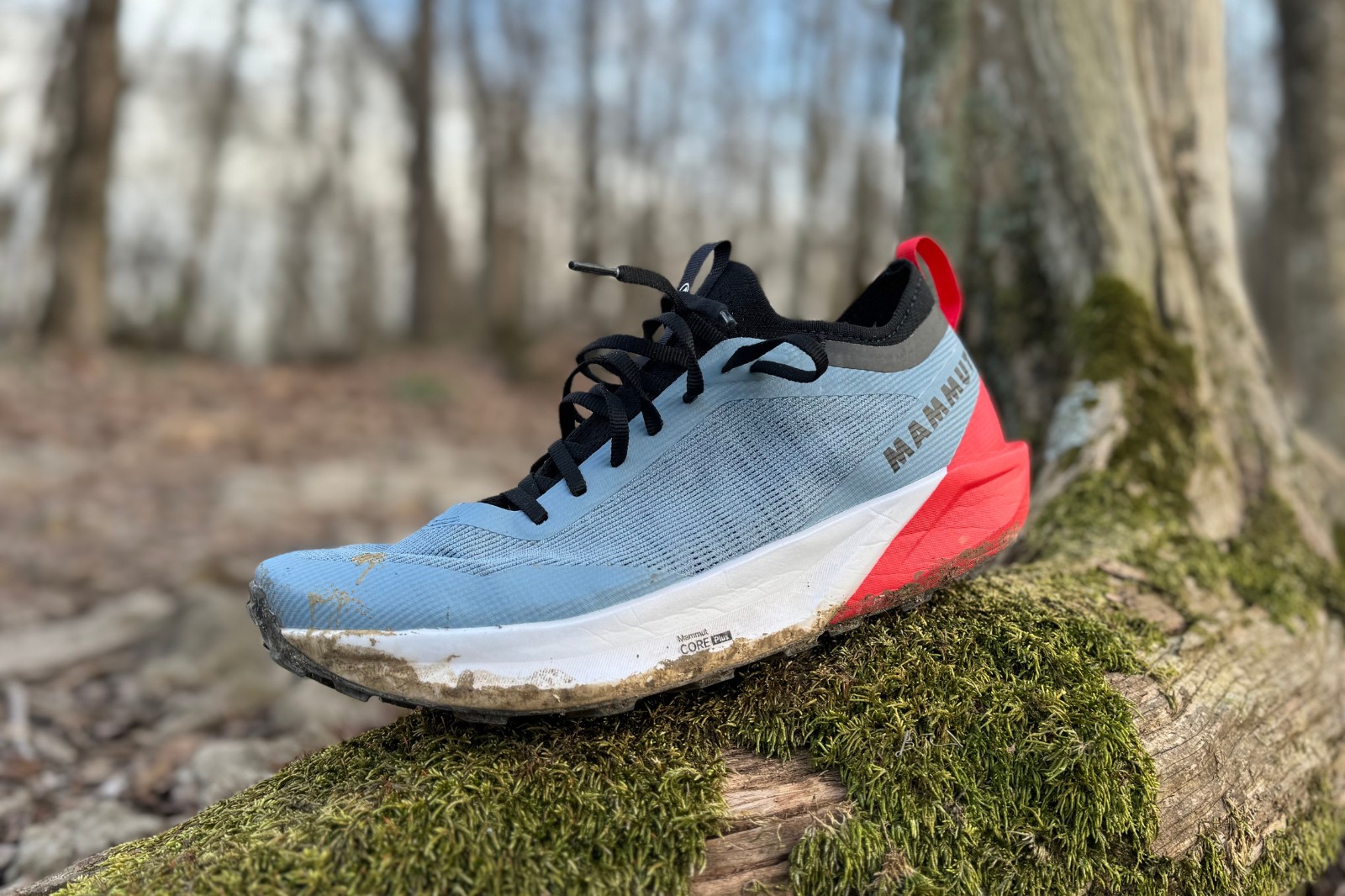
Lastly, the design. It’s a good-looking thing. There’s something about the colorway, the balance of white and blue that just looks sharp. I actually think that, vainly, this is the part I enjoyed the most.
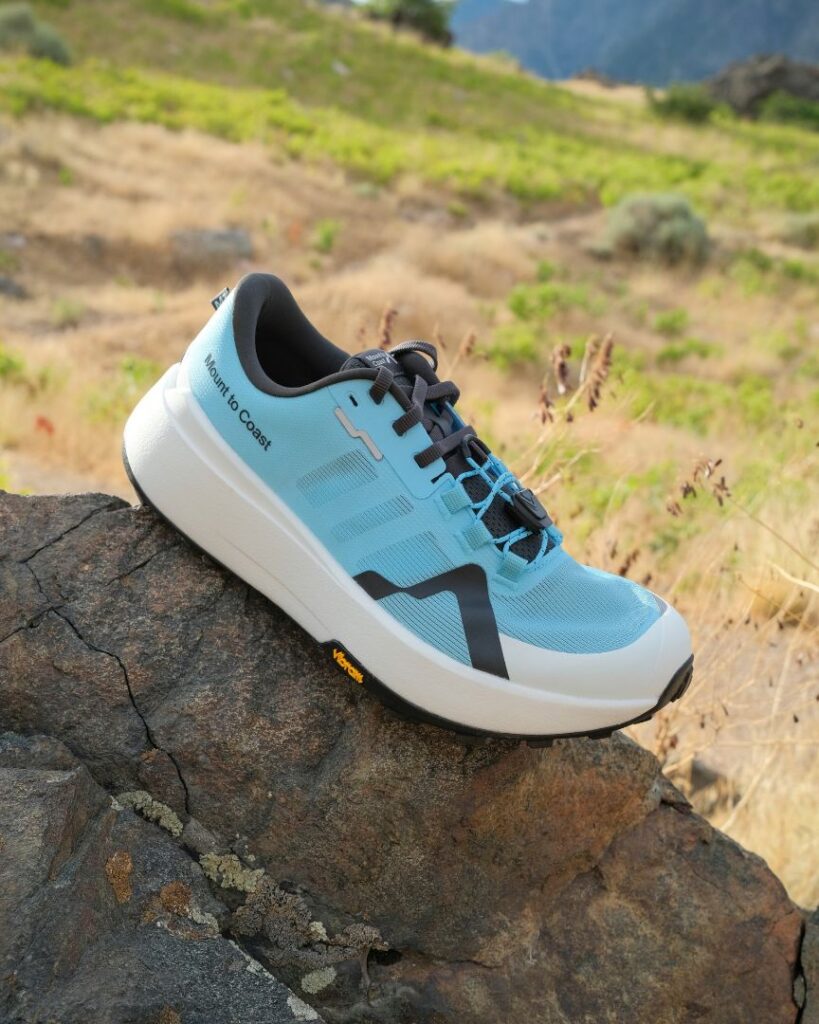
ALEX: Picking up where Reese left off, I cannot agree more that the design of the shoe is sharp and clean. Mount to Coast has nailed this from the start with their relatively simplified upper design and understated colorways. I appreciate the avoidance of loud, somewhat messy-feeling designs in favor of a clean, understated look that Yeti compares to an “Apple shoe” philosophy.
My favorite part of the M1 is the JetCell supercritical foam. It’s comfortable underfoot and, when paired with the moderate rocker geometry, creates a ride that feels smooth, responsive, and efficient. Every time I put these on, I find myself wanting to run fast. Of the three foams currently in Mount to Coast’s lineup, JetCell feels the best to me. Compared to the firmer LightCell in the R1 and T1, JetCell feels softer underfoot and feels a bit more energetic. Compared to the CircleCell foam in the H1, JetCell again feels slightly more forgiving underfoot, while CircleCell has a firmer, snappier feel with more ground feel. Neither of the foams feels overly soft or unstable; they just have different personalities. The JetCell blends comfort, protection, and responsiveness in a way that makes it stand out for the shoe’s intended use.
I also really enjoyed the Vibram outsole. Not a lot of additional explanation is needed here, as Vibram continues to be the standard when it comes to traction and durability. The lug pattern is well designed, providing confident grip across a wide variety of terrain. The outsole inspired confidence without feeling overly aggressive. This is also due to the fact that the shoe has a very thoughtful, well-balanced design.
I still remember the first time I saw the TunedFit dual lacing system. My initial reaction was that it felt unnecessary. I assumed Mount to Coast was trying something different just for the sake of being different. Sometimes that works. This time, it did. While the overall width of the shoe is what it is, I’ve come to appreciate how functional the system actually is.
When I want to run fast, I can lock everything down for a more secure fit. During long runs or races, though, I prefer a little more room as my feet naturally swell over the course of the day (or days). Being able to adjust the midfoot and forefoot independently provides that flexibility without compromising overall fit.
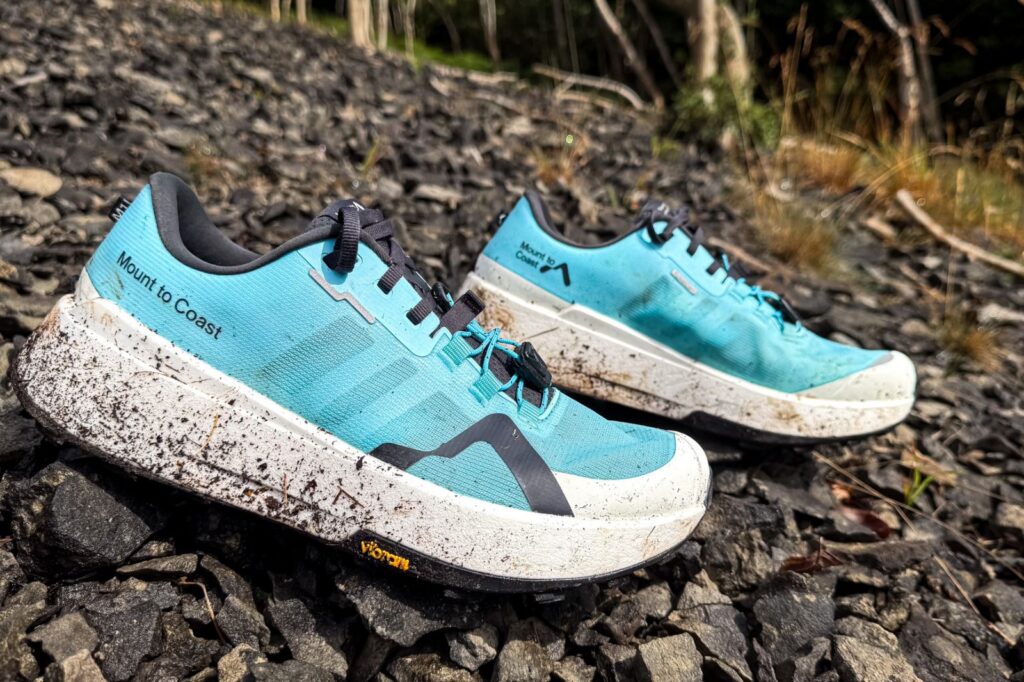
TAYLOR: JetCell is obviously a hit. It’s the most crucial aspect of the M1 for a few different reasons.
Everyone commented on energy return. It’s definitely there. Not like a bounce your face off kind of feedback, but there’s a noticeable squish and release that can’t be denied in every step.
Such a soft foam at a 38/34mm stack will always give a luscious, comforting sensation. Both comfort and protection were notable without bottoming out. That’s the kicker here. The foam also provides structure as it compresses. In some ways it reminds me of the Norda 055 (although much less rockered), where stability increases as energy is put into the foam itself.
I’m not saying this is an overly stable shoe, but it will feel more stable than many others in its category because of the foam characteristics, and there’s less of a rocker. Being that there’s a slight rocker closer to the end of the toe, there is a smooth toe-off, but I mostly felt connected to the ground for the iffy terrain it was intended for.
Midsole durability absolutely sets this one apart. After hours of pounding in the Whites, doubling down in the Rockies, and testing this on smoother, longer runs as well, there’s no visible or perceivable difference in the foam. As Yeti was describing the composition to us at TRE, it sounded like too good to be true or some sort of voodoo. This JetCell is a groundbreaking foam.
My experience with fit definitely lines up with the rest of the crew. For the most part, I felt secure because of the TunedFit System. The only real issue I had was when downhill and speed were combined. There was subtle forefoot sliding that is to be expected. Otherwise, I felt comfortably locked in thanks to the padded/structured heel, semi-gusseted tongue, and reinforced internal supports through the midfoot.
To no surprise, I was mostly happy with the Vibram MegaGrip outsole. The stepped multishape lugs were adequate for most terrain/conditions (stay tuned for more details), and the durability is on point. Full rubber coverage was a good move here for added stability and ground contact in more technical terrain.
Shop The Shoe - Men Shop The Shoe - WomenJOHNNY: My only real criticism concerns sizing, and even then, it’s a relatively minor one rather than a fundamental flaw in the design.
The UK M8 I received felt a little restrictive through the forefoot during my earliest runs. Normally I wear a UK M8.5 in the Mount to Coast H1, and I noticed some rubbing along the medial side of both big toes, particularly on longer outings when my feet began to swell.
Thankfully, the TunedFit system helped minimize the problem. Being able to loosen the forefoot independently from the midfoot gave my toes some additional room without sacrificing the excellent lockdown elsewhere. Over time, the upper also softened slightly, and after around 30 miles the irritation largely disappeared.
For runners sitting between sizes, I’d seriously consider going up by half a size from your usual fit. Given the amount of protection, cushioning, and long-distance capability built into the M1, it feels like a shoe that’s destined for ultra-distance adventures where a little extra room in the toe box is rarely a bad thing.
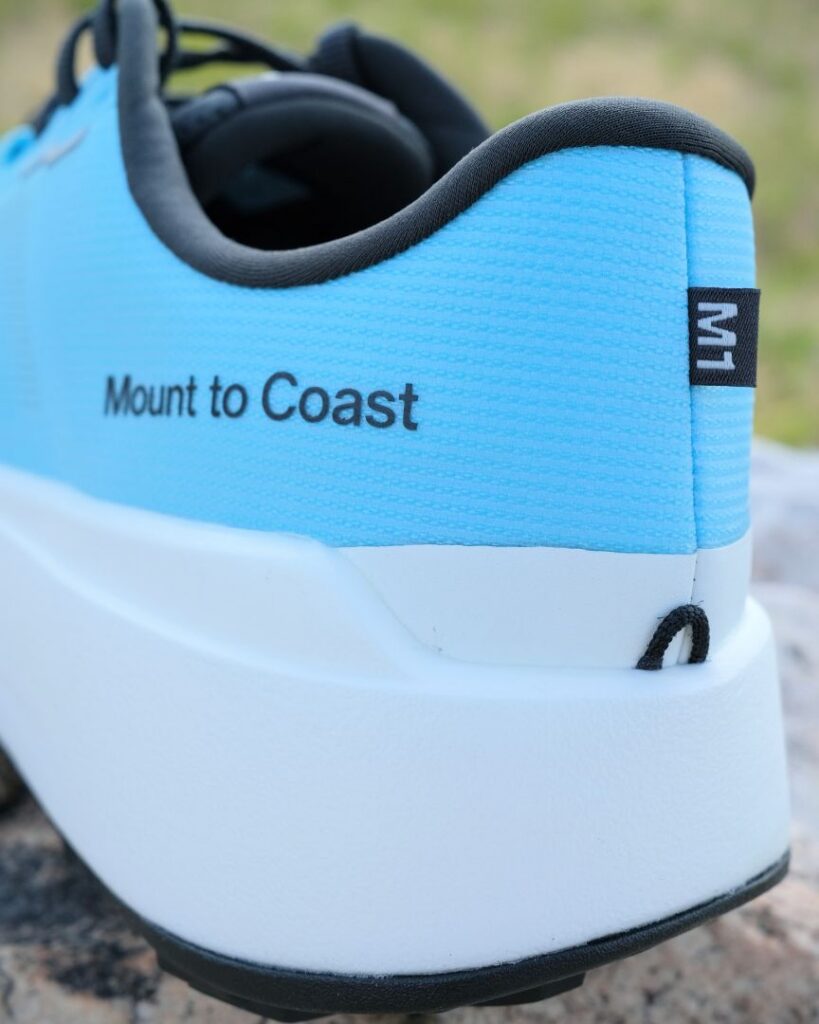
JARED: The M1 is really good, but not perfect. On steep descents, I notice my foot sliding around despite trying different lacing adjustments. I have a medium-width foot, and the lockdown feels good on everything besides steep, uneven descents. This brings me to the TunedFit lacing system. I’m getting used to it, but it seems unnecessary. I still prefer traditional laces. Including a standard lace option to switch out would be a nice addition.
The stability is generally good, but on loose scree and talus the high stack can feel a little unstable. I didn’t roll an ankle, but I came close a couple of times. The wide platform helps. It feels more stable than the Norda 055 on descents, but lower-stack shoes still feel more secure in technical terrain. This is the main tradeoff of all the high-stack mountain shoes. You get protection and comfort over long distances, but it reduces ground feel and stability. The lack of connection with the ground can slow me down and make me less confident on technical terrain.
Of the recent shoes I’ve tested in this category, including the Norda 055, ACG Zegama Trail, and The North Face Altamesa 500 v2, the M1 performs best in the steepest terrain, but it’s still a bit limited by its stack height.
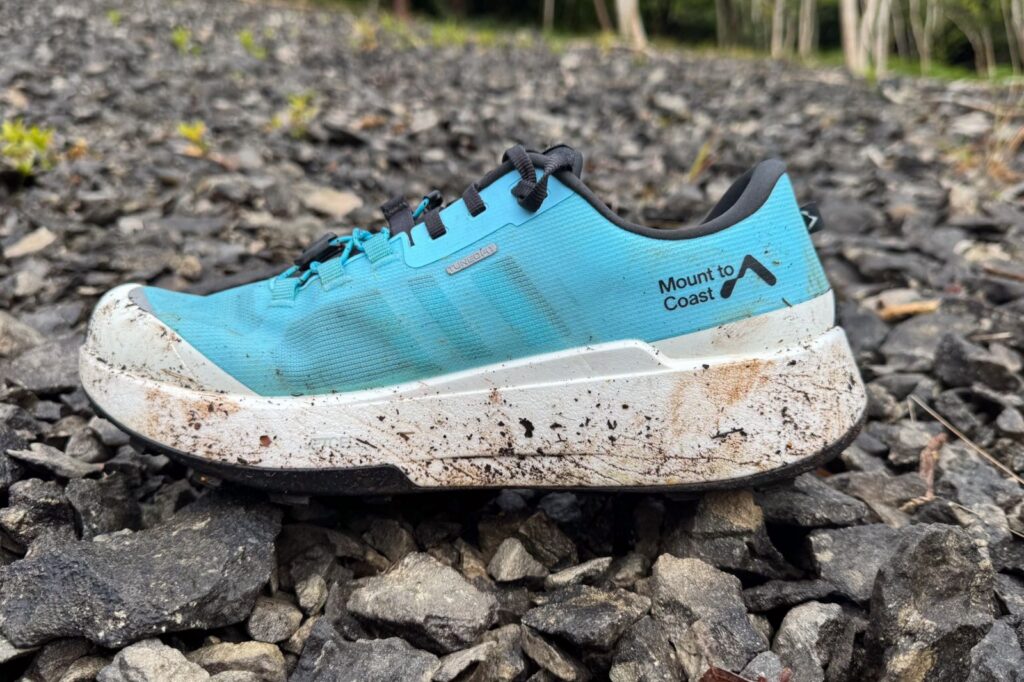
One other note: the midsole has some decent-sized punctures from rocks after about 70 miles. I had expected the JetCell foam to resist this better, but it’s showing some wear. It seems to be mostly cosmetic and doesn’t seem to affect performance at all.
Lastly, the sizing felt true to size for me. I received my usual US M11.5, and the fit is perfect.
REESE: Because I’m just “meh” on this shoe, it’s hard to discern love from dislike and dislike from, “eh, I wish it were a little better, but it’s not bad.” So I’m just lumping things from the “wish it were a little different, but also, personal preference might have some (does) way here.”
The fit wasn’t great and actually annoyed me the whole time. Maybe this is the thing I wish were different. I normally go down a half size in Mount to Coast; however, the US W7 fit okay, but because of the harsh, inflexible toe protect area combined with the fairly round shape of the toe box, I had a decent amount of rubbing on my toe. It wasn’t necessarily the wrong size, but it was an aggravating sensation. If I planned to run more and two hours in this, I would go a half size up.
The weird lacing, literally, I dunno. But why though? I may need to take some upper-level classes in lace tying to understand why we are straying from traditional laces, but the split lace system seems unnecessary. Next.
The stack height combined with the rocker and roundness of the heel and toe. Again, just not for me and my absolutely garbage ankles. This shoe did not feel as stable as I would have wanted a mountain shoe to perform.
ALEX: My main concern with the M1 — and really any high-stack shoe with a dense midsole foam — is stability on highly technical terrain. As the trail became more technical, I felt increasingly aware of being above the ground rather than connected to it. On uneven rocks and off-camber sections, the extra stack height and firmer foam created a subtle teeter-totter effect, making it feel like I was trying to balance on top of what I was encountering on the trail. This reduced confidence quite a bit.
Similarly, on steep descents, my foot slid forward to the point of bumping up against the front of the shoe more than I would have expected, given the rest of the shoe felt secure and fit well. I played around with the quick-adjust lacing over the toe box and wasn’t able to resolve the issue.
TAYLOR: I can definitely echo everyone’s sentiments, at least to an extent. Some slight adjustments can be made here and there. Case in point, sizing. Go up a half size from your normal. My toes were definitely kissing the bumper on the downhills.
Even though the JetCell was the highlight of our experience, to me, it lacked directionality. It has all the right properties, but I never felt like I was putting all that energy in the direction of travel. The heel can definitely give instability vibes. I think that’s mostly due to the lack of sculpting or a notable rocker. I feel like Mount to Coast could also keep the same profile and bring in the C1’s design elements with a slightly firmer bottom layer of foam.
Oh, yeah! I mentioned that I was “mostly” happy with the outsole. While it worked well generally, we found that the lugs could not really dig in to softer ground. They also had trouble with the wet rocks of the Whites… but then again, which outsole wouldn’t? That place is gnarly.
Shop The Shoe - Men Shop The Shoe - Women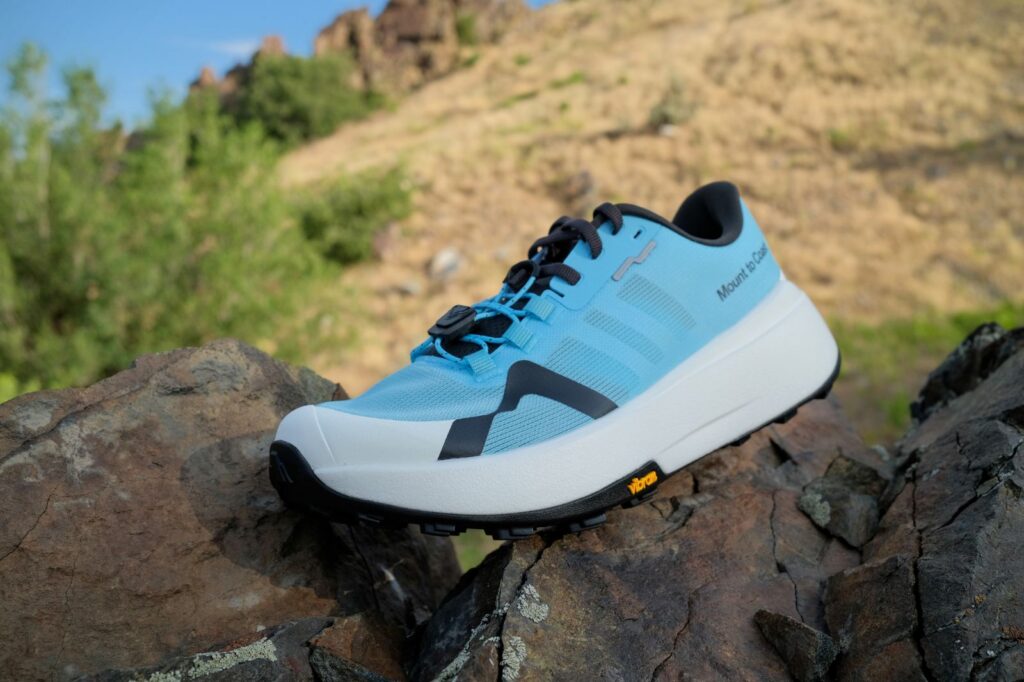
JOHNNY: Mount to Coast continues to impress me. For such a young brand, it has accelerated rapidly from intriguing newcomer to genuine contender, delivering a combination of thoughtful design, technical innovation, and race-proven performance across its growing lineup.
At the heart of the M1 is that excellent JetCell ATPU midsole foam; Mount to Coast has landed on something special here. The foam feels comfortable yet responsive, protective yet energetic, and soft without sacrificing stability. Those aren’t always easy characteristics to combine in a highly cushioned trail shoe.
The M1 felt protective when the trails got rough, provided great traction when conditions deteriorated, and quietly helped me maintain pace over long distances. My formal testing period may be over, but I already know the M1 won’t be heading back to the shoe rack to gather dust. In fact, it’s likely to become one of the first shoes I reach for when my shoe review schedule is a little quieter. That’s probably the strongest endorsement I can give.
Early August might feel a little premature for trail shoe of the year conversations, but the Mount to Coast M1 has unquestionably earned a place in that discussion. I’m a massive fan.
JARED: The M1 is a strong all-around mountain shoe with excellent traction, comfort, drainage, and protection for long days on the trail. The midsole is responsive and fun, and the shoe is versatile enough for easy runs, faster efforts, and big mountain days.
It has some flaws, but they’re relatively minor. Lockdown on steep descents could be better, and the high stack reduces confidence in technical terrain. It’s not my first choice for long sections of loose talus or steep descents, but I really enjoy the M1 for everything else.
There’s no doubt in my mind that the M1 is one of the best trail shoes of 2026, so far. Could it be the best? It’s still early, but I think that’s a real possibility. The M1 has already earned a spot in my regular shoe rotation, and I look forward to logging many more miles in it to see just how durable it is.
REESE: I think this shoe is good, but not great. It wasn’t bad, but it didn’t blow me away. Which maybe that’s like telling someone that a huge blockbuster hit like Avatar or some Jurrasic park movie just wasn’t for me (FWIW, I’ve never seen them outside of the first version of each). But for me, I was neither over- nor underwhelmed by this shoe, just whelmed.
ALEX: Apart from the reduced stability on highly technical terrain, I’ve really enjoyed running in the M1. The midsole strikes a fantastic balance between comfort, responsiveness, and protection, making it a great choice for long mountain days.
It’s a shoe that encourages you to keep moving, silently urging you forward with that beautiful midsole + rocker geometry. Similar to the Norda 055, I find myself (more) excited to get out and log miles in these.
TAYLOR: Give it up for Mount to Coast, folks! They keep stepping up their game with every new offering. The M1 can certainly handle the demands of most any trail endeavor you can think of. From through-hiking to daily miles to mountainous ultras, the Mount to Coast M1 is one of the most capable and comfortable options on the market. Yes, there are a few adjustments that can improve this shoe, but we’re talking about single-percentage gains in its first iteration. That’s making a statement.
You can pick up the Mount to Coast M1 for $195 from Mount to Coast by using the buttons below.
Shop The Shoe - Men Shop The Shoe - WomenHave something to say? Leave a Comment
Sign in or create a free account to comment. You'll come right back here.
Sign in / Sign up
Johnny Dodgin is a self-confessed shoe nerd who will talk endlessly about midsole foams and general running shoe tech to anyone who will listen. Having worked as a footwear product line manager, he carries a wealth of technical running industry knowledge, blending this with his real-world experience of being a devoted trail and road runner. Living in the North West of England, Johnny is perfectly positioned to test shoes and gear in one of the coldest, wettest parts of the world, where technical trails and muddy conditions dominate his running adventures.
More from Johnny
Jared is a trail runner living in northern Utah, where he explores the Wasatch Mountains. He enjoys big mountain adventures and rugged races, with finishes at Hardrock 100, IMTUF 100, Wyoming Range 100, and Arrowhead 135, among others. When he’s not running, he works in software design, roasts coffee, and spends winters on Nordic skis.
More from Jared

Reese Ruland is a Fort Collins-based ultra trail runner and coach with more than 15 years of competitive experience. When she’s not on the trails, you’ll usually find her at the horse barn or riding a bike, at the archery range, or hacking her way through a round of golf. Reese also has a serious obsession with her two French Bulldogs, Loaf and Oatie.
More from Reese
Alex is a trail and ultra runner originally from Minnesota, where she built her foundation on long winters and the rugged, rooty trails of Lake Superior’s North Shore. Now based in Utah, she trains along the Wasatch Front and continues to lean into long, multi-day efforts. She was the first female to set a supported FKT on the 310-mile Superior Hiking Trail and gravitates toward races that demand durability — especially in tough conditions, where sleep deprivation blurs the edges, and she’s learned to make friends with the hallucinations.
More from Alex

Taylor Bodin is a trail and ultra runner living in Estes Park, Colo., with his wife and daughters. As the head of the Dirt Division at Believe in the Run, trail running is pretty much the only hobby he can manage right now and loves it. Every so often, he will pop off a race or FKT attempt because competition is pure and the original motivator for him getting into running anyway.
More from Taylor
A average from 2 runners · 1 runner has this saved
aelizabethrunson their wall since September 15, 2026
Initial review · September 15, 2026
A
Be one of the first runners to rate it.


Do you think this shoe is more suitable for technical terrain than the T1? It’s interesting that mount to coast seems to be positioning the T1 as the more technical of the two but most reviews I can find seem to think the M1 is more technically capable.
Hi Adil,
Yes, I do think the M1 will be more techincal terrain-savy even though the foam is softer. The platform itself is much more stable, outsole is a bit more aggressive, and the fit is more secure on the M1.
You’ll have to forgive me for being extremely skeptical about the multiple S-tier ratings given these reviews, especially Reese’s and multiple other reviewers saying they lack confidence on technical descents. It doesn’t seem like a coincidence that BITR has previously partnered with MTC to produce a shoe. I’ve already ordered a pair, but to be completely honest, I don’t fully trust this review.
We can handle some skepticism! As noted in another comment, our rating system isn’t perfect, but neither are shoes. If we put the M1 up against other shoes we’ve given an S to (the Norda 055 and the ACG Zegama Trail), its flaws are within the same realm of severity. We knocked both of those shoes for their weight, and dinged the Norda for some rubbing in the upper, but felt like the M1 deserved its place as a similarly capable trail shoe.
The reviews and the overall rating simply don’t match. Alex basically has this between A/B. Reese has this as a B. Jared/Taylor an A. Johnny an S. 4 of 5 reviewers mention stability and lockdown issues. How does all of this come out to an S? Feels like the women were just ignored.
Fully get where you’re coming from! We had plenty of additional debate behind the scenes over whether to keep the shoe at an S or not, but ultimately felt it was warranted. If you stack it against other trail shoes we’ve given an S to (the Norda 055 and Nike ACG Zegama Trail), you’ll note that both of those shoes had flaws as well. We knocked both of them for their weight, the ACG Zegama Trail for a bit of heel insecurity, and the Norda 055 for rubbing throughout the upper. It’s not a perfect system, but we at least do our best to keep everyone’s opinion intact even if we can’t make the letter grade a perfect average of opinions.