Shop BITR Apparel Shop Now
We independently review everything we recommend. When you buy through our links, we may earn a commission.
8.1 oz. (230 g) for a US M9 / 6.7 oz. (190 g) for a US W7.5
39mm in heel, 31mm in forefoot (8mm drop)
Daily road miles and short workouts
Supercritical Anima N2 EVA midsole, D2500 outsole, Engineered mesh upper
Available now for $155
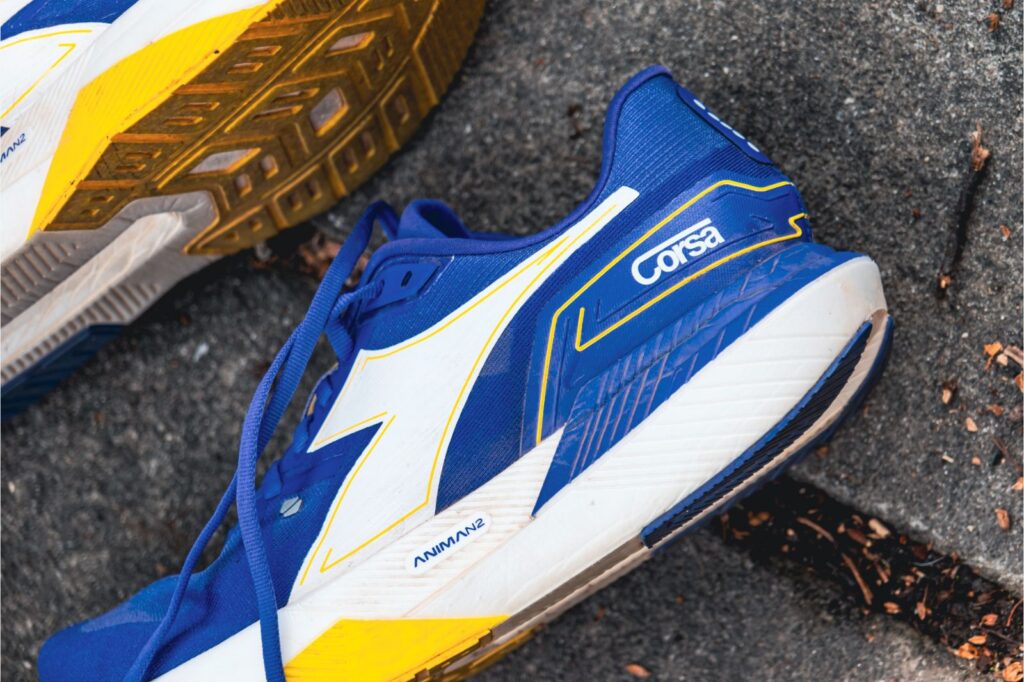
KALEB: I saw someone online refer to Tracksmith as “the American Diadora,” and I thought that was an appropriate thing to reverse as well: Diadora is like the Italian Tracksmith. That is to say, expensive, aesthetic, bougie, a bit of a status symbol, but not necessarily the most perfectly executed gear you can get for the price.
If I see someone running in a Diadora shoe, I’m more inclined to assume they’re doing it because they’re “not like other runners” more than because “this is the best shoe for me.” Diadora has always been a brand I’m excited to receive and review; they really are cool, but I’m always a bit subdued in my expectations of their actual performance.
But with an increasing roster of serious athletes — Simeon Birnbaum now joining the ranks with Marco Langon — Diadora has begun to get up off its fashionable butt and lock in. The Corsa is the brand’s newest shoe, and it’s marketed as a do-it-all daily trainer. Not just a shoe you can lug around for every run, but one that can actually bridge the gap from easy days all the way to hard workouts and not feel like a brick.
In a world of increasingly diverse niches for running shoes to fill, it’s a breath of fresh air for a company to make a shoe designed for it all, but does it work? Shoes that try to do it all often fall short of being truly good at anything…
JOJO: As someone who was a brand loyalist before joining the Believe team, it’s been exciting to learn about and test brands that were never on my radar. From my deep digging, here are three fun facts about Diadora before we get to the Corsa:
Now, the Corsa. It’s pitched as a do-it-all trainer at $155, capable of gliding across roads and soft trails. It came to me at the perfect time: I’m about to embark on a 25-day European adventure through Ireland, Scotland, and Portugal — city pavement to country dirt paths to the Highlands. I’m in the bulk phase of training for a 55-miler, which means 175-plus miles over those 25 days. Packing for a trip that long, I want exactly one road shoe and one trail shoe. My current daily trainers are at 300 miles, so I need a new one regardless, and I’m deciding which single road shoe earns a spot in the carry-on. Will the Corsa be the do-it-all shoe I need?
RYAN: From Kaleb’s Tracksmith comparisons to Jojo’s history lesson, it seems pretty clear that Diadora hasn’t exactly been top of mind when it comes to running shoes. Sure, the Italian brand has put out a decent option here and there, like the Gara Carbon, which is comfortable and quick but costs a bit (or a lot) too much. It’s also put out some too-firm, too-flat stinkers, like the Cellula 2.
So, when I was invited out to Flagstaff, Arizona earlier this summer to get a first taste of the Corsa, I didn’t really know what to expect. I hoped with all my heart that I’d be lacing up a light, quick shoe that made my high-altitude adventure worthwhile, and at least I knew I’d meet some cool people. But when I finally got a look at the Corsa’s tech sheet, I could tell this would be something different.
No, maybe its supercritical Anima N2 midsole isn’t the most advanced, and the D2500 rubber outsole isn’t as heralded as the likes of PumaGrip, but both are steps in the right direction, and more than enough for me to be excited about running in the shoe. I’ve recapped my trip to summer camp elsewhere, so let’s just get into the goods.
KALEB: Just about every company sends us something of a spec sheet when they send us a shoe to review, and there’s often a disconnect between the optimistic marketing lingo and the actual performance of a shoe. I was elated to discover that Diadora’s marketing spiel was right on the money with the Corsa: I put this shoe through nearly 60 miles across every speed from easy recovery paces in the 7:30s to uptempo work in the low 5:00s, and it felt great every second.
I shy away from putting paces in my shoe reviews because speed is relative; people both much faster and much slower than I will have totally different experiences in a given trainer, but this goes to show the sheer versatility of the Corsa. It really does handle everything you throw at it… and it handles it really well.
Often, a shoe that can go fast feels a little too firm for easy days, and a shoe that feels nice on a morning jog feels a bit marshmallowy on the track, but the Anima N2 midsole that Diadora cooked up for the Corsa hits the perfect sweet spot. I tested the Frequenza a few years back, and that formulation felt too squishy for real speed, but the Corsa strikes a better balance.
At 39mm in the heel, there’s plenty of cushion for the pushin’, but the rockered forefoot and supercritical foam can really provide the right firm, responsive feel when needed for speed. Don’t misinterpret my glazing; I’m not picking this shoe off the shelf for sprint workouts. That said, the runs I’ve completed in this shoe include a 14-mile long run, a mile-repeat threshold session, an extended 5-mile tempo, and various recovery slogs. For each of them, had they been my first run in the Corsa, you could’ve convinced me I was wearing a shoe designed for the exact run I had just completed.
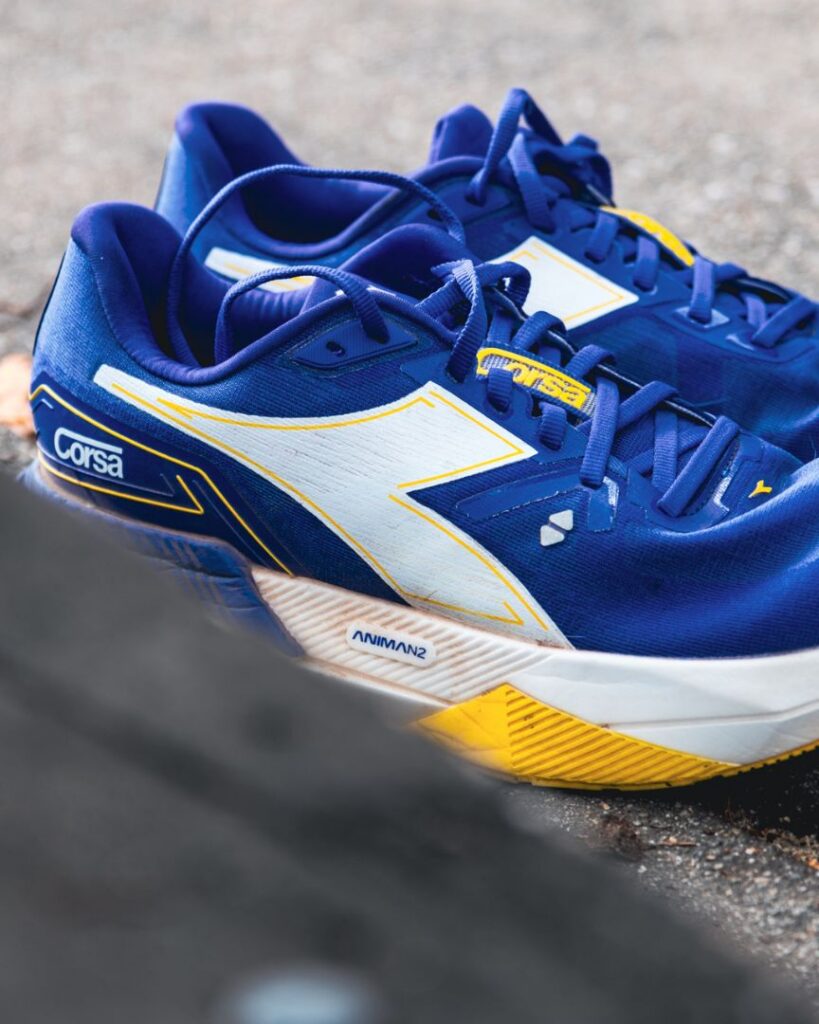
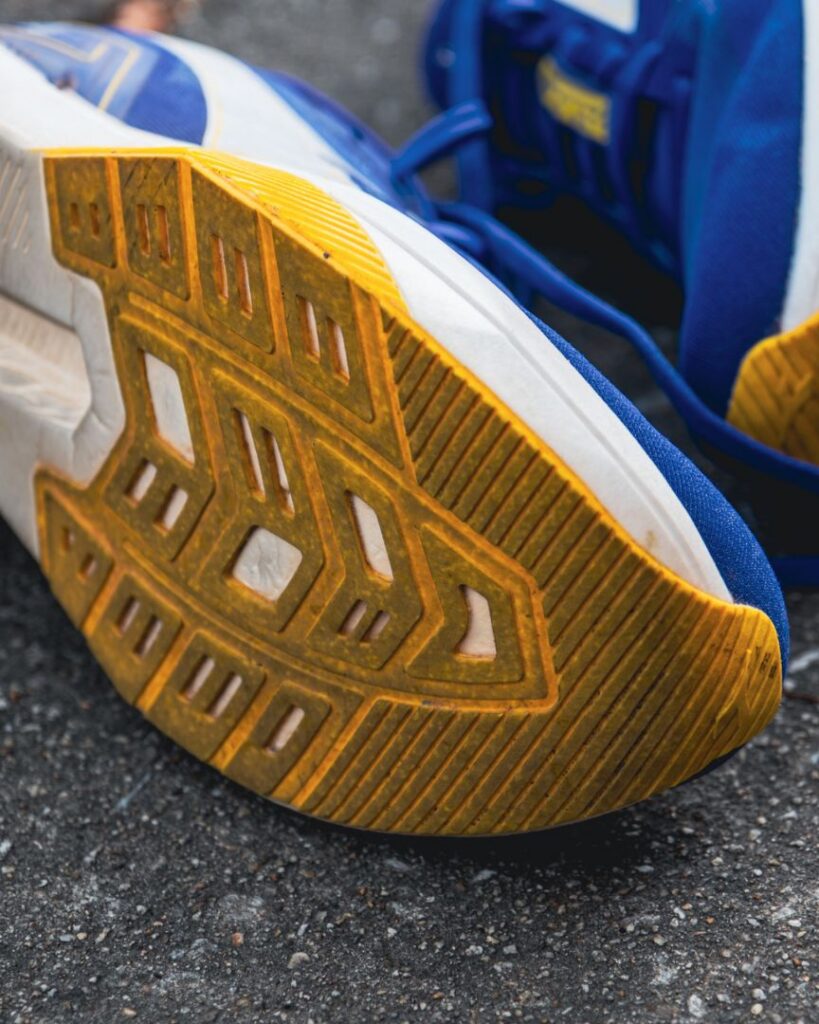
Another thing I wanted to touch on was foam recovery time; one of the justifications for a shoe rotation is that the foam in your shoes will feel a little dead the next day and needs a bit of time to decompress and be at its best for your next run. Some foams recover better than others, and for a shoe that aims to be a workhorse like the Corsa, it’s important to have good recovery. The day after my longer tempo session in the Corsa, I took it out again for nine easy miles, and it felt great underfoot. This is a shoe that you can rely on as you slam it through day after day of a training block.
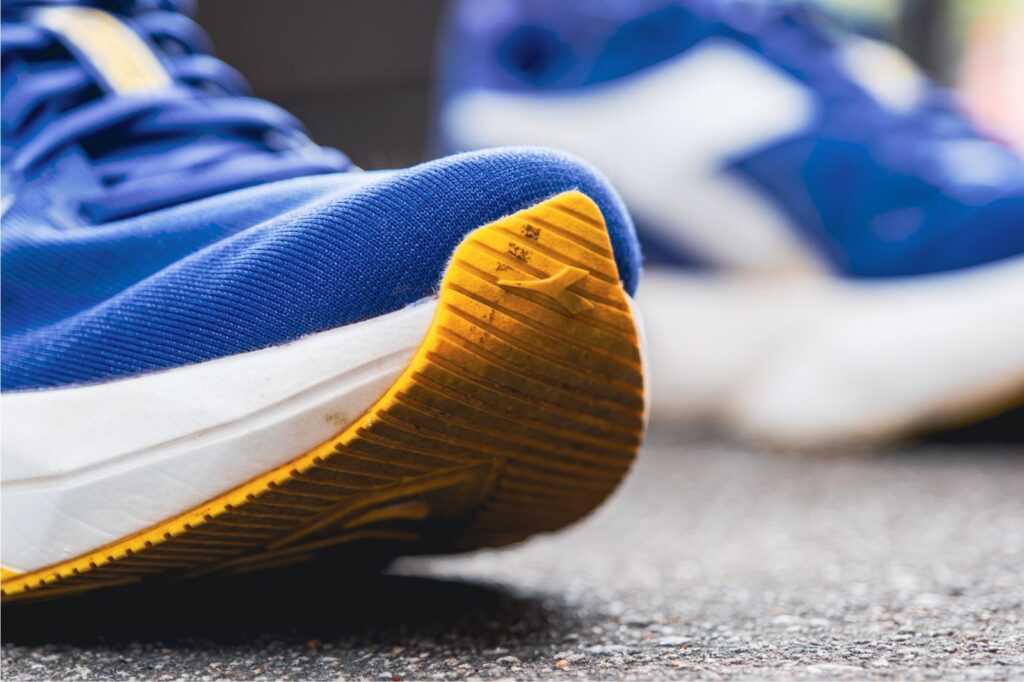
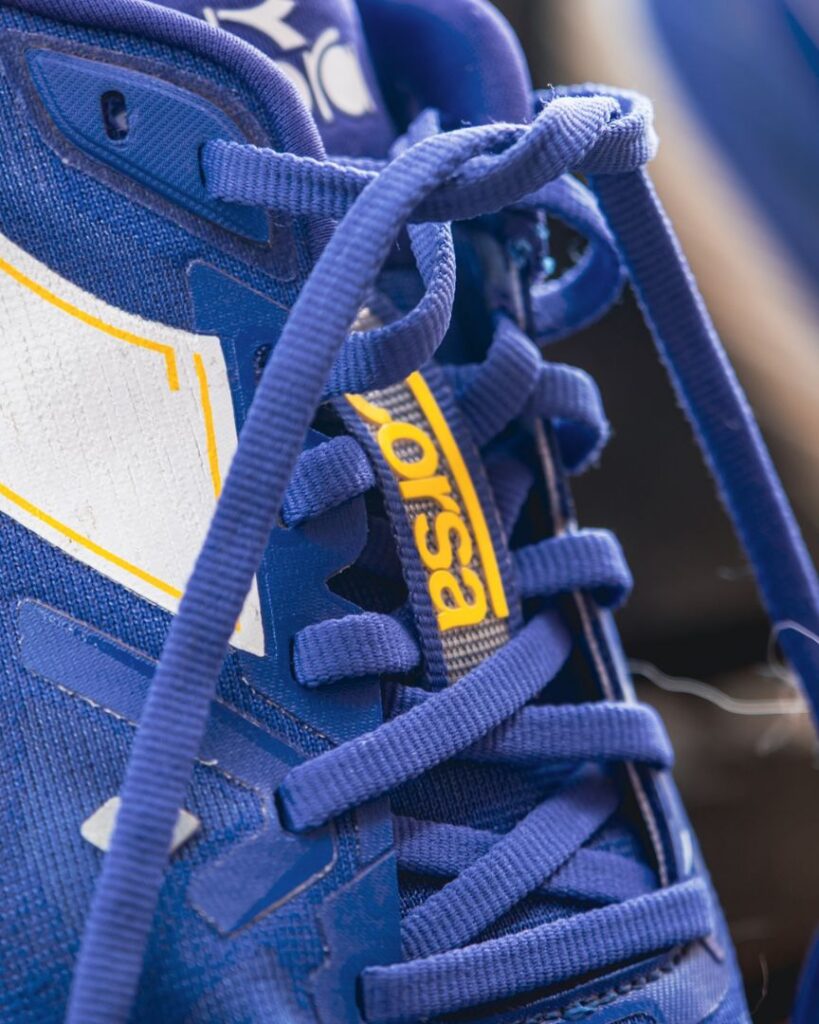
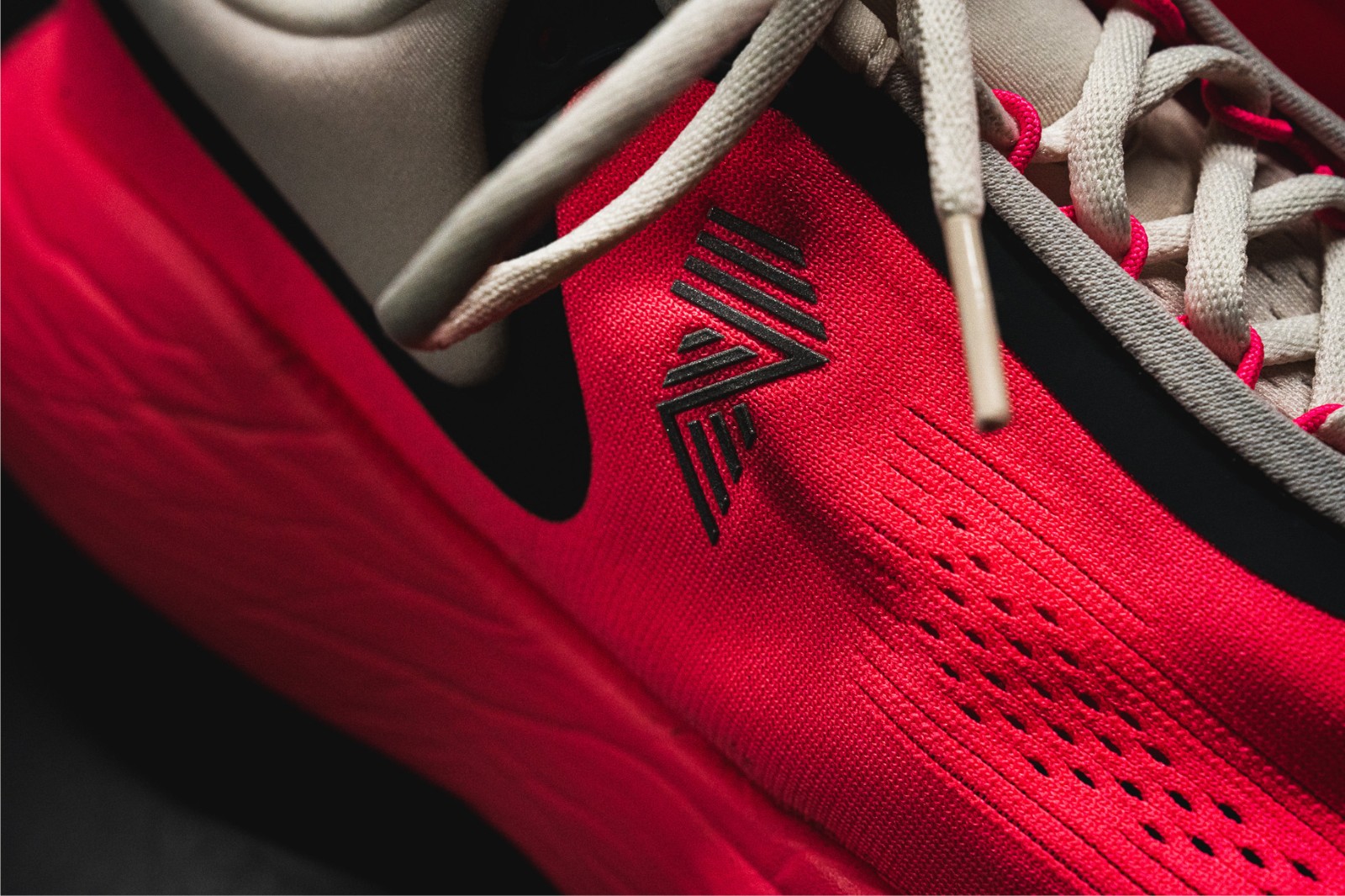
All the supporting pieces nail their roles: the three-part harmony between the upper, tongue, and lacing system is simple but comfortable and secure. A plastic heel clip in the counter adds some inherent stability to the mixture, and full Duratech D2500 rubber coverage ensures you get the most out of this shoe’s lifetime. All of this at just more than 8 oz. for $155? Sure, we’re in a golden age of shoes, so it’s hard for anyone to really mess things up at this point, but the Corsa makes a pretty convincing case for itself in the crowded marketplace.
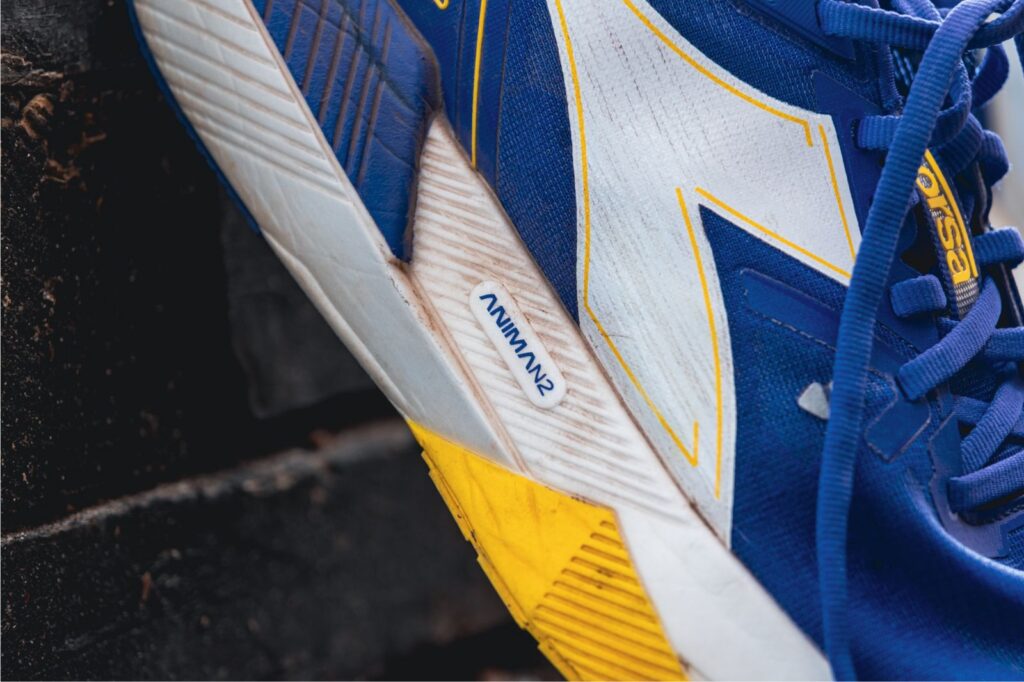
JOJO: It’s decided: I’ll be taking this European shoe to Europe for 25 days for 150+ miles.
In two weeks, I put 50 miles on the Corsa across about as diverse a range of running as I could manage.
The first week, I only had one zone 2 to zone 4 progression run with strides. The pace transitions were seamless — 10:30 miles down to 7:30, then 6:00 bursts on the strides. At no point did the shoe feel like it was working against me. The wide platform kept me steady through the sharpest changes in pace — you know that slightly wobbly feeling when you kick into a stride, or when you come off a fast rep and your legs are still sorting themselves out? The Corsa kept me stable.
Additionally, at 6.7 oz, this is the lightest daily trainer I’ve owned, undercutting most by a solid ounce. The Anima N2 midsole delivered its promise of exceptional lightness and its 72% boost in reactivity. Ok, ok, I know that 72% is very specific, but it is definitely up there!
The weekend before my second week of testing, I had a 50K on the calendar. What I got instead was an 18-mile technical trail race with 2,300 feet of gain and loss after a missed turn added two extra miles, and tummy troubles delivered the 1-2 combo that dropped me to the 25K. Take in at least 90g of carbs an hour, not 65g, if you’re sending it on the climbs and descents. Please learn from my mistakes. To be clear, I did not wear the Corsa during this race.
Anyways, to reconcile, I ran 13 miles the next day for at least a 50K weekend. This is where the midsole came to play. On tired, sore legs, feet, and ankles, the Corsa protected and energized me. I held a steady 9:45 pace, and by the end, I felt like I could keep running forever!
The second week was all zone 1 recovery, where I was clocking in around 11:30 to 12:30 miles. Some shoes protest at slower paces. Foam only gives back what you put into it, so at a jog you never compress it far enough to get anything in return — you get the stiffness without the cushioning, which either mangles your stride or surfaces discomfort you didn’t feel at speed. Not the case here. The Corsa stayed pleasant at every pace I asked of it.
I’m listing all these paces to make a point: this shoe is comfortable anywhere from 6:00 to 12:30. That’s an unusually wide range for one trainer.
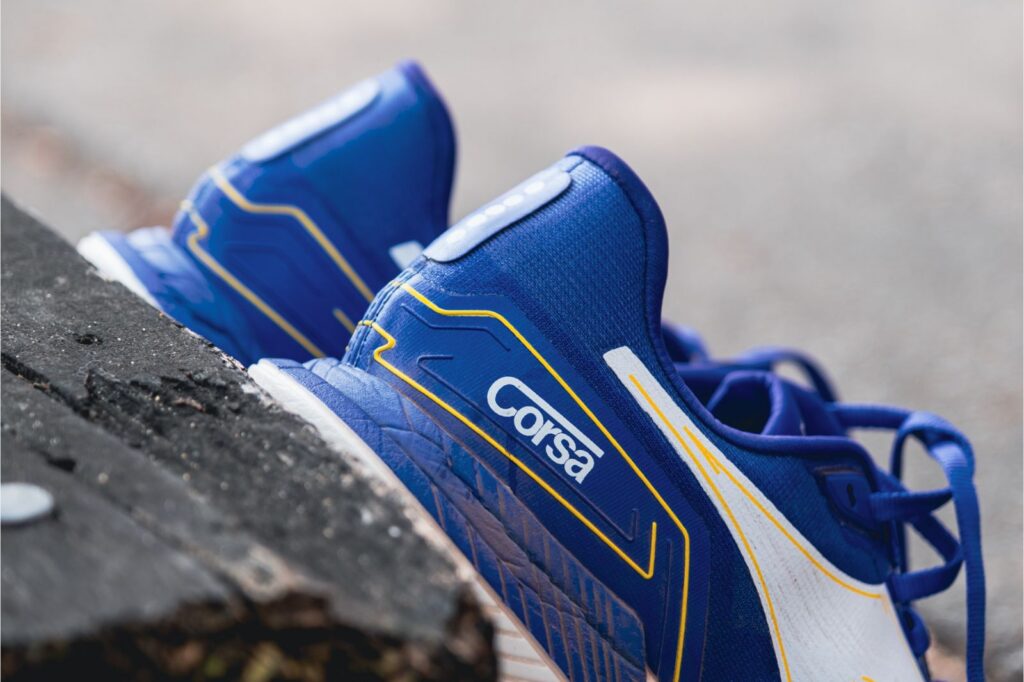
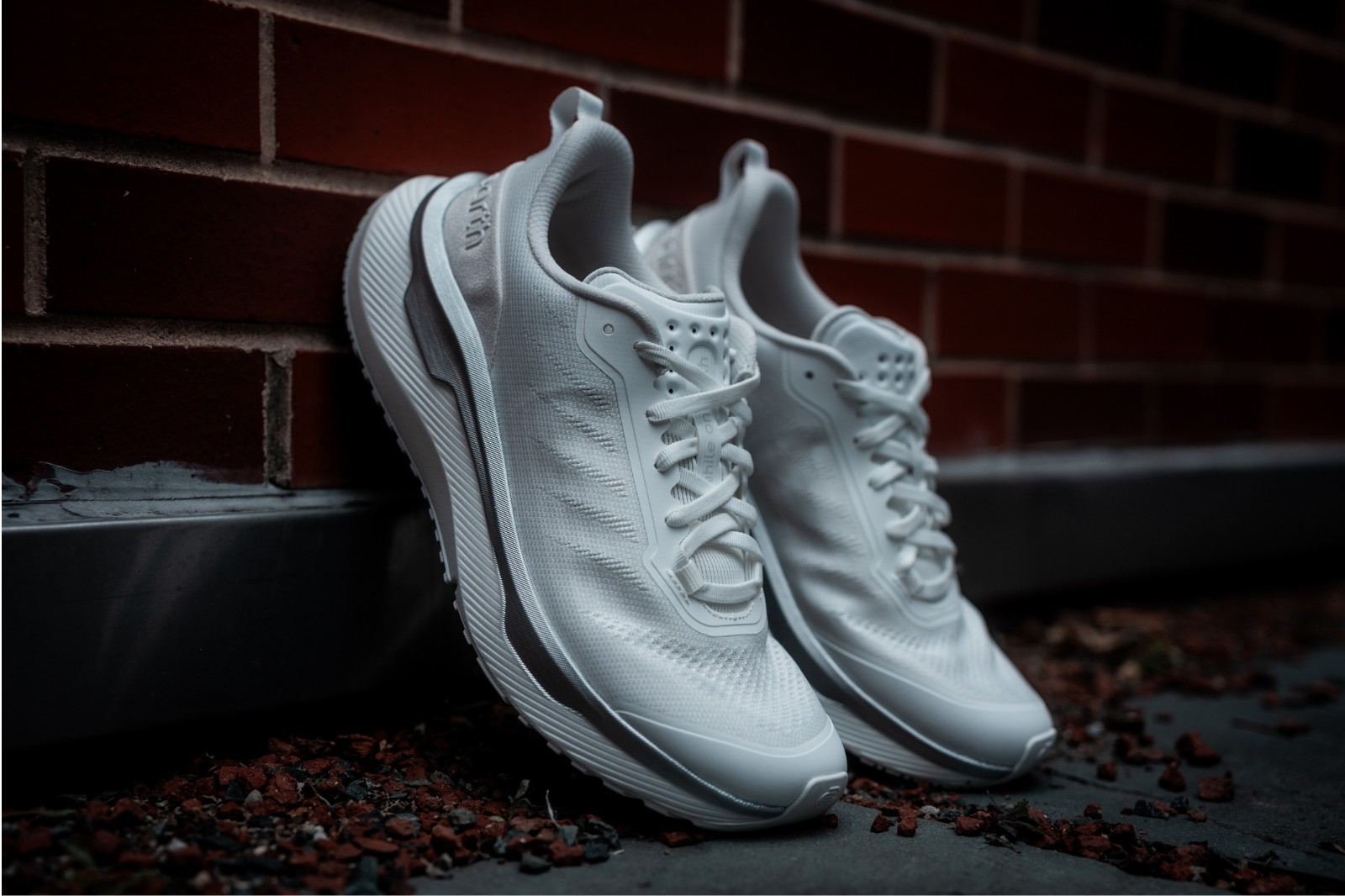
On the aesthetics side, I adore my colorway — it works with any running outfit, and with most non-running ones too. After its running miles are done, I can see this as a lifestyle shoe. One-shoe-fits-all for running and walking? Definitely the shoe of choice for my almost month-long Eurotrip.
RYAN: Honestly, there’s very little I can actually add to this section. Not because I don’t like the shoe, but because Kaleb and Jojo have covered pretty much all the use cases. So instead, I’ll toss a few anecdotes your way.
Up first, I felt like I came up with a pretty good analogy for the Corsa. Someone asked what I thought of it, and my immediate response was to call it the “hipster New Balance Rebel.” There’s just a level of “if you know, you know” to this shoe. It’s probably not going to be the one you reach for at a run specialty shop (they’ll probably push you towards a Brooks something or other), but if you do pick up a pair, it’s because you know a thing or two about running.
I think the Corsa is most comfortable in a Rebel-esque lane anyway; it’s not an all-out speed shoe, but it rewards you for picking up the pace. Between the wide, inherently stable platform and the smooth rocker, it feels like it was tailor-made to do just that, too. You can feel nice and secure wherever you land your feet, which is especially important on the uneven streets of Baltimore, at least when you get away from the harbor.
My first couple of miles in the Corsa came on the red dirt back in Flagstaff, and I can remember spending the entire time saying, “I really want to get this shoe on a road.” I figured with as fun and responsive as it was on something as shock-absorbing as dirt, it could only get better given a stiffer surface. I was right; my miles back here at home have been just as fun as I could hope for, and I appreciate having a non-plated daily trainer to simply grab and go.
Shop The Shoe - Men Shop The Shoe - Women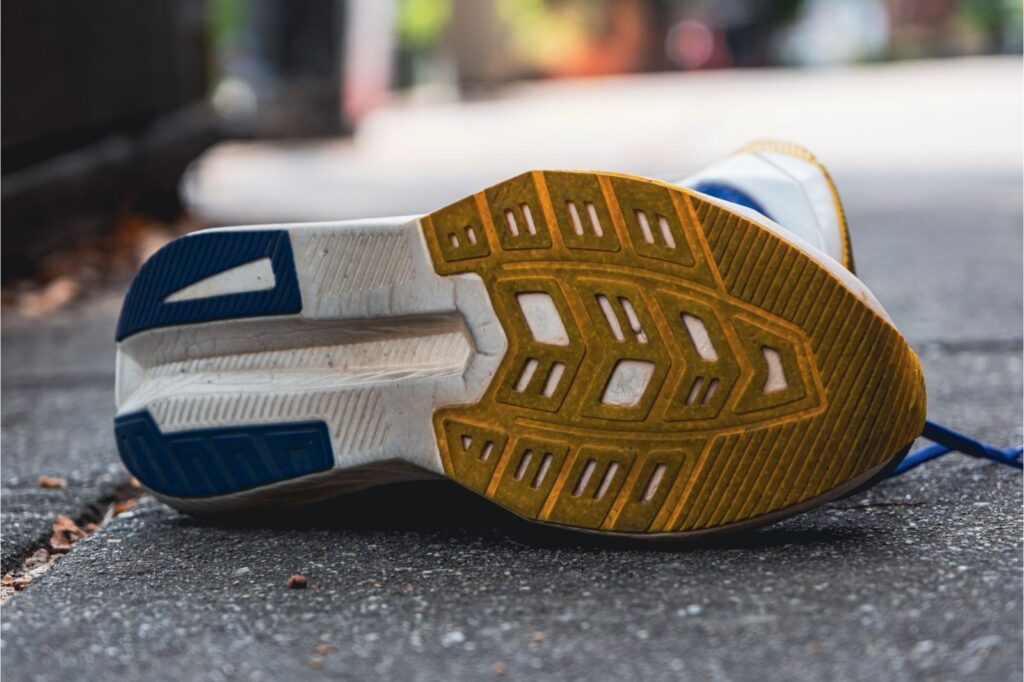
KALEB: With how great the Anima N2 felt underfoot, I was surprised to see that it’s an EVA-based midsole. EVA is the industry’s most basic foam, and it can have mixed results when it comes to durability and lifetime. Recent technology has made midsoles, even basic ones, better and better, but with some of the wrinkling in the Corsa’s midsole, I’ll definitely be keeping an eye on the midsole’s life after a few hundred miles.
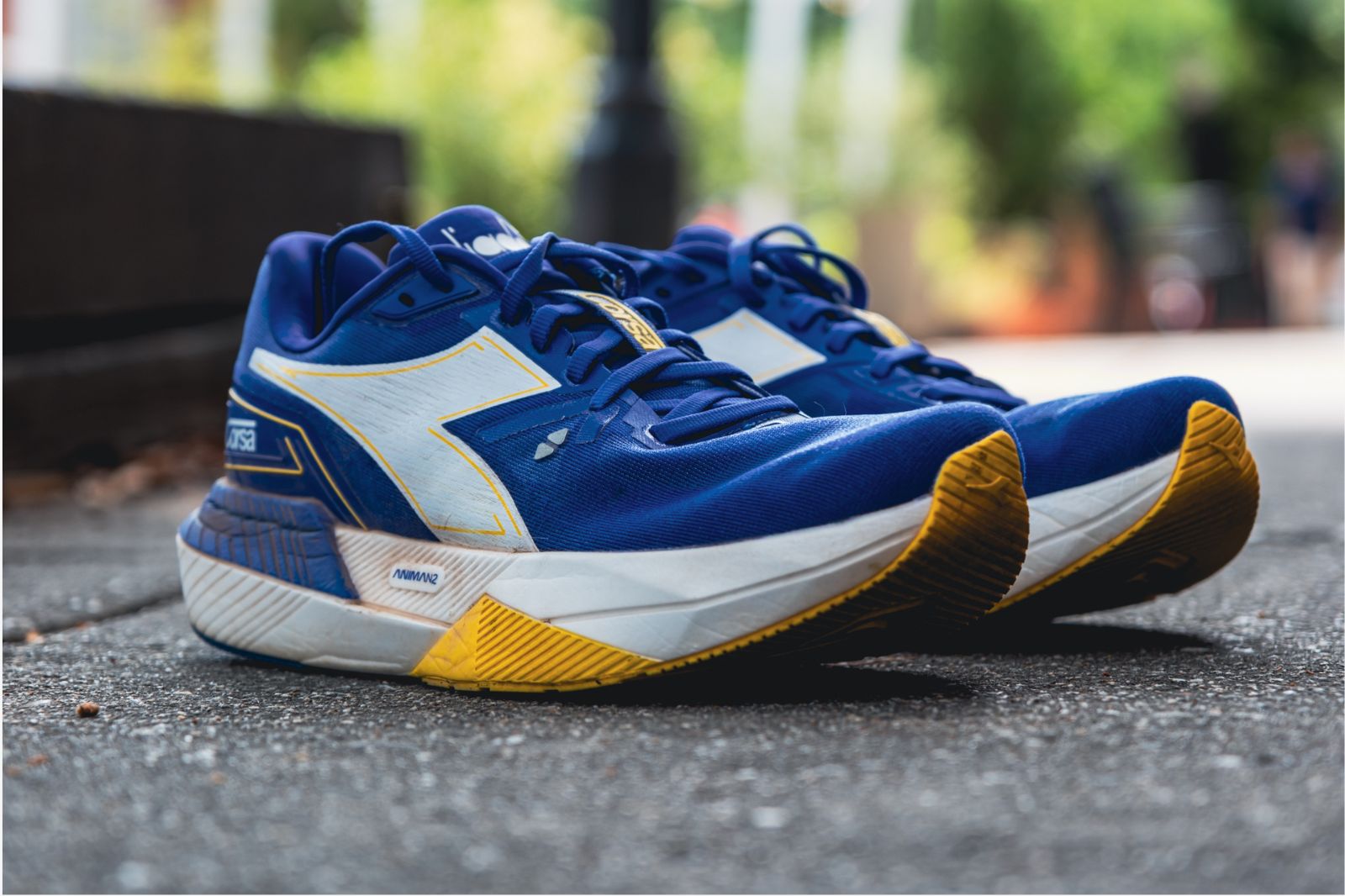
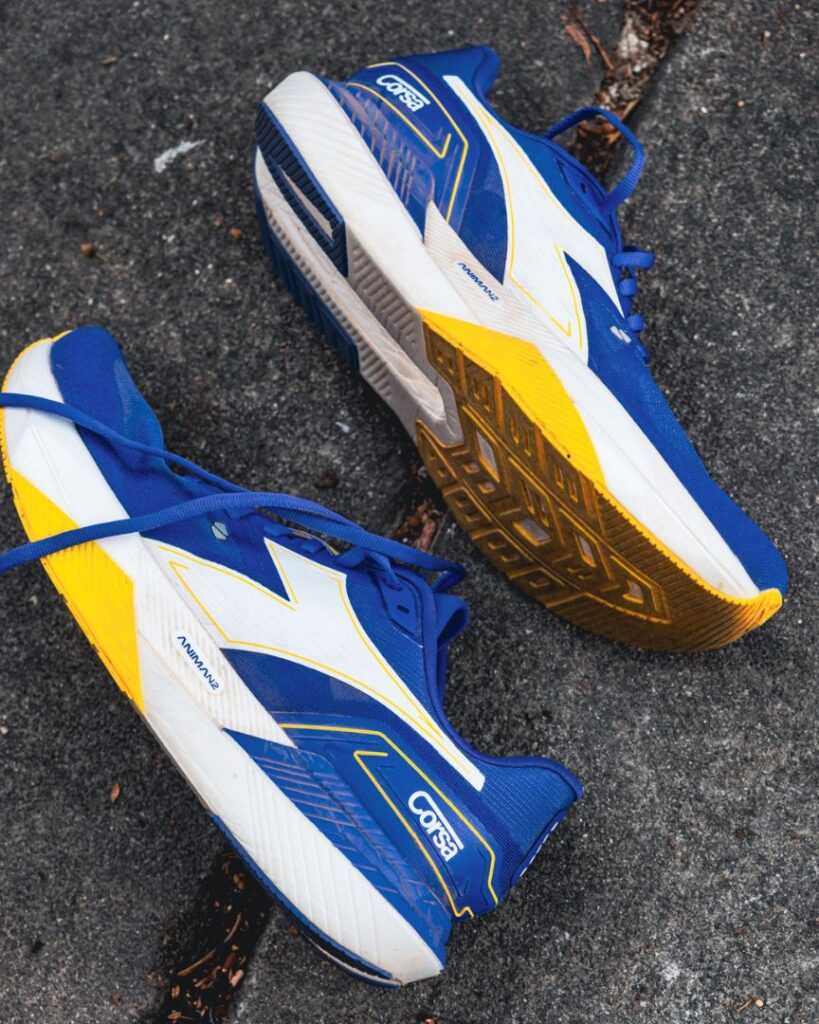
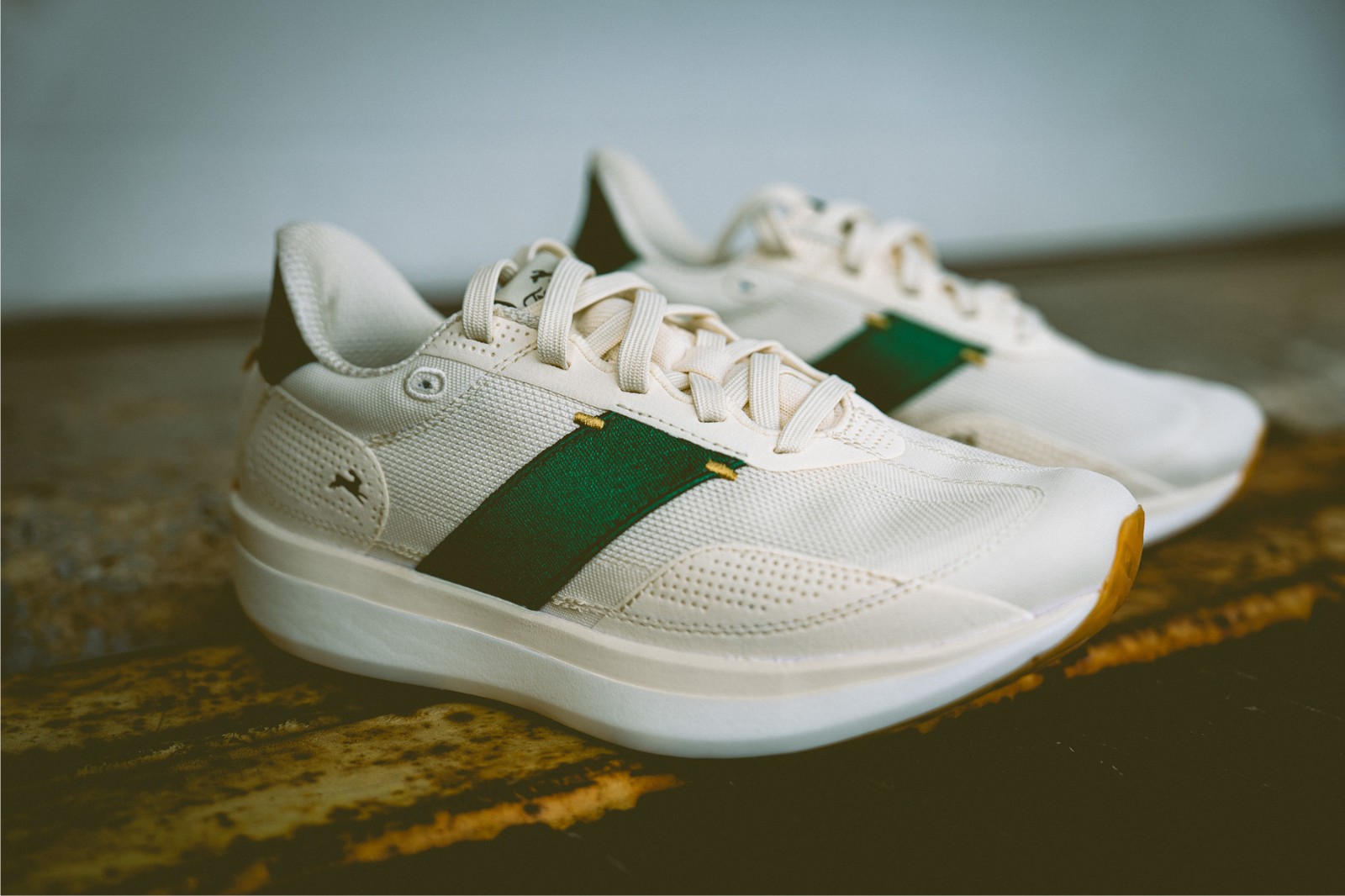
Aesthetically, the Corsa rocks a very cool retro look, and there’s lots of slick colorways… I just happened to receive the most boring of them. Royal blue just doesn’t quite do it for me. Not really a legitimate knock, because the rest of the options for the Corsa look great, but this shoe just does everything so well I have to reach to put something in this section.
JOJO: When I first pulled the Corsa out of the box, I thought it looked like a basketball shoe. Turns out, it sounds like one too — that high-pitched, chirpy staccato. I don’t usually listen to music on my runs, so “Get’cha Head in the Game” in High School Musical started playing on repeat in my head. Nostalgic!
The chirping sound only lasted on my first two runs along the Baltimore Inner Harbor, totalling 18 miles. My first run, the zone 2 to 4 progression with strides, was on dry ground with no rain that day, and the chirping sound only showed up in the zone 2 miles. The second run, the 13-mile zone 2 recovery, was on a still-wet surface from rainstorms earlier that day. After those two runs, the chirp hasn’t come back.
I haven’t had issues with loud running shoes since the Mount to Coast R1, and its noise came from a combination of its extra-grippy CPU outsole and the ground conditions — wet or indoor. I believe the Corsa is a different situation. Since the noise disappeared after 18 miles and hasn’t returned, I’d chalk it up to the break-in period: fresh rubber wearing in. Surface conditions played a part too on that second run, with post-rainstorm moisture.
Lastly, shoe rubber against surface material… I did some looking into this and found that earthquakes and lightning help explain squeaky shoes. Squeaks come from tiny regions of rubber detaching from the ground in pulses that rip across the sole almost as fast as a fault line ruptures in an earthquake, and sometimes those pulses get triggered by miniature lightning bolts of static from the friction itself.
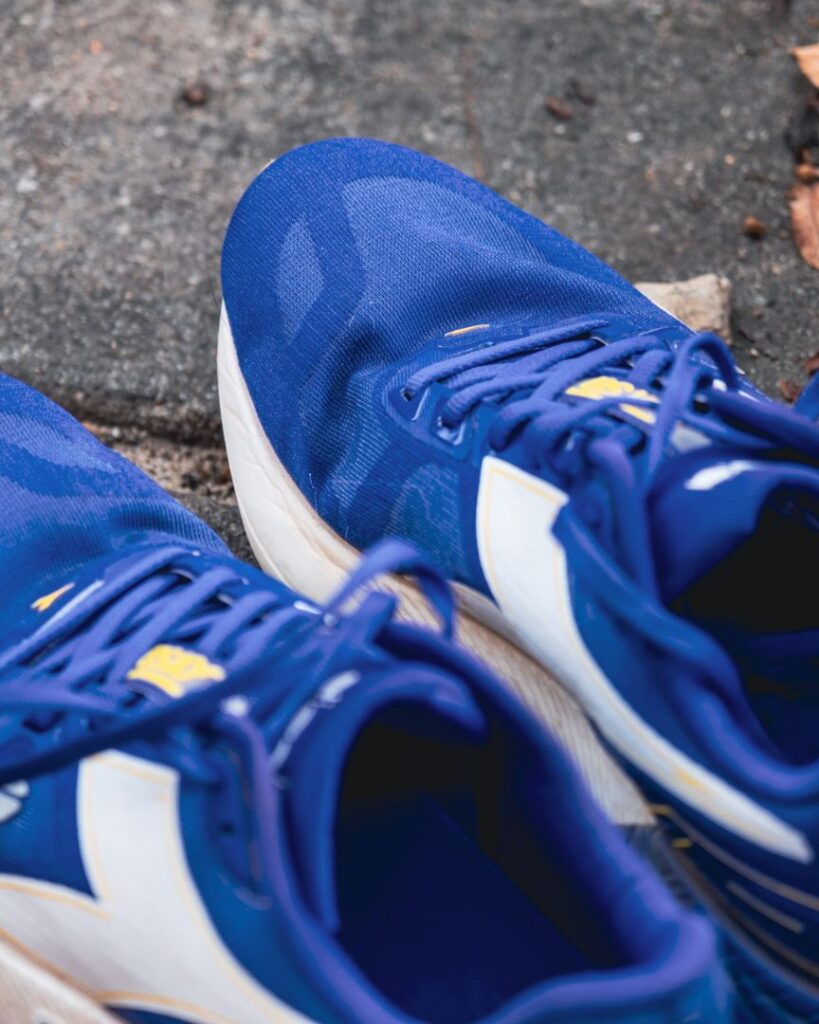
My second gripe with the Corsa is breathability. During the 13-mile long run and on some recovery miles, the shoe felt hot and suffocating for the first few miles. It’s the first time a shoe’s breathability has been noticeable enough to bother me. I’ve been running in heat and humidity all summer, so I can’t chalk this one up to the weather. And with an engineered mesh upper — a design choice meant to maximize airflow — I was surprised to find it breathes about as well as the Hoka Clifton 9 GTX. If you haven’t run in a GTX shoe: the waterproof membrane that blocks rain from getting in also blocks air from getting through, which makes them notoriously swampy.
RYAN: A small part of me wanted to follow Kaleb into his disappointment with the Royal Blue colorway we both received, but here’s the thing: Blue is as classic Diadora as it gets. The heritage brand has been making blue and white soccer cleats (especially in its Brasil line) for as long as it’s been around. So, while most other reviewers received a white-based colorway, I’ll happily rock my blue version.
More seriously, though, I’m a little disappointed to see the Corsa ride on a full bed of supercritical EVA. Sure, it’s a durable foam, but there’s only so much it will give back over time. Other similarly priced shoes like the Rebel v5 use livelier compounds, including the PEBA-based FuelCell in New Balance’s case. I know Diadora’s goal with the Corsa is to stand up to a season of cross country workouts; I’m just not 100% sure the shoe will be as exciting at the end of the season as it is at the beginning.
Shop The Shoe - Men Shop The Shoe - Women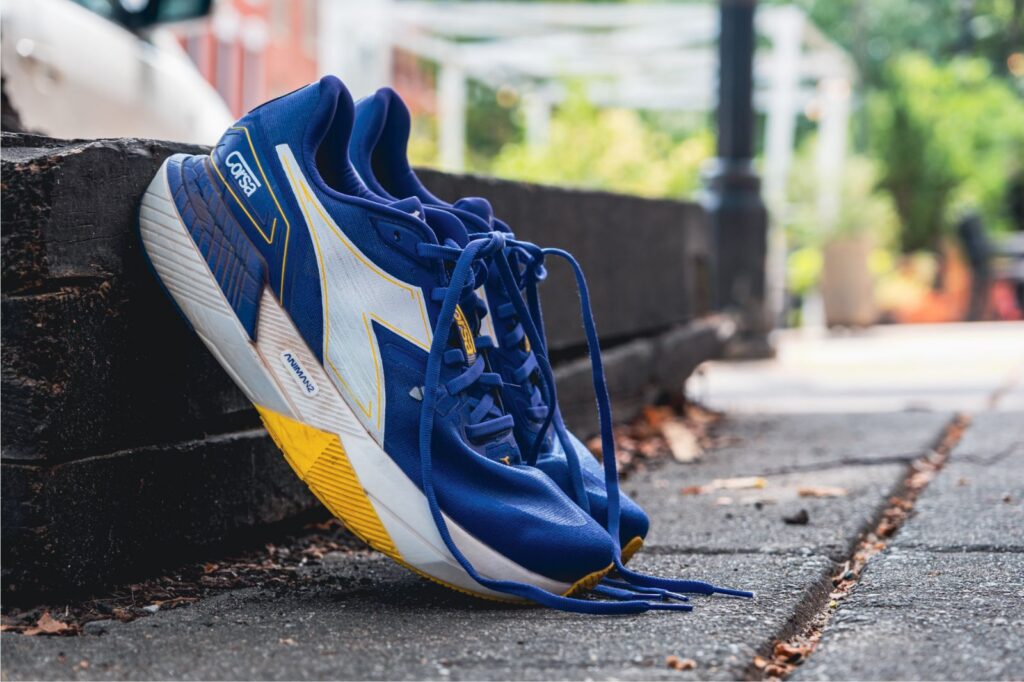
KALEB: I’m surprised to be saying this, but the Diadora Corsa might be my shoe of the year. It’s the age-old simple formula for a running shoe executed especially well. Let me be clear: it’s not a super trainer. It’s not trying to be. It’s just trying to be a good shoe, and it nails that. For the first time, Diadora has made a trainer that I’d put above most in its class.
Can you get better shoes for specific uses in the same price range? Sure, but few as versatile as the Corsa. And in a market that shouts about the perfect tool for the job, it can be nice to avoid the overwhelming depth of each running shoe niche and have a tool you know can tackle it all.
JOJO: At $155 and backed by the craftsmanship, innovation, and sustainability standards Diadora has brought to its footwear, this is the rare do-it-all trainer that actually does it all. It handled a progression run down to 6:00 strides, carried me through a half marathon on trashed legs the day after a technical trail race, and never once protested at a 12:30 recovery pace. That 6:00 to 12:30 range, just remarkable.
What’s that saying? “A jack of all trades is a master of none, but oftentimes better than a master of one?” Or is it “but oftentimes a master of fun?” I’d say both are true for the Corsa, and I cannot wait to have a lot of fun across many miles in the Corsa over the next month!
RYAN: My fellow reviewers are correct, this might be the Diadora running shoe that changes everything. It’s not the best in its category, but it’s so much better and so much more approachable than the brand’s previous daily trainers that it’s actually worth picking up. Sure, you could stick with your Rebel v5 or your Novablast 6, but there’s something about picking a shoe that you won’t see every day that’s much more enticing.
I’m excited to keep pushing my Corsa through the rest of a marathon training block just to see what happens.
You can pick up the Diadora Corsa for $155 from Running Warehouse (featuring free shipping and 90-day returns) by using the buttons below.
Shop The Shoe - Men Shop The Shoe - WomenHave something to say? Leave a Comment
Sign in or create a free account to comment. You'll come right back here.
Sign in / Sign up

Jojo thrives at the intersection of movement, sustainability, and community.
Baltimore is her home base. She loves logging long miles across the city and Patapsco State Park, bringing her pup to run clubs, and deepening her yoga practice. During the week, she is a Business Strategy Manager at Lumina Solar, where she helps accelerate the transition to renewable energy. On weekends, she dedicates her time to climate restoration efforts serving Baltimore’s parks and waterfront and hosts dinner parties and creative events for her friends and the fitness community. Jojo also loves creating shared adventures, organizing group trips that inspire friends to run their first trail races, take on ultramarathons, and explore new corners of the world together.
More from Jojo


If you read it on the website, there’s a good chance Ryan has been involved in some way. As the editor-in-chief and review coordinator, he’s in charge of dotting the i’s, crossing the t’s, and making sure that the affiliate links are squared away. When he’s not doing that, he’s logging miles with just about every run club in Baltimore, snapping photos on his latest film camera find, or simply existing with his two cats, Luna and Stache.
More from Ryan
A average from 5 runners
Kevin_18on their wall since September 29, 2026
Initial review · September 29, 2026
A
Stable with high cushion. Upper is very comfortable. Shoe is holding up fine so far with 100 miles logged. For someone who enjoys a wider toe-box, this shoe gave me no issues.
robertkasperon their wall since September 18, 2026
Initial review · September 18, 2026
A
All in all, this is a shoe that is very surprising. The fit is a touch on the narrow side, but manageable for anyone outside of those truly needing a wide shoe. After 50+ miles, I have been still returning to it for easy days and even some long runs (16 miles felt surprisingly good). A great travel companion and just a good looking model. It scores an A because there are more exciting shoes out there, but for purpose, it's one of the better elevated/premium daily trainers you can get.
Scoots231on their wall since September 18, 2026
Initial review · September 18, 2026
B
Good feel underfoot, but wouldn't take it for anything longer than 5 or 6 miles. Just felt like it was bottoming out at that point.
HyanRaineson their wall since September 17, 2026
Initial review · September 17, 2026
S
Be one of the first runners to rate it.