We independently review everything we recommend. When you buy through our links, we may earn a commission.
6 oz. (170 g) for a USM9, 4.9 oz. (134 g) for a US W7.5
39.5 mm in heel, 34.5 mm in forefoot (5 mm drop)
Race day up to the marathon
Dual density midsole with all-new Flytefoam Leap top layer and Flytefoam Turbo Plus on bottom, scooped carbon fiber plate sits closer to the ground in the forefoot, Motionwrap 3.0 upper
Available now for $270

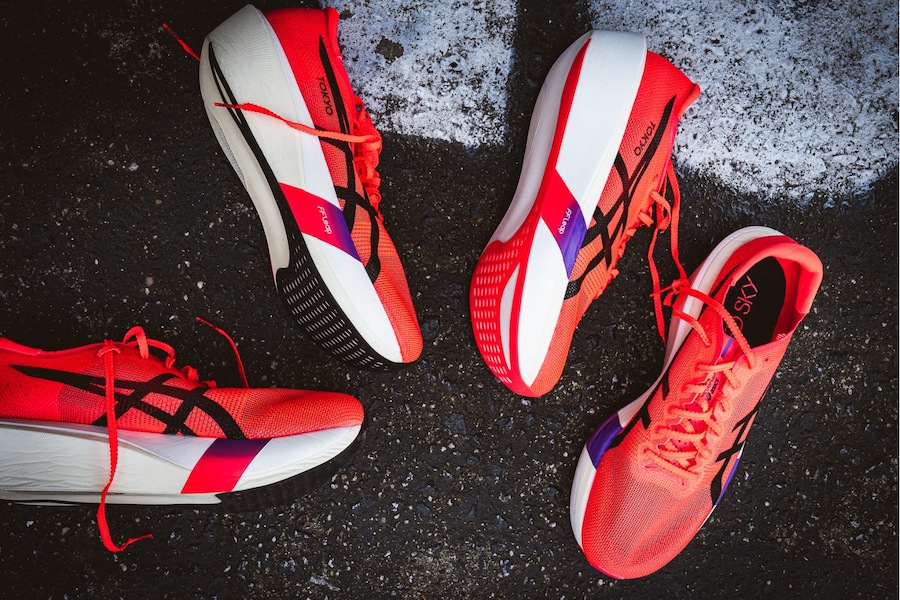
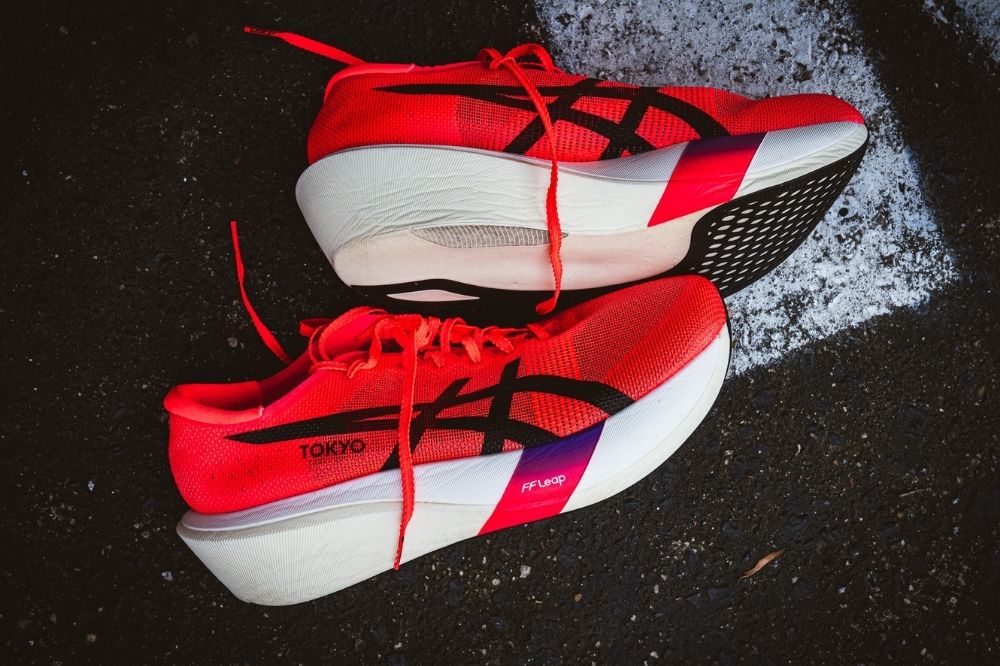
The whole Metaspeed fam (Edge Tokyo with black outsole)
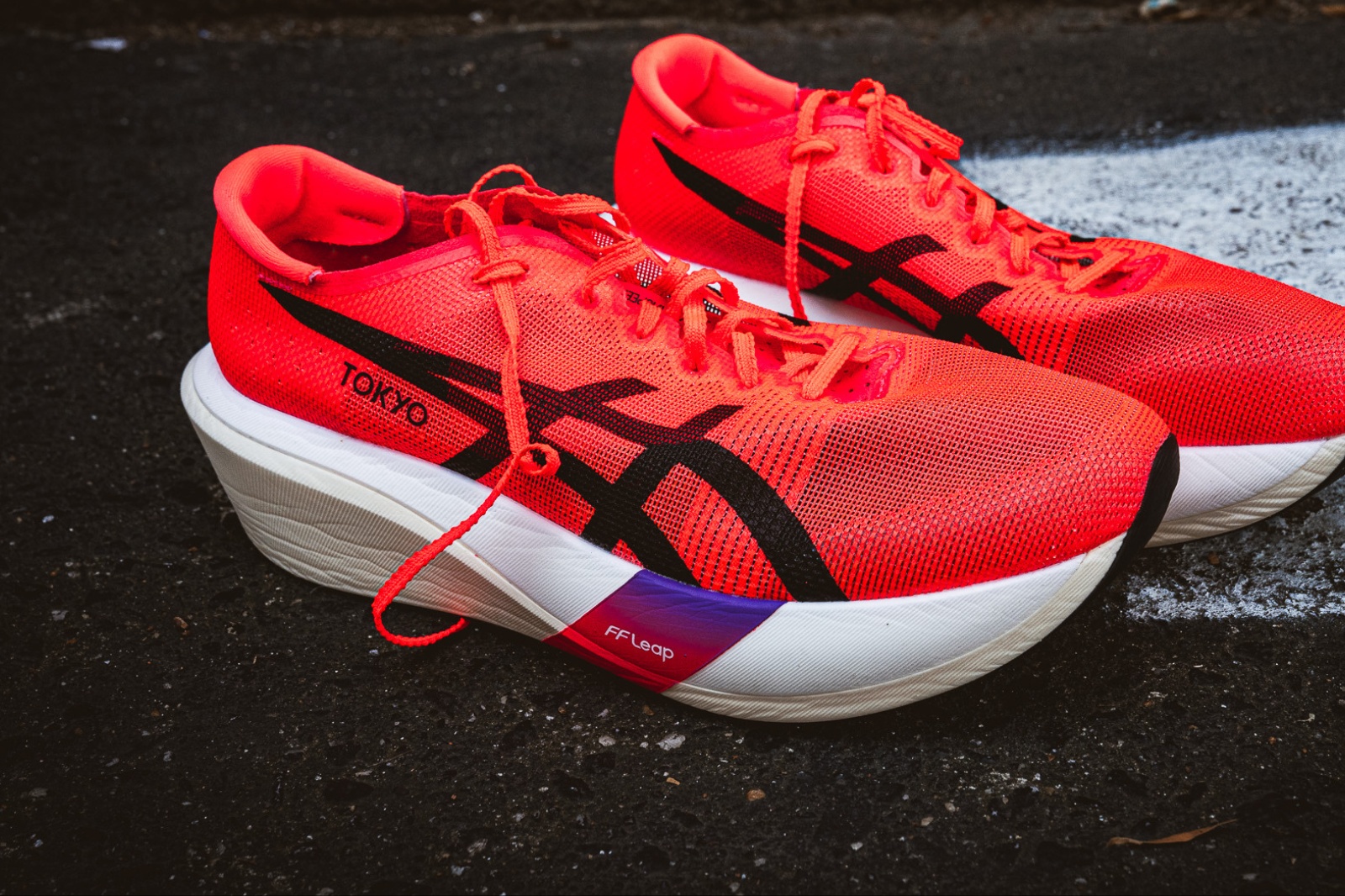
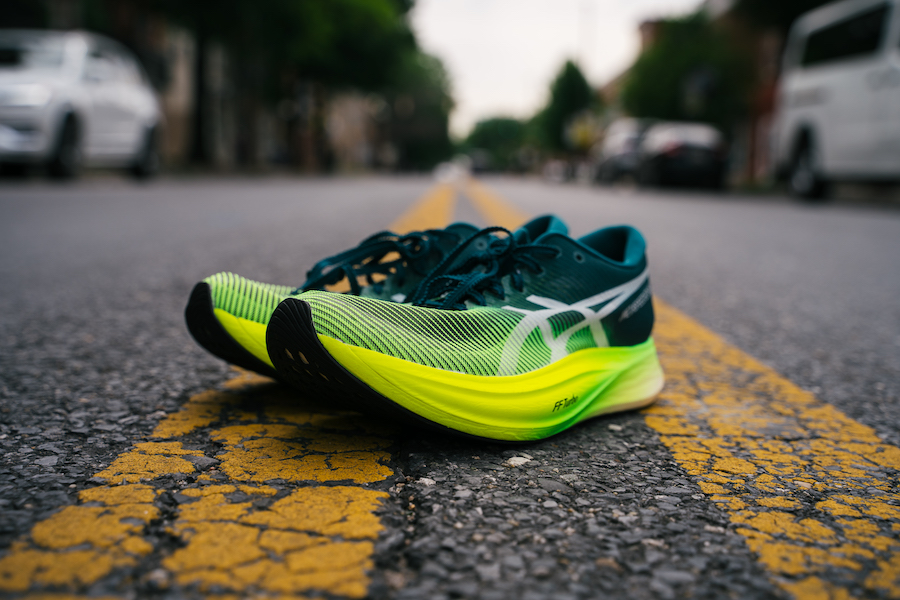
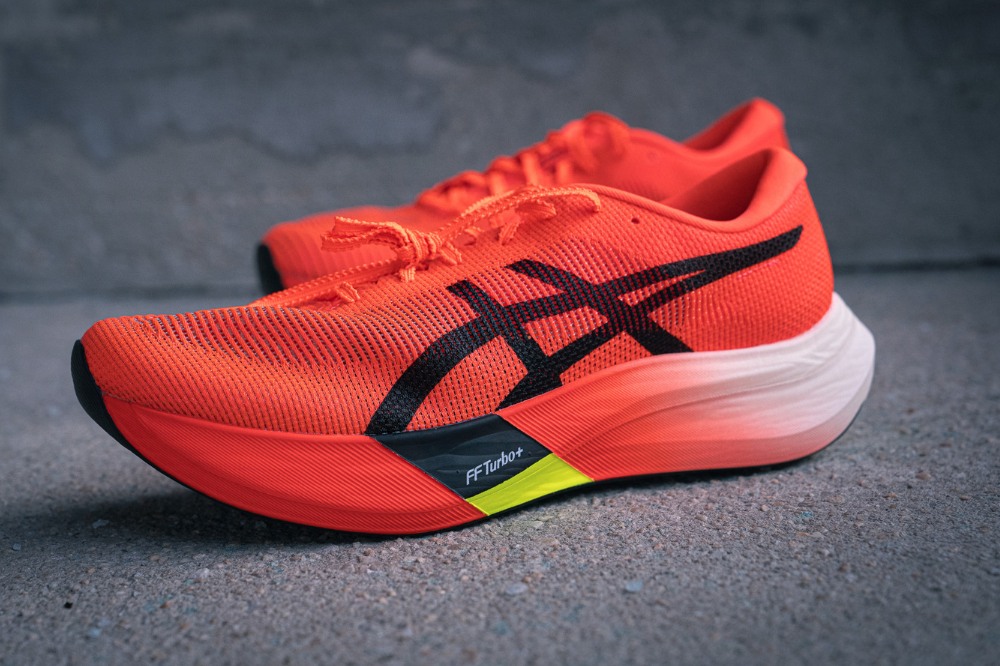
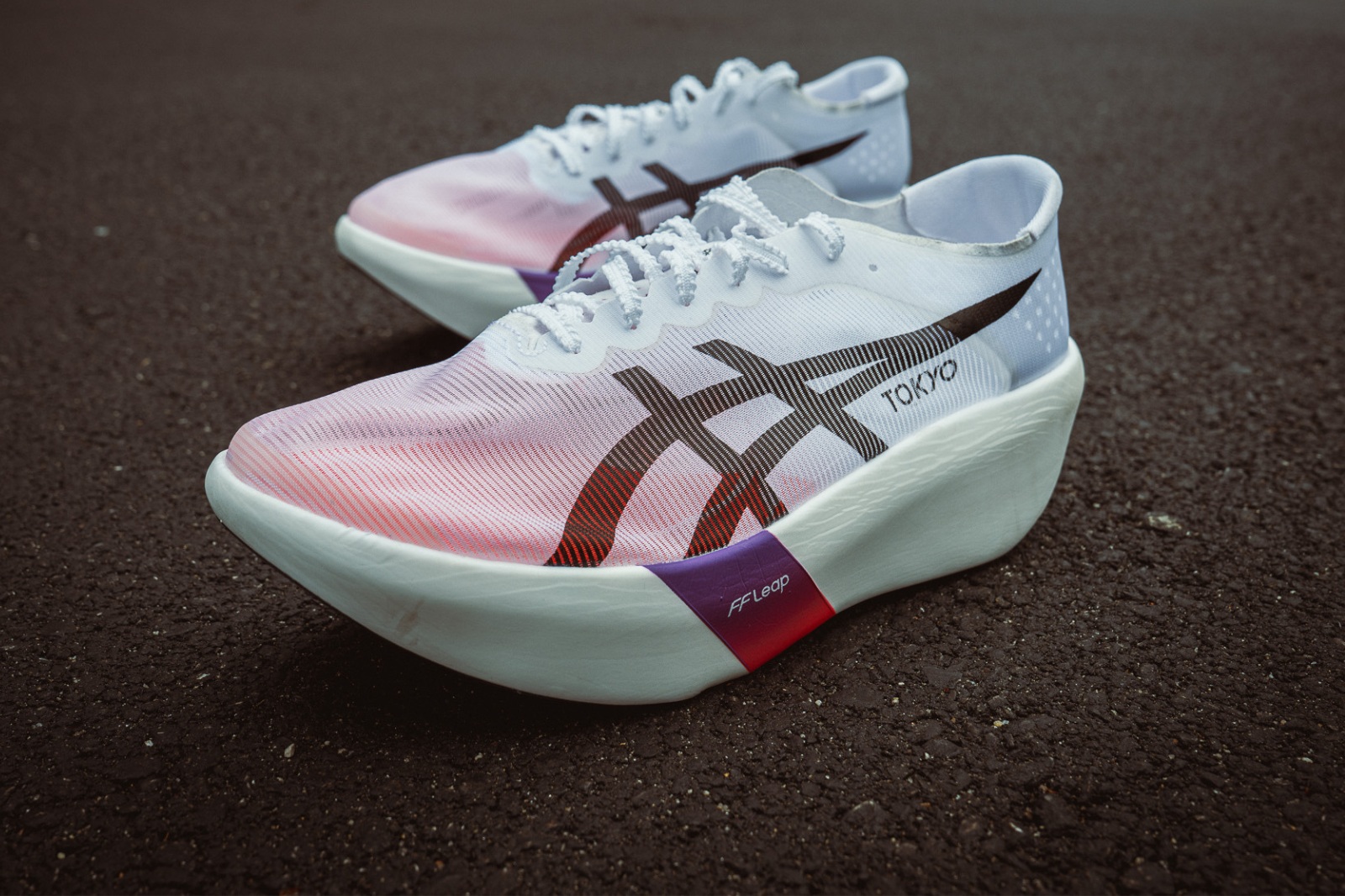
MEG: With so many race-day shoe options hitting the market, brands certainly aren’t making it easy to choose, and ASICS is no exception. Their lineup now includes three distinct models: the Metaspeed Sky, Metaspeed Edge, and the new Metaspeed Ray. This review focuses on the Metaspeed Edge, which– while visually similar to last year’s version– brings some meaningful updates under the hood.
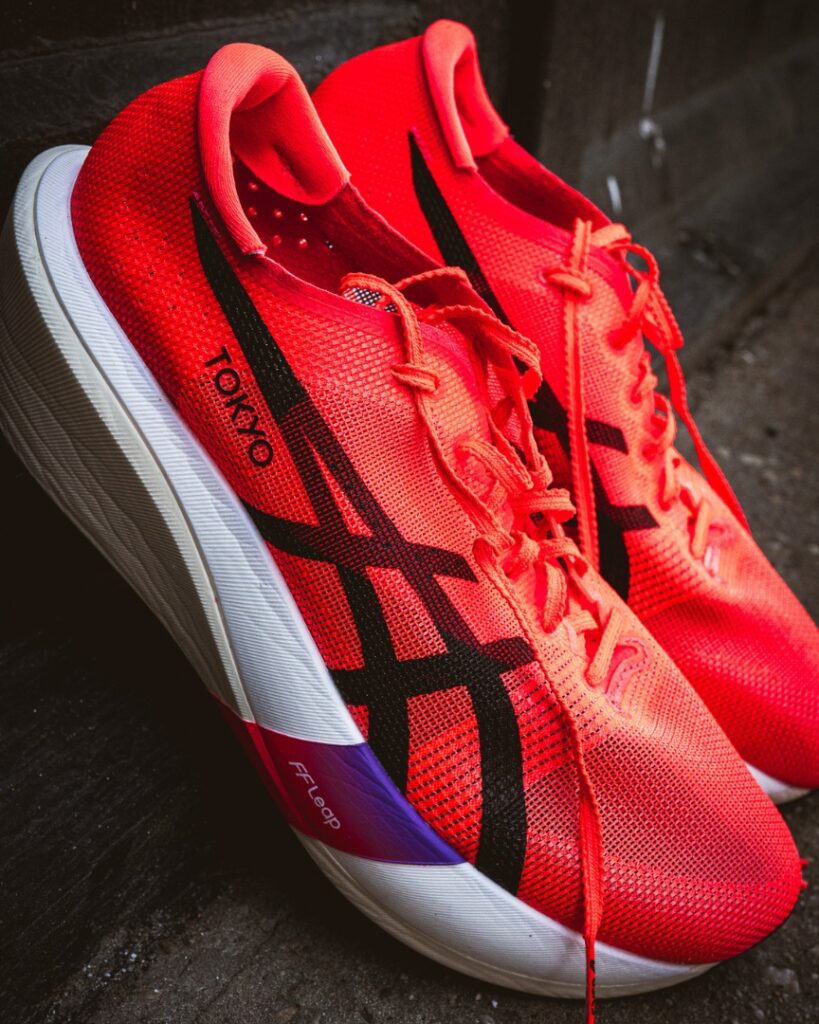
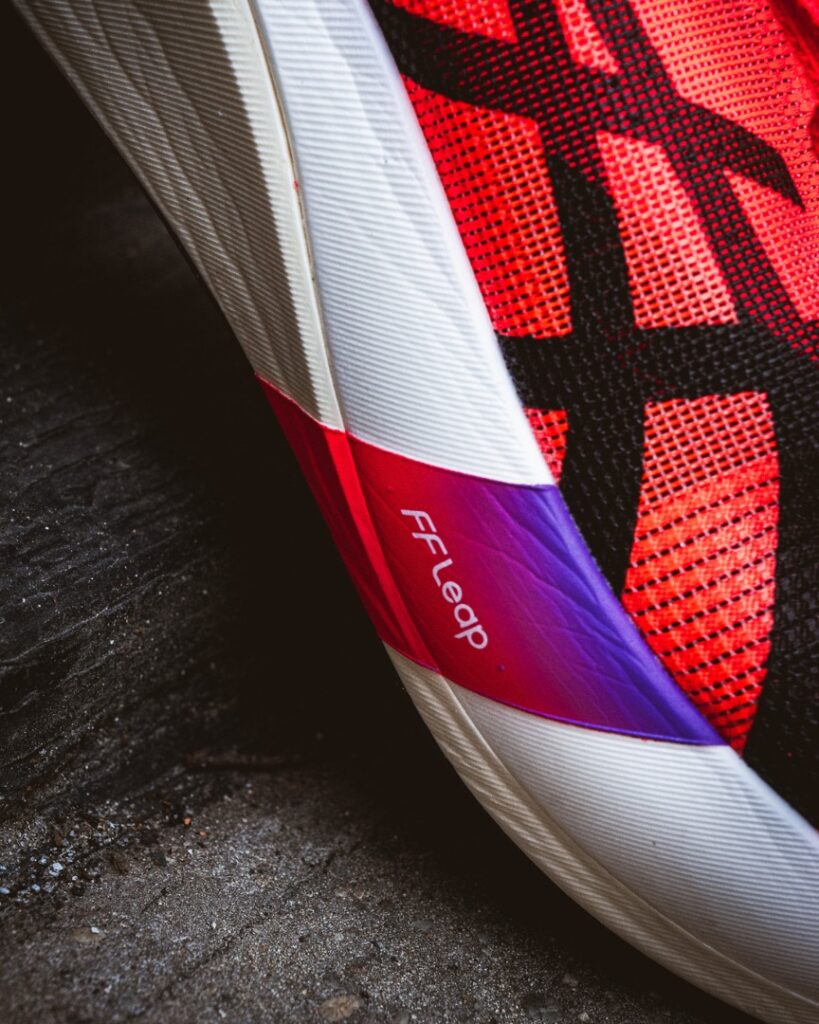
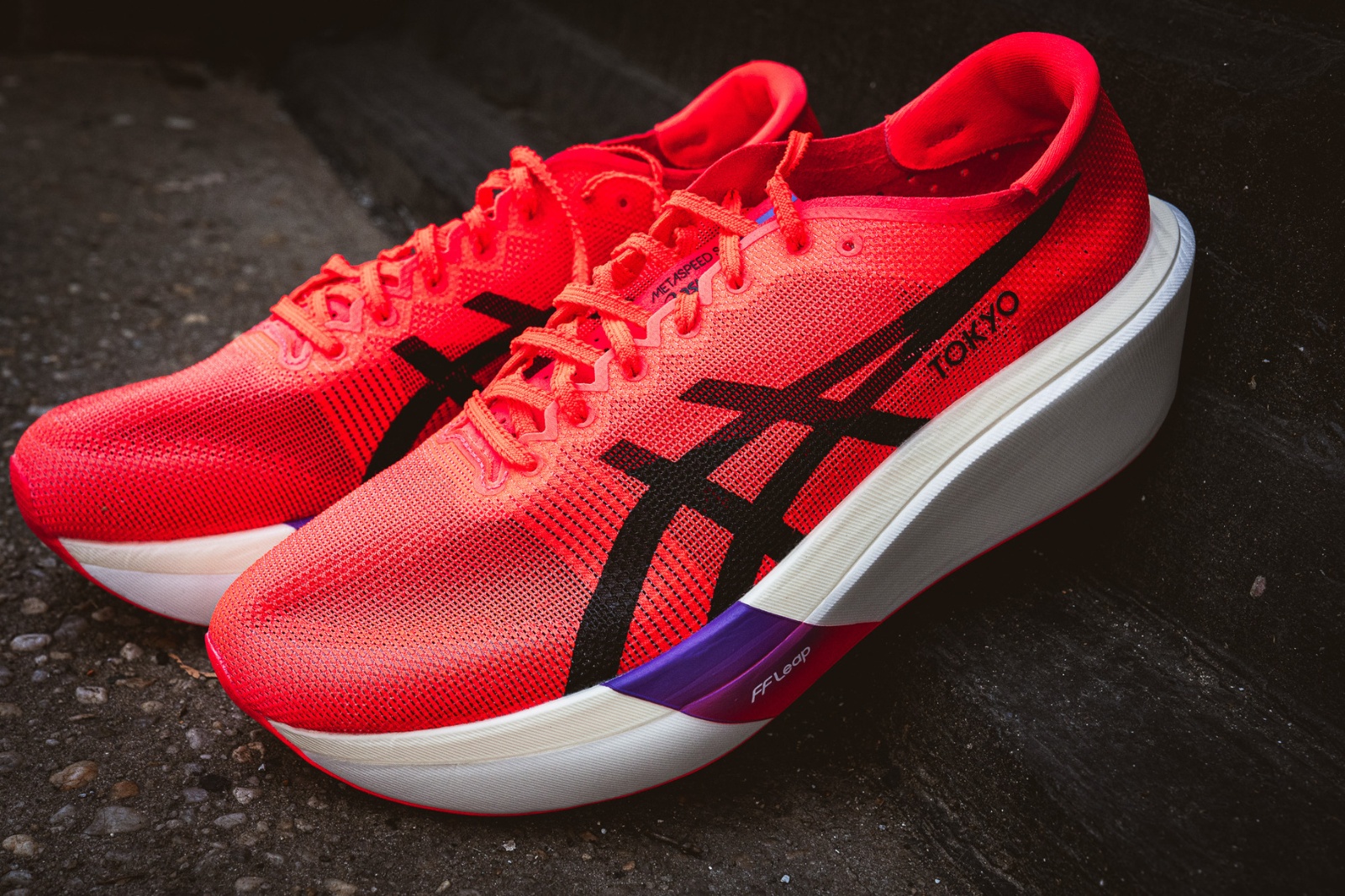
The most notable change is the introduction of FF Leap, Asics’ newest foam technology. In this iteration, FF Leap sits directly beneath the foot, layered above a slab of FF Turbo+, with a carbon fiber plate strategically placed between the two.
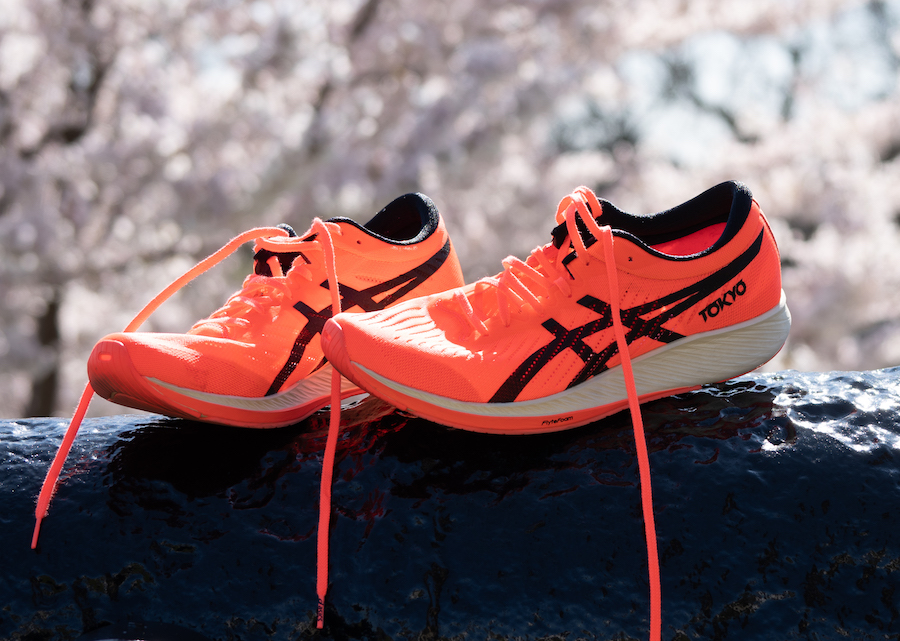
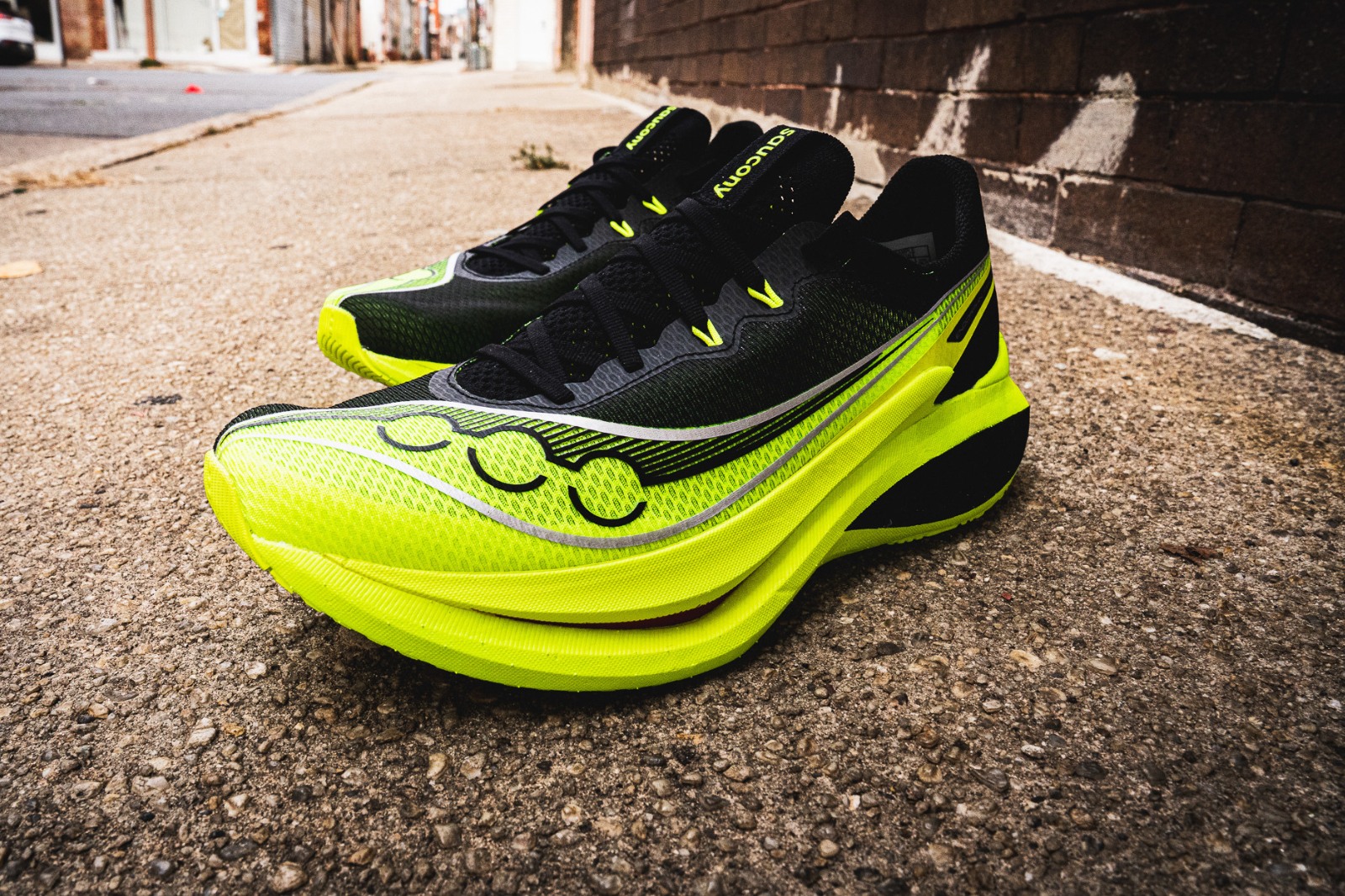
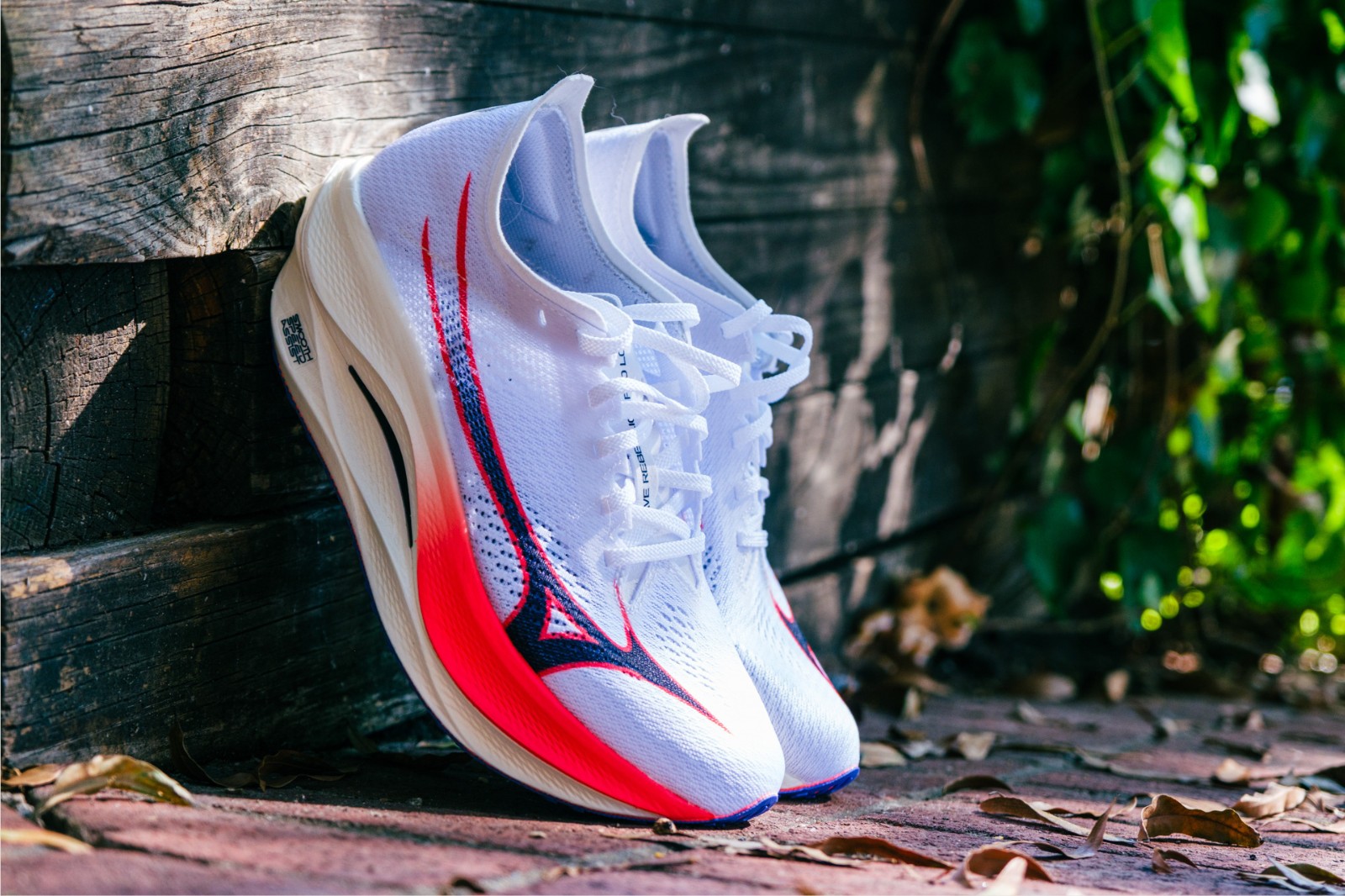
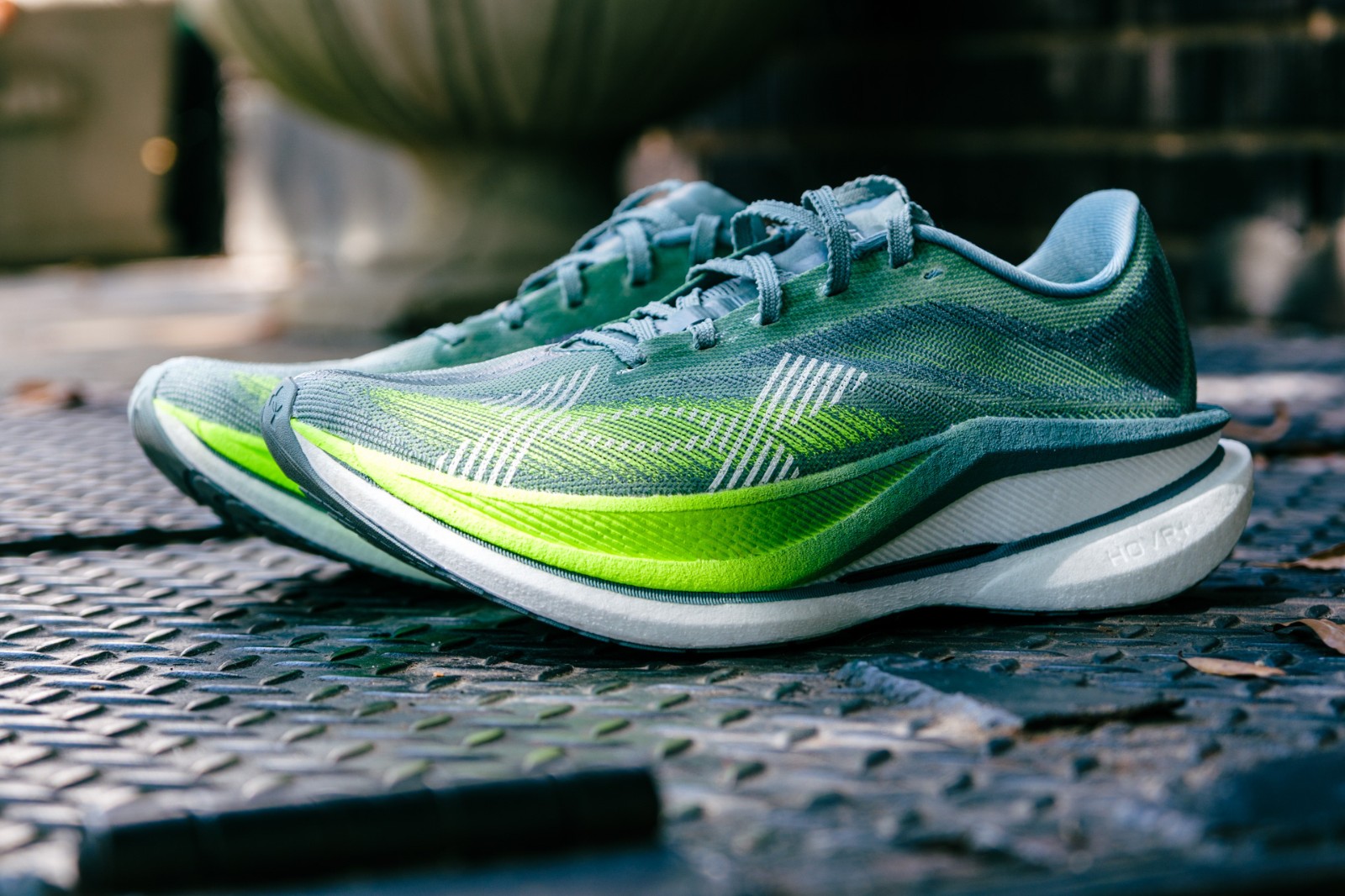
Metaracer, precursor to the Metasky
Asics Metaspeed Edge Plus
Asics Metaspeed Edge Paris
Up top, the Motion Wrap 3.0 upper delivers a lightweight, breathable fit with light padding around the collar and heel. Underfoot, the Asicsgrip outsole provides reliable traction in a variety of conditions.
The stack height remains unchanged at 39.5mm in the heel and 34.5mm in the forefoot, preserving the shoe’s 5mm drop, but the weight has taken a noticeable dip. My W7.5 pair dropped from 5.6 oz (160g) to 4.9 oz (139g). Pretty wild!
What didn’t go down, however, is the price. This model sees a bump from $250 to $270, which, while steep, aligns with the current trend in premium racing shoes. So let’s see how it felt out on the roads.
THOMAS: I won’t pretend it’s easy to choose between the Metaspeed Edge and the Sky. I like them both. On some days, I reach for the one with a firmer feel underfoot. Other days, I want something softer. It depends on the run and my mood. I’ll explain that choice more fully later on.
Meg already walked you through the tech, so I won’t repeat it. If you’re curious about the details behind the Sky Tokyo, Robbe and I covered it in a separate review, which you can find here.
Shop The Shoe - Unisex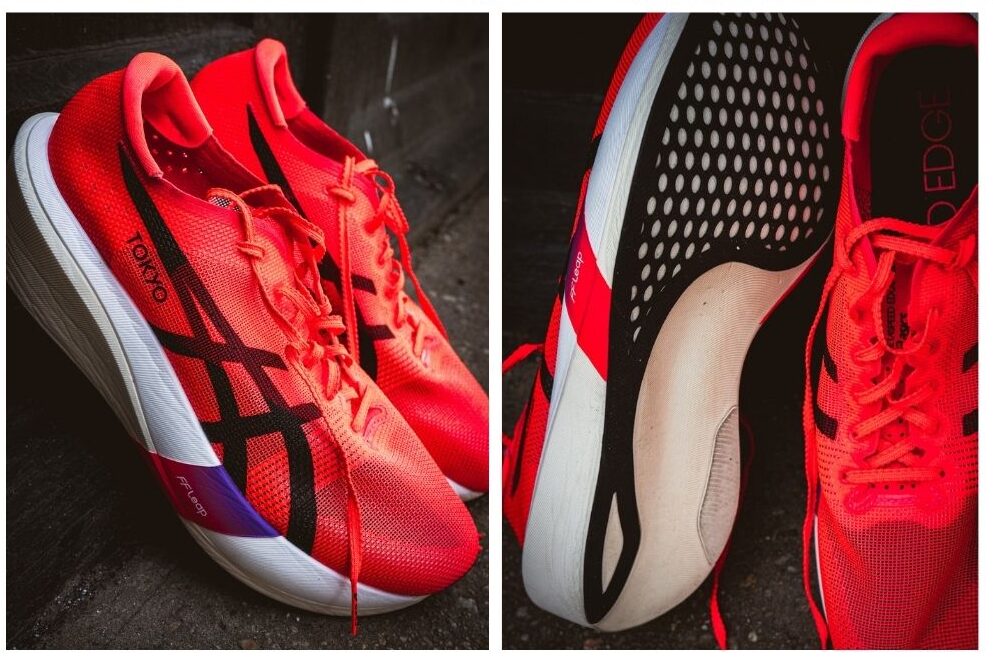
MEG: The Asics Metaspeed Edge Tokyo offers a noticeably improved step-in feel, thanks to the addition of FF Leap foam. It’s softer, more forgiving, and delivers immediate comfort right out of the box. I chose to test the Edge Tokyo over the Sky model because I prefer the sensation of softer foam directly beneath my foot, with the carbon plate positioned a bit lower in the midsole. Asics would classify me as a “cadence-style” runner rather than a “stride-style” runner, and to that, I say: sure, why not.
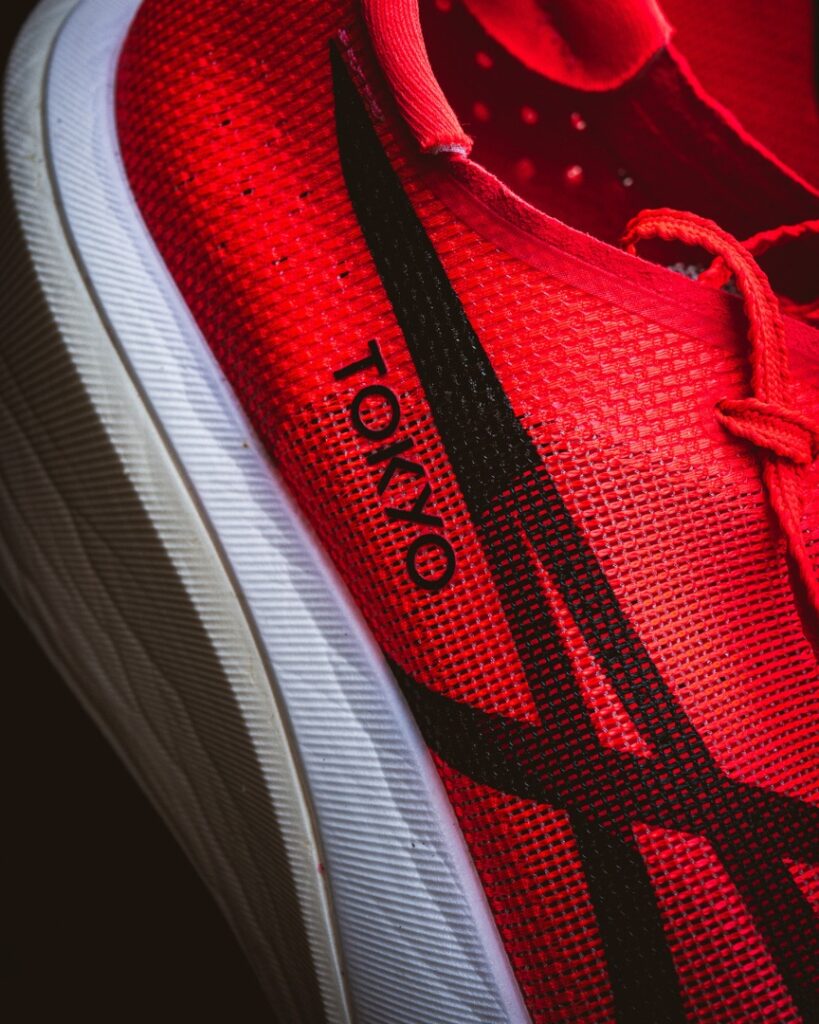
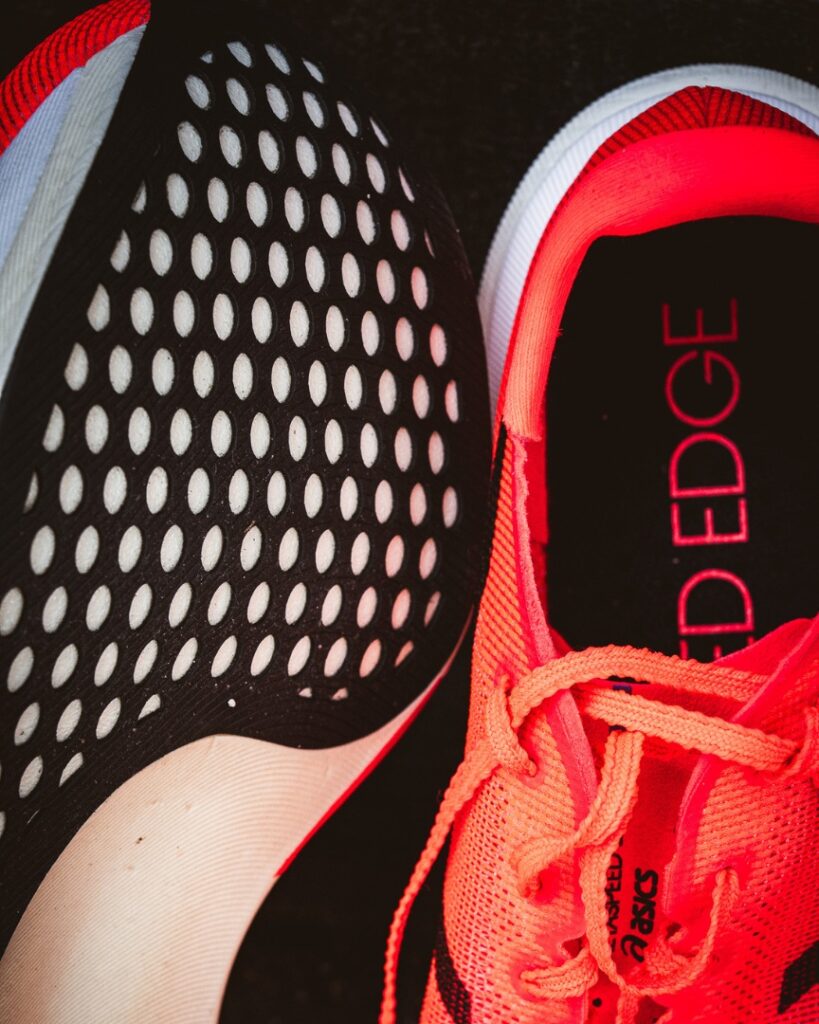
The upper is impressively lightweight, so much so that I initially worried it might feel insubstantial. But the light padding around the collar and the flat laces work together to keep the foot secure without adding bulk. The fit feels dialed in, even on faster efforts.
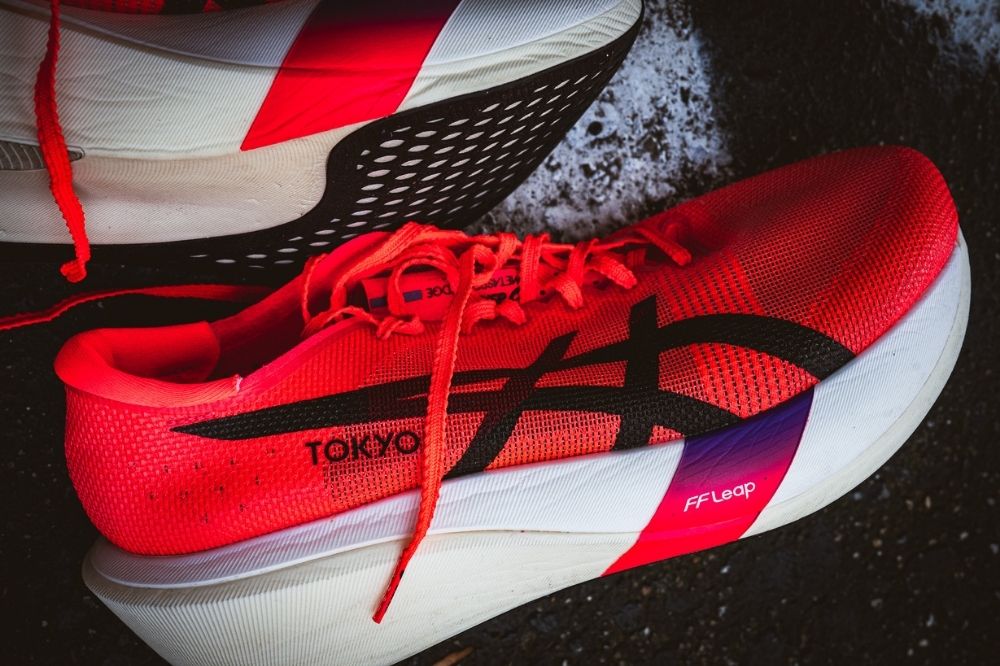
What really stands out, though, is the ride quality. I’ve always found the original Metaspeed to feel a bit too harsh for marathon distances. But with the new FF Leap foam, that’s changed. There’s just enough softness to smooth out the impact, paired with a responsive bounce that feels fast without being overly aggressive.
I tested the Edge Tokyo across a couple of workouts and even took it out for an easy run. The ride remained consistently smooth and stable, and the combination of the foam and carbon plate delivered a noticeable propulsive feel. Once I locked into a pace, maintaining it felt pretty effortless.
One final highlight: traction. This is easily one of the grippiest race-day shoes I’ve tried. The Asicsgrip outsole performed really well, even on wet roads and around sharp corners, a major confidence boost when conditions are less than perfect.
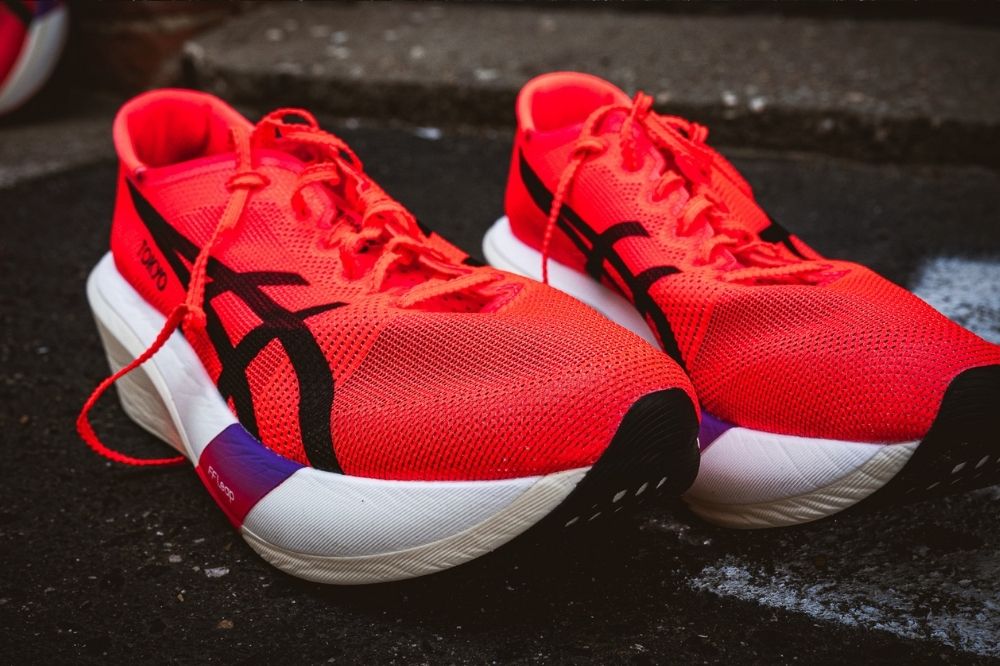
THOMAS: Asics has taken a deliberate, thoughtful approach to refining its race-day lineup, and it’s paying off. Each version of the Metaspeed series has improved: lighter foams, better fit, and weight cuts. The Edge now dips under 7 ounces for a men’s size 10.5, which is kind of wild. It’s about an ounce heavier than the $500 Adidas Adizero Pro Evo 2, but it makes up for it with better structure and a grippier outsole that actually works across more than just pristine pavement. If you want an ultra lightweight race day shoe to compete with the Evo Pro 2, then wait a few weeks for the upcoming Metaspeed Ray.
The new FF Leap foam is light, airy, and noticeably softer underfoot. Of the two models, the Edge leans slightly more stable—not because it’s a stability shoe (it’s not), but because of the way it rides. The Edge uses firmer foam under the plate, which stiffens up the platform.
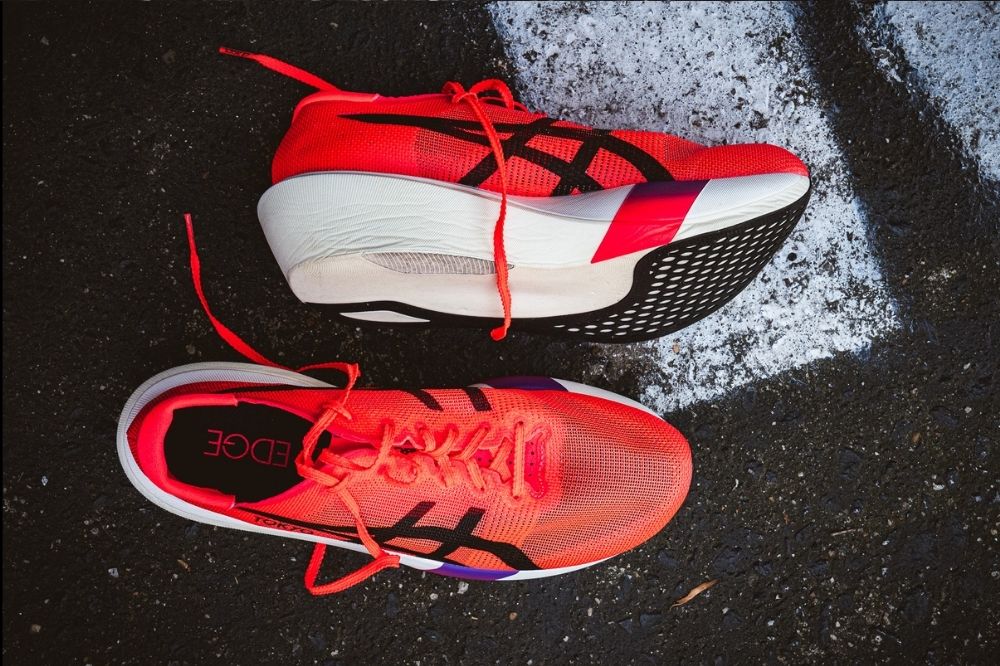
The fit is better than expected for such a stripped-down build. My regular size (US 10.5) felt spot on, and there’s enough space up front to let your toes move without turning the shoe into a wide box. The materials barely hold onto moisture, so the Edge is ready to take on all weather conditions.
On the run, the first thing you notice is the weight—or lack of it. It feels almost invisible on foot. Toe-off is smooth, the forefoot is well cushioned, and midfoot strikers especially will appreciate the ride. In workouts, the Edge works with you to lock in pace without needing to be forced. And when the reps are done, it still feels comfortable jogging back to the start line.
Shop The Shoe - Unisex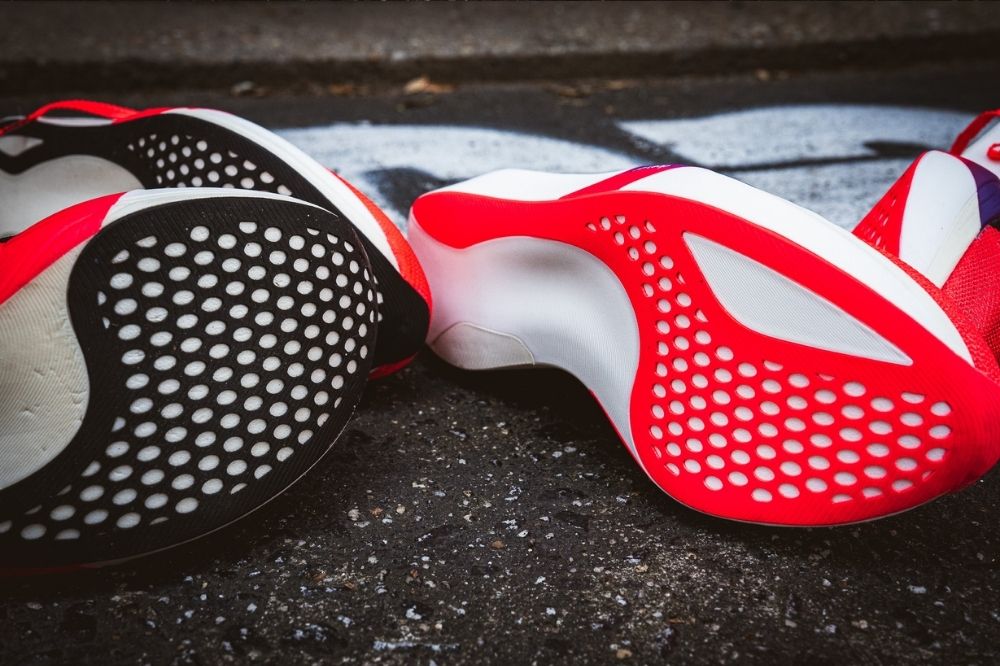
Black outsole for the Edge, red outsole for the Sky
MEG: This isn’t a performance critique per se, but it’s something I feel is worth mentioning: the naming and styling across the Metaspeed lineup is genuinely confusing. The differences between the Edge, Sky, and now Ray aren’t immediately obvious, and visually, they all look almost identical. As someone who tests running shoes regularly, even I find it hard to keep them straight so I can only imagine how overwhelming it must be for the average runner trying to pick the right pair.
As for performance-related feedback, my complaints are relatively minor, but still worth noting. Like many race-day shoes, the ankle collar sits quite low. While I didn’t experience any rubbing or discomfort, the shoe lacks the ankle structure and support I typically prefer when racing. It’s not a deal-breaker, but it’s something I noticed.
Finally, and this is obviously very subjective, I just don’t feel particularly excited about this shoe. It performs well enough, but with so many great race-day options available right now, the Edge Tokyo doesn’t stand out for me. It wouldn’t be my first choice on the start line. Maybe not even my second. More like a solid third or fourth.*** I wrote this review before I wore the Metaspeed Edge for the Wharf to Wharf (a 6 mile race in Santa Cruz) and I have to say, I absolutely loved it. The shoes felt bouncy and light and exactly what you want for race day. So I think we’ll bump this one back up to first or second choice for race day.
THOMAS: Meg covered the part about the Asics race day shoes being confusing, I’ll just add an amen.
I did have a small amount of heel lift that persisted. With rigid carbon plates and minimal uppers, this is almost commonplace in race-day shoes.
I agree with Meg that the shoe lacks some excitement; however, I have to put both the Metaspeed Sky and Edge Tokyo on my top-tier list for racing the marathon. If you’re chasing a PR or going after an all-out effort half or full marathon, you will want to consider the shoe.
Shop The Shoe - Unisex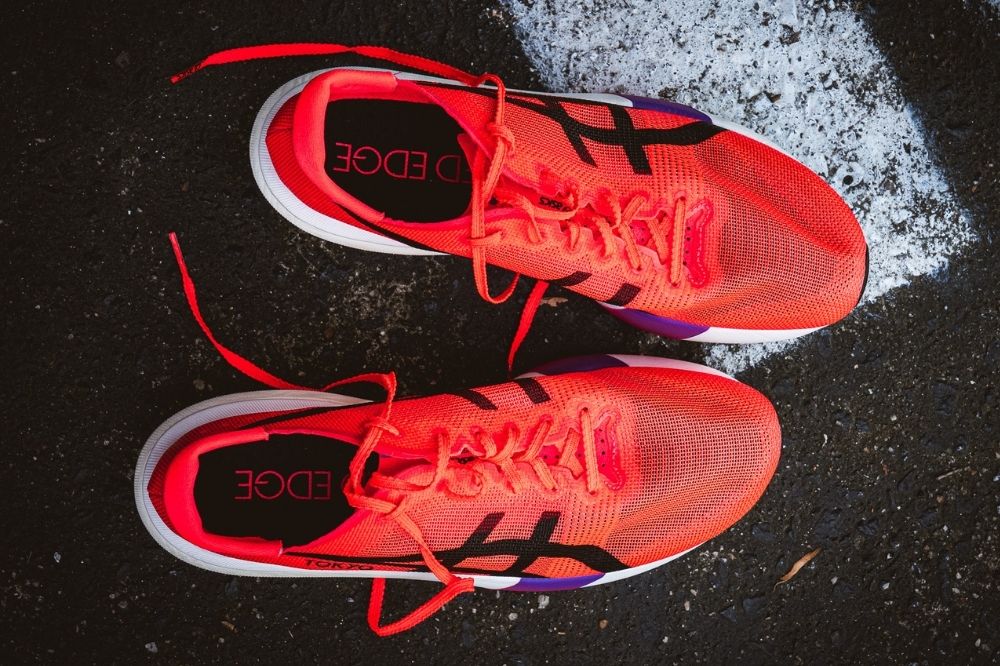
MEG: The Asics Metaspeed Edge Tokyo is a strong contender in the race-day lineup. It’s a well-executed update that feels more approachable and less harsh than previous versions thanks to the addition of FF Leap foam. While it doesn’t quite earn the top spot on my personal race-day rotation, I think longtime Metaspeed fans will be genuinely happy with the updates. *** Additionally, I raced a 6 miler in this shoe and absolutely loved it. So, it may end up closer to the top spot than I originally thought.
THOMAS: Meg described the update as “less harsh,” and I agree. That’s the biggest improvement in the line. The new foam softens the ride and cuts weight, a winning combo. Honestly, Asics could’ve released just the Edge or the Sky, and I’d have been satisfied. The difference between them is subtle.
On days when I want more bounce from beneath the plate, I’ll grab the Sky. When I’m craving a softer landing under the forefoot, I’ll reach for the Edge. That’s the tradeoff.
The problem is, most people won’t get to test both. So here’s my advice: go with the Edge. It’s the more familiar ride for most runners—a balance of cushion, pop, and comfort that lines up with what we expect from a super shoe.
You can pick up the Asics Metaspeed Sky now for $270 at Running Warehouse (featuring free 2-day shipping and 90-day returns) by using the shop link below.
shop the shoe - unisex
Asics Metaspeed Edge Tokyo | Video Review
Have something to say? Leave a Comment


Meaghan signed up for her first marathon three weeks before the race, because it was $10 more than the half she planned to run. She learned everything in running the hard way. Now a USATF & UESCA certified run coach, she loves encouraging friends to go for big goals as she continues to chase faster times. She enjoys a hot cup of coffee, a cold martini, and making bagels for friends and family.
More from Meaghan
As the founder of Believe in the Run, Thomas’s goal is to help runners pick the shoes and gear that will make their running experience the best that it can be.
More from Thomas Read Article



Didn’t Meg say on the podcast that she changed her mind after racing this at Wharf to Wharf? Seems relevant to put in the review?