Shop BITR Apparel Shop Now
We independently review everything we recommend. When you buy through our links, we may earn a commission.
7.4 oz. (210 g)
36mm in heel, 28mm in forefoot (8mm drop)
Daily training and long runs
KineXion midsole, Engineered mesh upper
Available now for $195
SAM: In a world that is moving faster than ever, it has become of the utmost importance to be first. The first to try the new trend, go to the new shop, the first to film, the first to post, and so on. There’s a Jon Wooden quote I like where he said: “First be the best, then be first.” It’s a nice reminder that success is not something to be rushed to, because the patience to become the best will catapult you to the top of whatever field or competition you are in.
Rarely does being first actually make you first. But sometimes, catching lightning in a bottle can help you skip the line. January may have some lightning on the shelf right now, because they've achieved a first in running shoes (to my knowledge) with their Scignal daily trainer. Let’s get into what that first is and if it has pushed January to the front of the queue.
CARYN: I have to be honest, I’m always impressed when someone is brave enough to enter the running shoe market these days. In a world so saturated with options, it feels daunting at best. When the January Scignal arrived on my doorstep, I was excited to read more about the company, the brand, and its goals.
January’s mission is to provide footwear that serves all members of the running community while propelling it forward with increasing diversity. January was founded by BIPOC women runners who value diversity, equity, inclusion, empathy, and respect. It’s a mission I identify with, and I imagine a lot of others can, as well. The Scignal is the brand’s first shoe, so I was excited to see what they’d put together.
SAM: The January Scignal is the first offering by January, a brand-new running company based in San Francisco (head over to its Instagram for Thomas’s conversation with the company's founder). What makes the Scignal a first in the running industry isn’t that it's January’s first shoe. The shoe is a first because it comes fitted with January’s proprietary KineXion foam insole. The KineXion foam is the special sauce that is going to make January stand out amongst the crowd.
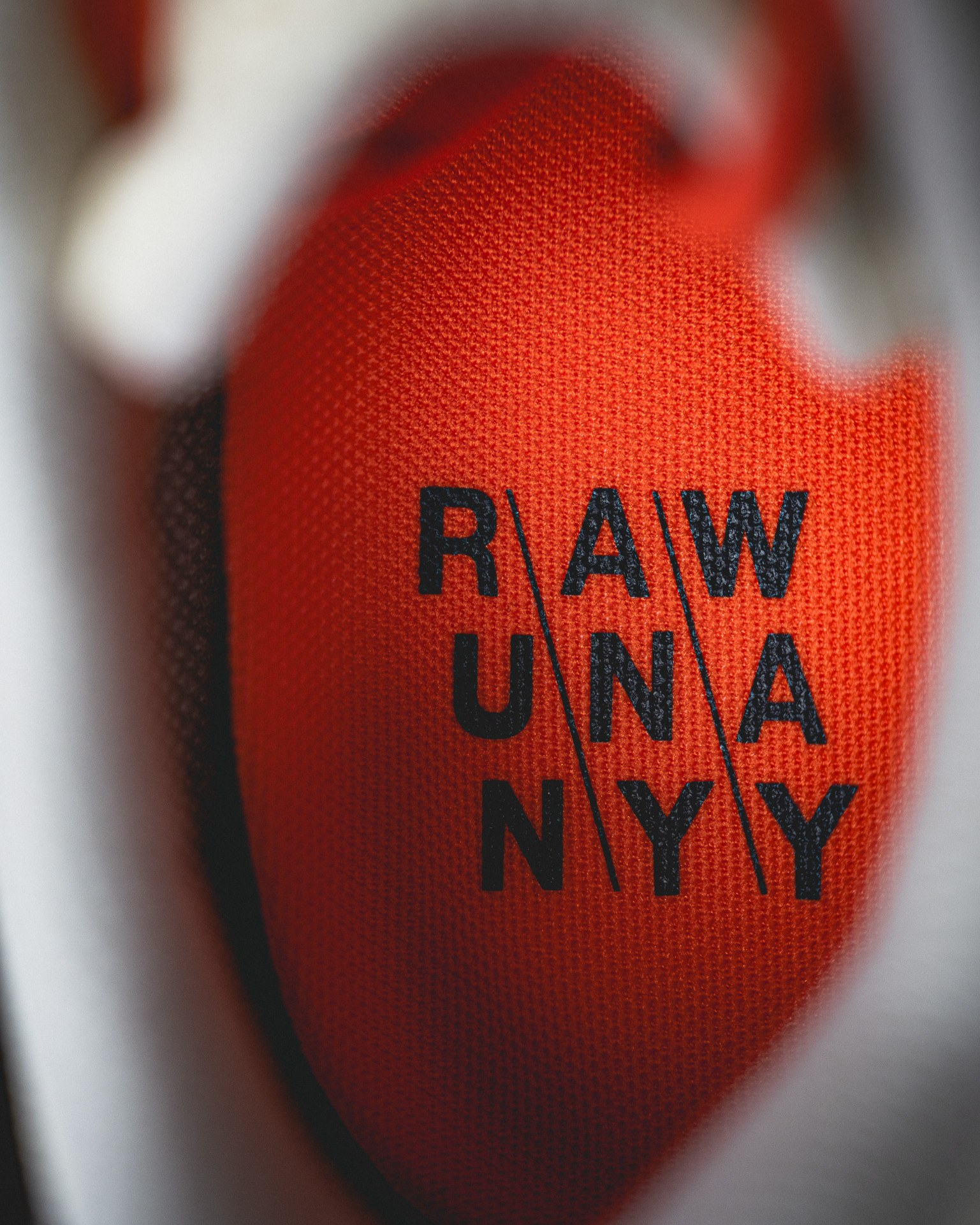
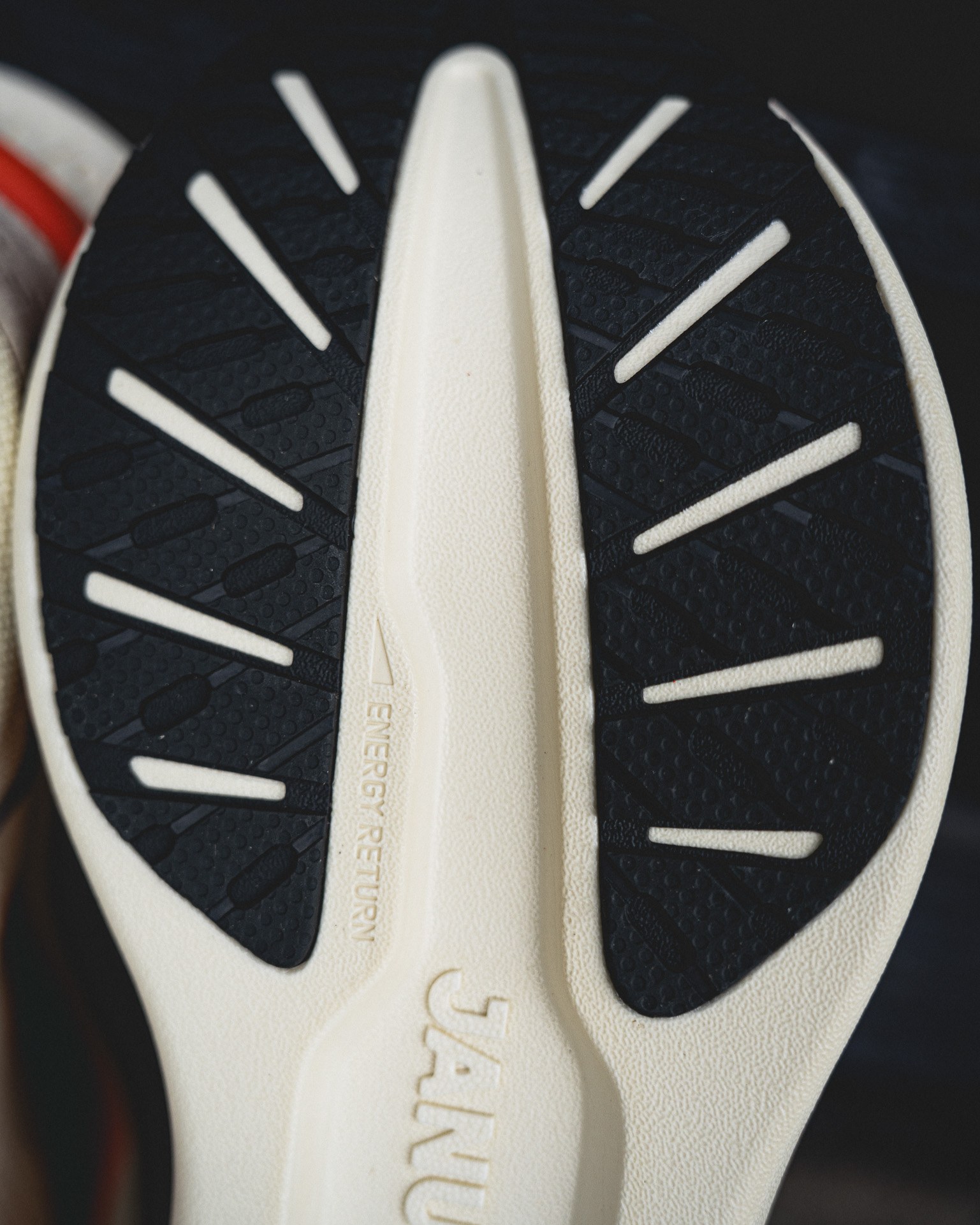
Why is KineXion foam so special? It is the first ever single-piece dual-density midsole. Dual-density midsoles are no longer novel and typically have a heel piece that's separated from or layered underneath a forefoot piece of a different softness. This has come in many forms, but the majority of brands prefer a softer heel for cushion and a firm forefoot for push-off. The goal is to create a best-of-both-worlds shoe that can make the act of running easier through design.
The challenge with building a dual-density shoe is that the transition from heel to toe is not always smooth and effortless. They can feel blocky, inflexible, or awkward to run in at slower paces. January’s KineXion foam is so special because its single-piece construction overcomes that natural flaw of dual-density midsoles and has all the performance benefits without the inherent drawbacks.
On foot, the January Scignal delivers on its promise of lightweight, cushioned performance. My litmus test for daily trainers is that I need to be able to wear them for both long runs and strides to consider them worth purchasing. The January Scignal passed this with flying colors. It is cushioned and comfortable enough for a 15-mile long run while being light and quick enough to do strides after the same run (strides are six to ten 15-30 second pickups and the easiest way to get faster).
The dual-density foam really shines through running inclines. You can actually feel the difference between the heel and the toe as you dig in to grind out some elevation in the Scignal. This shoe can also hold up to workout paces, as I wore it on a weeknight run where I averaged about a minute per mile faster than my easy running pace with no issues. 36 mm is described on their website as the “perfect” heel height, and I may have to agree due to the versatility of the shoe. Overall, the performance of the January Scignal was extremely impressive for a first-time trainer.
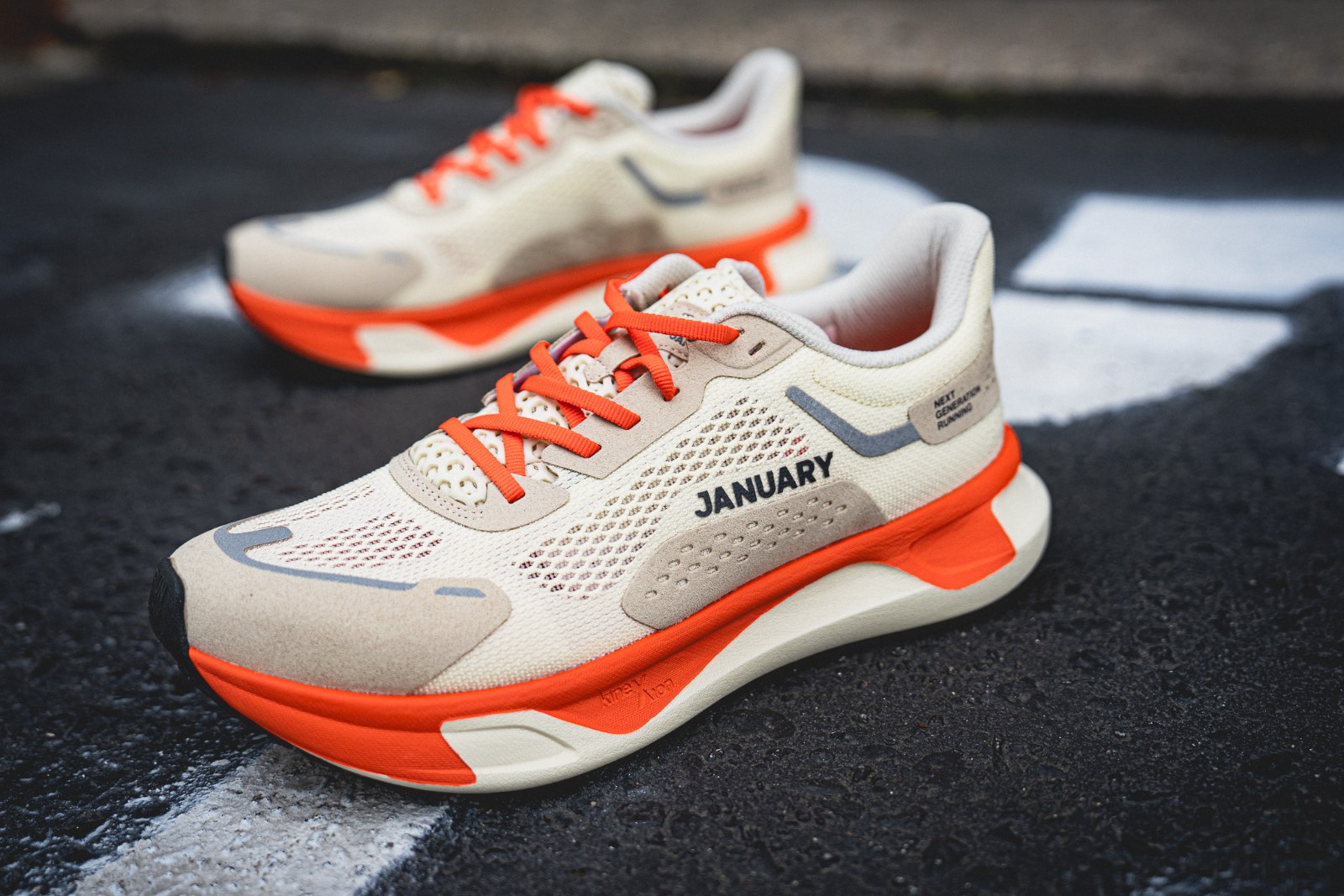
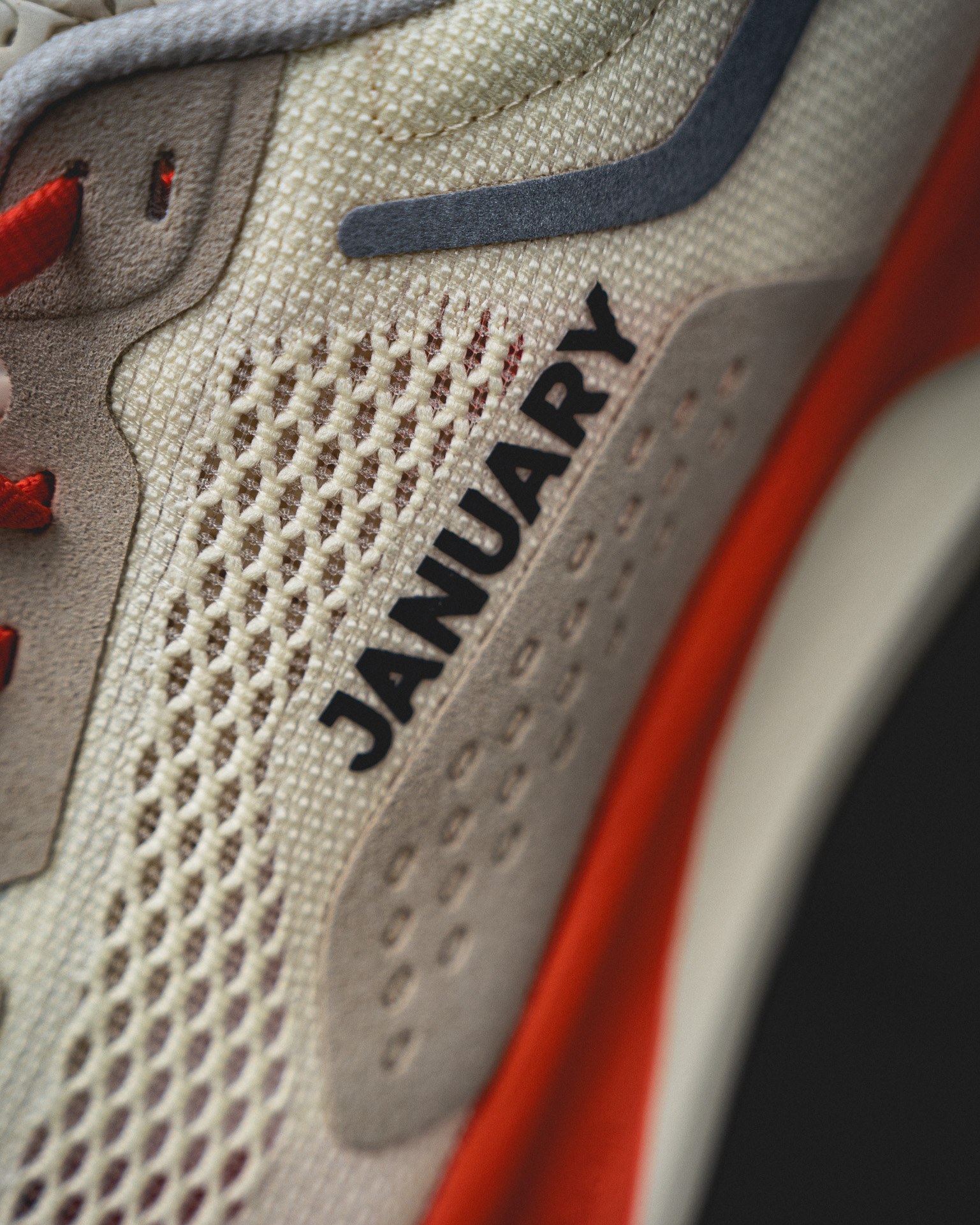
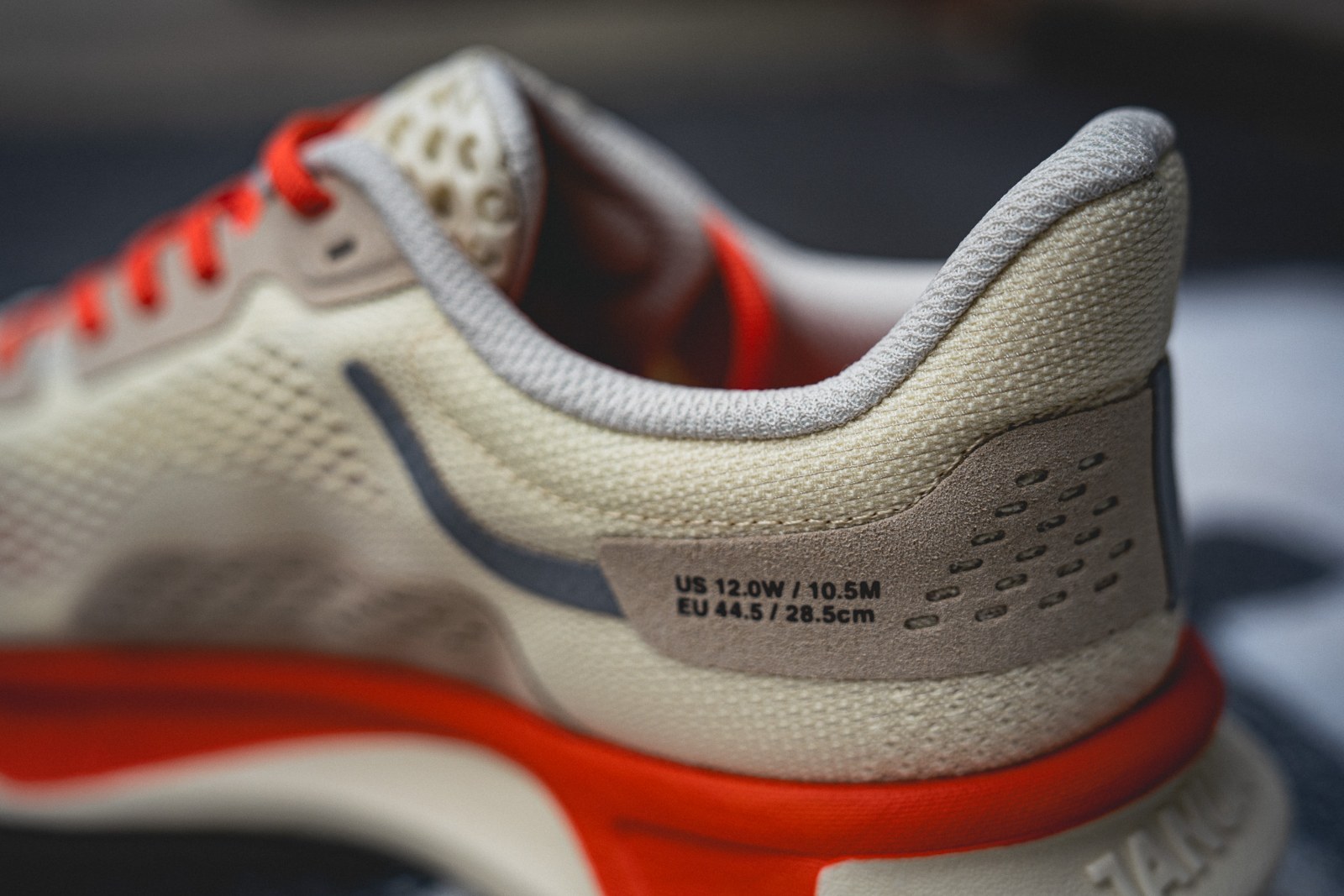
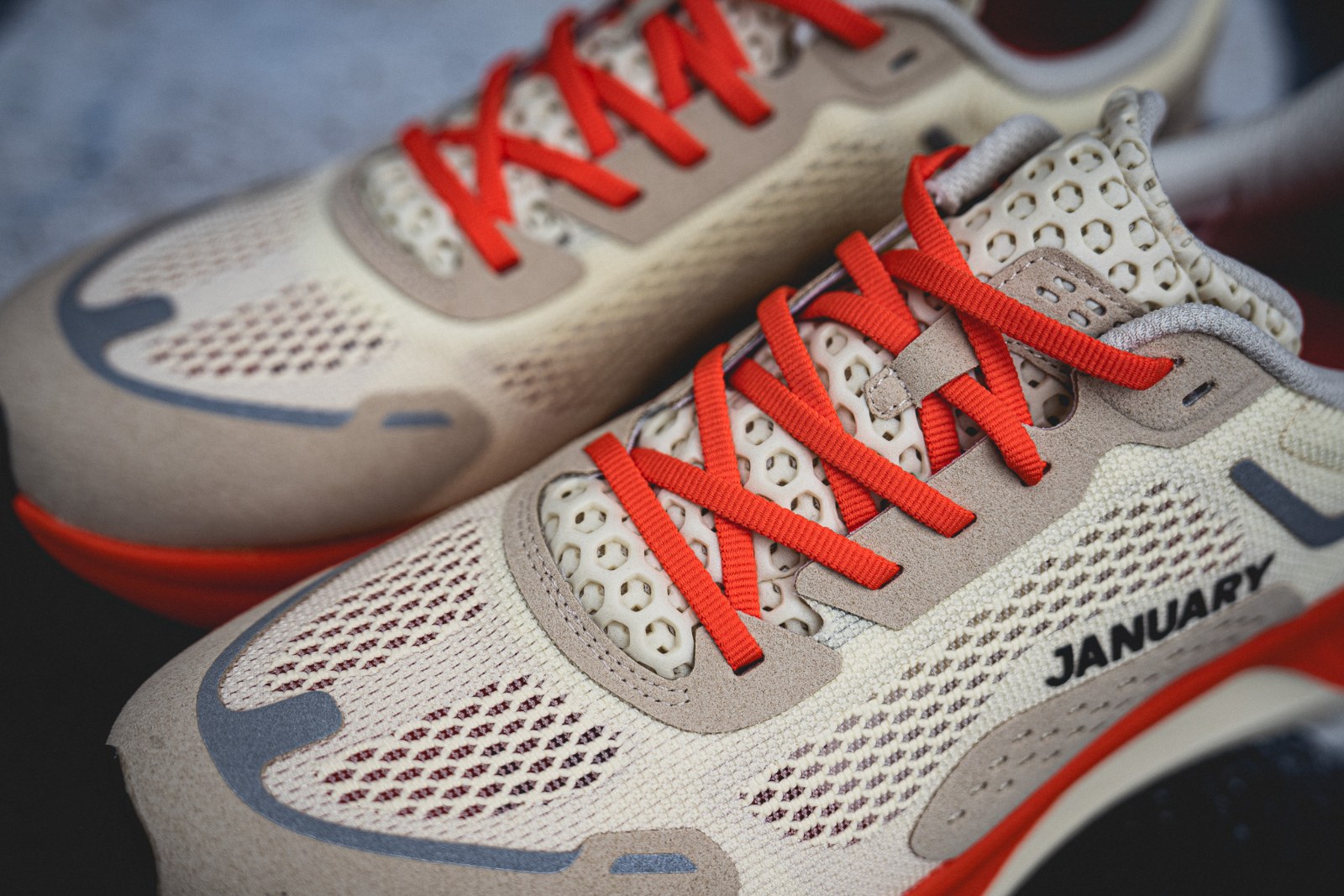
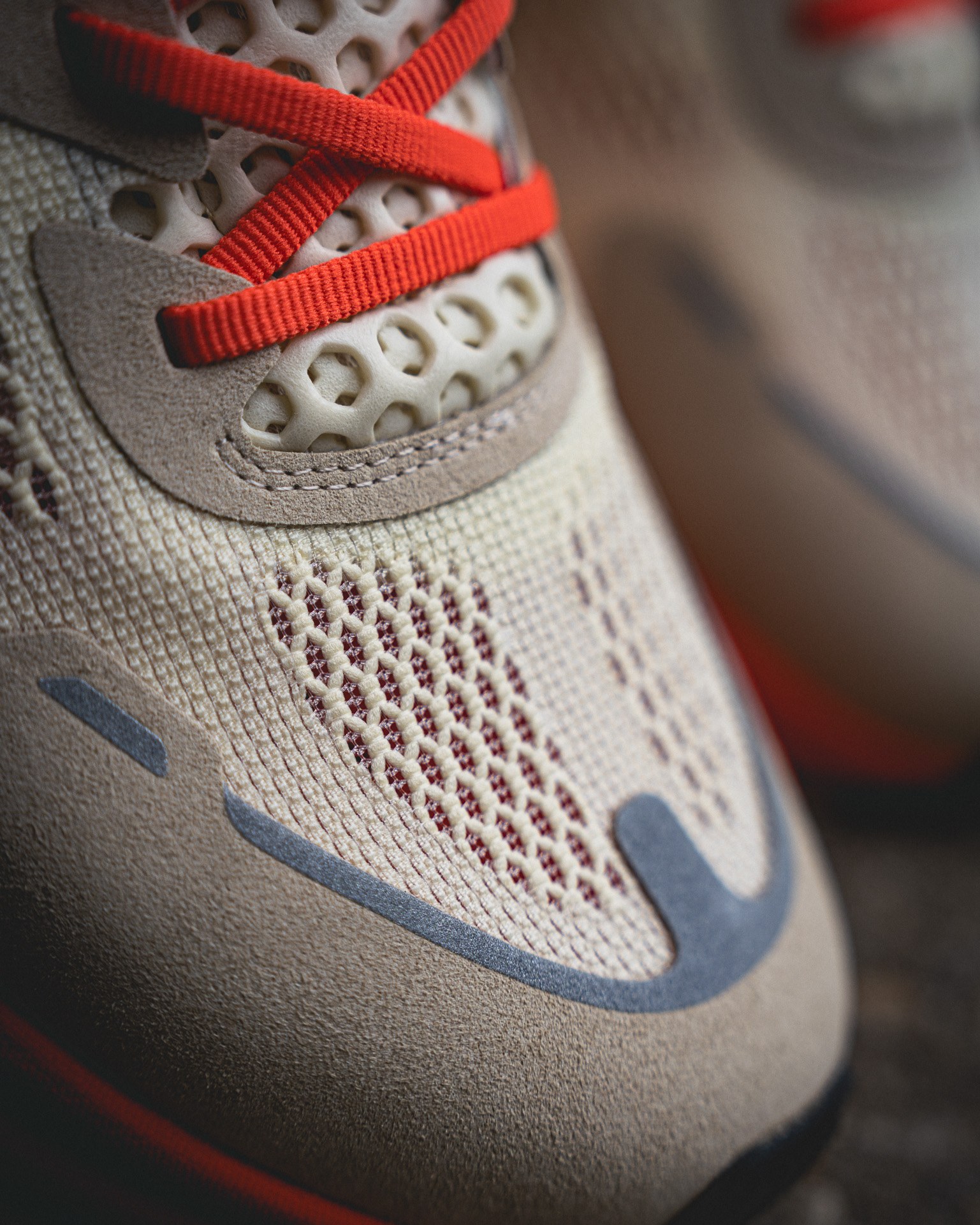
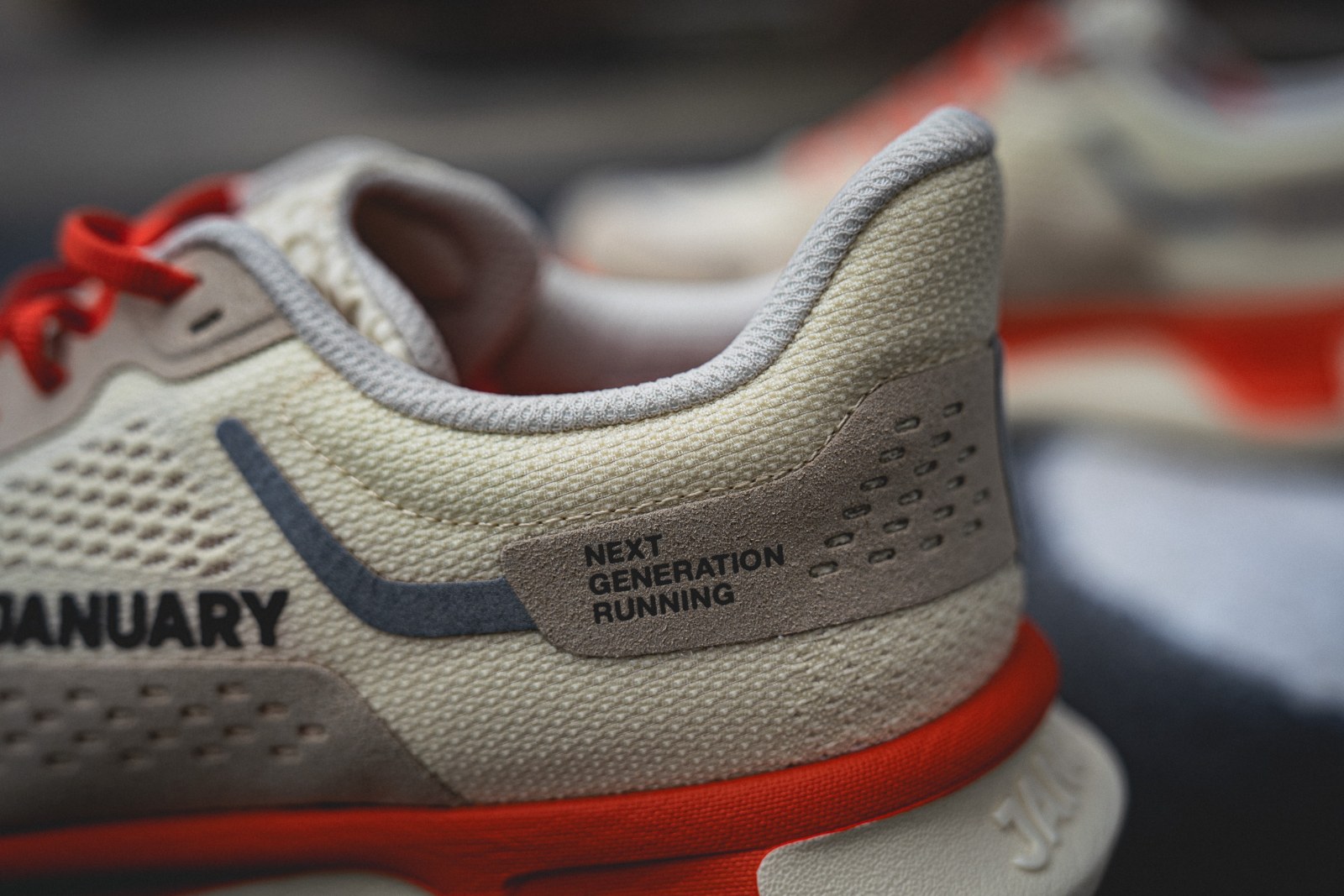
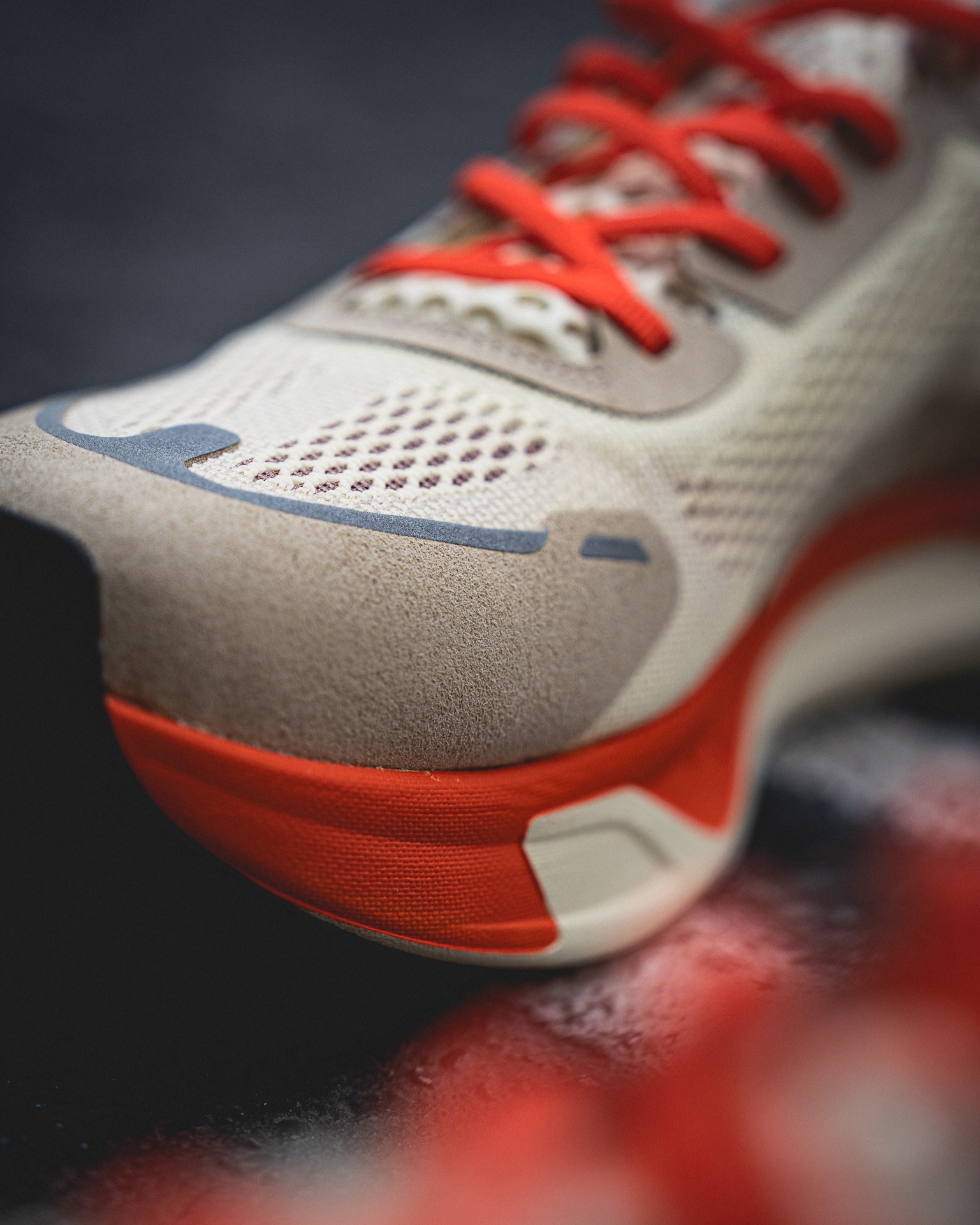
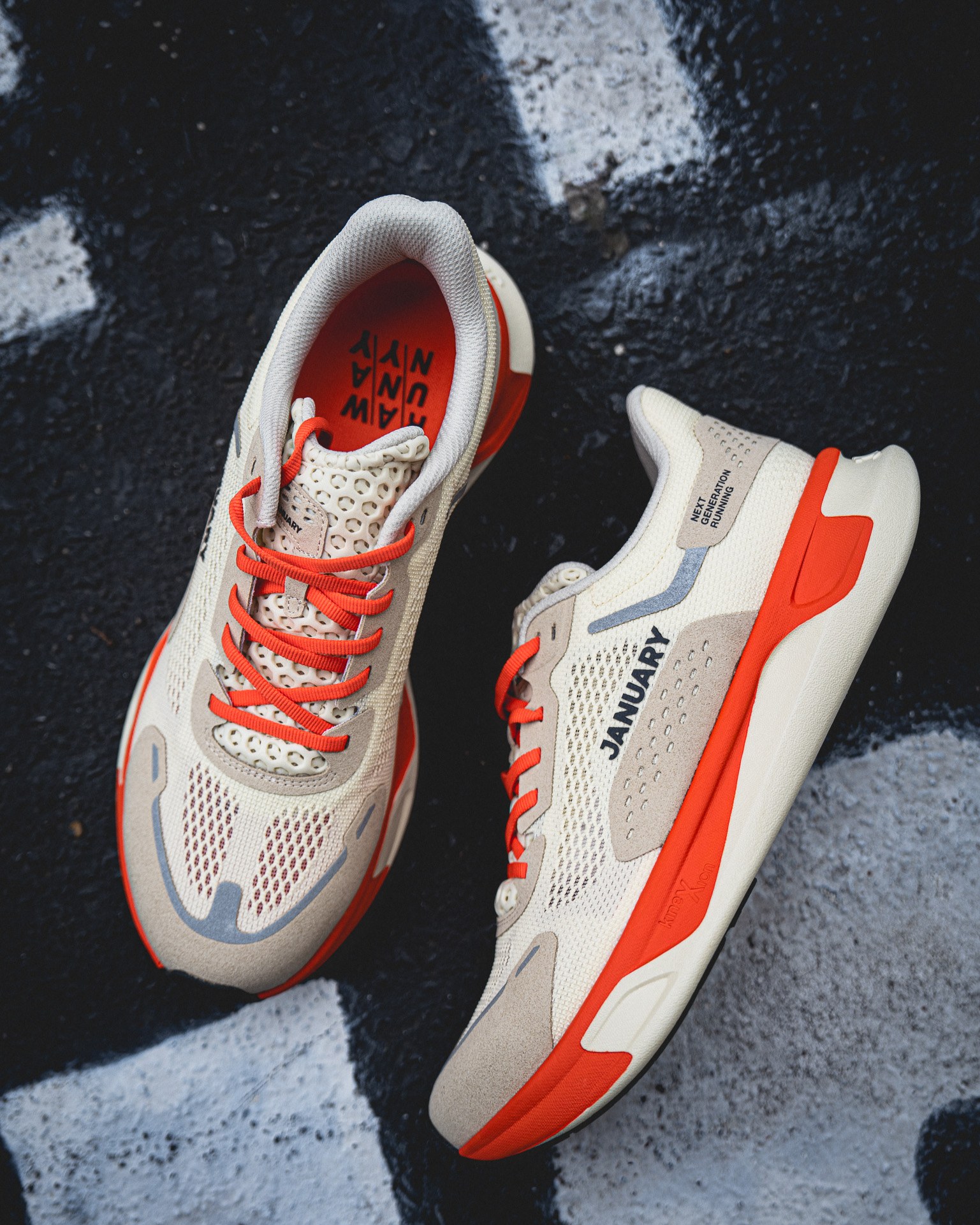
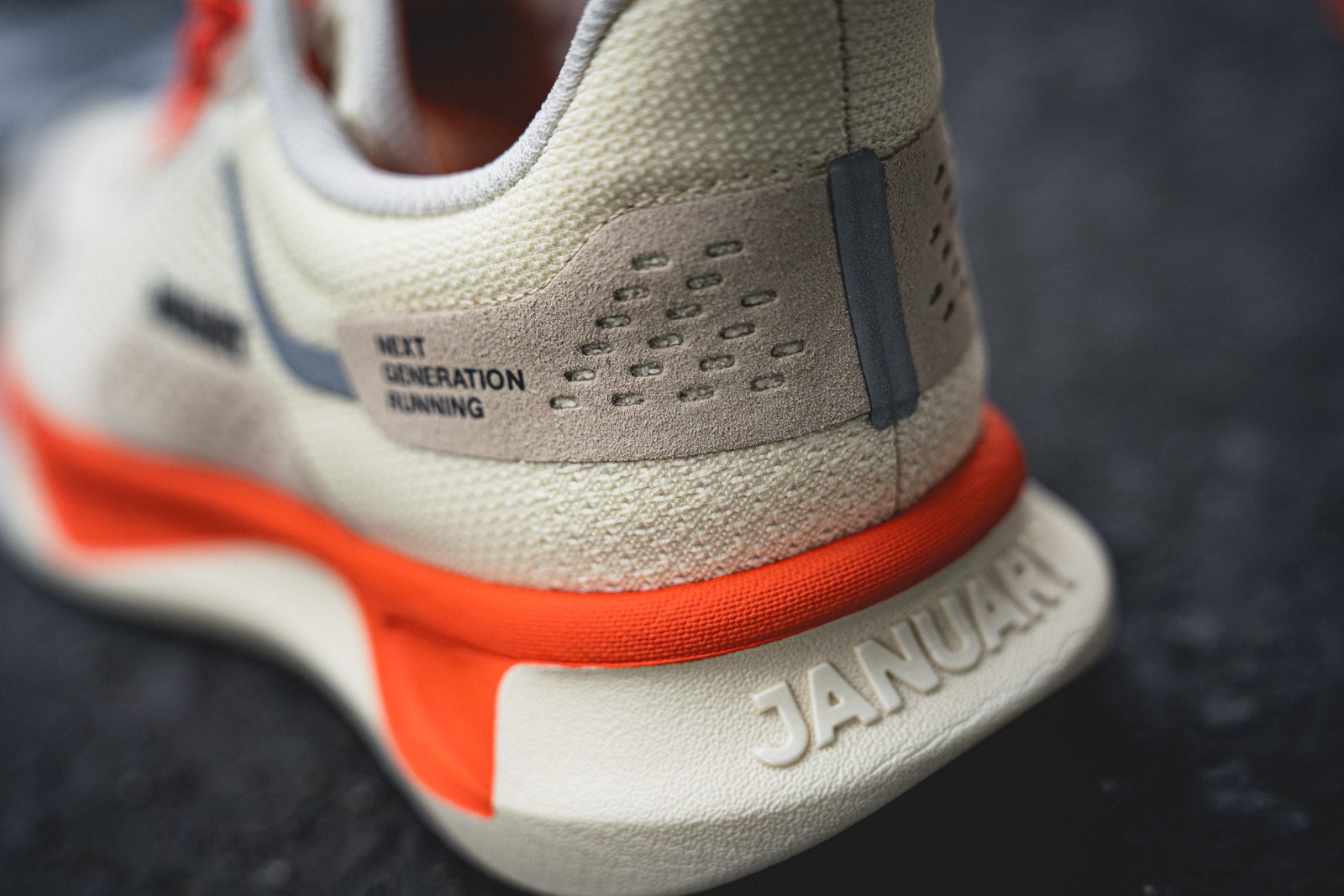
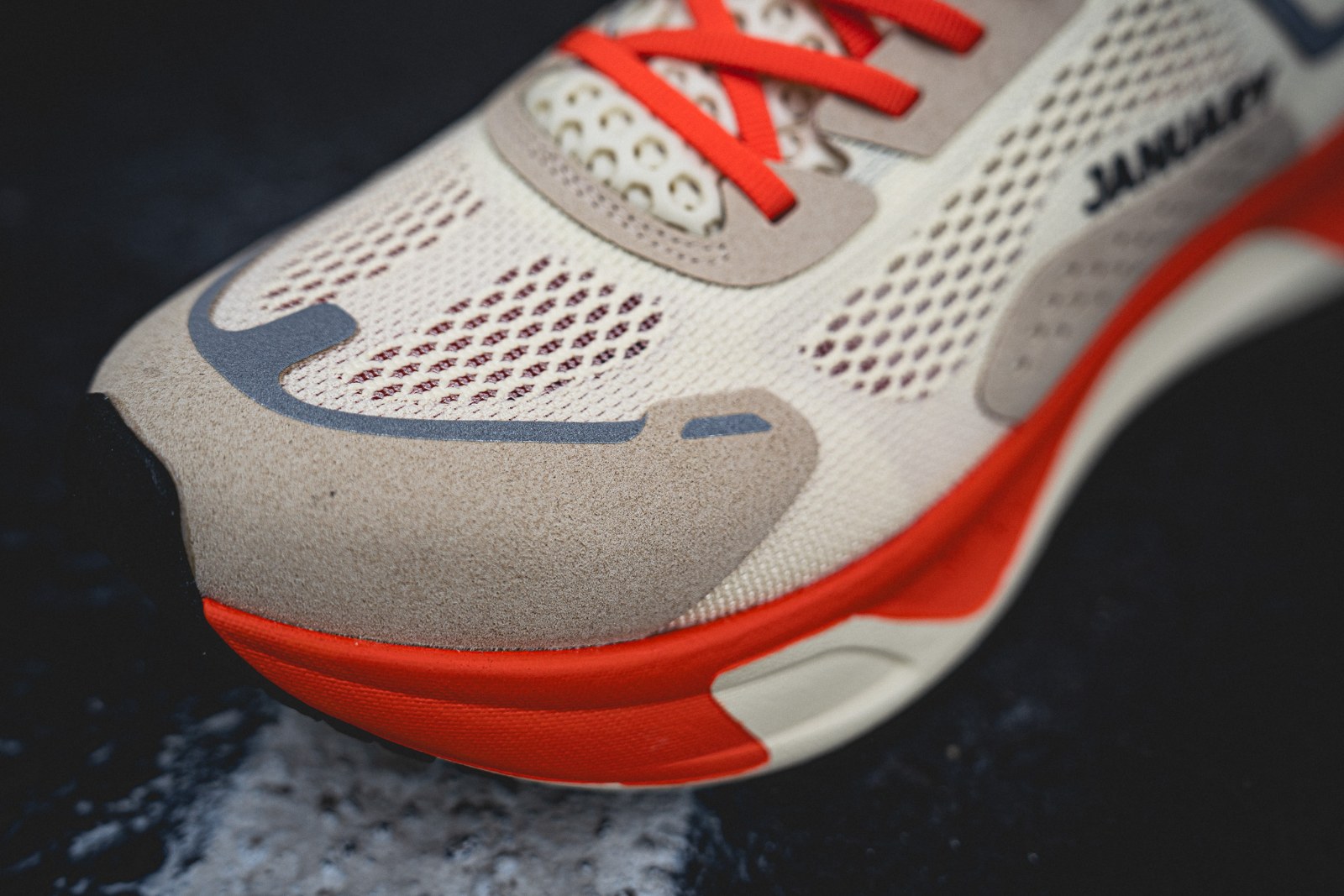
The other positive I would like to mention for the January Scignal is the attention to detail in the upper. The upper of the January Scignal reminds me of a painting where the longer you look, the more you find. Suede accents reinforce high-wear areas. A honeycomb padded tongue and padded ankle collar provide a snug fit. Intentionally chosen flat laces. The shoe size is on the outside of the shoe (another first I’ve never seen before)!
The January Scignal fits comfortably, feels snug but not tight, and does not let my feet shift throughout the run. It is clear that a lot of thought went into the upper of the Scignal, which is a testament to the team at January.
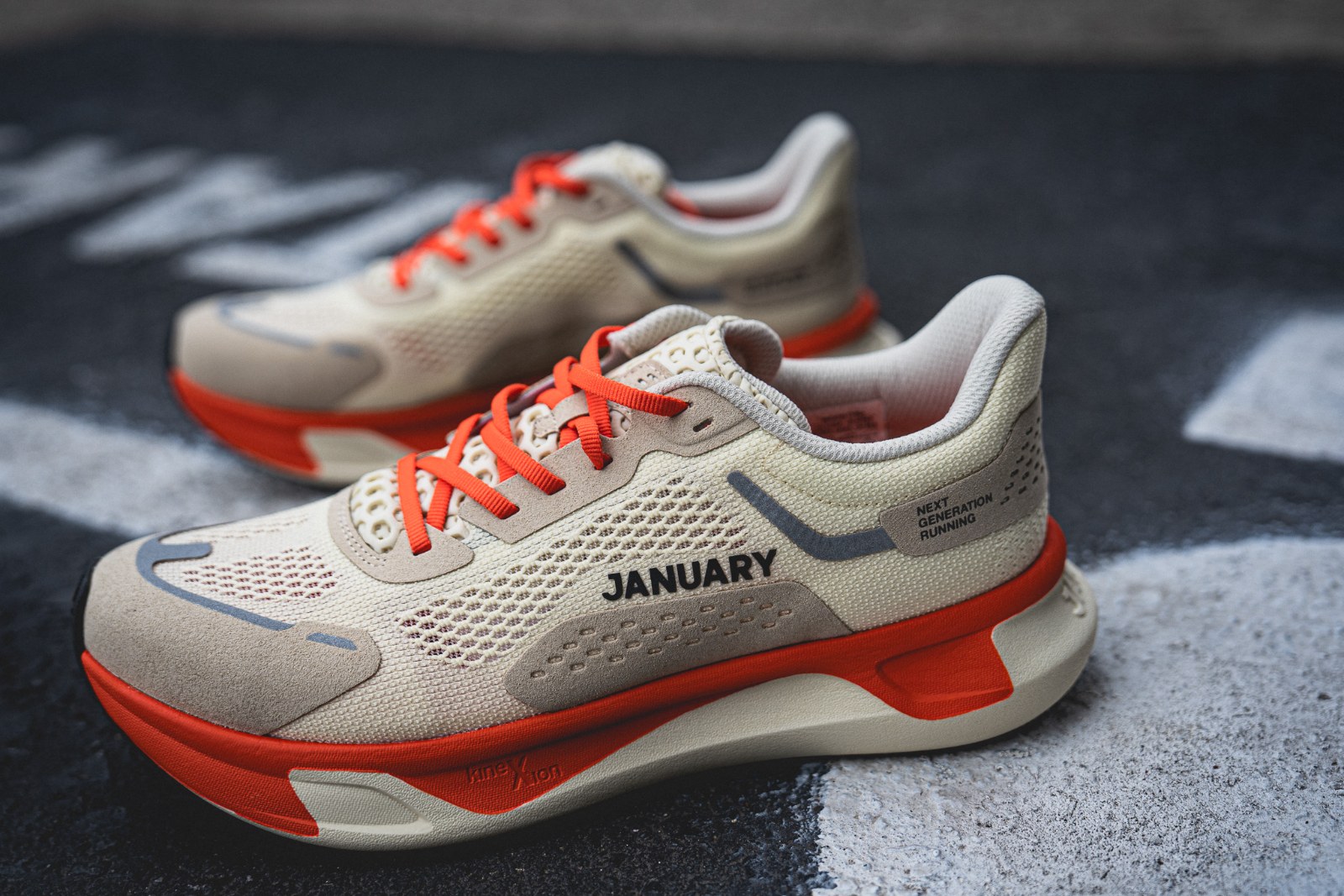
CARYN: When I first opened up the Scignal, I was hit with a neutral shoe with pops of burnt orange. I have to be honest, I’m not normally an orange girl, but the overall aesthetic of the shoe leans more toward something you’d find at REI rather than Running Warehouse. As someone who loves the outdoors far beyond the run, I was on board!
Stepping into the Scignal is a luxe experience. Before I get into the fit, I have to wax poetic about this shoe’s upper. The honeycomb tongue is extremely soft and comfortable, to the point where I found myself thinking about it as I was walking around. I know it’s weird to get this jazzed over a tongue, but it deserves the hype, okay? The mesh upper feels premium - it's soft, yet structured, and molds to your foot in a unique way that feels like a hug. The shoe itself runs narrow, especially in the midfoot, which prevented me from taking it on longer-distance efforts, but I do have a foot that borders on wide.
The shoe has an 8mm drop and 36mm of stack, which could be considered ”low” given the current state of affairs in max stack nation. As someone who prefers shoes of this variety, I was excited that out on the run, the shoe felt flexible, light, and offered some groundfeel. Some of the shoe’s ability to perform in such a streamlined package is certainly a result of the single-piece dual-density KineXion midsole, which Sam described in detail above.
I found the shoe comfortable, but a little squirrely and hard to navigate out on the run (more on that below) The heel felt extremely soft and cushioned while the forefoot felt a bit firmer and thinner, which is by January’s design. While certainly not necessarily the designers’ intent, I found the Scignal to be fantastic for walking, standing, and lifting at the gym. The lower stack height and comfortable midsole increase its versatility and comfort across a variety of active pursuits.
SAM: January advertised the Scignal as a shoe for “Every runner. Every stride. No compromise.” I love this attitude and found myself falling further in step with January’s team after hearing Thomas’s interview with their founder. In the interview, Wei-En Chang said that he cannot run in any of the massive stack super trainers because they do not work with his stride. I have similarly struggled for years to run in the Superblast, Vomero, Fresh Foam More, you name it.
Ironically enough, it doesn’t seem that the January Scignal works for my stride either. The shoe’s midsole has a wide heel, narrow midfoot, and wide forefoot that reminds me of older Nike React Infinity and ZoomX Invincible models. These were shoes that I wanted to love and could not find a way to because I never found them stable enough. There is something about this non-linear construction that does not work for my stride and gives me problems once I have worn the shoe enough.
I'll caveat this and mention that wearing the January Scignal once or twice a week was fine, but during the one week I wore it for every run, I developed some knee soreness that was clearly exacerbated by the shoe. While these may only be my challenges as a runner who needs stability, I would like to be able to wear a daily trainer…every day.
Lastly, I have to give it a B on value. $195 is a lot of money, even by today’s standards, for a daily trainer. I have around 75 miles in my pair, and the upper has shown very little wear. This makes sense due to the attention to detail I mentioned earlier.
Something I noticed missing from the promotional materials and January’s website is any mention of what is going on with the outsole. It is labeled as “Super High Abrasion,” but does not seem to be the case. The heel and toe already have the tearing I would expect on a shoe with double the miles my pair has. If I am going to spend close to $200 on a daily trainer, I need to know that it is going to last.
CARYN: As I described above, I found this shoe to be a bit hard to navigate out on the run. The softer part of the midsole is concentrated in the heel of the shoe while the forefoot feels firmer, which does not align with my foot strike. Because of this, I found that the shoe did not feel propulsive, and rather felt a bit flat, even with an 8mm drop. There is no rocker geometry, which could probably help here in improving transitions through the gait cycle.
I feel like those who have more of a heel strike may be served best by the Scignal. I also found the shoe extremely narrow, which made it hard for me to run longer distances in it comfortably. For those with daintier, slender feet, I’m sure they would have no trouble. I also tend to agree with Sam on the $195 price point; I feel like it may have been wiser to try to align with other competitive lightweight daily trainers like the Adidas Evo SL, Asics Novablast, or the New Balance Rebel v5.
SAM: Some say that things are never as good as the first time. After debuting with the January Scignal, I don't think that January fits that bill. The Scignal is a special trainer marked by its KineXion foam midsole. It fits everything I want in a shoe: comfortable at slow paces, fun at fast paces, and not so cushioned that they are hard to run in. If not for the instability and my concerns about the longevity of the shoe, it would have As across the board.
It still gets an A grade from me because I found the KineXion foam so much fun to run in, and I appreciate January’s founder's commitment to moving away from super high stack trainers. I personally see the running shoe pendulum swinging in that direction and think shoes like the January Scignal will be more of the meta in the next year or so. If you want to get ahead of the curve, check out the Scignal at January’s website now.
CARYN: I loved taking the Scignal out for a test run and learning more about the company’s goals for this new-to-market trainer! While this shoe wasn’t exactly ideal for me, it’s thoughtfully created and has some really unique design elements that make it worth checking out. With a banger mission and passionate personnel, I’m looking forward to seeing where January goes in the future.
You can pick up the January Scignal now for $195 on January’s website.
Sign in or create a free account to comment. You'll come right back here.
Sign in / Sign up

Caryn is a recovering ball sports athlete and native Baltimorean who used to cry before the timed mile in gym class. Discovered running somewhat reluctantly when her pants stopped fitting in college, now a big fan of the marathon– go figure! Pediatric ICU nurse and avid UVA sports fan. Can usually be found with her chocolate lab, Gus, looking for a good cup of coffee.
More from Caryn

Sam tried every other sport before settling on running as a senior in high school. He’s never looked back. He can be found doing workouts in Patterson Park, talking shop with the Faster Bastards, or hitting long runs on the NCR trail. When not running, Sam is a teacher in the Baltimore City Public School District. His other loves are cooking, coffee, breweries, books, basketball, and alliteration.
More from Sam
Be one of the first runners to rate it.