We independently review everything we recommend. When you buy through our links, we may earn a commission.
10.4 oz. (295 g) for a US M9,
9.2 oz. (256 g) for a US W7.5
38 mm in heel, 30 mm in forefoot (8 mm drop)
Daily running, casual wear
Jacquard warp knit upper, Hyperbolt supercritical foam, Treadlight rubber outsole
Available early March for $175


Hylo Axis
MEG: Let’s address the elephant in the room: sustainability + performance? We’ve seen this story before, and it doesn’t always end well.
I’ll be honest, I was quite skeptical when I laced up the Hylo Axis for the first time. The initial pair I received (a pre-production version) felt firm and, well… “sustainable.” You know the feeling. It reminded me of when Nike introduced the Nike Alphafly Next% Nature– big sustainability ambitions, but a real performance flop. If Nike struggled to balance those two worlds, how could a smaller brand pull it off? Well, this isn’t just any smaller brand.
We had the opportunity to meet nearly the entire Hylo team on a recent trip to London, and to say we were impressed would be an understatement. It’s a small group, but one that’s deeply motivated and genuinely committed to doing this the right way. If anyone can successfully merge sustainability and performance, it’s this crew.
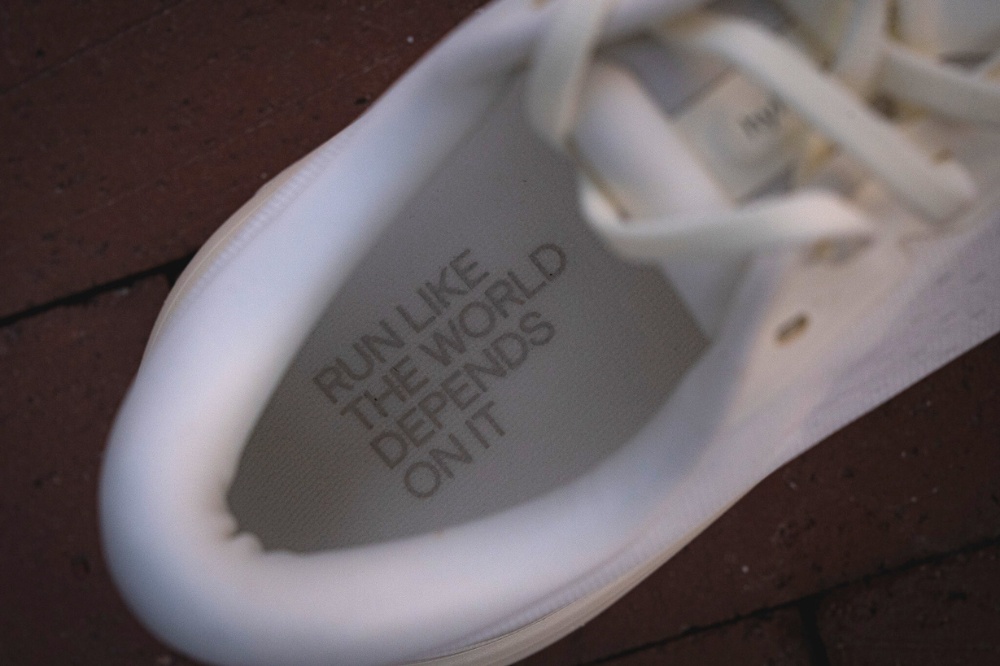
Now, onto the shoe itself. The second pair of the Axis I received– the full production model– was a noticeable step forward. The midsole was significantly softer than the pre-production version. It’s still not plush by modern max cushion trainer standards, but it felt like a meaningful upgrade and much more dialed in.
Underfoot, you’re getting a 50% bio-based, supercritical nitrogen-infused foam (called Hyperbolt) blended with bio-EVA. The outsole features 60% natural rubber (branded as TreadLight), and the upper is constructed from 60% bio-based, castor bean–derived yarn. That may sound like a sustainability buzzword salad, but the takeaway is simple: Hylo is actively sourcing cleaner materials while still prioritizing performance.
The Axis also sits in an interesting lane: max stack (38mm in the heel, 8mm drop) with stability elements. Rather than aggressive plates, it leans into subtler guidance features, including a medial support structure designed to enhance rearfoot stability. It’s a modern take on support — less intrusive, more integrated. It’s a fascinating shoe, to say the least. So let’s get into the good and bad.
ROBBE: Meg’s right– whenever I see sustainable at the forefront of a running brand’s mission, I tend to give an internal groan. Not because of the ethics– I would love if everything was sustainable and green and eco-friendly. It’s because sustainability is a hard nut to crack when it comes to performance. Walking and casual shoes– fine, sustainability can go hand-in-hand with that market. But performance running shoes? Good luck to you, especially if you’re starting from scratch.
Hylo (formerly Hylo Athletics) did start from scratch, just a handful of years ago. As Meg said, they wanted to make a running shoe that was sustainable, and they made one– but it sucked. And if your customer buys a shoe to run in, but they end up not running in it, guess what? That’s not very sustainable. At all.
Since then, Hylo has trimmed the sails and evened the keel on their little ship. Today, we’re looking at a new identity, one focused on performance without sacrificing sustainability, with a whole lineup of new models set to arrive over the next couple years. One of the mainstays of that lineup will be the shoe we’re reviewing today– the Axis. It’s a stability shoe, which makes sense for Hylo since 60(!) percent of running shoes sold in the UK are stability models, essentially the inverse of the United States (only 30% of the market).
Meg gave you all the technical specs on the shoe, so let’s move onto the performance side of things.
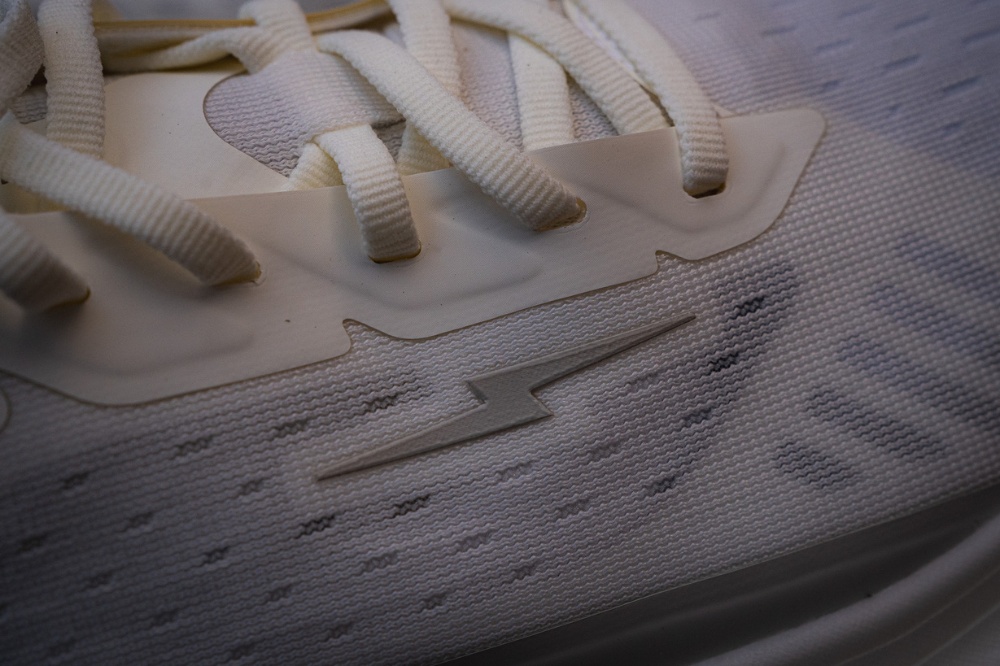
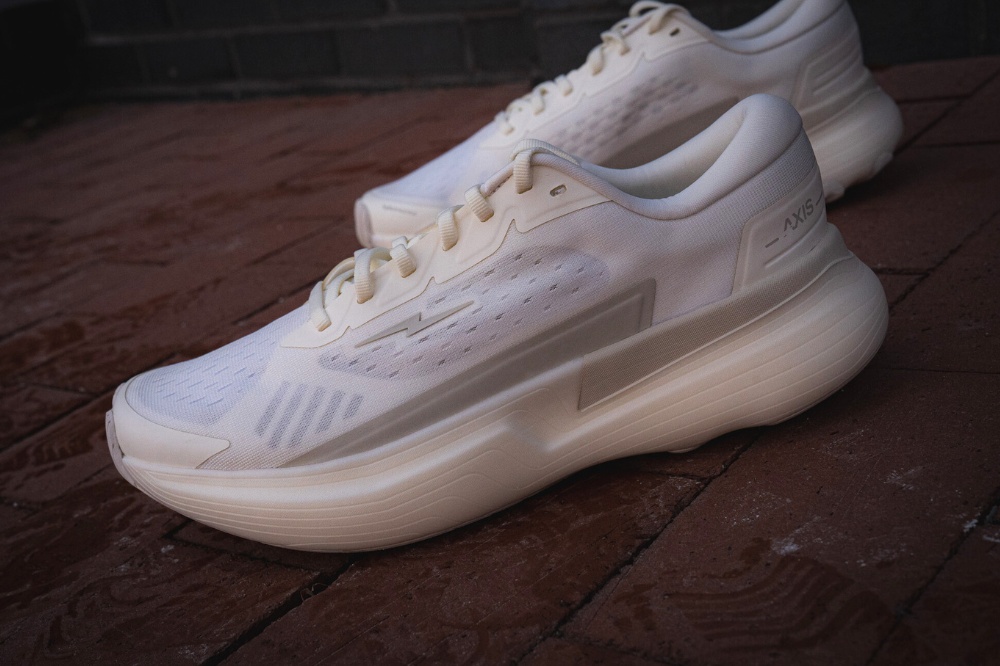
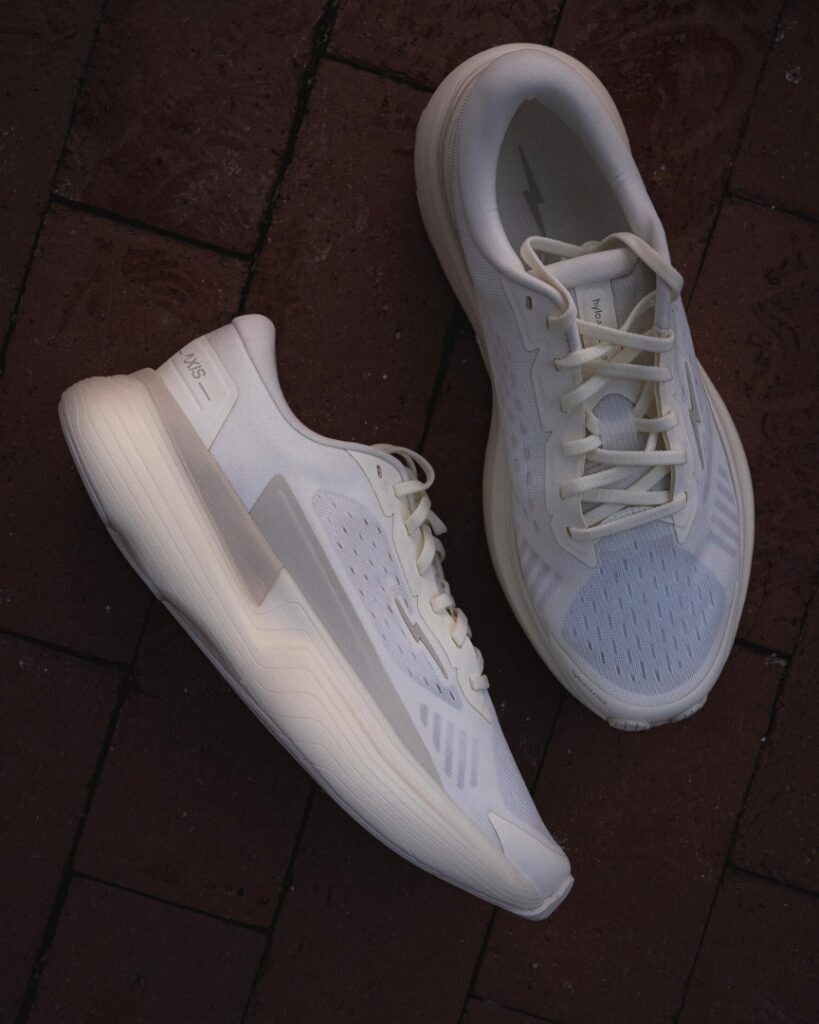
MEG: You know I’m a sucker for an all-white colorway, so aesthetically this one had me from the start. The step-in feel isn’t overly plush or dramatic, and the lacing system is straightforward, but everything works cohesively. There’s generous padding around the collar and tongue that delivers that “max cushion” comfort without feeling bulky. Fit is true to size, maybe even slightly long, but nothing that caused issues for me.
Out on the road, the ride is smooth and moderately responsive. Some shoes can feel slappy or loud underfoot — this isn’t one of them. It transitions quietly and fluidly, and the midsole seemed to soften slightly with each run, which I appreciated. While I wasn’t reaching for it on long efforts over 10 miles, it handled 6-8 mile runs comfortably. No rubbing, no hot spots, just a consistent, reliable ride.
The outsole traction is a standout. We logged miles on wet streets of London and through plenty of puddles, and I never questioned my footing. Durability also feels solid so far. Overall, it sits in the same category as stability-focused daily trainers like the Asics Gel-Kayano, Brooks Glycerin GTS, and Saucony Hurricane.
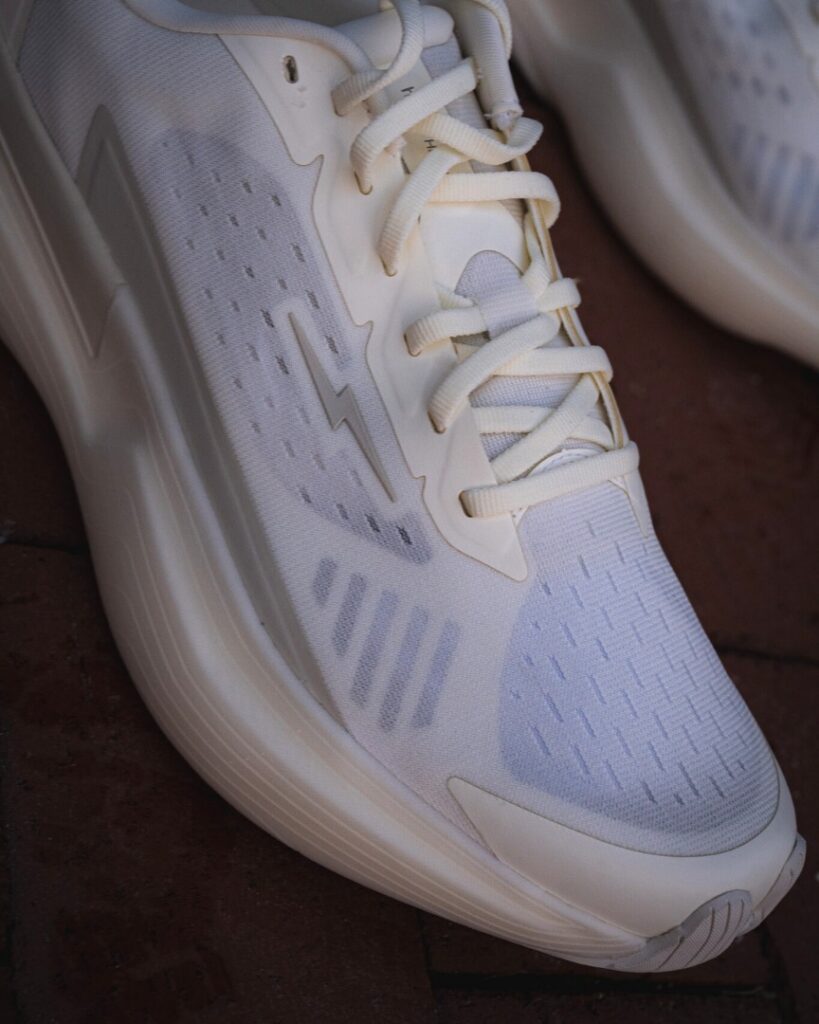
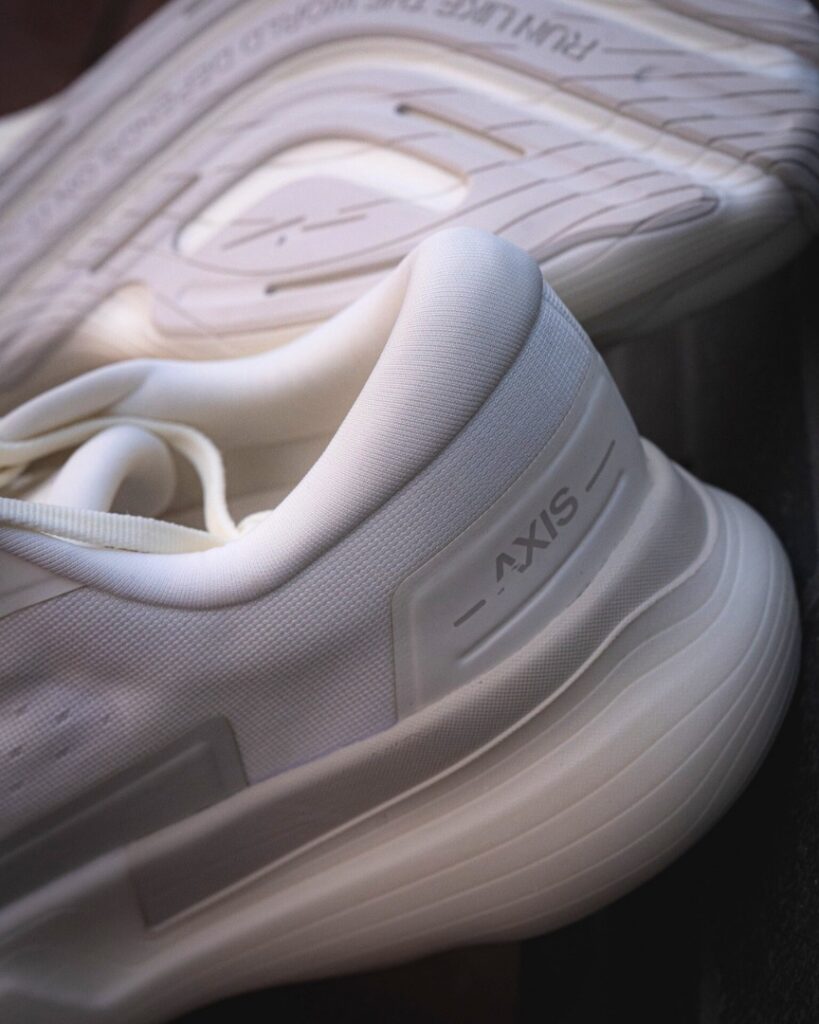
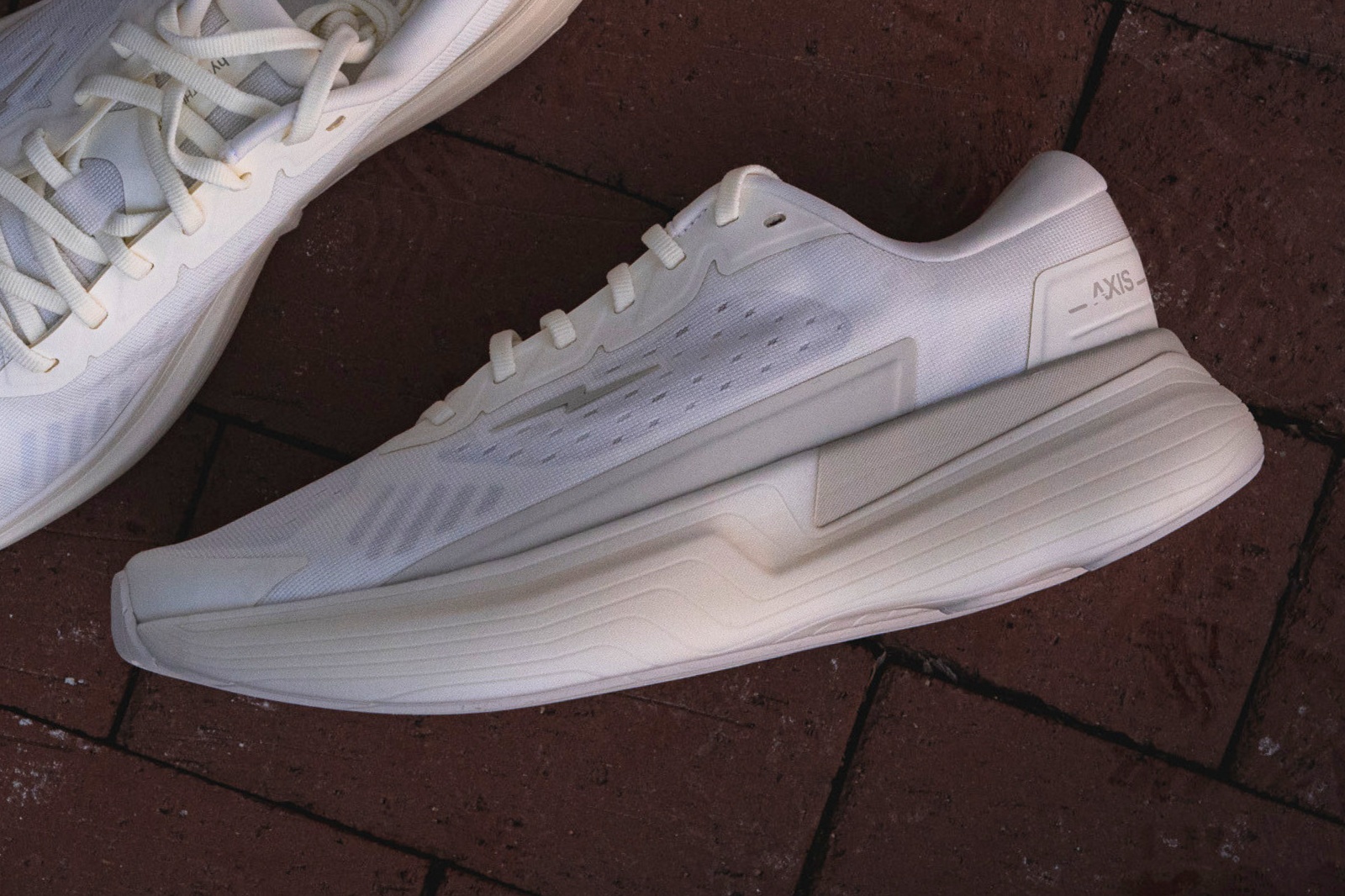
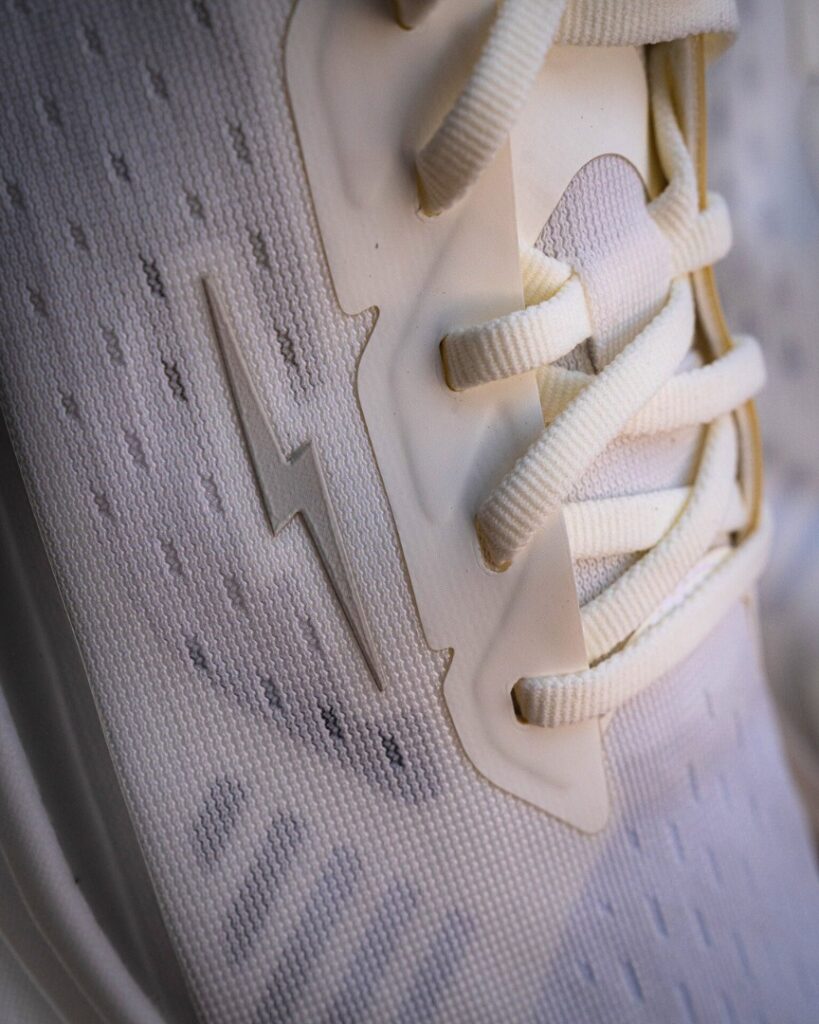
ROBBE: As Meg said, the aesthetics of this shoe are pleasing for anyone who likes a clean, streamlined look that looks good in any situation. Wear it to run, wear it for errands, wear it for anything. With a small lightning bolt on the side, and a clever support rail that also seamlessly blends a bolt design, I feel like this would be a go-to shoe for Harry Potter when cross-training for the 2026 Quidditch World Cup.
The lockdown on the shoe is great, especially through the midfoot (though the heel collar seemed a touch shallow). That wasn’t a deal breaker, and overall there was plenty of comfort in the heel and tongue area.
When it comes to actually running in the shoe, the midsole performed quite well, reminding me of the Adidas Boston 12. Meaning, it wasn’t soft, but it wasn’t firm. It was stable enough to provide some support, but transitioned well through the stride and gave just the right amount of rebound to keep things feeling fresh. The midsole is for sure the highlight of the shoe, and while I wouldn’t use this for anything other than daily training miles, it felt like the midsole had the right composition to pick things up if it weren’t hindered by the overall weight.
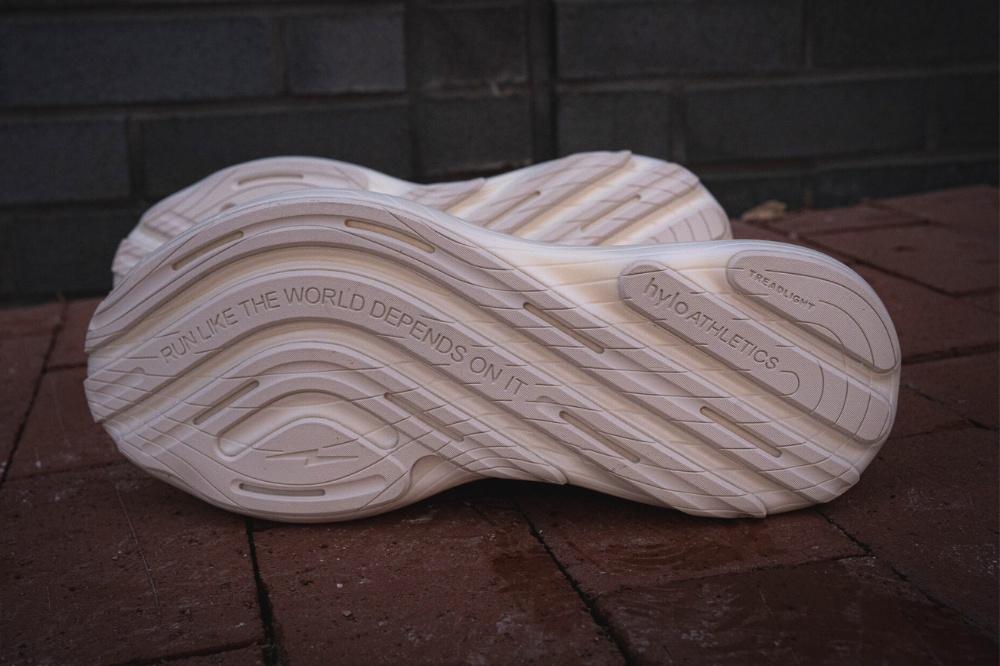
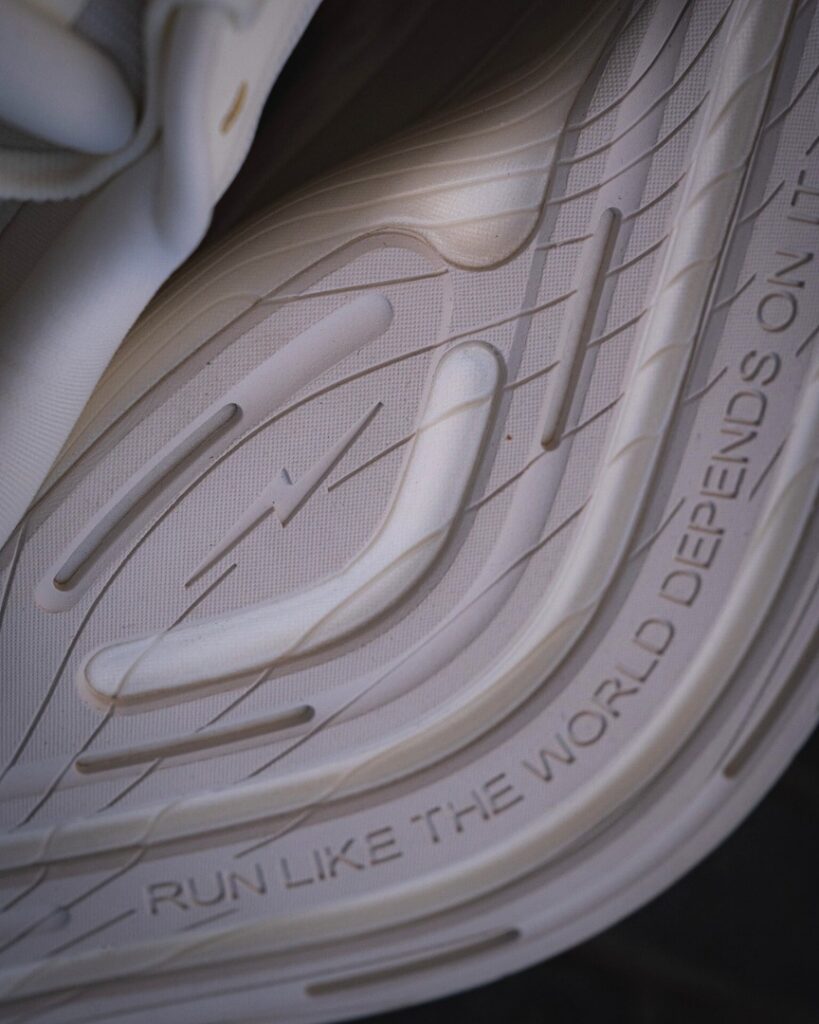
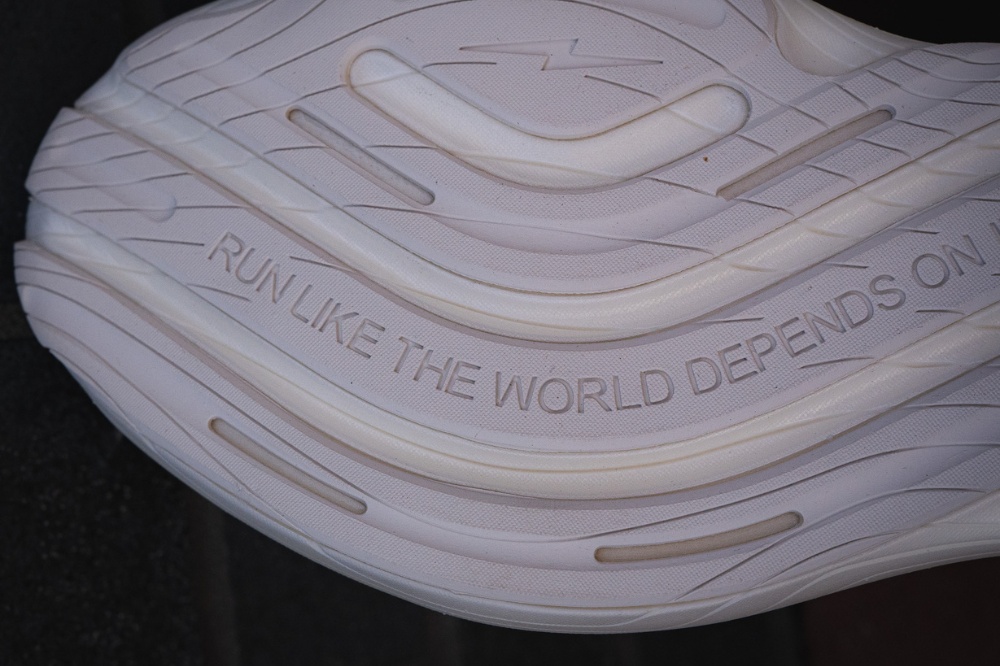
Underfoot, the outsole takes on an interesting contoured tread design, with individual channels swooping from midfoot to forefoot. The design mimics tire tread that shoots the water away in an effort to improve grip. Well, it works. We pretty much only ran in rainy London conditions and the outsole held on to pavement and sidewalks quite well. It’s a proper tread.
As far as stability goes, I felt that Hylo’s ESS support system provided everything you needed as far as medial support, heel lockdown, and guidance through the stride.
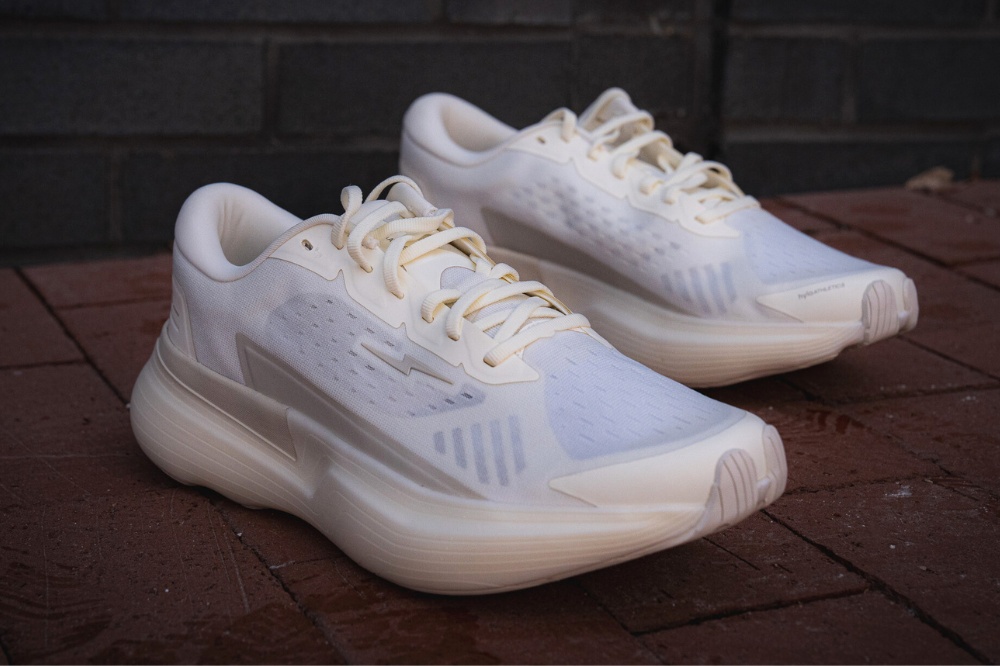
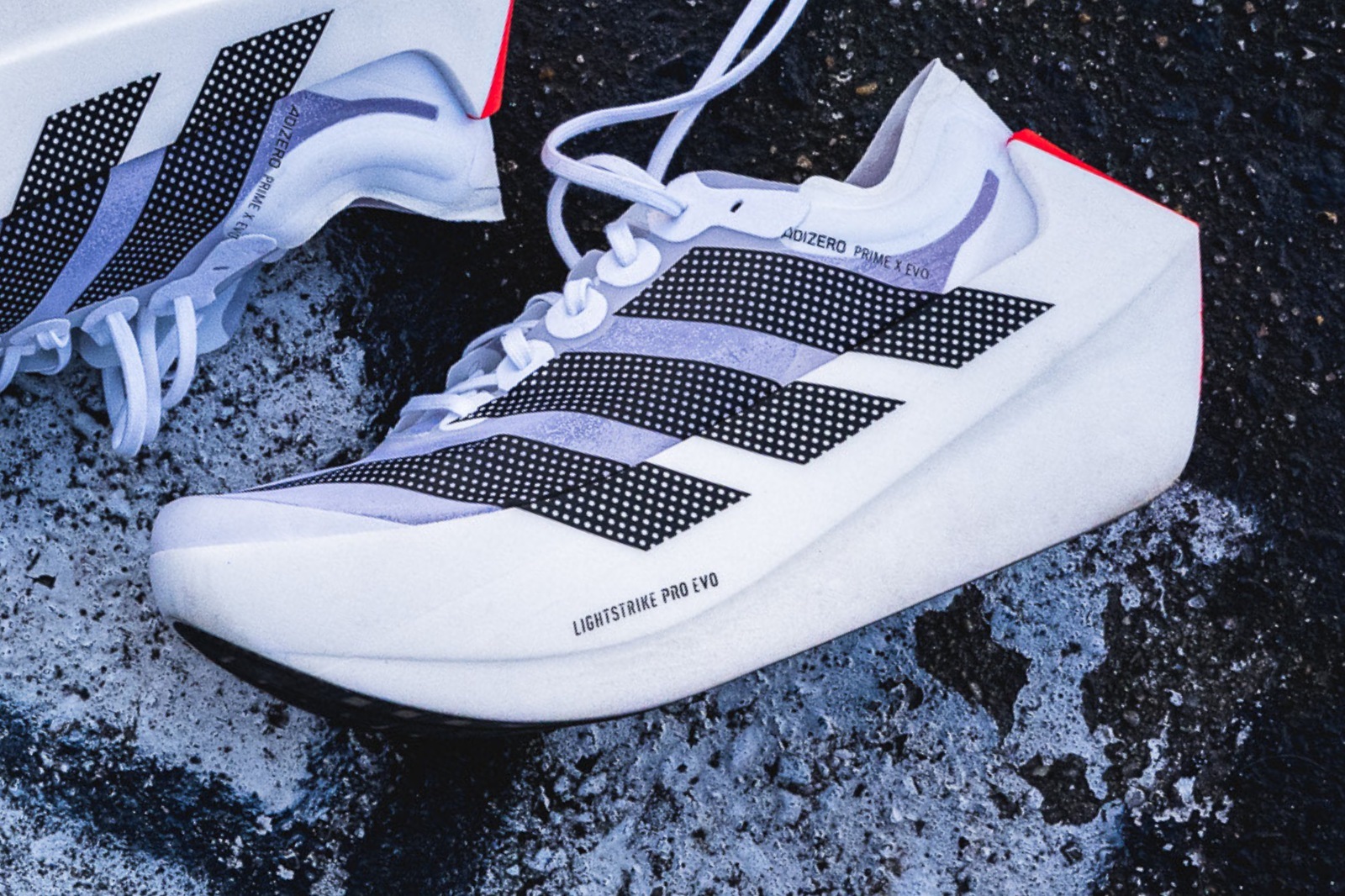
MEG: This isn’t a light shoe. My women’s size 7.5 weighed in at 9 oz (256g), which puts it in the heavier category alongside models like the Brooks Glizzy Max and the Adidas Prime X Strung — both with substantial stack and builds.
I also tend to prefer neutral shoes and don’t typically gravitate toward stability features. While this shoe is certainly wearable for a wide range of runners, the ride felt a bit firmer than I personally prefer. I actually enjoyed it more for walking and casual wear than for running. For me, it’s best suited to shorter efforts — I wouldn’t reach for it on runs over 10 miles.
One other consideration is the upper, which runs warm. That could be a plus for those walking or running in colder climates, but it may feel less ideal for harder efforts or hot-weather miles.
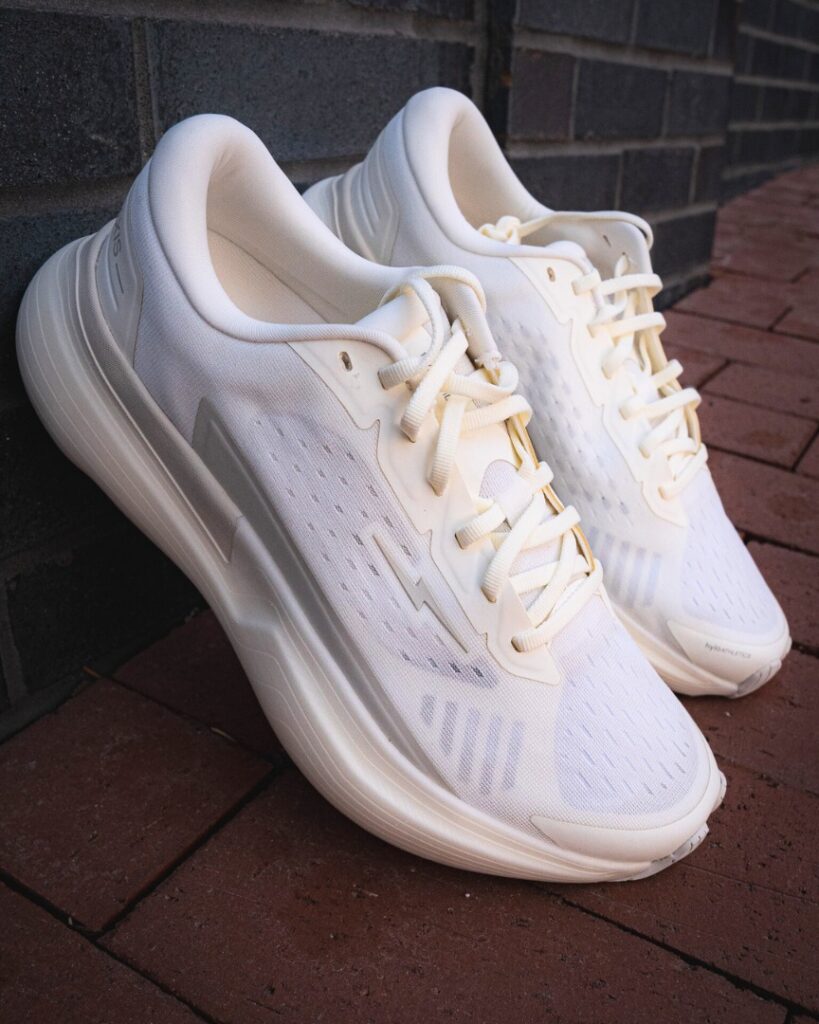
ROBBE: I wore this shoe on the way over to London and I found myself wondering why my feet were so hot. Independent of my own thoughts, Thomas mentioned the same thing. It’s just a really warm upper. The toe area was fine, but from the midfoot on back the textile used for the jacquard warp knit is somewhat inflexible and seemed a touch overbearing when compared to almost every other running shoe. My feet even felt extra warm in 50F-degree temps. The aggressive padding on the tongue– while comfortable– doesn’t help in this department. However, I have seen breathability tests done on other review sites that seem to counteract this observation, so maybe it’ll feel different for you.
I’m also just not a huge fan of the toe design with the little rubber fingers coming up the front. I’m skeptical that they won’t come unglued after 150 miles, and I also felt like the grabbed water and threw it up onto the toes when coming through the stride. Those observations are both subjective and anecdotal, but so is this entire review.
I think the shoe runs slightly long, so I went a half size down in this shoe. The length felt fine and I had enough space in front of my toes, but the ceiling in the toe box seemed to be much too shallow. If you want more space in your toe box, then you should move onto another shoe.
Then there’s the weight. Granted, stability shoes are always a bit heavier. But this one is in the top 15% of all the shoes we’ve tested in the past couple years. Truthfully, it didn’t matter as much as I thought it would on the run. However, after 8 miles into my first longer run in the shoe, I was wishing I had worn something a bit lighter. The good news for Hylo is that there are about 43 different ways to trim weight off this shoe, starting with the rubber on the outsole and parts of the upper. While I love grip and durability, I feel like Hylo could probably trim a bit off the overall thickness or alter the general design and save at least a half ounce.
That $175 price point is going to be a hard price pill for some runners to swallow. You’re going up against shoes like the Saucony Hurricane 25 ($170) and Asics Gel-Kayano 32 ($165), except they have an established track record. That said, it’s not totally ridiculous, especially since they’re a smaller brand getting off the ground and incorporating a variety of sustainability elements.
MEG: Here’s the honest take: is this the best max-stack stability shoe on the market? No. But it is a solid daily trainer– and easily the most performance-forward shoe I’ve worn in the sustainability space.
Personally, I found myself enjoying it more for walking than running, but that speaks more to my preferences than the shoe itself. For runners who appreciate added support or prefer a firmer, more stable ride, this is a very viable option.
And when you factor in the brand’s commitment to cleaner materials and meaningful sustainability efforts, the $175 price point feels fair– and, honestly, justified.
ROBBE: Obviously this isn’t going to be my first choice for a running shoe. But it’s a start for Hylo, and from everything I’ve seen going forward, I think it’s a good launching point. The pieces are coming together and will continue to do so. At the very least, it’s a pretty great casual shoe and one that will appear to runners looking for a distinct model with thoughtful design that will separate them from the pack. So if you’re someone who runs 3-5 miles every other day and wants something that looks good, provides a bit of support, and stands out amongst all the other boring running shoes out there– then you should give Hylo a try.
You can pick up the Hylo Axis for $175 on March 12 from hyloathletics.com or by using the buttons below.
Shop Hylo
Live from London with Hylo | The Drop Podcast
Have something to say? Leave a Comment



Meaghan signed up for her first marathon three weeks before the race, because it was $10 more than the half she planned to run. She learned everything in running the hard way. Now a USATF & UESCA certified run coach, she loves encouraging friends to go for big goals as she continues to chase faster times. She enjoys a hot cup of coffee, a cold martini, and making bagels for friends and family.
More from Meaghan
Robbe is the senior editor of Believe in the Run. He loves going on weird routes through Baltimore, finding trash on the ground, and running with the Faster Bastards. At home in the city, but country at heart. Loves his two boys more than anything. Has the weakest ankles in the game.
More from Robbe Read Article