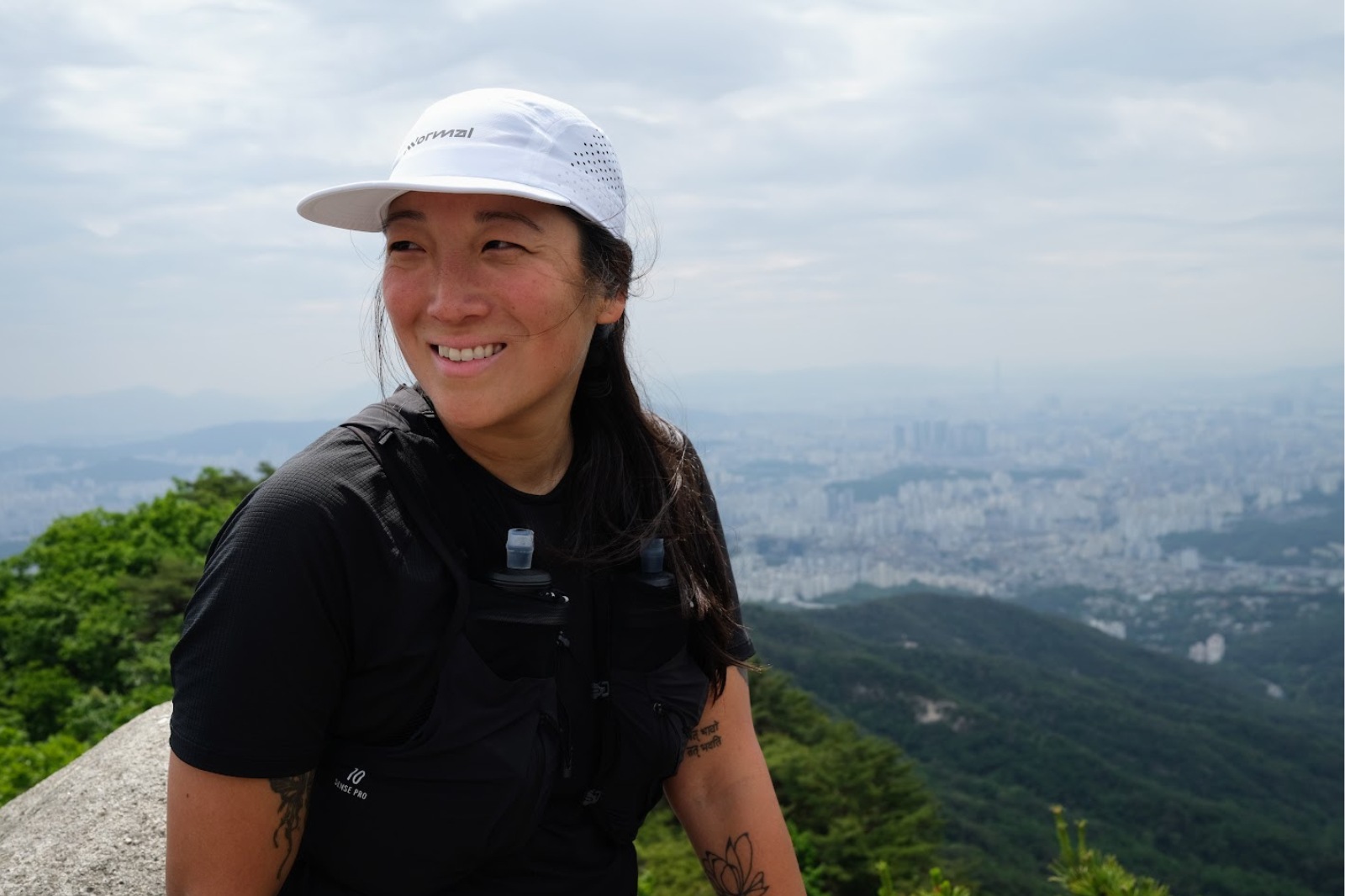
Trail reviewer Alex Elizabeth returns to her birthplace
Seoul, South Korea
An exploration of the culture of Korean running, from gear to clubs to routes
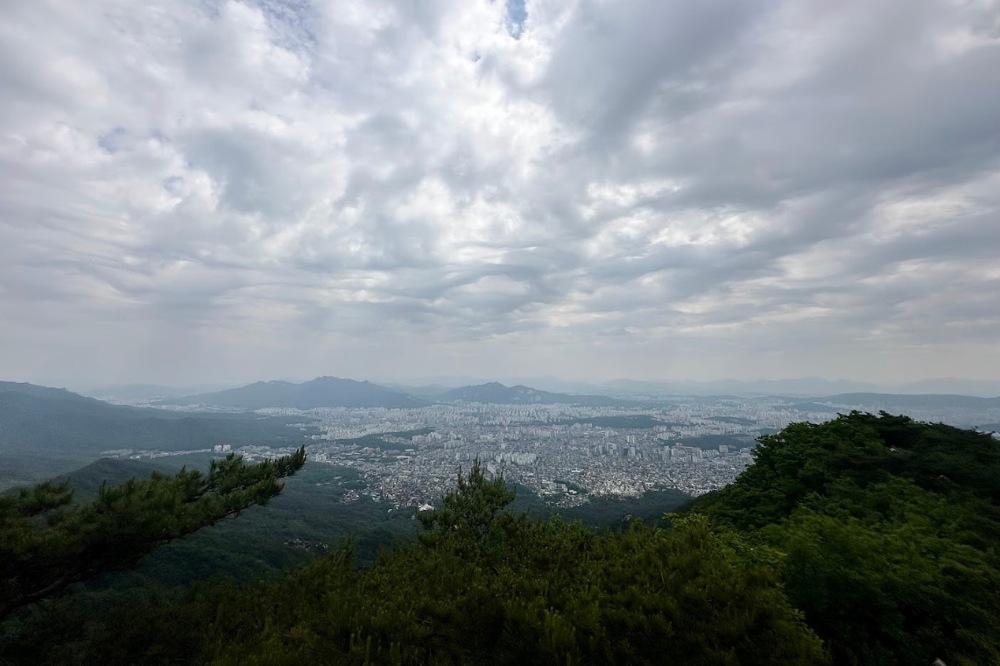
Seoul, South Korea
When I first set foot in Goodrunner, a specialty running shop in the Seongdong-gu district of South Korea, I instantly felt at home. This, despite the fact that I was 6,000 miles away from the trails of Utah, where I run every day.
As a Korean adoptee raised in the Midwest, this was my first time back to my birth country. Instead of blending in (as I had hoped), I stood out. My darker skin and visible tattoos seemed to draw more attention there than they do at home. It was already hot and humid as we walked and ran around the city, and wearing shorts and a T-shirt meant plenty of long stares.
But when I walked into Goodrunner, the shop felt familiar in the best way: walls of shoes, hydration vests lined up neatly, runners gathered around a big screen watching a European race livestream. It reminded me of the best kind of local run shop, but with a very Korean sense of order. Everything had its place.
For a moment I stopped thinking about how I stood out and just felt like another runner nerding out about gear. The running culture in Seoul might look polished on the outside, but underneath it runs on the same language runners speak everywhere.
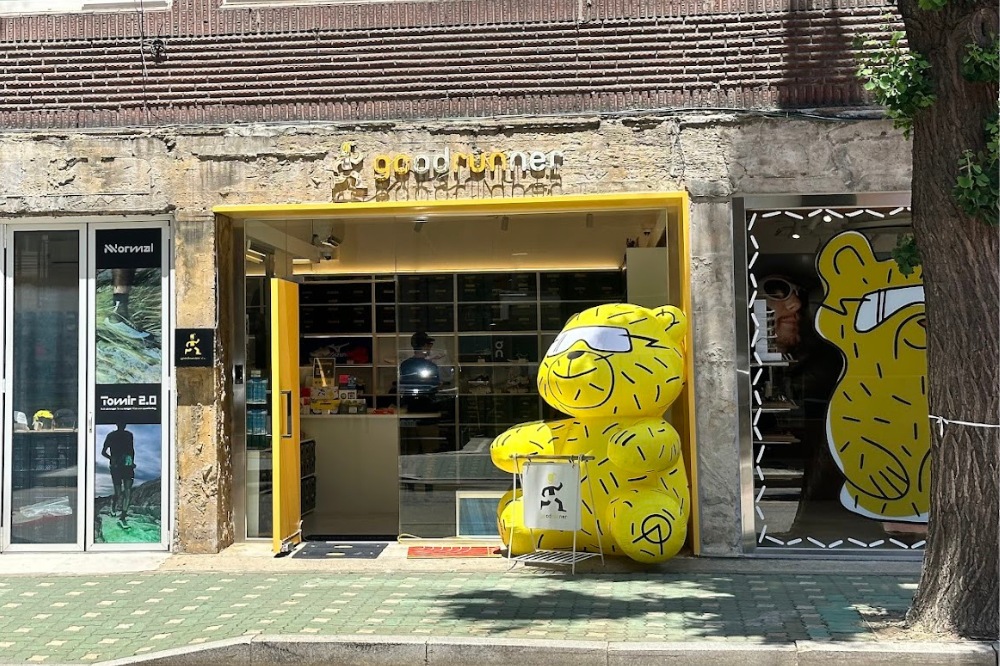
Goodrunner storefront
Running in Korea has grown quickly over the past decade. Before COVID, the scene skewed older, often runners over the age of 40. Since the pandemic, an influx of younger runners have entered the sport.
As with other countries and cultures, the growth of running in Korea coincided with the spread of global run crews, primarily promoted through social media. Running started to feel less like punishment and more like a lifestyle. Crews now form everywhere. Races sell out quickly. Even with global influence, the culture still feels uniquely Korean, carrying its own subtle subculture. You start noticing the look, one that reflected my own tastes: tattoos, piercings, shorts, tank tops. In a country where appearance norms are conservative and uniform, that style stood out.
Even so, it’s minimalism with discipline.
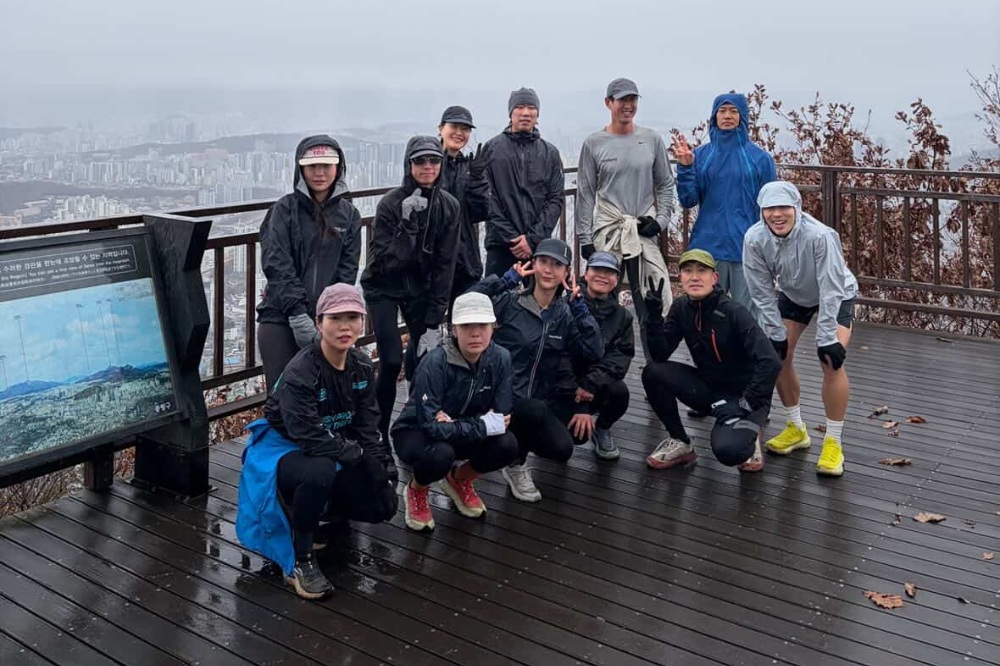
Recently, signs at Yeouido Hangang Park even discouraged shirtless running, loud cheering, and oversized groups (aka the holy trinity of American run crews). In a culture that places a high value on order and consideration in public spaces, large loud groups or shirtless runners can feel disruptive rather than celebratory.
“Public space here is shared,” explains Jooho Yum, Goodrunner shop manager.“It is not something one group can claim.”
Along the river, runners share the paths with families, elderly walkers, cyclists, and kids learning to ride bikes. Groups often split into smaller packs of five to eight runners out of respect. People naturally keep right and separate by pace. Pedestrians always have the right of way.
Yum explained that “Running symbolizes freedom. But freedom still has to fit inside shared space.”
That mindset shapes and is highly reflective of Korean culture more broadly. Team pace comes before individual pace. Consideration is more enduring than speed to ego.
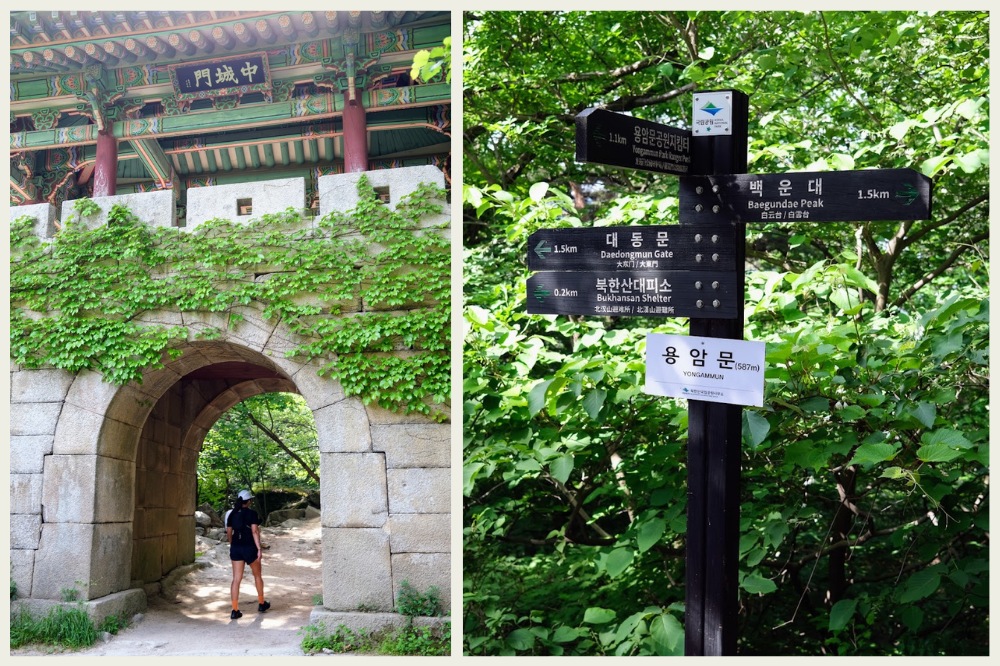
The biggest (very pleasant) surprise for me was how quickly Seoul’s city streets transition into mountain trails. The Seoul Dulle-gil loops the entire city through a massive trail system, and the Hanyangdoseong Trail follows old fortress walls along ridgelines.
You can leave a subway station and climb a mountain within twenty minutes. For a city of nearly 10 million people, that felt remarkable.
Trail running remains smaller than road running, but the runners who do it tend to be deeply committed. Most races fall in the 20–50 km range, challenging but manageable enough to balance with everyday life.
Jooho Yum summed it up perfectly: “Road running emphasizes efficiency. Trail running emphasizes experience.”
On the trails you see slim hydration vests, neutral shells, and plenty of CAYL packs. All technical gear, but always understated. Coming from the mountain west in the U.S., I expected Seoul to feel dense and urban. Instead it felt like a megacity sitting inside a trail network.
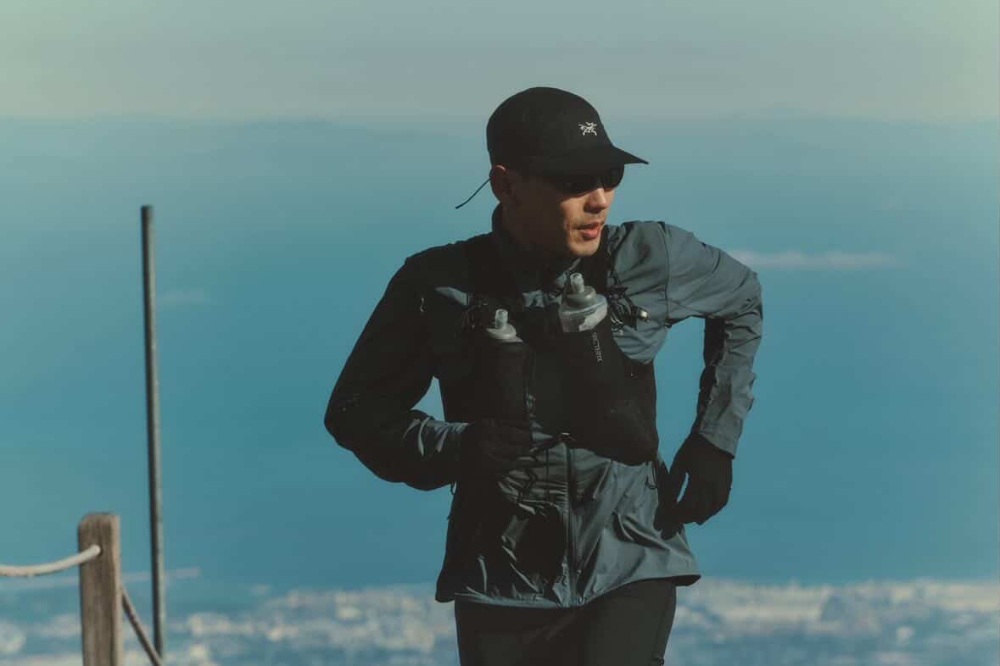
Korean runners love their gear, just like American runners do. But the vibe is a little different. Global brands dominate— Hoka, Asics, Salomon, Arc’teryx, Garmin, and Suunto—but the way people wear them feels a bit more intentional. Neutral palettes. Clean silhouettes. Technical fabrics that look sharp without being flashy. Design matters here, but performance matters first.
Expensive gear isn’t really about showing off. It’s about finding what works and sticking with it. Says Yum: “How long someone stays committed matters more than how fast they are.”
That philosophy carries over into the gear culture. Instead of chasing trends, runners tend to build thoughtful rotations and focus on consistency.
One brand that stands out is CAYL (Climb As You Love), Korea’s homegrown mountain brand. You see their packs and technical layers often on the trails around the city.
Gear here isn’t loud. It’s carefully curated. And increasingly, gear is seen not just as equipment but as part of personal identity. Brands that resonate in Korea often do so through community and philosophy as much as performance.
View this post on Instagram
Daily Trainers
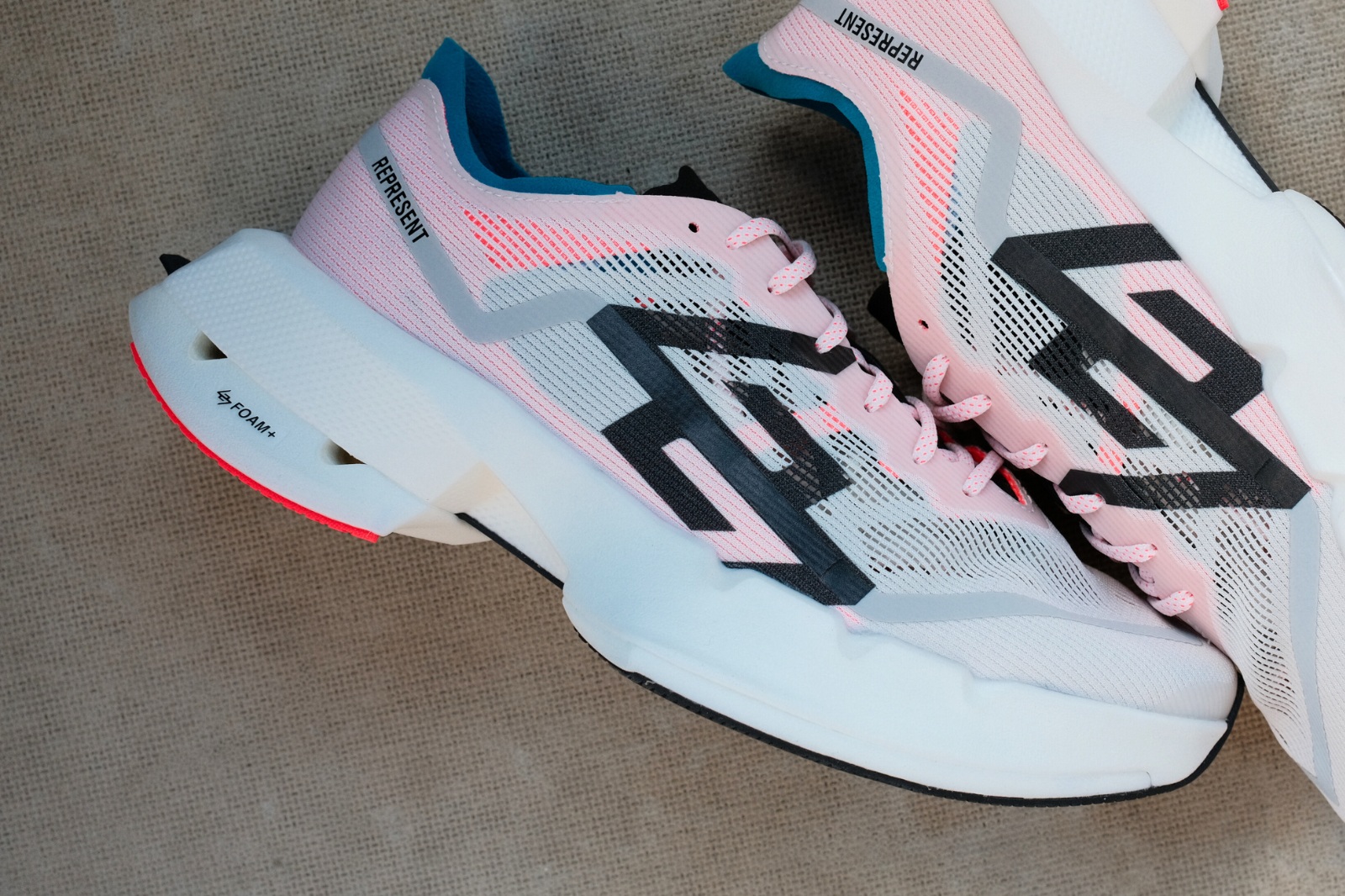
Hoka Clifton and Mach models appear frequently, along with Asics shoes like the Superblast and Metaspeed.
Trail Shoes
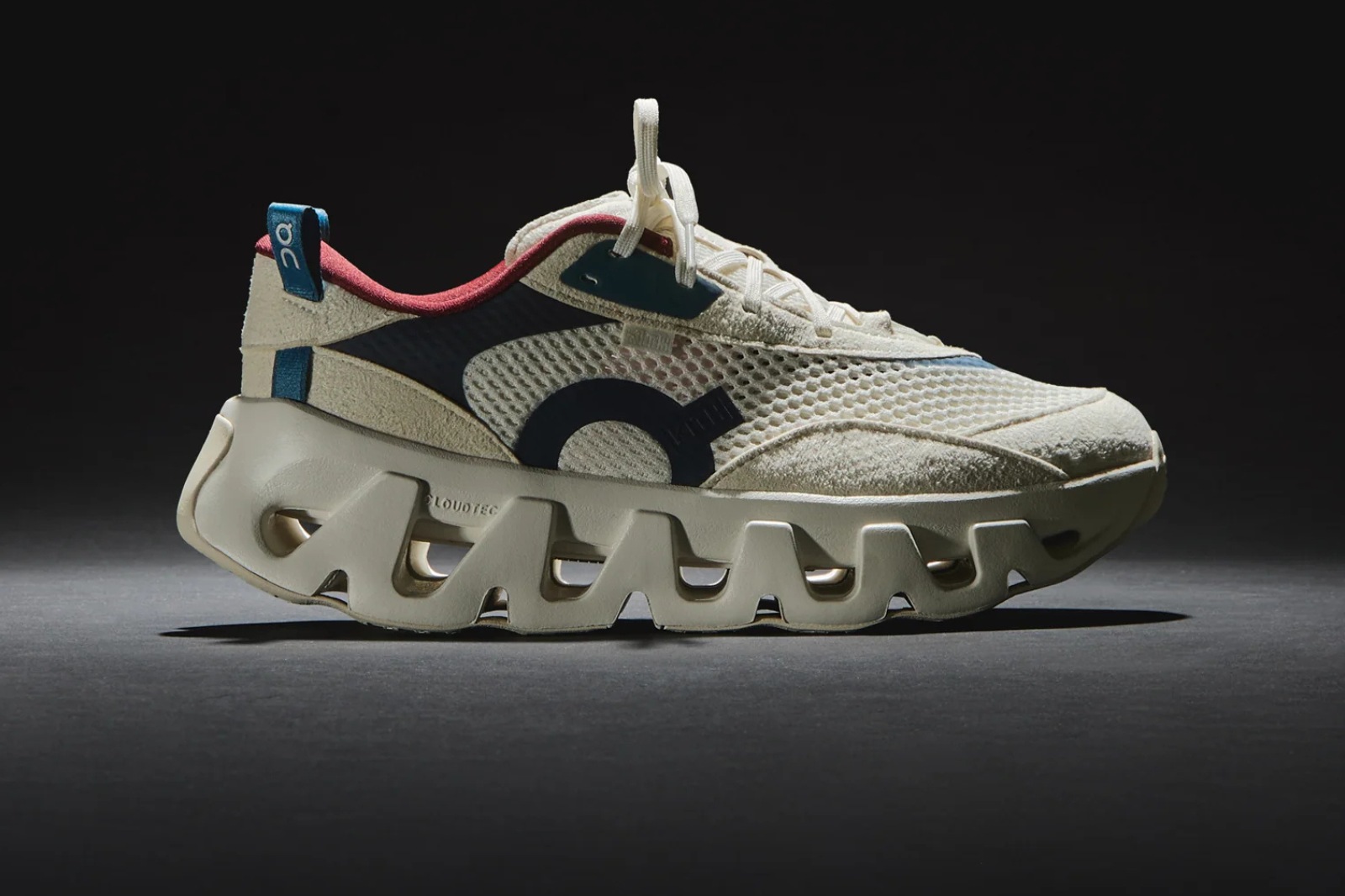
Trail runners lean heavily toward Salomon models for grip on Seoul’s steep terrain. We also noticed smaller, niche brands like Norda and NNormal.
Mountain Gear
CAYL and Arc’teryx packs and shells show up everywhere on routes like the Seoul Dulle-gil.
Watches
Nearly everyone tracks something. Garmin dominates, though Suunto appears too.
The Look
Neutral colors.
Clean silhouettes.
Technical fabrics.
Matching socks and coordinated kits.
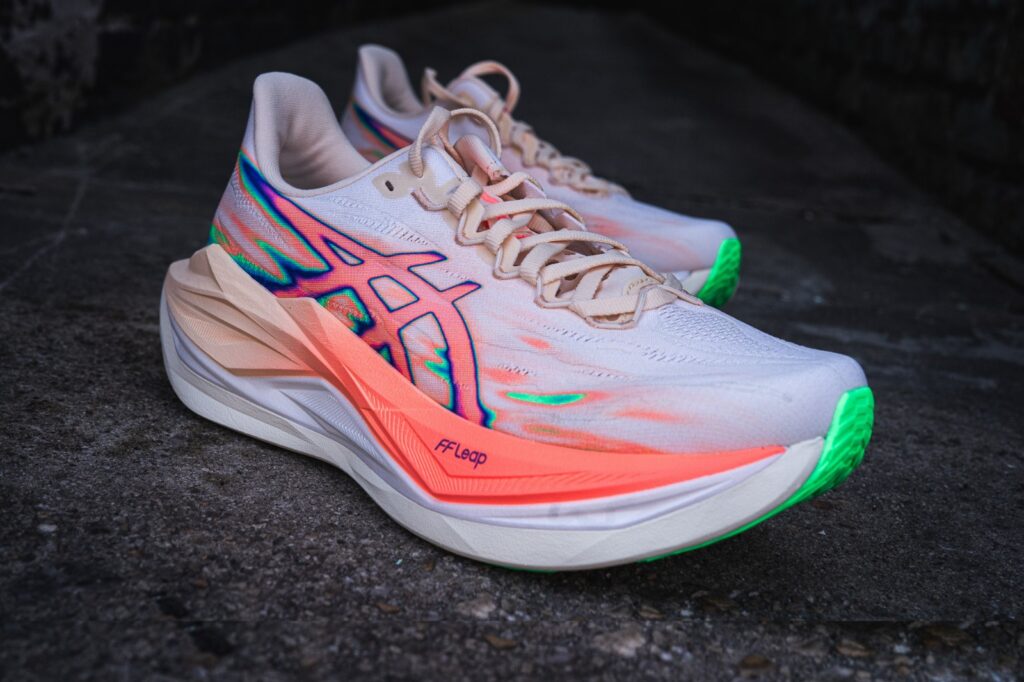
Asics Superblast 3
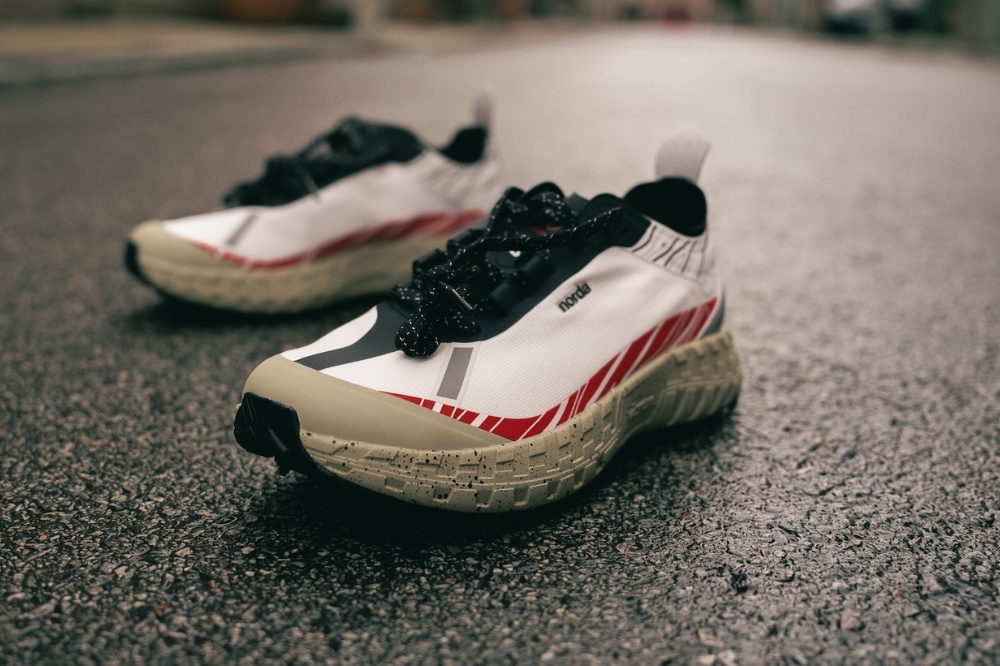
Norda
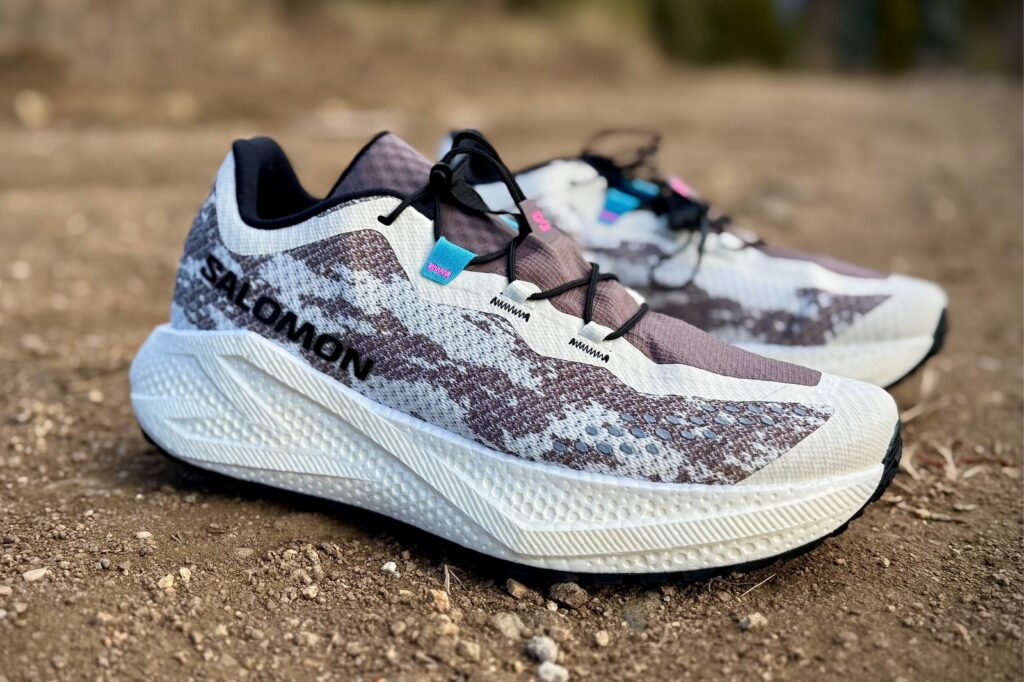
Salomon
One of the most surprising things about running in Seoul is how quickly you can move between dense urban streets and mountain trails.
For a city of nearly ten million people, the access to running routes is remarkable.
Han River Paths
The heart of Seoul’s running scene. Miles of flat, well-lit paths follow the river, making it one of the best places anywhere for urban running.
Namsan
A favorite for hill workouts right in the middle of the city. The shaded road loops stay cooler in the summer and offer steady climbing with skyline views.
Seoul Dulle-gil
A massive trail network that circles the city. Many sections connect directly to subway stations, making it easy to run a short trail loop without leaving Seoul.
Hanyangdoseong Trail
One of the most unique running routes anywhere. The trail follows the ancient Seoul city wall across mountain ridges overlooking the city.
Together these routes show what makes Seoul special as a running city: pavement, river paths, and mountain trails all woven together.
“If you ever have the chance to visit Seoul, I highly recommend exploring its running routes. The Han River and Namsan for road running are great, but trails like the Seoul Dulle-gil and Hanyangdoseong Trail offer a deeper connection to Korean landscapes and history.”
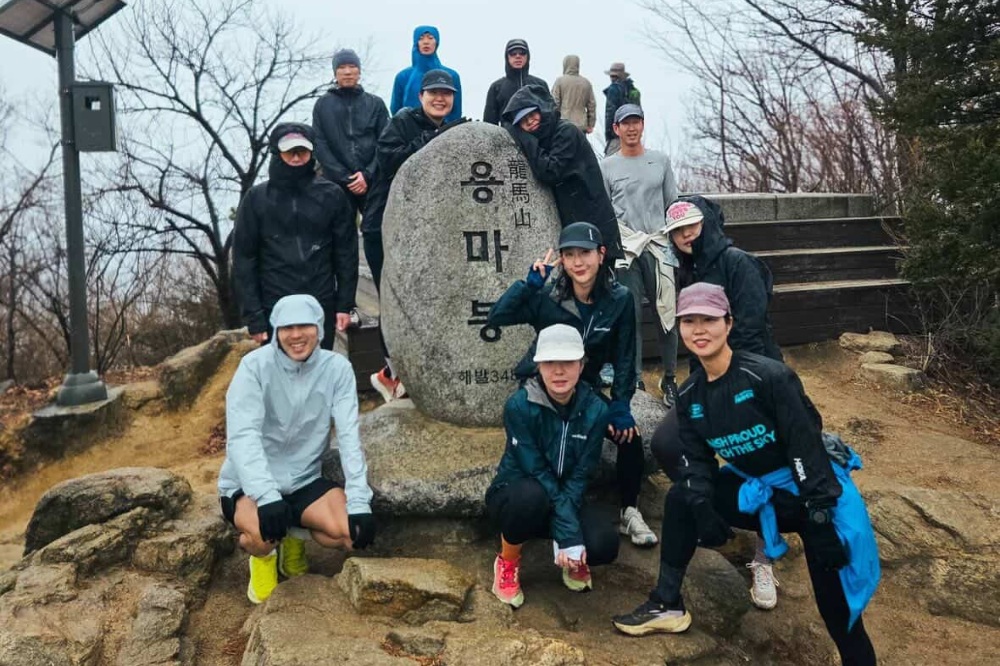
Before stepping into Goodrunner, I felt hyper-aware of myself in Seoul.
Afterward, I just felt like another runner. In Seoul, running isn’t just exercise. It’s identity, culture, and community, all moving at the same pace.
Have something to say? Leave a Comment
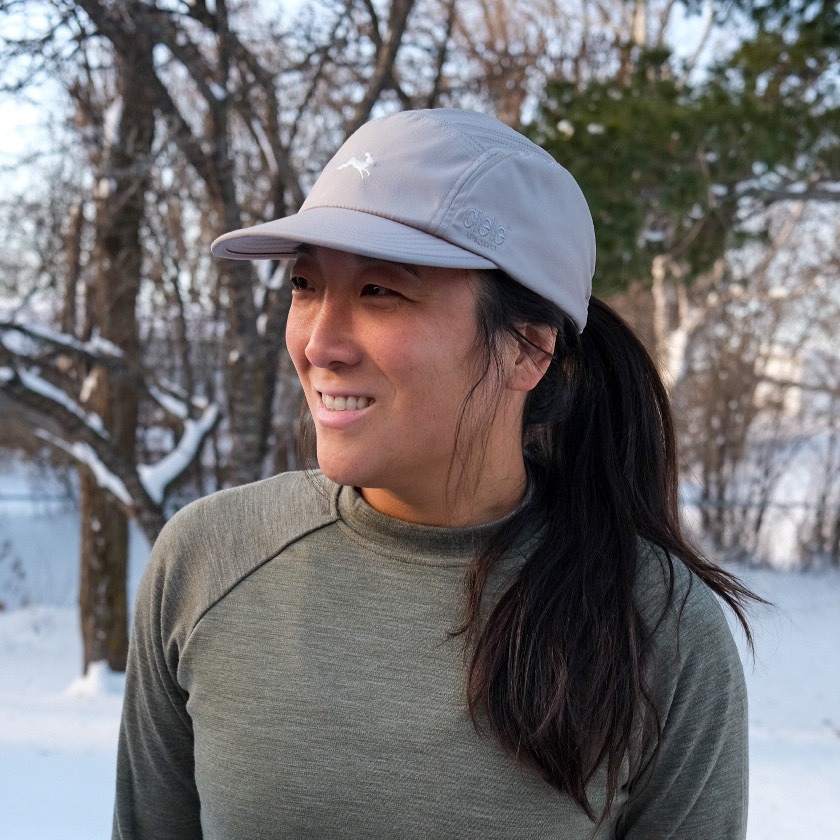

Alex is a trail and ultra runner from the upper midwest who loves Minnesota’s long winters and logging miles on the rooty, rocky, steep trails of Lake Superior’s North Shore. She was the first female to set a supported FKT on the 310 mile Superior Hiking Trail (SHT) and enjoys multi-day events and races, especially if they involve snow and -20 degree temps.
All-time favorite shoes: Hoka Speedgoat Evo, Hoka Tecton X, Altra Timp.
More from Alex