
We independently review everything we recommend. When you buy through our links, we may earn a commission.
3.07 oz. (87 g)
1.5-inch AMOLED display
Up to 65 hours of battery life in multi-band mode
Dual Frequency, 5 Systems (GPS, GLONASS, GALILEO, QZSS, BEIDOU)
115-plus sport modes, offline maps and navigation, personalized training guidance
$599 (stainless steel) or $699 (titanium)
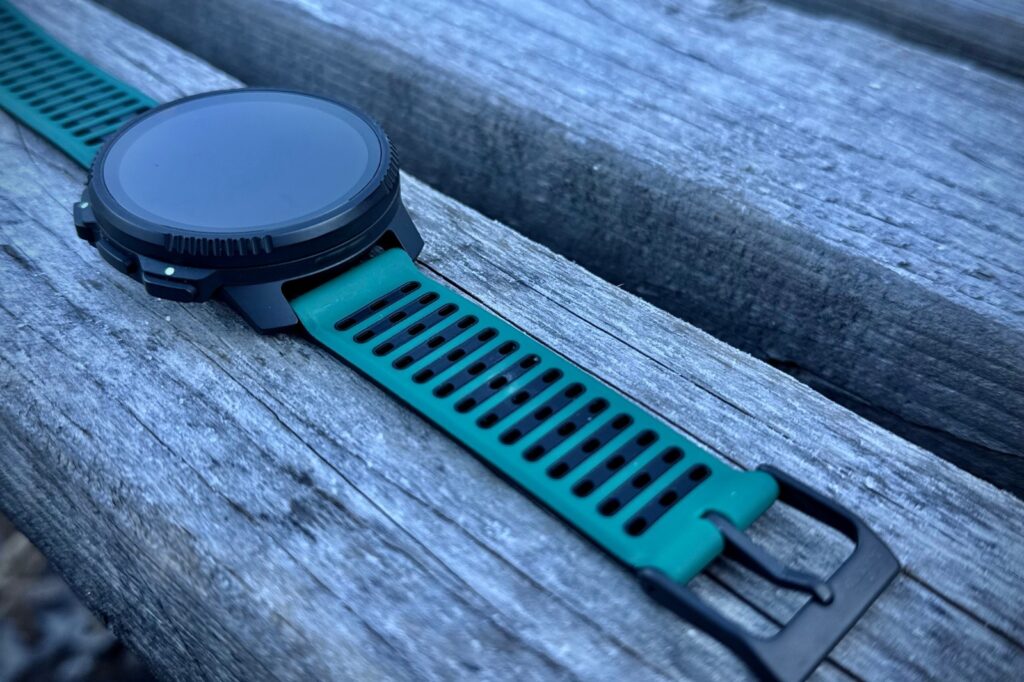
TAYLOR: Talk about making a 180-degree turn and putting the pedal to the metal! That’s what Suunto did with its latest attempt to re-establish itself as a top-tier performance watch brand. I had a feeling it was onto something bigger and brighter when reviewing the Suunto Race 2, and now I want to see if it can solidify that sentiment. If so, Suunto has gone from largely discredited in my mind to 100% viable.
I can’t help but reiterate the story of how badly I wanted a Suunto watch back in the day. It was viewed as THE trail running watch company, but that quickly waned due to other players in the market simply outperforming the original mountain-centric GPS watches. In recent history, comparing data between brands reveals almost always glaring discrepancies between Suunto and other major brands.
Not anymore, though. As I mentioned, the Suunto Race 2 changed my perception, while the Vertical 2 reaffirmed my findings.
The Suunto Vertical 2 is the brand’s all-mountain ultra-ready watch. While it does have some adventure-specific components, it shares many similarities with the previously reviewed Race 2, which effectively means this is a solid watch already.
I received the stainless steel version ($599) with the pine green silicone band for review.
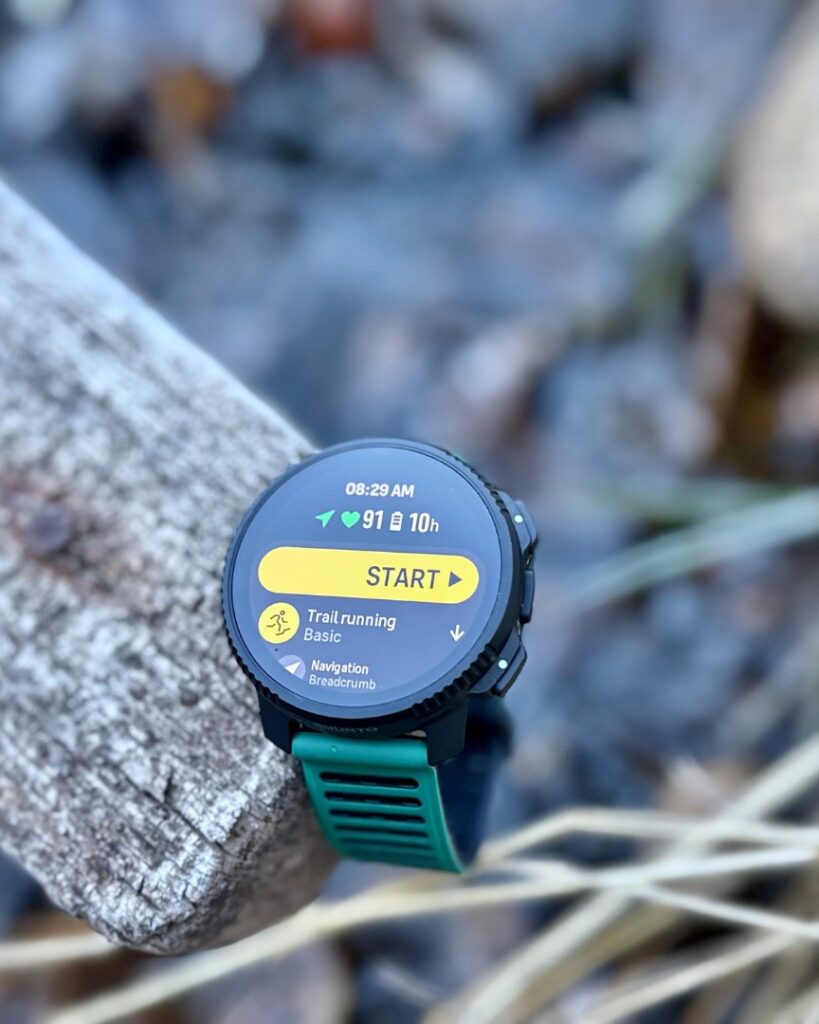
TAYLOR: As mentioned in the Race 2 review, the validity of Suunto’s GPS and integrated algorithms was the most significant reason why many athletes either jumped ship or ignored Suunto watches previously.
That is no longer an excuse. The Suunto Vertical 2 utilizes the five major satellite systems, which are the same systems used by every major player in the GPS watch industry. This means that at any time, Vertical 2 can utilize the most accessible and accurate GPS available.
What sets the Vertical 2 apart from the Race 2 is its multi-band/dual frequency capability, meaning it can draw from multiple satellite systems simultaneously. The benefit of this is basically pinpoint accuracy and more consistent data. This was especially useful for steep terrain, inclement conditions, and activities such as climbing, mountaineering, skiing, and steep trail running.
I compared my Suunto Vertical 2 with multiple other GPS devices, and it was always very close, if not spot on, comparatively, and that was mostly in the single-band high-accuracy mode.
I have zero concerns with the accuracy of the Suunto Vertical 2. In fact, it’s the opposite. I feel very confident in the GPS tracking and data it collected, no matter the terrain I was on or the activity I was doing.
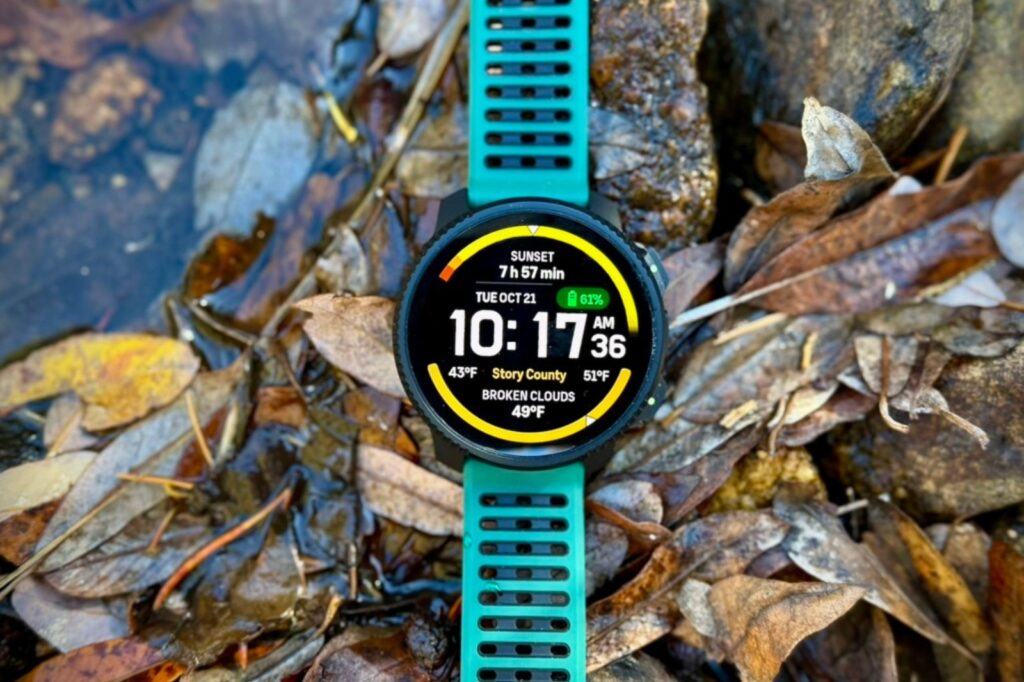
TAYLOR: Here’s a wild one. Suunto boasts a best-in-class battery life for a multi-band/dual frequency watch. They claim up to 55 hours of use in this highest accuracy setting! Another reason this is bonkers is because of the large AMOLED screen that eats up battery more than the MIP screen found on watches like the Coros Vertix 2s.
In the more standard GPS setting (all-systems single-band), it will be able to go nearly 65 hours. The battery, based on my daily use and activities, seemed to live up to this claim. Comparatively, in this particular setting, this falls in the middle of the battery life spectrum. The Coros Vertix 2 boasts 140 hours, while the Garmin Fenix 8 gets anywhere between 30 and 48 hours (depending on the size).
Switch it into the low-frequency mode, and you will get up to 250 hours of GPS use. Even though this is the least accurate setting, it can get you fairly close data tracking for a week and a half on end. If you’re embarking on an adventure like that, well, good luck!
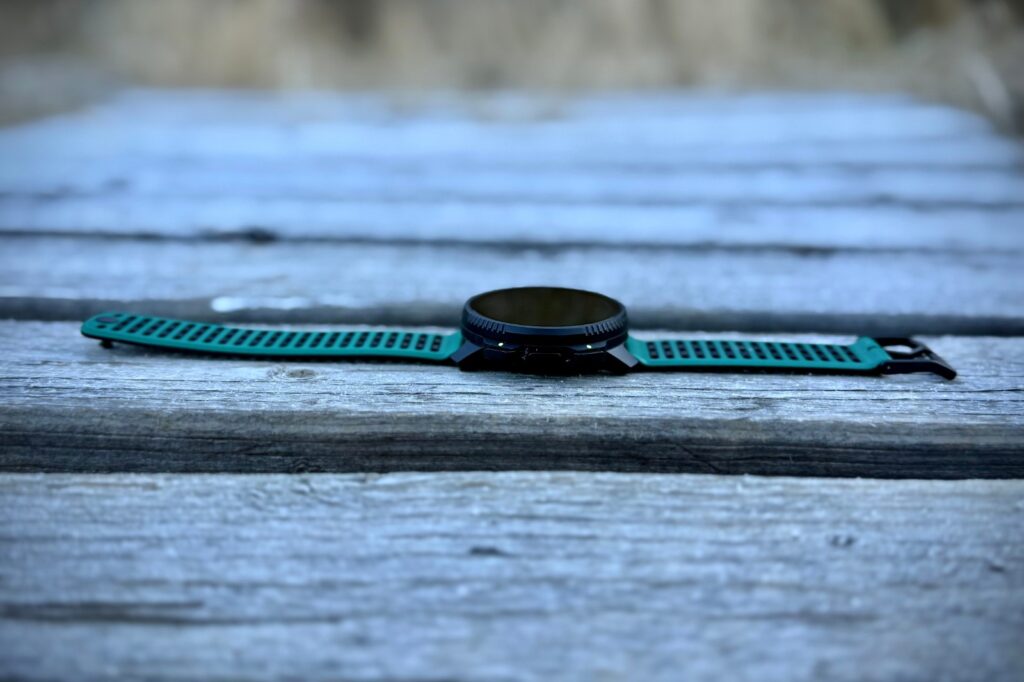
Shop Suunto Vertical 2TAYLOR: I ain’t gonna lie… this is a hefty watch. If you’re not used to a heavier piece of gear, it might be a surprise, but I got used to the 3.07oz (87g) watch. That could be because I typically wear the Coros Vertix 2s, which is very much in the same category, just not quite as heavy. Know that off the bat.
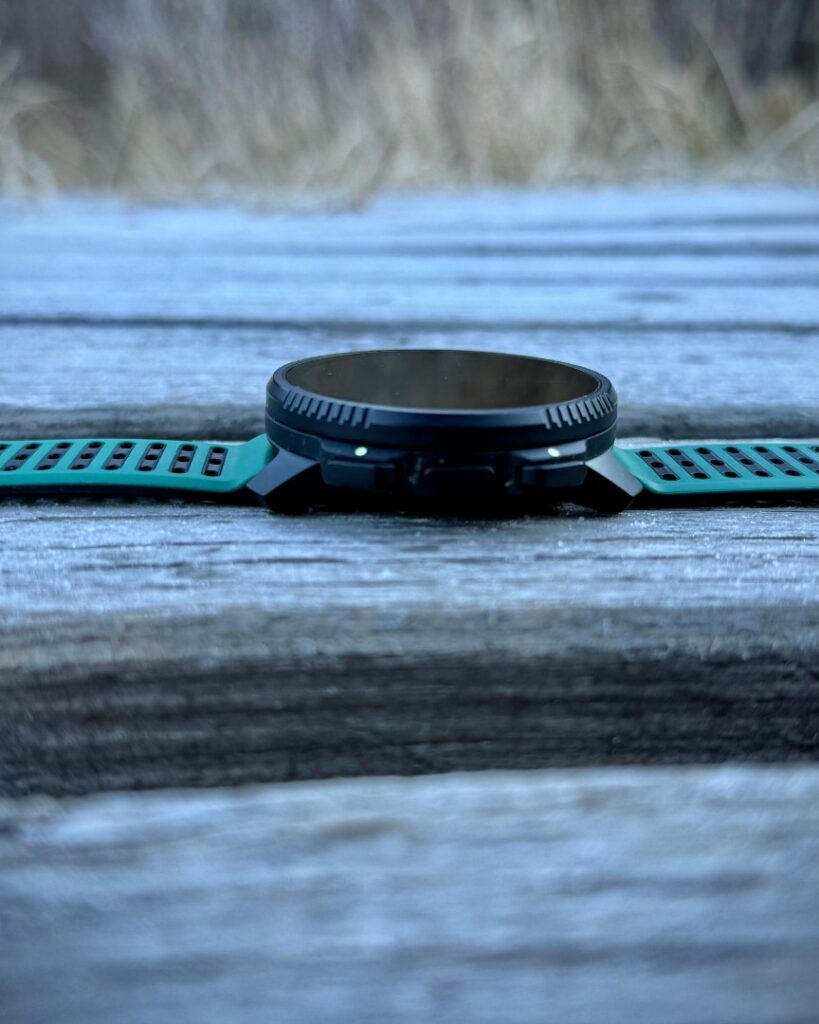
At the same time, it wore really dang well for the weight. Suunto updated the Vertical 2’s backside to lie better on the wrist. The goal was two-fold: 1) comfort and 2) to get a better heart rate reading. Both were achieved. Even though it is virtually the same radius as the Race 2, it somehow fits more securely on my wrist
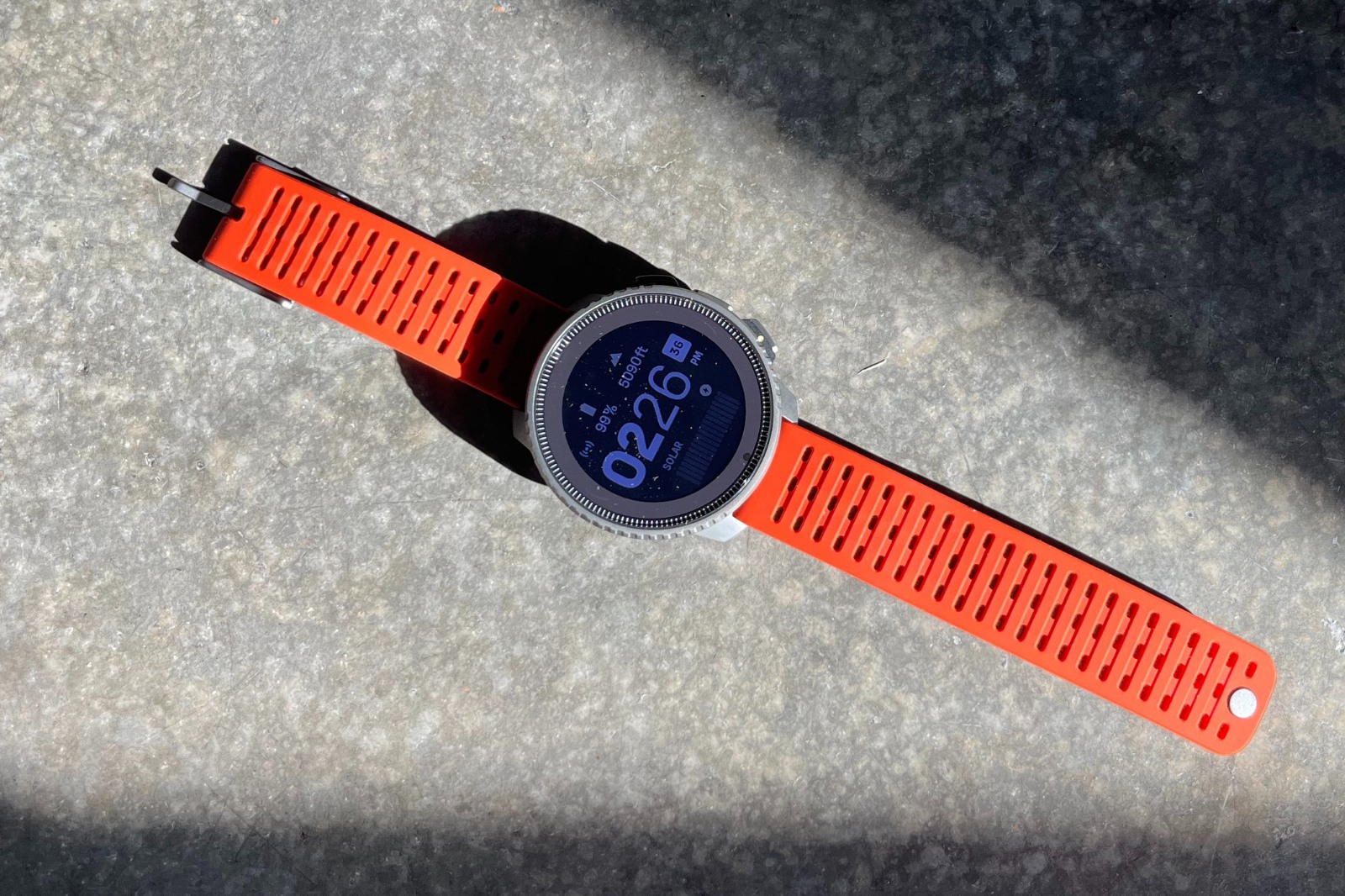
While I personally prefer a nylon band with velcro, Suunto’s standard silicone band was undoubtedly comfortable. The multiple holes along the band allowed for incremental adjustments (the main reason I prefer the velcro strap).
As expected, the large stainless steel bezel and sapphire glass (the second hardest glass known to man) were extremely protective. These components are among the main reasons I typically prefer an “adventure” grade watch. It’s such a stout build. There’s really no reason to worry about bumps, drops, or scratches. The only signs of wear were slight scratches on the bezel’s paint.
The titanium version boasts a slightly lighter and more durable build.
While the Suunto Vertical 2 is meant for those seeking elevation, it can also handle dives down to 100 meters.

TAYLOR: The most obvious difference with the Suunto Vertical 2 is the bold and beautiful 1.5-inch AMOLED screen. Honestly, I never knew I wanted it until I had it. It’s the cleanest display (along with the Race 2) that I’ve experienced on a watch. There’s great color contrast, additional tidbits of information, and animations that simply are not possible with the more traditional MIPS display.
My main issue with the AMOLED display is that it turned off quickly, and there was a noticeable lag before the screen lit up when I lifted my wrist. It is an easy thing to change by turning on the “Always on display” option. The downside to that is a shorter battery life. Which, if you’re not going for days on end, will be okay.
A sleek and simple design enabled easy navigation between screens. It is a touch screen that can also be toggled via a series of three buttons on the side. I have become accustomed to the dial on the Coros series of watches and the Suunto Race 2, but I managed to survive without it. Honestly, the buttons were marginally easier to press when wearing gloves. Therefore, there is a functional benefit to this design.
Suunto has more modes of movement on its watches than any other brand. There are more than 115 activities to choose from, which is borderline absurd. So, there’s likely a mode for anything you get yourself into.
Shop Suunto Vertical 2TAYLOR: If you’re into maps, the Suunto Vertical 2 will more than wet your whistle. Thanks to the new processor, attention to detail in mapping, and AMOLED screen, the maps are not only useful but also downright beautiful.
It’s worth noting how much detail can be packed onto a 1.5-inch screen due to the AMOLED technology. It’s an enhancement that, once experienced, may cause you to never go back to another type of screen. There’s true depth and color to the visuals.
Each region requires a map download from the Suunto app. There are many map layers (light, dark, high contrast, and winter) as well as different ways to interact with them during your activity. I appreciated the customization based on what type of activity I was doing. You can choose map layers, zoom, orientation, etc, to better explore your surroundings. The one thing that I think it lacked was the ability to see street names, trail names, etc.
Of course, there’s an ability to create routes on the Suunto app and send them to your watch for detailed guidance. This is especially great in new areas or races that require a specific route to follow. The dependable GPS tracking also made it easier to trust the directions I was being given.
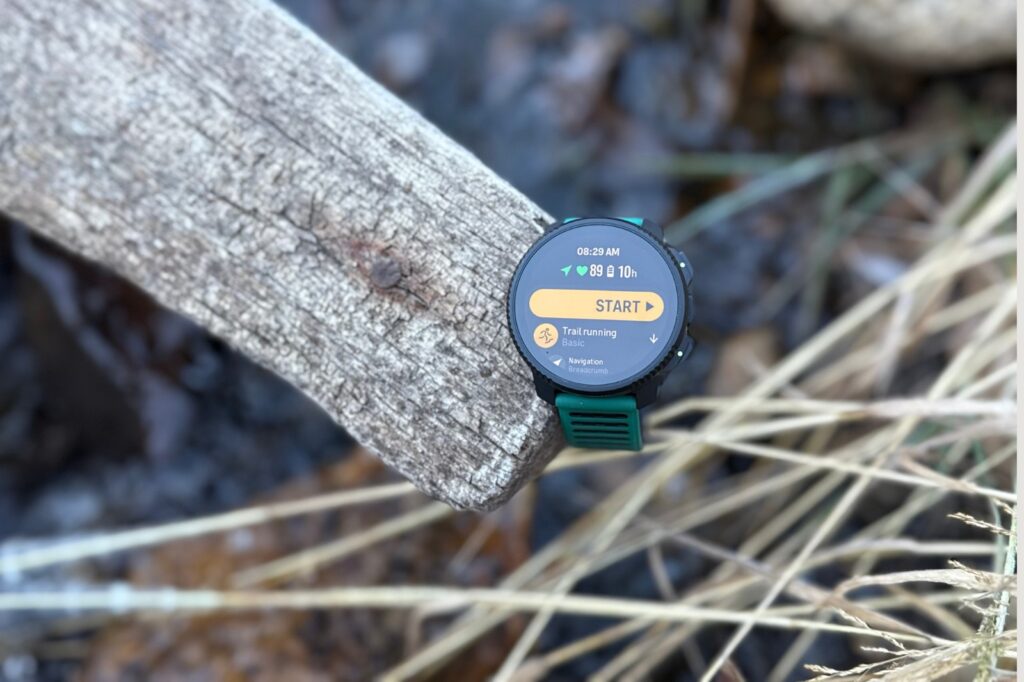
As far as music goes, there’s an ability to control music on a secondary device, but not store music or use an app on the watch itself. If you tend to bring your phone or other Bluetooth device with music, it can be controlled through your Vertical 2.
The same goes for payments and phone calls. There’s no ability to do either of those directly from the watch itself; however, you can answer or decline a phone call on your watch and use your phone to complete the rest.
One feature that is especially helpful in a pinch is an integrated LED flashlight. No, it’s not just brightening the screen. The watch actually features a built-in flashlight. It is bright, but only emits a few lumens of light. Again, this won’t be a substitute for external lighting, but it can be helpful when you drop something underneath your car seat or accidentally spend a little too much time on the trail and need some assistance getting back to the car.
Shop Suunto Vertical 2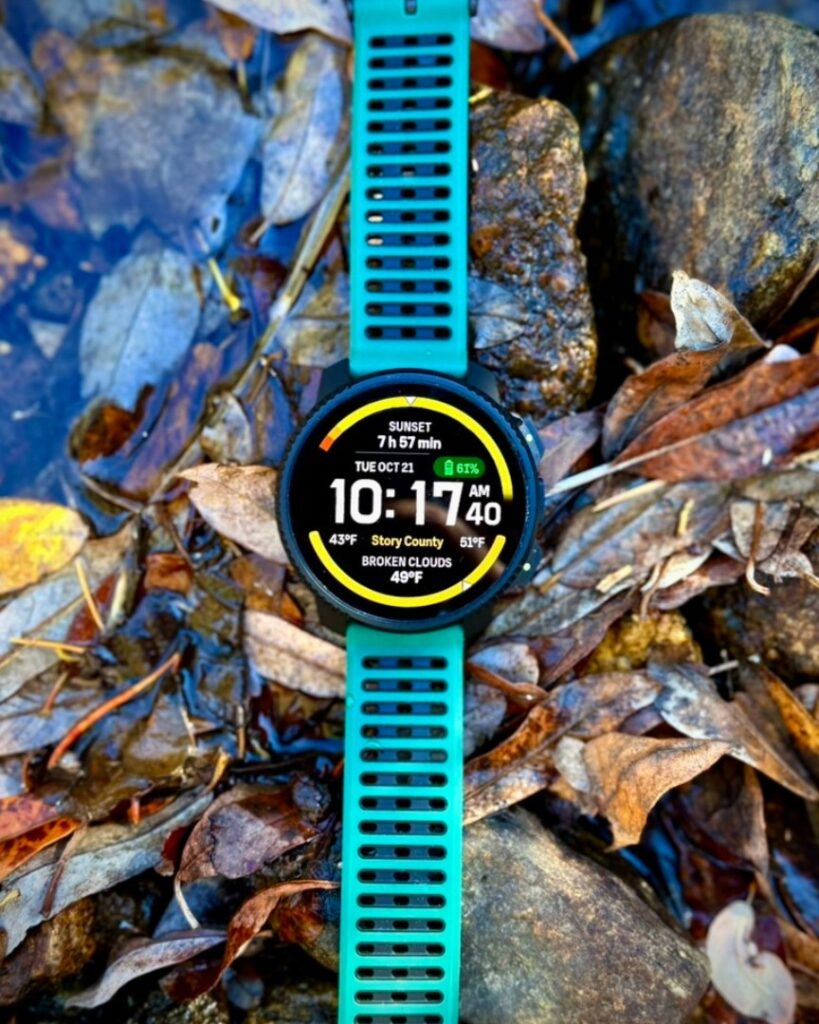
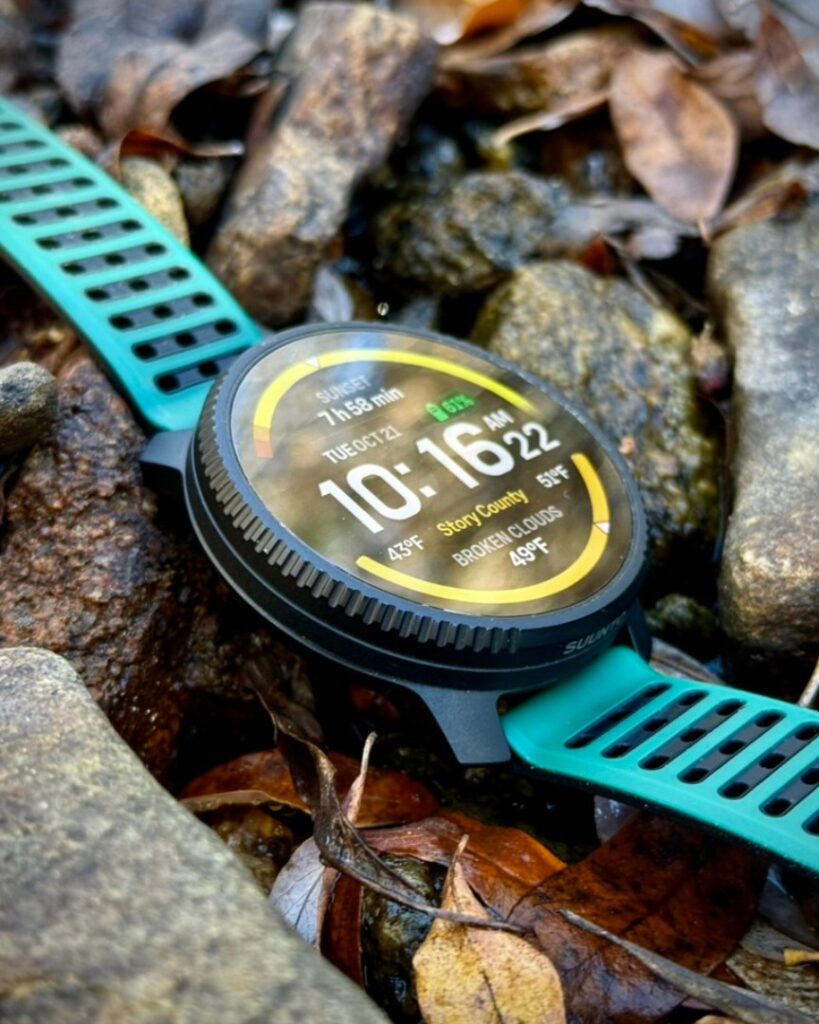
TAYLOR: Suunto captures much of the “typical” training data folks are looking for in a wrist companion. The updated heart rate monitor and GPS tracking greatly improve the reliability of the data recorded.
Metrics like heart rate, HRV, sleep tracking, steps, and weekly/monthly data are all neatly displayed on the dashboard. They synthesize this information into various categories, incorporating training recommendations from the Suunto Coach. While this data is seen as “typical,” Suunto’s app does a great job at making it digestible and clean for viewing. And let me tell ya, data isn’t useful unless you look at it.
TAYLOR: The only reason I’m not blown off my rocker by the Suunto Vertical 2 is that I knew what to expect from the updates made on their Race 2. Compared to past models, they have completely revitalized their brand legitimacy with great-performing watches, a stellar app, and a clean design.
The Suunto Vertical 2 should certainly be on your radar if you’re looking for a watch that boasts a beautiful screen, a sturdy build, high levels of GPS/heart rate data, and a long battery life to boot. There will be some who want the premium extras, such as a music app or tap-to-pay options, but this watch is designed for the mountains, not urban environments.
If you don’t absolutely need 65-plus hours of battery life, dual-frequency accuracy, and an integrated LED flashlight, you may want to consider the Suunto Race 2, which offers very similar performance and features. However, if all that sounds peachy, I don’t think you would be disappointed with your choice in the Suunto Vertical 2.
You can pick up the Suunto Vertical 2 in four different colors (stainless steel trim, $599) and two different colors (titanium trim, $699) by using the shop link below.
Shop Suunto Vertical 2
Have something to say? Leave a Comment



Taylor Bodin is a trail and ultra runner living in Estes Park, Colo., with his wife and daughters. As the head of the Dirt Division at Believe in the Run, trail running is pretty much the only hobby he can manage right now and loves it. Every so often, he will pop off a race or FKT attempt because competition is pure and the original motivator for him getting into running anyway.
More from Taylor









I own a Vertical 2 for 4 months now. Watch looks good but GPS reception is very bad: tracks look jagged. Pace is way of. Customer service is very poor to say the least Busy trying to get it repaired for more then two months now and sending it for repair for the second time. Suunto seems to be unwilling to solve the problem. Would strongly recommend to buy a different brand.