
We independently review everything we recommend. When you buy through our links, we may earn a commission.
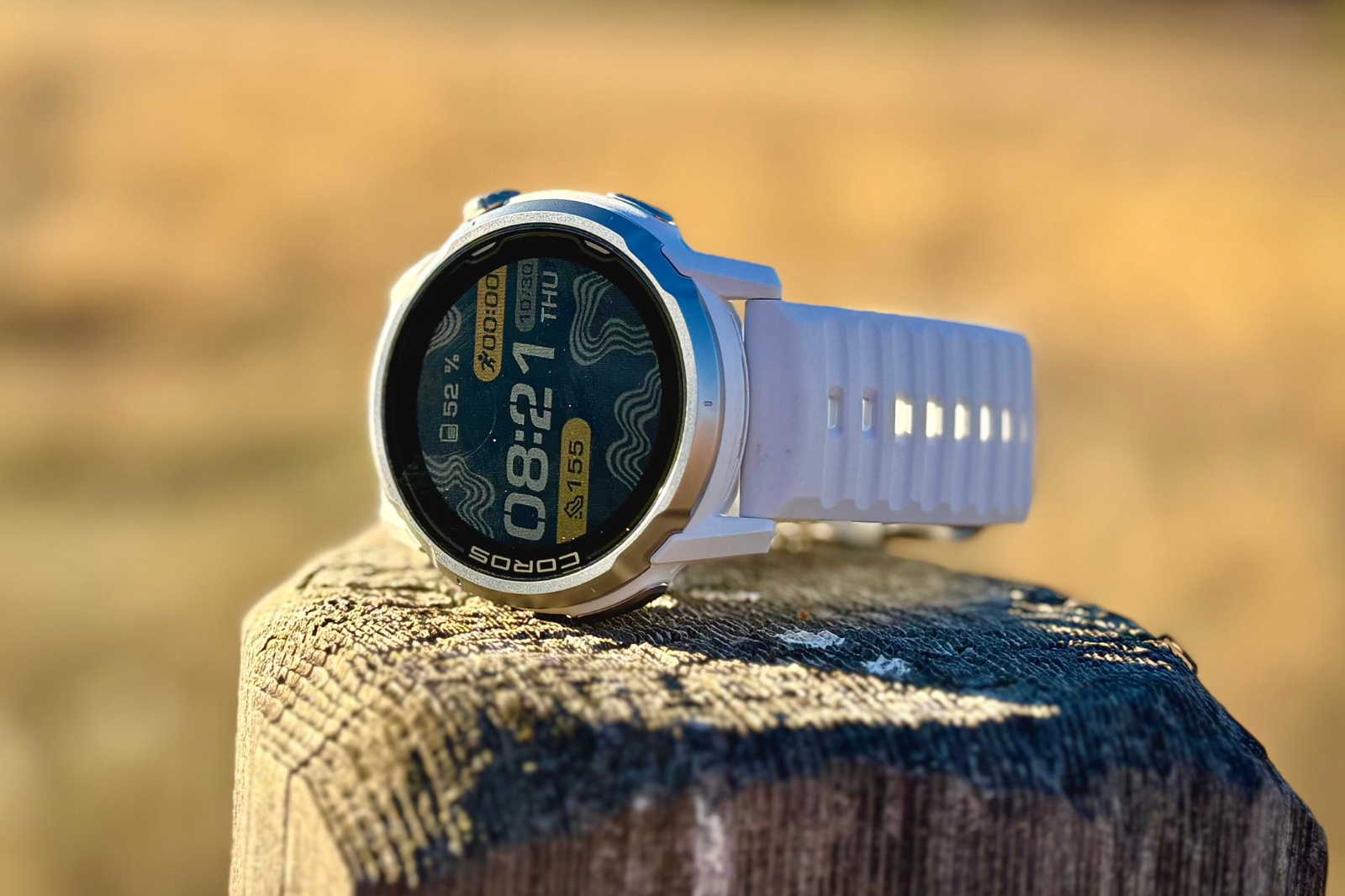
Coros Apex 4, mountain sports GPS watch (but great for running too)
Sapphire glass screen, reinforced polymer case, offline global maps with trail and street names, touch screen, built-in mic and speaker
65 hrs of endurance mode GPS (46mm), 41 hrs of full GPS (42mm)
42 mm and 46 mm
Memory-in-Pixel touch screen with sharp contrast and easy readability in sun, snow, or shadow
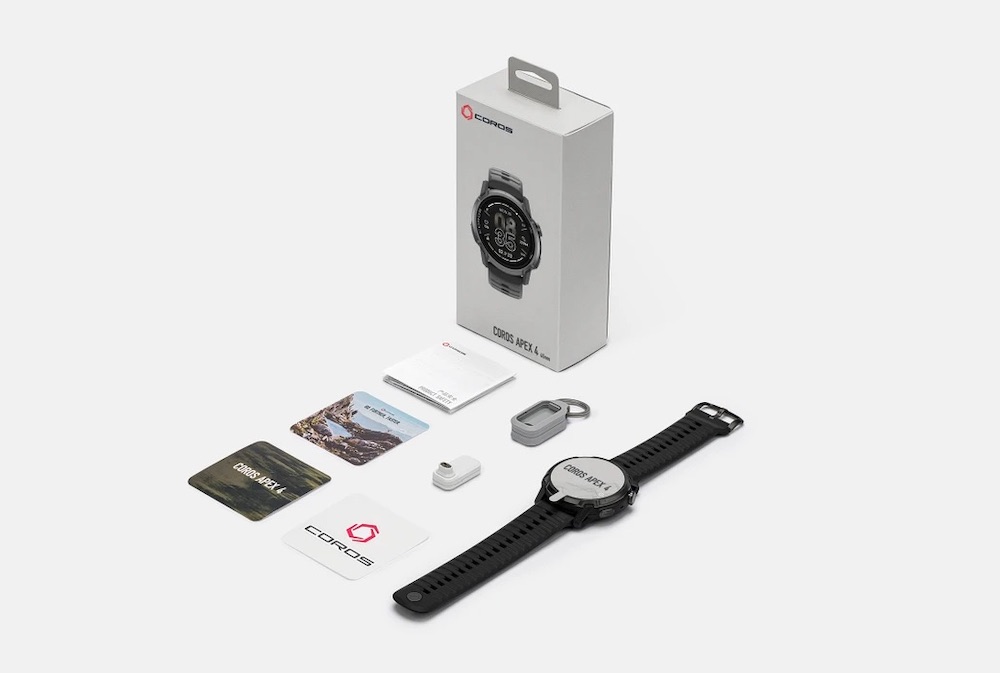
Coros Apex 4 package (photo courtesy of Coros)
TAYLOR: I won’t hide it. I’ve been a Coros kid for a while now. There are few things that I appreciate more than quality, simplicity, and practicality.
The brand easily gained my allegiance when I had the opportunity to check out the original Coros Vertix. Dependable training information, long battery life, continuous optimization without hidden agendas. What more could you ask for from a wrist-based companion? Well, the upgraded Coros Vertix 2s gave me even more with updates to mapping, algorithms, sensors, etc..
While I still believe that the Coros Pace series is the best value watch on the market, the recent running boom means that blood is in the water and the sharks are swimming when it comes to the GPS watch arms race. Suunto (bought by Chinese tech company Liesheng in 2022) has revamped their entire inventory with significant improvements across the board, including the Run, Race 2, and Vertical 2. All of those now come equipped with unwavering GPS reliability, intuitive interface, and quality build. Thomas has recently reviewed the Garmin Forerunner 970, which boasts similar results with its own unique desirables.
Competition has stiffened to say the least. So, what’s keeping me with Coros? I wondered the same thing myself recently… until slipping my wrist into the Coros Apex 4.
Last thing– no, you’re not crazy; Coros skipped over version 3 of the Apex to align itself with other product naming (i.e. Coros Pace 4). So here we are.
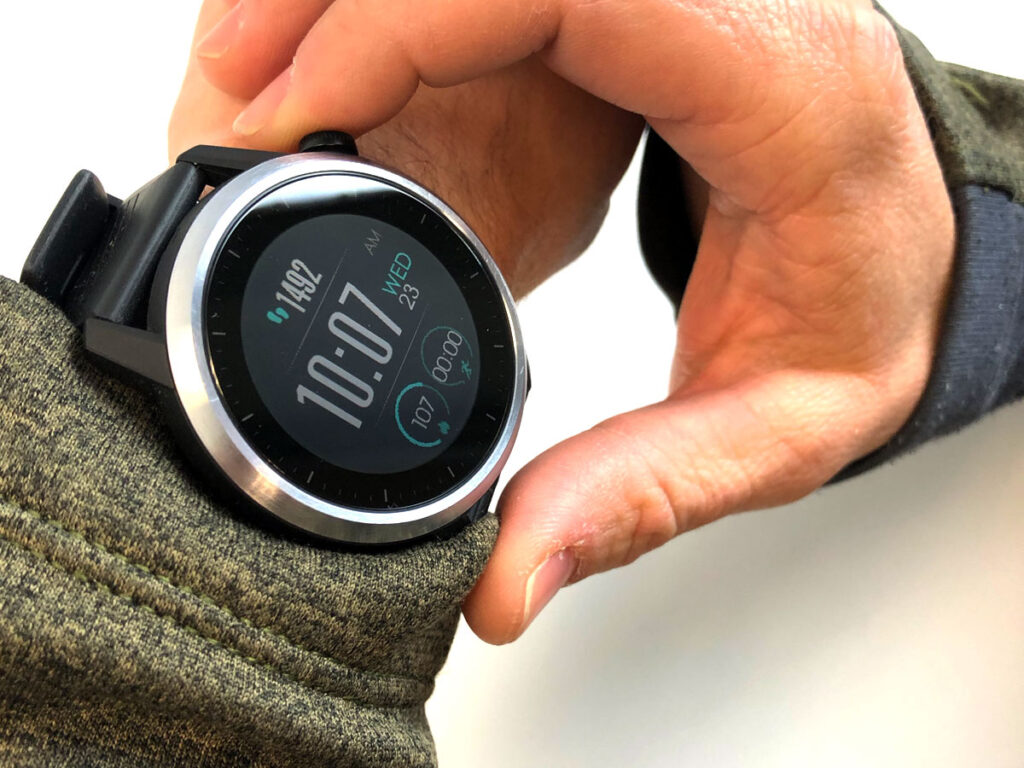
Coros Apex (2019)
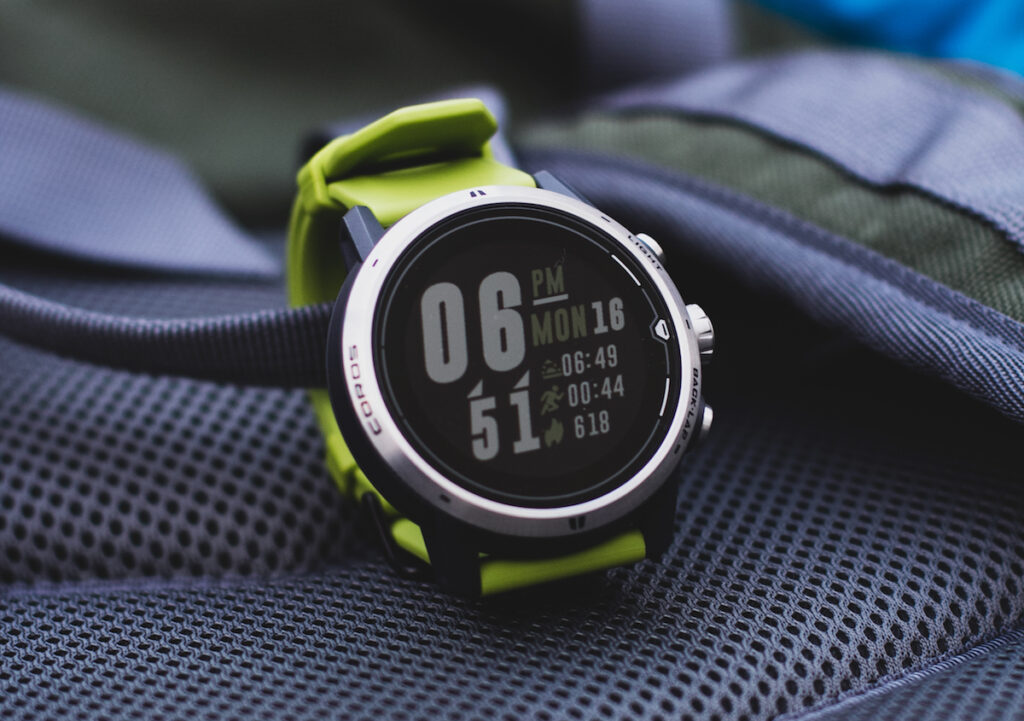
Coros Apex Pro (2019)
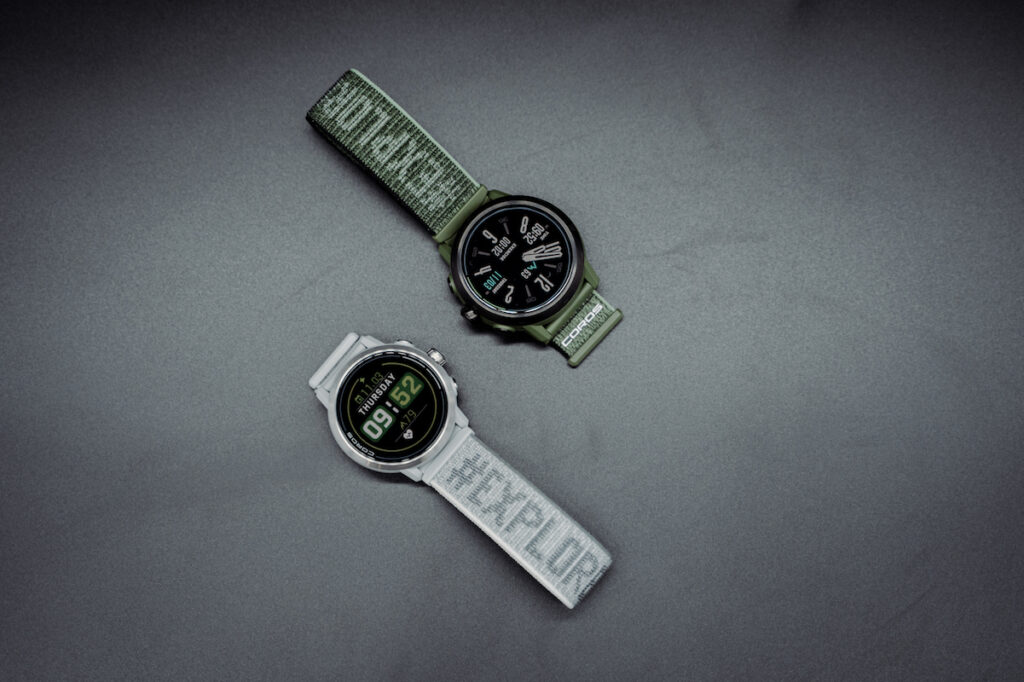
Coros Apex 2 and Apex 2 Pro (2022)
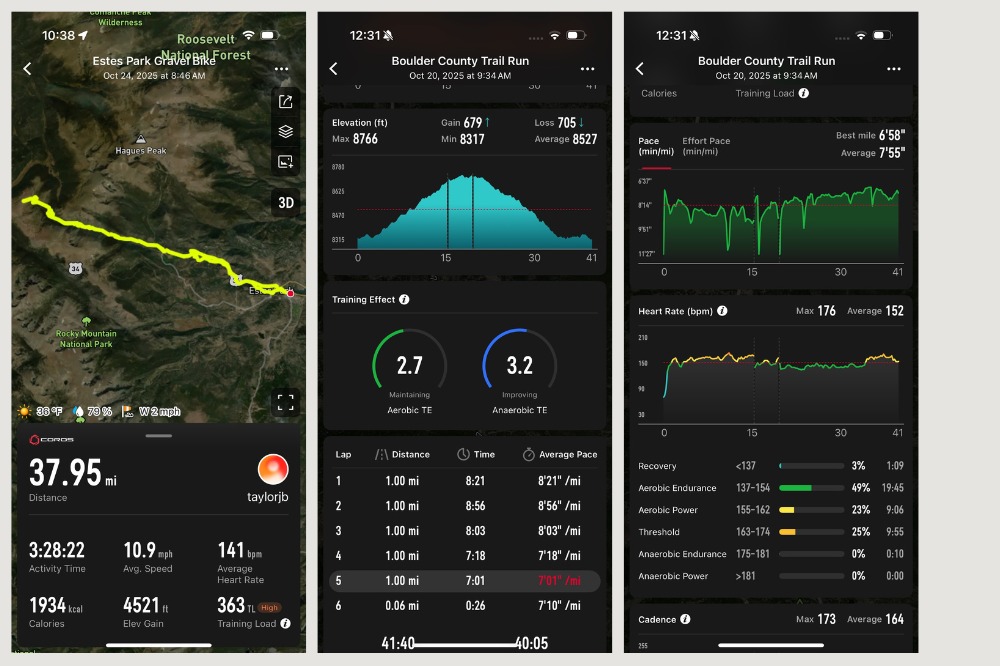
From its inception, Coros has been known for its rock-solid accuracy and consistent GPS data. The Coros Apex 4 continues that legacy with an updated dual-frequency GPS that pulls from the five major satellite systems. In a nutshell, this means that it pulls frequencies from the two most optimally positioned systems. If you’ve experienced the Vertix 2s, Apex 2 Pro, Pace Pro, Nomad, or the Pace 3, you’ll know what to expect. I had zero issues or discrepancies with this watch across any of the activity modes I used.
In this model, the vertical capture appears to be more consistent than ever. Which makes sense because of Coros’ added attention to algorithms that capture vertical change. Again, the dual-frequency capabilities really assist in this arena.
In the past, with the exception of a few bugs that were rapidly corrected via Coros’ ongoing firmware updates, I haven’t had any concerns with vert metrics. After all, this is a freakin’ wrist computer that bounces signals between dirt and space and back again. These new algorithms simply sharpen their own spear for the extra single percentage gains of accuracy. If you’re interested in the Coros Apex 4, this will likely be one of those selling points.
I’m a maps guy. I study the terrain, follow my wandering spirit, and often need intel to inform next steps. Yes, I do get lost from time to time, but I always find my way back. As you can imagine, the map and routes feature on models like the Vertix has always been of great value to me. That’s all next level on the Apex 4.
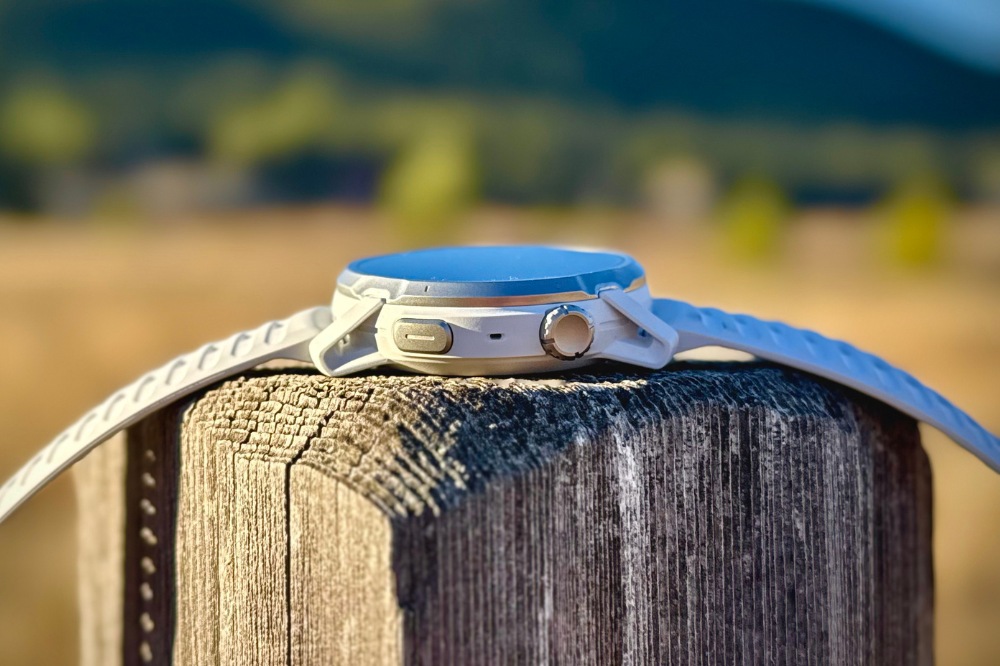
Hands down my favorite update of the Apex 4 is the additional action button on the left side of the case that immediately displays the map on any activity. Previously, you’d have to hold the back button, find the map, and add it to your screen while in the activity. Now, it’s just there with a quick click of a button or a left swipe on the screen. It’s the same feature that debuted on the recently released Nomad. I love this!
Coros upgraded their maps processor which is said to be 30x faster and more detailed than ever. While I can’t speak definitively, I can say the Apex 4 has a much more visually pleasing display while it noticeably increases real-time performance and details. There’s really not a better update than that.
Also, features like elevation change, street names, trails, etc., are all included on the map without crowding the display. It’s all helpful information that has helped me navigate everywhere from my own backyard in the Rockies to city streets in New York City.
Another nice component of the Apex 4 is the all-new voice pin feature (also debuted in the Nomad). During an activity, you can record notes on the watch, whether that’s general thoughts or ideas, or points of interest like game trails or camping spots. All of these pins will show up on your activity map within the Coros app (and come with a transcription!).
Runners can also create routes on the Coros app and sync them with the watch to have turn-by-turn directions. Alternatively, you can upload gpx files and sync them onto your watch. When needed, you can also prompt the watch to help return you to the start of the run. Using these features during big adventures or races can really help take the stress off of the navigation.
Battery life is another area where Coros continues to lead. This is a wild amount of battery life for a watch that only weighs 64g and comes packed with features.
Even as a mountain athlete and ultrarunner, this is almost always more than most people would need. The claim of up to 65 hours in full endurance GPS mode (41 hours of all-systems GPS for the 42 mm watch) held up during my assessment. Yes, it is more than adequate to take you past most ultra-distanced endeavors.
I wasn’t able to test it over one massive activity, but I did run down the battery day-to-day. Even so, I still only charged my watch every few weeks with consistent daily wear.
I did run into one abnormality when my fully charged watch suddenly dropped to 8% overnight. However, an update was available the next day and my battery went back to functioning as I expected. While I have never had this experience with a Coros watch, it was enough for me to commit to always traveling with my charger.
Thankfully, it can charge from 0 to 100% in less than two hours. So, in a pinch, there’s still hope.
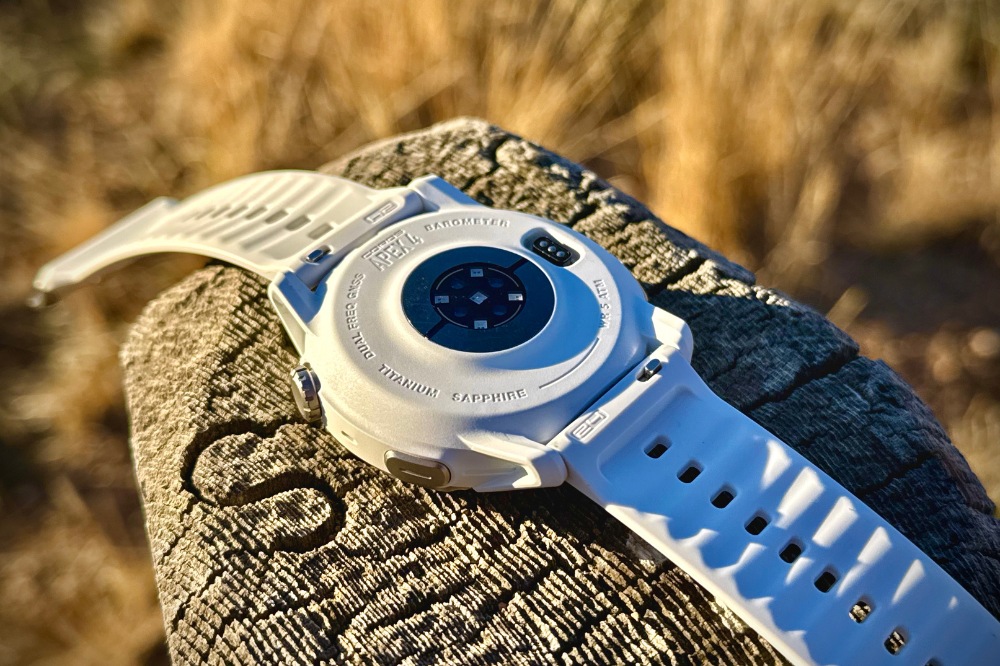
A new USB-C charging adapter is included in the form of a small dongle with a snap-in silicone case on a keyring. It was handy to have but potentially easy to lose. Past-gen Coros chargers are not compatible with the Apex 4.
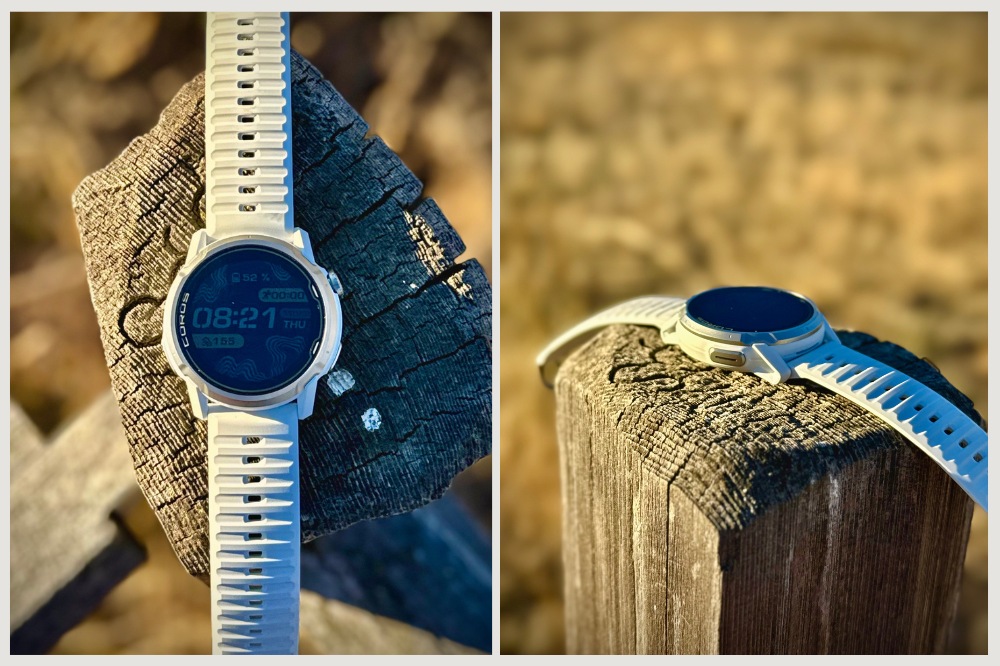
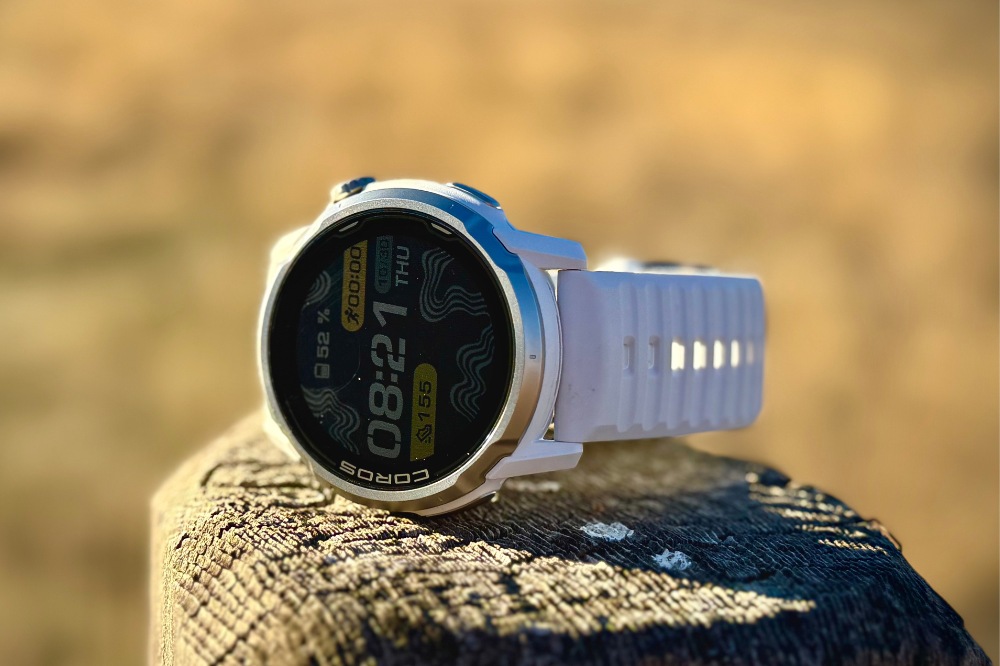
While many watches use an AMOLED screen, the Apex 4 retains a classic Memory-in-Pixel (MIP) tech. It wasn’t flashy compared to the bright and beautiful AMOLED screens, but for a performance watch, I actually prefer the MIP screen for a couple of reasons.
One of the main reasons is because it is always on and visible. Even in variable light, the Apex 4 was bright enough to view clearly. There was no lag or need to flip my wrist to view the screen. This was especially nice in climbing, mountaineering, and skiing scenarios. Again, the new processor allowed for a wider range of colors and visibility than previous versions. So, this did feel like an enhanced experience from previous models.
This type of screen also allows for great battery life. Again, there are no other watches that are this lightweight and boast the same amount of battery life. This is due in large part to the type of screen chosen.
For comparison, other brands’ models like the Suunto Race 2 and Garmin Forerunner 970 are heavier and have 55 hours and 25 hours of full gps mode respectively. That is 10 to 40 hours different. Both of those have an AMOLED screen.
For durability, the key components are the watch case and display screen. The screen is made of sapphire glass, the second hardest glass material behind diamond. Sapphire glass has become standard practice to utilize in outdoor watches. You’ve probably had an iPhone with the same glass, and it’s a go-to glass in higher quality GPS watches.
I have had zero issues with scratches, let alone shattering, in all my watches that have had sapphire glass.
I was initially worried about the polymer case around the Coros Apex 4 since both the Coros Vertix 2s and Suunto Race 2 have more premium titanium cases protecting the watch.
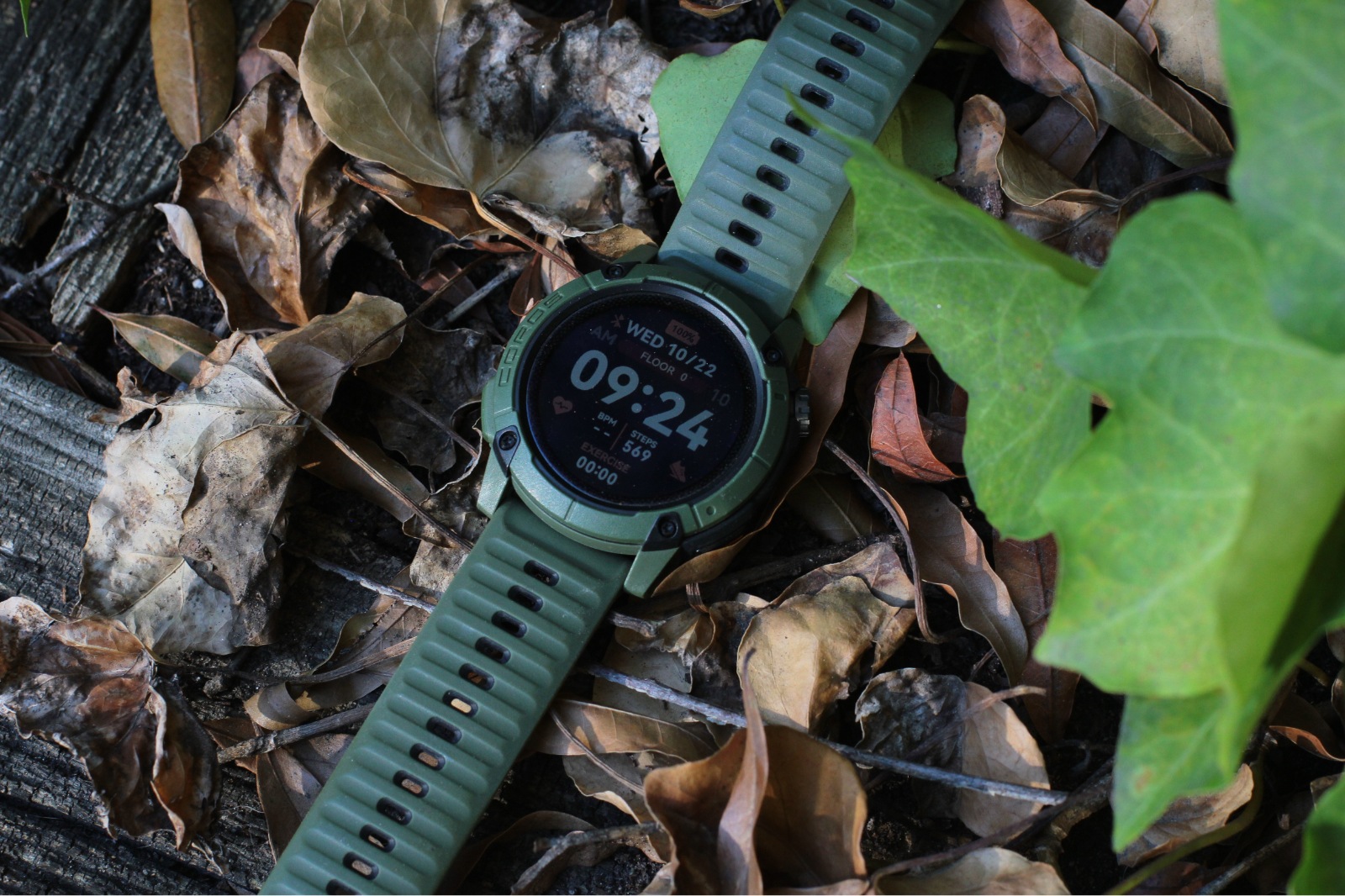
The Coros Apex 4 convinced me I had nothing to worry about. The fiber reinforced polymer (essentially a blend of carbon/Kevlar/whatever else) isn’t as light or as hardened as titanium, but it’s pretty bombproof for the average runner. I have zero wear and tear to show for the variety of miles I have done with this watch (which includes dropping it on concrete and hardwood floors.
While I personally prefer the nylon strap (purchased separately), the 24 mm silicone watch band increases durability, decreases weight, and boosts comfort.
Data is another standard measure when compared to other brands’ watches in the same category. It’s a one-stop shop for athletes, tracking heart rate data, sleep tracking, HRV (heart rate variability at night), and stress.
All of this is tracked via Coros’ most up-to-date optical LED heart rate monitor. In most cases (aside from very cold days), the heart rate measured on the wrist was quite close to the same as the armband or chest strap I had on. There were times that it was spot on. Most of the time it was within 5 bpm.
Another standard feature on every Coros watch is a training indicator that shows fitness levels, recovery, and activity trends over time. Some great new updates allow for menstrual cycle tracking and wellness checks.
While the Nomad debuted the voice pin feature and mic capability, it lacked a speaker. This has both, which allows for hands free calling, a feature that will surely appeal to runners on the go. That’s a significant first for Coros.
I love the ability to answer the phone quickly while on a run or even at work when a quick conversation is warranted. My wife reported that the mic sounds like normal speaker-phone quality. You do have to have your phone with you, but you can talk and listen from the watch itself.
There are some extra goodies I enjoyed in the Coros Apex 4, including the app itself. This is where Coros feels all-inclusive– if you have one of their devices, everything is free after that. Not only is the app straightforward and easy to use, it has a real simplistic design that’s just appealing to the eye. The Coros app has always been an easy interface to interact with that can be legitimately useful.
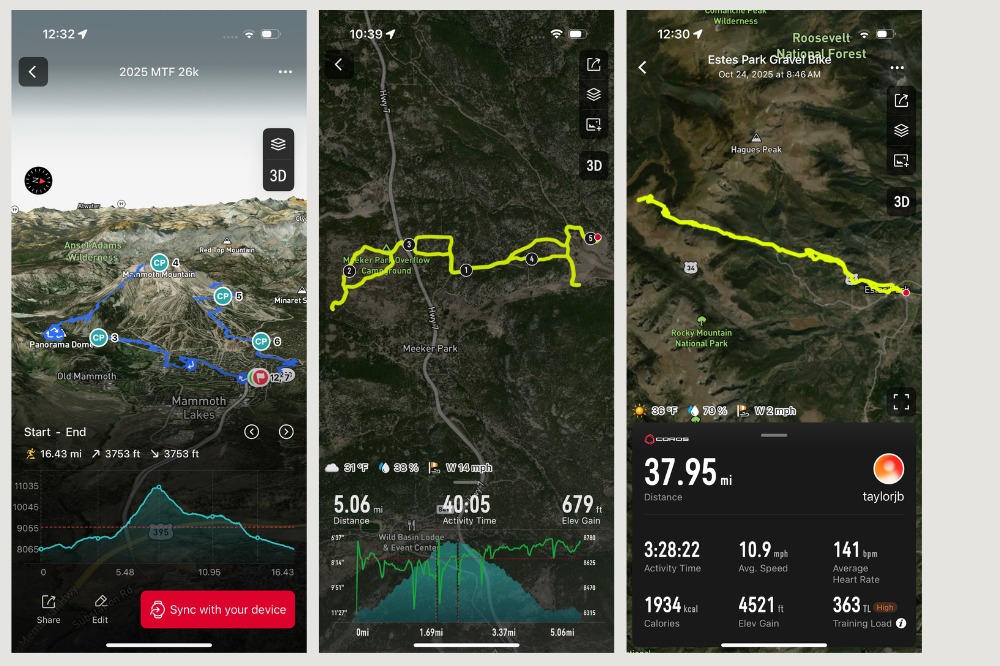
The main page shows your most recent activities as well as overall fitness trends. Other pages dive into activities you have done, maps and route creation on another, and then the Profile where your various devices can be updated and customized. We’re talking watch faces, accessories, particular activity settings, music downloads, firmware updates and more.
Finally, I should mention that other competitors’ models offer music playback and device payments. The Coros Apex 4 can play music via stored mp3 files on the watch; however, it doesn’t stream Spotify from the wrist, it only offers offline music when paired with supported Bluetooth headsets. Additionally, it cannot use any sort of payment methods from the watch. Neither of these are important to me, but they may be for you.
The Coros Apex 4 might be the most versatile performance-oriented watch I have ever used. In terms of activity tracking capability, lightweight build, battery life, and simple but appreciated additions, it is certainly best in class.
It has taken the stance as a true mountain-performance watch that caters to both runners and adventurers alike. It’s a great general running watch, but is also positioned and adjusted to capture the best training data for those who seek vert. After my review period, I endorse this message 100%.
You can pick up the Coros Apex 4 now in two different colors (white or black) and two different sizes– $479 (46 mm) or $429 (42 mm)– by using the shop link below.
Shop Coros Apex
Read Article
 Read Article

Have something to say? Leave a Comment



Robbe is the senior editor of Believe in the Run. He loves going on weird routes through Baltimore, finding trash on the ground, and running with the Faster Bastards. At home in the city, but country at heart. Loves his two boys more than anything. Has the weakest ankles in the game.
More from Robbe









Unfortunately this review is based on inaccuracies and therefore a large chunk of the content when discussing differences with other brands is misleading.
You state that the apex 4 has 65 hours GPS ahead of brands like Suunto which only have 55 hours. This is incorrect, the apex 4 disappointingly only has 41 hours max GPS, which is well below other watches which do sit at 55 hours, however they have brighter AMOLED screens.
Disappointment to read this review as I am currently trying to decide between this and Suunto with battery life being a major consideration and the difference between AMOLED and mip being a close second
It’s been updated to show the correct specs