A visit to the studio/office of Soar running and a quick chat with the founder
London, England
Formative background, the design process, and upcoming product launches
Soar isn’t trying to be cool. It was born out of performance and lives on experimentation. Founded by Tim Soar, a former graphic designer, DJ, fashion designer, and cycling enthusiast, the brand was never about trends. It was about solving problems. In a market long dominated by giants prioritizing shoes over apparel, Soar has carved out a space defined by high-performance gear with a refined aesthetic.
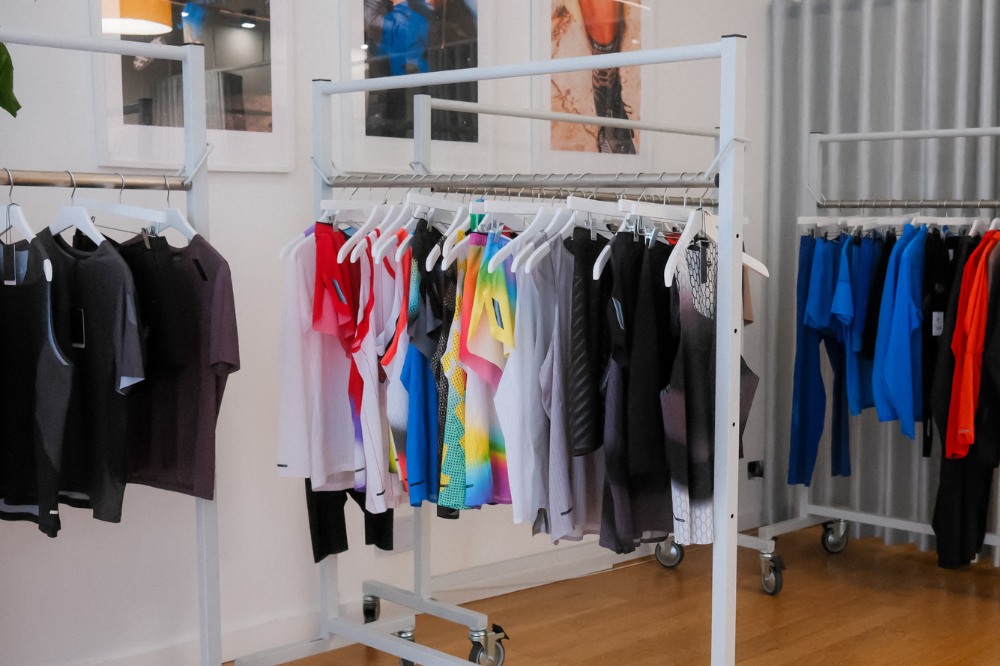
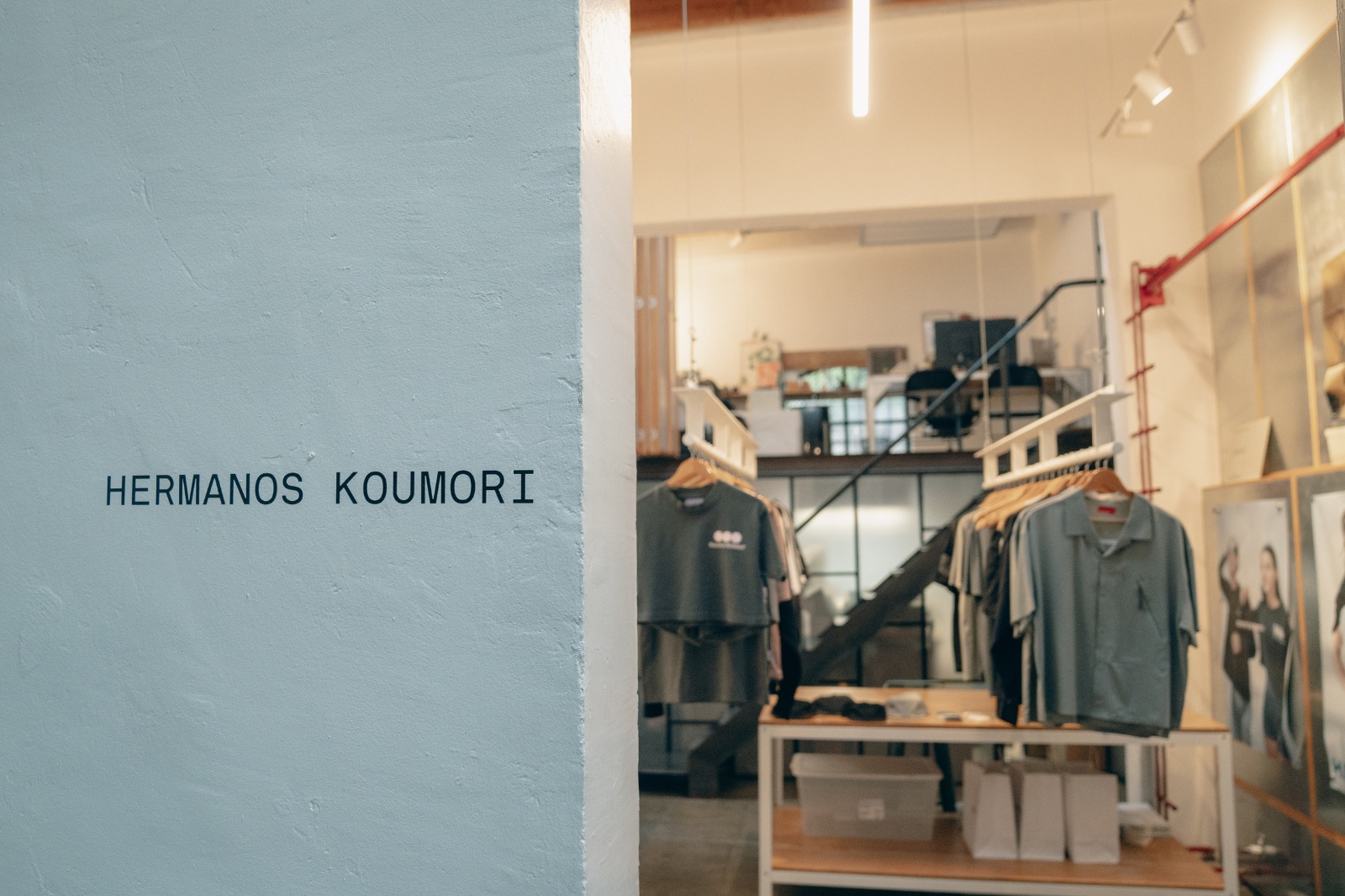
Their London base is part office, part atelier, part store. The front space serves as a store, where people come in and buy the latest releases. Behind the curtain, you find the desks for all the operations and marketing teams. On the basement floor, there is the laboratory, a space filled with paper mockups of garments, fabric samples, and color swatches, as well as samples of future releases and ideas that may never see the light of day.
We sat down with Soar’s founder in their studio/store to discuss the brand’s roots, why the running apparel world needed a shake-up, and what the future holds, including their upcoming launch into footwear.
Shop Soar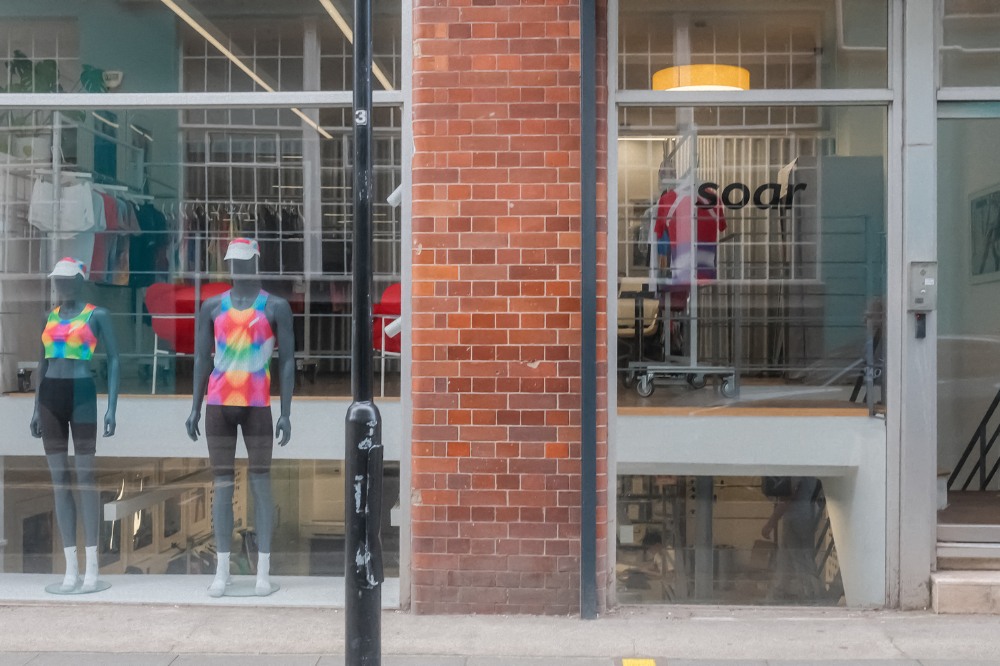
Outside looking in

Sample rack
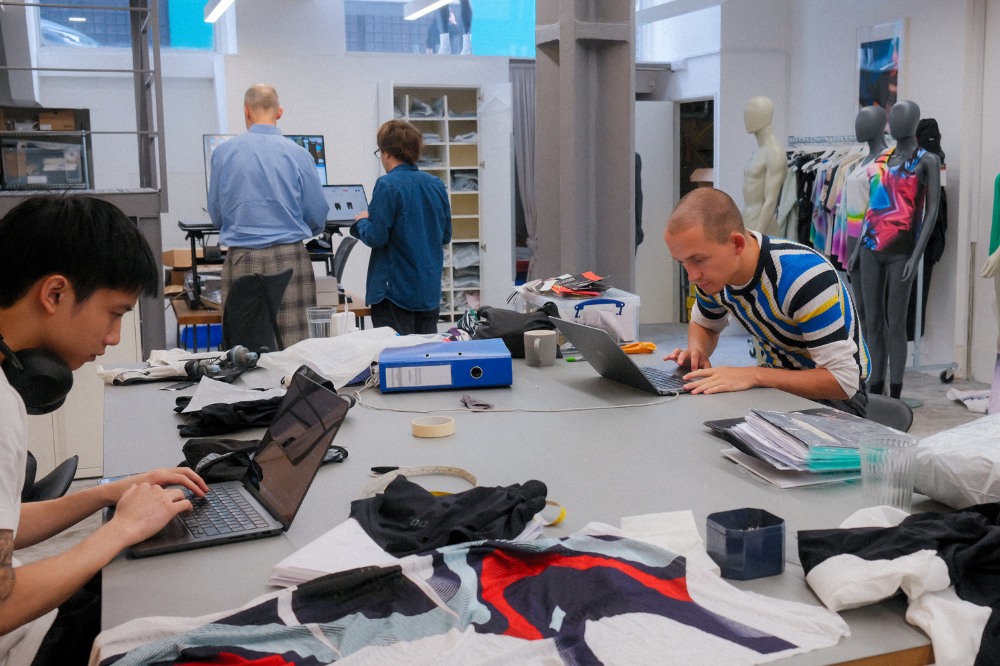
Hard at work
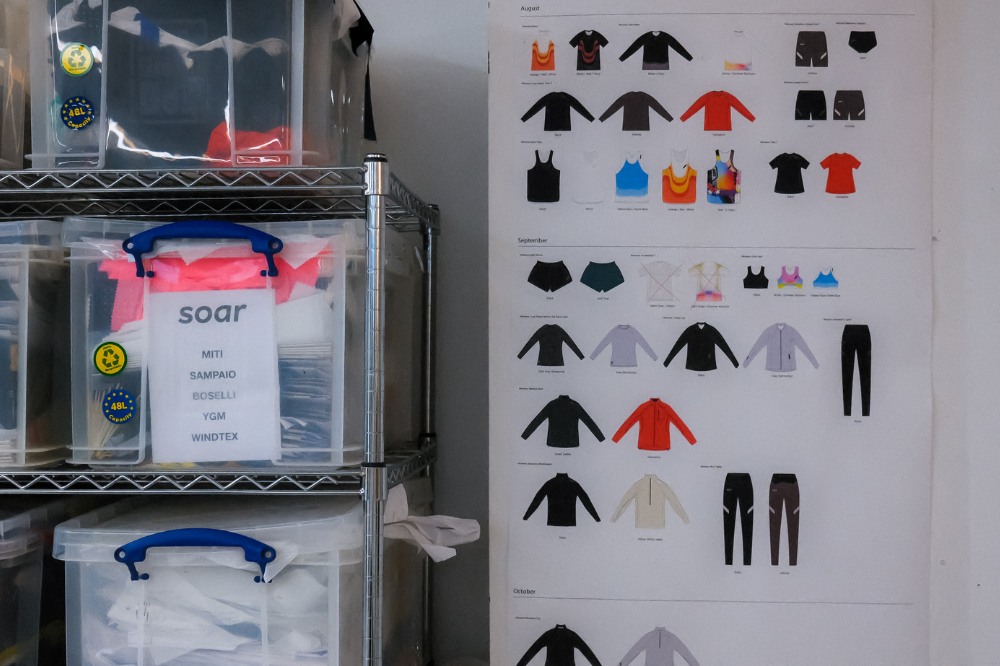
Sample bin
BITR: Let’s kick off with a little background. What were you doing before Soar?
Tim Soar: My background started in graphic design in the late ’80s, working under Neville Brody. That led to DJing at a time when house music was huge in London, but I was playing rock records, and that caught a lot of attention. From there, I became a music consultant for luxury hotels. That world introduced me to design-led thinking in environments where everything was curated, from the interiors to the menus.
BITR: Then you started a fashion label.
Tim Soar: I later started a menswear label, Tim Soar London. I had no formal fashion education, just pure interest and a fresh perspective. That outsider mindset helped, actually. The label got picked up quickly, and I won a British Fashion Council New Gen award. The business model didn’t work in the long term, but it taught me a great deal about clothing and product development.
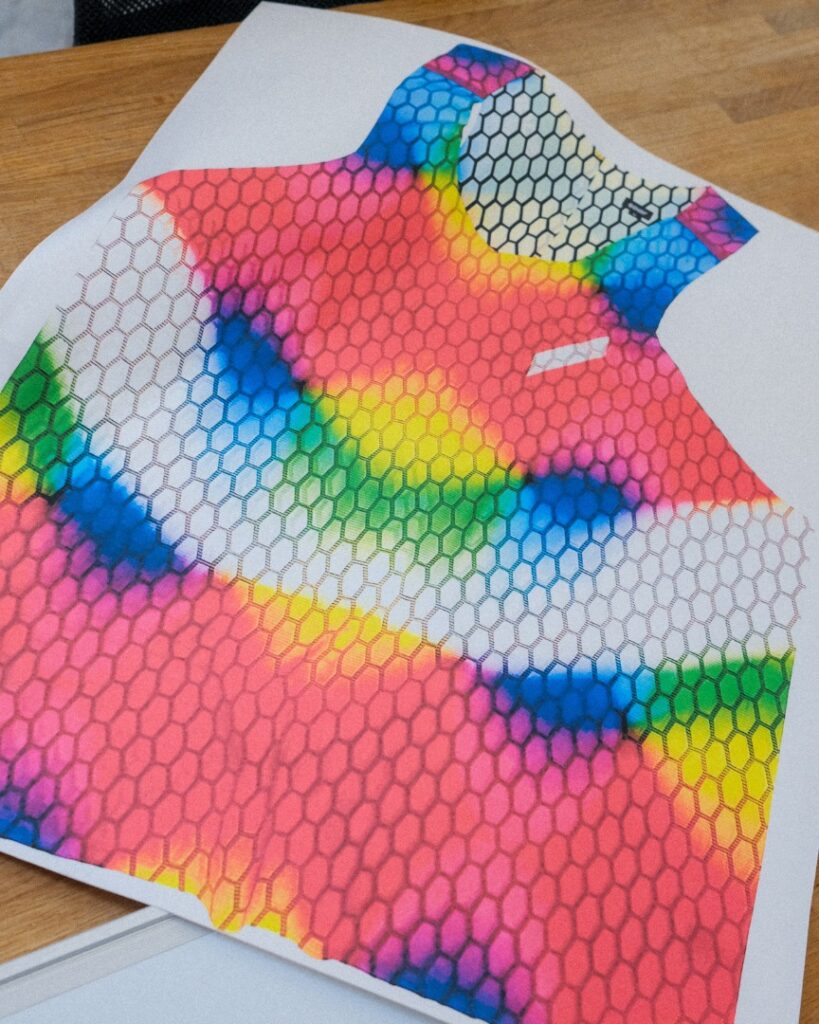
Soar Graphene Vest X London
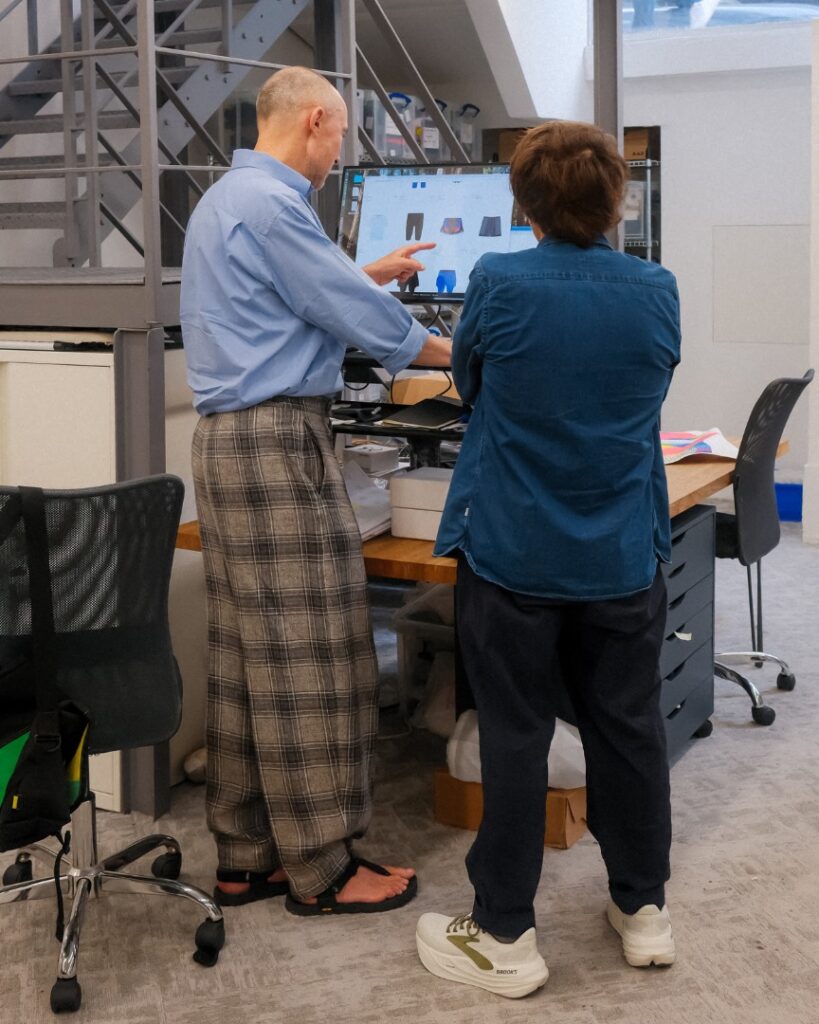
Tim Soar (left)
BITR: Soar running came after that?
Tim Soar: It came after I got deeply into cycling and started running for training. Right away, I realized the gear didn’t measure up. I came from cycling, where apparel had already undergone significant evolution. Running gear felt years behind, with bad fits, untested designs, and zero innovation. It was obvious to me that whoever made that stuff didn’t run in it.
BITR: What was the first product you designed?
Tim Soar: Too many, honestly. That was a mistake. We launched with a singlet, split shorts, tights, a winter mid-layer, and a heavy jacket. The sizing was off on the t-shirts; everything came back oversized. But even with the mistakes, the ideas held up. Those early pieces are still in one piece and get worn.

Soar Race Tee

BITR: When did you know you had something special?
Tim Soar: It was the Race Vest. I had a sample that was a size too small, but I wore it anyway on a hot run in Mallorca and realized that the tighter fit totally changed the performance. The fabric finally did what it was supposed to do. That product took off. It became our bestseller and still is.
BITR: How do you think your background shaped Soar’s development?
Tim Soar: It made me approach it with a mix of fashion discipline and performance obsession. In menswear, the fabric has to do a lot because you have fewer silhouettes to work with. That mindset transferred to Soar. For each garment, we start with the fabric. Then we cut and fit with a performance-first perspective. That’s why our jackets, for instance, stand out. We make the fabrics ourselves with the mills, built from scratch.
BITR: What’s the biggest challenge in building a premium running brand?
Tim Soar: Balancing brand integrity with commercial pressure. It’s easy to get tempted by what sells. But the minute you chase commerciality too hard, you lose what makes your brand distinct. We’re trying to grow, but without drifting. Our size allows us to focus on the details, the niche things that big brands overlook.
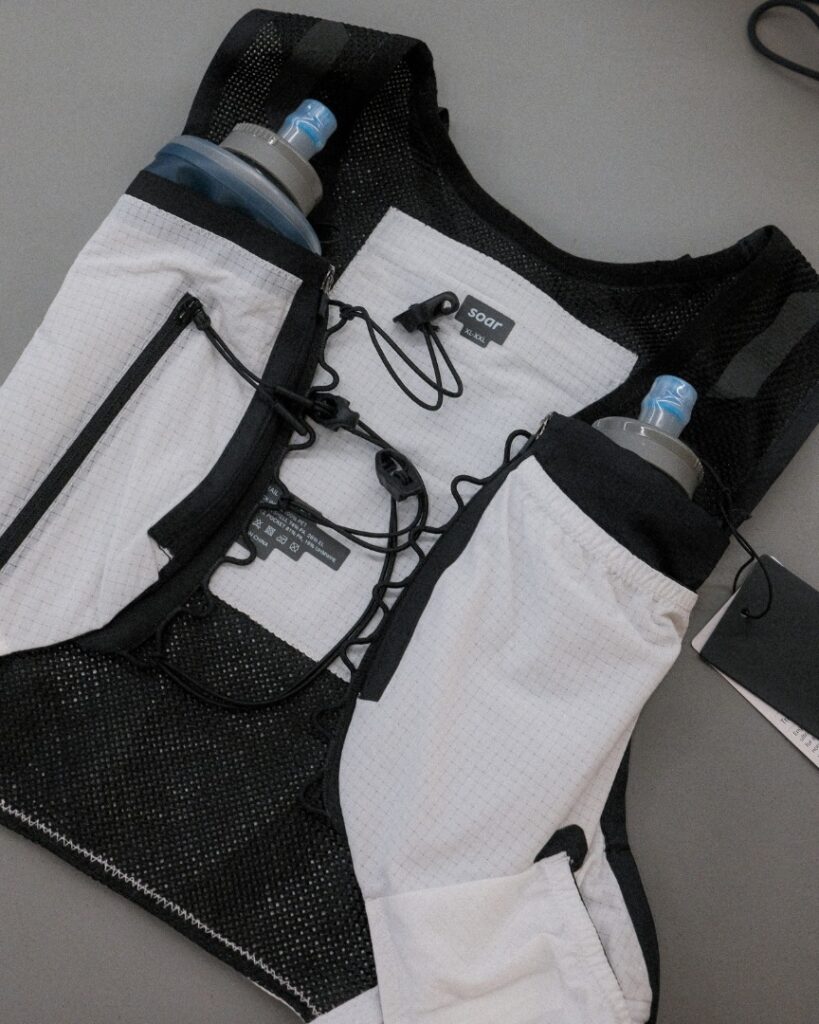
Soar Trail Race Pack
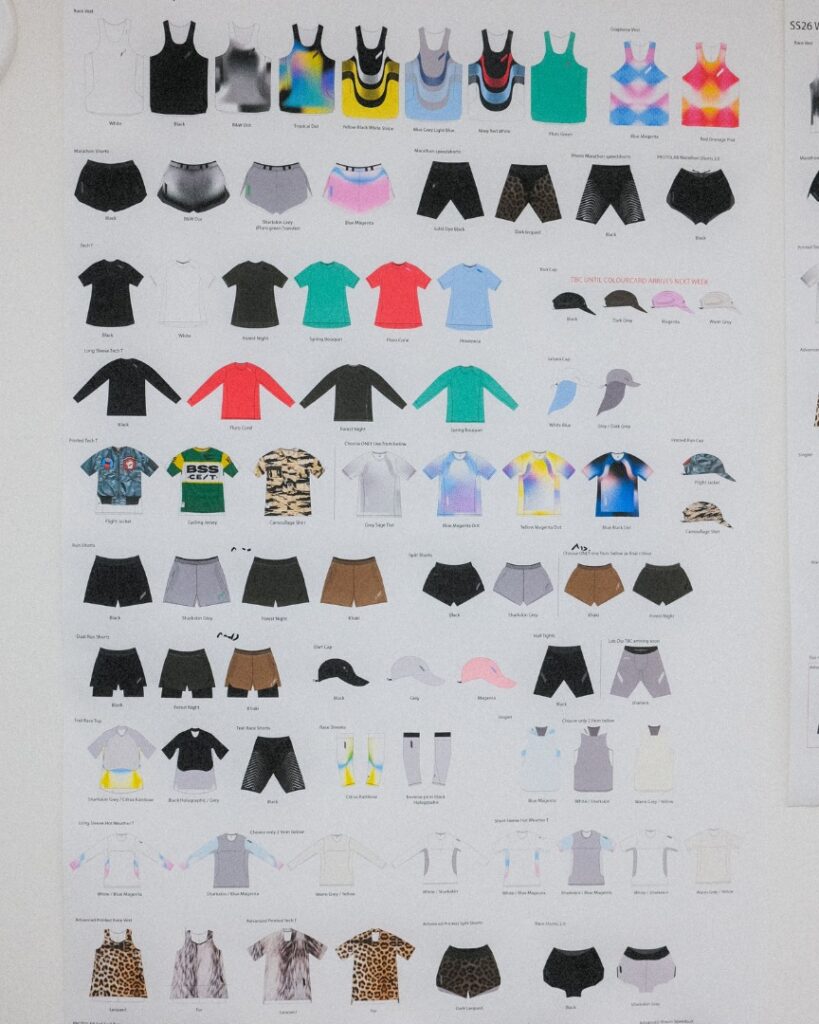
Seasonal sheet
BITR: Tell me about product testing. What does that look like?
Tim Soar: Until two years ago, it was just me. I tested everything myself because I knew how it was supposed to feel and function. Now we have a slightly larger testing group, but we still keep it small. Too many opinions dilute the vision. We test like we train, quick iterations, constant feedback, and performance above all.
BITR: Your design process seems pretty unique. How does it work?
Tim Soar: We treat apparel design more like product design. No sketches at first. We start with rough prototypes, run in them, iterate, repeat. Aesthetics come later in the process. Everything is developed in-house, the pattern-making, fabric testing, and even paper models. We glue together paper versions before cutting fabrics. That speed and control are what make the process work.
BITR: You’ve done some interesting experiments with the ProtoLab line. What’s the thinking there?
Tim Soar: It came from watching Nike’s Breaking2 project. They had amazing prototype shoes, but released a watered-down commercial version. I thought: why not just sell the prototypes? If you only make 100, people will buy them. ProtoLab is about that, small-batch releases that test new ideas. It’s product R&D for the public. Some of those ideas evolve into mainline products, some don’t.
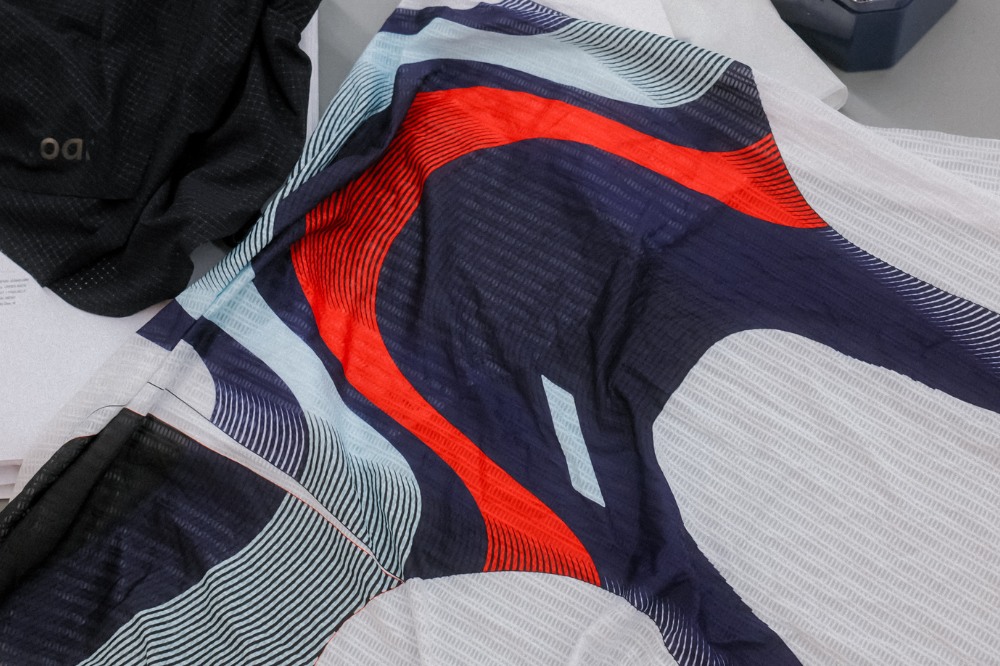
Soar Race Vest 2.0
BITR: What’s next for Soar?
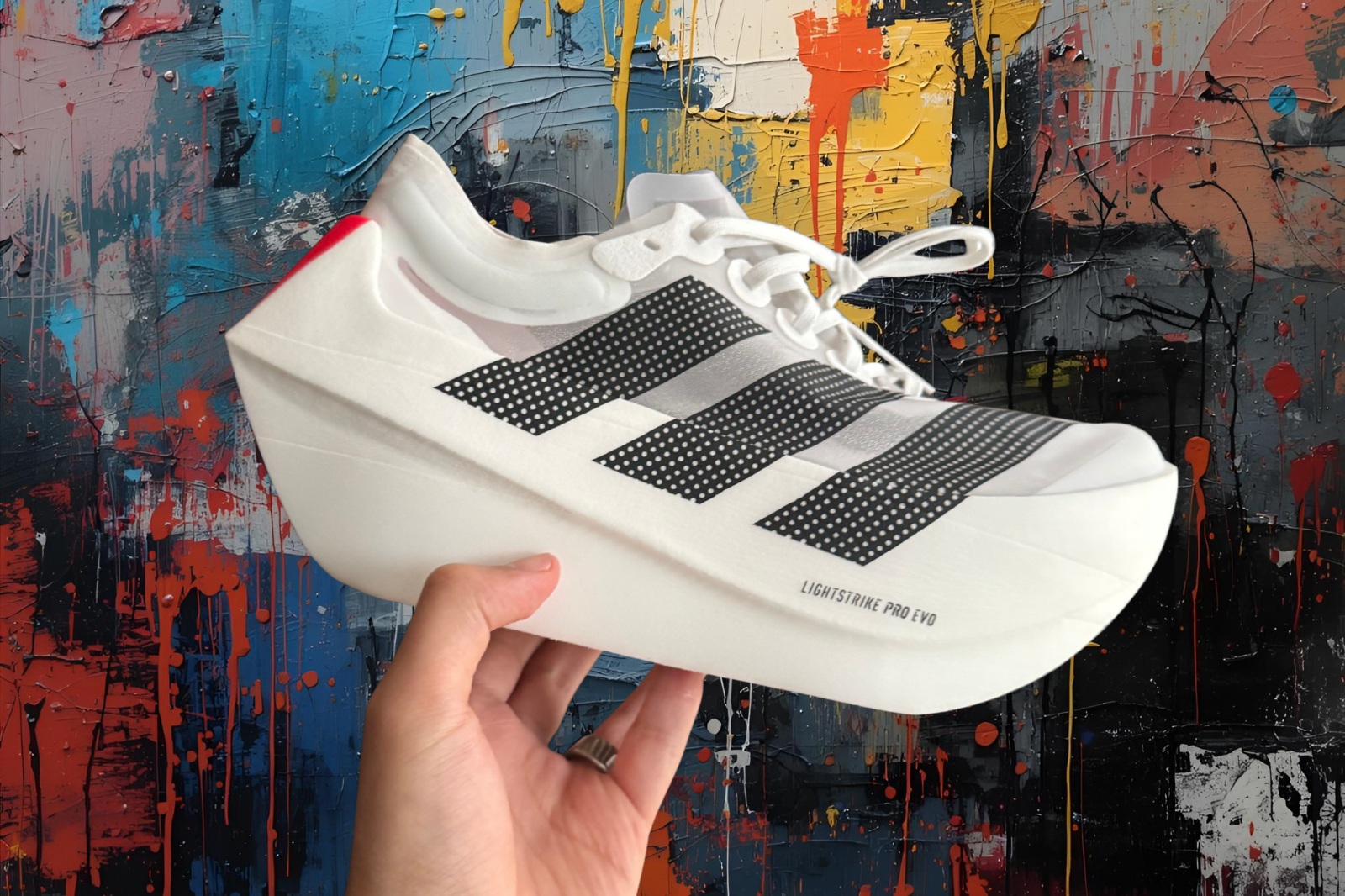
Tim Soar: Shoes. We’re releasing a line next year. High-performance, built from the ground up. And then there’s a fashion capsule under my old label, Tim Soar London. It shares design DNA with Soar but isn’t running apparel. More like an extension of our creative exploration. Commerciality isn’t the goal there, it’s about reactivating a part of my background that still has relevance.
BITR: Let’s talk about Paris Fashion Week. How does Soar fit into that world now?
Tim Soar: Ten years ago, running wasn’t anywhere near Paris Fashion Week. Now, it’s all over. This year, we previewed a collab with Altra, a Mont Blanc Carbon with our take on the aesthetic. There were other pieces, too. The point is that performance and fashion aren’t separate anymore. Soar sits at the intersection. We’re not here to just make gear that looks good on Instagram. We’re building stuff that works and looks like nothing else out there.
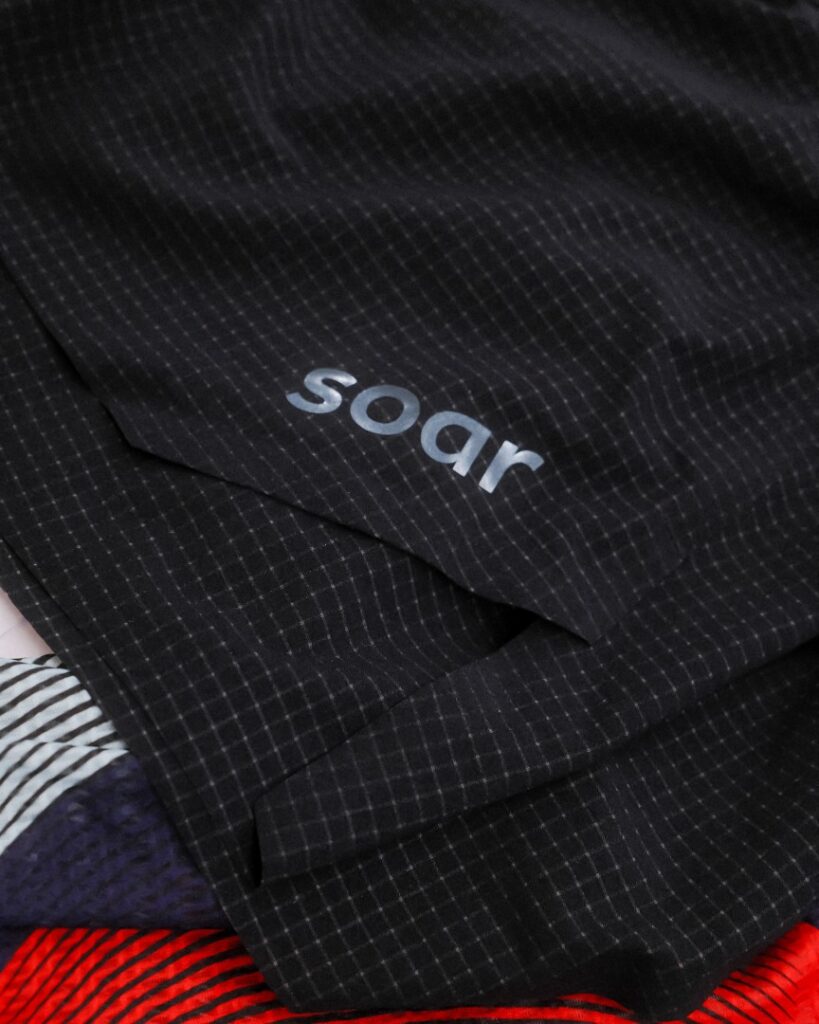
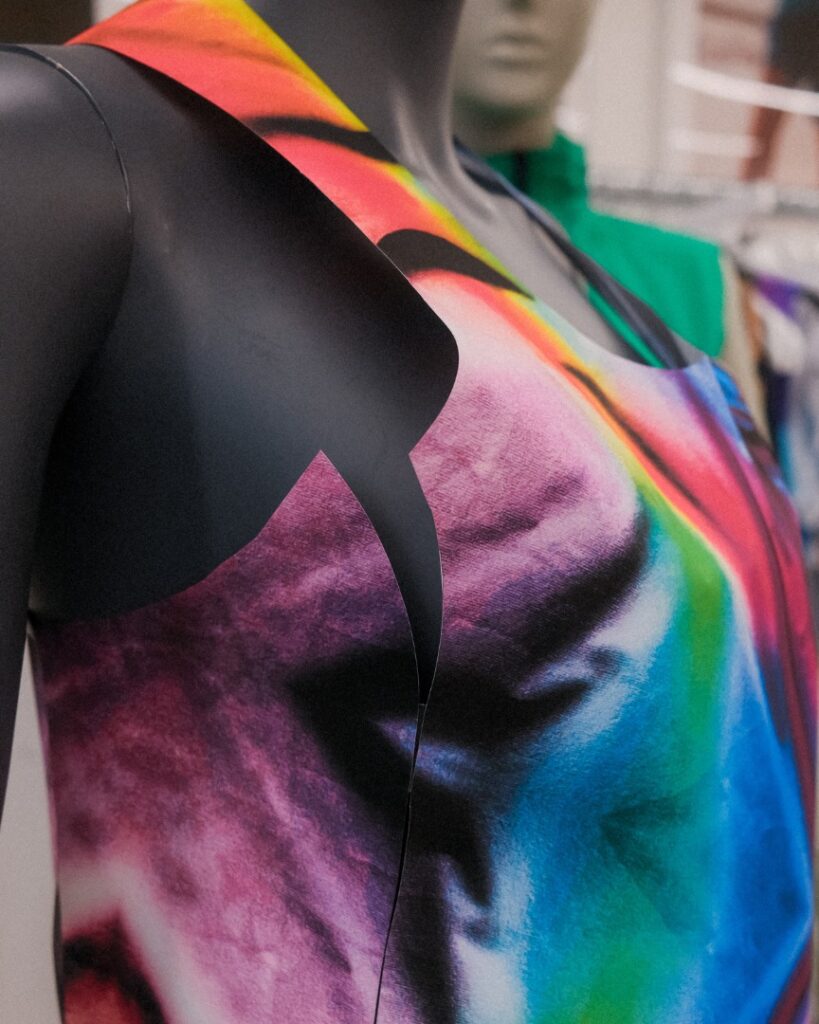
I have always perceived a high-end design sensibility behind Soar’s products. They stand out on the screen and even more in real life. The price is high, but it also performs and feels like that. Seeing behind the curtain into their Studio gave me a more personal view of the people and the love behind it. Soar is one of those projects that is more than a brand; for Tim, it’s an ongoing design study in what performance running gear can become.
Shop Soar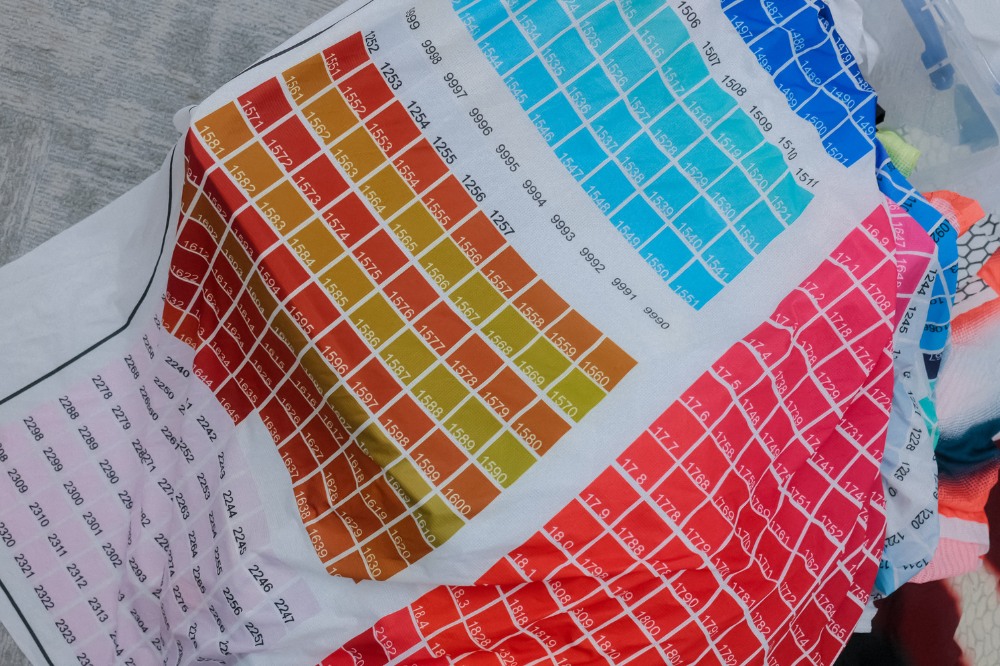
Have something to say? Leave a Comment


Alfredo is a runner, writer, creative director, and cultural analyst based in Berlin. After years as a casual runner, his move to Berlin transformed his running into a vital practice for mental health and a source of tranquility during cold, early morning runs. His interest in clothes comes from uniforms and sportswear, combined with a love for innovation and research—which might explain why he meticulously charts his winter running gear.
More from Alfredo