Shop BITR Apparel Shop Now
We independently review everything we recommend. When you buy through our links, we may earn a commission.
Our picks for the best shoes to start your running journey
Options from top brands like Nike, Asics, Adidas, and so many more.
$140-160, all available now
If you have spent any amount of time here at Believe in the Run, you likely know that our team of reviewers has tested every kind of shoe on the market. There are daily trainers, super trainers, recovery shoes, max cush, race day, super shoes, plated, unplated, stability, trail, road to trail, gravel, and the list goes on.
As someone who is slightly obsessed with all things running shoes, the above list reads like my love language. But every once in a while I am reminded that I may be the outlier when it comes to the average consumer looking for a decent running shoe.
This past week served as one of those reminders. I picked up my brother from the airport and started the drive from Denver up to Glenwood Springs, Colo., for our annual fly-fishing trip. We got talking, and my brother mentioned that he just got new running shoes. I, of course, was curious what he got—perhaps a Nike Pegasus, maybe a Brooks Ghost, or even a Hoka Clifton. The go-to products from the local run store pushers. Maybe even an On Cloudmonster.
Nope!
His shoe of choice was the direct-to-wholesale Adidas Ultrabounce 5 “running sneaker,” purchased on Amazon. In his mind, the shoe was a steal: $57, marked down from $80. Now, to be fair, my brother is a hell of a basketball player, but clearly not a runner. I wasn’t going to start our drive off on a bad foot (i.e., the one wearing the Ultrabounce 5). So after a quick cremation of the part of me that died, I changed the subject.
It wasn’t lost on me that the casual runner looking for a new pair of shoes might just be closer to my brother than me. Especially when you’re starting out. Go to Nike’s website and select the running category from the nav menu; you’ll find 80 different shoes, from the $295 Alphafly to the $45 Downshifter 13 (on sale). Of course, Nike will tell you that they’re all great road running shoes; after all, they've got units to move and tariffs to tackle. But let us be the first to tell you: Not all running shoes are meant for running.
So with that being the case, we wanted to do a roundup of the best beginner running shoes right now. No, we will not be reviewing the Ultrabounce 5 (we have standards!). But we do want to get you in a shoe that will inspire you to love running as much as we do.
Before we get started, let’s establish a baseline for what constitutes a good beginner running shoe. It isn’t the cheapest “sneaker” you can find on Amazon. We’re talking about true running shoes — models built with the cushioning, support, and durability to handle real mileage — and a lot of it, for months on end — without beating you up. That means:
If a shoe can’t support a healthy, consistent start in running — whether that’s comfort, injury prevention, or value over time — it doesn’t make the cut here.
If some of the tech talk in shoe reviews feels like another language, here’s a quick glossary of the stuff you’ll see throughout this guide:
STACK HEIGHT – The total amount of cushioning between your foot and the ground, measured at heel and forefoot. Higher stacks = more impact protection, often at the cost of ground feel.
DROP – The height difference between the heel and forefoot. Higher drops (8–12 mm) shift weight forward; lower drops (0–6 mm) promote a flatter stance and can change the load on your legs.
MIDSOLE FOAM – The cushioning material underfoot. Common types include EVA (traditional, durable), supercritical foams like PEBA (ultra-light, bouncy), TPEE-based blends (responsive but a bit firmer), and brand-specific versions like Brooks DNA Loft v3, Adidas Lightstrike Pro, Saucony PWRRUN PB, or Puma Nitrofoam.
ROCKER GEOMETRY – A curved sole shape designed to help you roll forward smoothly, reducing the work your legs do with each step.
STABILITY FEATURES – Design elements that help control excessive inward or outward foot motion. Can be “traditional” (firm medial posts) or “stable neutral” (wider base, sculpted sidewalls).
OUTSOLE RUBBER – The grip layer on the bottom of the shoe. Carbon rubber is denser and longer-wearing; blown rubber is lighter and softer. Some brands use proprietary blends like Continental (Adidas), Puma Grip, Goodyear (Skechers), or ASICSGRIP for extra traction.
UPPER – The fabric and structure that holds your foot. Engineered mesh, knit, and jacquard uppers balance breathability, support, and comfort.
Price: $150
9 oz (255g) for a US M9, 8 oz (227g) for a US W7
36mm in heel, 30mm in forefoot (6mm drop)
Daily training
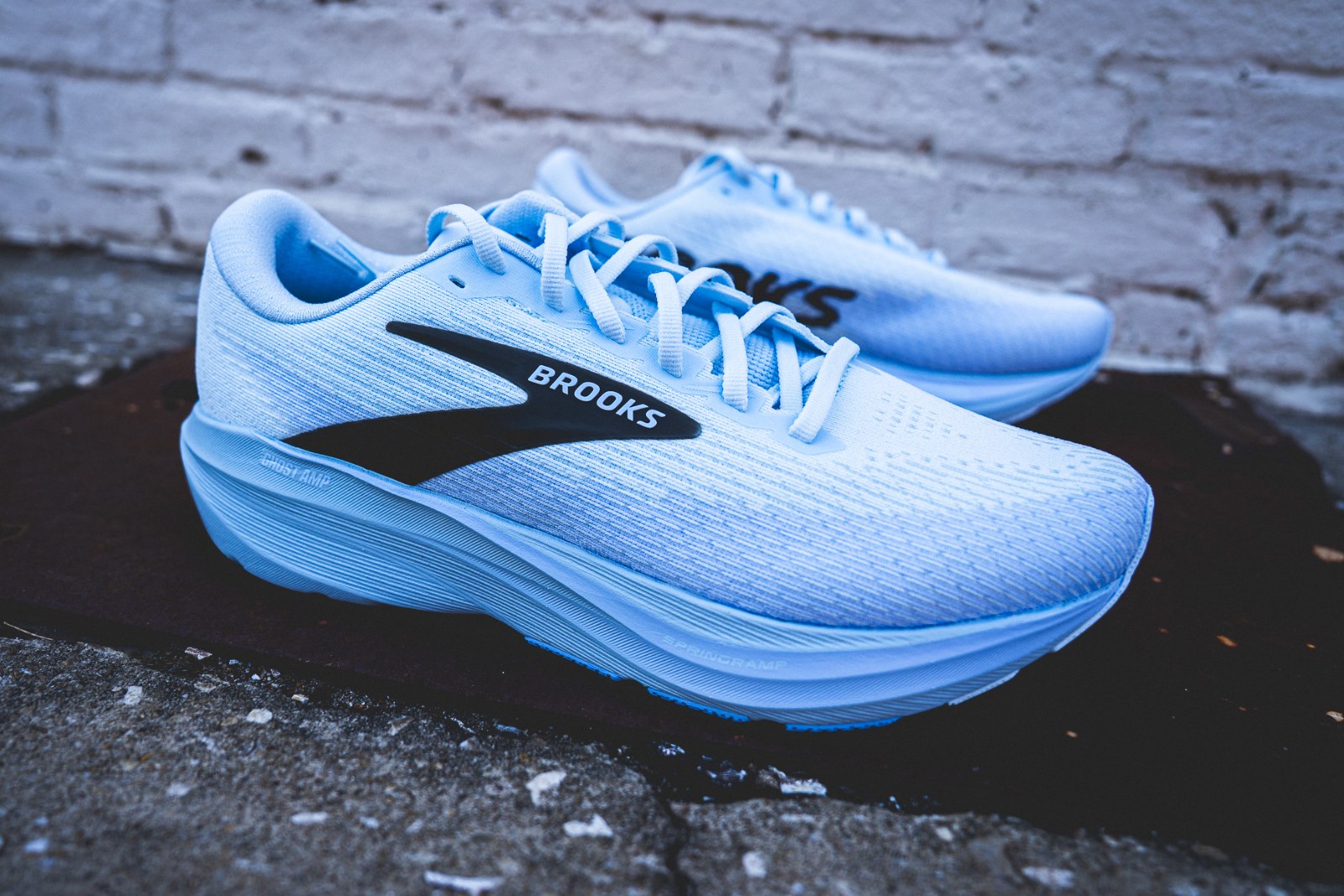
Now, I'm not going to pretend that we're sitting here in a run specialty shop, but it's kind of funny to start with a Brooks Ghost, isn't it? If you've ever walked into a Fleet Feet, a Charm City Run, or an Inside Track (shoutout to Lancaster, PA), you've almost certainly been steered towards Brooks.
Why? Well, it's been said that Brooks makes the Toyota Camry of running shoes. Brooks shoes are reliable, simple, and clean, which is exactly what you want out of a beginner running shoe. The Ghost Amp takes that classic Brooks Ghost DNA and spices it up a little bit. How? It jumps to a new DNA Hype midsole and pairs it with a bit more of a forefoot rocker to keep you rolling.
Of course, if you've tried the Brooks Ghost before, this may not feel like a totally new experience. The Ghost Amp still carries quite a bit of family DNA. But if you're looking for a reliable place to start your journey, it's tough to top Brooks for everyday wearability.
Price: $150
7.9 oz (224g) for a US M9, 6.6 oz (188g) for a US W7.5
38mm in heel, 32mm in forefoot (6mm drop)
Just about everything
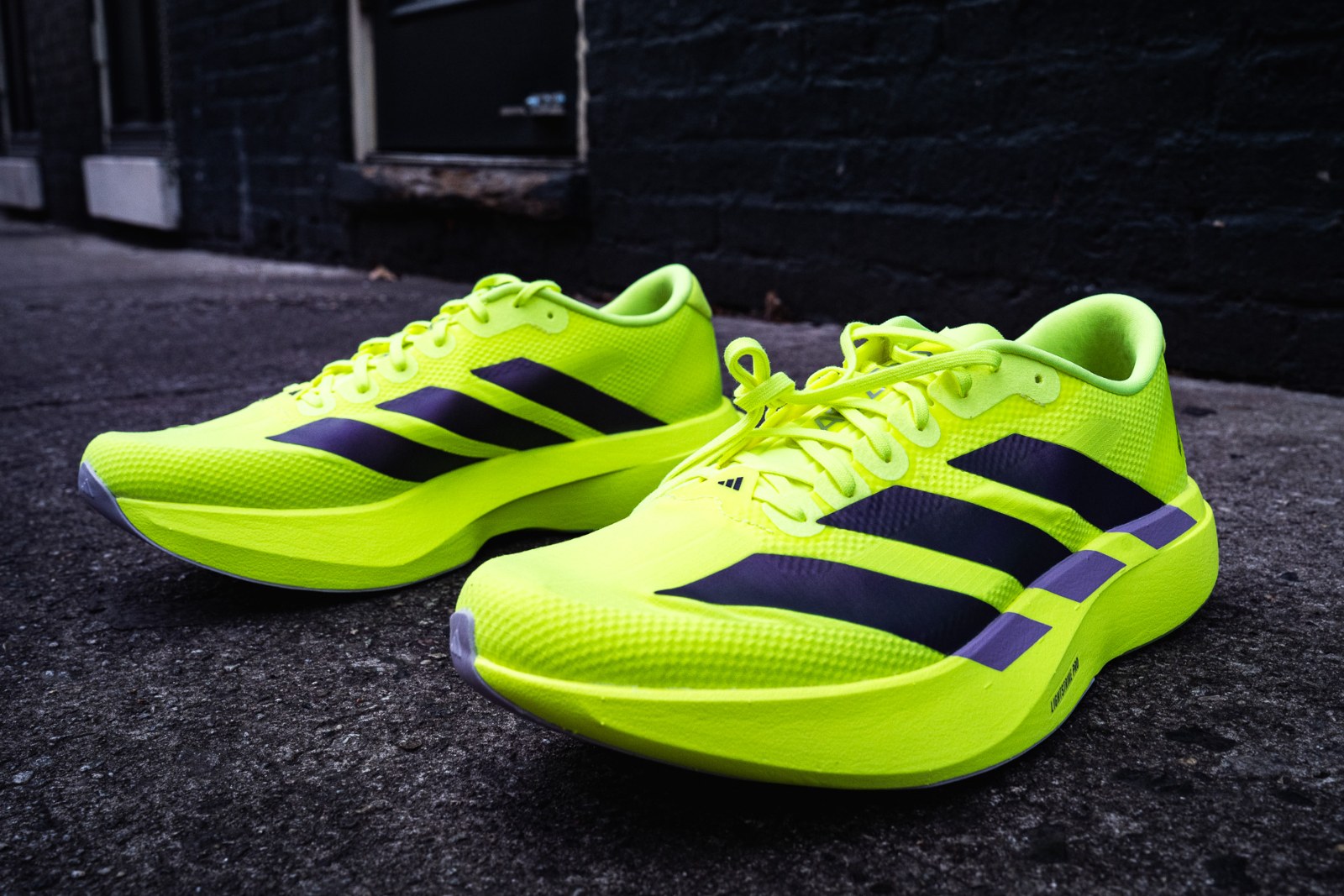
We couldn't possibly make a list of the best running shoes for beginners without including the Adidas Adizero Evo SL. It's a shoe we've loved since the day it came out, and we've tried to give it end-of-year awards for three years running.
Honestly, the Evo SL is the running shoe that everyone is trying to match, if not beat. It's simple, it's fun, and it comes in a billion and a half colors. Underfoot, you get a bed of Adidas's trusty Lightstrike Pro foam, which is the same compound it uses for race day. This time, though, there's no plate to add pop — you just ride the plush foam through daily miles, workouts, and whatever else is on your plate (get it?).
If you're not interested in the OG Evo SL design, Adidas also has a woven version, an Exo version with extra overlays, a trail-ready option, and even an Evo SL that zips up.
Shop Adidas Adizero Evo SL - Men Shop Adidas Adizero Evo SL - Women
Price: $145
9.6 oz (273g) for a US M9.5, 7.6 oz (218g) for a US W7
37.9mm in heel, 29.9mm in forefoot (8mm drop)
Daily miles and rizz farming
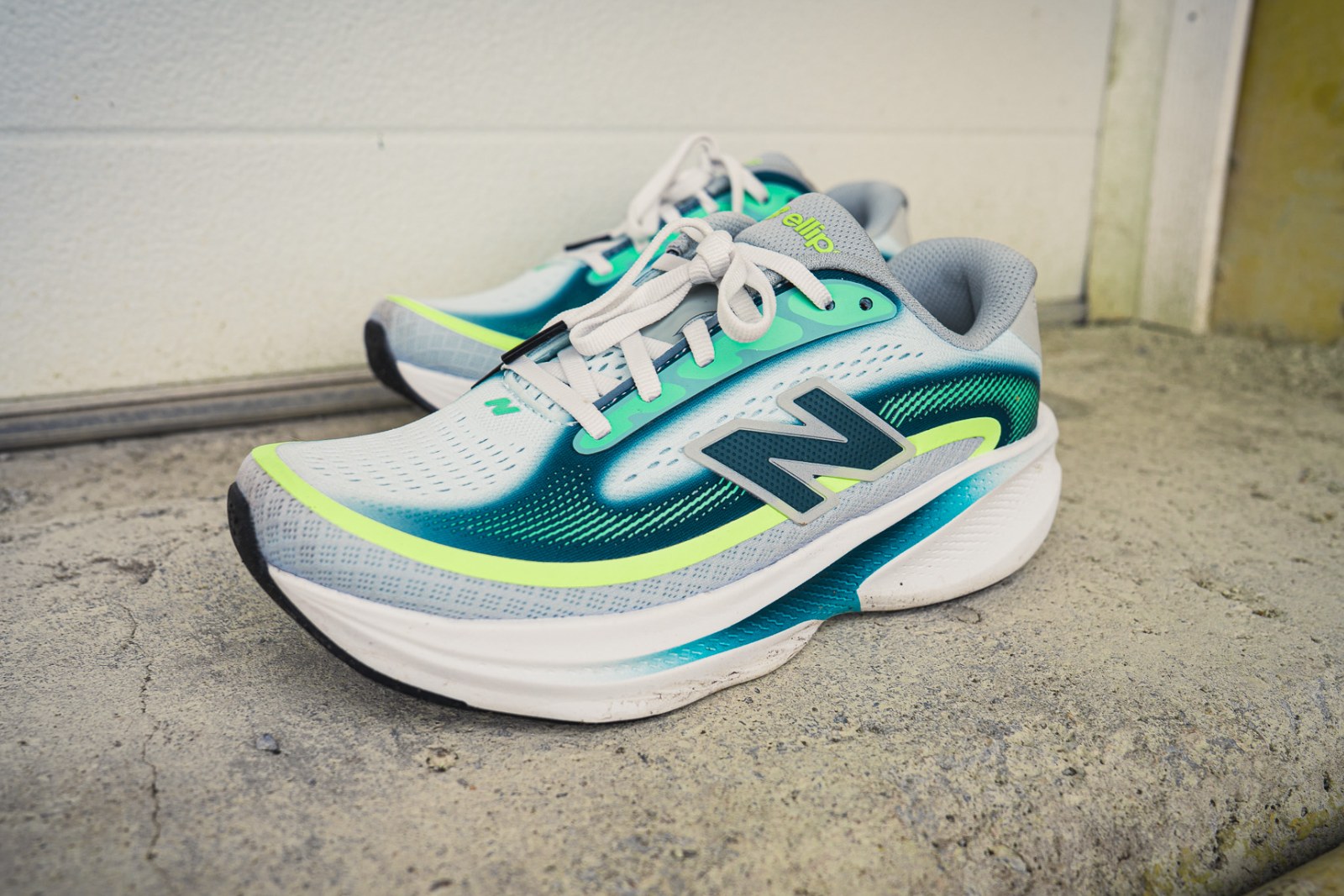
While the Evo SL is a great pick if you plan to jump right into workouts and faster days when you start running, New Balance's Ellipse v1 is a bit more of an everyday option. It's perhaps the easiest shoe on this list to wear casually, pairing style that's reminiscent of New Balance's numerical lineup with top-shelf running technology.
Put another way, the Ellipse v1 kind of feels like the true successor to both the 880 and the 1080 — budget-friendly, yet reliably comfortable. Also like the Evo SL, it's available in a ton of colorways, including a special version for the 2026 New York City Marathon. New Balance stuck with a simple formula for its daily trainer, laying a bed of Fresh Foam X underfoot, and pairing it with an impressively smooth rocker.
Also, if you think New Balance might be the right fit to start your running journey, you may want to give the Rebel v5 a look. It swaps Fresh Foam for FuelCell, adding a bit more pop and flexibility to your runs.
Shop New Balance Ellipse v1 - Men Shop New Balance Ellipse v1 - Women
Price: $145
9 oz (255g) for a US M10.5, 7.5 oz (221g) for a US W7.5
32mm in heel, 28mm in forefoot (4mm drop)
Road miles with a natural toe box
As they say in the world of Monty Python, "and now for something completely different." There is, simply, no other way to describe the jump from the likes of Adidas and New Balance to Altra. Don't worry, though, we're not throwing you in the deep end.
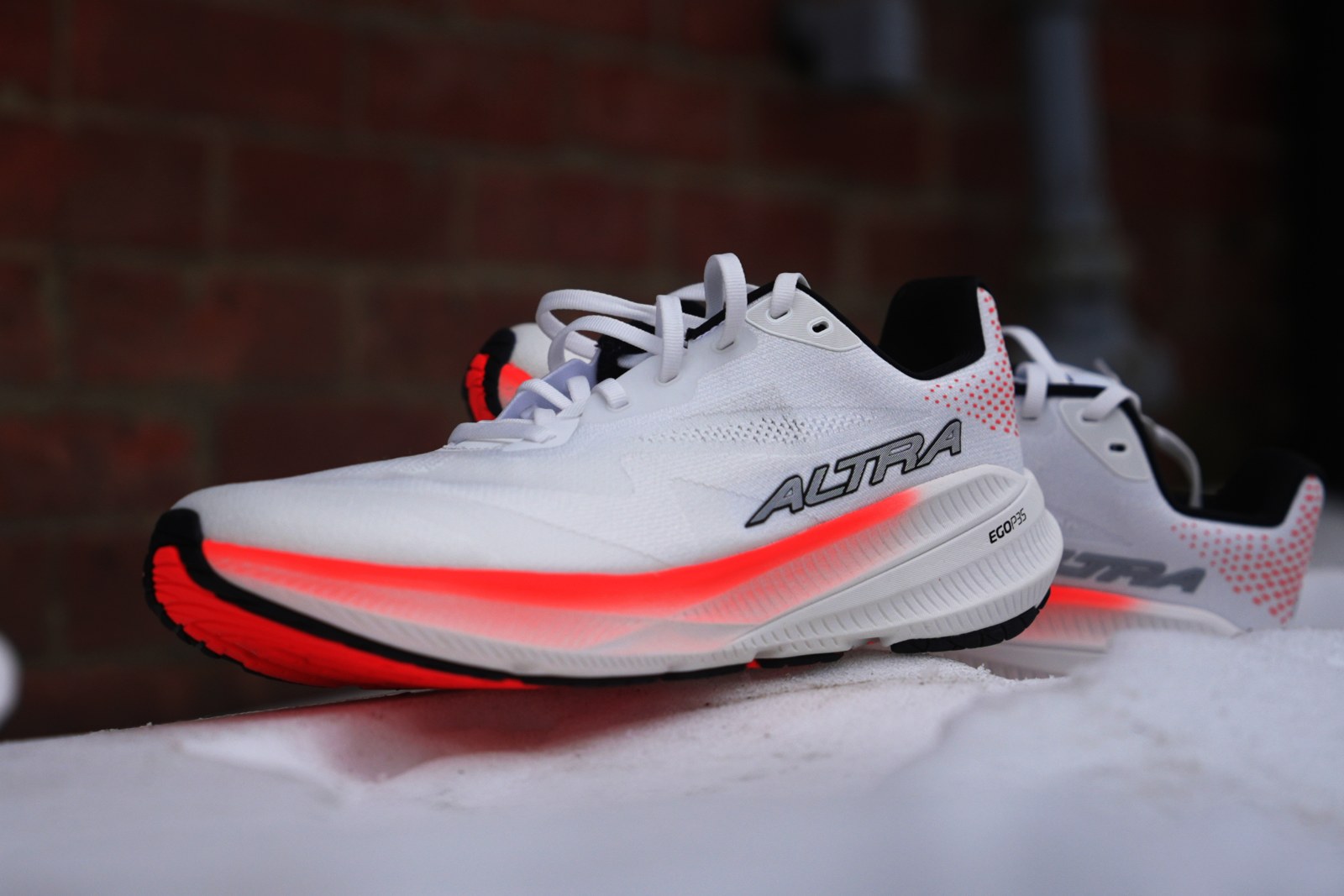
If you're thinking about beginner running shoes with natural toe boxes, you've no doubt come across Altra in your searching. The problem with that, however, is that not everyone wants to pair their wide toe box with a zero drop midsole, which is notoriously tough on the Achilles. So instead, why not try the low-drop Altra Experience Flow 3?
The Experience Flow 3 is a straightforward daily trainer, pairing a modest 32mm stack of Ego P35 foam with Altra's Standard Footshape. It'll give your toes a bit more room to splay as you log your miles, and we have to say that the redesigned collar is much, much more comfortable than the previous version.
Shop Altra Experience Flow 3 - Men Shop Altra Experience Flow 3 - Women
Price: $155
9.5 oz (269g) for a US M10.5, 7.4 oz (210g) for a US W7.5
40.5-41.5mm in heel, 32.5-33.5mm in forefoot (8mm drop)
Daily Training
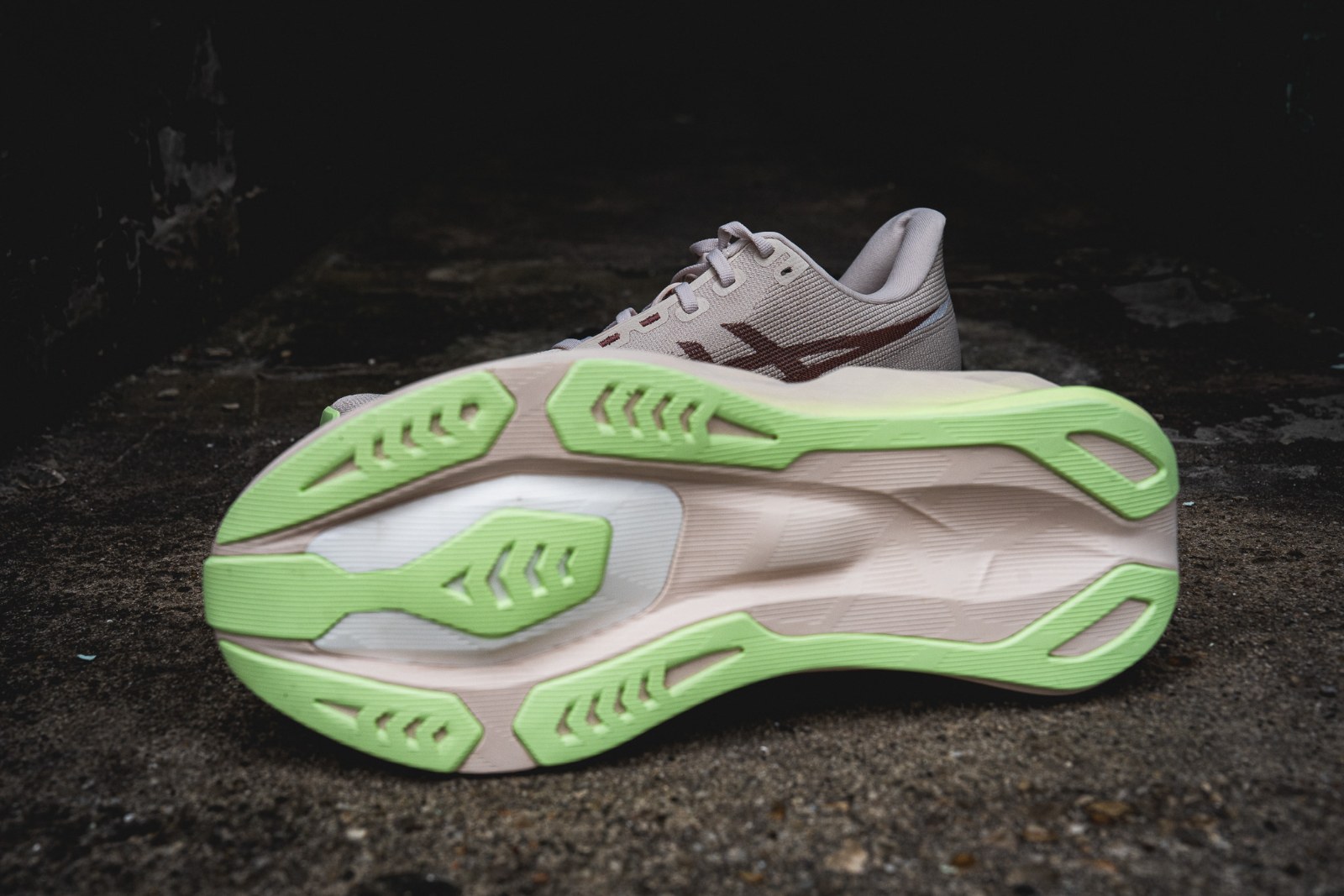
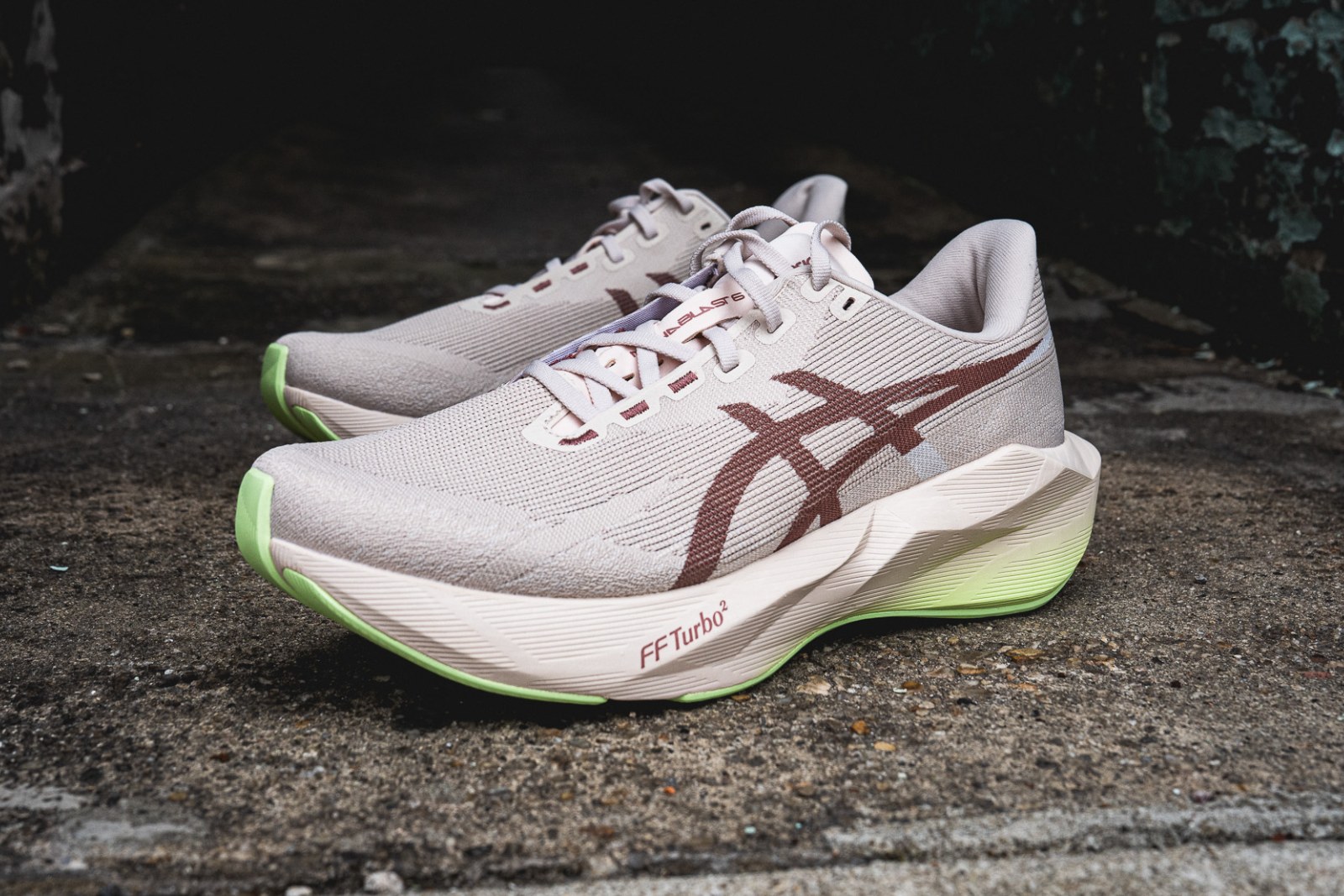
Some might say that the Asics Novablast 6 is stuck in cruise control, but we don't think that's a bad thing. See, the peppy daily trainer set its own bar extremely high when it launched a few years ago, and all it really has to do is keep up. Besides, there's actually a lot more new tech at play in its sixth generation than meets the eye.
For starters, Asics packed a pod of its brand-new FF Turbo Squared foam under the forefoot, which gives the Novablast 6 better bounce off the toes. We think it's made the ride just a little bit better, making it easier than ever to reach for the Novablast 6 as we head out the door.
Asics also refreshed the outsole on the Novablast 6, using a combination of AsicsGrip and AHAR LO for better traction on mixed (and possibly wet) terrain. All told, a great way to start your running journey, and probably one of the more fun picks on this list.
Price: $150
11.4 oz (325g) for a US M10, 9.3 oz (262g) for a US W8
46mm in heel, 36mm in forefoot (10mm drop)
Daily training and long runs
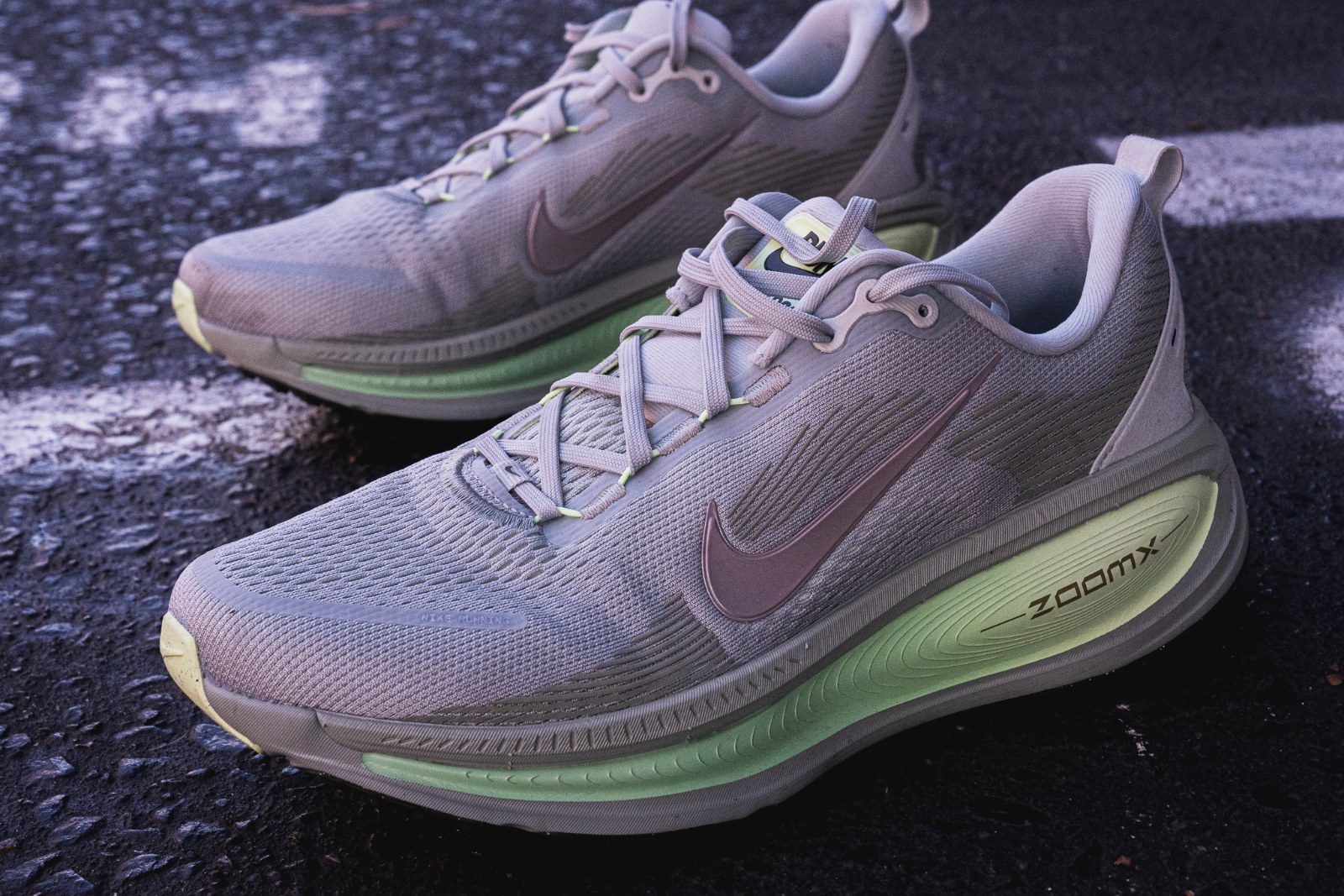
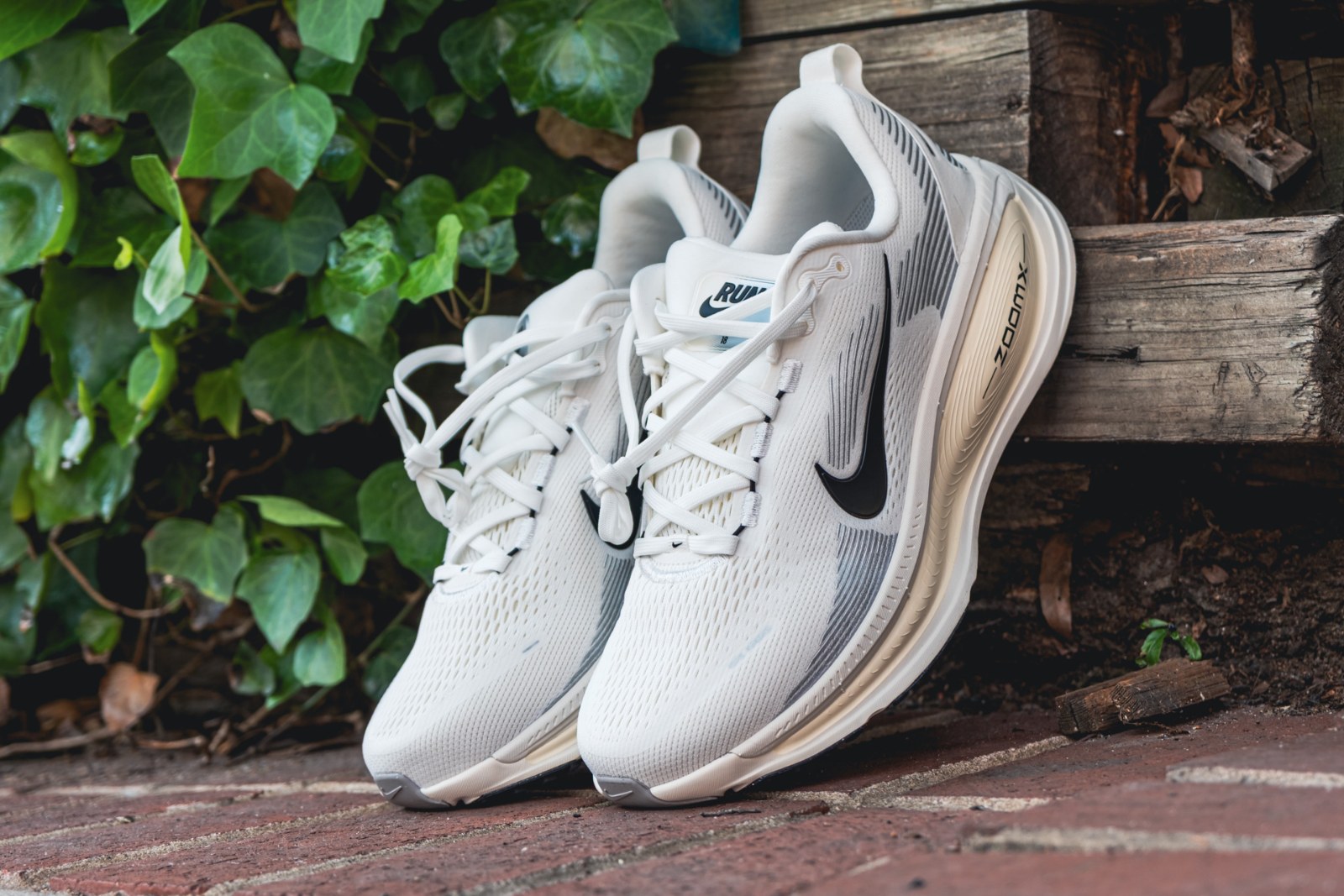
Nike might not have the go-to reputation for beginner runners that it once did, but it still has some worthwhile daily trainers. We'll skip the Pegasus line, though, and head right to its cushier cousin, the Vomero. When Nike revamped its running lineup a year or two back, it streamlined its options, and the Vomero 18 became its default daily trainer.
Perhaps the best way to think of this shoe is as a layer cake of all things Nike. It pairs a top layer of lively ZoomX with a trusty base of ReactX, giving you a shoe that has some bounce and response but will last for hundreds of miles. And yes, the Vomero 18 does land on the heavier side for a daily trainer, but that's the cost of comfort and reliability.
We'd also describe the Vomero 18 as a pretty good gateway to other Nike offerings. Its big brother, the Vomero Plus, is kind of like the old Nike Invincible, while the top-shelf Vomero Premium is a maxed-out, sky-high sandwich of bounce and fun.
Price: $150
9.4 oz (266g) for a US M9, 8.1 oz (229g) for a US W7
42.5mm in heel, 34.5mm in forefoot (8mm drop)
Easy road cruising
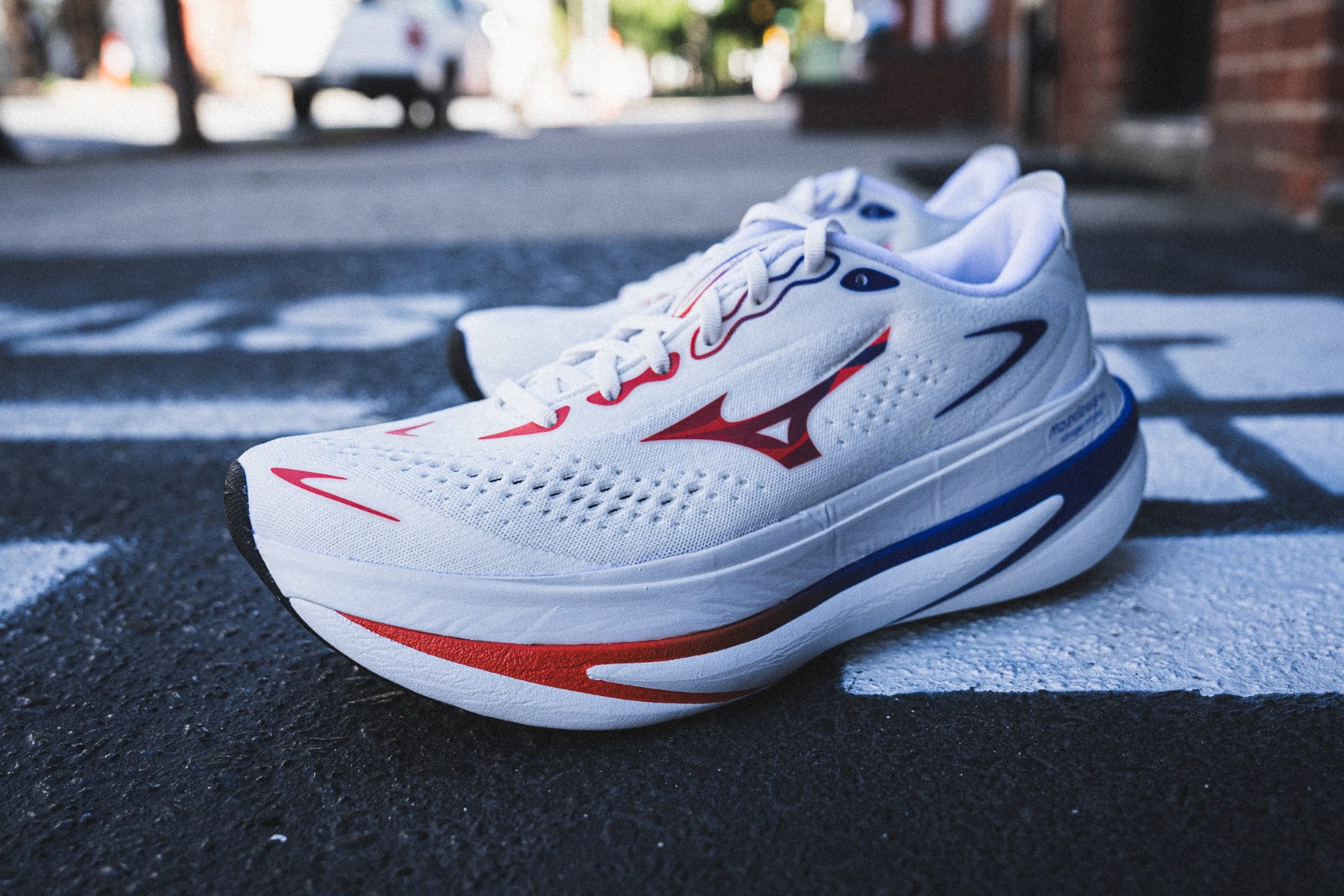
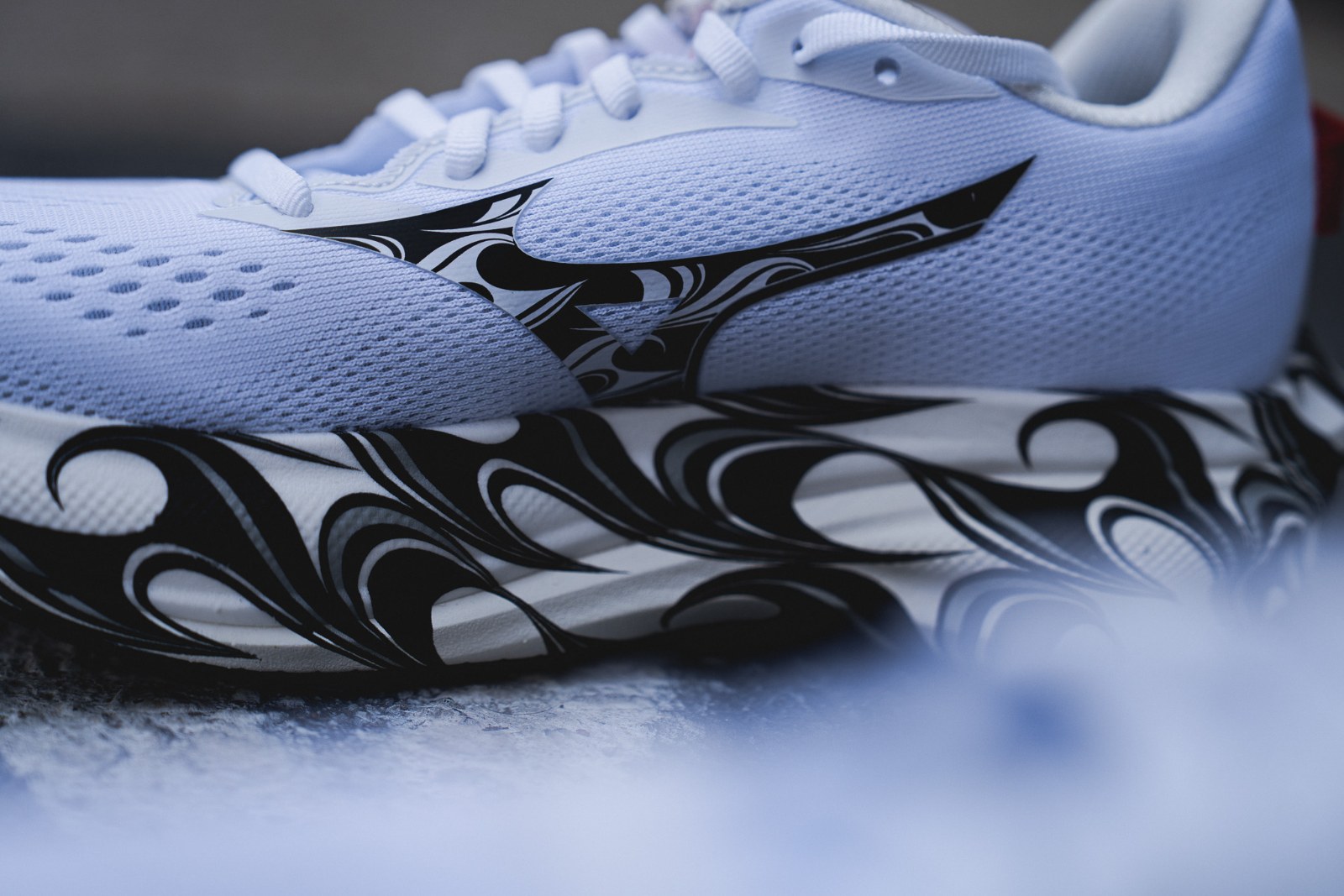
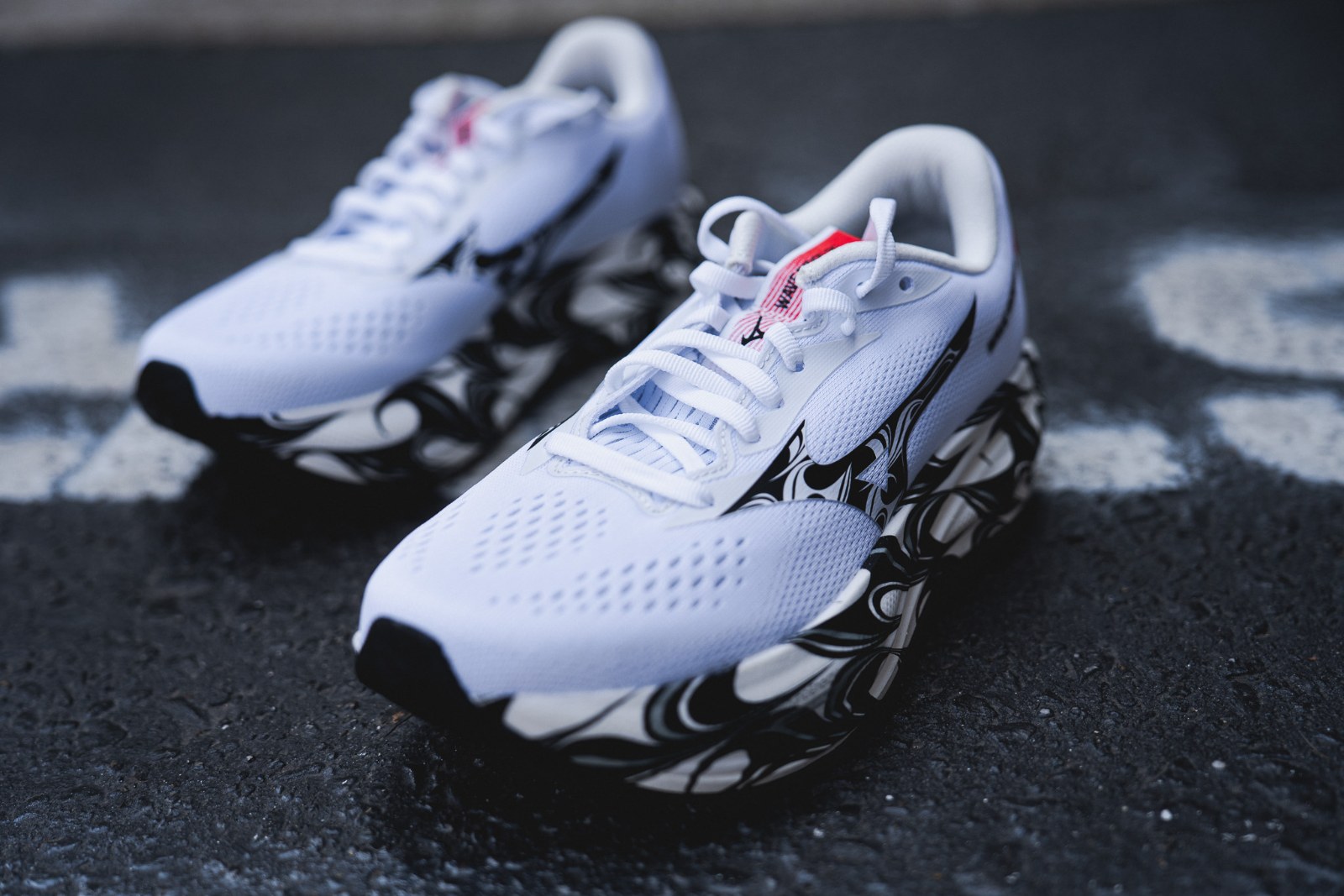
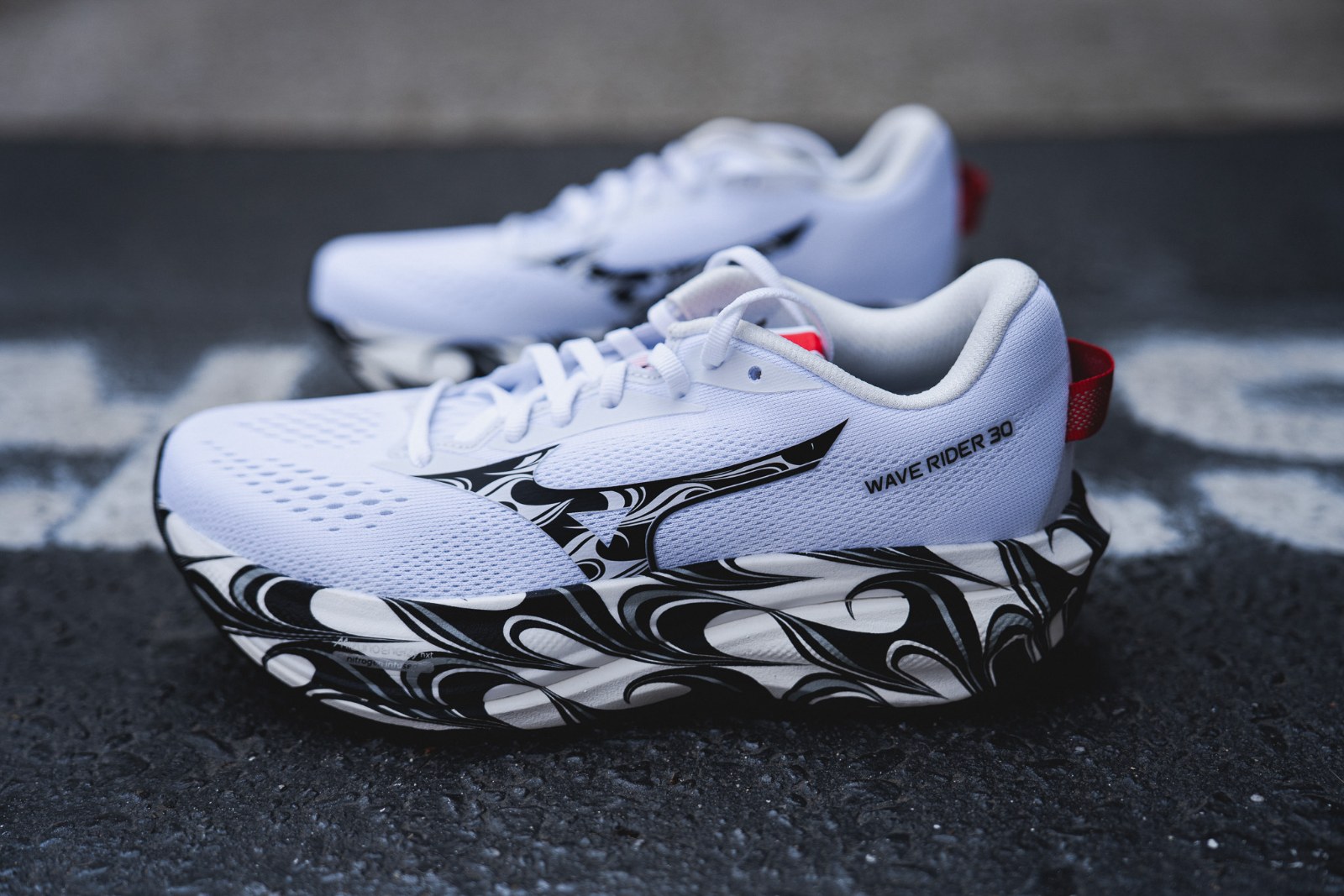
For a shoe that's been around 30 generations, you might still be surprised to see the Mizuno Wave Rider on this list. I mean, it's not the sexiest name or the sexiest design, but it really is a great shoe to start your running journey. It puts comfort over everything else, which is exactly what you need when you're training your body to love the mileage.
Underfoot, the Wave Rider 30 has grown up in the last few years. It's swapped from a chunky, firm Wave Plate to a much more subtle sensation, and the dual-density Enerzy NXT foam is plush for long days on your feet. Mizuno has also lowered its heel-toe drop from 10mm (or more) in previous generations to a much more approachable 8mm that feels good no matter your run.
Also, with cooler days just around the corner, the Wave Rider 30's well-padded upper might be just what you need. We found ourselves just a bit warm in the engineered mesh over the summer, but those days should be behind us soon.
Shop Mizuno Wave Rider 30 - Men Shop Mizuno Wave Rider 30 - Women
Price: $140
6.9 oz (196g) for a US M9, 5.6 oz (159g) for a US W7
36mm in heel, 32mm in forefoot (4mm drop)
Workouts and tempo runs
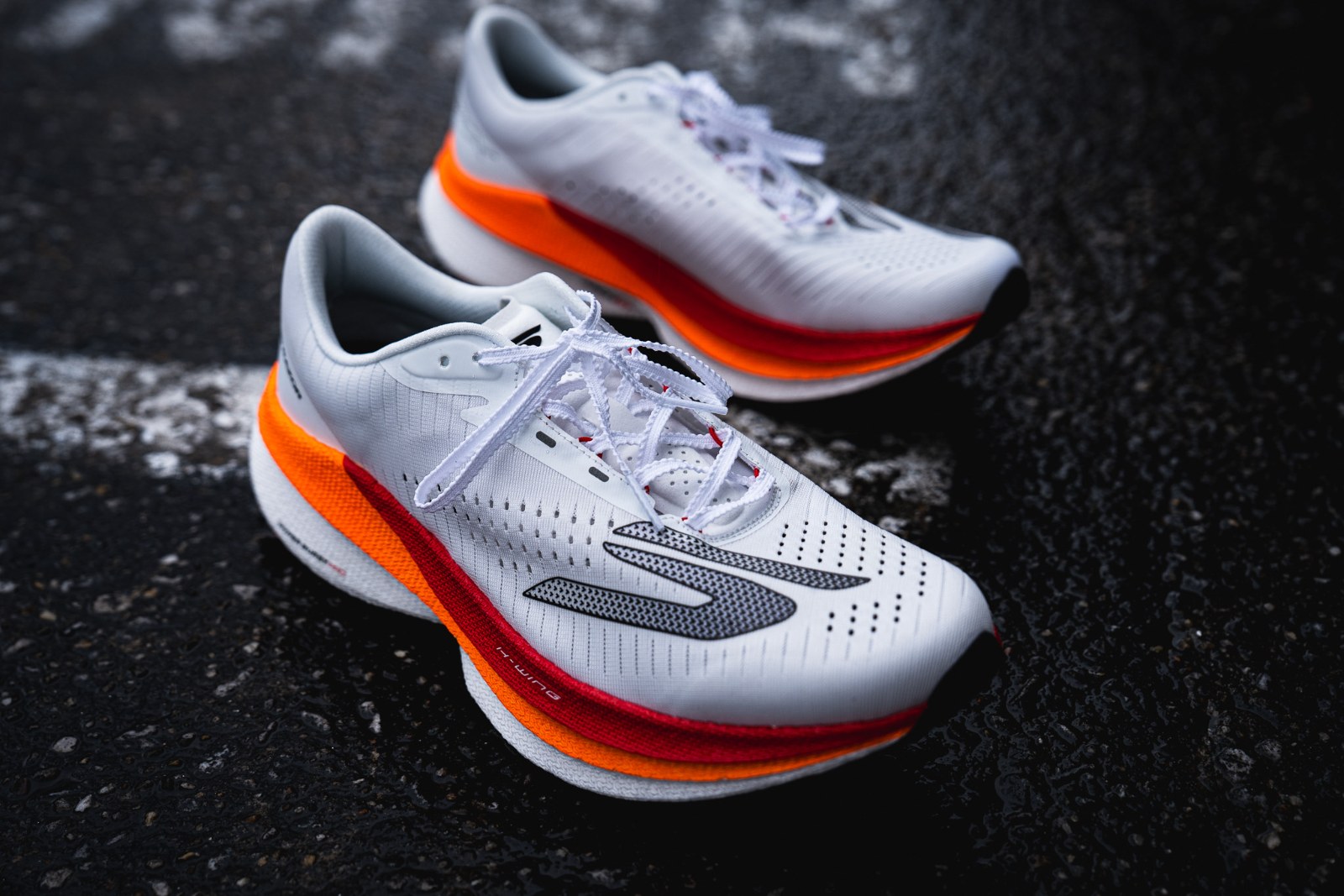
Another brand having a sneaky good 2026 is Skechers. Yes, seriously. Its new Aero Elite is one of the most fun, most affordable race day shoes on the market at just $225, and the Aero Razor holds down the other end of the spectrum nicely. It's closest to a Saucony Endorphin Speed competitor, but $30 cheaper and way more niche.
Honestly, the Aero Razor represents everything that Skechers has been doing right over the last few years. It has a lively platform of Hyperburst Pro underfoot, an H-shaped carbon fiber plate in the forefoot, and plenty of Goodyear rubber underneath to keep you rolling on the mean streets of Baltimore... or anywhere else.
We felt like the Aero Razor had a tough job when it was announced. Skechers had just given us an Aero Tempo that was neither of those things, and it made us nervous for the future of the Aero line. With the Razor, though, Skechers has shown that it can make a lively (and affordable) trainer for runners new and old and even pros like Shelby Houlihan.
Shop Skechers Aero Razor - Men Shop Skechers Aero Razor - Women
Price: $155
8.1 oz (230g) for a US M9, 6.7 oz (190g) for a US W7.5
39mm in heel, 31mm in forefoot (8mm drop)
Daily road miles and short workouts
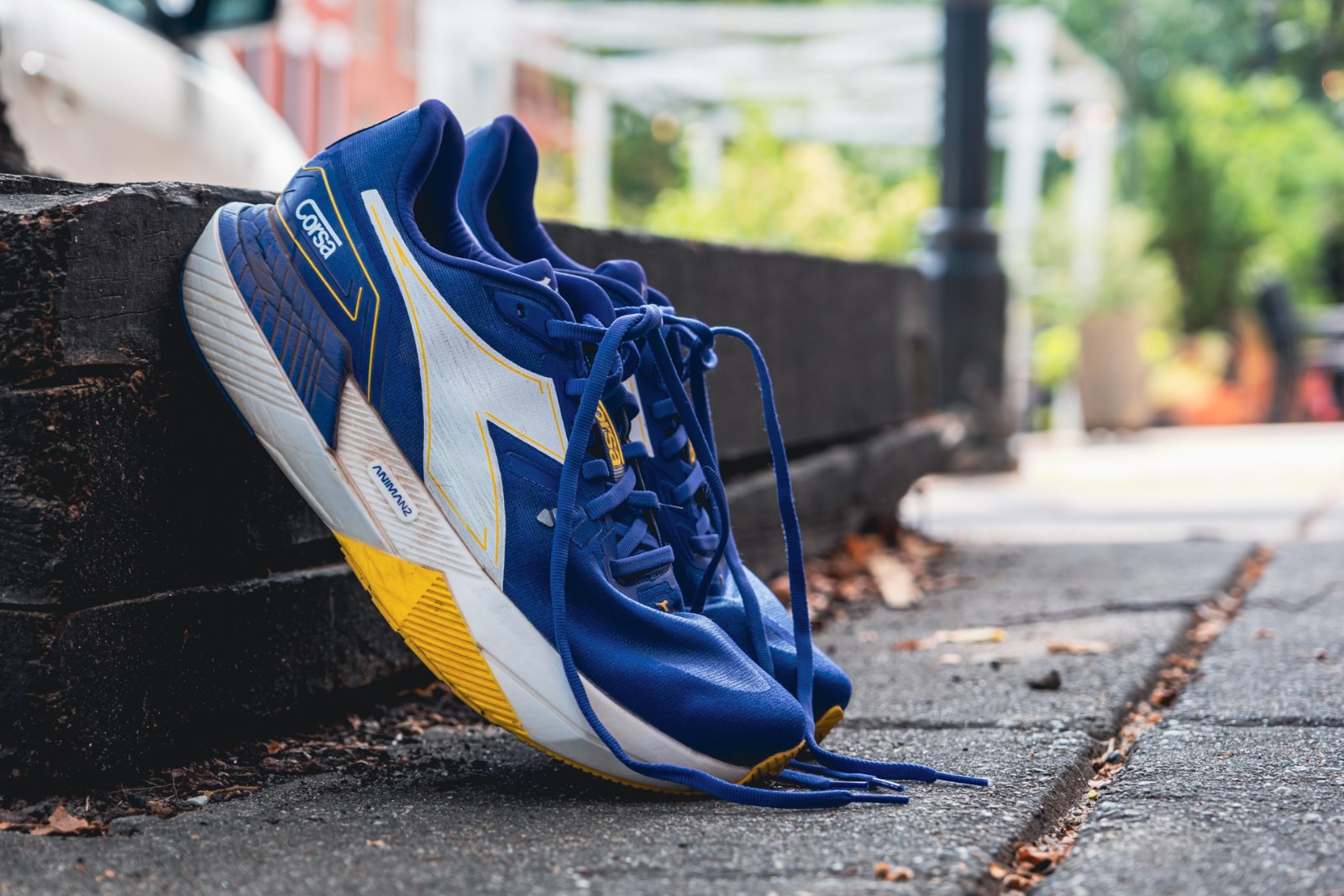
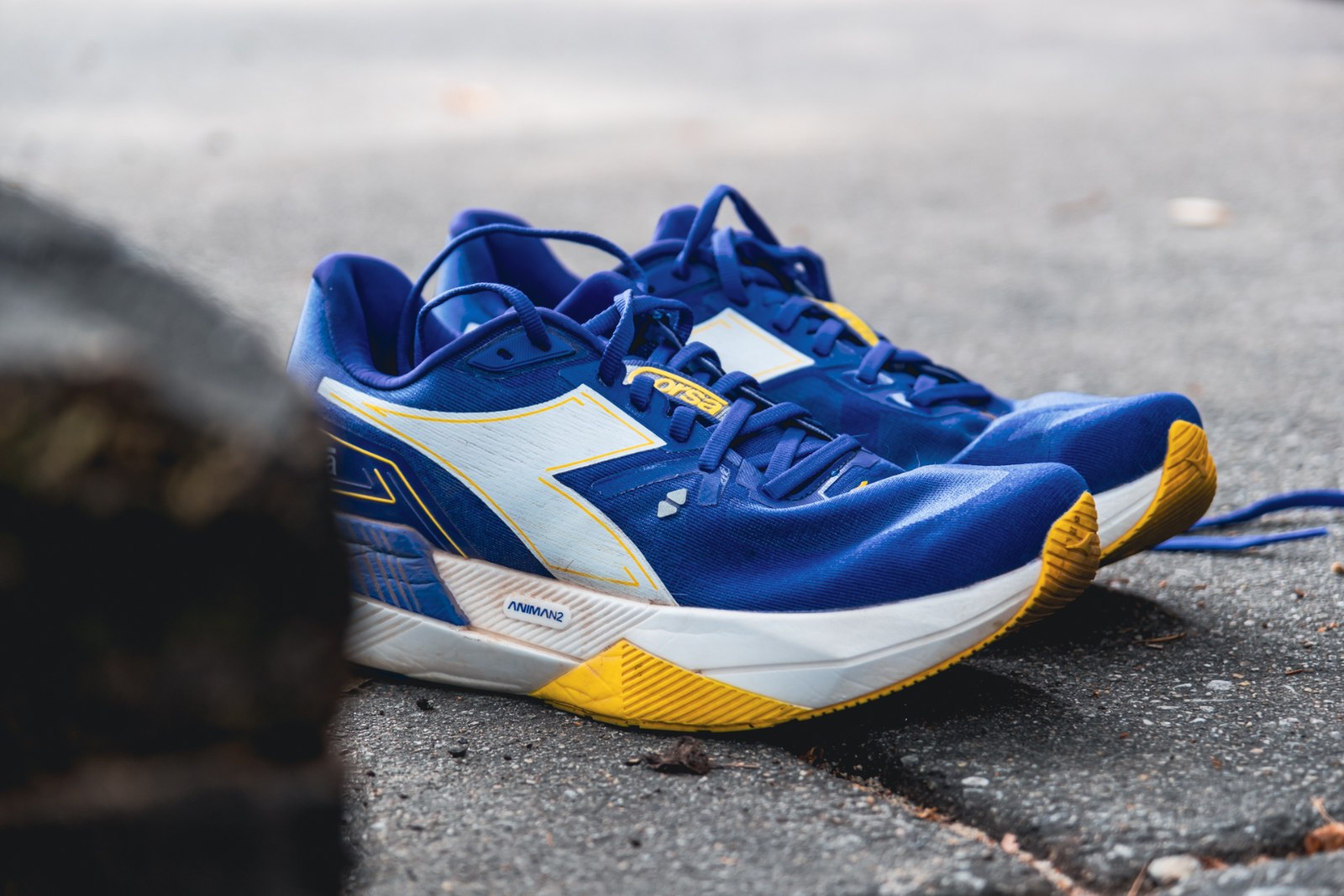
If I had to pick a personal favorite beginner running shoe, it would be this one. The Diadora Corsa is, as I see it, the best shoe that the storied Italian brand has ever made. It's a daily trainer that was designed with a very specific brief in mind: To stand up to a long, unpredictable cross country season. To me, that also sounds like it's meant to stand up to the beginnings of a running career.
What makes the Corsa so good in my book is its simple, straightforward midsole. It uses Diadora's bouncier Anima N2 foam, which is just as comfortable during a warmup jog as it is during an interval. The platform of the Corsa is nice and wide, too, giving it some natural stability without resorting to stiff, traditional stability technology.
Oh, and if you want a daily trainer that looks good both on and off the run, you can't really compete with some retro Italian styling. The Corsa looks like it came right out of a European Tracksmith catalogue, which is as clean as can be.
Shop Diadora Corsa - Men Shop Diadora Corsa - Women
All of our recommendations come directly from our feet to your screen. We test countless running shoes here at Believe in the Run, and we let our reviews guide our decisions. However, we also consider other reviews and our BITR community, as not every runner has the same experiences. We also aim to stick with shoes that are currently available so you can give our recommendations a try.
Want to learn more about how our review process works? Check out this guide.
Sign in or create a free account to comment. You'll come right back here.
Sign in / Sign up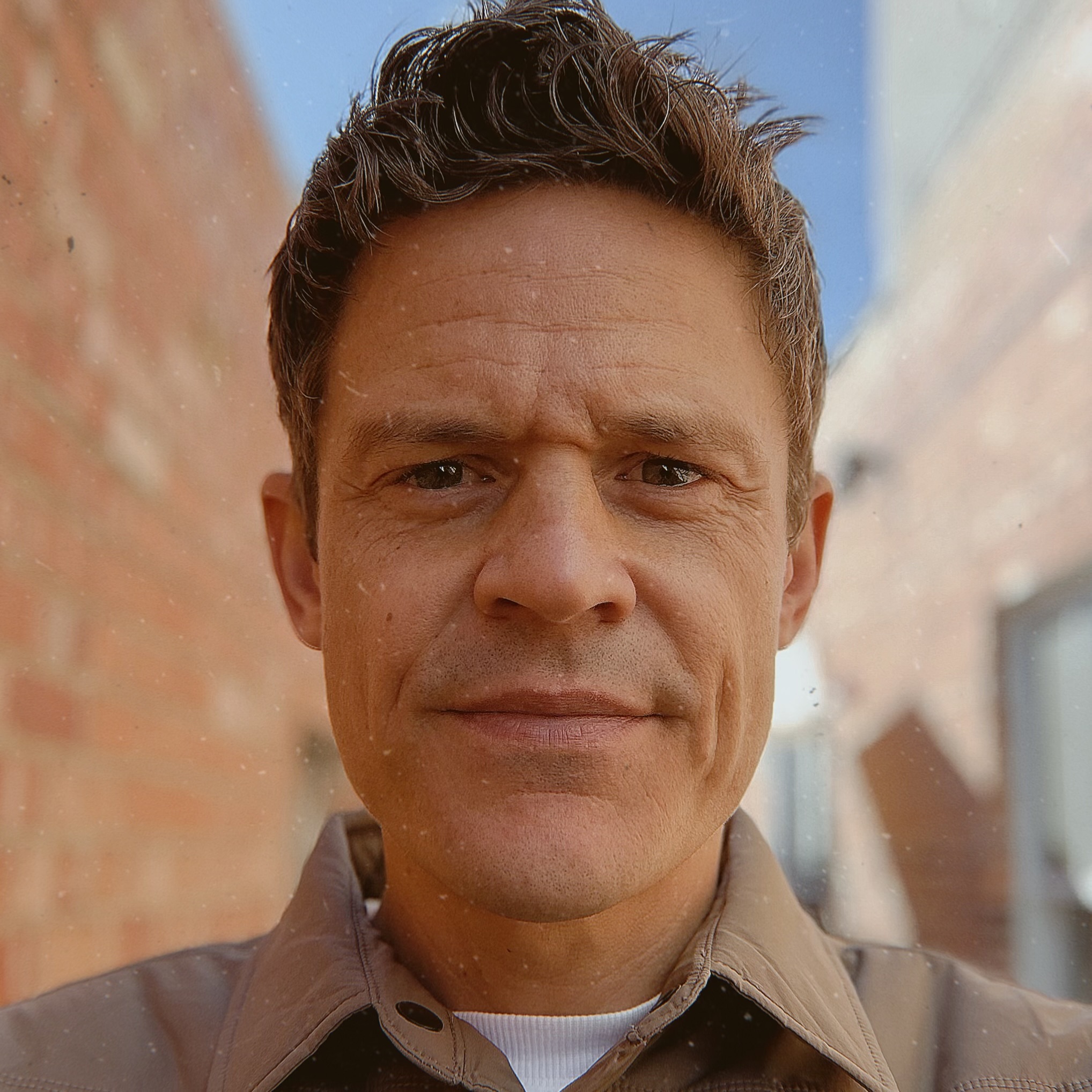


Based in northern Colorado, Bryce is a husband, dad, and attorney who finds his clarity on the run. What started as a way to stay fit has become a daily discipline rooted in faith, structure, and forward motion. He is obsessed with training, gear, and early miles—and believes running is one of the best ways to show up for the rest of life.
More from Bryce