We independently review everything we recommend. When you buy through our links, we may earn a commission.
Nike ACG is back with a new image, new products, and a new vision
A quick view of the history of the brand and how it became a cultural giant that could bring Nike credibility in the new running space.
What it means for running and the outdoors
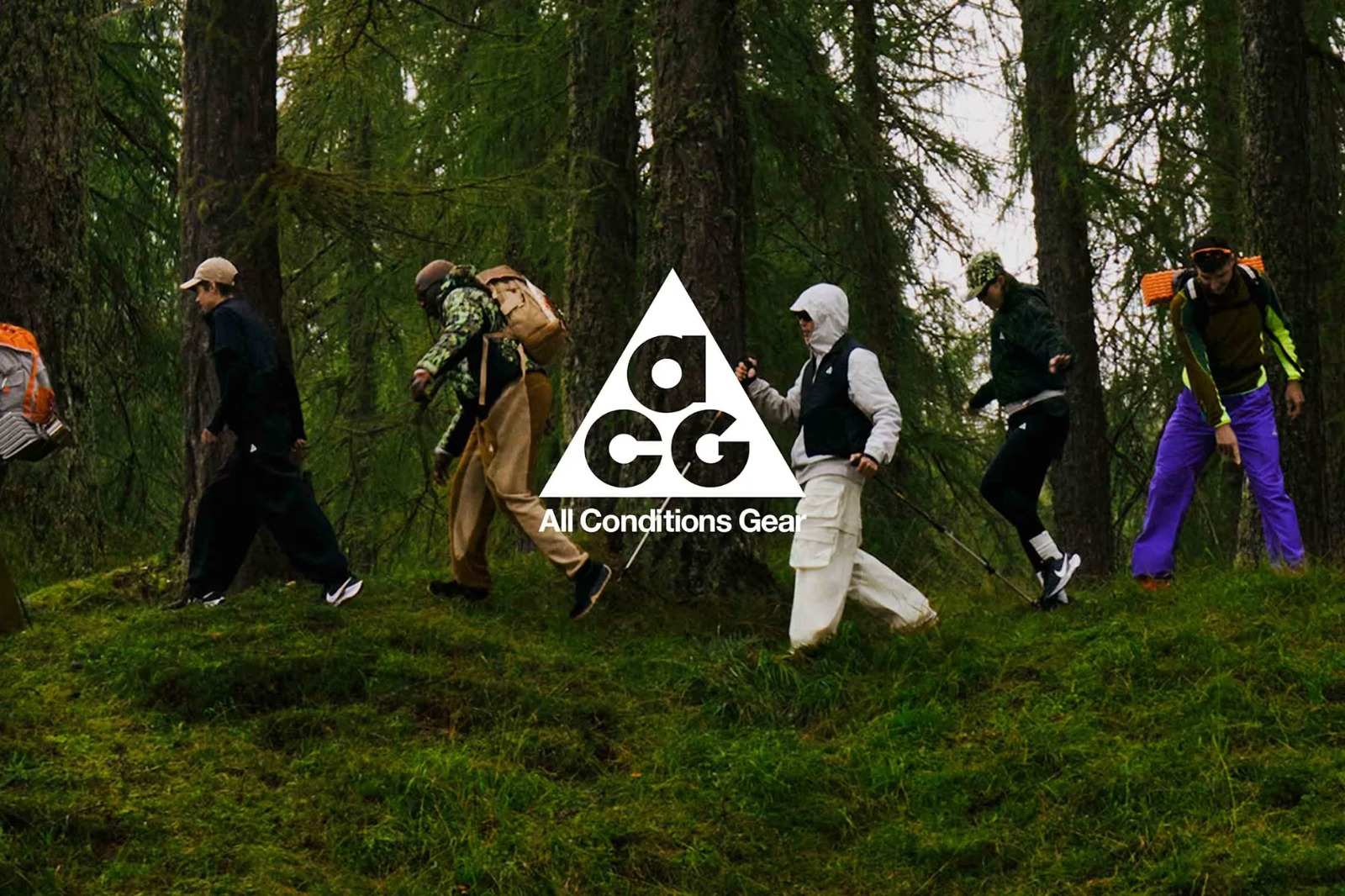
When Caleb Olson crossed the finish line at Western States in 2025, we knew something new was upon us. In Portland, a group of Nike executives watched from a control room as a comeback chapter unfolded: the return of ACG (All Conditions Gear).
Since then, social feeds have been flooded with rugged buses, orange trains, and Bigfoot merch popping up across cities. Nike is not just relaunching a sub-label. It is rebuilding credibility in a part of the market where performance alone is no longer enough, and where culture decides who gets to lead.
The ACG comeback is good for the running culture, and it may even be better for Nike’s business.
Shop Nike ACG - Men Shop Nike ACG - Women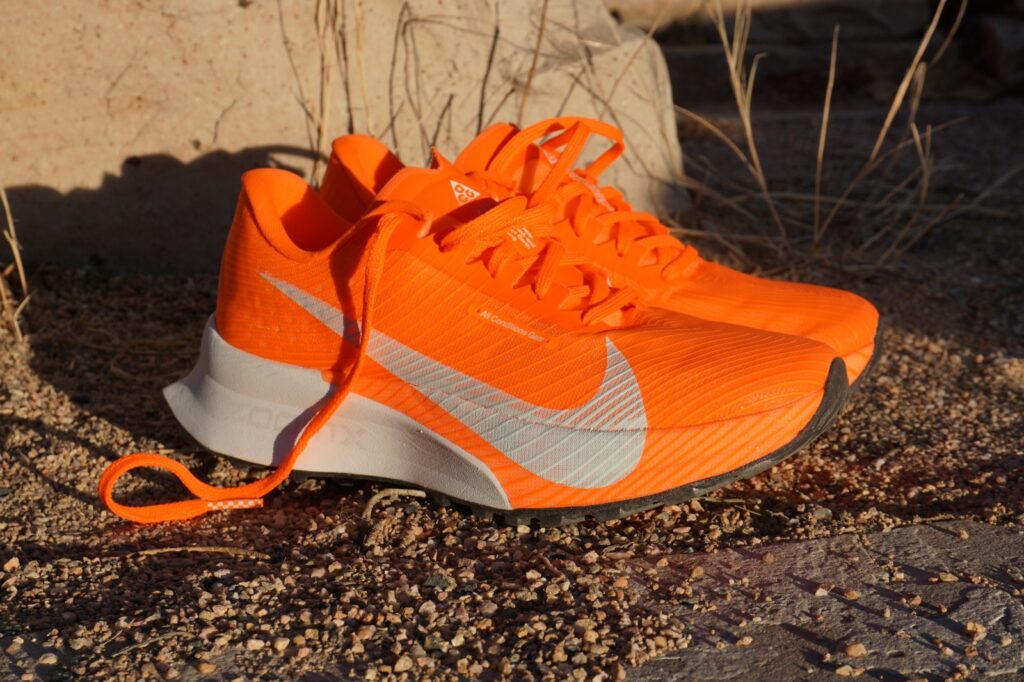
The all-new Nike ACG Ultrafly
Nike’s recent running reset has been meaningful. A clearer shoe lineup organized in specific siloes and strong product releases, including the Vomero Plus, have helped the brand regain momentum against big names like Adidas or Asics and newcomers like On and Hoka.
But the market has grown a new tier: the “challengers.” Brands such as Bandit, Soar, Unna, and Satisfy that win on specificity, intimacy, and attitude. In that context, Nike Running can be seen as too broad, too familiar, and occasionally short on edge. The product can be excellent, but the story often feels inherited rather than earned.
Reviving a label like Gyasoukou or ACG is one of the cleanest ways for Nike to re-enter the contemporary runner mindset without pretending it is a niche player. ACG is a permission slip. It lets Nike speak to trail and technical fashion with a backstory that is already credible.
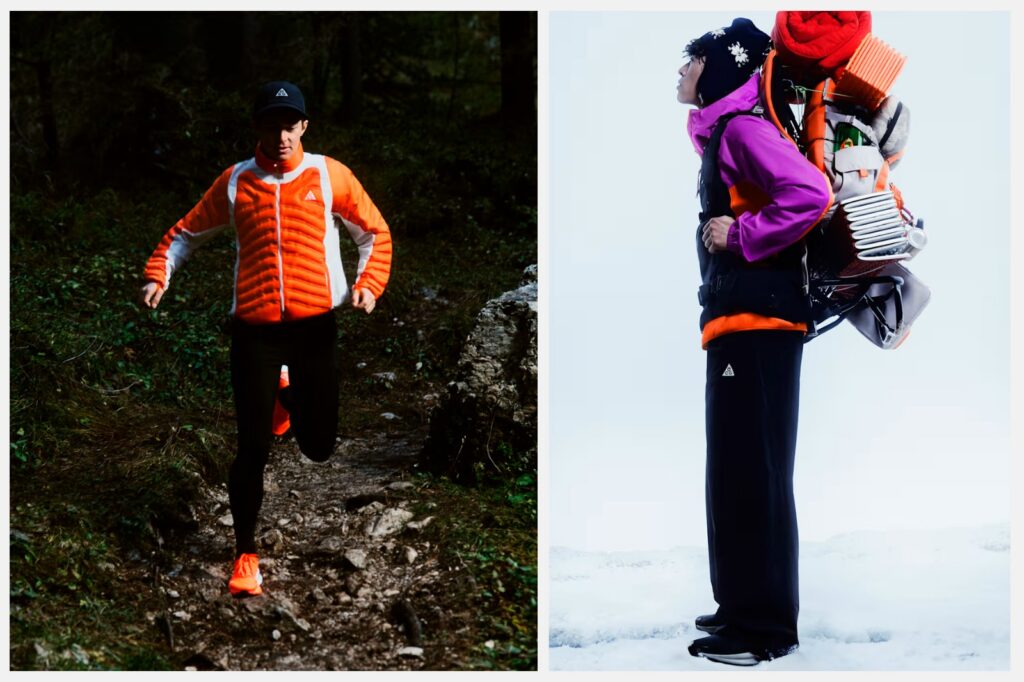
Jackets in the new Nike ACG line, including ACG Lava Loft (left) and ACG Phantazma (right) (photos courtesy of Nike)
Running, trail running, hiking, and streetwear are at a new peak of overlap. The same consumer can go on a Saturday morning club run, a Sunday hike, and a Monday photography shoot, and they want a kit that travels across all of it.
All Conditions Gear has always lived in that in-between. It is performance-led, but quirky and adaptable enough to operate as a style. It also speaks directly to the technical fashion audience that helped canonize the line for decades, and that, in recent years, has been more willing to ditch Nike when the product or posture stopped feeling progressive.
That said, Nike ACG never truly left. It just stopped being Nike’s main interest as it floated between categories without truly defining itself.
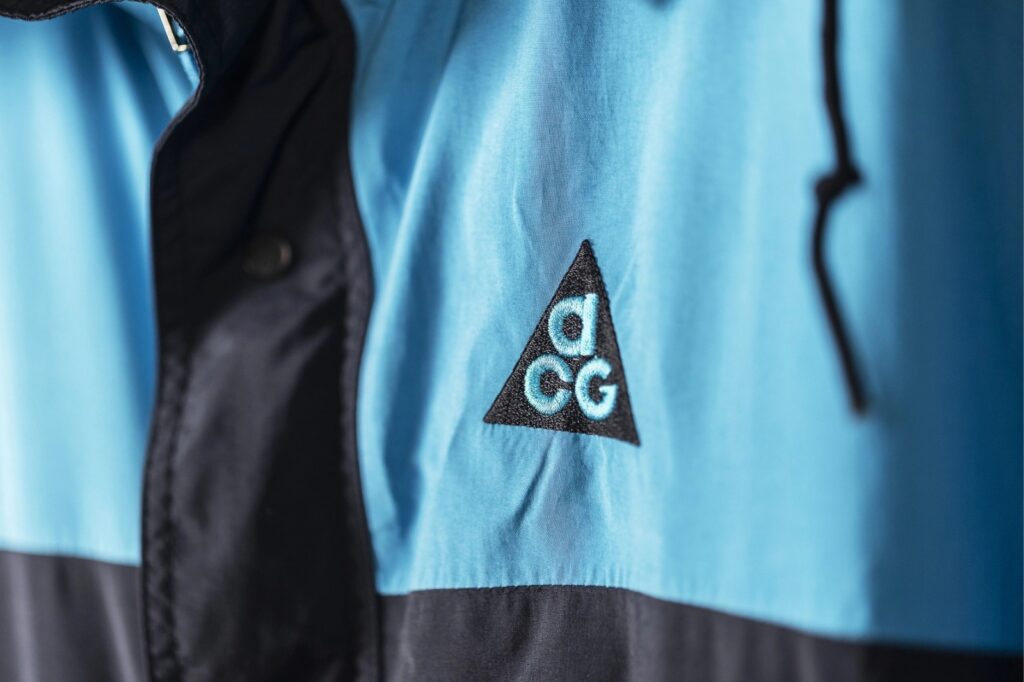
Photo courtesy of Nike
Nike ACG is one of the most enduring sub-labels in modern sport. It began as technical outdoor gear and evolved into a cultural reference point long before terms like techwear or gorpcore became cliches. Its 35+ year run shows how function, design, and subcultural adoption can turn rugged shoes into IYKYK staples.
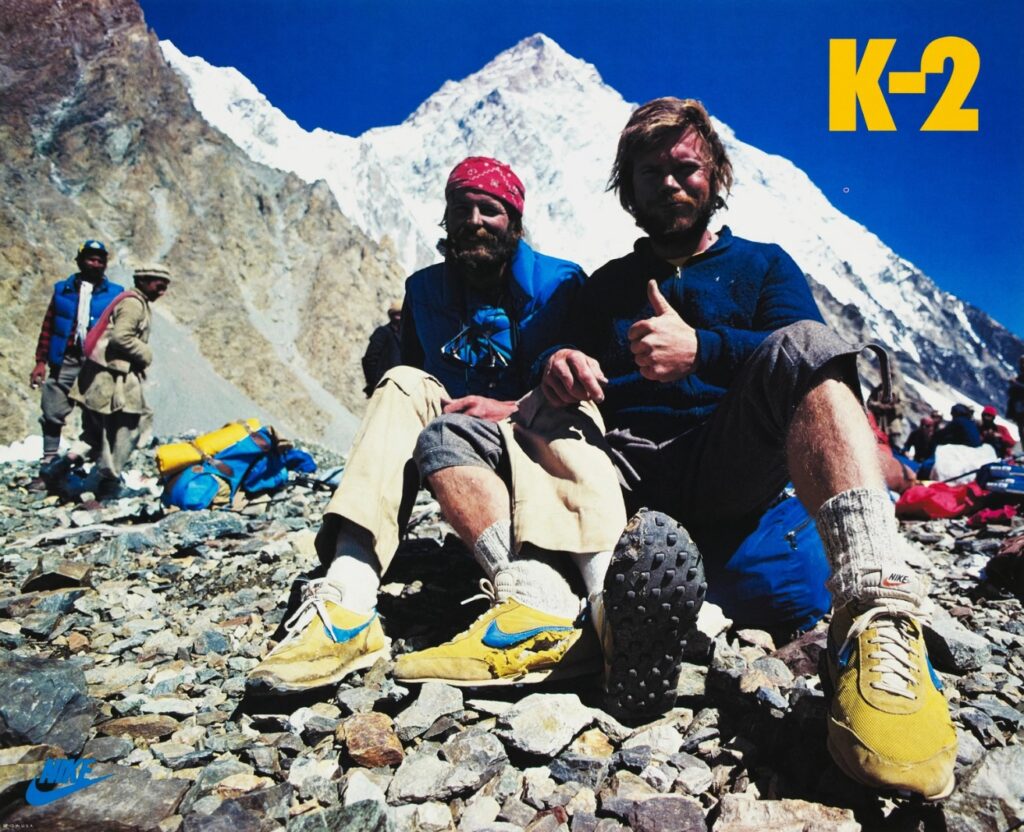
Rick Ridgeway and John Roskelley, the first Americans to summit K2 in 1978 (photo by Dianne Roberts, courtesy of Nike)
The myth starts with legendary alpinists Rick Ridgeway and John Roskelley, the first Americans to summit K2 in 1978. They did it while wearing battered Nike LDV running shoes, reinforced with Shoe Goo and held together with duct tape. This iconic image of Nike footwear conquering the world’s second-highest peak inspired the brand to explore outdoor performance seriously. After the expedition, the duo gave Nike a full rundown of recommendations to make the LDV more capable for off-road adventures. This was the seed for what would eventually become All Conditions Gear.
The official launch of ACG followed in 1989 with models like the Son of Lava Dome and Wildwood, supported by a full apparel line for wind, rain, and snow. Early ACG positioned itself with a simple, almost playful confidence. Its original tagline: “Designed, Tested, and Made on Planet Earth.”
In 1991, Tinker Hatfield’s Air Mowabb arrived and became ACG’s poster child. It remains one of the most influential outdoor shoes ever created, less a hiking shoe than a blueprint for what technical footwear could look like.
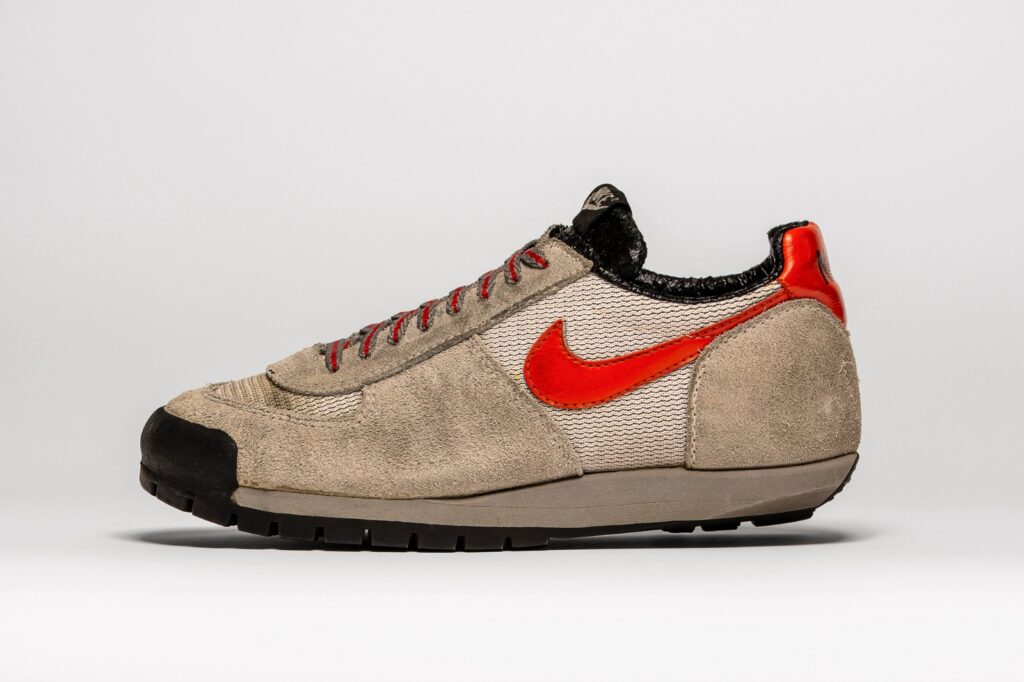
Nike Lava Dome (1989)
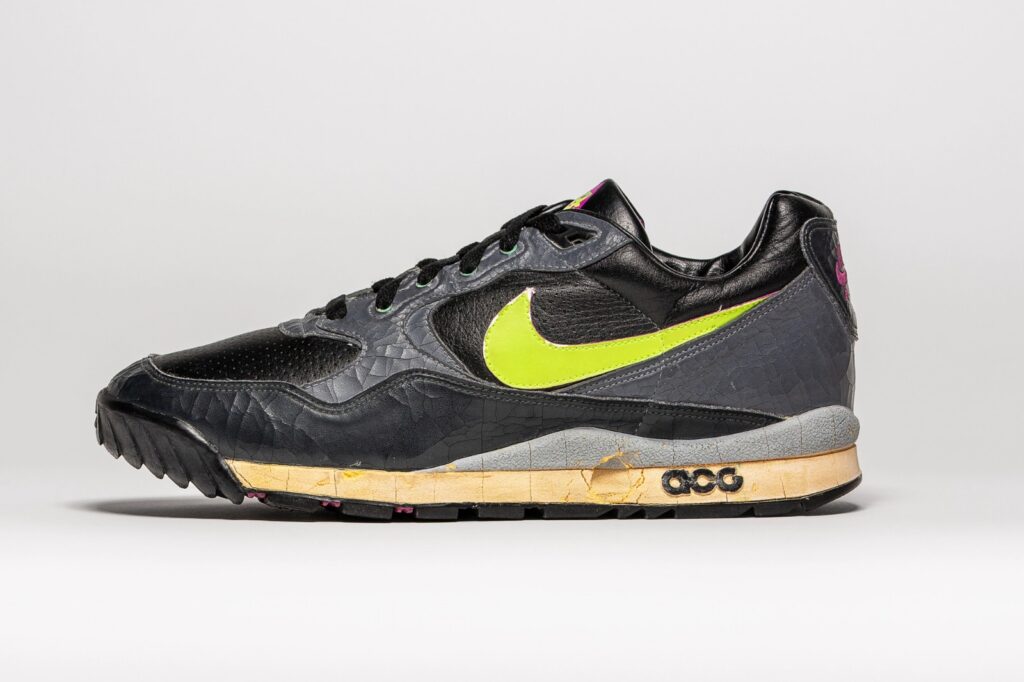
Nike Air Wildwood ACG (1989)
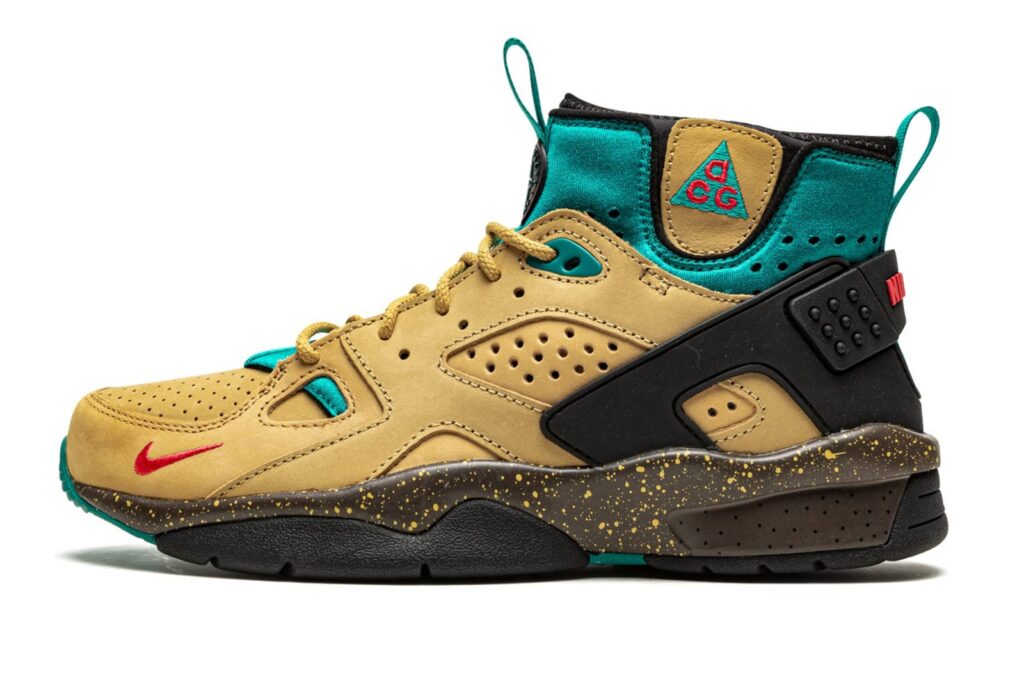
The iconic Nike ACG Mowabb (1992)
In the 2000s, ACG broadened. It became more like Nike’s outdoors division than a cult design lab. The range expanded, but the point of view blurred. Still, the era seeded ideas that would later be considered proto-gorpcore: low-cut hikers, aggressive lug patterns, improved foams, breathable synthetics, and more weather-resistant uppers.
Japan played a big role. Boutiques and magazines quietly elevated late-90s and early-00s ACG as technical design reference points. Over time, vintage ACG started circulating through Tokyo, London, and Berlin as fashion language, not just hiking gear. (Sounds similar to recent brand stories?)
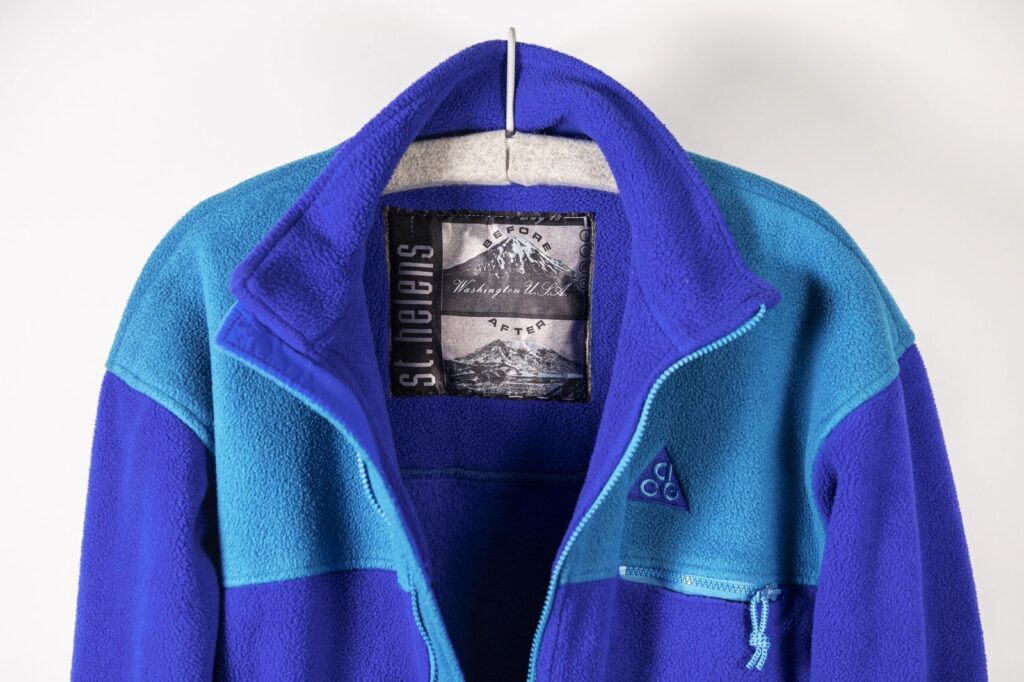
Nike ACG Mount St. Helens, commemorating the 10-year anniversary of the eruption (1990) (photo courtesy of Nike)
In 2014, CEO Mark Parker made a pivotal choice: he tapped Errolson Hugh, co-founder of Berlin-based label Acronym, to reimagine ACG under NikeLab.
The shift was sharp. All-black palettes replaced funky outdoor colour. The product leaned its design into minimalism and systems: three-layer Gore-Tex, taped seams, highly functional pocketing, and garments built around movement rather than silhouette alone.
This period was ACG’s most innovative and culturally potent, arguably the line’s peak as a design-forward performance proposition. Then NikeLab was wound down, Errolson was out, and ACG drifted back toward retro cues. The edge softened, but the core fandom never left.
The new ACG is positioning itself across groups that share a common obsession: conditions. From trail pros to Bigfoot. From run clubs in the snow to football clubs in the snow. All Conditions, as an organising idea, is broad but coherent.
The smartest move is making ACG adjacent to running without making it exclusive to running. Modern athletes and modern consumers want gear that works across multiple contexts, not a closet divided by single-sport identity. That flexibility also opens up creative space for collaborations, where Nike tends to turn attention into demand.
So far, the marketing and creative language feel refreshed, bold, and intentionally playful, recalling an older Nike confidence. It’s exciting and simply put– really freaking cool.
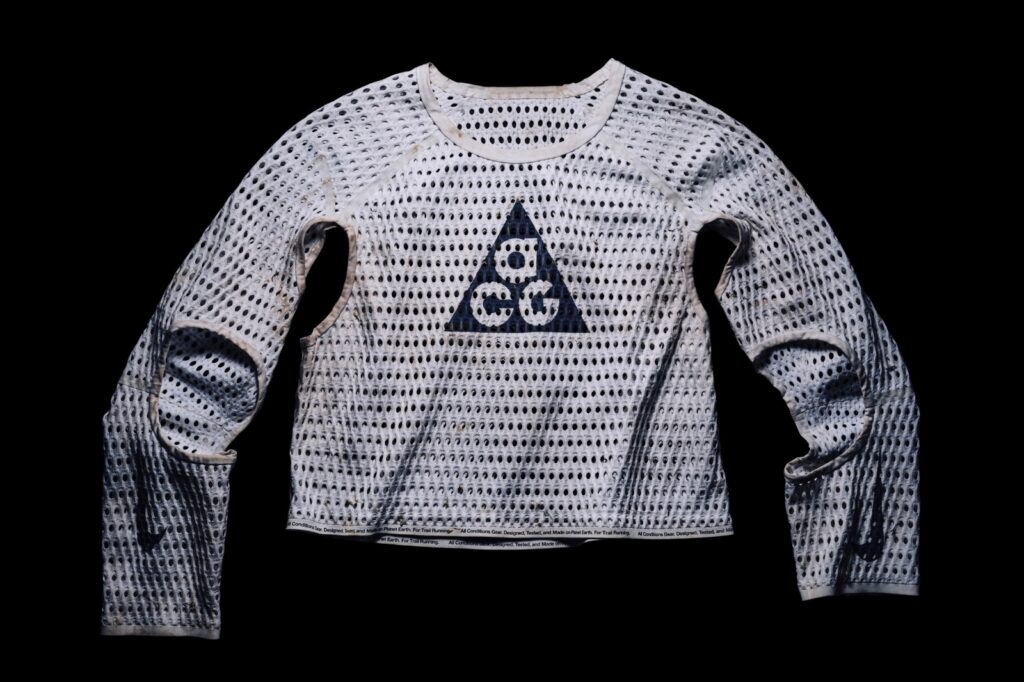
Nike ACG Radical Airflow trail running top (currently unavailable to the general public) (photo courtesy of Nike)
There is still a clear path to failure. Nike has a history of pushing product too hard and diluting meaning through volume. And beyond the Radical AirFlow shirt and the ACG Ultrafly shoes, much of what has been released so far does not feel as strong as the visual world Nike has built online.
If ACG is going to matter again, it needs discipline. Fewer products, better products: the hero pieces are there, but the rest of the line lacks the same curated intention. If you go to the Nike webstore now, you will get confused by hundreds of products from different seasons and DNA. The interesting bits cannot be reserved for the elite.
Nike ACG was long overdue. The comeback is refreshing, exciting, and the opportunity is real. Now the rest of the available product has to catch up with the promise.
Shop Nike ACG - Men Shop Nike ACG - WomenHave something to say? Leave a Comment


Alfredo is a runner, writer, creative director, and cultural analyst based in Berlin. After years as a casual runner, his move to Berlin transformed his running into a vital practice for mental health and a source of tranquility during cold, early morning runs. His interest in clothes comes from uniforms and sportswear, combined with a love for innovation and research—which might explain why he meticulously charts his winter running gear.
More from Alfredo