Shop BITR Apparel Shop Now
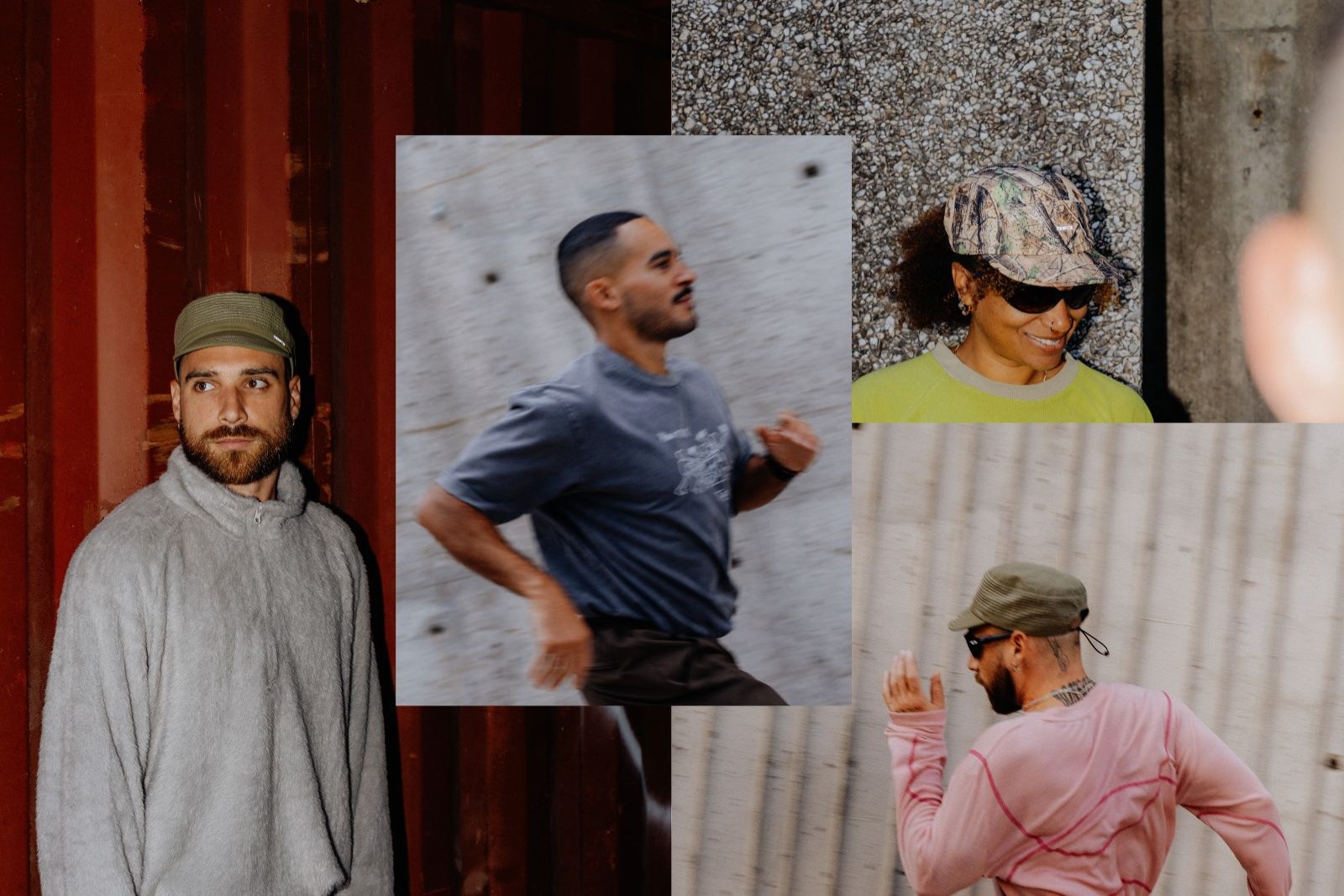
The latest collection from Montreal-based Tiempos
A ten-piece capsule of base layers, mid layers, wind protection, caps, and tees, made using recycled fibers
Available now at prices ranging from $50 to $135
Time Flies
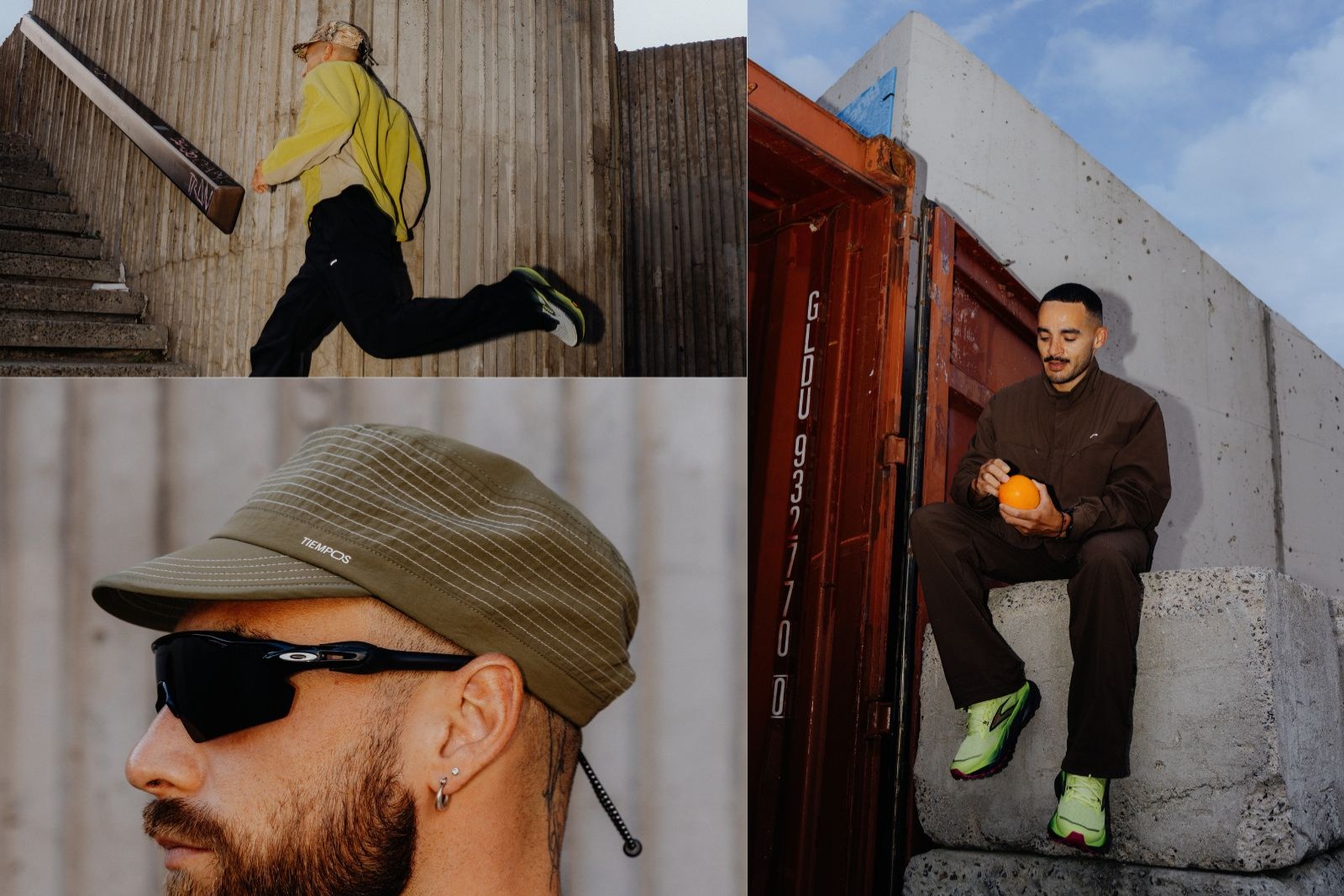
Tiempos is one of those brands that started to appear organically. We noticed the brand on some of our friends and among the people we follow, never as a placement, but as a brand they genuinely loved to wear.
Over time, Tiempos has built a reputation for performance wear with a clean fashion look that mixes well with other pieces.
Luis Rotondaro & Valène Lafrenière, a couple based in Montreal, started the brand with the idea of creating something they couldn't find: fashion-forward staples that don't cost an arm or a leg. They also pay close attention to the manufacturing process, using natural fibers and dyes as much as possible. Tiempos' DNA is a perfect mix of simplicity, craft, design, movement, and the outdoors.
A look at the latest
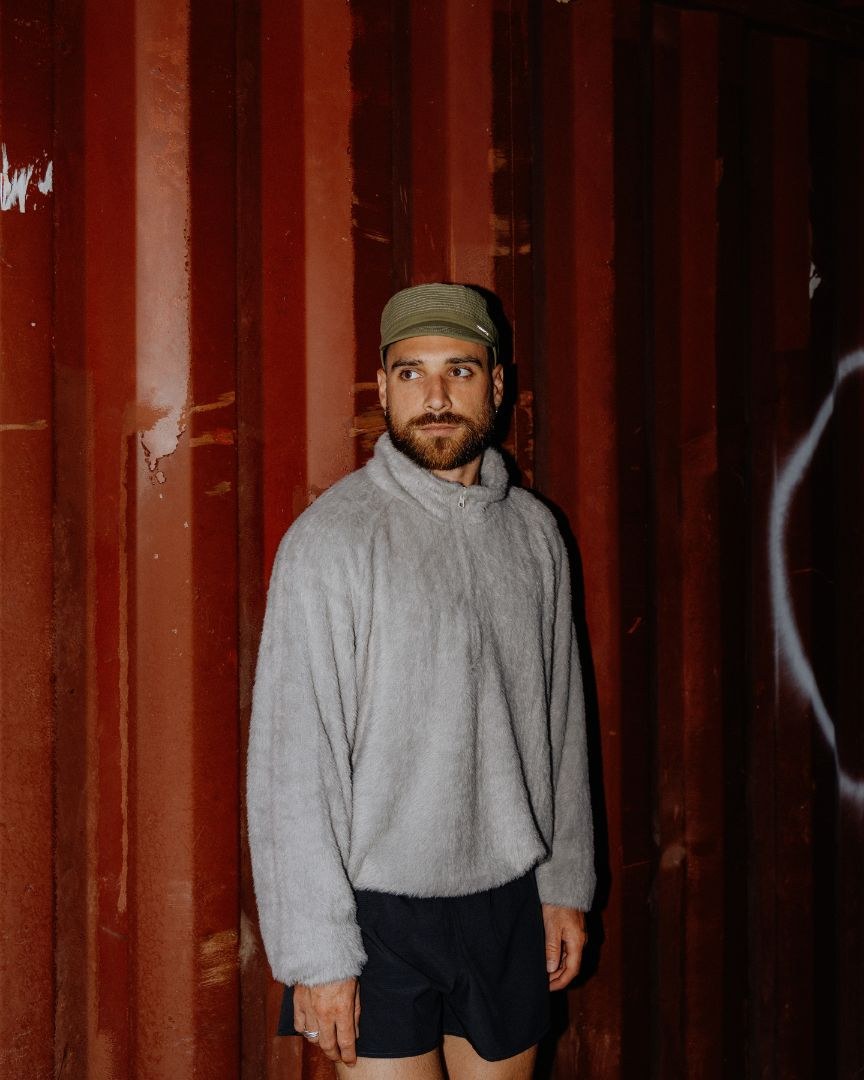
The new Tiempos' Fall-Winter 2026 collection is a ten-piece drop that covers base layers, mid layers, wind protection, and caps. It expands the collection with more technical pieces without leaving the original Tiempos world. We previewed it in our Paris recap in January.
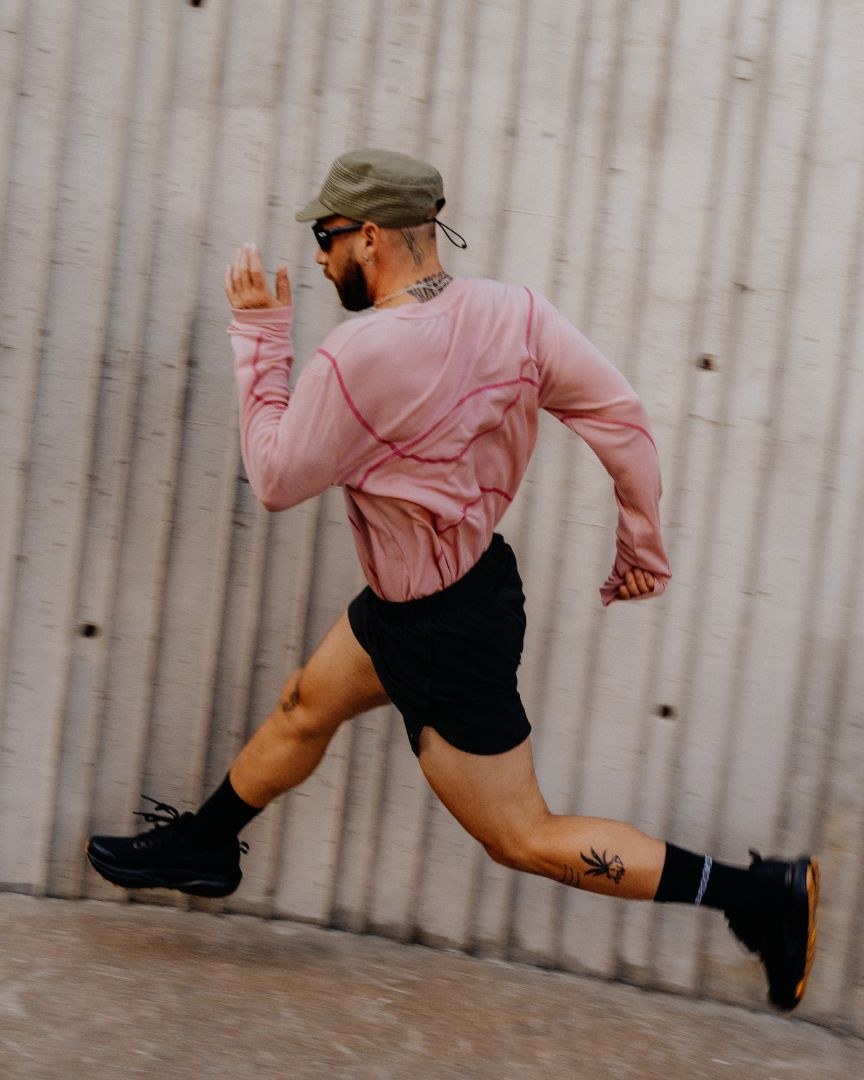
The tops include the Merino Wool Spotted Long Sleeve, made from recycled merino and pre-shrunk. The Fuzzy 1/4 Zip features a brushed, fluffy outer face and a sheer inner side, and the Organic Cotton Waffle Long-sleeve is built for cold-weather runs.
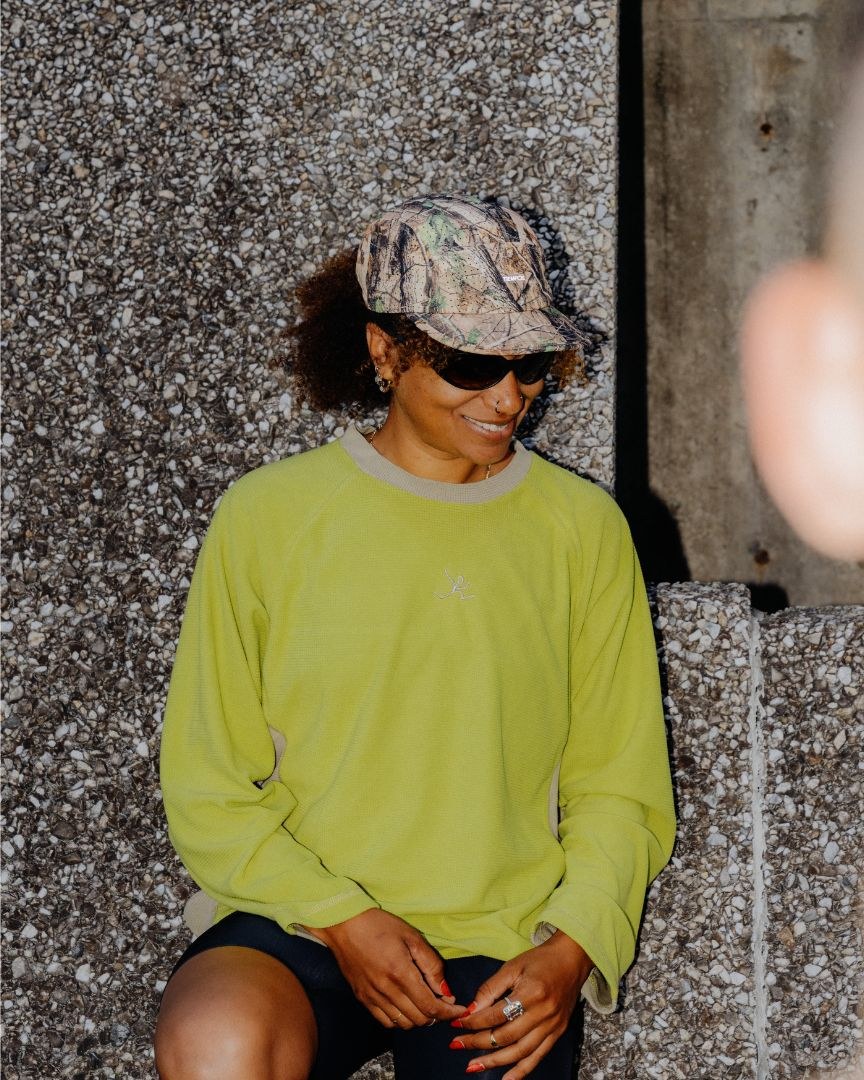
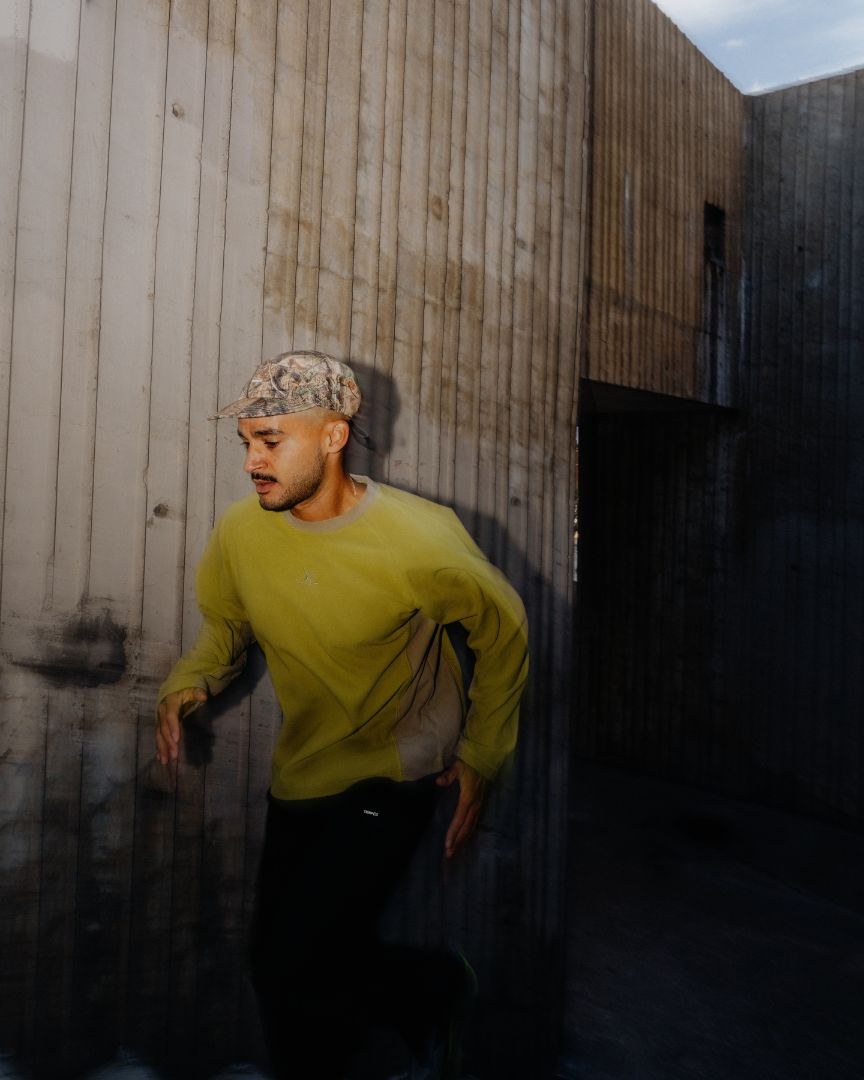
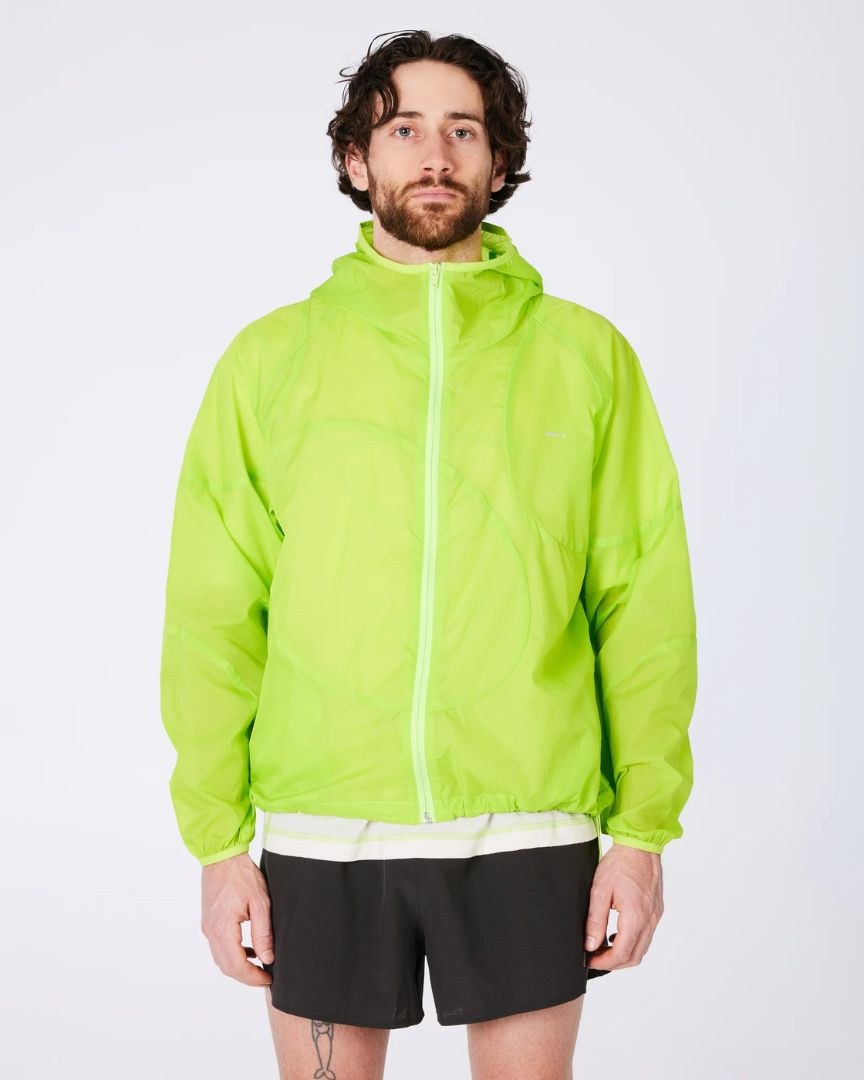
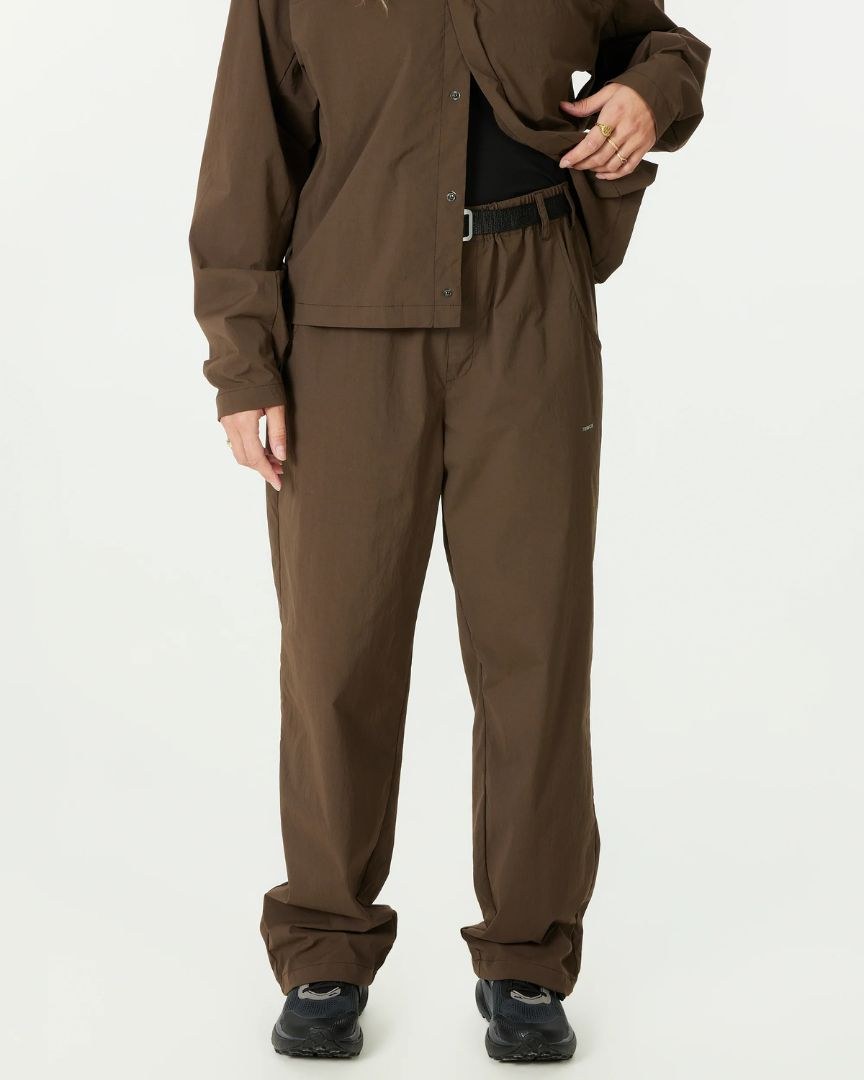
Other items include their first Polartec Long-sleeve Two-Tone version. A beautiful Spotted 1/4 Zip and a matching Windbreaker Shirt and Pants set cover wind protection.
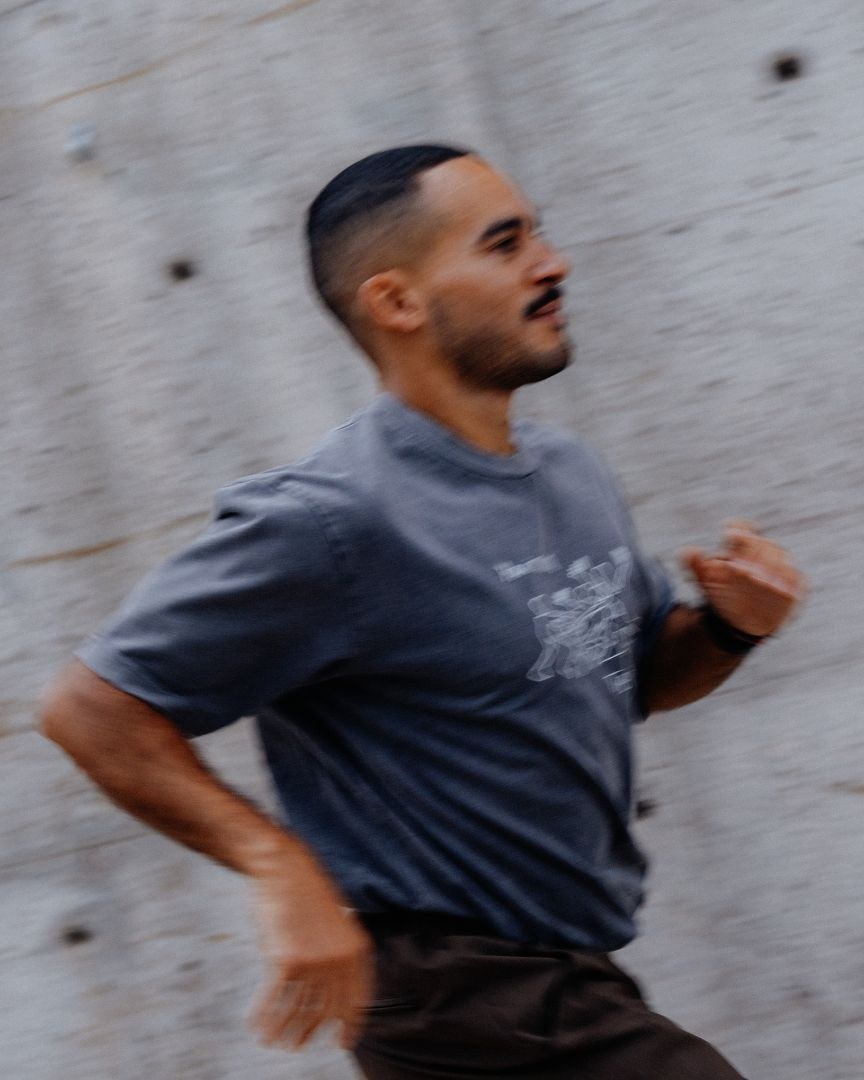
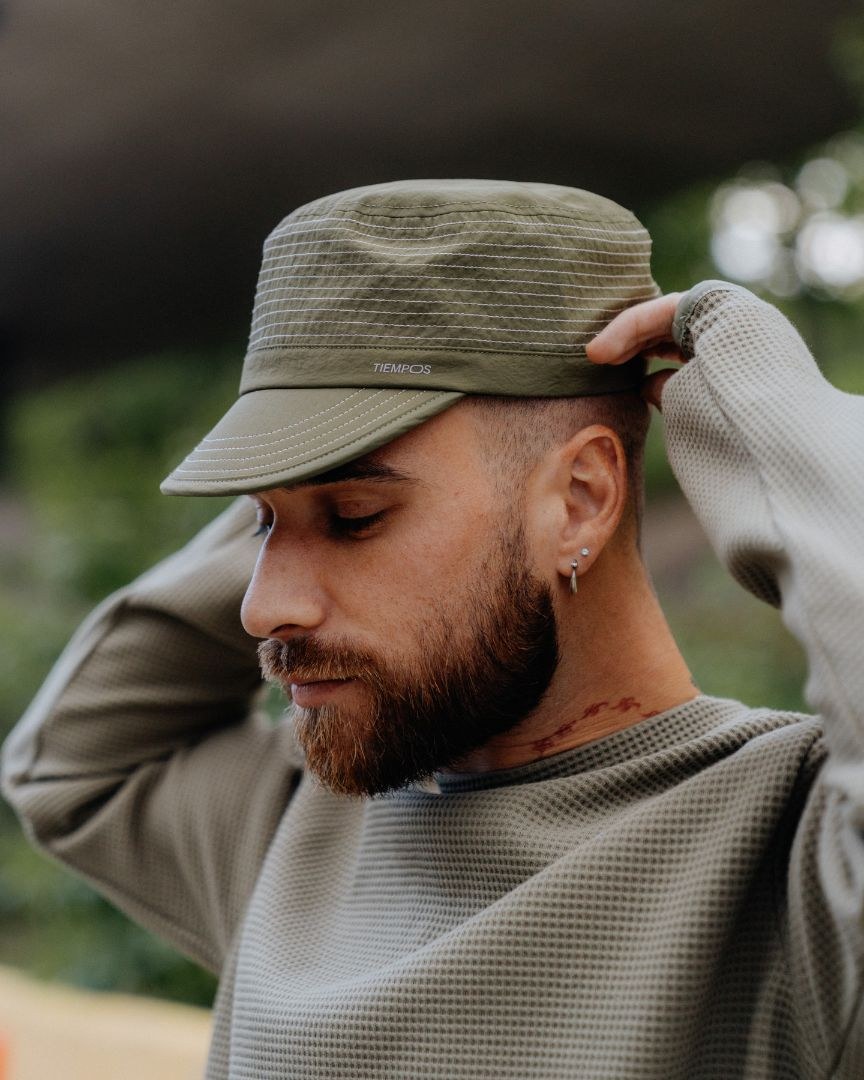
Headwear comes in two caps: the Army Running Cap in ripstop and a Micro Perforated Cap in Realtree camo. They also have a new Maximum Tiempos T-Shirt, one of their best sellers.
Talkin' shop
We spoke with Luis, co-founder of Tiempos, about how the brand started and the challenges of reaching a global audience.
BITR: What is your background before running?
I grew up in Montreal, and in my twenties I was going out to bars, DJing, and making music. Running was another world. I was working as a barber, and Valène worked at a store next door. We started talking and found out we liked the same things.
We started running together. I grew up in a gray city with no nature, and I thought trail running and hiking were a white-people thing. Then we moved to Vancouver, and I loved it.
BITR: How did the idea of Tiempos come to be?
I wanted to run in natural fabrics, and there was nothing out there. I kept buying running clothes, but felt I had to put on a uniform that wasn't me, because I dressed differently during the day.
I'd had the idea in my head for about six months. One day, I came home from a run and told my girlfriend to sit down because I had the whole idea and needed someone to build it with. Neither of us had any design background.
I'm more on the runner side, and she's much more on the fashion side. We aim for a 50/50. A lot of people buy the brand and don't run, and a lot of people run and like that it looks different.
BITR: How long did the first collection take?
Once we sat down together, it took three months to get final samples. The first samples were horrible because we didn't know what we were doing, and it was a lot of trial and error. The factory works while we sleep, so I was on WhatsApp with them until three or four in the morning, sending photos. We've used our current factory for three years, and it feels like part of the company.
We do everything on an iPad. I still have a nine-to-five job, and I still work on Tiempos at night, sometimes until three. It doesn't feel like a second shift, because it's something I love.
BITR: What was in that first drop?
Two shorts, pants, a jacket, a tee, and a bandana. We also made a sub-collection called Tiempos Rework. For about six months, we went to stores to find vintage marathon, 5K, and 10K tees, and my girlfriend reworked them by hand. It was ten one-of-one shirts, sold separately but alongside the main collection.
BITR: Your early customers were mostly in Europe. Why?
Around 70 to 75 percent of the first orders came from Europe. A friend in Germany, Mikey (Kratzer), saw the pieces, liked them, and started telling people, and it grew from there. I think in Canada and the US, people wait until something is hot in Europe, then tell you about this brand six months later. Even now, many people assume we're a European brand, and we get DMs asking about shipping from Europe. We went from around 300 Instagram followers to several thousand in about a year and a half, and Paris Fashion Week was a big part of that.
BITR: You wanted good-level pricing from the start. Why?
When I started running, I'd buy gear and then eat rice, chicken, and ramen all week because I couldn't afford it. I didn't want to make a brand where my own friends couldn't own a piece. They were the first people who helped sell the first collection. I bought a lot of that first run myself, through my own website. For European customers, the exchange rate hurts, but a 40 euro tee with 20 euros of shipping still works for them.
BITR: Why natural fibers?
We try to keep plastic out of our home, and I'd feel like a liar selling people plastic when I don't want it around me. I'll be honest, you can't run a marathon in cotton shorts and expect to stay dry for three hours. But where we can use cotton, wool, and other natural fibers, we do. People still wear the first tee we made three years ago. I buy vintage, and I know an 80s tee can still be in good shape. I don't think a polyester long sleeve will look or smell fine in 30 years.
BITR: The graphics on the tees never fully repeat; tell me about it.
Tees are the brand's bread and butter. When I was a kid, I bought a shirt at every concert, and a shirt from Los Angeles wasn't going to turn up in Las Vegas or Berlin. If you didn't buy it then, you never would, so we keep the DNA but change the details. Everybody wanted the Never Underestimate long sleeve, so we made another one and tweaked it slightly. A tee coming in 2027 is almost the same as an earlier one, but different. It's like sampling my own stuff.
I grew up on Supreme. At 16 or 17, the only way to get a shirt or a cap was to go to New York. When you came back, the two or three people who knew would ask if you'd been there. That's the wink we're after, for people like us.
Sign in or create a free account to comment. You'll come right back here.
Sign in / Sign up

Alfredo is a runner, writer, creative director, and cultural analyst based in Berlin. After years as a casual runner, his move to Berlin transformed his running into a vital practice for mental health and a source of tranquility during cold, early morning runs. His interest in clothes comes from uniforms and sportswear, combined with a love for innovation and research—which might explain why he meticulously charts his winter running gear.
More from Alfredo