Shop BITR Apparel Shop Now
We independently review everything we recommend. When you buy through our links, we may earn a commission.
Nike Running and Jun Takahashi are bringing back their Gyakusou line, and the expectations are really high
The line is now hailed as the original fashion + running label, but why and how did it happen?
New collection coming Holiday 2026
Ever since Nike quietly shelved its running sub-label Gyakusou in 2021, I've called it one of the brand's biggest mistakes. Stopping your longest fashion collaboration in running mere months before the sport's explosion shows zero foresight into where culture was going.
Now it has officially been announced that Gyakusou is coming back for Holiday 2026, and the internet is going crazy, welcoming it back as a lost classic. And although I understand the excitement, I am also not quite sure what people expect, because the first time around most people didn't buy it.
The reason Gyakusou is so praised today is that it was ahead of its time; in fact, so far ahead that people did not get it when it existed. I wonder if history will repeat itself.
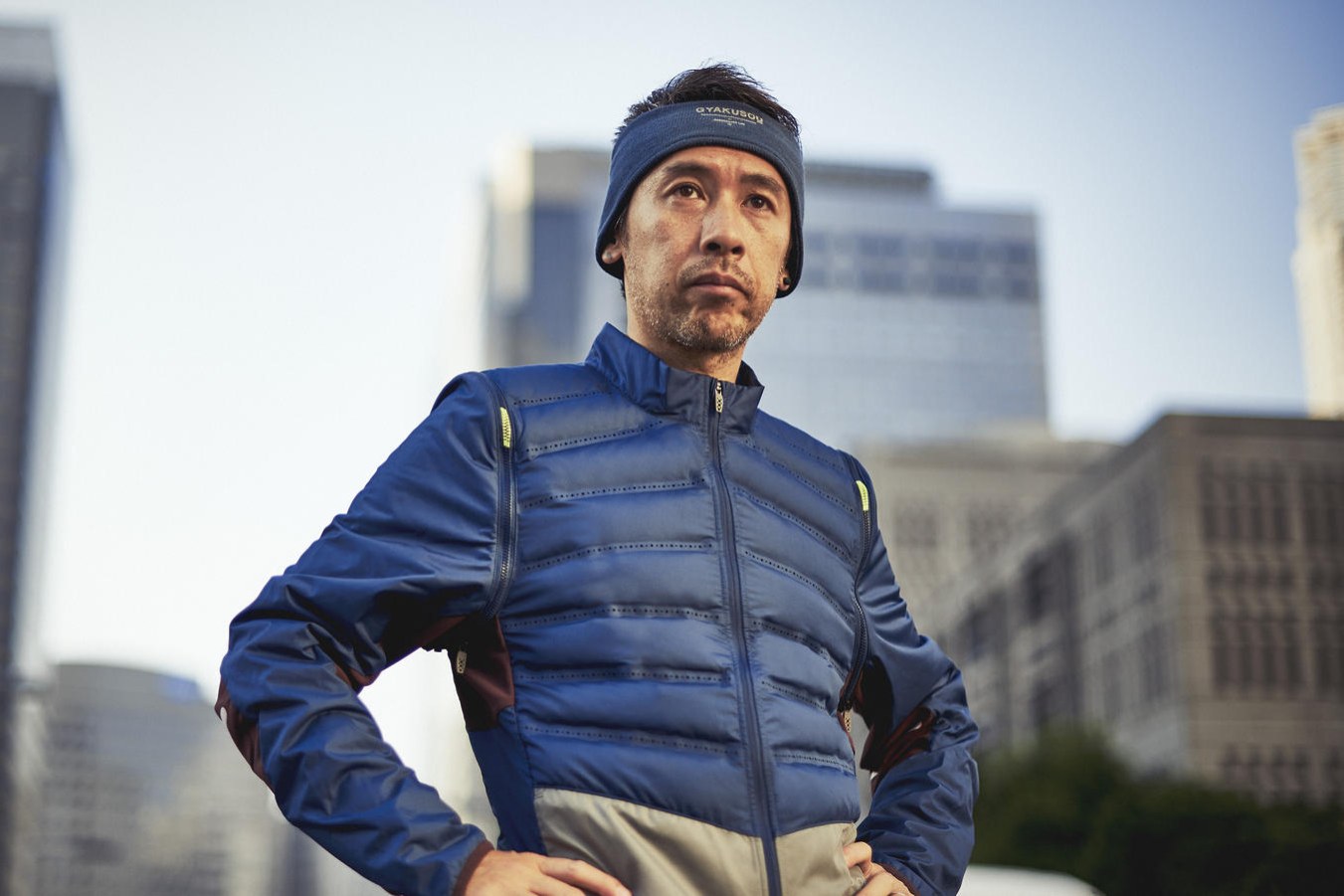
Let’s start with the basics. Gyakusou is a fashion collaboration between Nike and Jun Takahashi. Jun is part of the holy trinity of Ura-Harajuku, the Tokyo scene that helped invent streetwear, alongside Hiroshi Fujiwara and Nigo. His brand, Undercover, pulls from punk, music, film, and photography, and it has one of the most devoted cult followings in menswear. And although many people love it, most people don't get it, which is why it never went as mainstream as labels like Bape or Off-White. Undercover is an if-you-know-you-know brand.
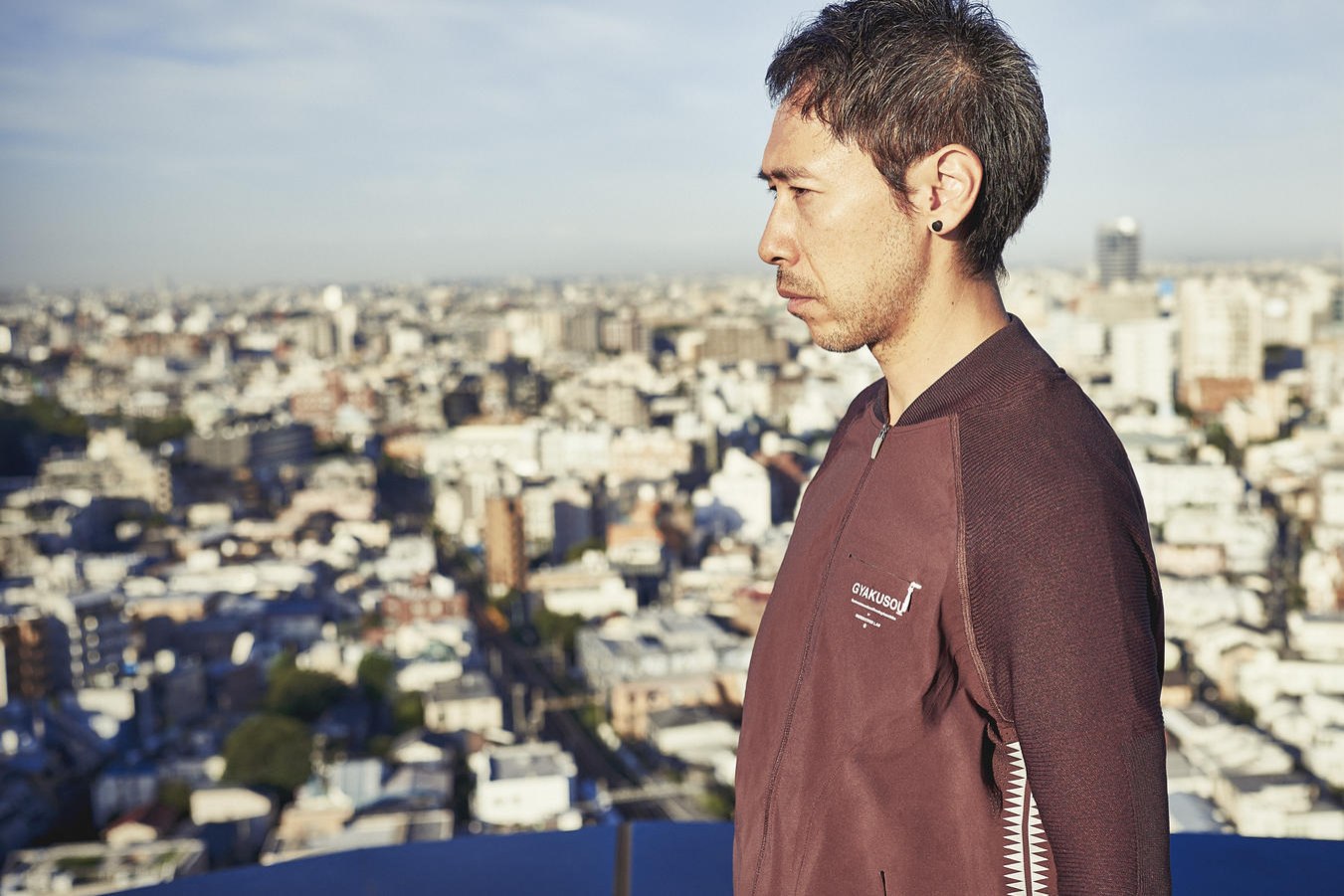
Some people think Gyakusou emerged in response to Adidas Y-3. Nike was looking for a similar experiment, mixing sport with an obscure Japanese fashion label.
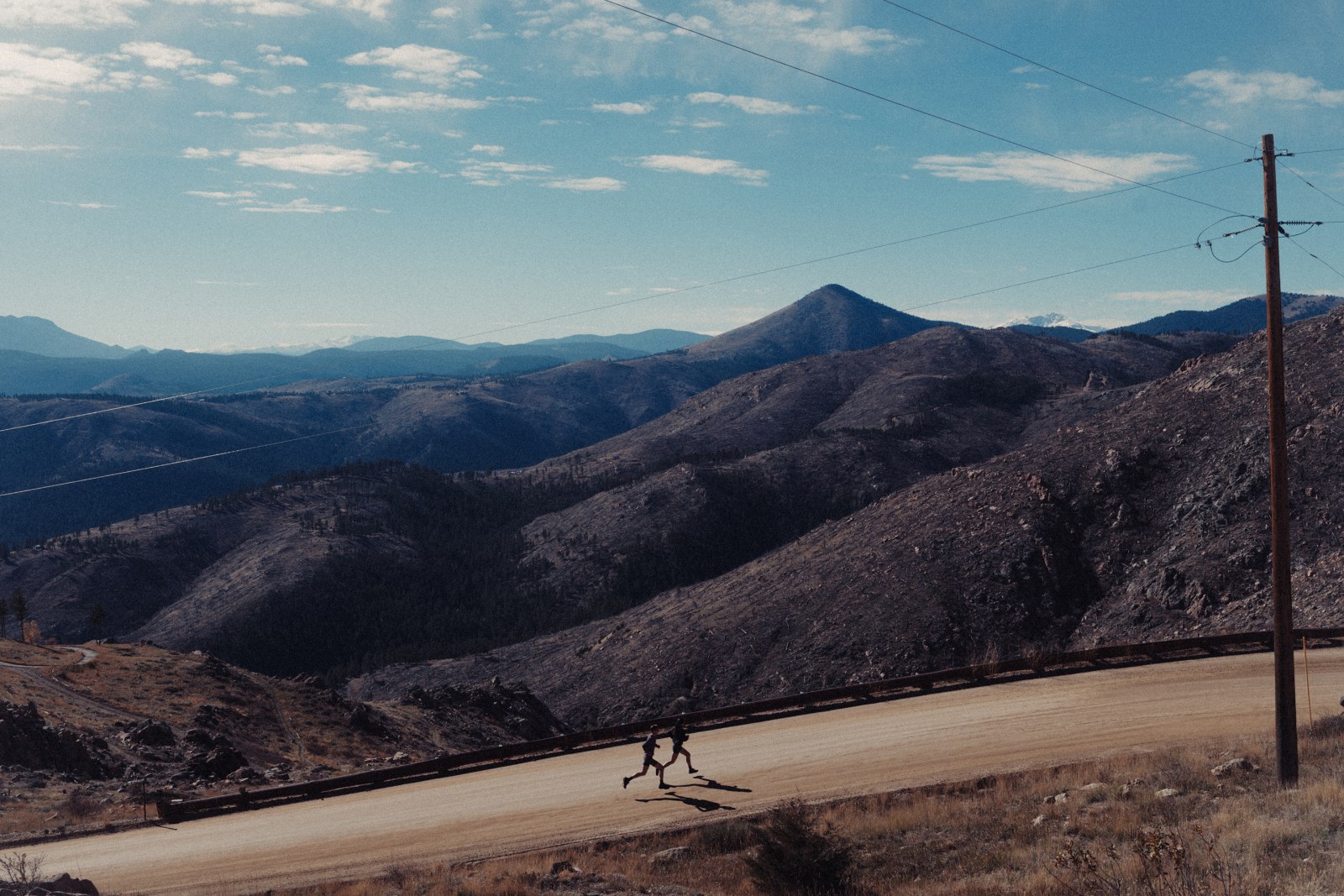
At the time, Jun Takahashi was, and still is, an avid runner. He belonged to a run club, GIRA (the Gyakusou International Running Association), a small group of Tokyo runners who looped Yoyogi Park in the opposite direction as everyone else, hence “running in reverse”.
The pairing was perfect: two collections a year, sold through Nike Lab, Undercover stores, and Dover Street Market, and it launched in October 2010.
Jun’s goal was to make the running gear he couldn't find for himself: function first, with a designer’s taste. Sound familiar? That's the founding story of almost every new running brand today, but remember, this was 16 years ago.
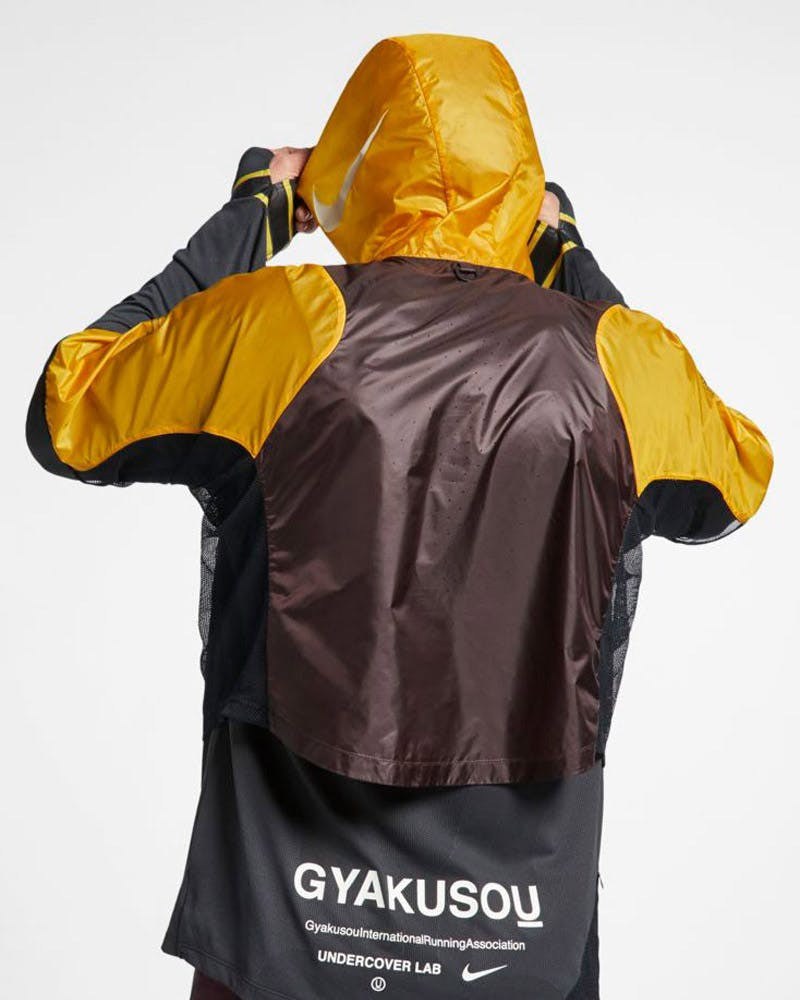
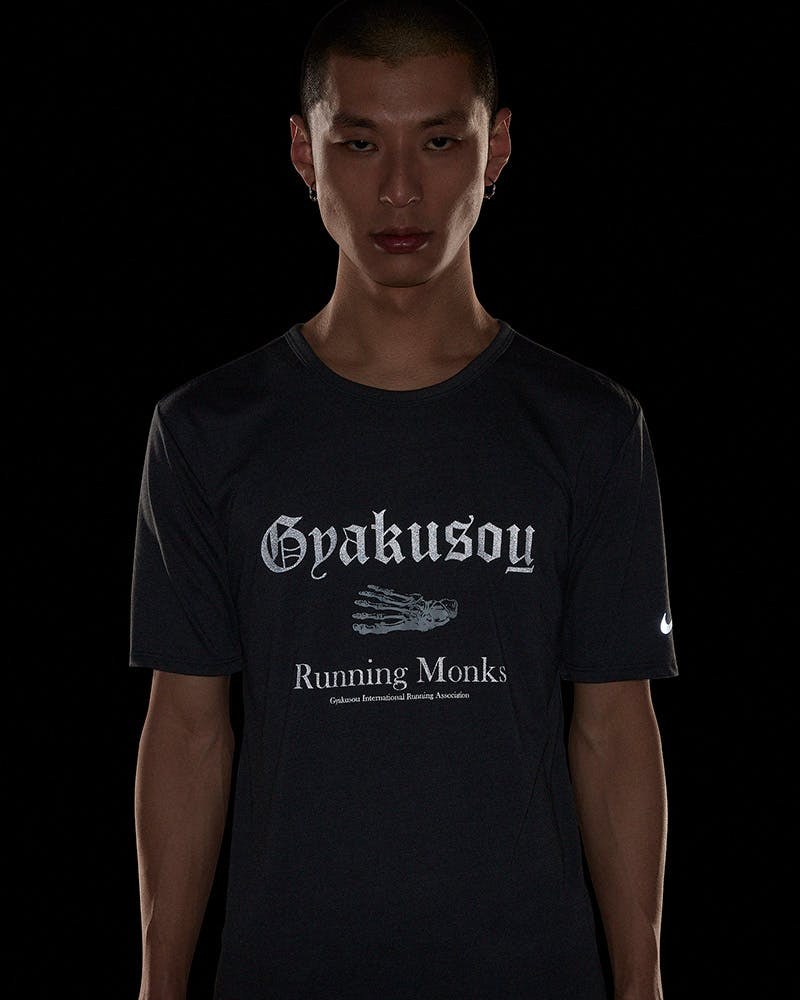
When the collaboration was announced, people who knew Undercover went nuts, me included. My favorite brand was working with my other favorite brand. I can honestly say Gyakusou was the first reason I looked at running as something I might do. Unfortunately, runners and the rest of the world didn't care much about the name Undercover.
The price was also extremely high for the time. Most runners weren't willing to pay $120 for a pair of shorts, and the same went for the shoes.
Also consider that in 2012, runners shopped at running stores, where Gyakusou was rarely available. The line sat between two audiences: fashion people who didn't run and runners who didn't care about fashion yet. The audience that would have wanted it, runners who dress with intent, was still a few years away.
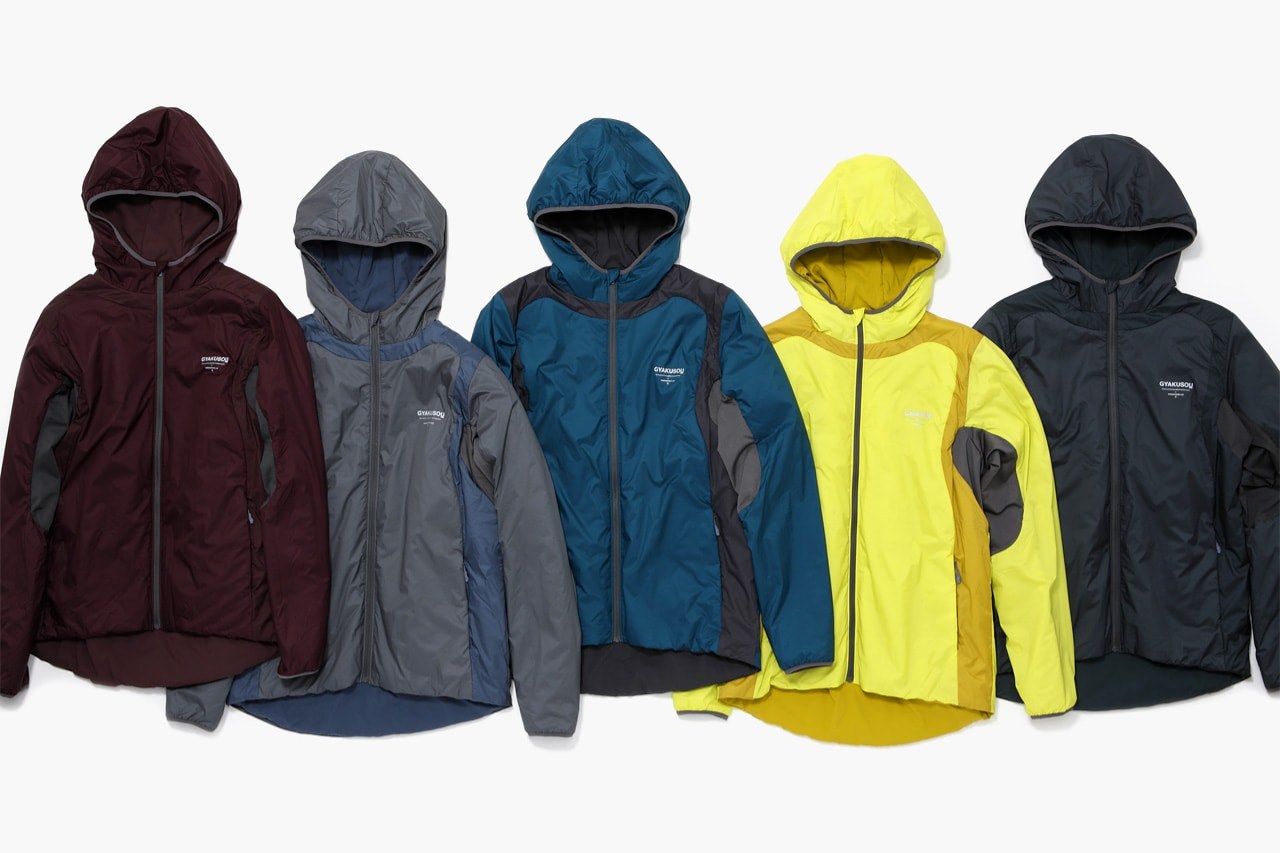
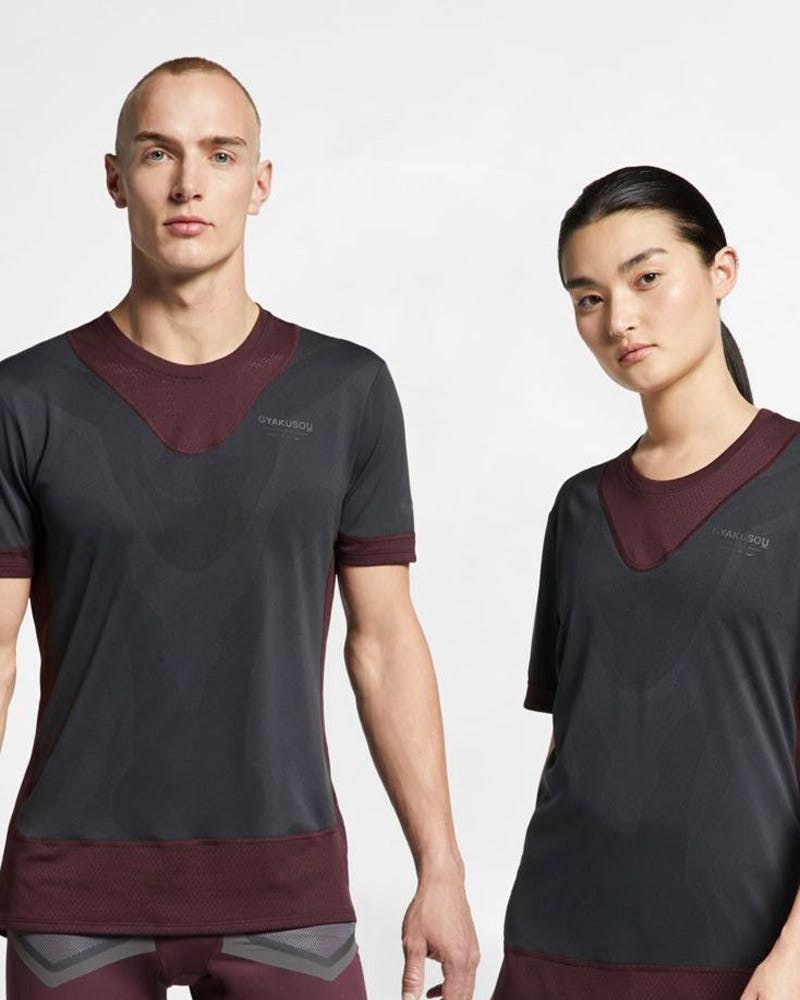
Then, there was the colors. In the early 2010s, the cool thing was Volt, the highlighter yellow Nike used alongside bright orange and green. Takahashi was not into it. He designed collections in muted colors: navy, prune, dark reds, mustard yellow, grey. People didn't understand why a "simple" red-and-navy jacket with a strange Japanese name cost so much.
In the sneaker world, kids were chasing basketball shoes, retro Air Maxes, and, thanks to Supreme and Kanye, Flyknit shoes. The people lining up outside Nike Lab in New York were never there for Gyakusou. Sometimes the shoes didn't sell, and some pieces were ultimately available at massive discounts.
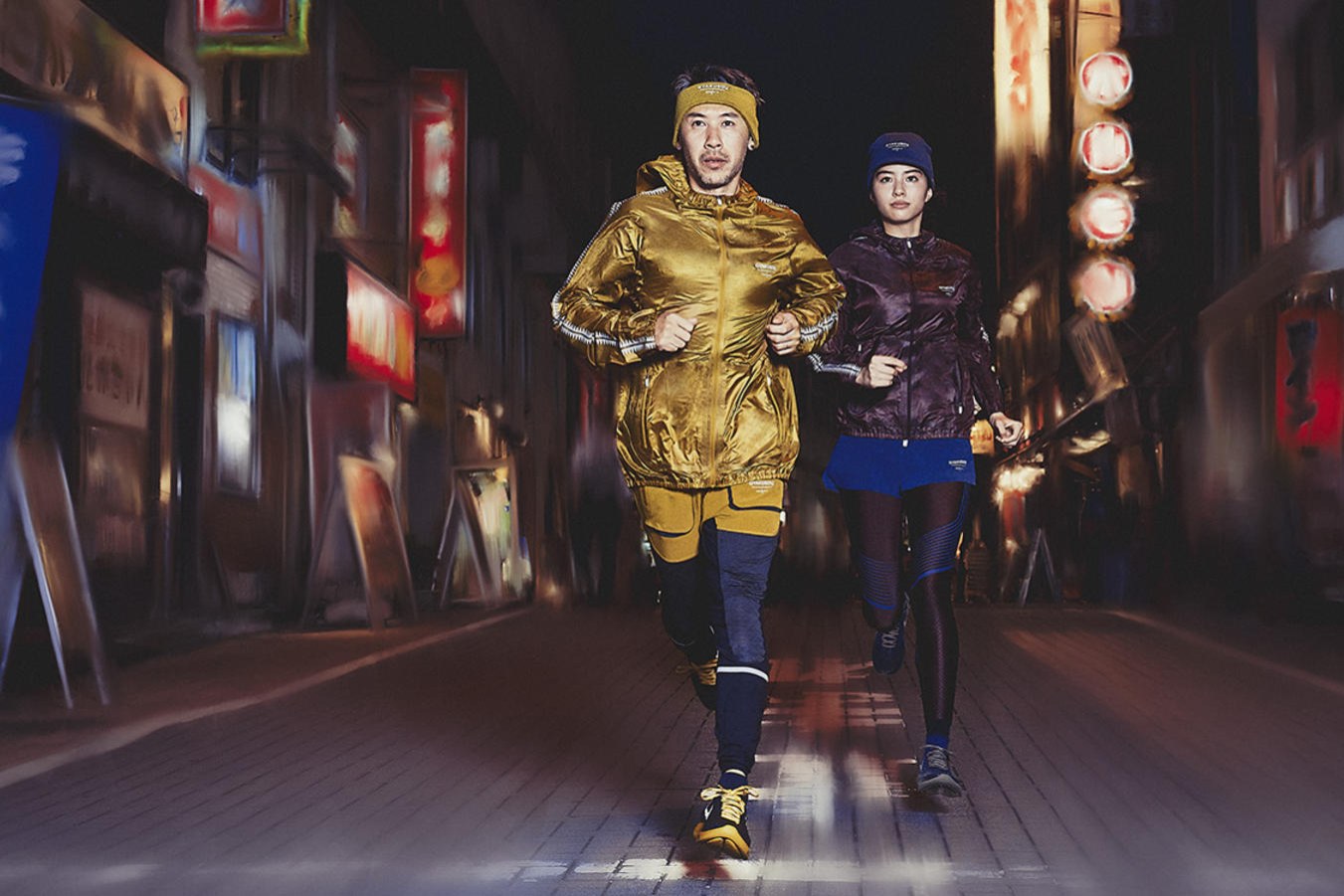
Toward the end of its decade-long partnership, the market started to shift, and Gyakusou got more attention. It released pieces that worked as lifestyle, earning more media coverage. At the same time, the colors and materials caught the eye of runners and reviewers who liked the line without knowing anything about Undercover.
The truth is, every collection was amazing. Function and utility always came first for Jun Takahashi, and therefore he developed really interesting apparel pieces.
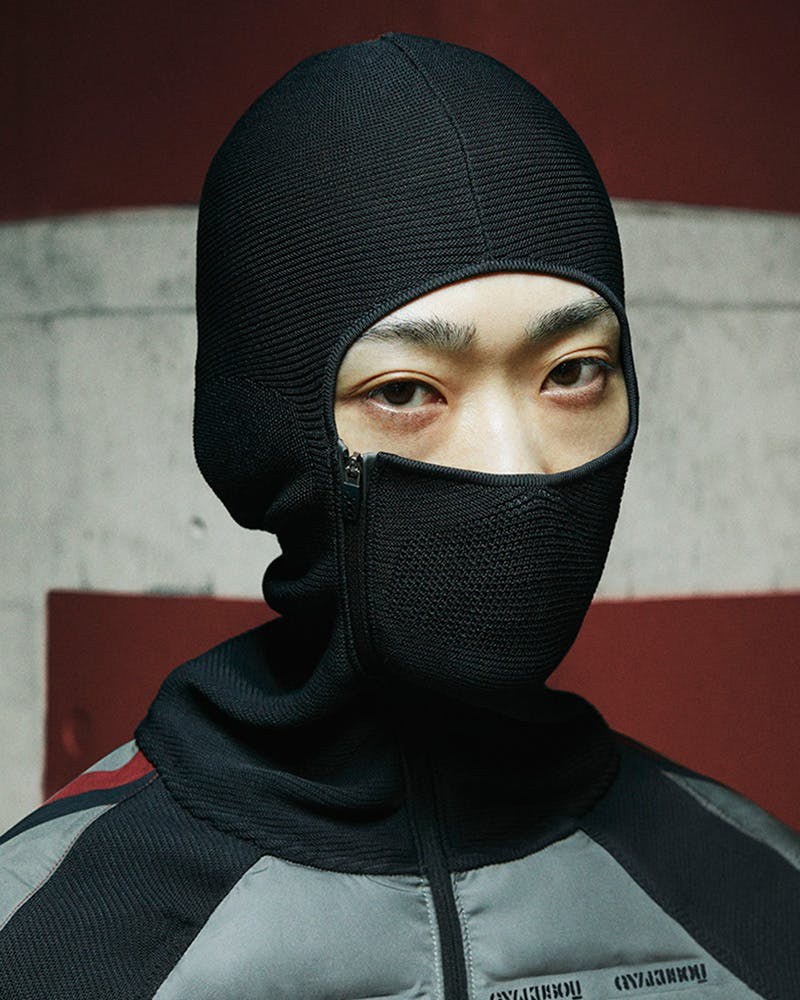
Jackets with removable sleeves for changing temperatures, or a Quickburst zipper to get them off fast. Big loops on the back of the shorts to carry your jacket, tops with integrated zipper balaclavas, running tights with multiple external pockets, or short-sleeve windbreakers. The design fused unique paneling construction with great color combinations, making everything look sophisticated and utilitarian.
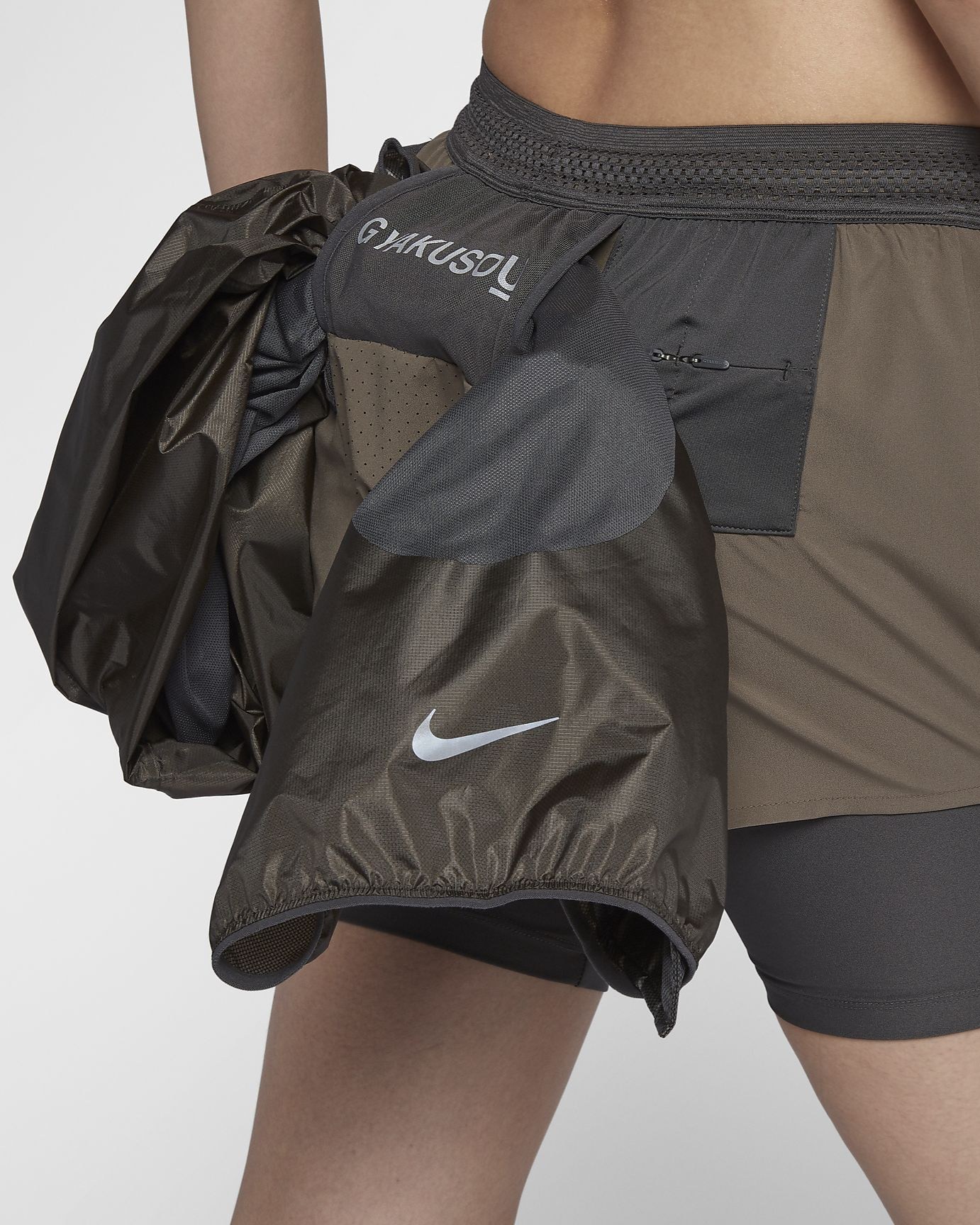
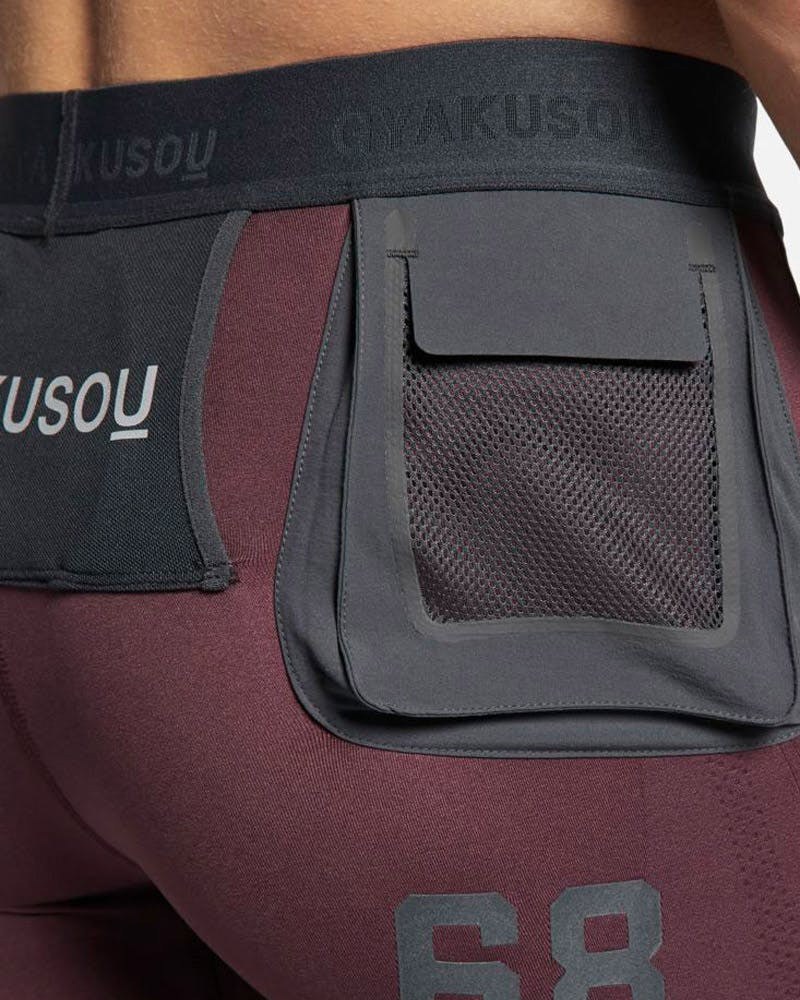
By the time Tracksmith, Satisfy, and Bandit took off, the rules of running had changed completely. People looked back at Gyakusou and saw how visionary it had always been. People bought old pieces and researched them.
The Gyakusou myth took 15 years to build. Unfortunately, by the time run culture exploded, the collaboration was halted. Nike never gave a reason, and Takahashi moved on to collaborate with The North Face on Soukuu.
Everyone suddenly realized Gyakusou was the original challenger line in running, and that if it existed now it could be the coolest brand around. Now, the wish has been granted.
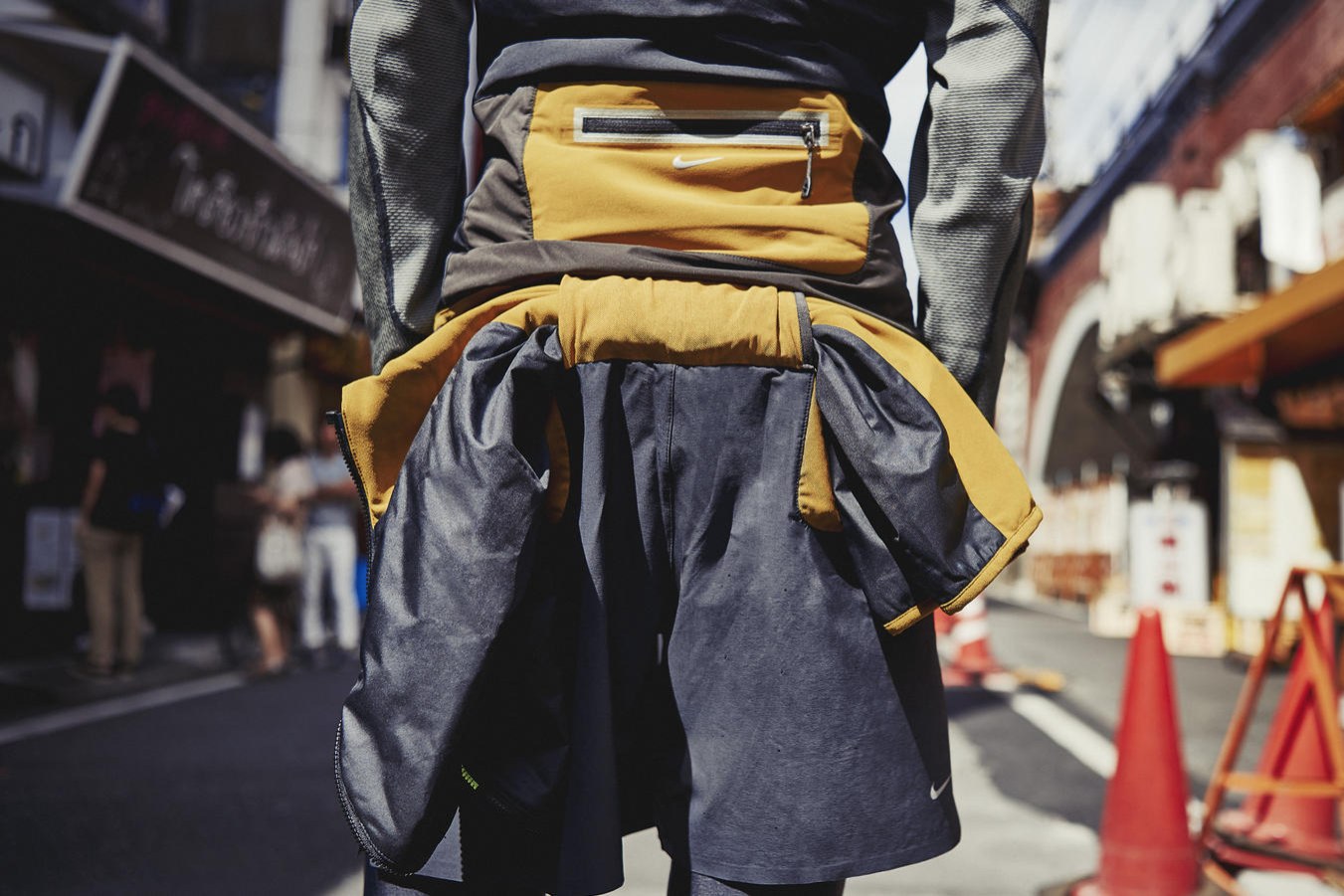
During our Paris recap back in June, we confirmed that the brand was coming back. Nike lost so much of its cultural touch in running that, in the past couple of years, it decided to win back territory with its best neglected labels. It started with ACG, pushing it into trail and lifestyle. Now it's bringing out the big guns: Gyakusou.
Honestly, I am thrilled to see Jun Takahashi finally getting his flowers for the work he did with so much passion, for a sport he loves. He is one of my favorite designers, and I'm always happy to see more people appreciate his talent.
The good news is that consumers now have the money, and the culture is in the right place. The bad news is that expectations are huge, and everything needs to sell fast.
The “Nike Lab” experiment days are over. This time it's a business move from Nike to win back cultural space.
I'm also a bit scared. Nike brought back ACG with a spectacular marketing push, and at times it felt forced and diluted, with Radical AirFlow pieces gifted to every streetwear influencer for an unboxing and no intention of testing it. Gyakusou could fall into the same cycle.
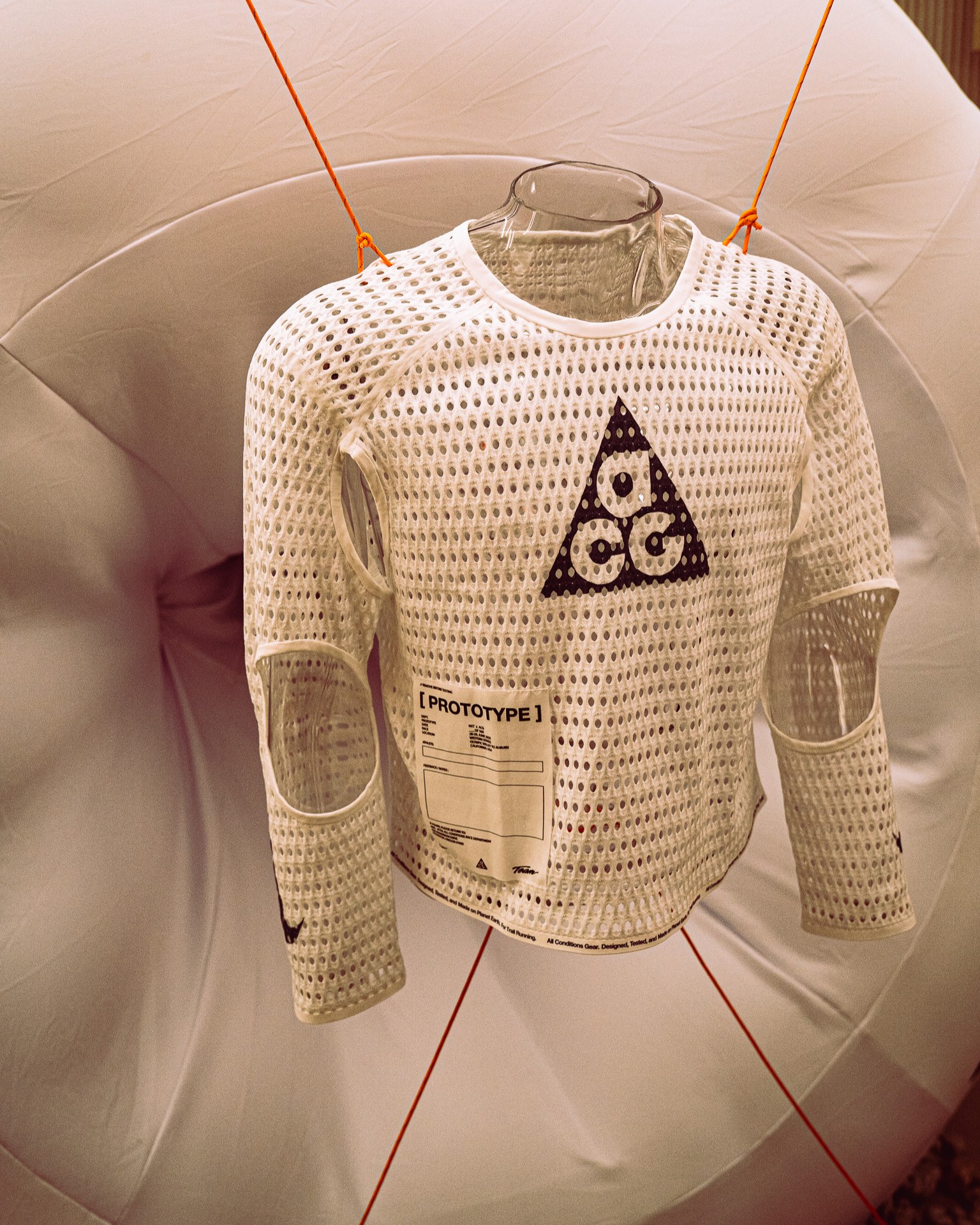
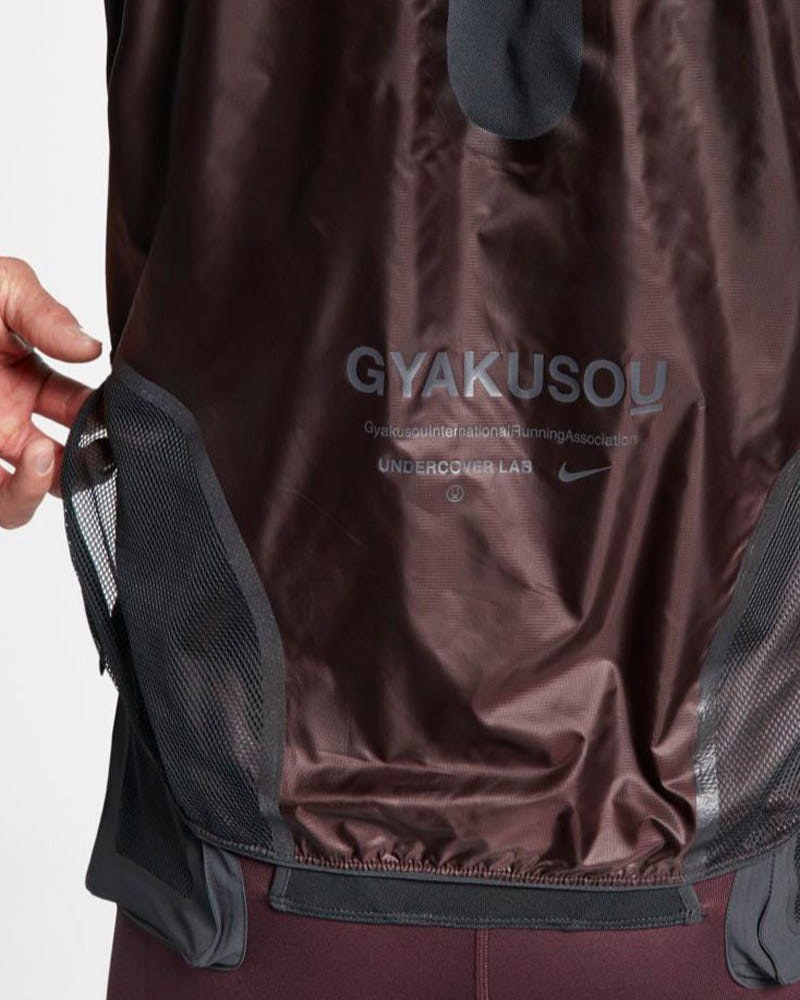
But the biggest risk is that Undercover is still a cult brand, and Jun Takahashi has kept evolving. He might create something too far ahead once again: something the mass market might not understand and could dismiss.
So far, the teaser looks like the collection is bringing the same vibes everyone loves. The hype might be too much if we only look at the past and ignore the present. Gyakusou is back, and as I said, history might repeat itself, but as an old-school Undercover fan, whatever it is, I can't wait to see it.
Sign in or create a free account to comment. You'll come right back here.
Sign in / Sign up

Alfredo is a runner, writer, creative director, and cultural analyst based in Berlin. After years as a casual runner, his move to Berlin transformed his running into a vital practice for mental health and a source of tranquility during cold, early morning runs. His interest in clothes comes from uniforms and sportswear, combined with a love for innovation and research—which might explain why he meticulously charts his winter running gear.
More from Alfredo