Shop BITR Apparel Shop Now
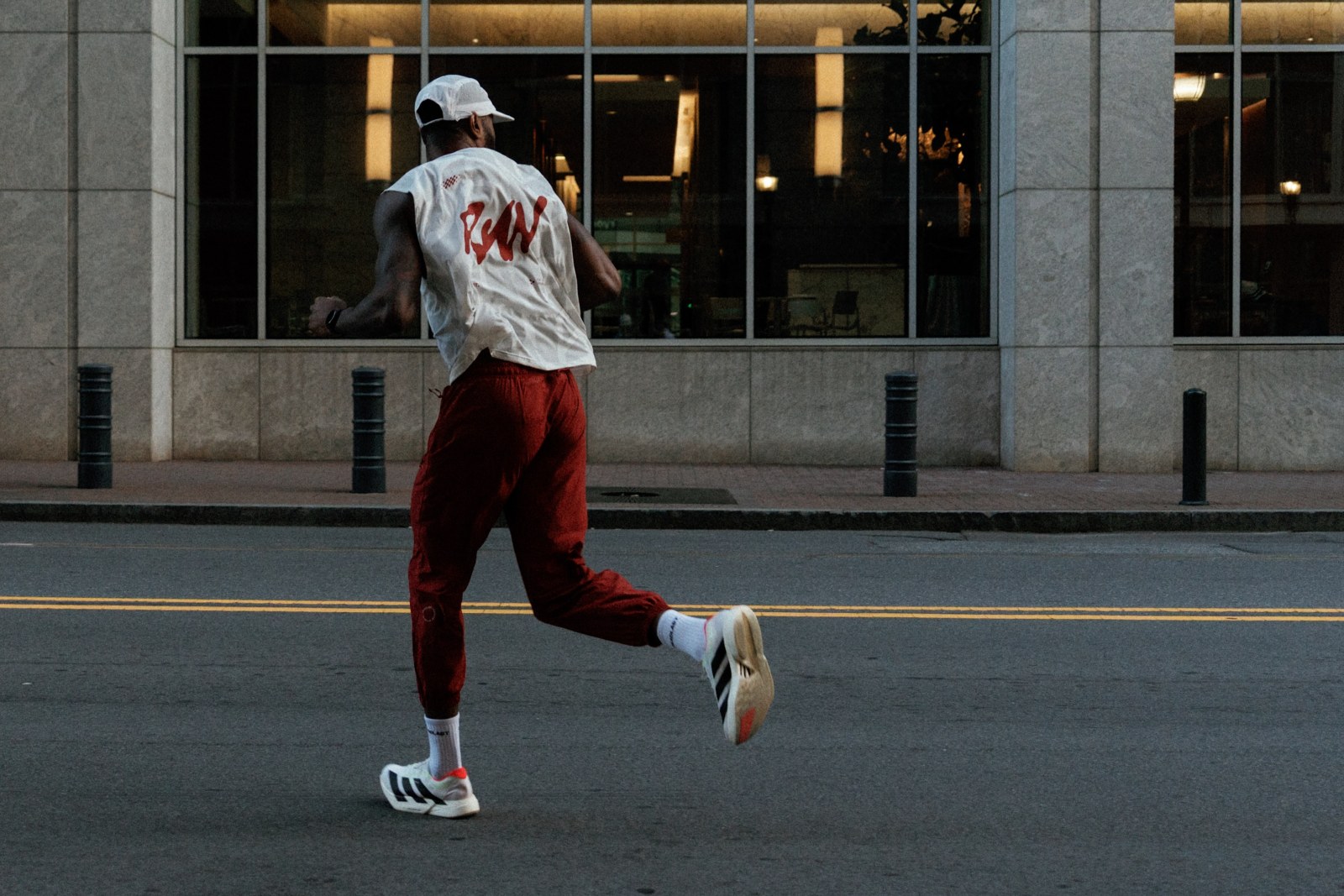
Deadlast, a new running apparel brand for mid-pack runners
The Hunt, a 13-piece camo capsule in four treatments, plus a Q&A with co-founder and designer Lucas Williams
$42-108 per piece, available now at Deadlast.run
Deadlast is a running apparel brand out of Salt Lake City and Fort Mill, South Carolina, founded by three guys who will tell you up front that they are not fast: Mitchell Thayne, Lucas Williams, and Mike Every. The name “Deadlast” refers to where the founders expected to finish. The tagline “For the underdogs” tells you who the audience is.
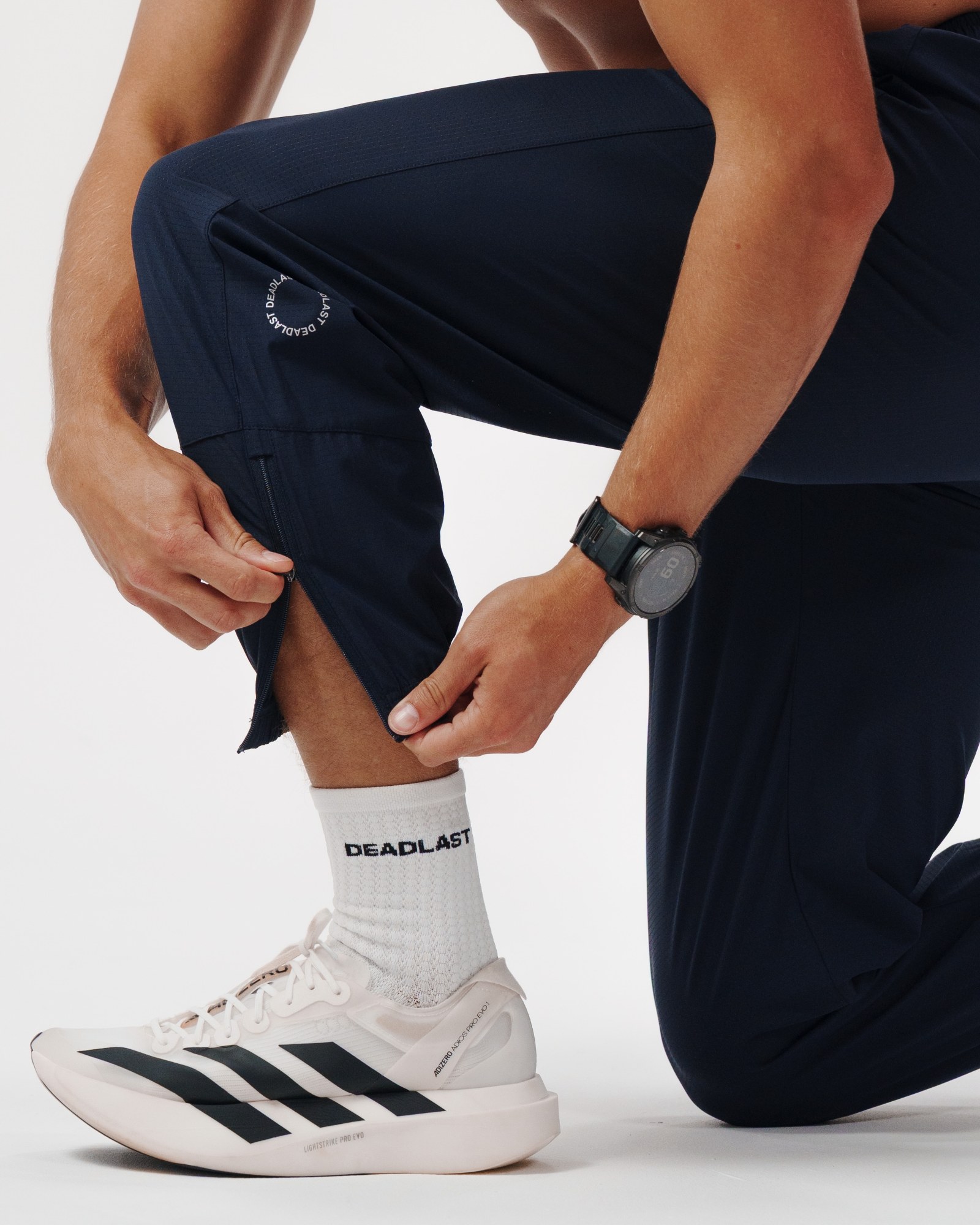
The brand wants to be an option for the runner who will be out on a marathon course for four and a half hours. They built the product around what that runner needs, which mostly means storage, a liner, a fit that works on a bigger body, and a price that doesn't assume a sponsorship.
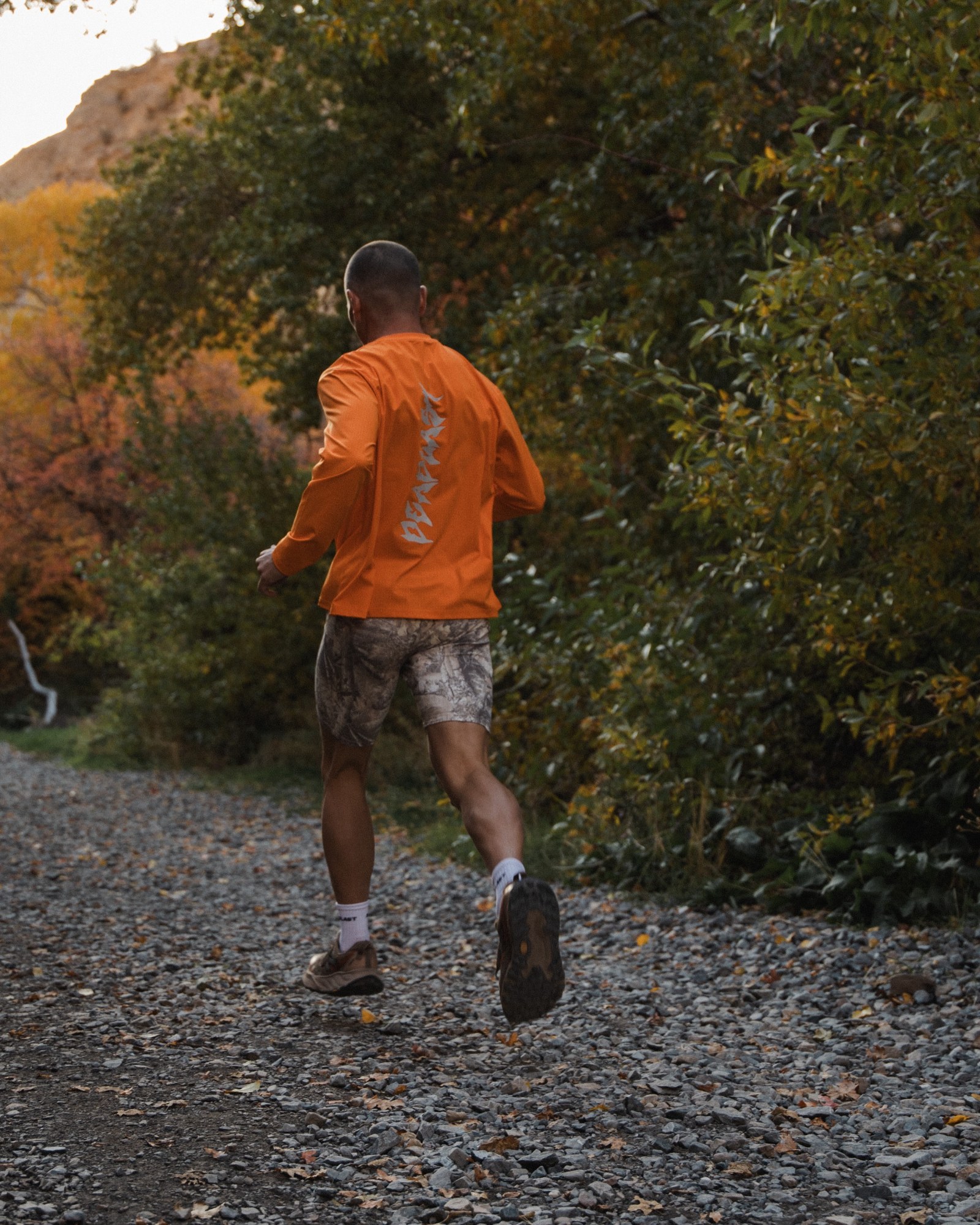
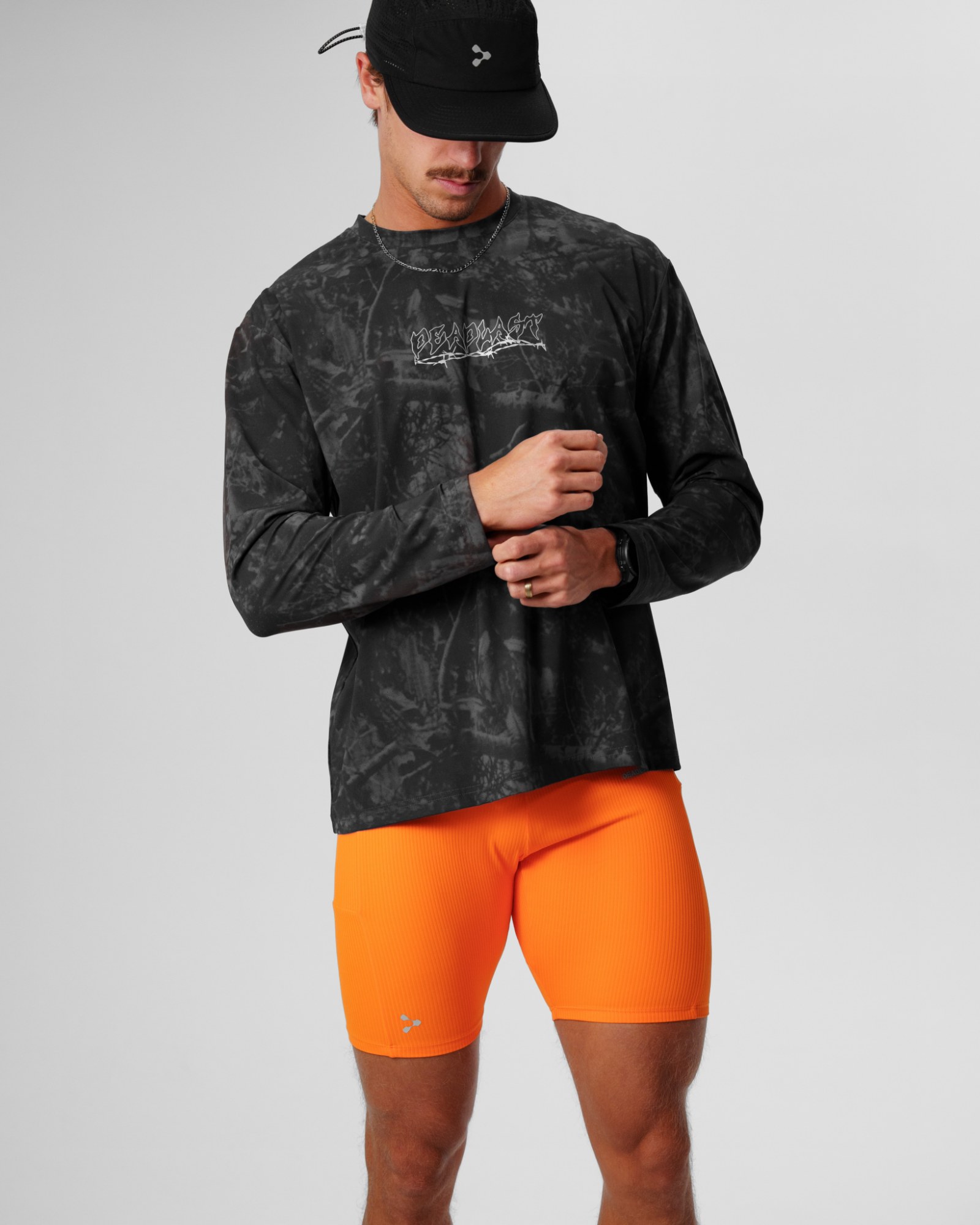
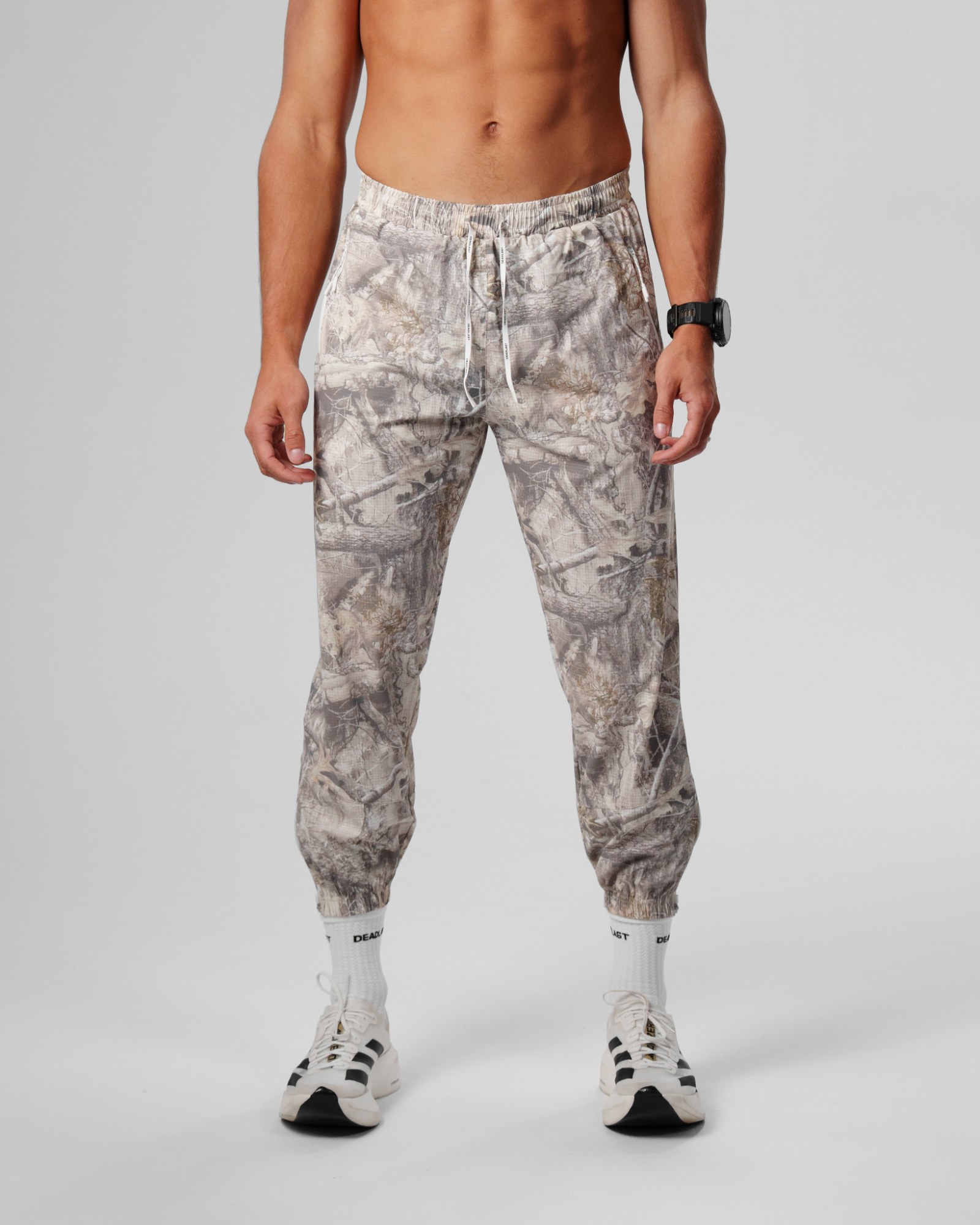
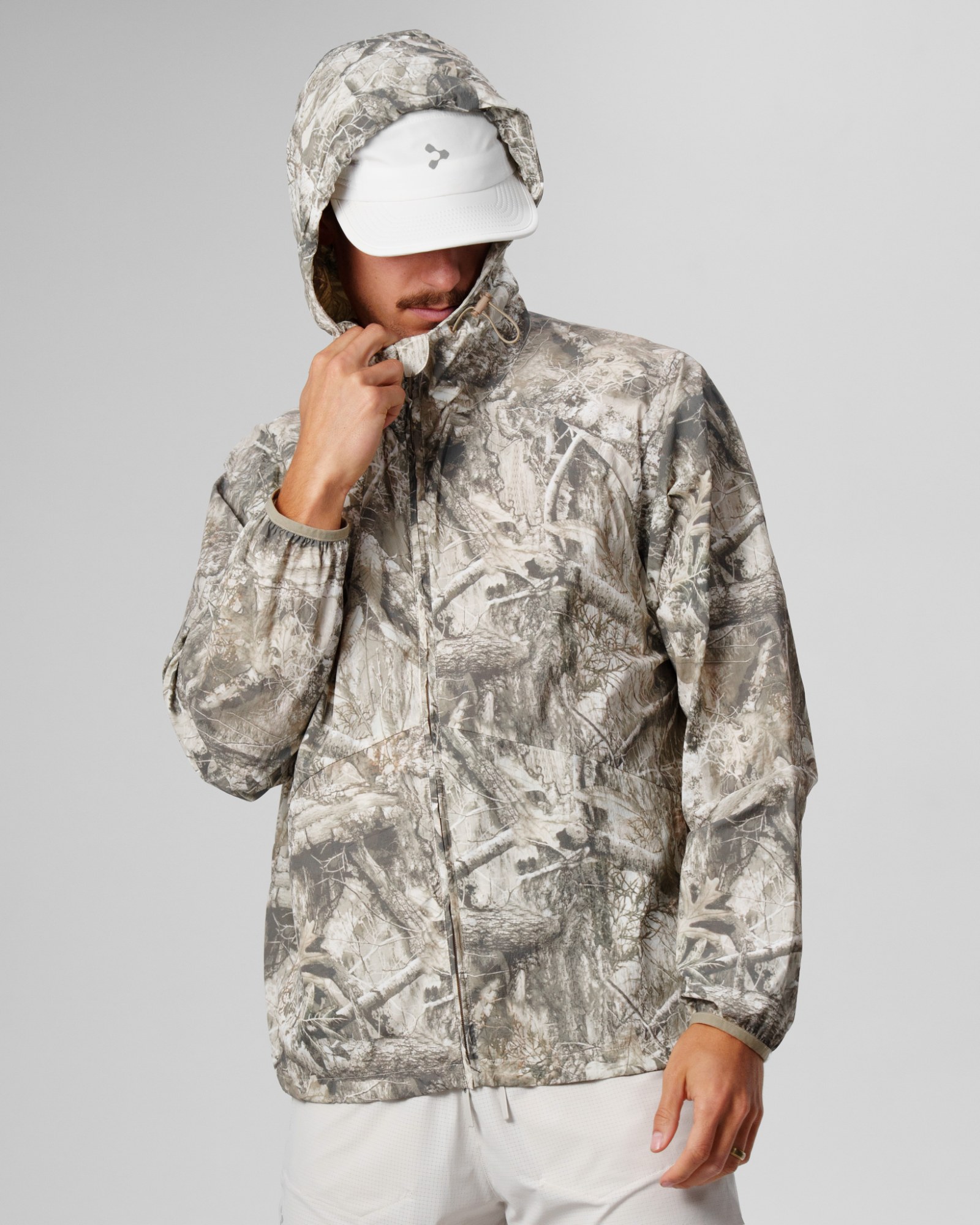
The latest drop is The Hunt, a 13-piece camo capsule that took a year and a half to develop. Williams is from a farm in South Carolina, Thayne from one in Utah, and both grew up wearing camo. They sampled patterns until the contrast and saturation were where they wanted them, missed their original fall 2025 target, and held it a full year rather than release something they were not happy with.
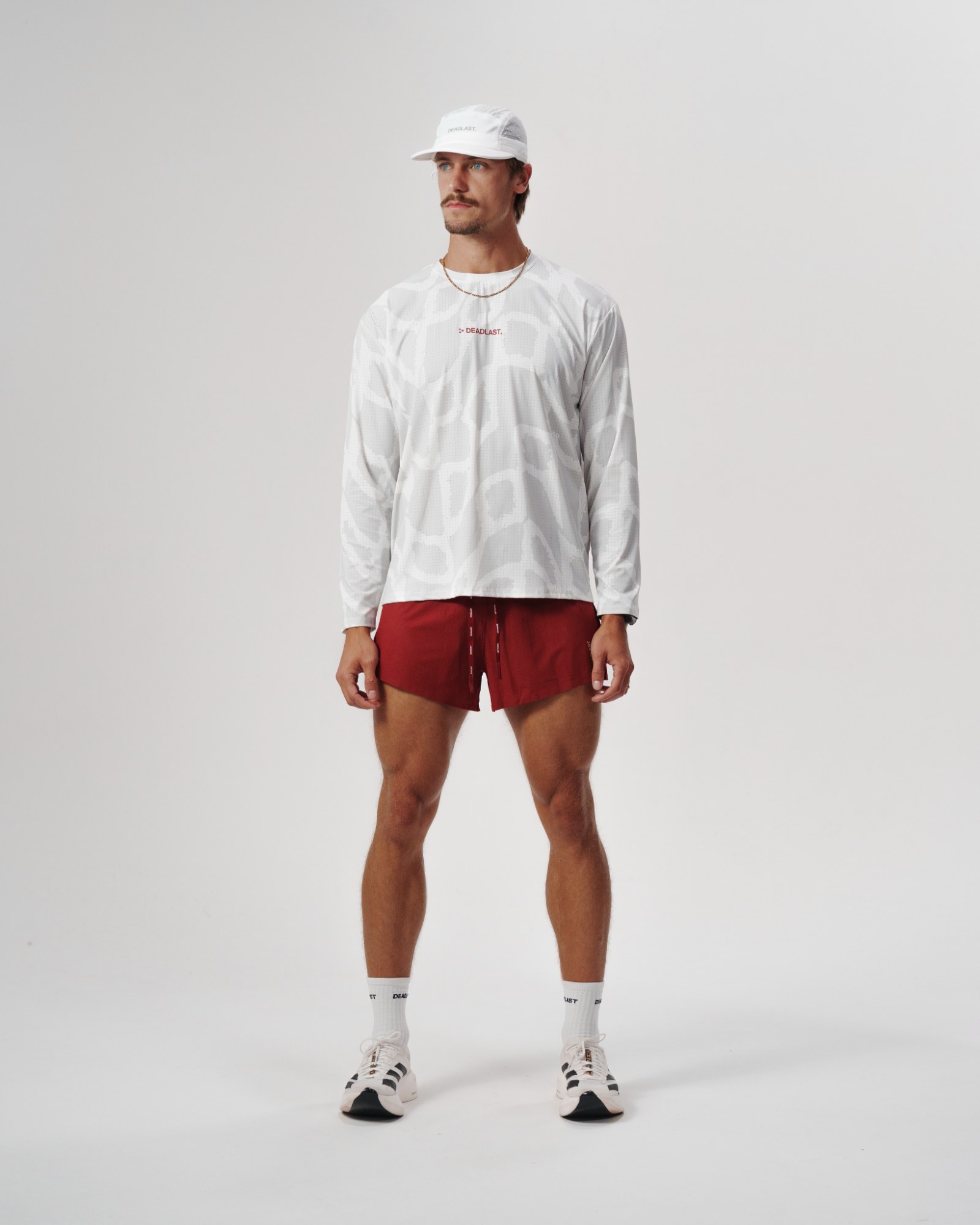
The pattern comes in four treatments: standard Camo, Black Camo, White Camo and a Hunter Orange accent. Nothing in the capsule crosses $110.
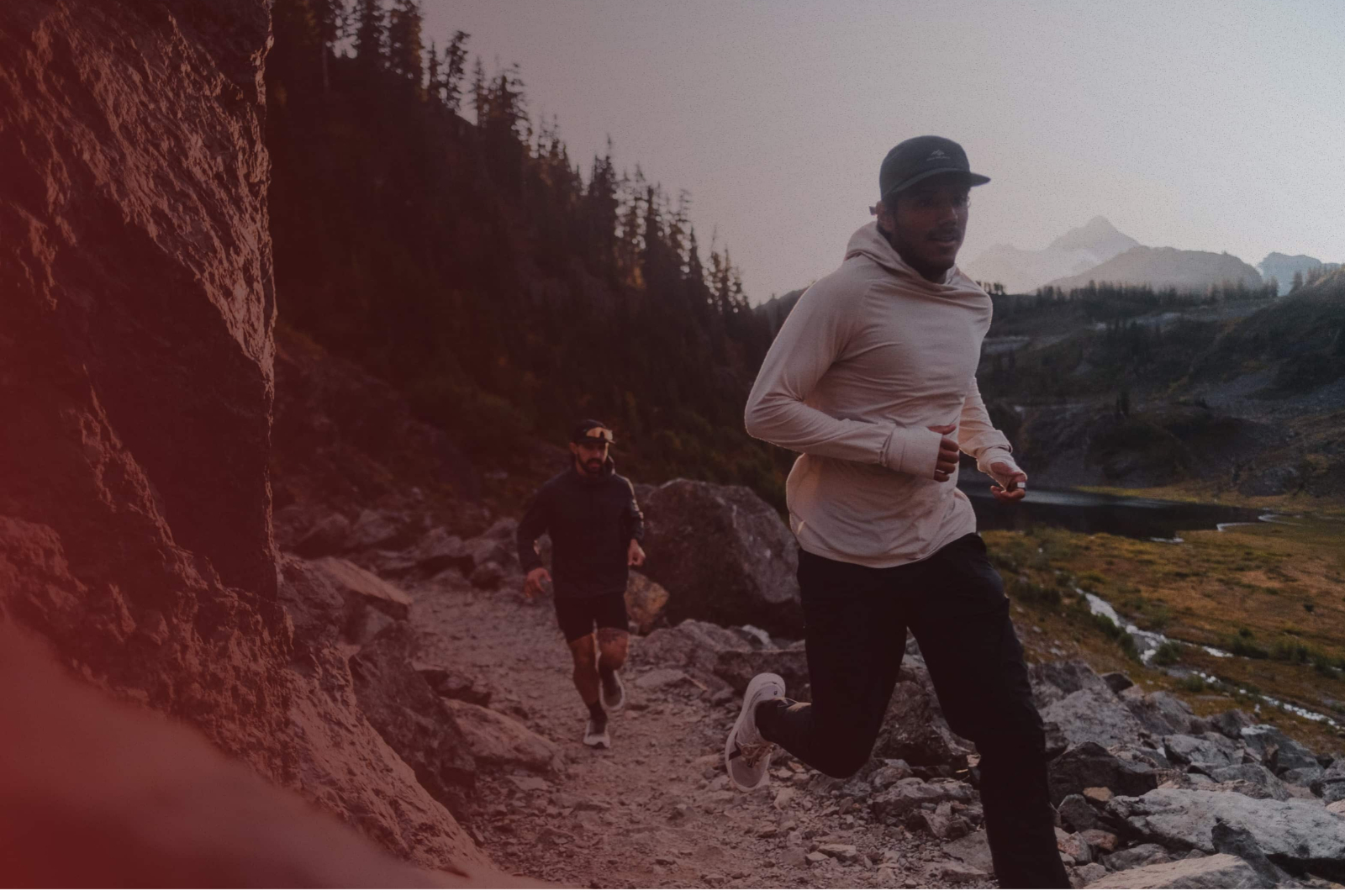
The detail worth knowing about is the reflectivity. Camo is designed to blend in, which is a problem when running before sunrise. So the reflective elements are tuned to disappear in daylight and light up under headlights.
Deadlast is just starting to gear up, and growth will continue next year. The formula is offering great products, design, and quality at a great competitive price.
We sat down with Lucas Williams, co-founder and product designer of Deadlast to know more about the brand.
BITR: Let’s start with the team. Who is working at Deadlast right now and where did everyone come from?
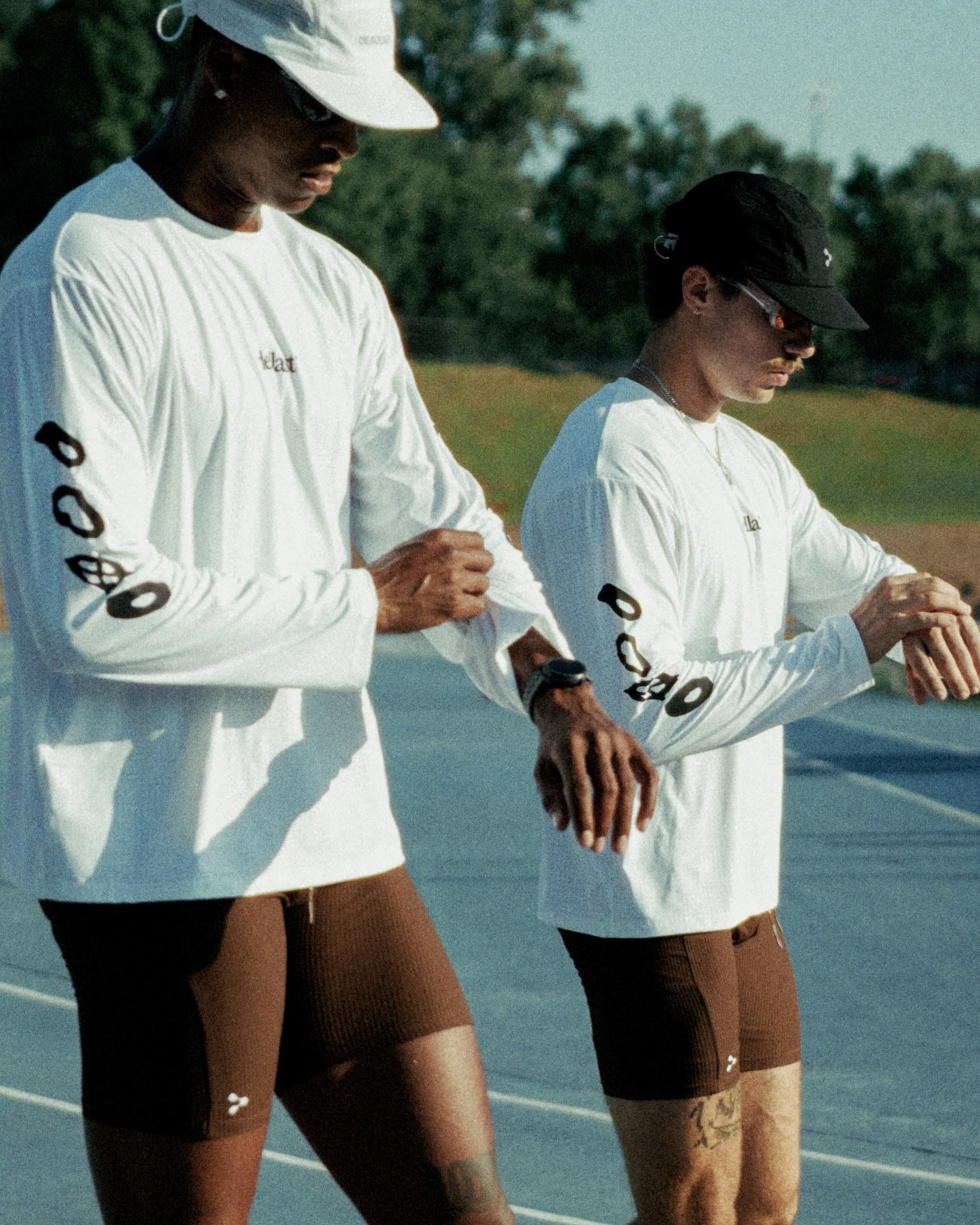
Williams: We are a founding team of three. Mitchell and Mike are in Salt Lake City, and I’m in the Charlotte area. I met Mitch about four years ago through Instagram because we both had video production agencies. I’d started dabbling in e-commerce apparel at the same time, and about two years ago he came up with the idea of a running brand. We were both new to running and falling in love with it, with the craft of it, and with how it made us better. About three months in we brought on Mike, who is Mitch’s co-founder at the video business. He comes from a Costco operations background.
It started as a passion project. We figured we’d each put in a few thousand bucks, maybe break even, and develop some products we personally liked.
BITR: When did you realize there were things you wanted that didn’t exist?
Williams: Once I got more serious about running, I started looking at gear, and bottoms were where I had the most issues. I liked the liner on one brand’s half tight, the pocketing on another, the waistband on a third. Nothing combined all of it. I had manufacturer connections from the e-commerce side, so I reached out, almost for fun, and asked if they could take the waistband from this and the pocketing from that and build a custom half tight. It came out great. It was the only pair I wanted to wear, and I got rid of all the others. That’s when I thought we might have something.
BITR: What was the first collection and how hard was it to make?
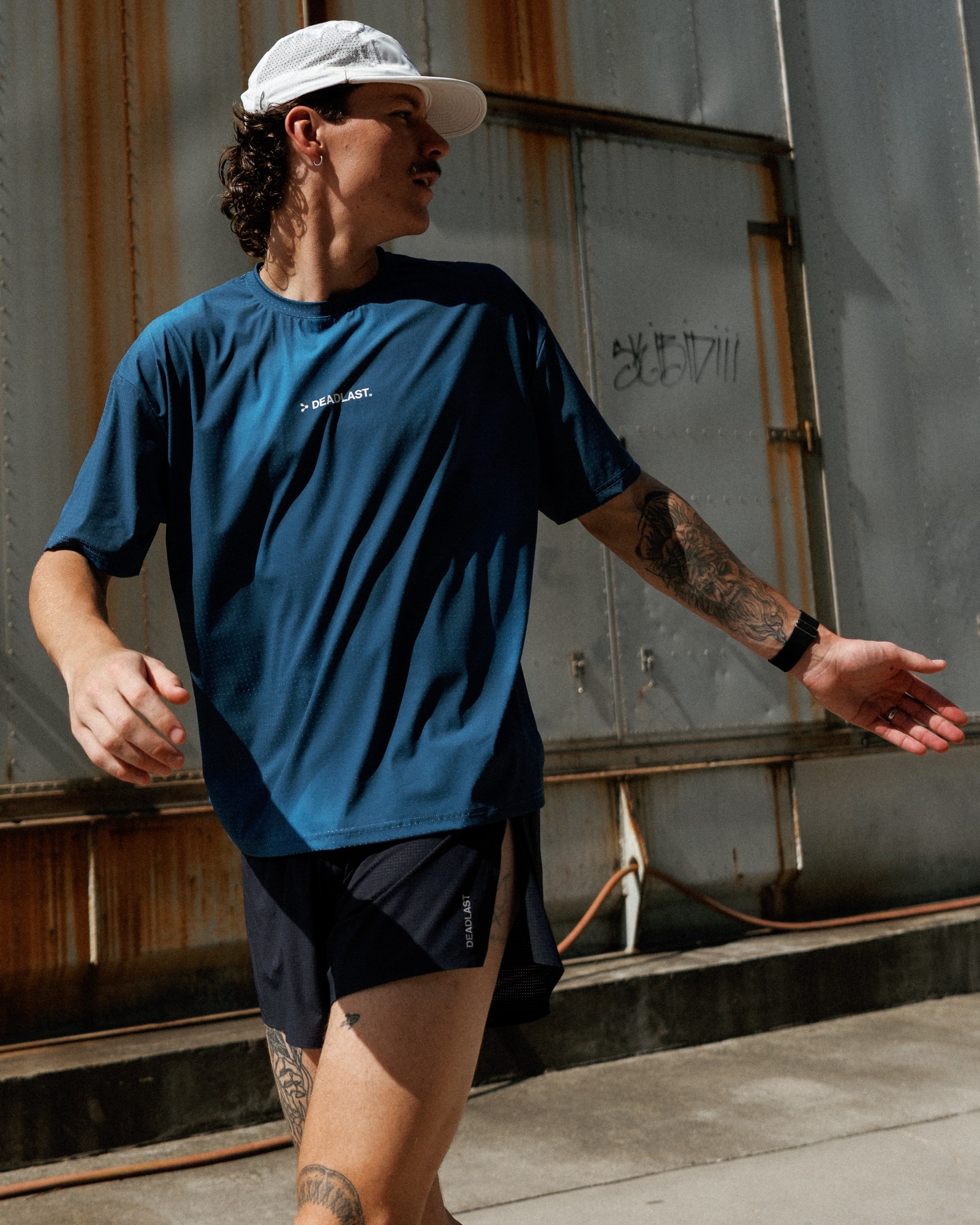
Williams: Hard. All the nitty-gritty of putting branding on products for the first time. But the real difficulty was fit. I’m a smaller, leaner guy. Mitch is bigger and heavier. We wanted to speak to both, because being small and lean doesn’t make me fast. The initial collection was a half tight, a 5-inch short, a long sleeve perforated tee, a short sleeve perforated tee and a perforated singlet.
BITR: And at that point it was just the two of you doing everything, on top of your day jobs, with your own money.
Williams: Correct. Fulfilling orders, all of it. We ordered the minimums of every product because starting out is expensive. Friends and family bought from that first collection and not many other people. Then it slowly sold out, we took the feedback, improved the staples, added a few pieces, and that cycle repeated.
BITR: How often are you releasing now?
Williams: For 2027 the plan is at least a new release once a month, because we’re finally far enough ahead on manufacturing lead times to do it. There’ll be four big seasonal collections and capsules sprinkled through the year that reflect our personal interests.
BITR: Tell me about The Hunt. Where did it come from?
Williams: The Hunt came from the fact that I’m from a farm in South Carolina and Mitch is from a farm in Utah. We wore camo growing up and so did everyone around us. We’d been working on it for over a year and a half, sampling patterns, because we’re both picky about contrast and saturation and hue. We wanted to release it last fall and it wasn’t ready, so we held it.
The thing I’m proud of is the reflectivity. Camo is meant to blend in, and Mitch and I are both dads running before the sun is up. So we built in reflective elements that disappear in daylight, where they hold the camo feel, and pop when light hits them at night.
BITR: What should people expect in 2027?
Williams: We’re bringing on people with more technical design experience who know what’s possible. So people can expect a more premium level of product without an increase in cost. We feel strongly about where our prices are. Running apparel has gotten so expensive, and without cutting corners we want to stay in our current range, because that’s what’s doable for the underdogs we talk to. These aren’t people getting paid to run. I don’t think they should pay $150 for a pair of shorts.
BITR: What’s your best seller, and what’s the feature you’re happiest you got right?
Williams: Best seller is easy, the Flowpace perforated long sleeve. It surprised me, but it makes sense because it works in any weather. People wear it for 200-mile ultras in Arizona and they wear it at 40 degrees. I wore it this morning. My personal favorite is the half tight, because it was the first product and it’s the sum of everything I liked elsewhere.
BITR: Do you think the stigma still exists, the feeling that you have to earn certain gear before you’re allowed to wear it?
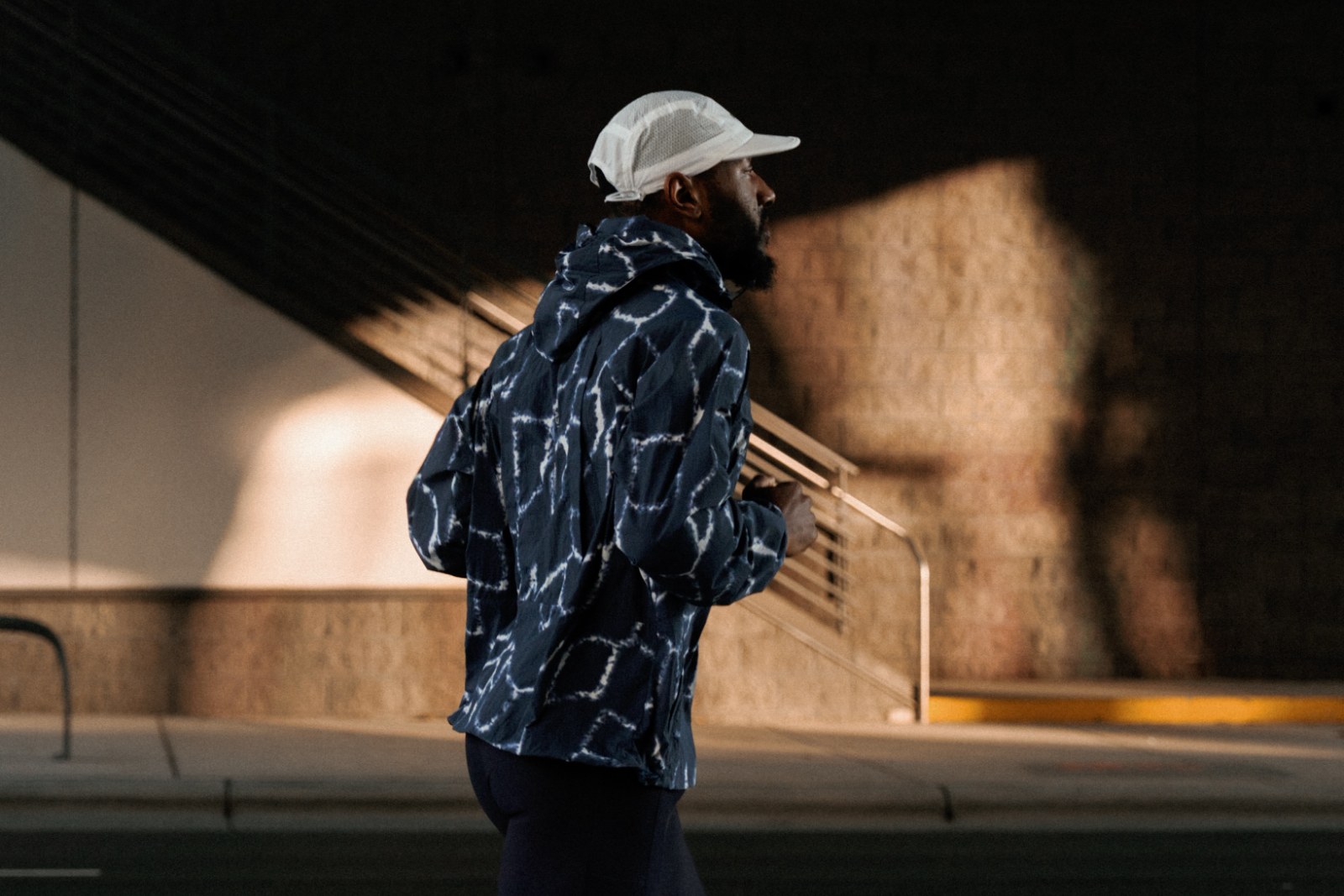
Williams: Absolutely. A personal mission of mine is to get dudes into half tights, because we hear it all the time: I’m not fast enough, I’m too big. People treat it like a level system. The 7-inch short is for beginners, get faster and you can go 5-inch, and if you’re elite you get half tights or split shorts. Mitch is a heavier guy and he said he would never wear half tights. Now he wears them for every single run. We don’t want slower or newer runners thinking they have to wear their high school gym shorts and a cotton tee because they’re not fast. When you get a new piece of gear, sometimes that’s all the motivation you need to get the workout done.
You can shop the full Deadlast collection at the button below.
Sign in or create a free account to comment. You'll come right back here.
Sign in / Sign up

Alfredo is a runner, writer, creative director, and cultural analyst based in Berlin. After years as a casual runner, his move to Berlin transformed his running into a vital practice for mental health and a source of tranquility during cold, early morning runs. His interest in clothes comes from uniforms and sportswear, combined with a love for innovation and research—which might explain why he meticulously charts his winter running gear.
More from Alfredo