Shop BITR Apparel Shop Now
Cups. Cups, cups, and more cups. You can't run a marathon, or really any race, without seeing somewhere around a billion of them filled, lined up, and then discarded along the sides of the road. Well, maybe the number of a billion is an exaggeration, but the rest is true: We've been incredibly wasteful when it comes to keeping runners hydrated.
But the times, they are a-changing. Runner-powered refill stations are coming to more and more races, including two of the US-based world majors, and I have to say it's about time. In fact, given the results of HydraPak's study (and my own experience at the Paris Marathon), I have to imagine that it'll only be another year or two before we see this setup at all of the world majors.
Here's what a cupless future just might look like.
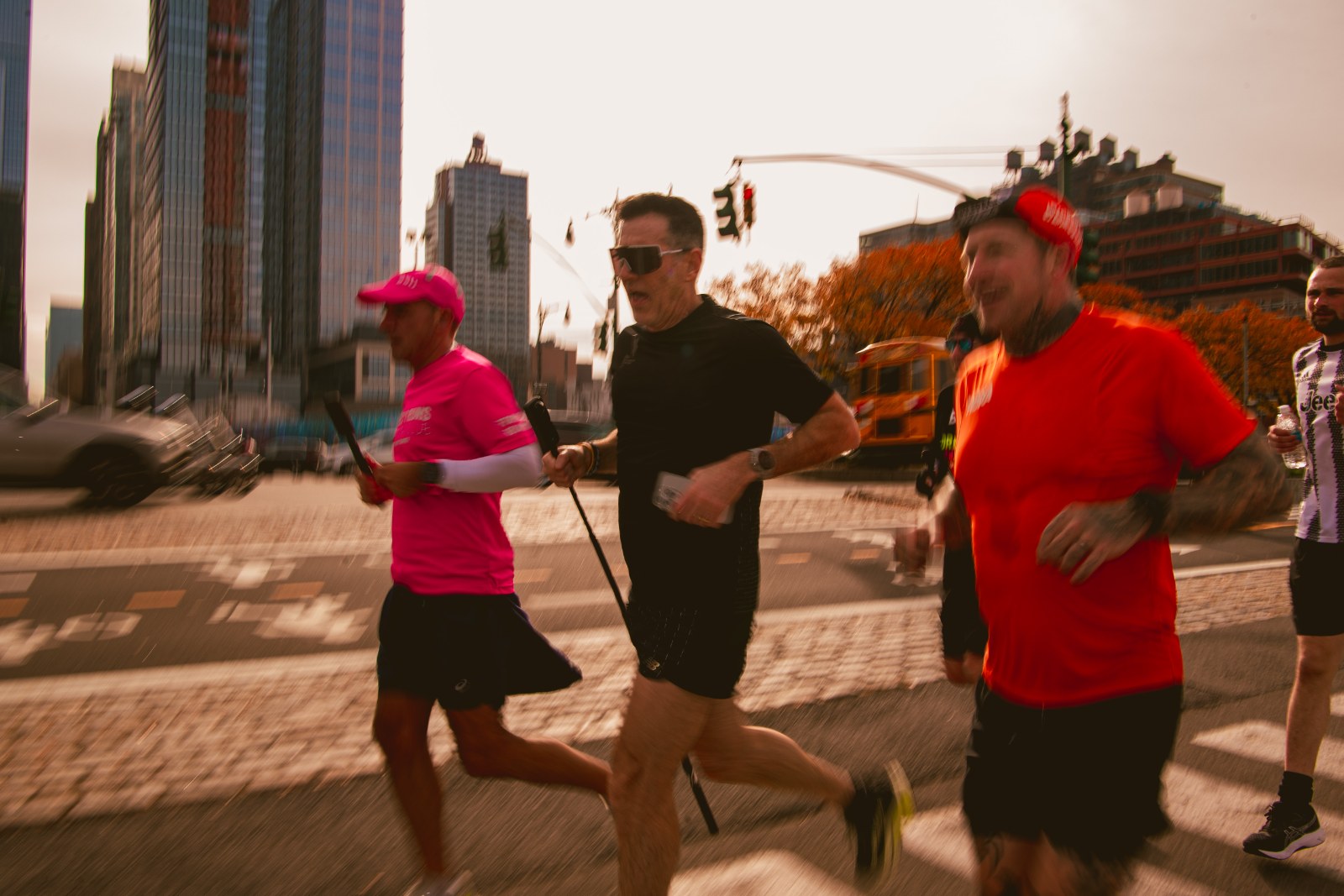
The Paris Marathon made headlines earlier this year when it announced that it would go cupless. Across 26.2 miles, there would be no disposable cups and no lines of volunteers handing out hydration. There would, however, be a ton of water stations, featuring hoses and taps, where runners could refill their reusable cups as they ran by. Still volunteers, still water, just no cups.
And yes, I was nervous. I mean, how would my body handle the act of stopping, lining up a soft flask (given to me by Salomon and race sponsor HydraPak), and then starting again? I'll admit the process didn't seem perfect, but I was ready to give it a try.
I ran the Paris Marathon with my friend (and possibly yours), Mike Ko, better known as Kofuzi. The two of us waited about five miles before our first attempt at a refill, and I'd say it went pretty smoothly. We weren't pushing for PRs that day, but we were able to stop, line up our handhelds, and get a few ounces.
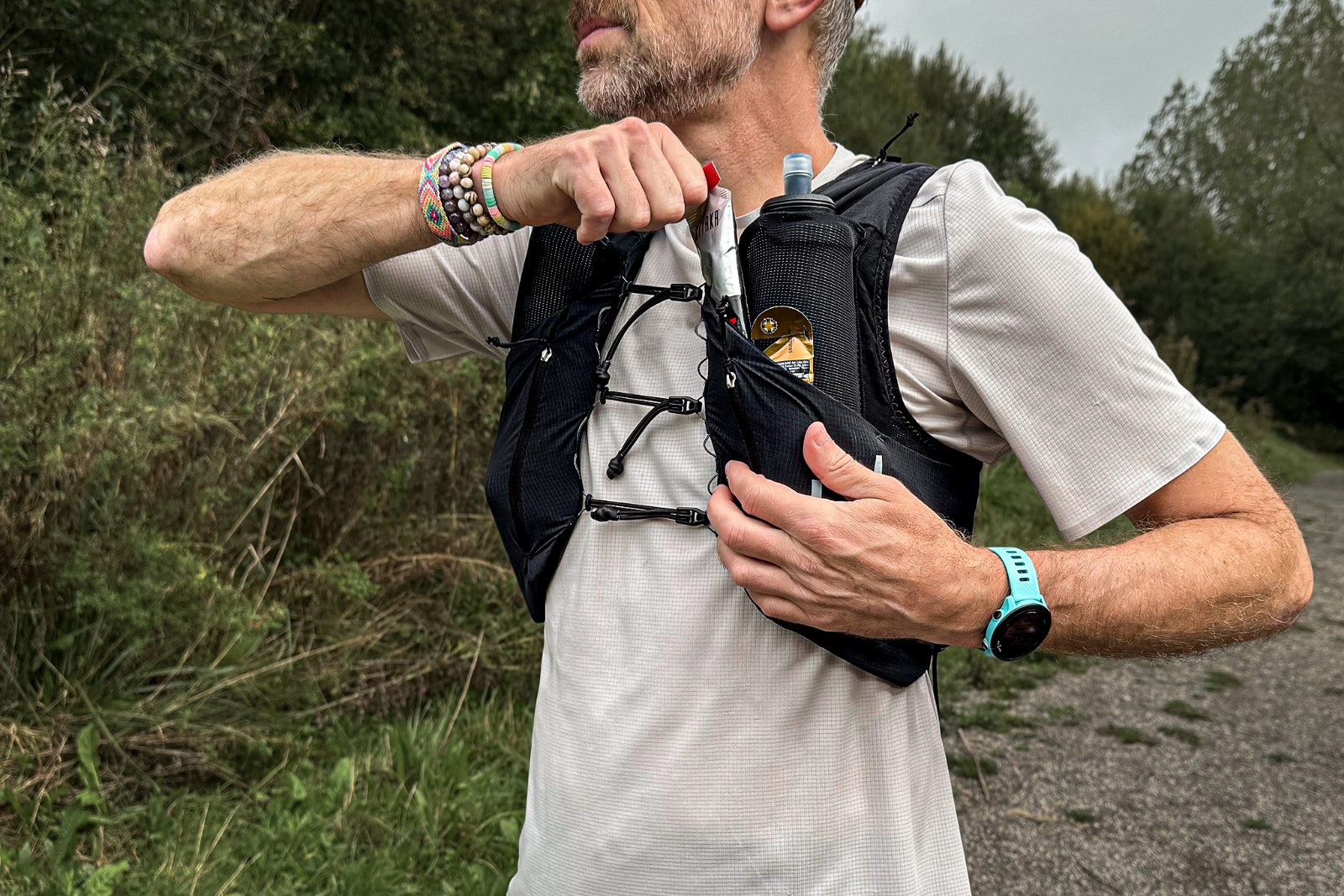
As we went on, we got more comfortable with the process, testing out a few of the different dispensers along the way. I felt like the handheld hoses were a bit too strong, but the runner-controlled taps offered a better filling experience, so I switched to using those by the halfway point of the race.
All told, I finished the marathon in under four hours (as I'd hoped), and I did it with the same flexible handheld tucked away in my running vest — a vest I hadn't planned to wear until a gel burst in my half tights.
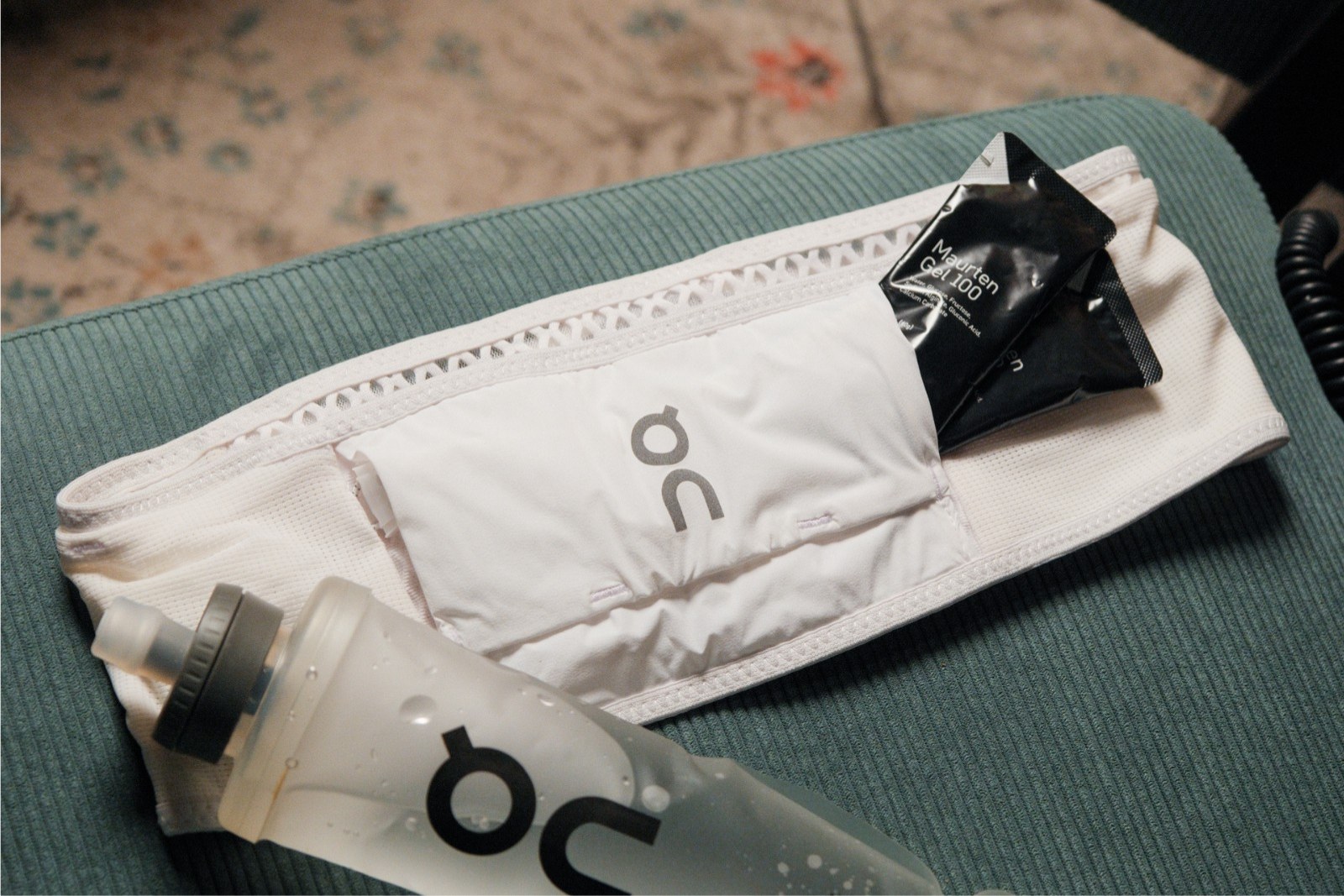
Now, just because I had a pretty good experience overall in Paris doesn't mean that the HydraPak team was ready to call the experiment a smashing success. In fact, it came off as more of a learning opportunity, but a very important one at that. Organizers realized a few things, which will no doubt inform how they move forward.
For starters, self-fill stations won't work for everyone. If you're chasing a PR, you may need a different solution, which is why the Paris Marathon also added a bottle option for runners chasing a sub-2:50 finish. I wouldn't at all be surprised if that remains the standard going forward, though a sub-2:50 is practically what you need for a BQ time at my age, which might mean a lot of bottles at major marathons.
HydraPak also acknowledged that runner education needs to start sooner (no surprise there), and pointed out that fueling is so much more than simply hydration. This was my only real hiccup with the race, as I felt like the organizers waited way too long to make sports drinks available on course and it was only available at two refill stations.
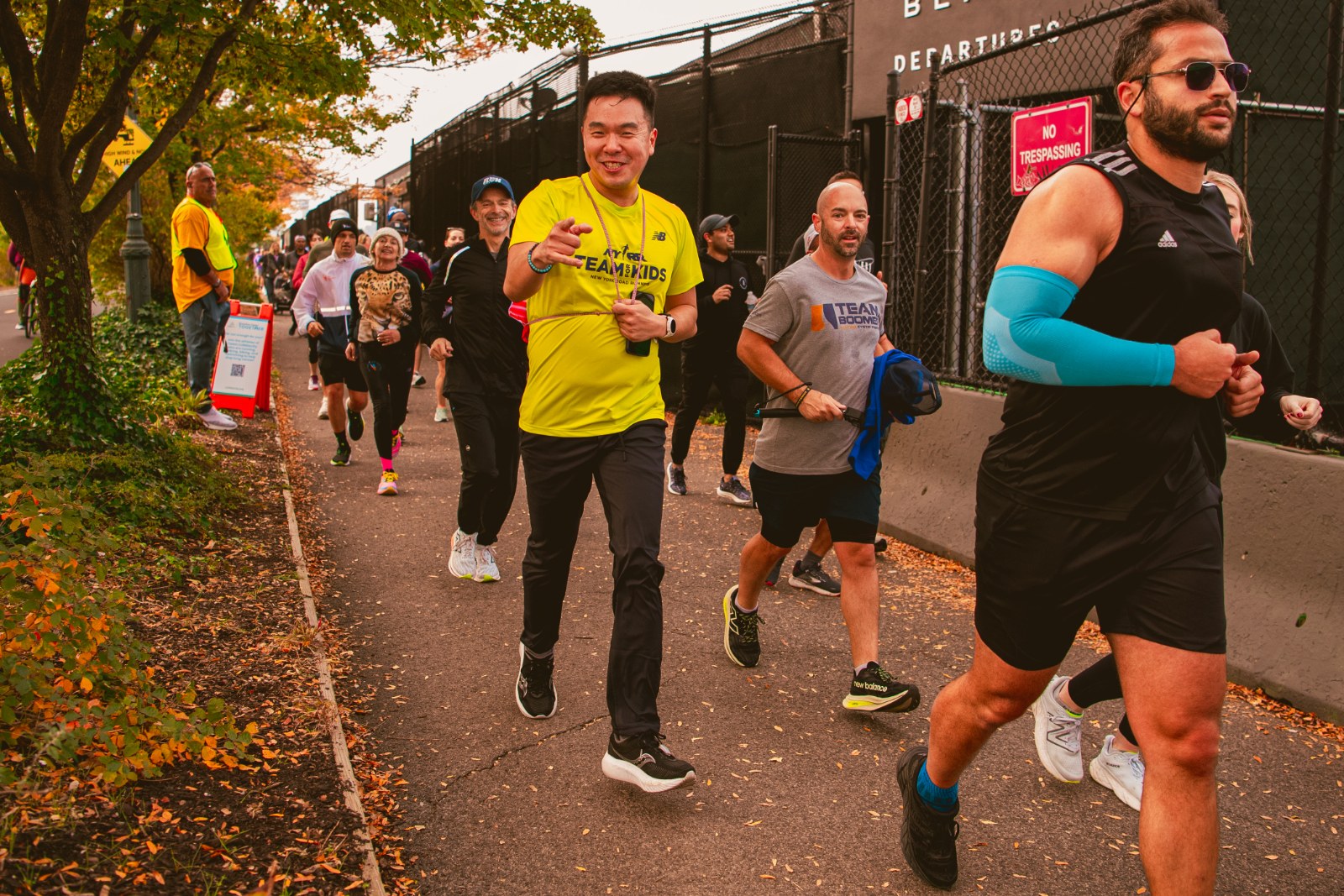
Following that positive (if imperfect) result in Paris, it sounds like the cupless revolution will grow. The Chicago Marathon just became the first world major to go partially cupless, adding four Culligan-powered stops along its course to introduce runners to the option of refilling their own water.
Of course, that race took place just a few days ago, so we'll have to wait and see how the optional refill stations impacted cup usage, but a second test is already on its way. The New York City Marathon (which we'll be attending and Thomas will be running) is adding five Culligan self-serve refill stations of its own, placing one in each borough on your way through the Big Apple.
Will this axe all 2.5 million cups that the New York Road Runners need to pull off a successful marathon? No, probably not even close, at least not at first. Again, the runners chasing Boston and Olympic standards probably won't touch anything that requires them to slow down.
But for you and me, the regular folks out here to turn in performances we're proud of, I think it's a great idea. It's a huge step towards making our sport even greener, and it gives me an excuse to test out some new running handhelds.
In the meantime, you can grab a new HydraPak flask from the button below as you gear up for race day.
Sign in or create a free account to comment. You'll come right back here.
Sign in / Sign up


If you read it on the website, there’s a good chance Ryan has been involved in some way. As the editor-in-chief and review coordinator, he’s in charge of dotting the i’s, crossing the t’s, and making sure that the affiliate links are squared away. When he’s not doing that, he’s logging miles with just about every run club in Baltimore, snapping photos on his latest film camera find, or simply existing with his two cats, Luna and Stache.
More from Ryan