We independently review everything we recommend. When you buy through our links, we may earn a commission.
Women’s Trail Camp with Arc’teryx
Callaghan Valley, British Columbia
To learn more about Arc’teryx’s commitment to quality and approach to product design
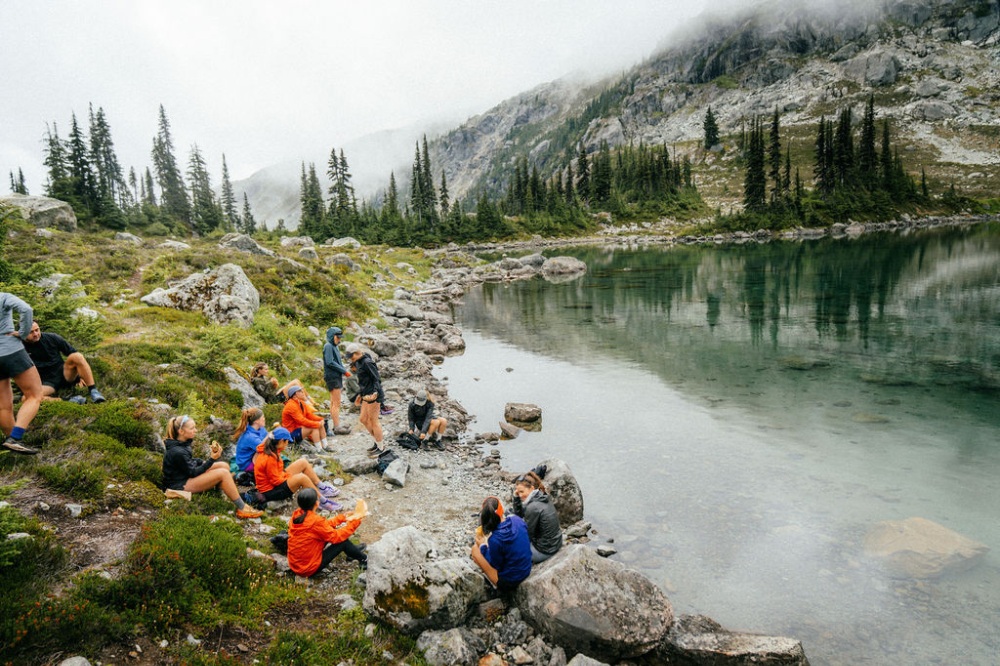
Photos by Jessy Braidwood for Arc’teryx
This summer, I found myself in a rare position: back-to-back media camps, one with Tracksmith, the next with Arc’teryx. Both are heritage inspired brands that care deeply about reputation and image, but the way they embody that identity couldn’t be more different. Neither is right nor wrong, just different.
With Tracksmith, you feel the aesthetic first: every product begins with “what looks like Tracksmith?” and then gets adapted for running. It’s about place, nostalgia, and design cues that feel timeless. With Arc’teryx, it’s almost the opposite. Their identity isn’t imposed on the product; it flows from it. The brand shows up everywhere, from the seams on a jacket to the place settings at dinner. Arc’teryx doesn’t lead with image; it leads with obsessive thoughtfulness. The brand’s look and feel then embody those choices. Everything is a detail. And every detail is important.
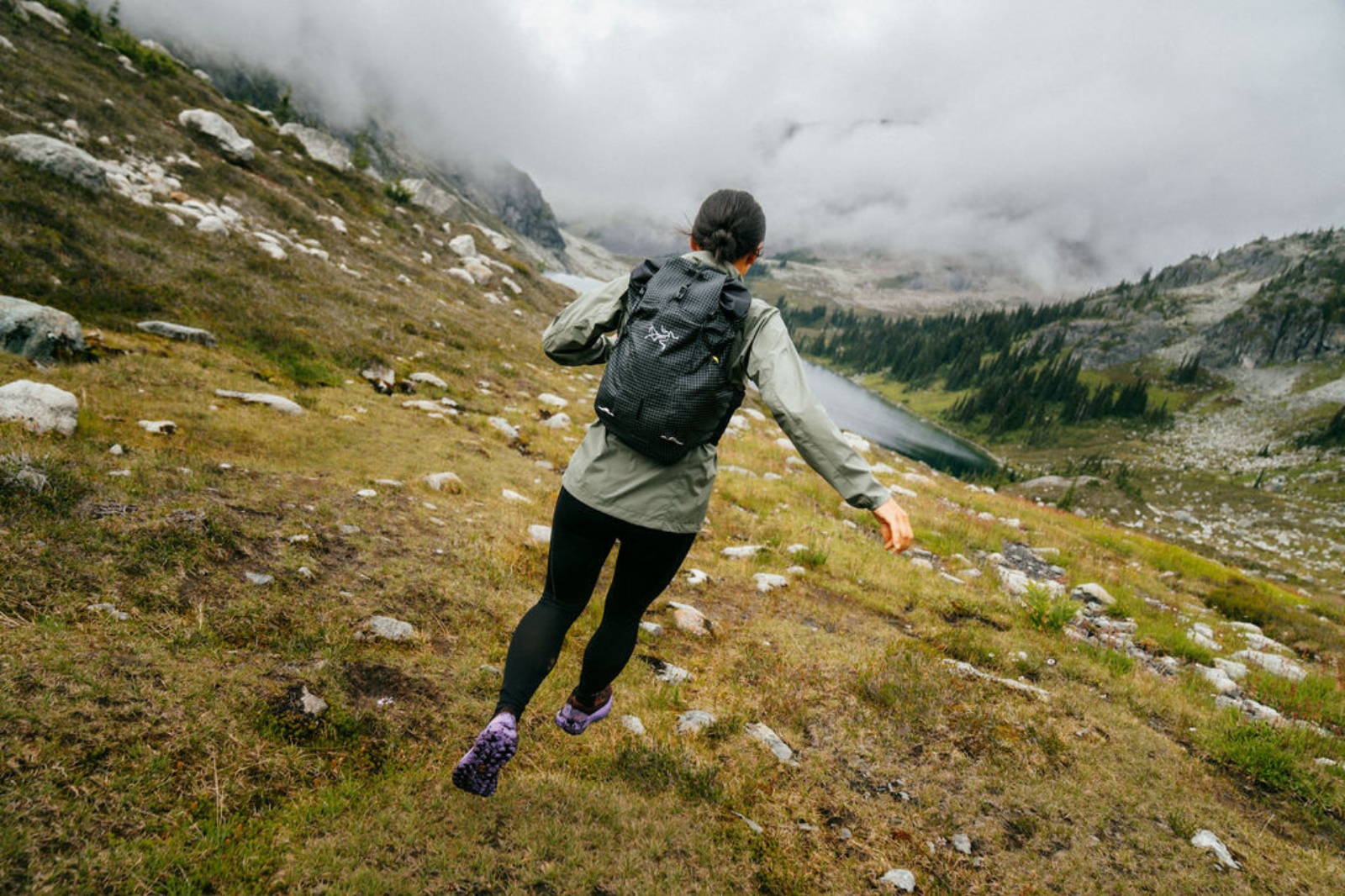
That mindset is exactly why the Women’s Trail Camp in Callaghan Valley, British Columbia, a short drive away from their headquarters in Vancouver, was the perfect testing ground for their trail gear.
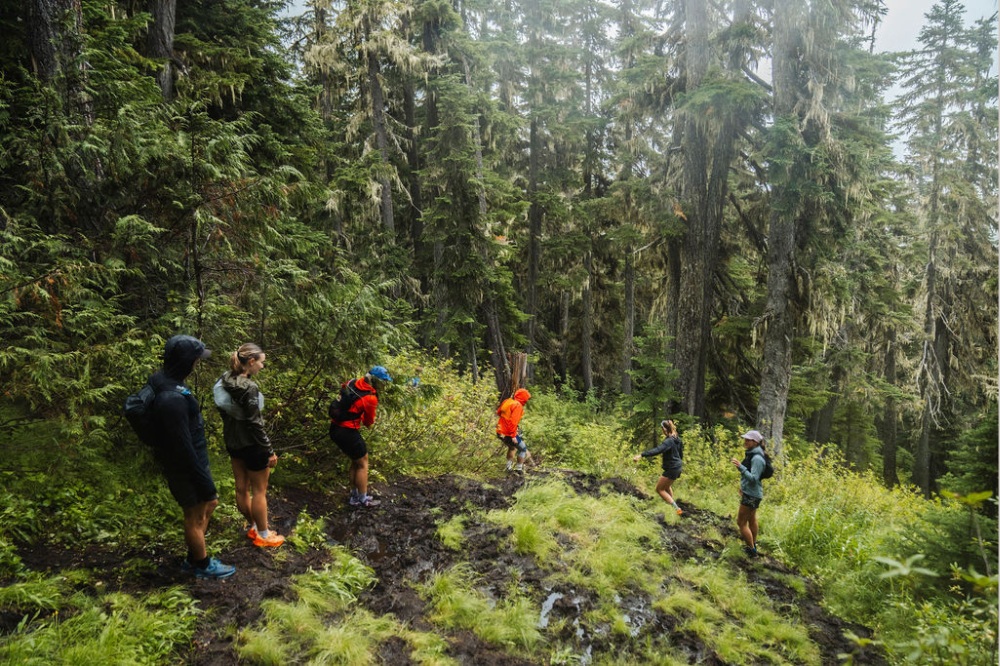
I expected steep climbs, wet shoes, grizzly bears (hoping not to see them though), and spending quality time with amazing women with different backgrounds and trail running experience. What I didn’t expect was how much time I’d spend thinking about seams, pockets, and the sound of fabric brushing through trees. But that’s Arc’teryx– obsessed with the details most of us don’t notice until someone points them out.
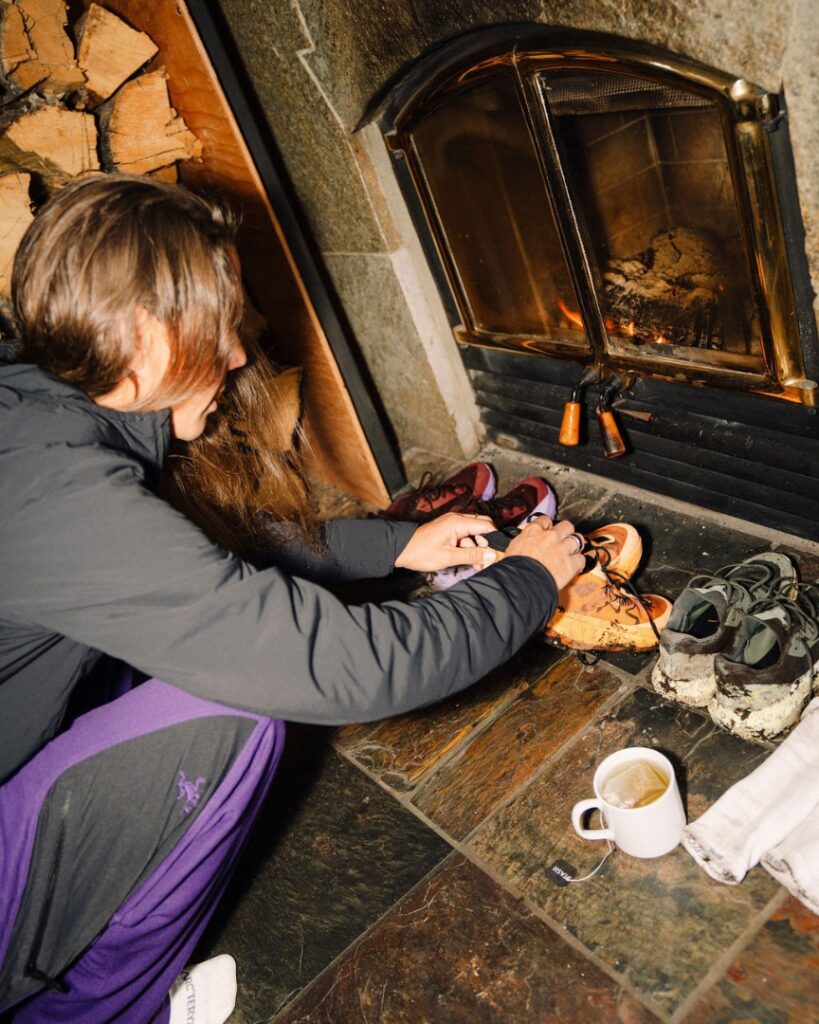
At camp (read: a remote lodge nestled in a beautiful valley), I sat down with Nelle Horsley, an apparel designer on the women’s run team, and Kat Drew, who manages footwear product testing and athlete insights. Within minutes, it was clear their work exists in that space between obsession and innovation, where every pocket, seam, and panel is tested, questioned, and tested again.
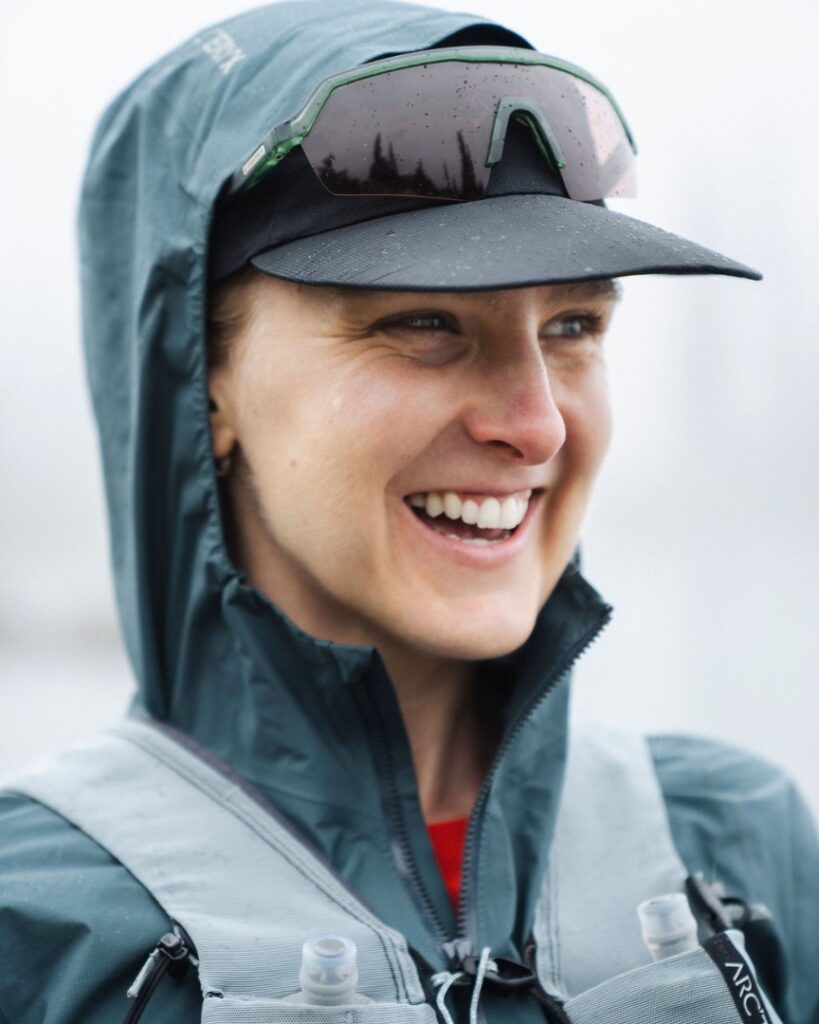
Nelle Horsley
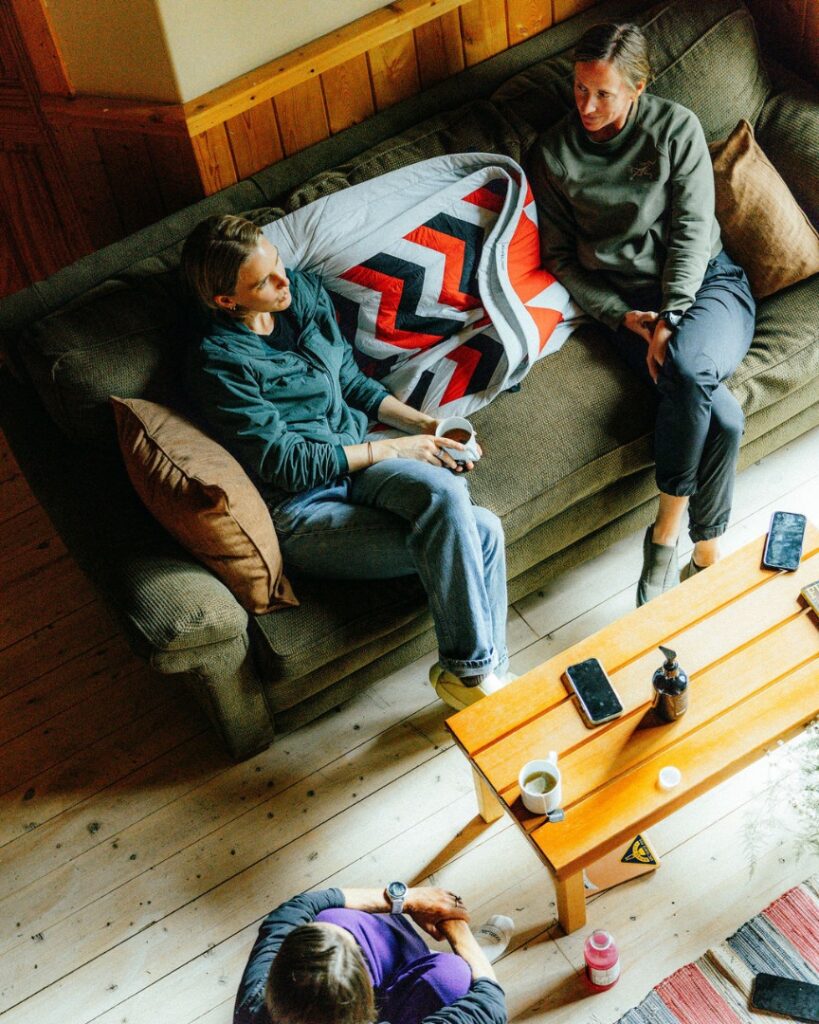
Chatting with Nelle and Kat
“Everything we make starts with athletes’ needs,” Horsley explained.
She described the process of designing a simple run short, the Essent High Rise Utility Short 6. In fact, it was the pair of shorts I ran in the day we talked, and I couldn’t get over how much I loved the 360-degree waist belt pocket.
A question as small as “Do you actually use thigh pockets?” becomes a rabbit hole of prototyping and feedback. Arc’teryx has an in-house design center, so Nelle can sketch an idea for a piece, walk downstairs at the office, and show it to a co-worker who can create it on the spot. Arc’teryx can go from concept to prototype in the same building, fast tracking the test process of new ideas, new designs, and new apparel construction, ultimately creating a better end product.
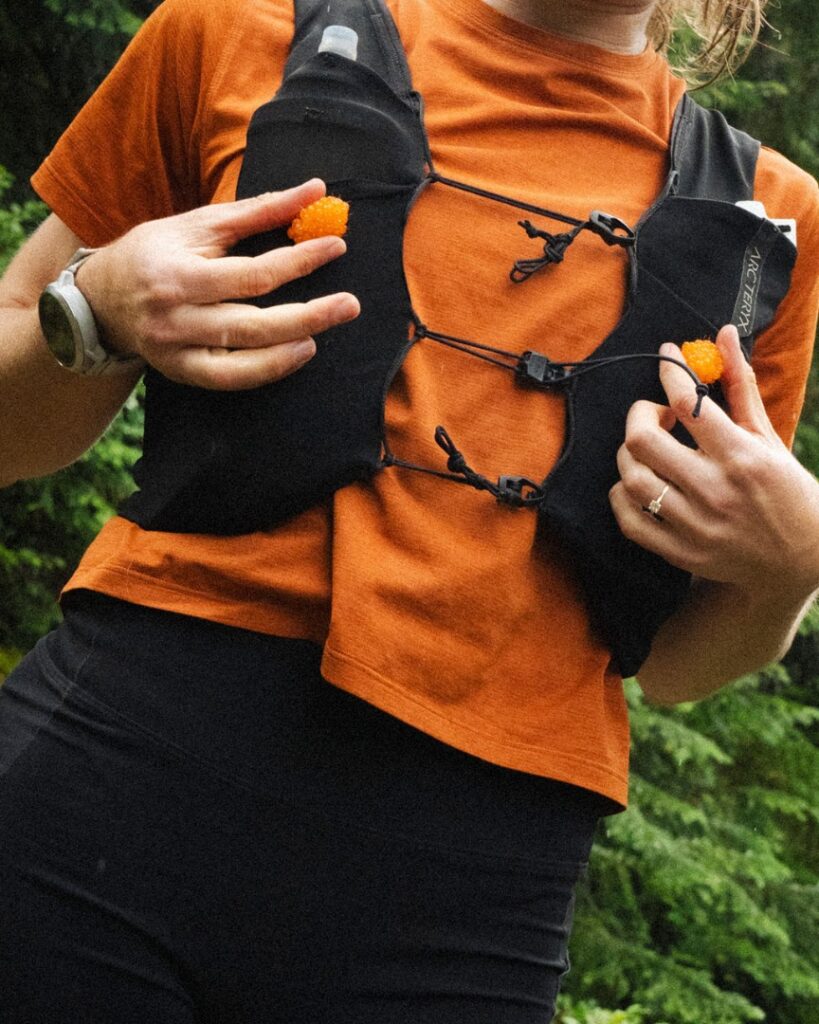
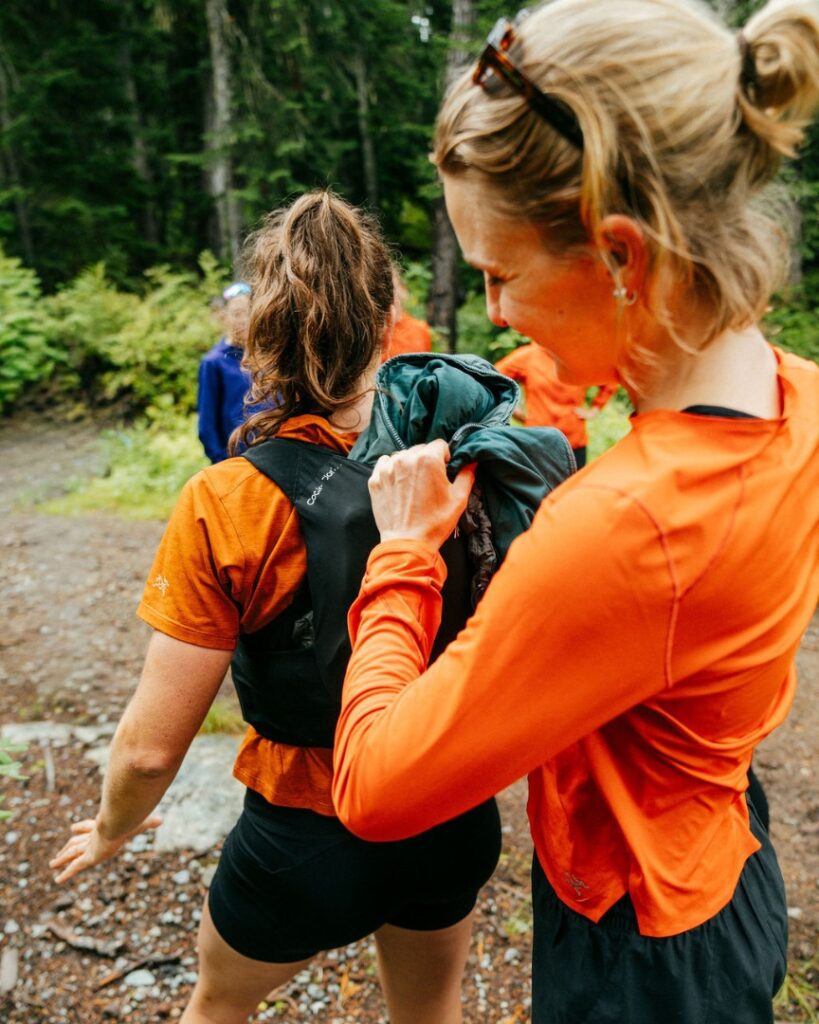
That spirit of iteration runs deep at Arc’teryx. Horsley told me a single garment can log more than 100 hours of testing per athlete before a prototype is even considered ready. Testers are asked to wear pieces in rain, sleet, and heat, with packs, belts, or vests and report back on everything from abrasion points to whether a hood sits comfortably when zipped over the chin.
“Everything is questioned,” Horsley said. “It’s maddening, but we’re obsessed.”
When I asked Nelle about how Arc’teryx thinks differently when it comes to women’s products, she explained that the product team and Arc’teryx’s advanced concepts team are drilling into real differences in fit, silhouette, and needs. The women’s and men’s design teams work closely together, often sharing the same material packages, but apply them differently based on athlete insights.
She pointed to the jacket I was wearing, the Norvan Insulated Jacket, as an example: the women’s version includes an insulated hood and inner cuffs for warmth, while the men’s version leaves the hood uninsulated. As Nelle put it, the two designs are meant to “speak to each other,” sharing the same DNA but tuned to the physiological differences and preferences of each athlete. (A note on materials: Arc’teryx works directly with its mills to make new materials, from yarn to polymer levels. None of the materials are pulled straight off the shelf.)
Shop Arc'teryx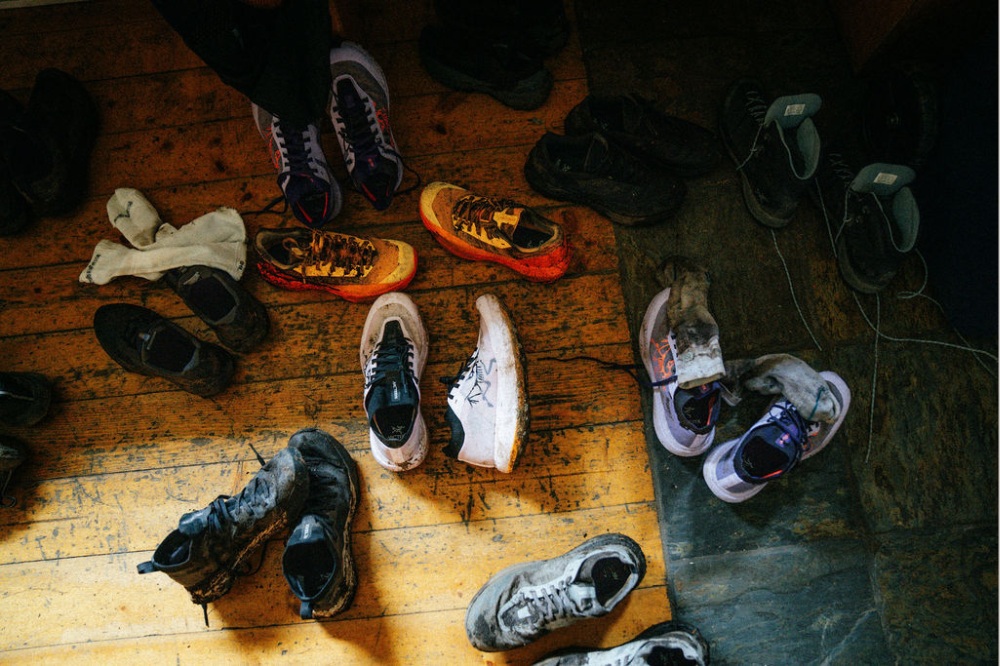
Drew sees that same process play out in footwear. Having started as a product tester herself back in 2019, she knows firsthand how shoes can fail or succeed on technical mountain terrain. When Arc’teryx brought footwear in-house in 2024 (after years of collaboration with Salomon), the goal wasn’t to make flashy claims; it was to solve problems athletes were experiencing in real conditions.
The Arc’teryx footwear team works hand-in-hand across their Portland creation center, the North Vancouver HQ, and factory partners to obsess over every detail. Prototypes go through round after round of design, testing, and tweaking until they’re dialed. With Portland’s trail networks and the Coast Mountains right outside their doors, the team can put shoes through the wringer in the same environments they’re built for, refining them in real time. Athletes are a huge part of the process too. Arc’teryx has a dedicated crew focused on athlete feedback and testing, and their insights, paired with countless hours in the field and hundreds of prototypes, drive the constant evolution of the line.
Take the Sylan Pro (pronounced sigh-lahn). This has been a Believe in the Run Favorite. The Sylan Pro even made our list of top trail shoes of 2025 (so far). Born from an athlete insights session in Chamonix, it came from a simple request: “We want a shoe that feels fast in the mountains.” The name itself is a nod to the Scandinavian mountain range between the homes of two of the athletes who inspired it. “That’s how deep we tie athlete stories into design,” Drew said.
What always surprises me is that by the time we reviewers get a shoe to review, the company is already one or two years ahead of that shoe. The newly released shoe is old news to the designers. Of course, this makes sense given how quickly technology changes, the time it takes to design, test, iterate, and manufacture a shoe, but it’s just interesting to see how the shoes evolve before they even hit the market. Yes, Kat said they read reviews, but it’s more for reassurance. Like, “Perfect, we fixed that in the next version.”
For instance, despite making our best of list, there are things I didn’t like about the Sylan Pro. The slight instability of the rocker, the laces that wouldn’t stay tied, the way it trapped heat. And while I can’t give much away, I have seen the future of the lineup that looks like those issues have been addressed. Some teasers for the next version of the Sylan Pro, which launches sometime in SS26: lighter overall weight, more underfoot propulsion experience, increased stability, and a more secure foothold.
Which means, of course, that Arc’teryx is so many steps ahead. Never resting on their laurels. Also, as someone who has had three insanely bad ankle twists over the summer, more stability? Yes, please.
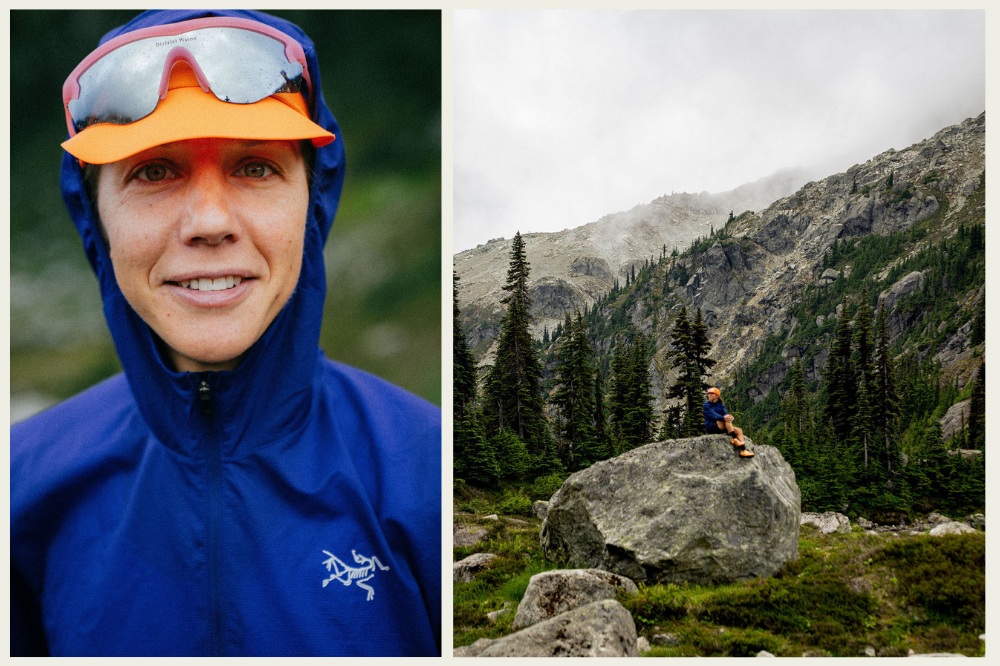
Author Reese Ruland
Footwear and apparel don’t exist in silos either. While the Norvan line serves as Arc’teryx’s daily driver workhorse, appearing across both shoes and clothing, future categories are being shaped by terrain and athlete feedback. Technical scrambles, light-and-fast missions, and all-day mountain outings all spark different design paths.
“We always start with a terrain muse,” Drew told me. “And then we put designers on that terrain so they actually feel what the athletes feel.” Speaking of technical mountain adventures, the Norvan Nivalis just launched and will be in the hands of the Dirt Division for testing shortly.
That connection is what keeps Arc’teryx distinct in a market crowded with “fastest ever” foams and logo-heavy gear. They’re not designing for a Western States win or a podium at UTMB, though their athletes certainly race there. Instead, they’re designing for the hundreds of hours most of us spend training in the mountains: the daily grind, the weather shifts, the endless miles.
Shop Arc'teryx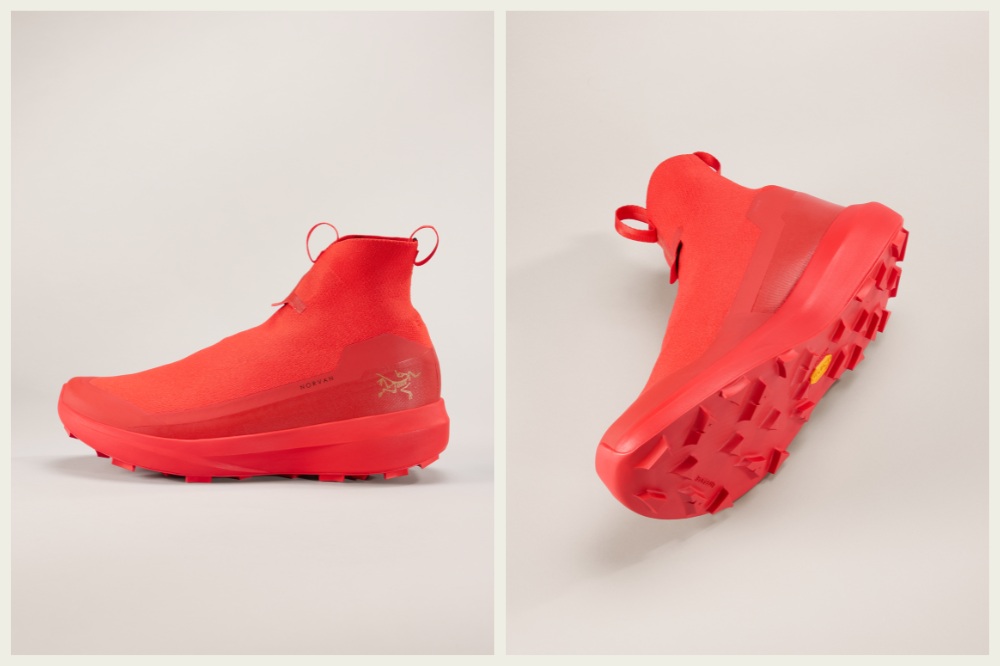
Arc’teryx Norvan Nivalis ($250)
When I asked Horsley what a “perfect piece” of gear looks like, she didn’t hesitate: “The perfect kit is the one you’re not thinking about. It just disappears and lets you focus on your run.”
Maybe that’s the essence of Arc’teryx. They’ll debate seam placement for months, test jackets for hundreds of hours, and sketch three years ahead into fall 2027 collections, all so the rest of us can find flow on a trail and forget about the gear entirely.
That quiet obsession is what makes Arc’teryx, Arc’teryx.
Shop Arc'teryx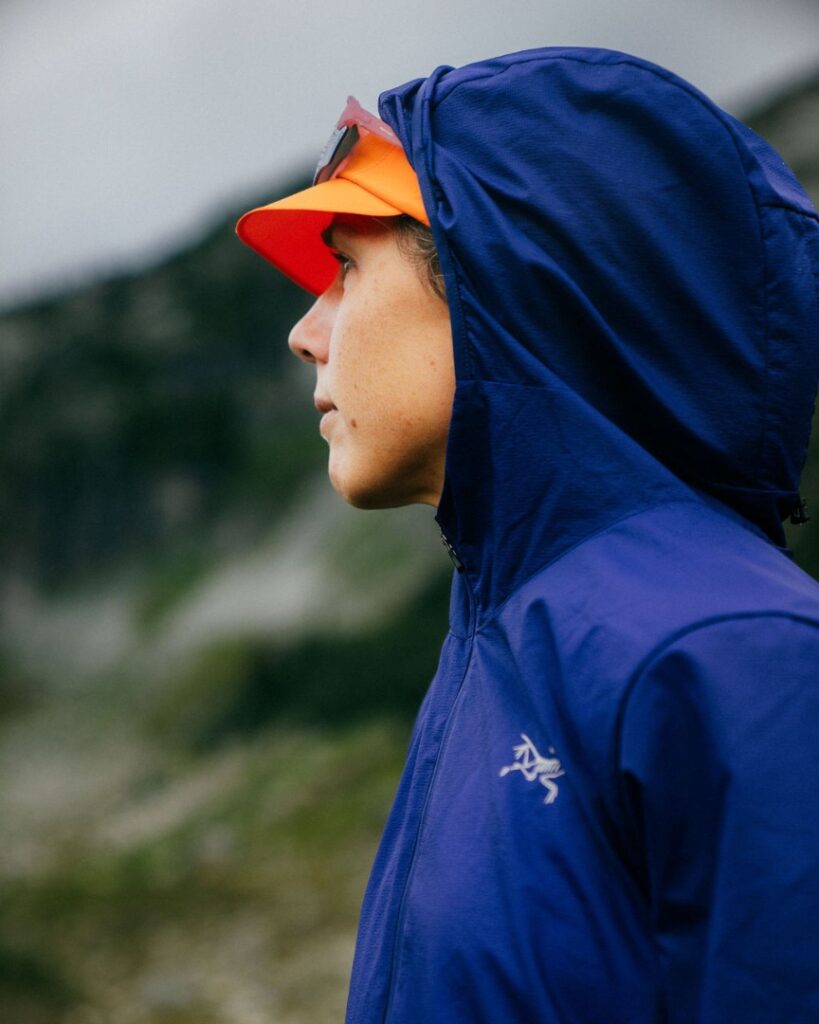


Have something to say? Leave a Comment
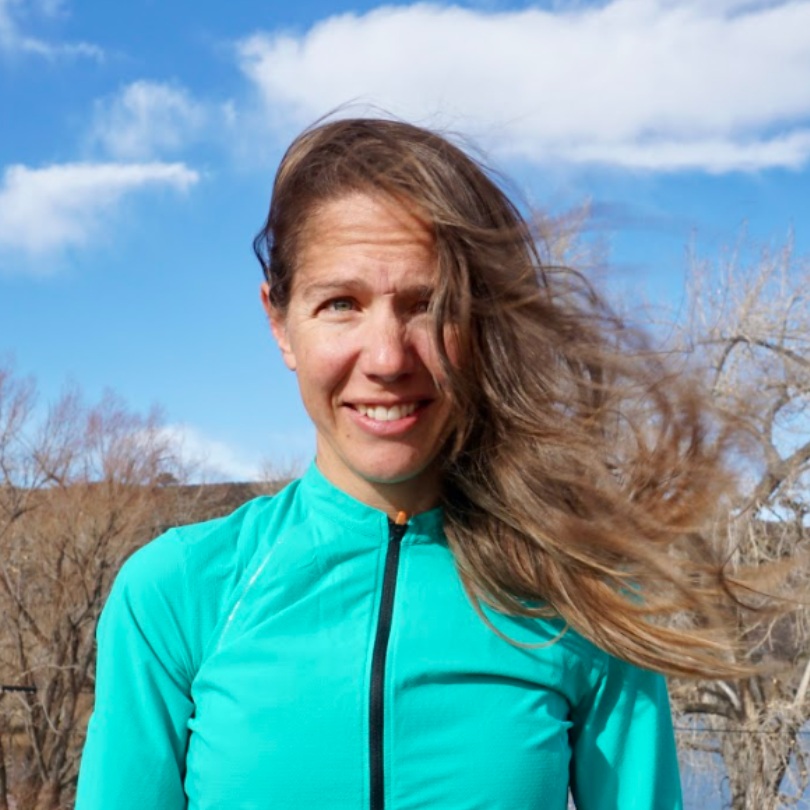

Reese Ruland is a Fort Collins-based ultra trail runner and coach with more than 15 years of competitive experience. When she’s not on the trails, you’ll usually find her at the horse barn or riding a bike, at the archery range, or hacking her way through a round of golf. Reese also has a serious obsession with her two French Bulldogs, Loaf and Oatie.
More from Reese