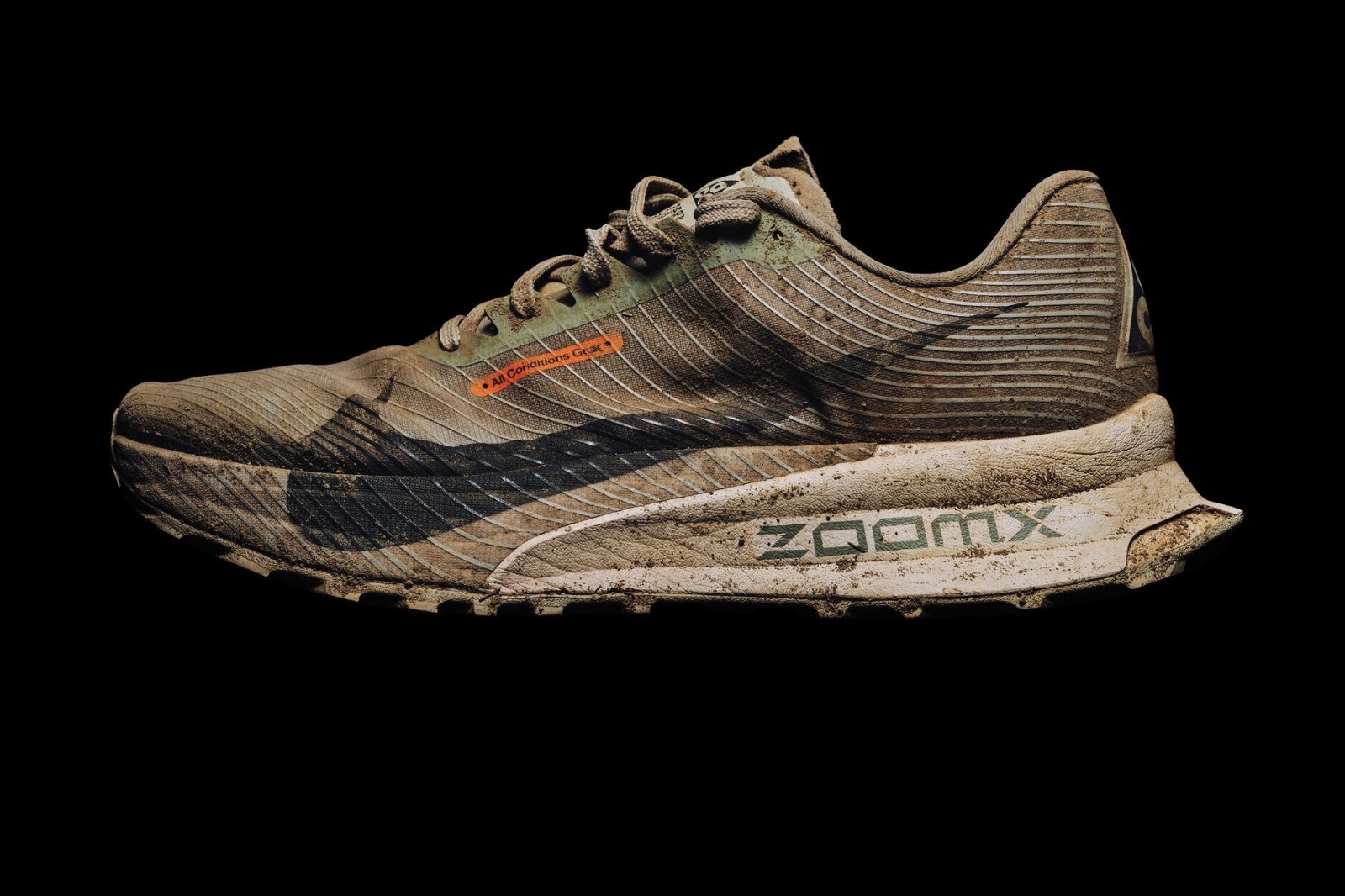
10.1 oz (287 g) for a US M10,
7.9 oz. (225 g) for a US W8
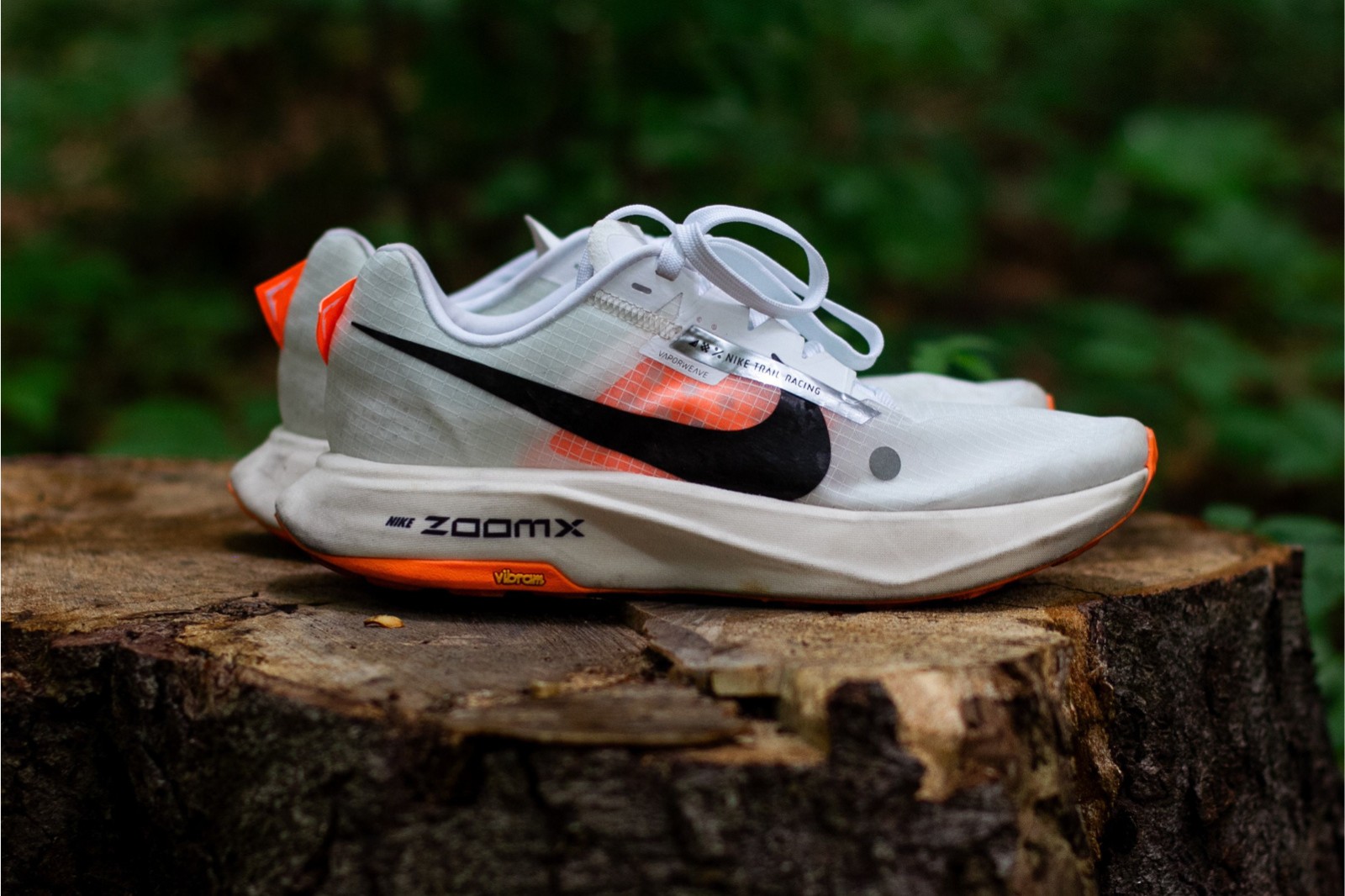
Dual-density ZoomX midsole, Vibram Litebase outsole, ZoomX sockliner, 7/8-length carbon fiber Flyplate
N/A, spring 2026
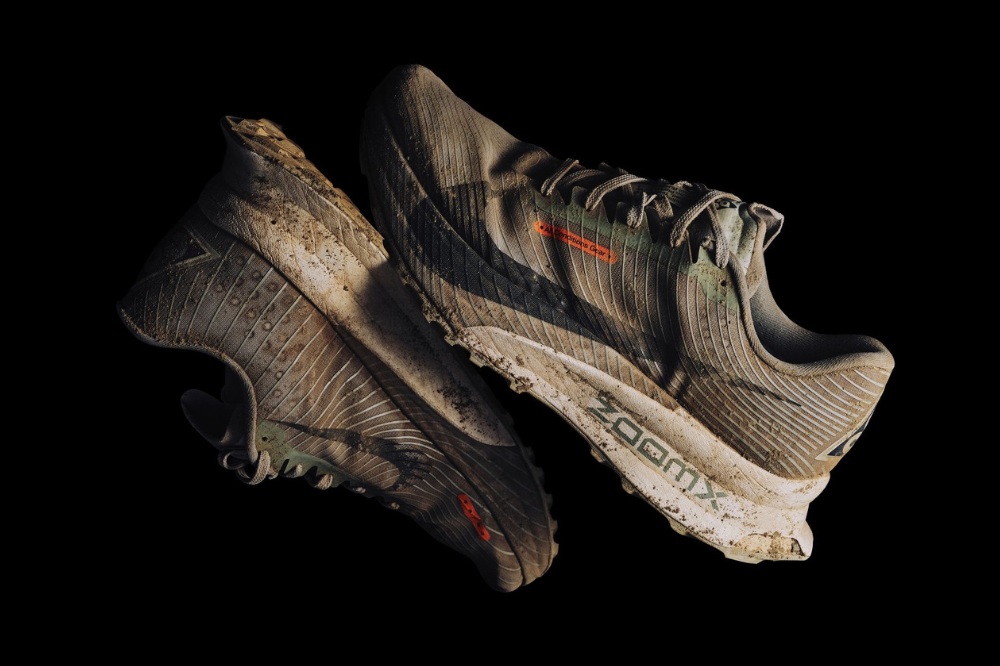
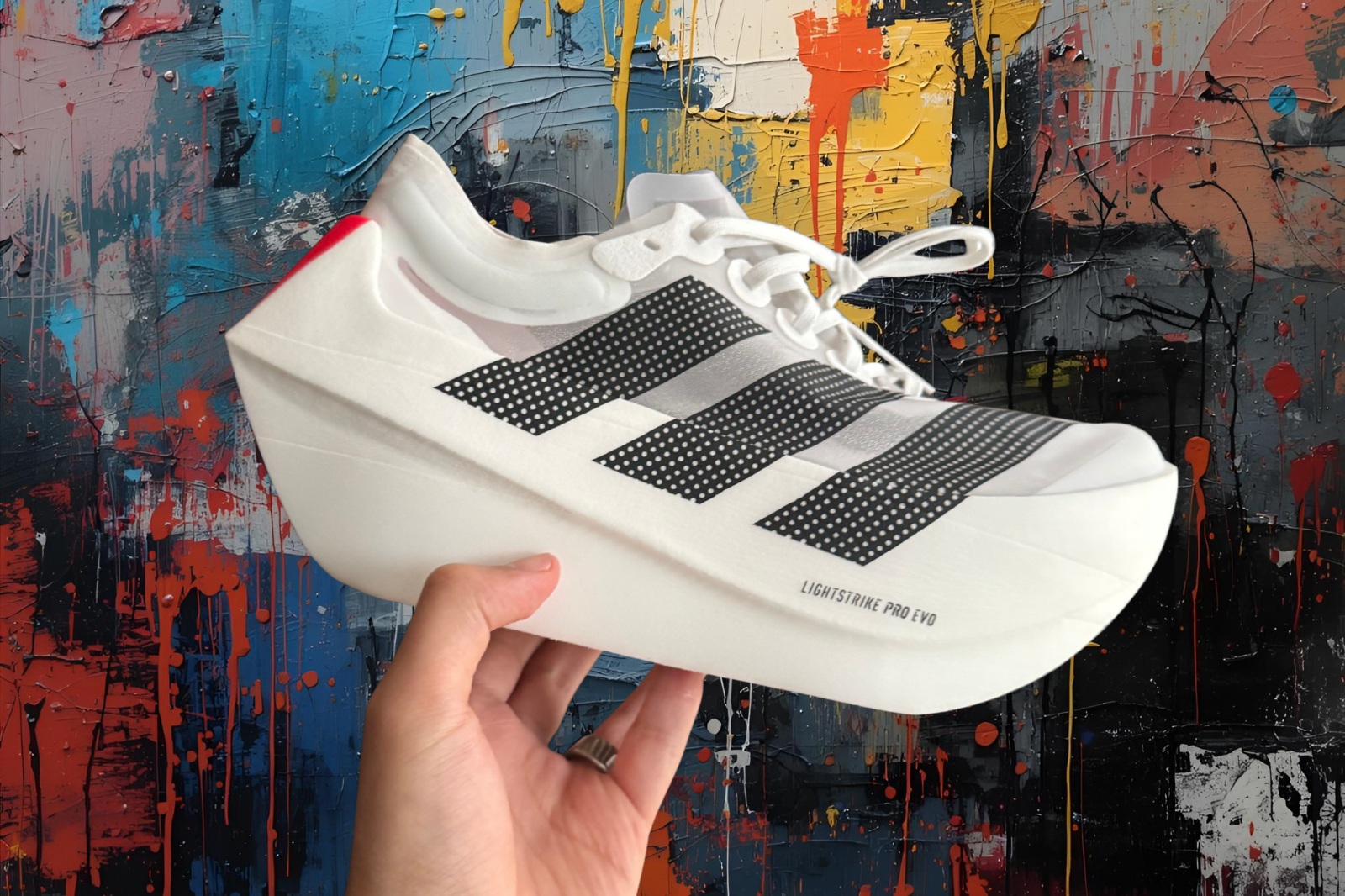
In a follow-up to last week’s announcement of the all-new Nike ACG All Conditions Racing Department, Nike has now unveiled the team’s cornerstone shoe: the Nike ACG Ultrafly.
It’s one of trail running’s least-kept secrets, boldly seen on the feet of Caleb Olson as he broke the finishing tape of both Western States and Transgrancanaria, two of the most iconic trail races on the planet. It’s been spotted plenty of other times in the wild, largely due to the fact that it’s seen a whopping 13 rounds of prototyping over 30,000 miles. All that testing will come to fruition with the Spring 2026 release of the shoe.
Runners who are new to the space may not realize this is the second version of the shoe, a follow-up to the Nike Ultrafly Trail, released in 2023. However, Nike is not so quietly dropping “Nike Trail” and moving into a new era of “Nike ACG”; instead of picking up where they left off, they’re just starting over.
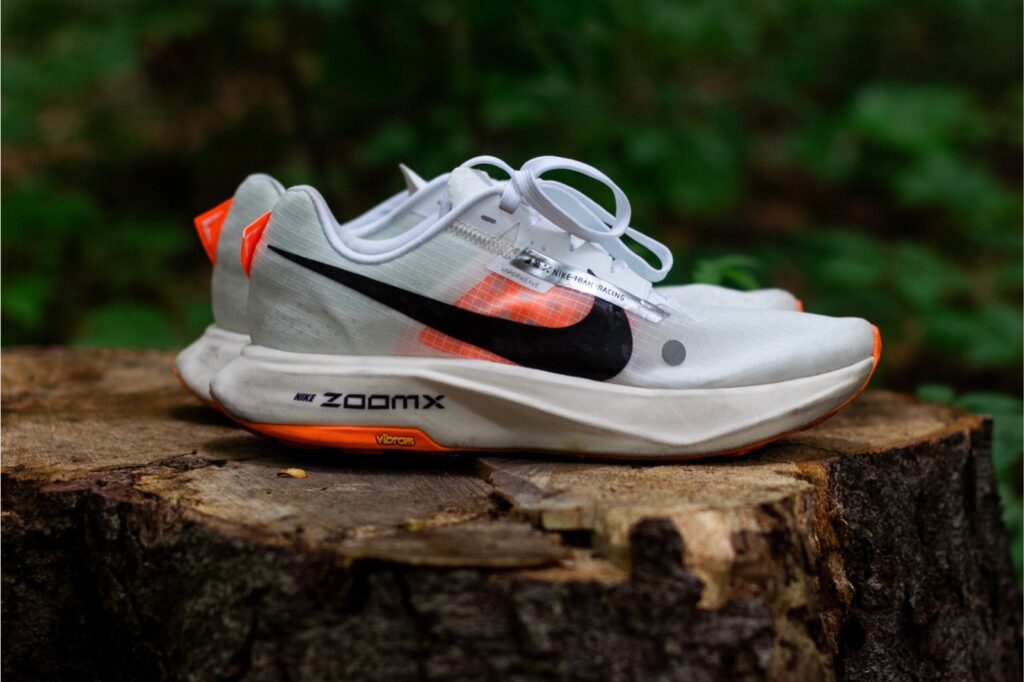
Nike Ultrafly Trail
And so we have the Nike ACG Ultrafly. By and large, it’s the evolution of the Nike Ultrafly Trail, a carbon-plated race day shoe with a full ZoomX midsole and the first Nike trail shoe to finally employ a Vibram outsole. As with any update, some things remain the same and some are different, so let’s compare.
The Nike ACG Ultrafly comes with some welcome updates to the first version. (Just a note: We have not tested this shoe yet, so this is simply a first thoughts based on the design of the shoe and our past experiences in the Ultrafly Trail.)
Starting with the upper, the ACG Ultrafly was built on a wider last in hopes of providing a more accommodating fit, especially in the toe box. As anyone who follows Nike knows, most of their shoes sit on the “narrow to very narrow” side of things, so this is a welcome change for most. (Personally, I prefer the narrow fit, but unfortunately entire shoe models are not designed for me.) The upper is a lightweight, breathable, and drainable mesh instead of the ripstop-style upper used in the Ultrafly Trail.
Moving down, the shoe now comes with a ZoomX sockliner, which is lighter and bouncier than the standard insole from the first version. Essentially, you’re getting a couple more millimeters of ZoomX, which brings us to our next point: the midsole.
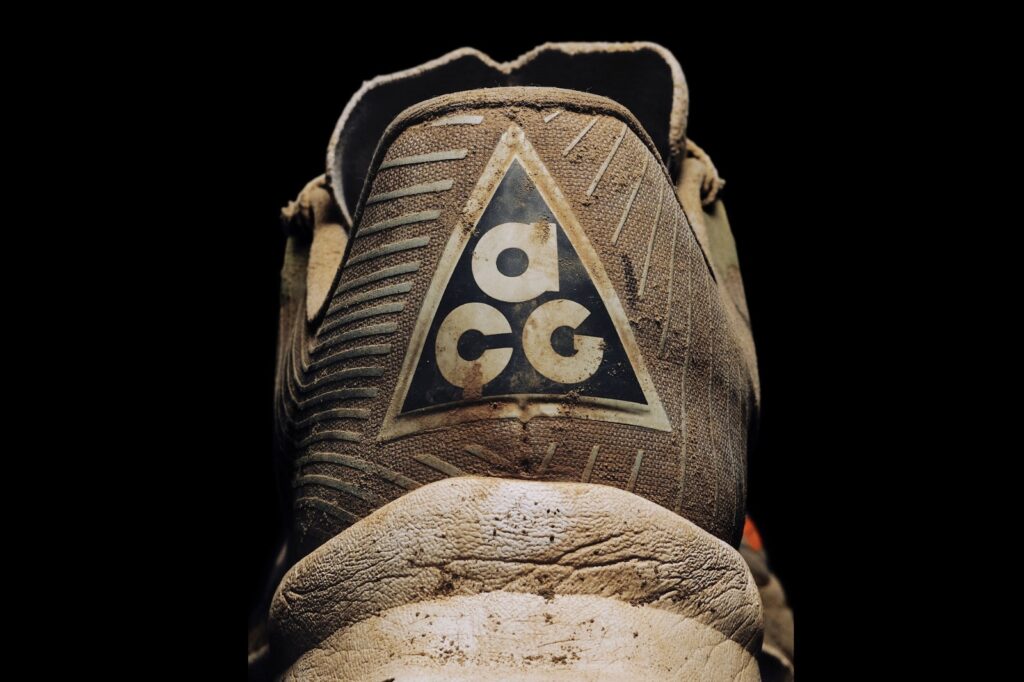
Photo courtesy of Nike
Here’s where things changed the most (and least). The least is that the whole thing is still made out of ZoomX, Nike’s premium, ultra bouncy– and sometimes unstable– race day foam. It’s found in shoes like the Vaporfly, the Vomero Plus, and the Streakfly. In the first version of the Ultrafly, it was a bit… extra. Extra bouncy, extra fun, but also extra unstable. Nike did their best to corral it with a full carbon-fiber FlyPlate and a textile wrap that went the whole way around the midsole, but it still wasn’t enough.
In the ACG Ultrafly, we still have a full ZoomX midsole. The difference, however, is that it’s tuned differently to provide extra stability. It’s also dual-density, but not delineated by the two segments seen on the lateral side. While we didn’t get an answer on the two densities, we assume that there will be a carrier version of ZoomX beneath the plate and a softer core ZoomX foam section above it, directly under the foot.
Going back to the separate forefoot and rear segments seen from the lateral side– Nike has removed the textile wrap from the rear of the shoe, instead relegating it to the ZoomX foam in the forefoot segment. According to Nike, this will provide better stability upon landing and take off while providing that ZoomX bounce in the heel.
In all, the midsole has a stack height of 37 mm in the heel and 28.5 mm in the forefoot with an 8.5 mm drop.
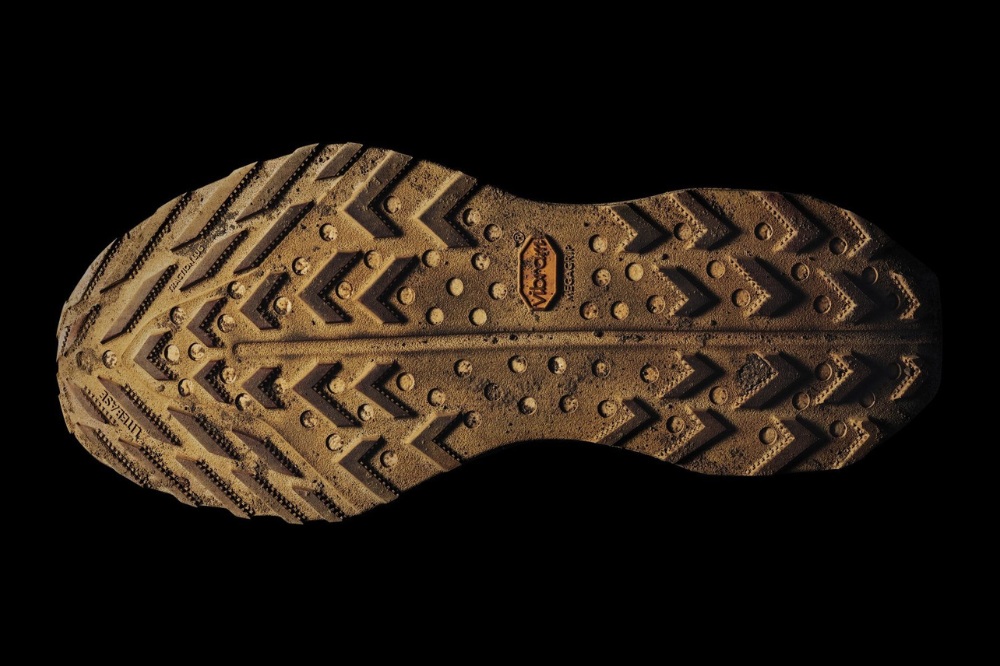
Vibram Litebase outsole (photo courtesy of Nike)
Let’s not forget about the carbon fiber Flyplate. In the ACG Ultrafly, it’s modified as a 7/8-inch plate, split down the spine. The goal is to provide more flexibility over varied terrain, much like we’ve seen in other trail shoes, namely the Hoka Tecton X with its parallel plate design acting almost as an independent suspension system.
Then there’s the outsole, which still uses the Vibram Litebase (same as the first version), the most lightweight version of Vibram rubber that still provides a sticky outsole in a lightweight layer, but sacrifices a bit in durability and longevity in comparison to the sturdier Vibram Megagrip.
As far as weight, the shoe comes in at 10.1 oz (287 g) for a US M10 x and 7.9 oz. (225 g) for a US W8.
We don’t have a price point on it yet, likely because prices are changing every week at this point, but we can safely assume it’ll be in the $270-$290 range.

Photo courtesy of Nike
All in all, the shoe looks very promising. We were pretty big fans of the Nike Ultrafly Trail, even if we thought it could use some tweaks for the stability. It was essentially an excellent road shoe disguised as a trail shoe. Even though I originally gave it mediocre marks for its use on anything technical on account of its questionable stability, I did it for the second half of a rainy and muddy 50K with road segments and it was kind of awesome. Provided some nice comfort without sacrificing performance.
So I’m very interested to see how the changes in the ACG Ultrafly will take this shoe to the next level, especially now that it weights a half-ounce lighter.
Clearly it can perform over long distances at the highest level of sport, as evidenced by the slew of top finishes by athletes in the All Conditions Racing Department.
Now, can it perform for us lowly shoe reviewers? Guess we’ll find out soon enough.
Stay tuned for a full review in the coming months. For now, mark you calendars for a Spring 2026 release.
Shop Nike Ultrafly
Have something to say? Leave a Comment



Robbe is the senior editor of Believe in the Run. He loves going on weird routes through Baltimore, finding trash on the ground, and running with the Faster Bastards. At home in the city, but country at heart. Loves his two boys more than anything. Has the weakest ankles in the game.
More from Robbe


So still a really heavy show. Hope they at least upgraded the foam, which isn’t good in the 2023 iteration
Agree the foam wasn’t great in v1, but 10 oz. for a US10 is pretty reasonable for a trail shoe meant for long distances.