Shop BITR Apparel Shop Now
We independently review everything we recommend. When you buy through our links, we may earn a commission.
Tips on picking a shoe for your next trail race.
We have shoes for long races, short races, and all types of terrain.
Prices vary, all shoes available now.
So, you wanna get into trail racing...
TAYLOR: Whether you’re here to fine-tune your racing selection or consider it for the first time, I’m sure you’re aware of the literal sea of trail running options out there. Even the race-day choices are more saturated than our pavement-pounding compatriots.
So, how do you make a dang choice? Your concern is ours. Knowing a bit about the current landscape of options can go a long way in finding you the best tool for the job.
After all, that’s one of the things that sets an average trail running shoe and a trail racing shoe apart. They are a more specific tool with a more specific job in mind.
That’s a really simple way of putting it, but it’s the frame we'll use for this conversation. Keep that in mind.
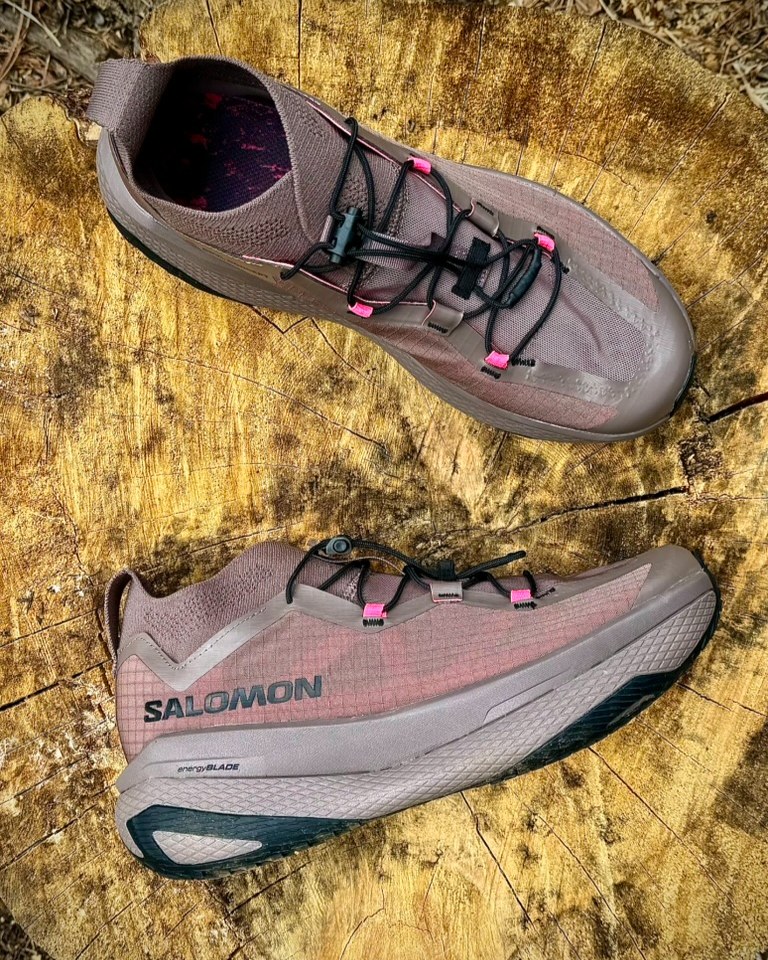
One question to consider, though, is: do you need a racing shoe? After all, the most popular everyday trail shoe is also the most popular racing shoe out there, but the Hoka Speedgoat might not give you the edge you desire.
Ultimately, what will give you the utmost confidence on race day? Is it the dependable vanilla option, or is it the double scoop of cherry cheesecake with graham cracker crumbles?
What do you think a little extra pep, a lightweight build, or dynamic sense of stability could eke out of you? That’s what we’re searching for in a race day option. Confidence that leads to performance… and fun… yeah, you bet they should be fun!
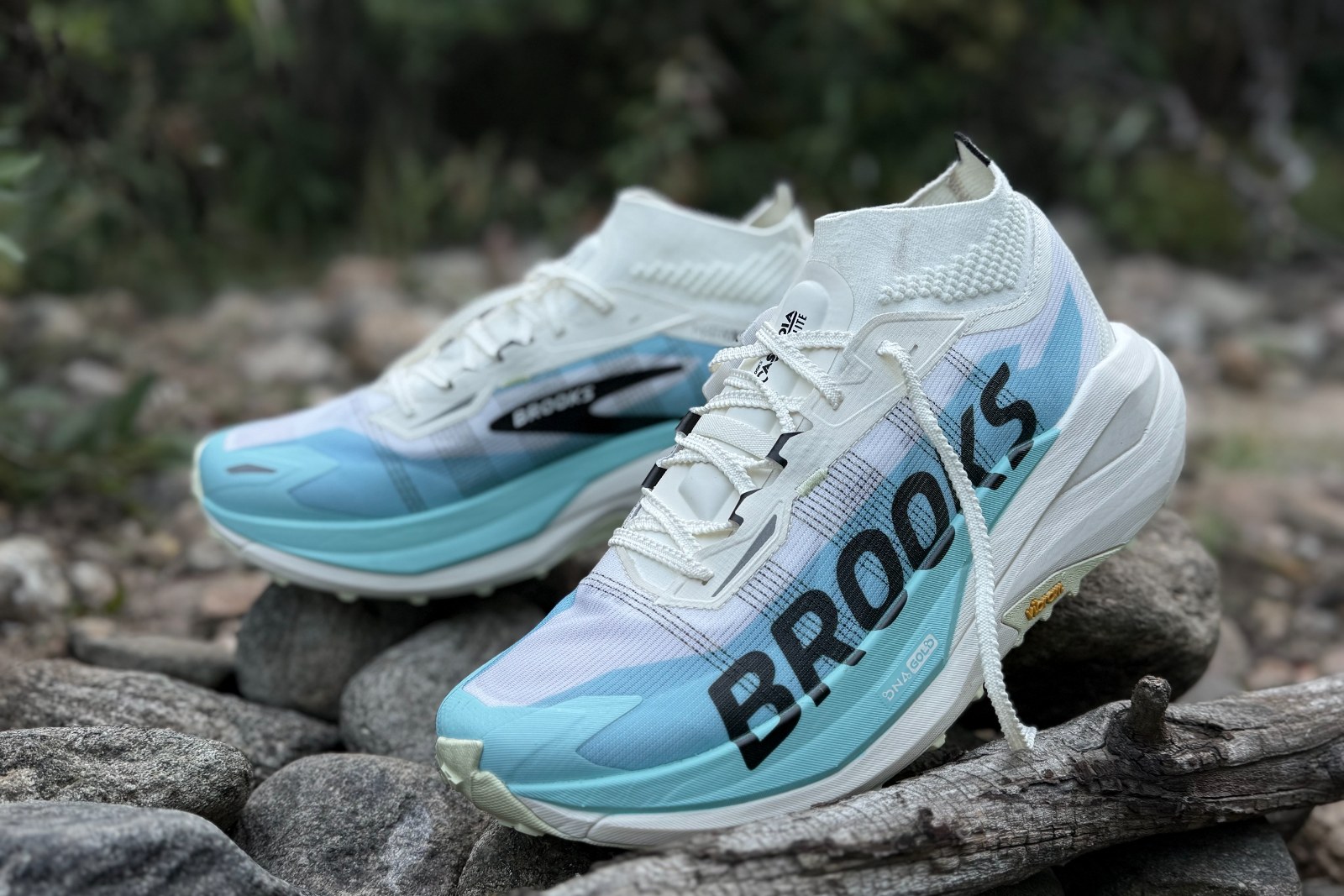
Let’s attempt to simplify, shall we?
By and large, a major difference between daily trail runners and race day options is materials. A lot of racing shoes will have more premium foams, the newest technological advances, upgraded outsoles, and lighter-weight uppers. So, just by stepping into the shoe, you’ll typically feel a difference.
Know that the nature of race day shoes is that they typically sacrifice one element for another. A track spike is a great example of this. It is designed to be as lightweight, grippy, and responsive to your leg speed as possible. It sacrifices fit and comfort for that race day performance boost.
The same goes for trail running, but the adjustments are made based on a few different considerations.
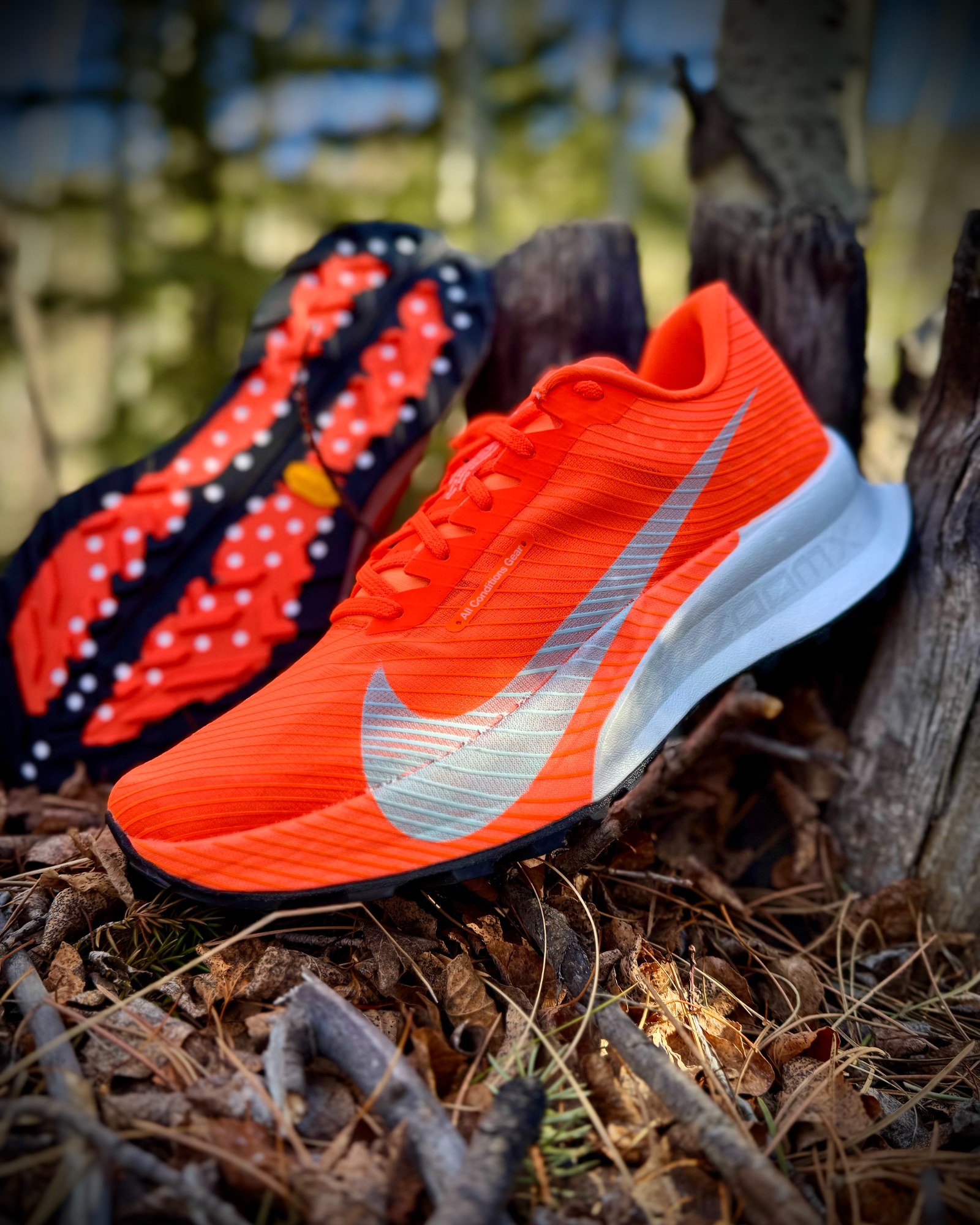
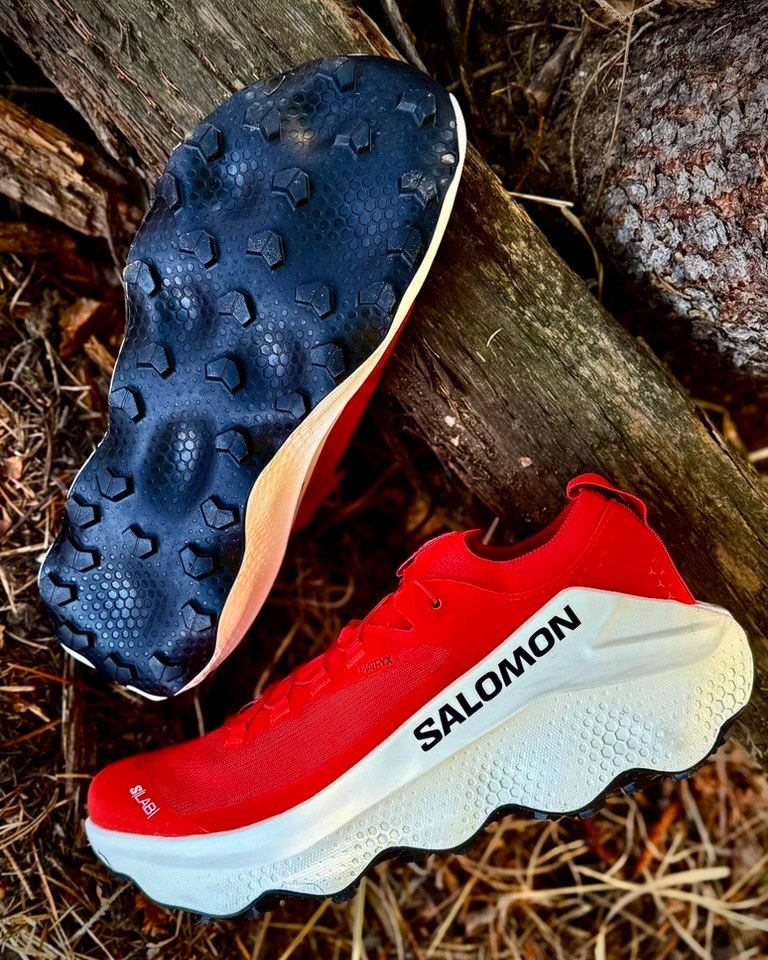
In general, there are three things to think about when choosing a trail shoe, even more so a trail racing shoe: terrain, duration, and personal preference. If you can have answers to some of those considerations, you’re going to be more successful in your search.
The nice thing is that each of those considerations can be viewed on a separate plane. The more difficult part is when those planes collide; it can leave you either enlightened or as confused as ever.
Let’s get to work.
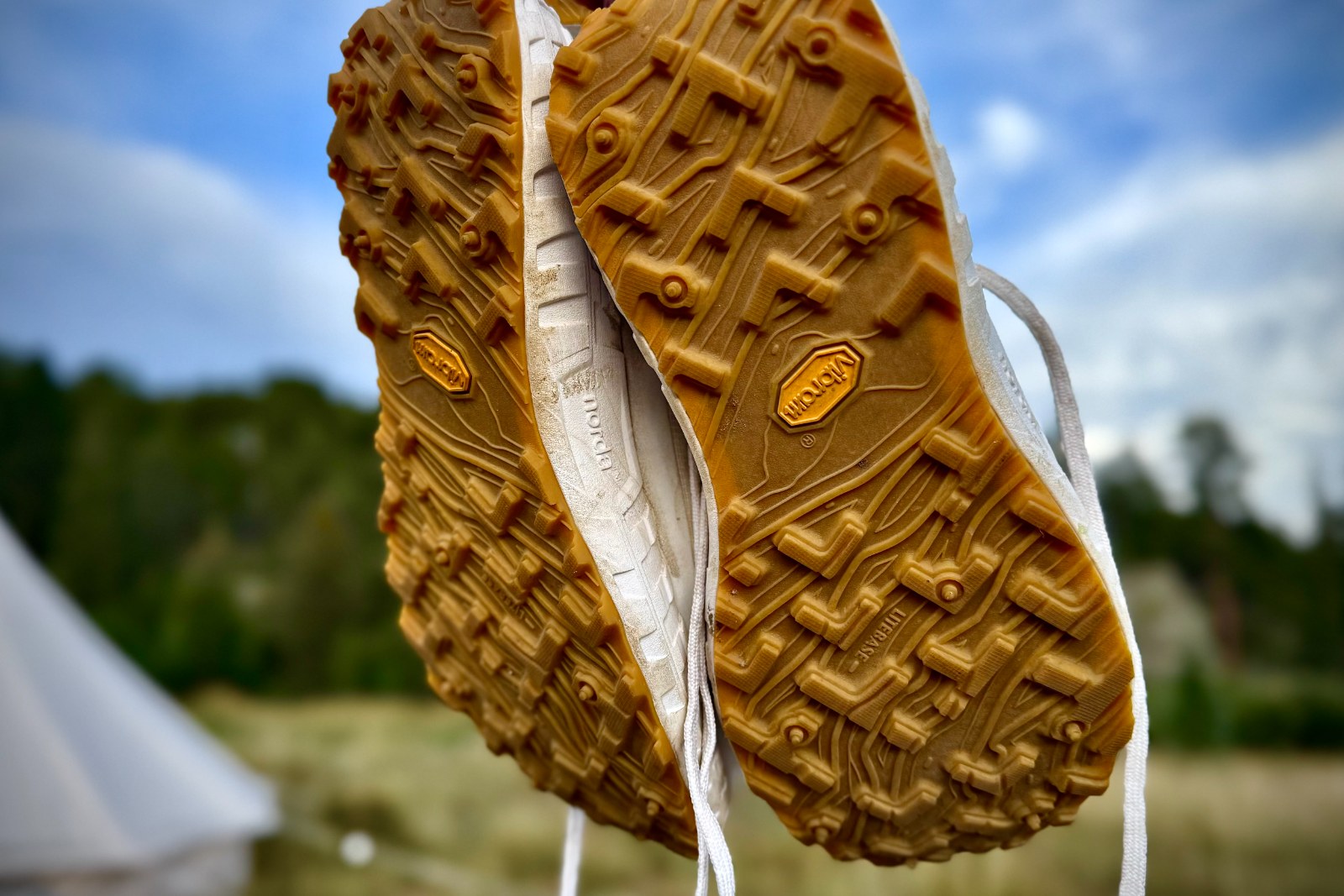
Terrain is the most important to come to terms with because, as I said, each race day option is a specific tool for a specific job. Terrain is what makes each trail race unique and uniquely challenging. Trail racing shoes are designed with those challenges in mind.
One mile on California carpet compared to one mile in the White Mountains is more different than a Red Eye and a Pumpkin Spice Latte. Sure, both are coffee, but they are almost incomparable. For example, we have the Merrell MTL Skyfire 2 that was created to be as lightweight as possible for uphill running. Then, we have the Salomon GRVL Concept created for the cross section of pavement and dirt.
There are different common design elements that categorize trail racing shoes and give them the performance desired on said terrain.
Duration is also important to consider. Typical racing designs will show a higher emphasis on comfort the longer the duration, which often sacrifices maneuverability.
It becomes a two-dimensional diagram at this point where certain elements will typically be present for certain durations and certain terrain.
All this sounds obvious, yeah?
Let’s paint the opposite ends of the spectrum before going further. A lot of modern trail shoe design started at these opposing ends that span from extremely technical to paved roads. Most trail running/racing shoes find themselves leaning slightly toward one end or the other, but many are still quite influenced by the demands of both ends.
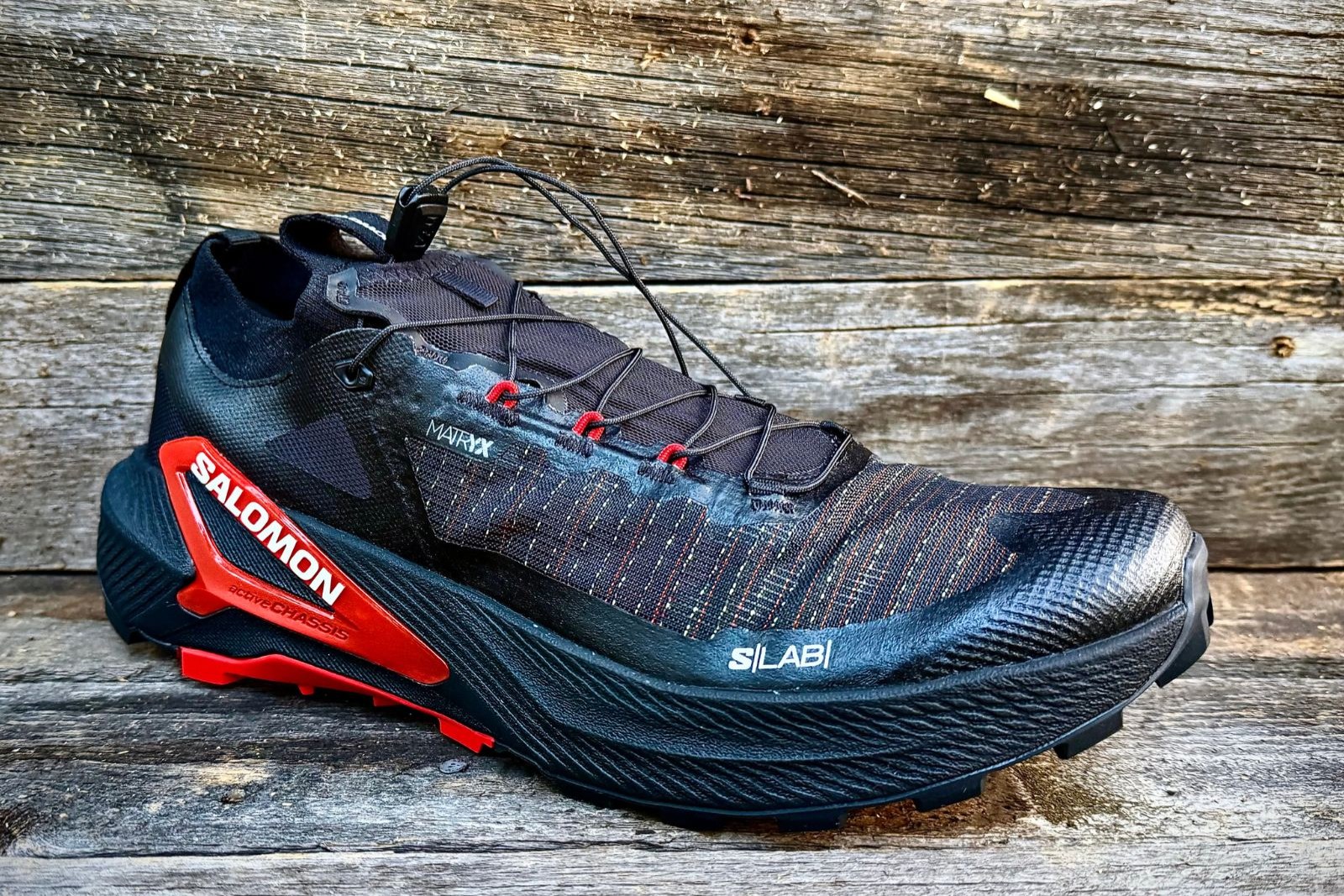
Technical terrain is where pretty much every step needs to be precise. You have to be mindful of every stride and your effort. This is where trail running/racing shoes were born because the typical running shoe of the time or hikers could not meet the needs.
Race shoes in this category will typically have an utmost focus on a secure fit (often slim), a lightweight build, be lower to the ground for control, and have a more aggressive outsole for grip.
Most races in this terrain happen to be in lower distances but on higher consequence terrain. Racers will be out for anywhere between 30 minutes and a few hours.
The following options may not be the most comfort-oriented; however, the payoff is in confident footing.
A few of our favorites for shorter duration: The North Face Vectiv Sky 2, Brooks Catamount Agil, Scott Supertrac 3, Salomon S/Lab Genesis 2
As a package, these shoes tend to be lightweight, but newer designs have made it possible to utilize a considerable amount of foam and still be really high-performing in this tumultuous terrain. After all, there are not many of us who really desire a lot of ground feel. We want a good balance of protection and performance.
Based on the trends of current design, basically, the longer you’re on your feet, the more that needs to be underfoot. That’s not just for comfort either. A big reason is running economy. We do have a few race-ready options for the long haul that can also take on quite technical terrain. There’s still a focus on fit; however, the bottom unit will boast a wider platform for stability and a more specifically tuned midsole that blends comfort and predictability, which ultimately equals confidence.
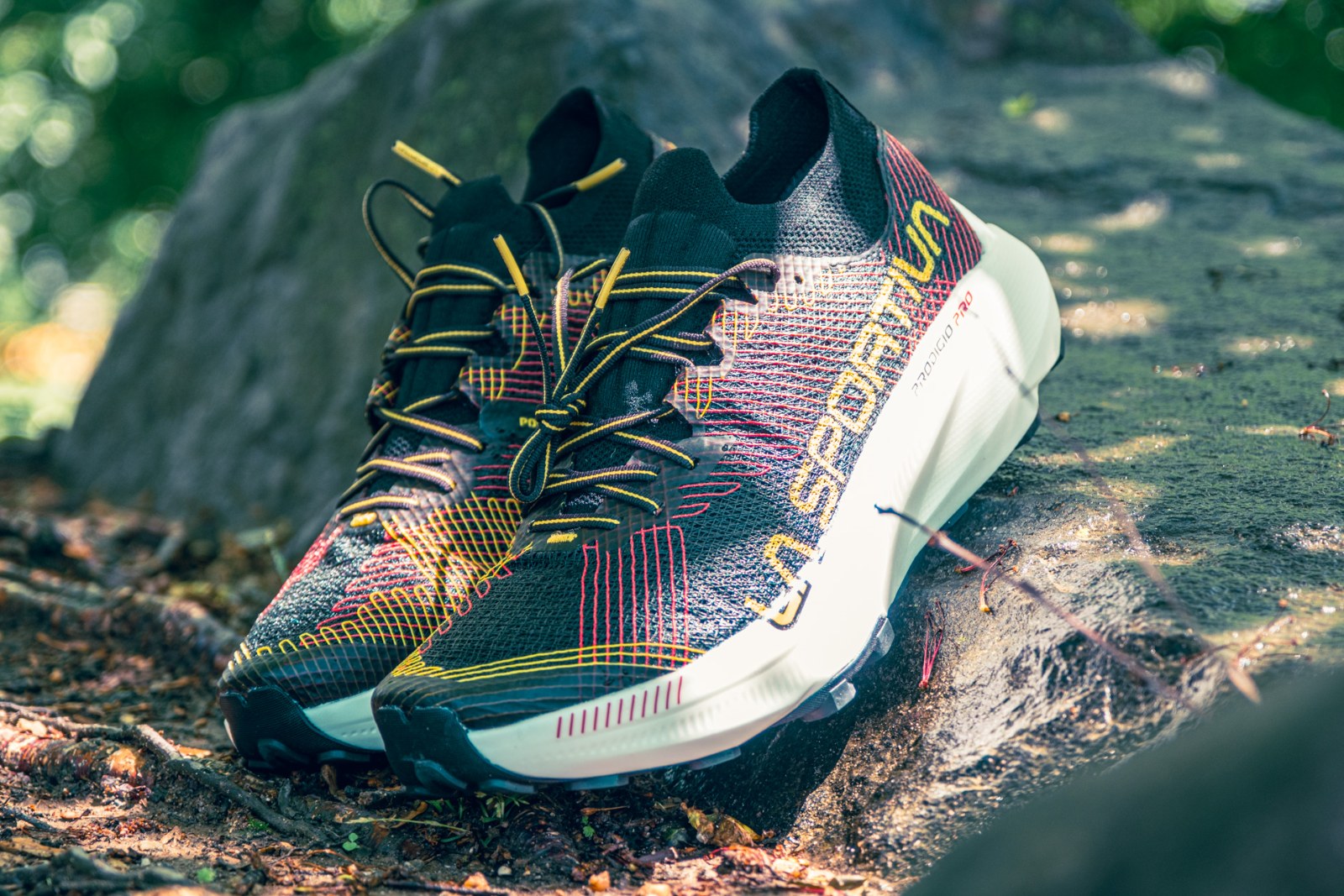
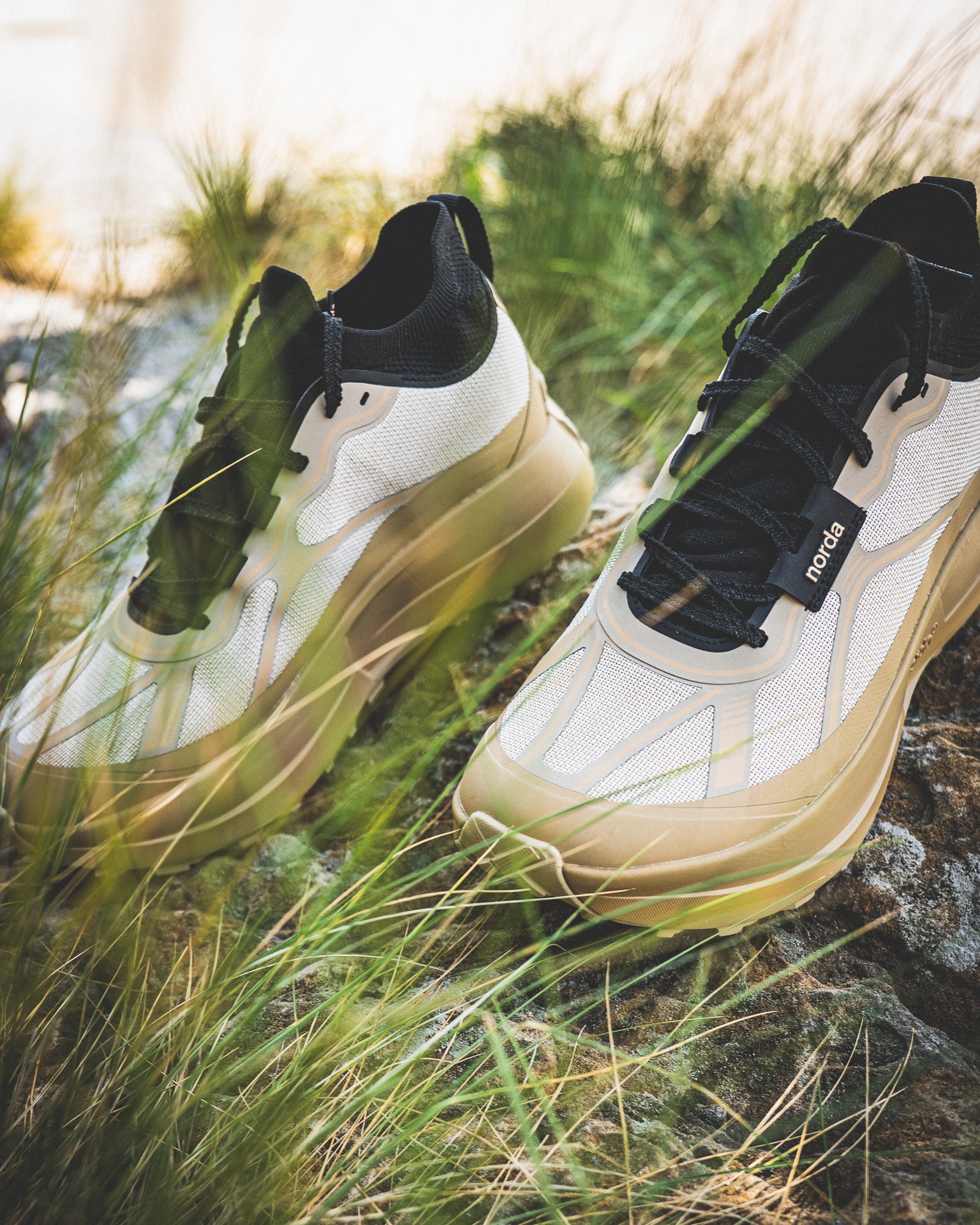
A few of our favorites for longer duration: La Sportiva Prodigio Pro, Norda 055, Salomon S/Lab Ultra Glide 2
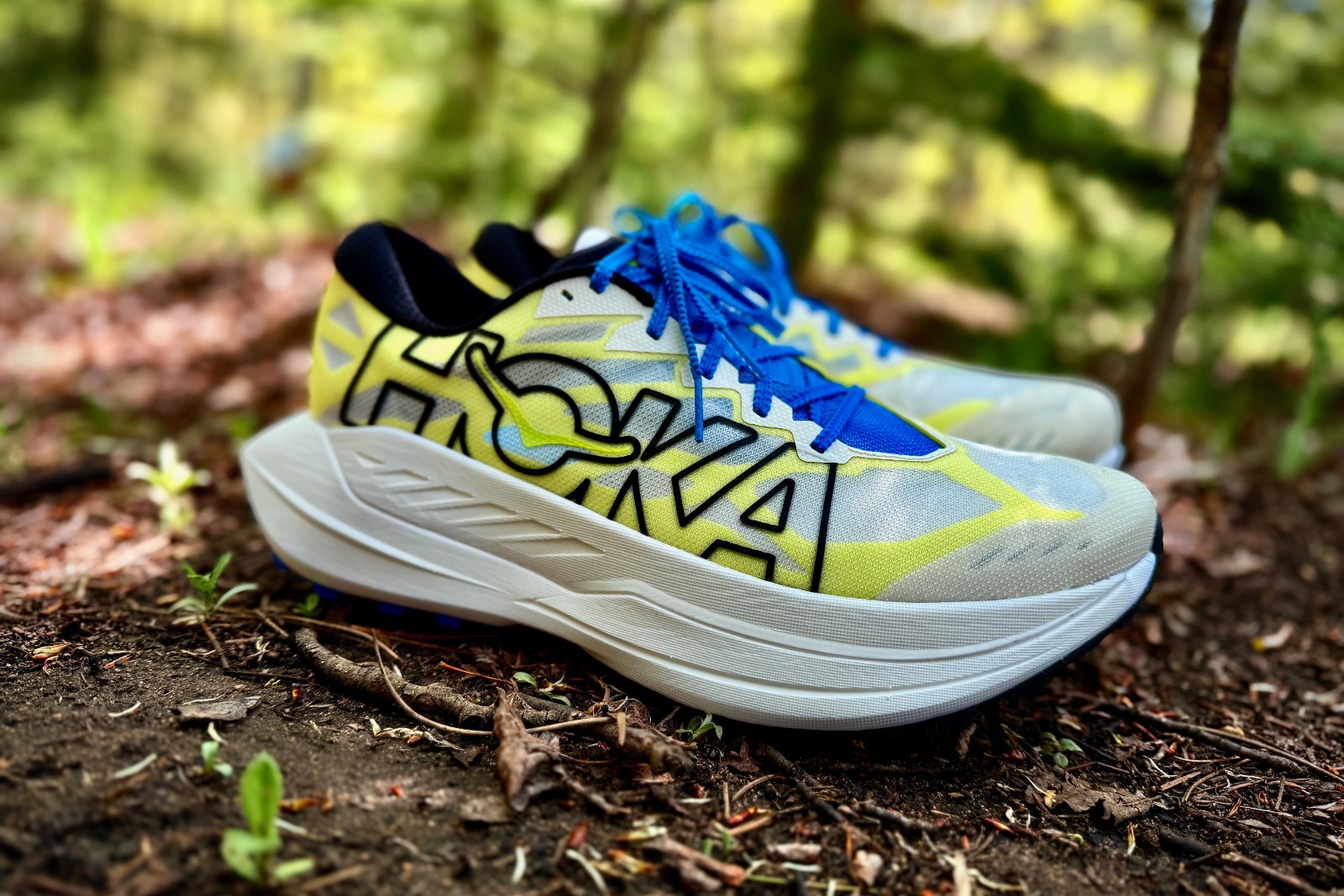
The opposite end of our race-day scale is the “road-to-trail” category. These racers mostly resemble marathon road racing shoes. Since most of your steps can land without worry, these options have less of a focus on foot security and more focus on high amounts of energy return and efficiency. Midsole design is the major player here. These options also have shallower lugs and trade those millimeters for a higher stacked, more aggressively structured midsole.
Can I be honest? Some folks even wear their marathon day preferences here. As long as it’s hella smooth, I don’t see that being an issue for those with strong ankles. With that being said, there are plenty of great intentionally multi-surfaced options for this category.
A few of our favorites: Hoka Rocket X Trail, Salomon GRVL Concept, New Balance Supercomp Trail v2, Nike ACG Ultrafly, Puma Deviate Nitro Elite Trail
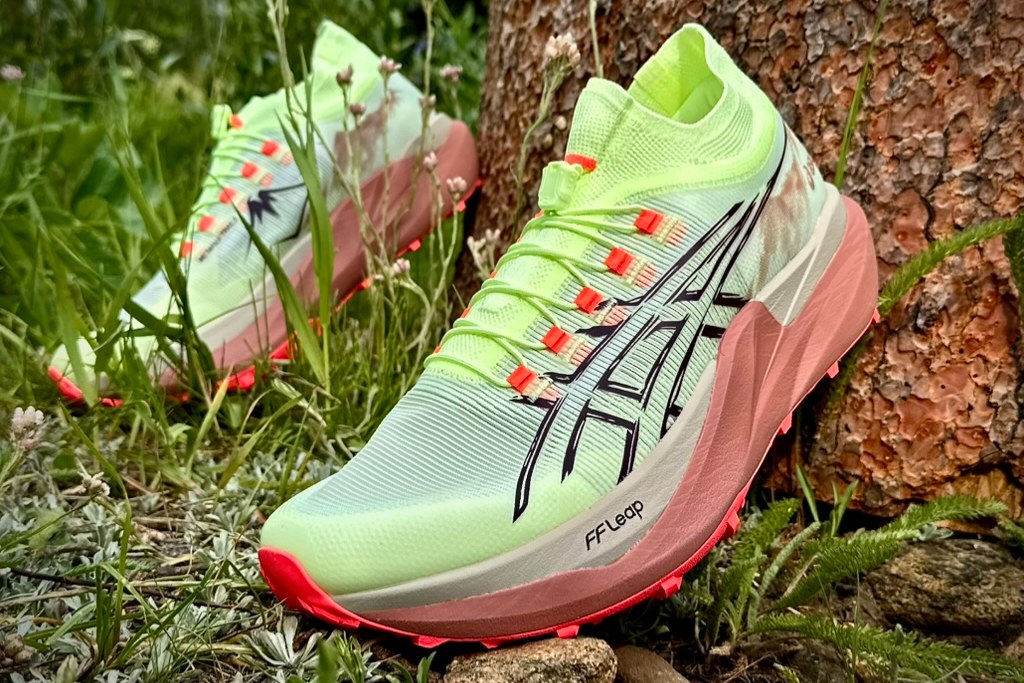
Most trail racing shoes are designed for performance somewhere in between those pillars. Versatility is a hallmark of some of the best race day options out there. While design language might lean closer to the road-to-trail category with high stacks of foam, probability of plates, but a major focus here tends to be efficiency.
These shoes also typically focus on a healthy balance of comfort and excitement for the long haul with appropriate attention to foot security. So, foams are still responsive but not as squishy, a rockered profile will allow for a smooth transition, and plates are employed to provide dynamic stability along with some zing.
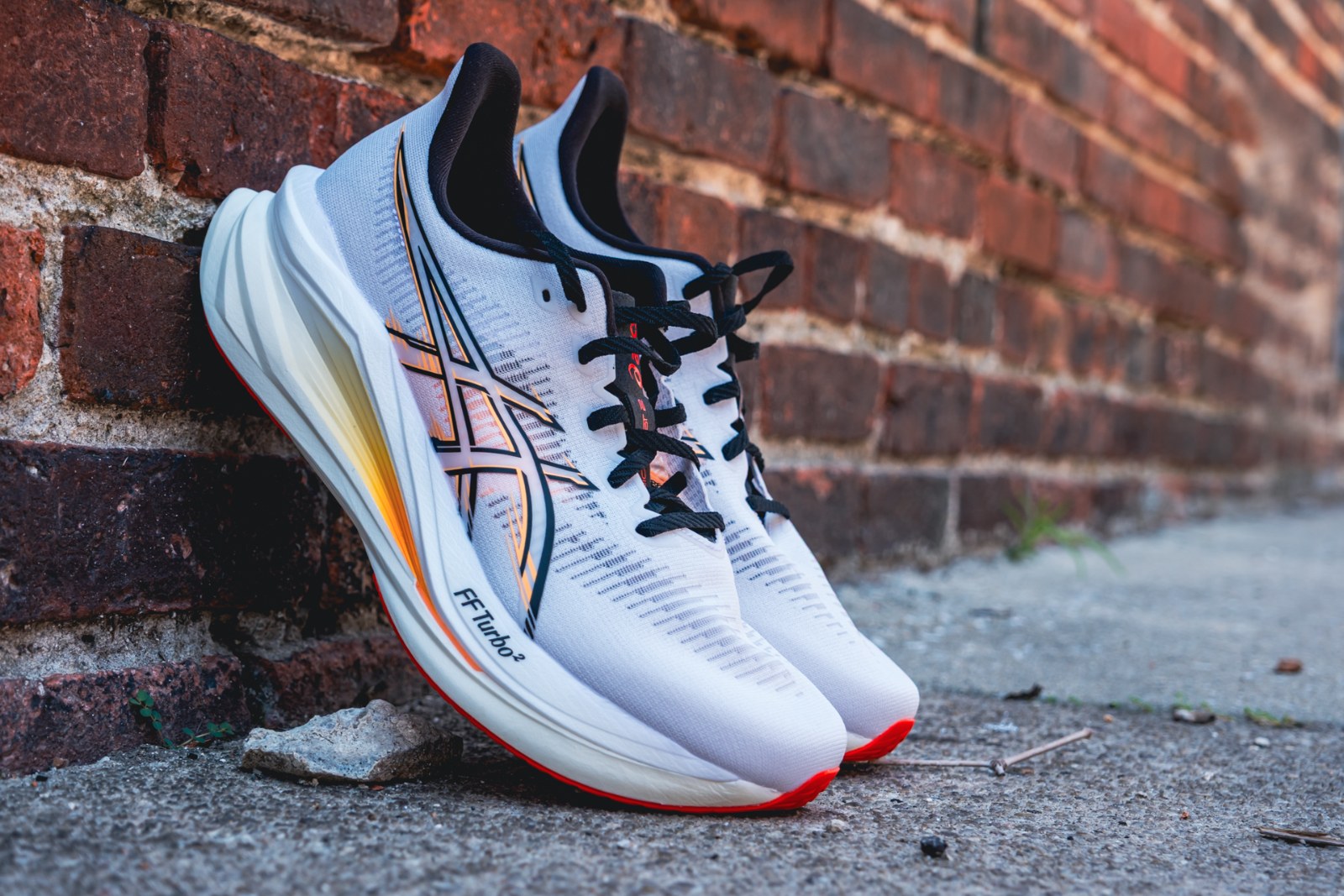
A few of our favorites for shorter duration: La Sportiva Prodigio Pro, Arc’teryx Sylan 2, Asics Metafuji Trail 2, Adidas Terrex Agravic Speed 2
A few of our favorites for longer duration: Brooks Cascadia Elite, Hoka Tecton X 4, On Cloudultra Pro, Adidas Terrex Agravic Speed Ultra Evo, Kiprun Kipsummit Race, Norda 055, Mount to Coast M1
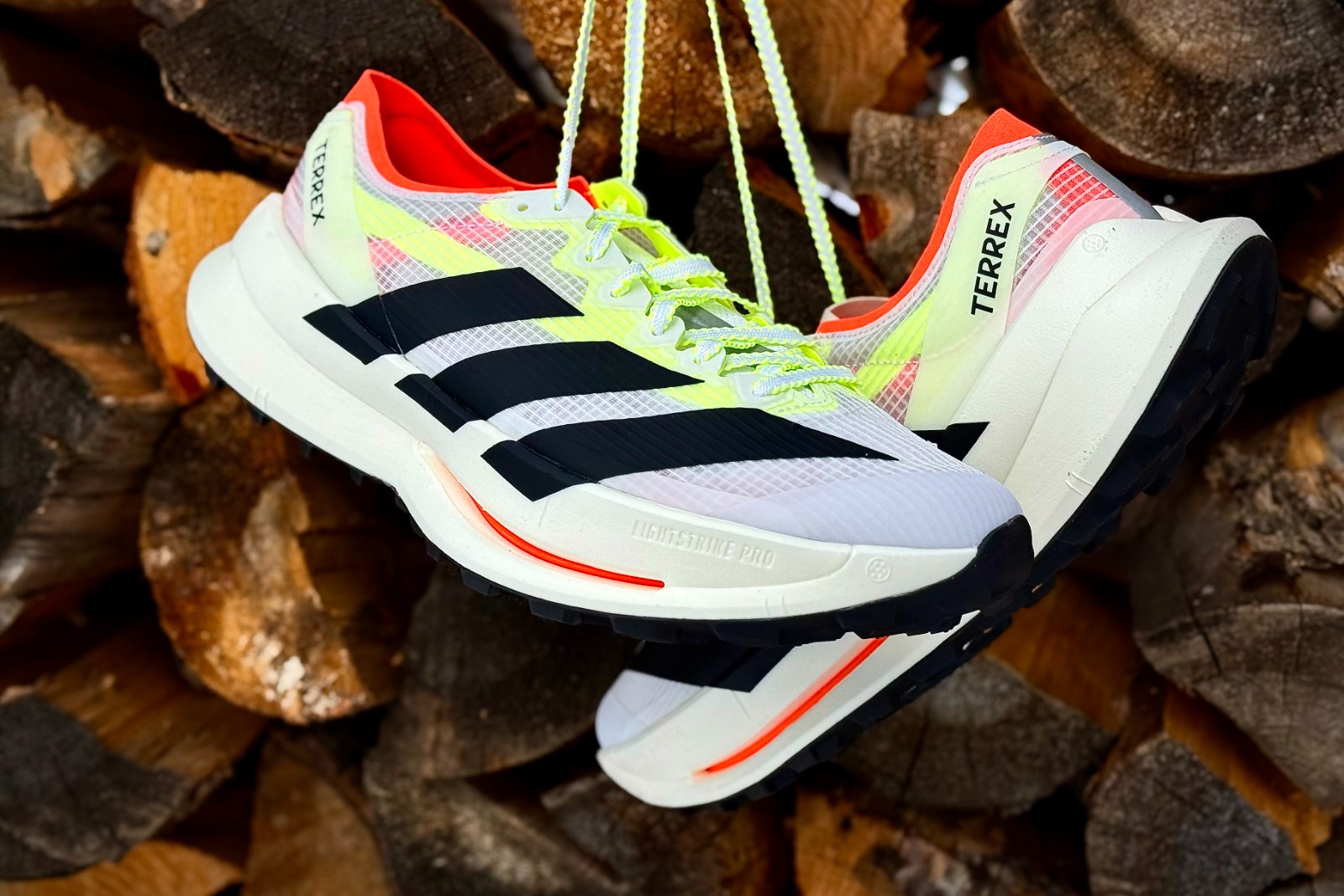
This is where the typical graph turns into a 3-dimensional model. Everyone has their personal preferences when it comes to shoes. As we have found out, that can come with clarity or calamity because of the overwhelming amount of options available.
While I don’t have more shoes to schlep right now, if you want to dive deeper, I guarantee there are more options available that meet some of the quirkier needs of runners.
Here’s what I recommend. Use terrain and duration to guide you to some race day options. Then, zero in on preferences that come close to your needs.
Our Shoe Finder can account for preferred fit, specific stack heights, stability level, and more. Treat it as a virtual run-specialty store. It will also pull forth some other options that might not be in the specific racing category or slightly outside the bounds of the description but share some of the same details of what you’re looking for.
Good luck and happy hunting!
Sign in or create a free account to comment. You'll come right back here.
Sign in / Sign up


Taylor Bodin is a trail and ultra runner living in Estes Park, Colo., with his wife and daughters. As the head of the Dirt Division at Believe in the Run, trail running is pretty much the only hobby he can manage right now and loves it. Every so often, he will pop off a race or FKT attempt because competition is pure and the original motivator for him getting into running anyway.
More from Taylor